
security
Tinubu Summons Security Service Chiefs over Rising Threats

By David Torough, Abuja
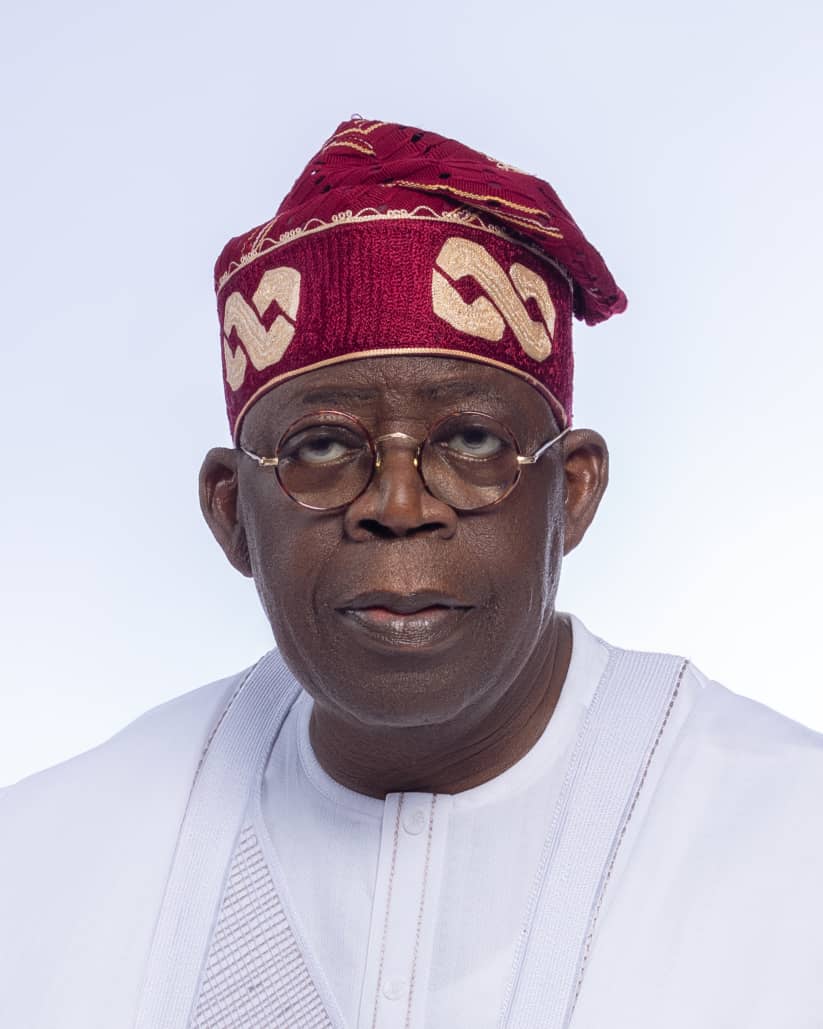
President Bola Tinubu on Thursday convened an emergency security meeting with the nation’s top military commanders, intelligence chiefs and security advisers amid renewed efforts to contain terrorism, banditry and kidnapping across the country.
The closed-door meeting, held at the Presidential Villa, Abuja, lasted more than two hours and brought together the National Security Adviser, Nuhu Ribadu; Minister of Defence, Mohammed Badaru; Chief of Defence Staff, General Christopher Musa; Chief of Army Staff, Lieutenant General Olufemi Oluyede; Chief of Defence Intelligence, Lieutenant General Emmanuel Undiandeye; Director-General of the Department of State Services, Adeola Ajayi; Director-General of the National Intelligence Agency, Mohammed Mohammed; Inspector-General of Police, Olatunde Disu; and the President’s Special Adviser on Homeland Security, Major General Adeyinka Famadewa (retd.
), among other senior security officials.Although details of the meeting were not disclosed as of press time, sources said it focused on reviewing the country’s security situation and ongoing military operations across various theatres.
The meeting came as security forces recorded fresh operational gains against terrorists and bandits in the North-West and North-East.
In Katsina State, troops of the Nigerian Army, in collaboration with other security agencies, killed eight suspected terrorists during an ambush in Bakori Local Government Area after receiving intelligence that gunmen loyal to notorious bandit leader Idi Abasu Aiki were planning attacks on commuters along the Kakumi-Guga Road.
The troops recovered two AK-47 rifles and five motorcycles used by the suspects, while security forces have intensified patrols around vulnerable communities to forestall retaliatory attacks.
The latest success followed earlier military operations in Zamfara and Katsina States in which troops of Operation FANSAN YAMMA, supported by the Nigerian Air Force, disrupted a major terrorist movement involving about 300 armed fighters on motorcycles through precision airstrikes.
Security forces also eliminated a notorious bandit commander, Alhaji Tukur, during separate operations, while troops of Operation Hadin Kai recently repelled another attack on a military base in Borno State.
Against the backdrop of the renewed security offensive, Zamfara State Governor Dauda Lawal renewed his call for the establishment of state police, arguing that governors cannot be held accountable for insecurity without operational control over security agencies.
Speaking at the ARISE News/THISDAY Town Hall Conference in Abuja, Lawal disclosed that he refused to pay a N300 million ransom when his brothers were abducted in 2019.
“My brothers were kidnapped and the kidnappers demanded N300 million. I told them I would not pay a kobo. If they wanted to kill them, they should go ahead,” he said.
According to the governor, his brothers were eventually released after spending three months in captivity without any ransom being paid.
Lawal insisted that paying ransom only fuels further kidnappings and maintained that he would never negotiate with criminal groups.
He also said Zamfara had invested heavily in supporting security operations by providing hundreds of operational vehicles, armoured personnel carriers, mine-resistant vehicles and surveillance and attack drones to security agencies.
The governor argued that decentralising policing would improve accountability and enable states to respond more effectively to local security challenges through better funding, training and operational control.
The Presidency had yet to issue an official statement on the outcome of Thursday’s security meeting at the time of filing this report.
From Dan Amasingha, Minna
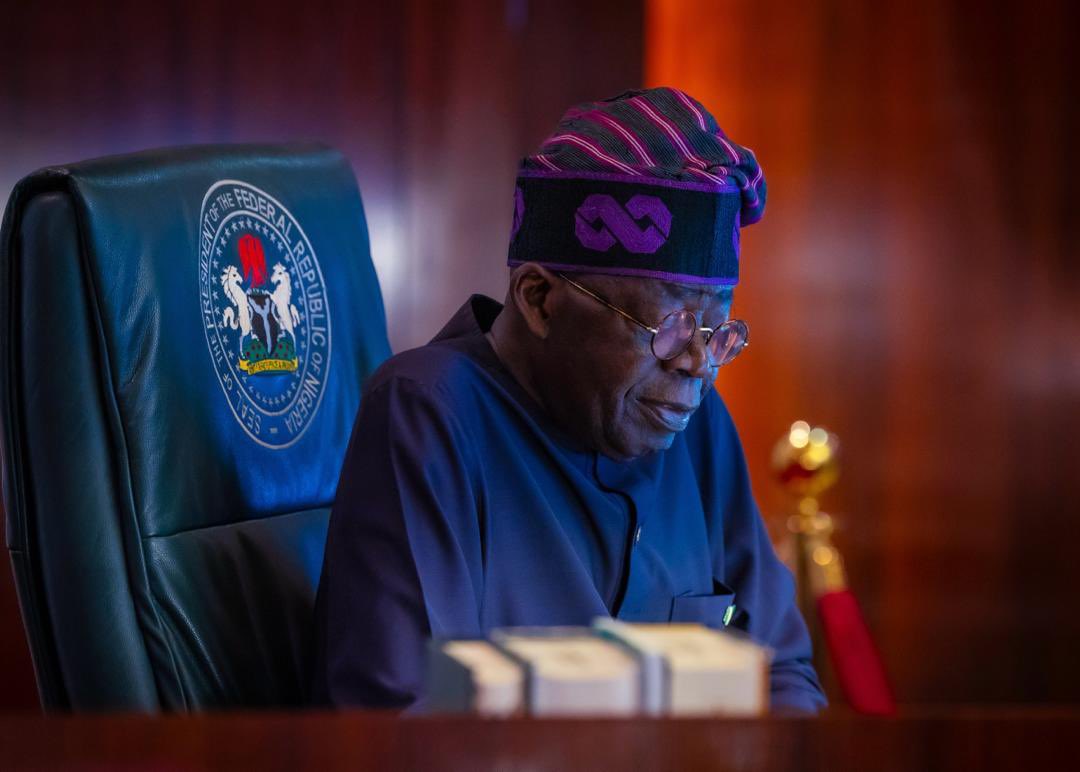
President Bola Ahmed Tinubu has ordered the Armed Forces, the Nigeria Police Force, the Department of State Services (DSS) and other security and intelligence agencies to launch an immediate, coordinated operation to rescue more than 60 worshippers abducted during deadly attacks on mosques in Borgu Local Government Area of Niger State.
The directive followed Friday’s simultaneous attacks on four communities, Dekara, Kpenya, Sabon-Gida and Gidan-Zana, where gunmen reportedly invaded mosques during Juma’at prayers, killing close to 30 worshippers and abducting scores of others.
Chairman of Borgu Local Government Area, Mohammed Nasir Abdullahi, confirmed that about 30 people were killed and said the bodies had been recovered and buried according to Islamic rites. He added that the number of abducted persons was slightly above 60.
The attackers reportedly rounded up worshippers and marched them into nearby forests. Women, children and elderly persons were among those taken, while several residents fled into the bush to escape the assault.
The assailants also reportedly set houses ablaze, including the residence of the District Head of Dekara, Abubakar Umar. The village Head of Ka’ada and the 90-year-old father of the Dekara District Head were also said to have been abducted.
Reacting to the incident, President Tinubu condemned the attack as barbaric and expressed outrage over the killing and abduction of innocent Nigerians.
In a statement issued by his spokesman, Bayo Onanuga, the President described the attackers as “enemies of peace and enemies of humanity” and vowed that they would not escape justice.
“You are not alone. The entire nation shares your anguish. We will not rest until your sons, daughters, mothers and fathers are brought back safely to you,” Tinubu said.
The President directed the Service Chiefs to provide him with regular briefings on the rescue operation until every abducted victim is accounted for.
He also assured the people of Niger State that the Federal Government would provide the state government with all necessary support for recovery, relief and security reinforcement.
“Terror will not cow Nigeria. We will defend our people, protect our communities, and uphold the sanctity of human life,” he declared.
Security forces have since moved into the affected areas to restore calm and track the attackers, while residents have continued to relocate to safer locations, including New Bussa and, in some cases, across the border into the Benin Republic.
The latest attacks have heightened concerns over the worsening security situation in the area, with local sources saying some communities had already begun emptying out after terrorists reportedly threatened to kill residents who refused to leave.
The President’s directive signals a renewed federal response as security agencies
By David Torough, Abuja
The Armed Forces of Nigeria (AFN) rescued at least 48 abducted persons, neutralised several terrorists and arrested suspected criminals across the country between August 14 and 20, 2026, as troops intensified operations against terrorism, kidnapping, oil theft and other forms of criminality.
According to a statement by the Director of Defence Media Operations, Major General Michael Onoja, the operations recorded successes across the North East, North West, North Central, South South and South East theatres.
In the North East, troops of Operation Hadin Kai rescued three kidnapped victims from Gwamnare Forest in Ningi Local Government Area of Bauchi State, while five others escaped their captors and reunited with their families.
Two victims, however, were killed before troops intervened.Troops also rescued a 63-year-old Cameroonian national abducted along the Gwoza-Cameroon axis and recovered weapons, including an abandoned AK-47 rifle.
The military said 47 family members of terrorists, comprising women and children, surrendered to troops in Borno State between August 16 and 20. Six terrorist fighters also surrendered during the period, with the military attributing the defections to hunger, insecurity and internal factional clashes within terrorist enclaves.
In the North West, troops of Operation Fansan Yamma rescued 28 abducted victims across Zamfara, Katsina and Sokoto states. Several terrorists were also neutralised, while troops arrested suspects linked to kidnapping and the movement of explosives and supplies to terrorist groups.
The military said one suspect was arrested while transporting 180 units of explosives along the Kaura-Zurmi Road in Zamfara State, allegedly destined for terrorists in Katsina State. Further operations led to the arrest of suspected terrorist informants and collaborators.
In the North Central, troops of Operation Whirl Stroke compelled kidnappers to release 13 victims abducted along the Alloma-Ejule Road in Kogi State. Troops also neutralised suspected kidnappers and terrorists in Nasarawa and Benue states and arrested suspected arms traffickers and kidnappers.
Troops of Operation Enduring Peace in Plateau State recovered firearms and ammunition during operations following an attack on Mwar community in Mangu Local Government Area.
In Kwara State, Operation Savannah Shield troops rescued seven kidnap victims found wandering in bushes around Latandaji in Patigi Local Government Area and neutralised a terrorist in Ifelodun Local Government Area.
In the South South, troops of Operation Delta Safe arrested suspected kidnappers and recovered seven locally made pistols, ammunition and a camouflage vest from a suspect in Delta State.
The military also reported the disruption of three illegal refining sites in Rivers State, where about 85,000 litres of products suspected to be illegally refined Automotive Gas Oil were recovered from dugout pits, sacks and reservoirs.
In the South East, Operation Udo Ka troops dismantled illegal bunkering operations, arrested suspected criminal elements and recovered firearms and ammunition. Troops also discovered and safely disarmed multiple improvised explosive devices in Imo State and cleared 11 IEDs during operations in Ihiala Local Government Area of Anambra State.
The military said its operations were complemented by civil-military cooperation initiatives. During the week under review, the Nigerian Navy commissioned a solar-powered water project for residents of Ward F2 in Surulere, Lagos State, to improve access to potable water.
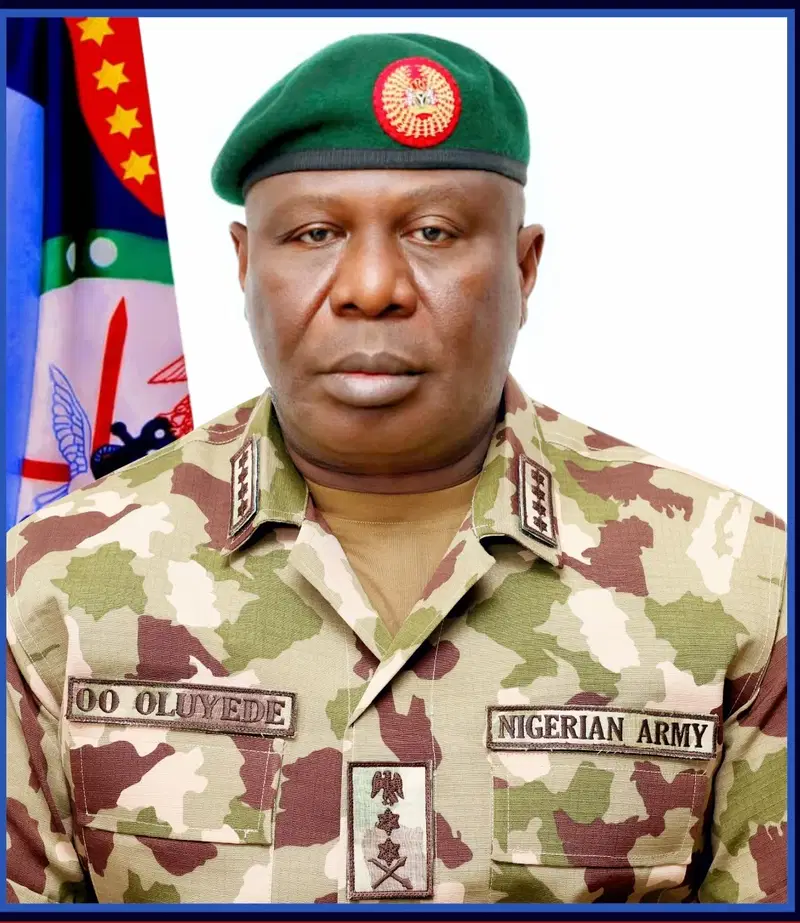
The Chief of Defence Staff, General Olufemi Olatubosun Oluyede, commended troops for their operational successes and expressed sympathy to families of civilians killed during the operations. He also wished injured security personnel a speedy recovery.
Oluyede further urged Nigerians, traditional rulers and community leaders to continue providing security agencies with useful information, while assuring citizens that the military would sustain its operations until peace and stability are restored across the country.
From Ayinde Akintade, Osogbo
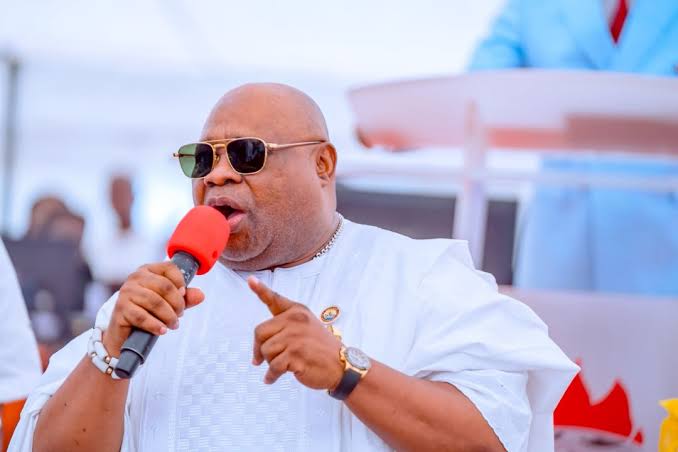
Tension gripped Osogbo, the Osun State capital, on Wednesday after suspected gang members attacked the convoy of Governor Ademola Adeleke shortly after his visit to the palace of the Ataoja of Osogbo, Oba Jimoh Oyetunji, in an incident that left one person dead.
The shooting occurred hours after Adeleke received his Certificate of Return from the Independent National Electoral Commission (INEC), following his victory in the August 15 governorship election.
Adeleke had arrived at the Ataoja’s palace at about 3:15pm in a convoy of about 20 vehicles after leaving the INEC office in Osogbo.
He was received by the traditional ruler, to whom he reportedly presented his Certificate of Return.The meeting ended with prayers, after which the governor and his close aides left the palace hall through an exit reserved for the monarch and his wives.
According to eyewitnesses, gunfire erupted moments later as suspected attackers arrived in an unregistered Sienna space bus through the Ita-Olokan axis and allegedly opened fire around the palace.
Security personnel attached to the governor responded, leading to an exchange of gunfire that lasted between 12 and 15 minutes. The attackers were subsequently forced to retreat from the area.
The police, however, later disclosed that the incident may have been triggered by an attempt to gain access to music star David Adeleke, popularly known as Davido, who accompanied the governor to Osogbo.
Osun State Police Public Relations Officer, Abiodun Ojelabi, said preliminary investigations indicated that members of the Eye Confraternity were allegedly after Davido.
According to Ojelabi, one Adebayo Taoreed, popularly known as “Small Rugged,” an ex-convict and suspected member of the confraternity, allegedly attempted to gain access to Davido but was resisted by members of his security team.
The confrontation, he said, attracted other suspected gang members in the vicinity, who allegedly blocked the palace entrance and obstructed the movement of the governor’s convoy.
The police spokesman said the suspects later left the area but allegedly shot 60-year-old Tajudeen Yusuf at Ita-Olokan.
Yusuf was rushed to the University Teaching Hospital, Osogbo, where he was pronounced dead by doctors.
The development marked a sharp turn in an otherwise celebratory day for Adeleke, who had earlier received his Certificate of Return amid cheers from supporters.
Speaking at the presentation ceremony, the governor promised to work harder to improve the welfare of residents and expressed concern over the loss of lives during political activities.
“No election, political office or ambition is worth the life of a single citizen,” Adeleke said, while recalling victims of electoral violence.
He also announced plans by the Adeleke family, through the Springtime Development Foundation, to provide scholarships up to university level for children and dependants of those killed in electoral violence. The state government, he added, would establish a ₦500 million Election Violence Victims Endowment Fund.
Meanwhile, the shooting around the Ataoja’s palace sent traders, residents and other members of the public fleeing for safety. Witnesses said some shops were hurriedly shut as gunshots rang out.
A trader near the palace, identified as Munirat, said the attackers damaged part of the palace gate during the confrontation and later moved towards the Osogbo Central Mosque before escaping through the Ita-Olokan axis of the Osogbo-Ilesa Road.
Osun State Commissioner for Information and Public Enlightenment, Kolapo Alimi, earlier confirmed the attack on the governor’s convoy, saying the governor’s security personnel successfully repelled the assailants.
The police have commenced a full-scale investigation and intensified efforts to identify and arrest the fleeing suspects.
The Commissioner of Police (Election), Osun State Command, CP Samuel Etaifo, condemned the killing and urged residents to remain calm and avoid taking the law into their own hands.
As of the time of filing this report, security personnel remained deployed around the palace and adjoining streets, while the incident continued to generate tension in the state capital.


Peace on Paper, Peril in Practice: Why 2027’s Elections Remain at Risk
ShareBy Dakuku Peterside There is something reassuring about the ritual of political rivals gathering beneath the same roof and signing...

2027: Bawa Urges APC Leaders, Supporters on Unity
ShareBy Tambaya Julius, Abuja The Senior Special Assistant (SSA) to the Nasarawa State Governor on Greater Karu Development Control Agency...

NCS Lilypond Export Command Gets New Acting CAC
ShareThe Nigeria Customs Service (NCS), Lilypond Export Command, has appointed Deputy Comptroller Olusola Salako as its Acting Customs Area Controller...

Oyebanji Reappoints Retired Ekiti Accountant-General
ShareEkiti State Governor, Biodun Oyebanji, on Tuesday approved the appointment of Titilayo Olayinka as the new Accountant General of the...

Eid-el-Maulud: Tinubu, Govs, Others Preach Peace, Compassion, Unity
ShareBy Laide Akinboade, Abuja President Bola Tinubu, state governors, traditional rulers and religious leaders have called on Nigerians to draw...

Niger Mosque Massacre: Tinubu Orders Rescue of over 60 Abductees
ShareFrom Dan Amasingha, Minna President Bola Ahmed Tinubu has ordered the Armed Forces, the Nigeria Police Force, the Department of...


JAMB Breaks New Ground, Allows Home Upload of O’Level Results
ShareCandidates seeking admission into Nigerian tertiary institutions can now upload and verify their O’Level results from the comfort of their...
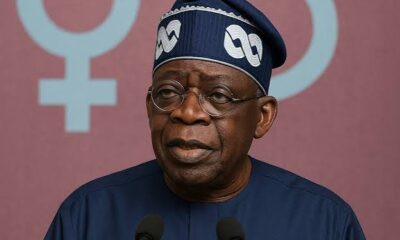

Tinubu Mourns Ogogo, Extols His Creative Legacy
SharePresident Bola Tinubu has condoled with the family, friends and colleagues of veteran Nollywood actor, filmmaker and screenwriter Taiwo Hassan,...


Nigeria Upgrading its Digital, Intelligence-led Border Management System — NIS
ShareNigeria is strengthening its border management architecture through digital technology, biometric identity systems, intelligence sharing and stronger collaboration with border...
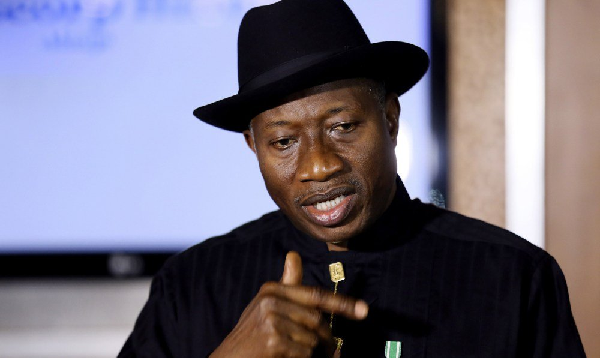
ShareGoodluck Jonathan Advises Leaders to Invest in Youths, Industry Former President of Nigeria, Dr. Goodluck Jonathan, has called on leaders...