
BUSINESS
Translate Capital into Productive Investment, Tinubu Urges Banks

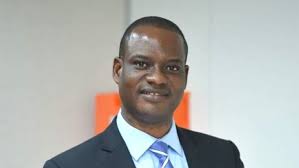
President Bola Tinubu has called on the financial services industry to translate their capital into productive investment and employment opportunities for economic growth and development.
Tinubu said this at the 19th Chartered Institute of Bankers of Nigeria (CIBN) Annual Banking and Finance Conference in Abuja on Tuesday.
The President was represented by Taiwo Oyedele, the Minister of Finance and Coordinating Minister of the Economy.
He said that resilience of the financial system would not be possible where businesses do not have access to affordable credit.
He listed factors that would drive resilience in the financial systems to include growth facilitation, inclusion, technology and long term capital.
Tinubu said that various innovations like Artificial Intelligence (AI), digital and open banking, among others, had impacted the financial system.
The President said that the government would continue to create space for more private sector credit.
”No economy can be more resilient than its financial system,” he said.
The Governor of the Central Bank of Nigeria (CBN), Olayemi Cardoso, said that the benefits of the monetary and fiscal policies reforms would soon start trickling down to impact the common man and their standard of living.
The governor, represented by Philip Ikeazor, CBN’s Deputy Governor, Economic Policies, said the successes of the reforms had been echoed in different platforms.
He said that many citizens had queried the benefits of the reforms, adding that the dividends would soon translate positively in the day to day living of citizens.
”The reforms by the CBN were done in conjunction with other stakeholders,” he said.
The Managing Director of the Nigeria Deposit Insurance Corporation (NDIC), Thompson Sunday, said that the resilience of the financial system exceeded adaptation to shocks.
Sunday, represented by Emily Osuji, the Executive Director, Corporate Services of the NDIC, said that building resilience required strong institutions and shared responsibility.
He urged banks to provide resources required to support agriculture and businesses among others.
In a keynote speech, Dr. Matthew Verghis, the Country Director of the World Bank, commended the country for some of its reforms, adding that they had impacted the inflation rates and built investors’ confidence.
Verghis, represented by Bertine Kamphuis, the World Bank’s Lead Private Sector Development Specialist for Nigeria, said that about three to four million young Nigerians enter the country’s labour force every year.
He said that one in 20 Micro, Small and Medium Enterprises (MSMEs) could access bank credit.
He said the availability of capital was not an issue in the country but the allocation of it.
The Chairman, Body of Banks Chief Executive Officers (CEOs), Oliver Alawuba, said that a resilient economy is one that is designed to adapt to shocks without transferring them to vulnerable citizens.
Alawuba commended the Federal Government, and the CBN for their commitment toward the stability of the economy.
He said the banking sector recapitalisation had better strengthened the capacity of banks to support growth in the country’s economy.
The Chairman called for fiscal and monetary synergy to unlock productivity in the industry.
Sen. Mikhail Abiru, the Chairman, Senate Committee on Banking, Insurance and other Financial Institutions, called on banks to support the real sector and deepen the financial sector.
President/Chairman of Council, CIBN, Dr. Dele Alabi, said that disruption had become a defining feature of the global economy.
Alabi said the war in the Middle East involving Israel, Iran, and the United States, together with disruption to energy and shipping flowing through the Strait of Hormuz, had intensified volatility in oil, freight, and financial markets.
He said that Nigeria was not insulated from these shocks.
According to him, MSMEs are central to employment, enterprise and local value creation, but many remain constrained by high operating costs, unreliable infrastructure, limited access to markets, low productivity, skills gaps and slow digital adoption.
He said the proposed hubs would provide shared infrastructure, business advisory services, capacity building, technology support, market linkages and easier access to finance.
”The good news is that certain policies implemented in the past couple of years are beginning to yield fruit.
”This is precisely why the next phase of reform must focus on transmission, moving stability from national balance sheets to business balance sheets and household budgets.
”The Institute’s advocacy for scalable SME Hubs nationwide is one practical response.
”They would help reduce operating costs, improve bankability, stimulate innovation and connect recapitalised financial institutions more effectively to the real sector.
“In this way, the gains of reform can travel beyond aggregate indicators to stronger businesses, better jobs, higher incomes and more resilient communities,” Alabi said.
The conference brought together stakeholders in the financial system from across the country. (NAN)
By Tony Obiechina, Abuja
The National Bureau of Statistics (NBS) said Nigeria recorded a trade surplus of N12.59trn from the total N41.44trn trade with other countries conducted in the second quarter of 2026.
The NBS, in its Foreign Trade report, stated that the surplus represented a 101.
32% increase compared with the value recorded in the corresponding quarter of 2025.The report noted that Nigeria’s total merchandise trade stood at N41.44trn in Q2 2026, representing an increase of 5.61% from N39.24trn recorded in the corresponding quarter of 2025 and a 19.
13% increase from N34.78trn recorded in the preceding quarter.It further stated that during the quarter, exports accounted for 65.20% of total trade valued at N27trn, an 18.77% increase from the N22.75trn recorded in the corresponding quarter of 2025 and a 27.64% increase from N21.16trn recorded in Q1 2026.
“Analysis shows that crude oil remained Nigeria’s major exported commodity in the second quarter of 2026, valued of N12.91trn and accounting for 47.79% of total exports. Further analysis reveals that non-crude oil exports were valued at N14.10tr, representing 52.21% of total exports, of which non-oil products contributed N3.72trn, or 13.80% of total exports.”
It noted that China remained the leading source of imports in the second quarter of 2026, followed by the United States of America, India, The Netherlands, and Germany.
The most imported commodities during the quarter were Motor Spirit Ordinary, petroleum oils and oils obtained from bituminous minerals (crude), durum wheat, used vehicles with diesel or semi-diesel engines and Motorcycles and cycles fitted with auxiliary motor, petrol fuel, capacity.
Also, the value of agricultural goods imported in Q2 2026 stood at N1.20trn, representing a 1.63% increase compared to N1.18trn recorded in Q2 2025, and a 45.43% increase relative to N827.72 billion recorded in Q1 2026.
“In the same period, the import value of raw material goods was N1.79trn, representing a 4.11% increase from N1.71trn in Q2 2025, and a 13.12% increase compared to N1.582.36trn in the preceding quarter (Q1 2026). Solid mineral imports were valued at N56.99bn, representing a 19.60% decrease from N70.88bn billion in Q2 2025 and 18.30% decrease compared to N69.75bn recorded in Q1 2026.
By David Torough, Abuja
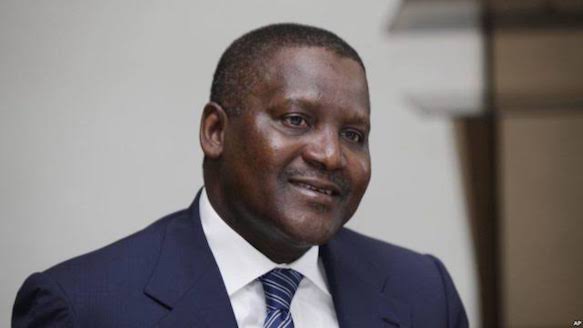
President of Dangote Industries Limited, Aliko Dangote, has unveiled plans to open ownership of the Dangote Petroleum Refinery to millions of ordinary Nigerians and Africans, describing the proposed initial public offering as an “IPO for the people” aimed at democratising wealth creation.
Dangote, who spoke in Lagos on Monday after signing the registration documents for the proposed public offer, said drivers, cooks, traders, servants, managers, salary earners and other ordinary investors would have the opportunity to acquire shares in the massive refinery.
The offer comprises 4.1 billion ordinary shares priced at N525 each and is expected to raise just over N2tn, with a minimum subscription of 10 shares. The refinery is valued at about $49bn, while the offer itself is valued at approximately $1.6bn.
The IPO is scheduled to open on September 14 and close on October 13.
Dangote said the primary objective was not to raise funds, stressing that the refinery already generates strong free cash flow and that the group had raised substantial capital through bonds and private placements.
Rather, he said, the offer was designed to spread ownership of what he expects to become Africa’s biggest company among millions of people.
“It’s about getting our own Africans generally to be part and parcel of this refinery,” Dangote said, adding that the company was targeting 10 million shareholders from Africa and other parts of the world.
He explained that the company could have offered a larger stake if raising money was its sole objective, but deliberately limited the offer to encourage wider participation.
Dangote said the initiative was also about creating a lasting legacy by allowing ordinary people to benefit from the growth of major African businesses.
He likened the potential opportunity to early investments in major global corporations, saying he wanted investors to build substantial wealth over time by owning shares rather than having to establish businesses themselves.
The billionaire businessman also disclosed strong interest from strategic investors, including the Abu Dhabi National Oil Company (ADNOC), as well as governments and other parties.
He declined to provide details, citing non-disclosure agreements, but confirmed that several investors had reached agreements with the company.
“We have agreements with other people; it’s not only ADNOC. Other people too. They are very, very interested. There are other governments too; they have invested and they are also investing more money,” he said.
According to Dangote, investor appetite for the refinery has already been demonstrated. He recalled that when the company sought $1bn from private investors, demand reached $3.7bn, forcing the company to accept $2.5bn and return approximately $1.2bn to investors.
He expressed confidence that the public offer could similarly attract overwhelming demand.
Dangote, however, dismissed suggestions that the IPO was being driven by the current geopolitical crisis in the Middle East or other temporary market disruptions.
He said the refinery’s financial projections were based on normal market conditions before the latest Middle Eastern crisis, arguing that a long-term investment could not be built around temporary geopolitical events.
According to him, the refinery is intended to operate for decades and potentially outlive its current owners and managers.
The businessman also reflected on the difficult journey to establish the refinery, recalling that the project encountered years of delays over land, licensing and location issues.
He said the company spent three years and eight months at Olokola before eventually moving to the Lekki Free Zone, where it spent more than another year and a half securing access to the land.
Dangote acknowledged the contributions of former Lagos governors Babatunde Fashola and Akinwunmi Ambode, as well as incumbent Governor Babajide Sanwo-Olu, to the project.
He also recalled resistance from members of the Lekki community during the company’s attempts to gain access to the site, describing the refinery’s eventual emergence as the result of years of perseverance and support from various stakeholders.
Reflecting on the milestone, Dangote expressed gratitude for being alive to witness the refinery reach the IPO stage.
He said the project represented more than a private industrial investment, describing it as part of a broader effort to strengthen Africa’s economic independence.
Dangote urged Nigerians and other Africans to take greater responsibility for developing the continent’s industrial capacity, arguing that economic strength would give African countries greater leverage in international negotiations.
He said the Dangote Group’s Vision 2030 was centred on “accelerating Africa’s industrialisation,” stressing that industrialisation could not succeed without energy security.
The group, he added, intends to extend its industrialisation drive beyond Nigeria, with expansion plans in countries including Ethiopia, Kenya, Tanzania and Namibia.
Dangote said the refinery, together with the group’s other investments such as its fertiliser business, was intended to create opportunities for African entrepreneurs and investors while keeping more of the continent’s raw-material processing within Africa.
Meanwhile, an independent check by our correspondent on Monday afternoon showed that the refinery had not yet been officially listed or commenced trading on the Nigerian Exchange, Bamboo or other investment platforms.
The public offer is expected to formally open to investors on September 14.
The Federal Government has restated its commitment to deepening regional trade integration and promoting exports through the ECOWAS Trade Liberalisation Scheme (ETLS).
The Minister of State for Foreign Affairs, Amb.
Sola Enikanolaiye, stated this on Saturday in Bauchi at the ETLS sensitisation workshop for the North-East zone.The workshop was organised with the theme: “Increasing Intra-Regional Trade through the ECOWAS Trade Liberalisation Scheme (ETLS).
”Enikanolaiye urged local businesses and manufacturers to take advantage of the scheme to increase production, create jobs and boost wealth creation.
He said the sensitisation was aimed at creating awareness and improving businesses’ and manufacturers’ understanding of the ETLS and its benefits.
According to him, the scheme is designed to enhance economic cooperation and trade integration among ECOWAS member states and accelerate regional economic growth.
The minister said the ETLS would provide market access for manufacturers and businesses across the ECOWAS member states.
He added that the scheme would help businesses expand their customer base, increase revenue and contribute to Nigeria’s economic growth and prosperity.
Enikanolaiye described the ETLS as a cornerstone of regional trade integration and free trade, aimed at establishing a common economic union among member states.
He said the scheme sought to eliminate customs duties on qualifying products and promote the implementation of a unified customs policy within the subregion.
“The scheme will provide an opportunity to foster greater economic integration and unlock the potential of intra-regional trade.
“The ministry prioritises the wellbeing of Nigerians by involving people at the grassroots in its programmes and foreign policy formulation,” he said.
The minister urged businesses and manufacturers in the North-East to utilise the opportunities provided by the scheme to expand production and promote sustainable economic growth.
He also called for the processing of agricultural produce and raw materials in Bauchi and other parts of the region to support industrial growth and strengthen value chains.
According to him, improved value addition would promote exports, economic diversification and regional trade integration.
Enikanolaiye said the initiatives were part of efforts to support the government’s target of achieving a $1 trillion economy.
Inaugurating the workshop, Gov. Bala Mohammed of Bauchi State said the ETLS aligned with his administration’s development agenda of positioning the state as a trade hub in the region.
Represented by his Deputy, Auwal Jatau, the governor reiterated his commitment to job creation and economic diversification through Public-Private Partnerships (PPPs).
Mohammed said the scheme should create an enabling environment for the integration of the North-East trade corridor, attract investments and remove barriers to legitimate trade.
He assured that the state government would support programmes aimed at promoting manufacturing, businesses and trade.
The governor commended the Ministry of Foreign Affairs, ECOWAS Commission and other stakeholders for organising the workshop.
He called for stronger partnerships to mobilise greater participation in the scheme.
Also, the Permanent Secretary, Ministry of Foreign Affairs, Amb. Dunoma Ahmed, said the ETLS provided local manufacturers, farmers and entrepreneurs with opportunities to expand their businesses across the subregion.
Ahmed, represented by Amb. Ali Gombe, stressed the need for collaboration among stakeholders to ensure effective implementation of the scheme.
On his part, Aminu Ashimi, President of the North-East Chamber of Commerce, called for continuous training of businesses on the ETLS and the formalisation of informal trade to improve productivity and stimulate economic growth.
Ashimi pledged to sensitise members of the chamber on the scheme and encourage them to register under the ETLS and the African Continental Free Trade Area (AfCFTA).
The workshop was attended by manufacturers, entrepreneurs and government officials from Adamawa, Bauchi, Borno, Gombe, Taraba and Yobe. (NAN)



Translate Capital into Productive Investment, Tinubu Urges Banks
SharePresident Bola Tinubu has called on the financial services industry to translate their capital into productive investment and employment opportunities...

Gunmen Launch Attacks on Kaduna Communities, Kill Five, Abduct 27
ShareFrom Agbo Emmanuel, Kaduna Suspected bandits have launched a fresh wave of attacks across parts of Kaduna State, killing at...
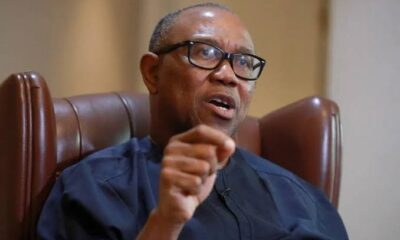

Benue Blockade: Obi, Alia Trade Blame over Disrupted Yelewata Visit
ShareFrom Attah Ede, Makurdi A planned visit by the presidential candidate of the Nigeria Democratic Congress (NDC), Peter Obi, to...
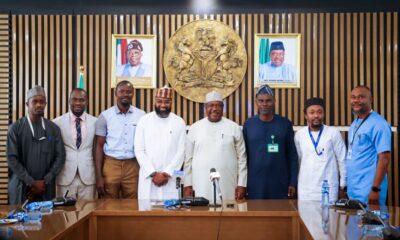

Akume Assures NASENI of FG Support as Agency Unveils Innovations for National Development
ShareBy David Torough, Abuja The Secretary to the Government of the Federation (SGF), Senator George Akume, has commended the National...


ONSA Begins First National Crisis Response Exercise Outside Abuja in Delta
ShareBy David Torough, Abuja The Office of the National Security Adviser (ONSA) has commenced the 2026 Rapid Response 3 (RR3)...
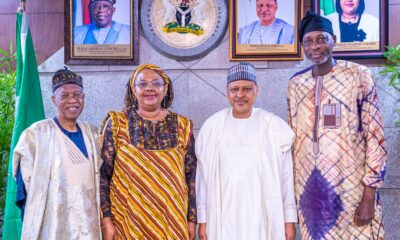

Information Minister Backs NIPSS Plan to Unlock Nigeria’s Orange Economy Potential
ShareBy David Torough, Abuja The Federal Government has pledged its support for the National Institute for Policy and Strategic Studies...


Akpodo Community Appreciates Lydia Memorial Hospital for Medical Outreach, Seeks Road Intervention
ShareBy David Torough, Abuja The Akpodo Community has paid a thank-you visit to the management and staff of Lydia Memorial...
NAFDAC Seeks Harsher Penalties for Counterfeiters
ShareThe National Agency for Food and Drug Administration and Control (NAFDAC) has renewed its call for harsher penalties for counterfeiters....
Nigeria’s Q2 2026 Data Narrative: A Triumph of Reforms or Just Recovery?
ShareBy Uddin Ifeanyi Against the backdrop provided by the incumbent government’s professed ambitions for the country, the 4.43 per cent...

APC, PDP Challenge Adeleke’s August Win as Osun Tribunal Posts Petitions
ShareFrom Ayinde Akintade, Osogbo The All Progressives Congress has taken Osun state Governor Ademola Adeleke’s re-election to court as the...