
POLITICS
INEC Releases List of Guber Candidates for 2027 Polls

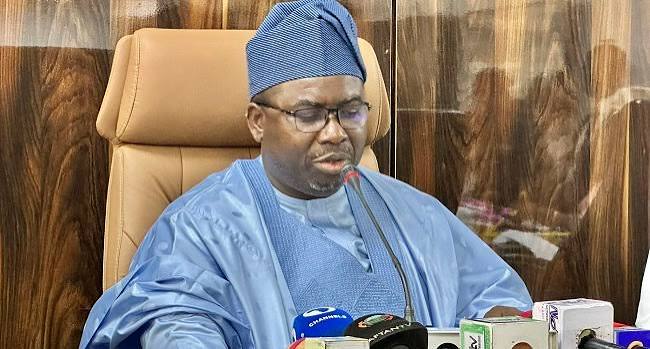
Former Ministers Abubakar Malami (SAN), Michael Andoakaa (SAN), Isa Ali Pantami and Uche Nnaji are on the provisional list of governorship candidates released by the Independent National Electoral Commission (INEC) at the weekend.
Governorship elections will take place in 28 states on February 6, 2027.
On that same day, election into the 36 Houses of Assembly will hold.The provisional list of candidates for the lawmaking body in states were also released at the weekend.
Also on the list of governorship candidate are Great Ogboru, Senator Aishatu Dahiru Ahmed, popularly known as Binani, who left the African Democratic Congress (ADC) to pick the ticket of the Nigerian Democratic Congress (NDC) in Adamawa State.
As the All Progressives Congress (APC) candidate in 2023, she lost to Governor Ahmadu Fintiri, who has since defected from the Peoples Democratic Party (PDP) to the APC.He is a senatorial candidate.
Malami, who served as Attorney-General of the Federal and Minister of Justice minister between 2019 and 2023, is running on the platform of the African Democratic Congress (ADC) in Kebbi.
He is challenging Governor Nasir Idris of the APC, who is seeking a second term.
Malami recently temporarily forfeited 48 properties linked to him to the Federal Government, following the court order granting the application by the Economic and Financial Crimes Commission (EFCC), which complained that they were not lawfully acquired.
He has challenged the order at the Court of Appeal.
Pantami, who left the APC having discovered that he would not be able to secure the ticket, moved to the PDP in Gombe State. He got ticket after a bitter contest between him and another aspirant, Khamisu Mailantarki.
Nnaji, who was dropped as minister over allegations of document falsification, picked the PDP ticket to challenge Enugu State Governor Peter Mbah, who is seeking re-election on the platform of the APC.
Nnaji is facing charges having been arraigned for allegedly forging a degree certificate and the NYSC discharged certificate.
According to INEC, Aondoakaa, Benue PDP candidate, is challenging Governor Hyacintch Alia of the ruling APC.
In Lagos State, ADC candidate Gbadebo Rhodes-Vivour and his PDP counterpart, Adedeji Doherty, are challenging the APC candidate, Deputy Governor Obafemi Hamzat.
Rhodes-Vivour, who was the Labour Party (LP) candidate in 2023, defected to the ADC along with the 2023 LP presidential candidate, Peter Obi.
However, when Obi ported from ADC to the NDC after a few weeks, Rhodes-Vivour declined to following him.
In Ogun State, APC candidate Senator Solomon Adeola (Yayi) will not just face an opposition from PDP candidate Ladi Adebutu, but on the INEC’s list is Jimi Lawal, a long-time associate of former Kaduna State Governor Nosiru El-Rufai, who is the ADC candidate.
In Jigawa, Mustafa Lamido, son of former Governor Sule Lamido, is the candidate of the PDP. He is challenging Governor Umar Namadi of the APC.
Mustafa and his dad have a subsisting case before court, having being charged by the EFCC for alleged mismanagement of public fund.
In Delta State, Governor Sherif Oborevobore, who is seeking a second term, is being challenged by Ogboru, candidate of the ADC, who is contesting for governor in the state for the sixth time.
In Rivers State, INEC unveiled Kingsley Chinda as APC candidate, Dr. Gabriel Pidomson as ADC candidate and Dumo Lulu-Briggs as NDC standard bearer.
Also, 16 other candidates were unveiled as candidates in the race to succeed Governor Siminalayi Fubara.
In Oyo State, Abimbola Adekanmbi is listed as the candidate of Allied Peoples Movement (APM), the party being promoted by Oyo State Governor Seyi Makinde and Bauchi State Governor Bala Mohammed.
Makinde is the Presidential candidate of the APM.
Adekanmbi will be in battle against APC candidate Senator Sharafadeen Ali and others.
No fewer than 10 governorship candidates were unveiled in Yobe State.
They are Baba Malam Wali (BMW) (APC), Adamu Umar- (Action Peoples Party), Jonga Yahaya Gabakau- (NDC), Bagare Umar Nyako (Action Alliance), Kassim Gaidam (ADC), Mohammed Nasiru Saleh (Action Democratic Party), Ibrahim Idrissa Madaki (Allied Peoples Movement), Dawud Muhammad (Young Progressive Party), Usman Abdullahi (PDP), Abubakar Bakura (Zenith Labour Party), and Abbaganna Grema Muhammad (National Rescue Movement).
Apart from Rev.Fr. Alia and Aondoakaa, other candidates in Benue State are Professor Terhemba Shija (NDC), Dr. Mathias Ibyuan (LP), Herman Hembe (ADC) and Professor Hon Sebastine (SDC).
Apart from Governor Idris and Malami, other candidates in Kebbi are Umar Faruku (SDP), Basiru Musa (LP) and Umar Usman Besse (NDC).
Among the 12 Akwa Ibom candidates unveiled are Governor Umo Bassey Eno (APC), Emem Coffie (PDP), John James Akpanudoedehe (ADC), Michael Babata Enyong (NDC) and Michael Bush (LP).
Other Rivers candidates and their running mates are: Ejekwu Samuel Soni and Ehuwa Kabaka (PDP); Chibuzor Rani and Davies Ikubogh (Accord); Tata Kenneth and Dappa Kelvin (APP); Lawson Angel and Azunwena Regina (ADP); Benjamin Oli (BP), Warighani Zebulum and Joseph Udo (DLA), Minaibim Harry and Iwedi Ogonda Ada (NRM); Azimiku Gidiom and Ogochukwu Hekerem (SDP); and Kiegha Nature Dumale and Membere Deborah (PRP).
Others are Harry Victor Godwin and Agumba Nnamdi (ZLP), Obu Omangima and John-Woke Geraldine (APGA), West Ivy and Eletuo Ijendu (AAC), Eke Benjamin Israel and Awortu Charles (AA); Abiye Georgewell and Gbimadee Raymond (NNPP), Johnbull Obrasu and Taagaloobari Celestine (YPP), and Whyte Churchill and Bardom Zaavalo (APP).
INEC also displayed the Forms EC-9 of the House of Assembly candidates with few parties fielding candidates for 32 state constituencies in Rivers.
While the PDP, the NDC and ADC produced candidates for all the constituencies, other parties such as AA had 29; APP, 29; NRM, 15; ZLP, 20; BP, 3; AAC, 1; LP, 13; YPP, 26; PRP, 13; DLA, 20; SDP, 31; ADP, 14 among others.
Kaduna NDC candidate challenges governor to debate
Kaduna NDC candidate Mohammed Sani Abbas has challenged Governor Uba Sani and other governorship candidates to a public debate ahead of the election.
Abbas, who spoke shortly after his emergence as candidate, said he was ready to engage his opponents in a debate at any venue, including the House, market or other public places.
“I will challenge you to a debate for us with all the candidates. We are ready today, here, tomorrow, in the House, in the market, anywhere we are ready, including the current governor,” he said.
He said the debate would provide an opportunity for candidates to present their programmes and allow Kaduna voters to assess the alternatives before them.
Abbas said his campaign would focus on poverty, good governance and the economic hardship confronting Nigerians, adding that the level of poverty in the country required urgent attention.
He said Nigeria’s economic challenges were largely the result of mismanagement, corruption and poor governance, stressing that Kaduna needed leadership capable of addressing the concerns of its people.
Fifteen governorship candidates and their running mates are on the provisional list displayed by Enugu office of INEC.
Related News
Campaigns for governorship, state assembly candidates open Wednesday
Governorship, Assembly campaigns open September 19 for 2027 elections
INEC seeks traditional rulers’ support for 2027 elections
Mbah, who became governor on the platform of the PDP, is seeking re-election for a second term in office under the banner of the APC.
Those jostling to unseat him are: Uchechukwu Geoffrey Nnaji of the PDP; Chinyeaka Christian Ohaa (NDC); Okwudilichukwu Ugwu (LP); Obodoeze Chukwuma Ocho (ADC); Jehu Onyekwere Nnaji (NNPP); Udeani Anthony Ifeanyi (YPP); Afamefuna Samuel Ani (APP) and Alor Edwin Ikechukwu (Accord).
Others are: Ugwoke Elvis Chinazam (ZLP); Ogbodo Patience (SDP); Omeje Nnamdi Samson (ADP); Nnamani Obioma Nnaemeka (BP); Ikeh Ken (APM) and Ugwu Nnamdi (DLA).
In Gombe, Pantami will lock horns with Jamilu Isiyiaku Gwamna of the APC and Bala Bello Tinka of the ADC.
Governor Oborevwori will be battling with 15 candidates to retain the Delta Government House for the APC.
The contenders are: Great Ogboru (ADC); Mrakpor Peter Adogbejire (PDP); James Esther (LP); Yovwaye Chris (NDC); Obi Ijeoma Frederick Accord; Nkwoala Emeka Mathias (ZLP); Henry Francis Ofubu (NNPP); Itokwe Simon Ekaghogho (AA); Ndudi Andrew Chukwudi (APM); Okaegwu Peter Isioma (APP); Denila Joshua Akporowho (YP); Obuseh Felix Ogechukwu (SDP); Eshor Omozojie Isaac (AAC); Adeyanju Beatrice Ofuzim All Progressives Grand Alliance (APGA) and Aboh Oghenenyerhovwomen Bethel Kajovo (YPP).
According to the INEC list, Jigawa APC candidate is Governor Namadi, with Aminu Usman as running mate.
His main challenger is Mustapha Sule Lamido, with Muhammad Tahir Inuwa as running mate.
The ADC candidate is Muhammad Sabo Nakudu, with Ya’u Musa Balabare as deputy governorship candidate.
Other candidates on the list include Isah Bello Adamu (Accord), with Fatima Yakub as running mate, and Ismail Usman of the Action Alliance, pairing with Mustapha Tujani.
APGA) is fielding Ahmed Yaro, with Musa Isyaku as deputy, while the APP has Mubarak Musa and Abubakar Suleiman as governorship and deputy governorship candidates.
Other candidates and running mates are Ahmad Umar and Usman Lawan (APM) and Ibrahim Sulaimanand Ali Ahmad (ADP) and Aminu Sani Dutse and Haruna Babangida (NDC).
Others are Hassan Aminu Ibrahim and Abbas Bala (NRM), Adamu Ahmed Kaugama and Ibrahim Muhammad (PRP) and Aminu Abdulaziz Liman and Muhammad Aliyu (APM), Musa Garba Namadori and Yusuf Akilu (LP).
ADC kicks over Ebonyi list
Ebonyi ADC kicked against the list of candidates, alleging candidates listed did not emerge from the primary.
The ADC State Chairman, Dr. Jennifer Adibe, said the party was surprised to find a different name listed as its governorship candidate instead of Rigi Tobias, whom she said won the primary.
Adibe said the party conducted its primary on May 21 and 22 under the supervision of an electoral panel sent from the party’s national headquarters in Abuja.
She said INEC officials also monitored the party’s presidential, governorship, senatorial, House of Representatives and State House of Assembly primaries.
INEC’s list showed the PDP presenting Chief Ifeanyi Chukwuma Odii as its governorship candidate, with Charles Tochukwu Stanley as running mate.
The APC listed Governor Francis Nwifuru as its candidate and Patricia Obila as deputy governorship candidate.
The LP listed Splendour Eze as governorship candidate and Nwede Joshua as running mate, while the SDP is fielding Agbo Kingsley Obinna and Udeogu Susan.
Other candidates on the list include Nwofe Boniface and Nwakpa Darlington of the NDC; Ukpai Mbah Udeh of the ADC; Agbo Kingsley Obinna of the SDP; Ifeanyi Stephen of the NNPP; Nwogbala Mercy of (YPP); Orogwu Blessing of Accord; Okorie Ogochukwu of the Action Democratic Party (ADP); and Nwankwo Martha Ebere of the Action Peoples Party (APP).
The ADC list, as published, contained no deputy governorship candidate.
Senator Aisha Dahiru Binani (NDC) is taking another shot at the exalted office.
She has APC’s Tijjani Ahmed Galadima; Senator Ishaku Abbo (LP); Hamman Tukur Modibbo Ribadu of the ADC; Maurice Michael Vonobolki (PDP) Nathaniel Christopher (SDP); Wafarininyi Theman Dalatu (YPP) and Bala Abubakar Naibi (NNPP) to contend with.
In Bauchi, former Governor Muhammad Abdullahi Abubakar (SAN) of the APC, two serving senators and many other political figures are among the 19 candidates on the INEC provisional list.
16 candidates for Oyo poll
The Senator representing Oyo South District, Sharafadeen Alli (APC), former Commissioner for Finance Bimbo Adekanmbi (APM), business guru and Ibadan Chief, Adegboyega Taofeek Adegoke (ADC) and Hazeem Gbolarumi (PDP) are candidates listed by the Commission to contest the Oyo poll.
Other candidates are: Yinusa Kazeem Ayandare (PRP), Olasupo Olalekan Abdulsemiu (AAC), Salami Gbolagade (APGA), Aderoju Okunlade Michael (SDP), and Hassan Waheed Olanrewaju (ZLP)Olatunji Kunle James (ADP), Kareem Thomson Sola (LP), Tijani Ismaila Akinbode (APP), Yusuf Akim Adebola (NDC), Adebiyi Adedapo (NNPP), Afolabi Taofeek Adedamola (NRM), and Taiwo Ibiyemi Otegbeye (NDP).
The Independent National Electoral Commission (INEC) has cleared 11 political parties to contest the Nasarawa State governorship election .
According to the list published by INEC and pasted at the state office in Lafia, the candidates are: Ahmed Aliyu Wadada of the APC; Musa Adamu Angbazo of the, SDP; Dahiru Musa Doma of the APP.
Others are, Jonathan Gaza Gbefwi of the LP; Retired Major General Nuhu Angbazo of ADC; Emmanuel David Ombugadu of PDP; and IIbrahim Kasimu Aboh of APGA.
Also on the list are Christopher Mamman of the ADP; Abdullahi Omame Abisabo of PRP; Abubakar Abdu Giza of ZLP.
The name of former Inspector General of Police, Mohammed Abubakar Adamu, who is contesting on the platform of the SDP is not on the list.
Instead, the commission published the name of Musa Adamu Angba as the candidate of the SDP.
16 candidates in Zamfara
The candidates are Governor Dauda Lawal (APC), Bilyaminu Shinkafi (ADC), Aliyu Bashir (APGA), Salisu Suleiman (APM), Shehu Gusau Ibrahim (PDP), Ali Nakura Muhammad (NRM), Others are Husaini Shehu (AAP), Abubakar Sani (NNPP), Ahmad Shehu Isah (AAC), Abubakar Kamal (SDP), Abdulkarim Abubakar (PRP), Yusuf Musa Garba (Accord), Marafa Kabiru Garba (NDC), Yusuf Sani Dan Masani (LP) and Mu’azu Aminu (APP).
Read Also: Tinubu: now, more gains of reforms for households
According to INEC guidelines, political parties contesting the governorship and Houses of Assembly election have until September 19 to substitute their candidates in accordance with Section 31 of the 2026 Electoral Act which provide for a period of 90 days before the election.
Before such substitution, the electoral act provide such candidate to be substituted must first write a letter to his political party and attached a sworn affidavit indicating his intention to withdraw from the contest.
The Section states that “a candidate may withdraw his candidature by notice in writing signed by him together with a sworn affidavit delivered personally by the candidate to the political party that nominated him for the elections and the political party shall convey such withdrawal and the affidavit to the commission not later than 90 days to the election.”
The parties also have until September 26, 2026 to submit a final nomination form for the governorship and state Assembly election to the commission.
Story Culled from The Nation Newspaper
From Sylvia Udegbunam, Enugu
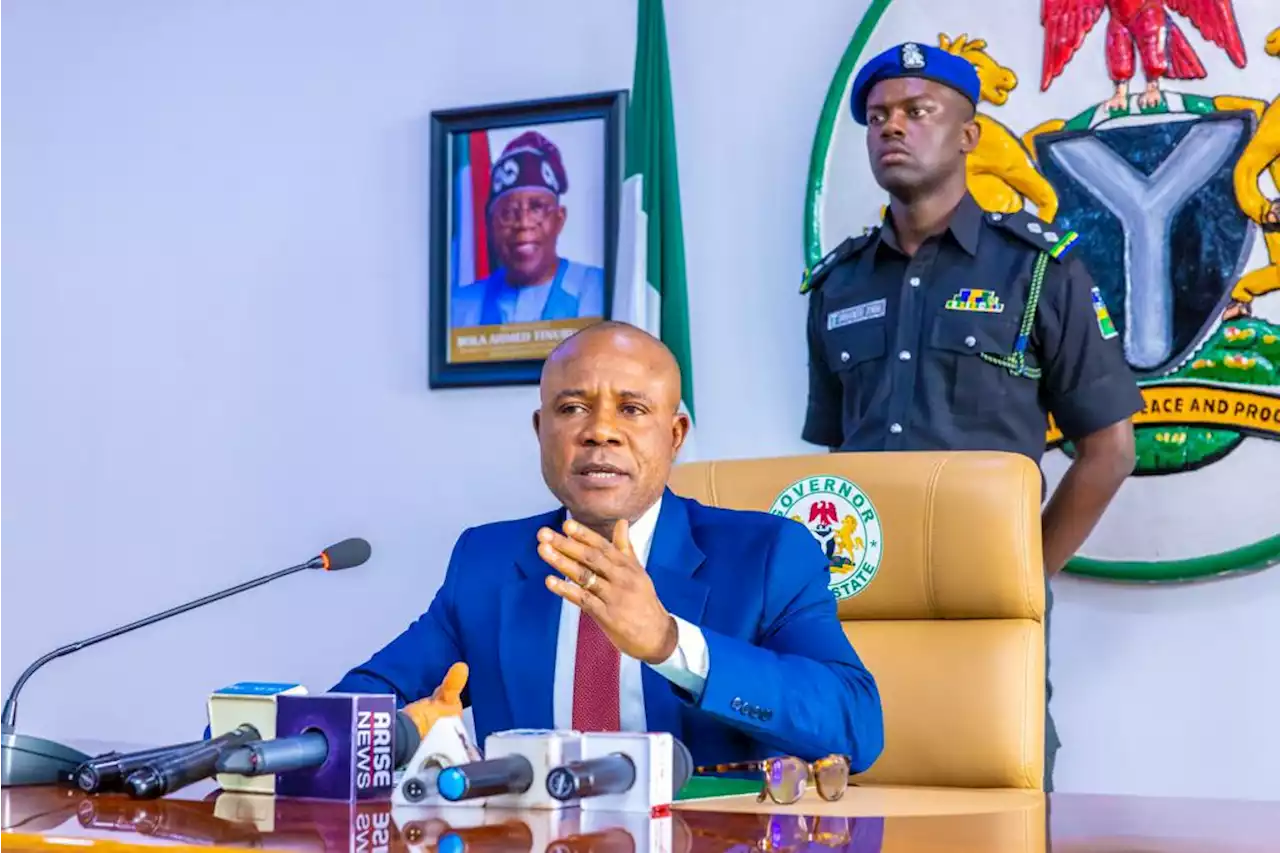
Enugu State Governor, Dr. Peter Mbah, has reaffirmed his administration’s commitment to creating an enabling environment for trade, investment and industrial development as part of efforts to accelerate economic growth and improve the wellbeing of residents.
Governor Mbah, represented by the Commissioner for Trade, Investment and Industry, Dr.
Sam Ogbu-Nwobodo, disclosed this at the Amadeo Business Summit 5.0 in Enugu.The five-day summit, themed “Sustaining Growth & Soaring,” brought together business leaders, entrepreneurs, professionals, government institutions and other stakeholders at the Amadeo Event Centre to explore strategies for sustainable business growth and economic development.
The Commissioner noted that the state government remained committed to promoting investment, supporting businesses and industries, improving the ease of doing business and creating favourable conditions for investors to thrive.
He described the private sector as a critical partner in driving sustainable economic development, generating employment and expanding opportunities for the people. He also assured investors that Enugu remained open to credible investments and strategic partnerships capable of strengthening the state’s productive base.
The Permanent Secretary of the Ministry of Trade, Investment and Industry, Ifeanyi Onah deliverimh a goodwill message urged participants to apply the knowledge and insights gained at the summit to their respective fields and businesses, while encouraging them to participate in the next edition, Amadeo Business Summit 6.0, to sustain the exchange of ideas and strengthen business collaboration.
The summit featured sessions on business leadership, transformation, youth empowerment, skills development, entrepreneurship, real estate, finance and small and medium-sized enterprise development. The state government reiterated its commitment to supporting initiatives that promote trade, investment and industrial growth in line with Governor Mbah’s “Tomorrow Is Here” agenda.
By Tambaya Julius, Abuja
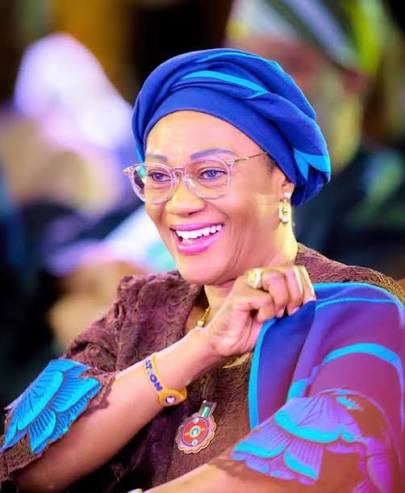
The First Lady, Senator Oluremi Tinubu, has assured Nigerians that President Bola Tinubu will deliver on his promise to transform the country and usher in prosperity if re-elected for a second term in the 2027 general elections.
She gave the assurance in Lafia, Nasarawa State, during the grand rally of the North-Central Grassroots Mobilisation Network, organised to mobilise support for the re-election of President Tinubu and Vice President Kashim Shettima.
The rally attracted a large turnout of APC supporters from across the North-Central geopolitical zone, alongside top party leaders, including the APC National Chairman, Prof.
Nentawe Yilwatda; Imo State Governor, Senator Hope Uzodimma; and other governors from the region.Speaking at the event, Mrs. Tinubu said the President’s Independence Day message, titled “From Reforms to Prosperity,” reflected the administration’s commitment to translating ongoing economic reforms into improved living conditions for Nigerians.
She said the economy was beginning to stabilise, while foreign exchange pressures were easing and investors were returning to the country.
“The Independence Day message of Mr President was titled ‘From Reforms to Prosperity’. Therefore, Mr President is saying that they are going to reform the sectors, but now is the time for prosperity, and we can see our economy is stabilising,” she said.
The First Lady also commended governors for their infrastructure development efforts, noting that their contributions were helping to advance the country’s development.
Mrs. Tinubu said the Federal Government was also intensifying efforts to address food insecurity and malnutrition, particularly among vulnerable groups, including children, pregnant women and breastfeeding mothers.
She explained that the administration’s food bank programme was designed to improve access to nutritious food and provide support for malnourished children to help them grow healthily.
“As you see now, we have just finished the food bank programme, where we are helping every child and mothers who are pregnant and also breastfeeding.
“This is to ensure that they can have more nutritious food, and also the children that are malnourished can get treatment and food to grow healthy,” she said.
She added that young people in schools were also benefiting from government support, urging party supporters to take the administration’s achievements and policies to their respective communities.
Mrs. Tinubu described President Tinubu as a bold leader willing to make difficult decisions in the interest of the country, expressing confidence in his ability to lead Nigeria towards prosperity.
She urged residents of the North-Central region to convince voters that the country could achieve better outcomes if President Tinubu and Vice President Shettima secured another term.
The First Lady further said the administration was committed to building a stronger economy, safer communities and a greater Nigeria.
She called on the electorate to support the APC at all levels in the 2027 general elections, arguing that continuity would help sustain the government’s policies and development agenda.
“Therefore, vote for continuity, vote for capacity, vote for prosperity, vote for the re-election of Mr President and all the candidates of APC from top to bottom,” she added.
Other speakers at the rally also urged Nigerians to vote for President Tinubu and APC candidates in the 2027 elections, describing continued support for the party as an opportunity to sustain the administration’s programmes and development plans.
By Kayode Oladele
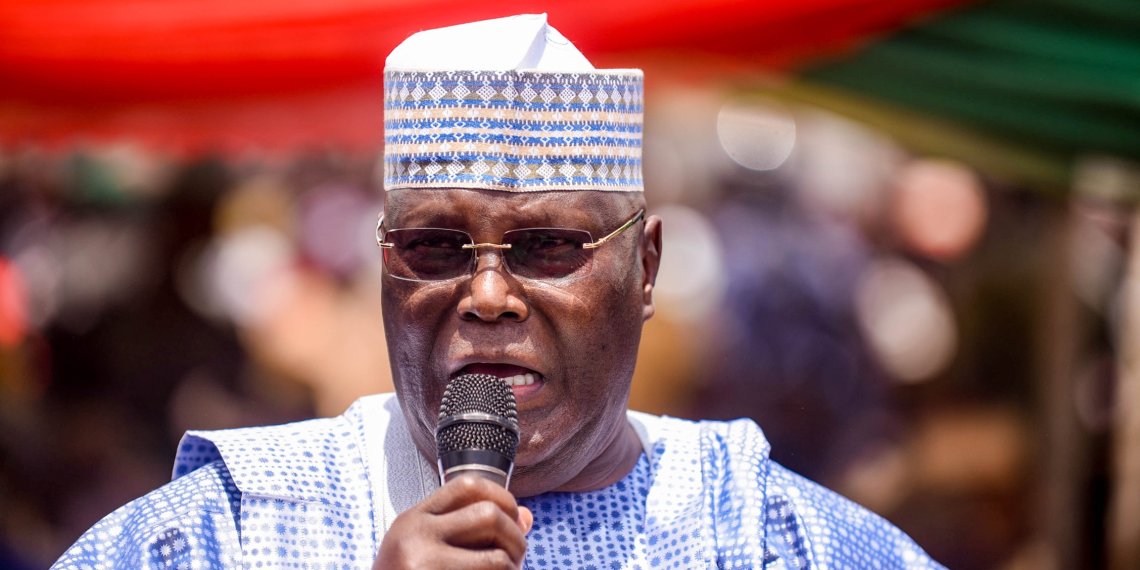
Alhaji Atiku Abubakar, former Vice President of Nigeria and presidential candidate of the African Democratic Congress, (ADC), has returned to the centre of Nigeria’s economic debate with a proposal that deserves careful scrutiny.
In his Independence Day policy statement, Alhaji Atiku Abubakar promised Nigerians what he described as a capped and budgeted production subsidy tied to verified petrol refined in Nigeria.
Imported petrol, he said, would not qualify. The subsidy would support domestic refining, its costs and beneficiaries would be disclosed and independently audited and the benefit would be expected to reach Nigerians through lower pump prices.On the surface, the proposition is attractive, particularly at a time when Nigerians are understandably concerned about transportation costs and their effect on virtually every aspect of daily life. However, once the attractive packaging is removed, Atiku’s proposal raises a very familiar economic question.
If the government deliberately reduces the cost of producing petrol so that it can be sold more cheaply, who pays the difference? The answer is the Nigerian public.
Atiku has insisted that his proposal is different from the old subsidy arrangement and that distinction should be acknowledged. The previous system was largely associated with subsidising imported petrol. Atiku proposes instead to support domestic production, with the subsidy tied to verified locally refined fuel. However, moving the subsidy from importation to production does not make its cost disappear. It merely changes the point at which public resources enter the petroleum value chain.
If crude that could otherwise be sold at its economic value is supplied to qualifying refineries at a discount, the difference represents an opportunity cost to the Federation. Atiku himself has acknowledged this. The relevant question, therefore, is not whether the subsidy has a cost.
It plainly does. The questions are how much it will cost, how long it will last, where the resources will come from and whether the expected reduction will actually reach the Nigerian standing at the petrol pump.
This is where the proposal becomes far less straightforward than its political appeal suggests.
Atiku says the subsidy will be capped. What is the cap? He says it will be budgeted. What is the proposed annual budget? What volume of locally refined petrol will qualify? What will be the subsidy per barrel or litre? What happens if international crude prices rise substantially or the exchange rate moves sharply? What is the maximum financial exposure of the Federation? How will qualifying production be verified? Most importantly, what enforceable mechanism will guarantee that the financial benefit given to producers is passed through the distribution chain to the consumer? These are questions of elementary public finance.
The APC Presidential Campaign Council has already asked Atiku to disclose the proposed subsidy rate, annual expenditure ceiling, eligible volume, funding source and safeguards against diversion, smuggling and fraudulent claims. Those are legitimate questions.
If Atiku believes the assumptions being advanced by the APC are wrong, he should provide his own figures. Nigerians need more than the promise that petrol will become cheaper. They deserve to see the arithmetic behind that promise. Anyone asking Nigerians to entrust him with the management of their economic resources should be prepared to put numbers behind his policies.
There is also the legal and regulatory question. Atiku’s running mate, Rotimi Amaechi, has now said that an Atiku administration would seek an amendment to the Petroleum Industry Act if the existing law prevents the proposed production subsidy from being implemented.
That statement is significant because it confirms that the relationship between the proposal and the present petroleum regulatory framework is not an imaginary concern raised by political opponents. It is a matter that Atiku’s own ticket may require legislative action.
This brings us to an even more fundamental issue. Nigeria has travelled the subsidy road before. For years, enormous public resources were committed to keeping petrol prices artificially low. The arrangement became a major burden on public finances and was associated with smuggling, abuse and distorted economic incentives. Resources that could otherwise have been available for roads, schools, hospitals, security, power and other public purposes were committed to sustaining the system.
It is therefore striking that Atiku, who has long presented himself as an advocate of market reform and previously supported subsidy removal, now proposes another subsidy as part of his answer to Nigeria’s economic difficulties.
The mechanism may be different and fairness requires us to acknowledge that difference. However, Nigerians are still entitled to ask what has changed in his economic thinking and why an intervention he once regarded as unsustainable has returned, albeit in a redesigned form, to the centre of his petroleum policy. Politics should not erase institutional memory.
The contrast with President Bola Ahmed Tinubu’s reform direction should also be properly understood. The choice is not between subsidising petrol and simply abandoning Nigerians to high transportation costs.
Tinubu’s alternative is to move government intervention away from permanently subsidising every litre of petrol consumed and towards changing the underlying economics of transportation through alternative fuels, domestic refining, infrastructure and competition. That distinction, in
My opinion is fundamental.
Under the old subsidy arrangement, the government attempted to make petrol cheaper by absorbing part of its cost. As consumption increased and international prices and the exchange rate moved, the potential burden on the treasury also increased. Tinubu’s alternative seeks to reduce Nigeria’s dependence on petrol itself.
This is the thinking behind the expansion of Compressed Natural Gas and electric mobility. Nigeria is richly endowed with natural gas. Rather than continue depending overwhelmingly on petrol and diesel for road transportation, the government is seeking to use more of that domestic resource to power vehicles while developing electric transportation and mass transit.
The principle is straightforward. If commuters can move more cheaply using CNG or electric transportation, the government does not have to subsidise every litre of petrol consumed in Nigeria in order to reduce transportation costs. If commercial transport operators increasingly move from petrol to domestically available gas, Nigeria can progressively reduce the vulnerability of transportation costs to international petroleum prices and foreign exchange pressures.
The Federal Government reported in September that more than 120,000 vehicles had been converted to CNG, with more than 400 certified conversion centres and over 90 CNG refuelling stations operating across the country. The government has also reported lower fares on some routes served by CNG and electric public transportation.
These are government reported figures and they must ultimately be measured against what Nigerians actually experience across the country. The important point is the direction of policy. The objective is to create alternatives to petrol rather than make the treasury permanently responsible for reducing the price of petrol.
Domestic refining is another essential part of the alternative. For decades, Nigeria lived with the contradiction of being a major producer of crude oil while depending heavily on imported refined petroleum products. A more sustainable petroleum economy should refine more of what Nigerians consume at home while encouraging sufficient competition among refiners, distributors and retailers.
Competition matters because deregulation without competition can leave consumers exposed to concentrated market power. The ultimate objective should therefore be a market with adequate domestic refining capacity, multiple suppliers, alternative fuels and efficient distribution so that competition increasingly influences prices rather than an open ended commitment from the public treasury.
This is where the difference between Atiku’s proposal and Tinubu’s approach becomes clear. Atiku proposes using public resources to reduce the production cost of locally refined petrol in the expectation that the benefit will reach consumers through lower pump prices. Tinubu’s approach is to maintain market based petrol pricing while expanding domestic refining and developing alternatives to petrol, particularly CNG and electric transportation.
Put simply, Atiku proposes another government subsidy to make petrol cheaper. Tinubu’s reform seeks progressively to make Nigerians less dependent on petrol. That is a fundamental policy distinction.
Atiku is entitled to present his alternative to Nigerians. However, he must also submit that alternative to the discipline of numbers. Saying that a subsidy will be capped does not tell us the cap. Saying it will be budgeted does not tell us the budget. Saying it will be transparent does not tell us the annual fiscal exposure. Saying that consumers will benefit does not explain how the government will guarantee that the benefit reaches them.
These details matter because Nigeria cannot afford economic policy built around promises whose costs become clear only after implementation.
President Tinubu took the difficult decision to confront a subsidy system that had become a serious burden on the public treasury. The transition has created pressures for Nigerians and the government must acknowledge and respond to them. The answer, however, should be to make the reforms work better, deepen domestic refining, accelerate CNG infrastructure, expand electric and mass transportation, encourage genuine competition and strengthen the productive economy until Nigerians increasingly feel the benefits.
There is nothing wrong with questioning Tinubu’s reforms. Indeed, Nigerians should question them and demand results. However, questioning the speed or effectiveness of reform is different from concluding that the country should once again commit public resources to suppressing the effective price of petrol.
Atiku says his own subsidy will be different. Then let him show Nigerians precisely how different it will be. Let him state the proposed subsidy rate, the eligible volume, the annual ceiling, the source of funding, the expected duration and the mechanism for ensuring that the benefit reaches consumers. Let Nigerians see the figures and judge the proposal on its actual economic consequences rather than its immediate political attractiveness. That, in my view, is where the debate should be.
Nigeria cannot permanently subsidise its way out of structural economic problems. There will always be political pressure to postpone difficult decisions. There will always be an election around the corner. There will always be an attractive argument for making an expensive commodity cheaper through government intervention. However, somebody ultimately pays the bill. Therefore, before Nigerians are asked to embrace another subsidy arrangement, Atiku should tell them exactly what that bill will be.
Giving an old economic instrument a new design does not remove its cost. Nigeria has travelled the subsidy road before and knows the dangers that can accompany it. The more sustainable course is to confront the weaknesses in the present reforms, accelerate the alternatives, expand domestic production and competition and make those reforms work for ordinary Nigerians rather than return the public treasury to the endless business of paying the difference at the petrol pump.
Kayode Oladele is a Nigeria -US Attorney, former member of the House of Representatives and former Chairman of the House Committee on Financial Crimes.



Pope Leo to Have Surgery after Lump Found on Lung
SharePope Leo XIV has announced he will be operated “in the coming days” after a nodule was found on his...


Motorists Express Worry over Non-access to NNPC Petrol Discount
ShareMany motorists said in spite of the discount in pump price of petrol at the Nigerian National Petroleum Company Ltd...


Tuberculosis: Benue Assembly Passes Law, to Protect Patients from Discrimination
ShareBy Laide Akinboade, Abuja The Benue State House of Assembly has passed into law a landmark legislation aimed at eliminating...

President Tinubu’s 30-Day Fuel “Discount” Cannot Repair the Damage of Subsidy Removal
ShareBy Daniel Nduka Okonkwo The Federal Government has issued a stark warning: restoring petrol subsidies could push the exchange rate...


Troops Neutralize Explosive Devices planted in Zamfara Community
ShareFrom Ifeanyichukwu Nwannah, Gusau The troops of Operation Fansan Yamma (OPFY) have neutralised Explosive Devices Planted along Magami–Hannutara–Dansadau road, Maru,...


Mbah Reaffirms Enugu’s Commitment to Trade, Investment, Industrial Growth
ShareFrom Sylvia Udegbunam, Enugu Enugu State Governor, Dr. Peter Mbah, has reaffirmed his administration’s commitment to creating an enabling environment...


Concerns About the 2027 General Elections
ShareBy Jibrin Ibrahim As the countdown to the 2027 elections reached 100 days this week Tuesday, Joash Amupitan, chairman of...

World Bank Report Confirms Economic Reforms Yielding Results – Tinubu
SharePresident Bola Tinubu said the World Bank’s October 2026 Nigeria Development Update confirms his administration’s economic reforms are yielding results...

Bandits Burn Houses, Business Premises in Niger Border Community
ShareFrom Dan Amasingha, Minna Suspected bandits have attacked Kigbera village in Konkoso Ward, Borgu Local Government Area of Niger State,...

Fuel Price Discount and Monetary Policy Recalibration: Communicating Policy Change Without Undermining Reform Credibility
ShareBy Uche Joe Uwaleke Economic reforms are rarely judged solely by their immediate outcomes. They are also assessed by the...