
NEWS
Xenophobia, Tinubu and Ramaphosa

By Reuben Abati
In the midst of the brazen, extra-judicial killings of Nigerians in South Africa, along with other Africans, on the grounds that these are illegal immigrants, the South African President Cyril Ramaphosa has now sent South Africa’s Minister of International Relations and Cooperation, Ronald Lamola, and a team, as envoys to President Bola Ahmed Tinubu.
They arrived in the country on Friday, 24 July, but the Nigerian President declined to meet with them.They were kept waiting through-out the weekend. On Monday, that is yesterday, they were directed instead to meet with the Minister of State for Foreign Affairs, Ambassador Sola Enikanolaiye, who would then brief the President later.
The substantive Minister, Ambassador Bianca Odimegwu-Ojukwu is out of the country for a meeting in Addis Ababa. The explanation from the Nigerian side was also that the President of Nigeria was not given any prior notice.
The South African delegation met with Enikanolaiye who lamented the fact that recurring attacks on Nigerians in South Africa have followed a disturbing pattern for more than two decades, and that Nigerians who supported South Africa’s liberation from apartheid have been treated unfairly. “…What we have found is that this xenophobic act has gone beyond the attack on criminals. We have records of Nigerians who have a legitimate purpose to remain in South Africa, yet they have been attacked”, he said.
Nigeria, through its reception and responses, is being diplomatic, without seeming to appear offensive. But the detail in every diplomatic gesture of this type is in the nuances. The Presidency on the international stage is a club of brothers, sovereigns in each individual right, bonded by mutual self-respect, established diplomatic relations, and courtesies.
Where cracks occur, there must be an underlying conflict, in this case, the recurrent murder, harassment and deportation of Nigerians in South Africa.
When the Nigerian President refuses to see envoys from a brother-President, and his Foreign Ministry says there was no prior notice, that is a sophisticated way of expressing displeasure or a subtle rejection of the envoys either on the grounds that they are too junior, so they are asked to meet their counterparts in the receiving country, or this may be a message to the sending country.
Whatever may be the sub-text of Nigeria’s snobbery of President Ramaphosa, this is the most appropriate response in this matter. President Tinubu has simply stood up for his own countrymen.
He has sent a message that he is a very busy President, who cannot just receive envoys “without prior notice”. It is hard though to believe that this is the true story. But as proud and concerned Nigerians, it is a cover story that we would rather believe. Thank you, Mr. President, for this diplomatic moment. Nigerian lives matter at home and abroad. Citizen diplomacy must remain at the centre of Nigeria’s diplomatic process: essentially the strategic framework of Demography, Development, Diaspora, and Democracy (the 4Ds).
President Ramaphosa’s South Africa and its citizens have been indeed unfair to Nigerians living in South Africa, treating both legal and illegal immigrants like common criminals in open violation of all known rules of decency and international law.
Black South Africans, after Nelson Mandela, have not been kind to other Africans living among them, nor have they, particularly the new generation born after the end of apartheid, been appreciative of the sacrifice that other Africans made to ensure the liberation of their country, from the trauma of minority, white rule.
This emerging generation of black South Africans lack a sense of history. Mandela welcomed other Africans with open arms. His children are driving everyone away.
In recent months, a fresh wave of anti-immigrant protests and violence swept through major South African cities with the people going from door-to-door, attacking businesses and homes belonging to foreigners, harassing anyone at all who sounded or looked different.
The South African mob wielded dangerous weapons; they prevented foreigners from accessing hospital services, and in due course they gave a deadline of 30 June for all foreign-owned shops to shut down and for all foreigners to leave.
They soon resorted to mob violence. Not even asylum seekers whose rights are recognized under international law were spared. Foreigners in South Africa began to flee. Countries started evacuating their citizens. More than 38, 000 Malawians were hounded out.
Zimbabweans fled across the border. Ghana and Nigeria evacuated their citizens. Hundreds of Nigerians including women and children were stranded, seeking refuge at the Nigerian High Commission in Pretoria.
While the racism, violence, and protests festered, the prompt response of the South African government, cast in the cloak of populism, was to encourage the breakdown of law and order. South Africa’s Home Affairs Minister, Leon Schreiber told undocumented immigrants to leave or face deportation.
The Constitutional Development Minister Mmamoloko Kubayi and Minister in the Presidency Khumbudzo Ntshavheni, disclosed that South Africa will enforce its immigration laws.
The government’s position merely emboldened the anti-migrant activists like Nkosikhona Ndabandaba and Jacinta Ngobese-Zuma, as well as vigilante groups such as “March and March” and Operation Dudula. Foreigners were told to leave or return to their countries in a coffin! They were accused of contributing to unemployment in South Africa, placing pressure on public services, taking South African women, appearing generally more prosperous in another man’s country.
Xenophobia soon turned into hate and the South Africans began to beat, maim and kill. By the time President Ramaphosa suddenly thought it necessary to make the statement that “illegal immigration is not the cause of all our economic challenges…and that vigilantism will not be allowed”, the South Africans had tasted blood and they only wanted more bloodshed.
Three Mozambicans were killed. A Nigerian, Amaramiro Emmanuel was beaten to death by officers of the South African National Defence Force on April 20. Andrew Ekpenyong and Emeka Charles Iroegbu were killed in Pretoria by the police.
Musa Joe, popularly known as Big Joe was gunned down in front of his shop in Mpumalanga. On July 23, Charles Simon Ibeh was killed in Bellville, Cape Town. Other Nigerians who lost their lives include Taiwo Raji, Silas Ani and Yemi Akinwunmi. Several others are in hospitals. Mrs Abike Dabiri-Erewa, Chairperson of the Nigeria Diaspora Commission (NIDCOM) reports that about 116 Nigerians were killed in South Africa in the last two years alone! Minister of State for Foreign Affairs, Amb. Sola Enikanolaiye puts the figure at 98 between 2002 and 2026.
Whether 116 or 98, these are Nigerian lives not mere statistics. They are our brothers, sisters, children and relatives. Under customary international law, South Africa has a responsibility to protect them, namely, the R2P rule. They failed.
Now, they are coming to us, crying over spilt milk, asking for Nigeria’s co-operation on what their Minister Lamola calls “a shared responsibility.” The mood in Nigeria as well as in Ghana is not to share anything with South Africa but to remind that country and its people of their ingratitude and acts of wickedness towards other Africans. President Donald Trump and all the white South Africans who fled South Africa, out of fear of persecution must be laughing at South Africa in derision.
Many Nigerian lawmakers and citizens have called for retaliatory action against South Africans and South African businesses.
The Ghanaians have been more proactive. Ghana, like Nigeria, has evacuated about 1, 000 of its citizens, and has summoned South Africa’s High Commissioner to Ghana. It also turned down a proposed state visit to Ghana by President Ramaphosa, following the killing of a Ghanaian citizen, Bashiru Isak (40) in Pretoria. The South African special envoy was also in Ghana last week.
The government of Ghana rejected the message he brought from President Ramaphosa. Nigeria should similarly reject the same message and send Ghana’s High Commissioner home! Ghana had taken the additional step of reporting the Republic of South Africa to the African Union.
South Africa’s conduct is a direct violation of the Constitutive Principles of the African Union, a blemish on the values of Pan-Africanism, and such projects as the African Continental Free Trade Area (AfCFTA). South Africa is now seeking diplomatic engagements ahead of the African Union Extraordinary Summit on Conflict Prevention and Resolution scheduled for Angola from August 29 -30, 2026.
At the end of the 69th ordinary Session of the ECOWAS Authority of Heads of State and Government, the body issued a communique in which it denounced the “unAfrican behaviour” of South Africans. In both Nigeria and Ghana, citizens even believe that the matter should be taken directly to the International Criminal Court (ICC) to hold South Africa responsible for acts of genocide and crimes against humanity. Two Ghanaian civilians have already filed protests with the ICC. Roland Lamola has been busy defending his country and pleading for dialogue and engagement on migration.
When he returns to South Africa, he should be asked to tell President Ramaphosa and South Africans in general, that we, the people of Nigeria, are terribly disappointed, and our protest must be on record, for no one knows what else will happen tomorrow and South Africans will again turn on foreigners in their midst.
In their projection of hate and intolerance, South Africans made no distinctions between illegal and legal migrants. All migrants equally deserve protection under the law, and there are established protocols for addressing their circumstances and those do not include violence and extra-judicial killing.
The South African government claims it was focused only on undocumented migrants, but it has been unable to show evidence of the number, if any, of anti-migrant activists and vigilantes – “March and March” or Dudula – who are currently being prosecuted.
The security agencies in actual fact, and cabinet Ministers aided and abetted the protests with their racism. Their complicity deserves to be called out and sanctioned. Foreigners are not the source of their problems.
Black South Africans are victims of a post-apartheid society that is yet to empower the majority of the South African people. Popular power may have changed hands but the economy is still significantly in the hands of a minority.
It is the responsibility of the South African government to make life easier for its own people and not abdicate responsibility by promoting the impression that outsiders are the problem. Migrants bring much that is positive to the South African environment.
Nigerians have been accused of taking over most of the small-scale businesses. South Africans who work in these businesses as assistants and apprentices were in a vantage position to learn certain skills, and acquire knowledge from their more skillful African brothers.
As citizens, they would be better placed to acquire small loans and learn to stand on their own and set up businesses in their own country. Now that they have chased the foreigners away, they have no one to turn against but themselves. Persons in Gauteng are beginning to discriminate against persons from Limpopo and Kwa-Zulu Natal, asking others to stay in their own
original provinces. Thus, hate breeds hate and feeds on itself, not a good sign for a country in need of unity and peace.
African leaders are quick to speak of trade relations, integration, solidarity and co-operation in pursuit of the AU’s Agenda 2063, the Africa we want, but this works more at the level of rhetoric, majorly at the level of government-speak.
The peoples of Africa themselves remain disconnected. Africa has failed in pulling itself together; the continent has done more in pushing itself apart. Xenophobia in South Africa is a symptom.
The AU has a protocol establishing the African Economic Community (AEC) on the Free Movement of Persons, Right of Residence, and the Right of Establishment but this is yet to come into force. Only four out of 55 AU members have agreed to the protocol on the Free Movement of Persons since 2019. The long-term goal is to work harder towards the unity of African states and peoples. The teaching of history must be made compulsory at all levels in South African schools to cure the growing, mass affliction of collective amnesia.

By Raphael Atuu, Abuja
The Abuja Municipal Area Council (AMAC) has commenced the training of its in-house and outsourced cleaning personnel in a renewed effort to improve environmental sanitation, strengthen public health, and ensure cleaner communities across the Federal Capital Territory (FCT).
The maiden capacity building programme, organised by the Department of Environmental Health Services, was held at the Medical and Health Workers’ Union of Nigeria (MHWUN) Secretariat, Ayuba Wabba House, Durumi District, Abuja, under the theme, “Operation: Keep Abuja Municipal Area Council and the Entire FCT Clean.
”Representing the Executive Chairman of AMAC, Hon. Christopher Zakka Maikalangu, the Head of the Department of Environmental Health Services, Hajiya Hannatu Ibrahim, said the council was committed to building a professional sanitation workforce capable of addressing emerging environmental and public health challenges.
She described the initiative as part of the council’s broader strategy to promote disease prevention, environmental protection and sustainable urban sanitation through continuous training and capacity development.
The participants were taken through practical and classroom sessions on antimicrobial decontamination, deep cleaning techniques, infection prevention and control, safe handling of cleaning chemicals, proper use of Personal Protective Equipment (PPE), eco-friendly cleaning methods, waste management, occupational health and safety, customer relations, and the operation of modern cleaning equipment.
Delivering lectures at the training, the Head of Cleaning Services Unit, Sanitarian James Danjuma, spoke on antimicrobial decontamination and deep cleaning procedures, while Sanitarian Kalu Nsi Eke highlighted safe cleaning practices, workplace safety and environmentally sustainable sanitation methods.
The Registrar Emeritus of the Environmental Health Council of Nigeria, Dr. Ebisike Augustine Onyekachi, urged participants to maintain professionalism, comply with standard operating procedures and recognise their responsibility as frontline public health practitioners working to safeguard healthy communities.
The Department of Environmental Health Services commended the Executive Chairman, Hon. Christopher Zakka Maikalangu, for his support and commitment to advancing environmental health initiatives in the area council.
The department also appreciated the Medical and Health Workers’ Union of Nigeria for providing the training venue, as well as the facilitators, organisers and participants whose contributions ensured the success of the programme.
It noted that the exercise marks the beginning of a continuous professional development programme aimed at raising cleaning standards, protecting public health and promoting sustainable environmental sanitation across the Federal Capital Territory.
By Isaac Asabor
Every time xenophobic violence erupts in South Africa, the script is almost always the same. Horrific images of foreign-owned shops being looted flood social media. Nigerians living and doing business in the country scramble for safety.
Families in Nigeria panic as they struggle to reach loved ones. The Nigerian government issues a statement condemning the attacks, calls for calm, demands justice and urges the South African authorities to act. Diplomatic consultations follow, promises are made, and after a while, silence returns, until the next cycle of violence begins. This repetitive pattern has become both predictable and unacceptable.It raises an uncomfortable but necessary question: How many more times must Nigerians be subjected to xenophobic attacks before Nigeria changes its diplomatic strategy? It is perhaps time for Abuja to abandon excessive diplomatic niceties and embrace what many Nigerians would describe as “Roforofo diplomacy”, a more robust, assertive and reciprocal engagement that makes it unmistakably clear that attacks on Nigerians abroad will carry diplomatic consequences.
The phrase “roforofo,” borrowed from the popular Nigerian expression for mud wrestling, symbolizes a no-holds-barred confrontation rather than physical aggression. In diplomatic terms, it means abandoning excessive restraint in favour of firm, unapologetic and interest-driven engagement. It means matching rhetoric with action.
For decades, Nigeria has approached South Africa as an elder brother. During the anti-apartheid struggle, Nigeria invested enormous political, financial and diplomatic capital in the liberation of South Africa. Successive Nigerian governments contributed hundreds of millions of dollars to liberation movements. Nigerian workers voluntarily paid into the Southern African Relief Fund. Scholarships were awarded to South African students. Nigerian passports carried restrictions against visiting apartheid South Africa in solidarity with the oppressed majority.
Many Nigerians still remember these sacrifices with pride. Ironically, many younger South Africans appear either unaware of this history or indifferent to it. Instead, Nigerians have increasingly become convenient scapegoats for South Africa’s deep-seated socio-economic challenges.
There is no denying the fact that high unemployment, widening inequality, inadequate public services and rising crime have created fertile ground for populist narratives in South Africa, thereby creating an atmosphere of blaming foreigners for domestic hardships. Given the foregoing atmosphere, Nigerians, because of their visibility in commerce and entrepreneurship, often become easy targets. The reality, however, is that xenophobia has little to do with nationality and everything to do with governance failures. Foreigners did not create South Africa’s unemployment crisis. Foreigners did not institutionalize inequality. Foreigners did not weaken public infrastructure. Foreigners did not design policies that have left millions frustrated. Yet, instead of confronting these structural problems, mobs repeatedly vent their anger on vulnerable immigrants. Sadly, Nigerian-owned businesses have become recurring casualties.
Nigeria’s response has generally reflected the principles of diplomacy: protest notes, ambassadorial consultations, presidential phone calls, bilateral commissions and expressions of concern. These measures have achieved little. The attacks continue. This is precisely why Nigeria should reconsider its diplomatic toolkit.
A country with Nigeria’s demographic weight, economic influence and regional leadership credentials cannot continue responding to repeated assaults on its citizens with little more than carefully worded communiqués. Diplomacy should not be mistaken for weakness. Every sovereign nation has a primary obligation to protect its citizens wherever they may be. If conventional diplomacy consistently fails to achieve that objective, then more assertive measures become necessary.
Roforofo diplomacy does not mean severing diplomatic relations with South Africa. Nor does it imply encouraging retaliation against innocent South Africans living in Nigeria. Nigeria must never descend into the same lawlessness it condemns. Instead, it means adopting reciprocal diplomatic pressure.
For example, Nigeria can temporarily suspend certain bilateral engagements whenever attacks recur until measurable actions are taken by Pretoria. It can review preferential economic arrangements where necessary. It can insist on concrete timelines for prosecution of perpetrators rather than accepting endless promises. It can pursue compensation mechanisms for verified victims.
It can intensify legal action through regional and continental institutions. Nigeria can also leverage multilateral platforms such as the African Union (AU) and the Southern African Development Community (SADC) to push for enforceable continental standards against xenophobic violence. The issue should no longer be treated merely as South Africa’s internal affair.
Persistent attacks on African migrants undermine the very ideals upon which African integration is built. The vision of the African Continental Free Trade Area depends not only on the movement of goods but also on the protection of people. Businesses cannot thrive where entrepreneurs fear for their lives. Investments cannot flourish where nationality becomes a death sentence.
Beyond diplomacy, Nigeria must also strengthen its consular protection framework. Its missions abroad should possess emergency response capacities capable of rapidly evacuating citizens where necessary, providing temporary shelters and offering legal assistance.
Technology can also play a role through digital emergency registration systems that enable embassies to locate Nigerians quickly during crises. Equally important is economic diplomacy. Nigeria remains one of South Africa’s significant African trading partners.
Major South African corporations have earned billions of naira over several decades operating successfully in Nigeria. Companies in telecommunications, banking, retail and entertainment have enjoyed enormous opportunities within Nigeria’s large consumer market. While business should never become a weapon, economic relationships should encourage mutual respect. Reciprocity remains a fundamental principle of international relations.
If Nigerians cannot operate safely in South Africa, legitimate questions will inevitably arise regarding whether South African businesses should continue enjoying a completely frictionless environment in Nigeria without corresponding guarantees for Nigerian interests.
Such questions are neither unreasonable nor unprecedented in global diplomacy. The United States routinely imposes sanctions when its citizens are threatened abroad. European nations frequently issue travel advisories and apply diplomatic pressure over human rights concerns. China aggressively protects its nationals and investments overseas. India has demonstrated increasing willingness to intervene diplomatically whenever Indians become victims of violence abroad.
Nigeria should not consider similar firmness an overreaction. It should consider it responsible statecraft. At the same time, Nigerians must resist the temptation to paint all South Africans with the same brush. Millions of South Africans reject xenophobia.
Civil society organizations, religious leaders, journalists, academics and ordinary citizens have repeatedly condemned these attacks and risked their own safety defending foreign nationals. These allies should be strengthened, not alienated. People-to-people diplomacy remains essential.
Educational exchanges, historical awareness campaigns and cultural cooperation can help younger South Africans understand Nigeria’s historic contributions to their country’s freedom. Ignorance often fuels prejudice. Knowledge can weaken it.
Ultimately, however, no amount of cultural exchange can substitute for effective law enforcement. The greatest deterrent to xenophobic violence is certainty of punishment. Each time perpetrators escape justice, they become emboldened.
Each failed prosecution sends a dangerous signal that foreigners are expendable. That perception must end. Nigeria should therefore insist that every episode of xenophobic violence be followed not merely by arrests but by convictions, restitution and transparent judicial processes. Anything less simply postpones the next outbreak.
In fact, the relationship between Nigeria and South Africa is too important to be marred by South African vigilante groups arrogating immigration duties to themselves. Together, both nations account for a significant share of sub-Saharan Africa’s economy and diplomatic influence. Their cooperation remains indispensable for continental peace, trade, innovation and development.
Yet genuine partnership cannot exist where one partner repeatedly watches its citizens become victims. Friendship without mutual respect is unsustainable. Brotherhood without protection is meaningless. There comes a point when patience begins to resemble acquiescence. Nigeria appears dangerously close to that point. The country does not need reckless confrontation. It does not need inflammatory rhetoric. It certainly does not need retaliation against innocent South Africans.
What it needs is a foreign policy anchored firmly on reciprocity, national dignity and the uncompromising protection of Nigerian lives. That is the essence of roforofo diplomacy, not unnecessary hostility, but unmistakable firmness.
When diplomacy repeatedly produces condolences instead of security, it is time to change the diplomatic language. Nigeria owes its citizens nothing less.

The World Health Organisation (WHO) has called on governments and partners to urgently accelerate efforts to eliminate viral hepatitis as a public health threat and reduce liver cancer deaths.
WHO Director General, Dr.
Tedros Ghebreyesus, made the call in his message to mark the 2026 World Hepatitis Day, globally celebrated on July 28.To mark World Hepatitis Day, WHO is partnering with Rotary International and the World Hepatitis Alliance to strengthen global and local advocacy.
According to Ghebreyesus this year’s campaign”Hepatitis: Let’s Break it Down” demands action to confront the rising toll of liver cancer linked to chronic hepatitis infections.
He also called for decisive steps to dismantle persistent barriers from stigma to funding gaps that continued to slow progress in prevention, testing, and treatment.
“Every 30 seconds, someone dies from a hepatitis-related severe liver disease or liver cancer. Yet we have the tools to stop hepatitis.
”Viral hepatitis types A, B, C, D, and E are major causes of acute liver infection.
”Among these only hepatitis B, C, and D can lead to chronic infections that significantly increase the risk of cirrhosis, liver failure, or liver cancer.
”Yet most people with hepatitis don’t know they’re infected. Types B, C, and D affect over 300 million people globally and cause more than 1.3 million deaths each year, mainly from liver cirrhosis and cancer.
”The International Agency for Research on Cancer (IARC) recently classified hepatitis D as carcinogenic to humans, just like hepatitis B and C.
”Hepatitis D, which only affects individuals infected with hepatitis B, is associated with a two- to six-fold higher risk of liver cancer compared to hepatitis B alone.
”This reclassification marks a critical step in global efforts to raise awareness, improve screening, and expand access to new treatments for hepatitis D,” he added.
Also the incoming Director of Science for Health at WHO, Dr. Meg Doherty, said WHO has published guidelines on testing and diagnosis of Hepatitis B and D in 2024, and is actively following the clinical outcomes from innovative treatments for hepatitis D.
”Treatment with oral medicine can cure hepatitis C within two to three months and effectively suppress hepatitis B with life-long therapy.
”Treatment options for hepatitis D are evolving. However, the full benefit of reducing liver cirrhosis and cancer deaths can only be realised through urgent action to scale up and integrate hepatitis services – including vaccination, testing, harm reduction, and treatment into national health systems.
”Encouragingly, the majority of low- and middle-income countries (LMICs) have strategic plans on hepatitis in place and progress in national hepatitis responses is increasing,” she said.
The UN health agency said that in 2025, the number of countries reporting national hepatitis action plans increased from 59 to 123.
It noted that as of 2025, 129 countries have adopted policies for hepatitis B testing among pregnant women, up from 106 reported in 2024; adding that 147 countries have introduced the hepatitis B birth dose vaccination, an increase from 138 in 2022.
However, critical gaps remain in service coverage and outcomes, as stated in the 2024 Global Hepatitis Report.
The next challenge will be to scale up the implementation of prevention, testing and treatment coverage. Achieving WHO’s 2030 targets can save 2.8 million lives and prevent 9.8 million new infections.
With declining donor support, countries must prioritise domestic investment, integrated services, better data, affordable medicines, and ending stigma.


Xenophobia, Tinubu and Ramaphosa
ShareBy Reuben Abati In the midst of the brazen, extra-judicial killings of Nigerians in South Africa, along with other Africans,...

AMAC Trains Cleaning Personnel to Improve Environmental Sanitation in FCT
ShareBy Raphael Atuu, Abuja The Abuja Municipal Area Council (AMAC) has commenced the training of its in-house and outsourced cleaning...
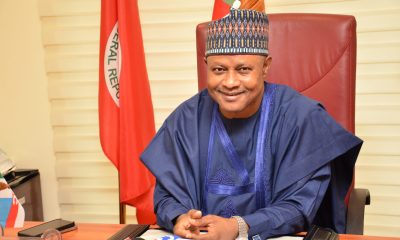

Uba Sani Picks Jerry Adams as 2027 Running Mate
ShareKaduna State Governor, Uba Sani has nominated the Executive Chairman of the Kaduna State Internal Revenue Service, Jerry Adams, as...
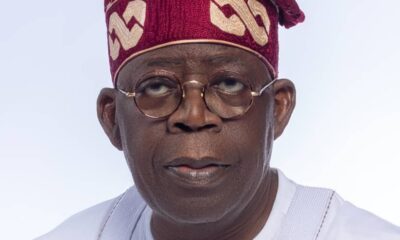

How President Tinubu is redrawing S’East Political Map
ShareBy Tunde Rahman WHEN the 2023 presidential election results were announced, many analysts and commentators gave a largely unanimous verdict...


APC Chieftain Faults Obi’s Call for Tinubu’s Resignation
ShareAyoola Lawal, a former Secretary of the APC Committee of Diaspora Chairmen, has filtered calls by NDC Presidential Candidate, Peter...
When Xenophobia Strikes, Nigeria Must Engage South Africa in ‘Roforofo Diplomacy’
ShareBy Isaac Asabor Every time xenophobic violence erupts in South Africa, the script is almost always the same. Horrific images...


Ariana Grande Sues Hackers who Leaked Music, Videos
SharePop star Ariana Grande has filed a lawsuit against two unidentified hackers who, she claims, leaked unreleased music and studio...


WHO Urges Action on Hepatitis, Announces Hepatitis D as Carcinogenic
ShareThe World Health Organisation (WHO) has called on governments and partners to urgently accelerate efforts to eliminate viral hepatitis as...
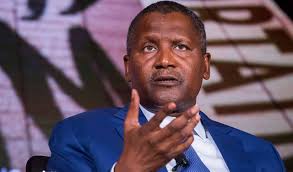

Dangote Donates One-third Wealth to Charity, Says Daughter
ShareAfrica’s richest man, Aliko Dangote, plans to donate one-third of his wealth to charity as part of his succession plan,...
Fresh Benue Community Attack Claims 15 Lives, Injures Scores
ShareFrom Attah Ede, Makurdi No fewer than 15 persons have been confirmed dead, with several others injured or still missing,...