
NEWS

Kano Censorship Board Suspends Two Kannywood Actors over Indecent Video
From Aliyu Askira, Kano
The Kano State Censorship Board has slammed a one-year suspension on two Kannywood actors, Amina Uba Hassan and Adam Garba, over a viral video which violates the state’s moral and cultural standards.
A statement issued by Abdullahi Sulaiman for the Executive Secretary of the board, Abba El-Mustapha, said the controversial video triggered widespread criticism from residents who described the content as indecent and unacceptable.
According to the statement, the actors were suspended following their appearance in a video that sparked controversy among residents of Kano State over allegations of indecent content.
The board said the disciplinary action was aimed at protecting societal values and enforcing regulations guiding the Kannywood industry.
“The two actors were suspended after appearing in a video that generated controversy among residents of Kano State over alleged indecent content,” the statement said.
“The suspension bars the actors from participating in any film-related activities in Kano State for one year,” it added.
According to the statement, the censorship agency has legal powers to punish actors and filmmakers found breaching its rules, warning that anyone who ignores the suspension order risks facing stiffer sanctions.
“The law establishing the board empowers it to suspend any Kannywood practitioner found violating its regulations, while defiance of the directive could attract stricter sanctions,” the statement noted.
The board also directed producers and directors in the Hausa film industry to stop engaging the suspended actors in any production during the ban period.
Executive Secretary Abba El-Mustapha warned Kannywood practitioners against acts capable of tarnishing the image of the industry, insisting that filmmakers must operate within the cultural and moral expectations of Kano State.
Amina Uba Hassan was a former wife of popular Kannywood producer Adam Zango, They Have one son named Haidar.

From Joseph Amedu, Lokoja
Kogi State governor, Alhaji Ahmed Usman Ododo has vowed to eliminate criminals across the state’s forest zones, declaring that terrorists, bandits and other violent groups will find no safe haven in any part of the forest areas.
The Governor gave the assurance over the weekend, when he visited the Forest Guard training camp in Lokoja.
Ododo while addressing the newly recruited Forest Guard personnel undergoing training, said that it is part of the state’s forest security initiative aimed at reclaiming forest zones from criminal elements and strengthening rural security operations.
He said the vast forest regions across Kogi State had, in recent years, been exploited by criminal groups as hideouts for attacks and other violent activities, a situation his administration is determined to end through sustained security operations and manpower expansion.
According to him, the recruitment and training of Forest Guards form a key component of a broader strategy to improve surveillance, deny criminals operational space, and enhance response capacity across vulnerable communities.
The governor urged the recruits to demonstrate discipline, patriotism and professionalism in carrying out their duties, stressing that they would play a critical role in securing lives and property.
He explained that the initiative aligns with the Forest Guard Programme approved by President Bola Ahmed Tinubu and being implemented through the Office of the National Security Adviser in collaboration with the Department of State Services (DSS) and other security agencies.
Ododo commended President Tinubu for strengthening national security architecture and also praised National Security Adviser, Mallam Nuhu Ribadu, for coordinating ongoing security reforms across the country.
He also expressed appreciation to the DSS Director-General, Mr. Adeola Oluwatosin Ajayi, for supporting the profiling and training of the Forest Guard recruits to ensure professionalism, discipline and accountability.
The governor stressed that while the state is expanding security manpower, it remains committed to ensuring that only individuals of proven character and integrity are entrusted with the responsibility of protecting communities.
He described the recruits as a vital addition to the state’s security framework and urged them to take their training seriously in preparation for deployment across forested and rural areas.
Ododo reiterated that his administration would continue to deploy all lawful resources, including personnel, equipment and intelligence-driven operations, to ensure that criminal elements are flushed out of Kogi forests.
The governor’s visit came less than 24 hours after he inspected newly acquired Armoured Personnel Carriers procured by the state government to boost the operational capacity of security agencies.
He assured residents that security remains the top priority of his administration, adding that sustained investments would make Kogi State safer, more stable and more conducive for development and investment.
Ends.
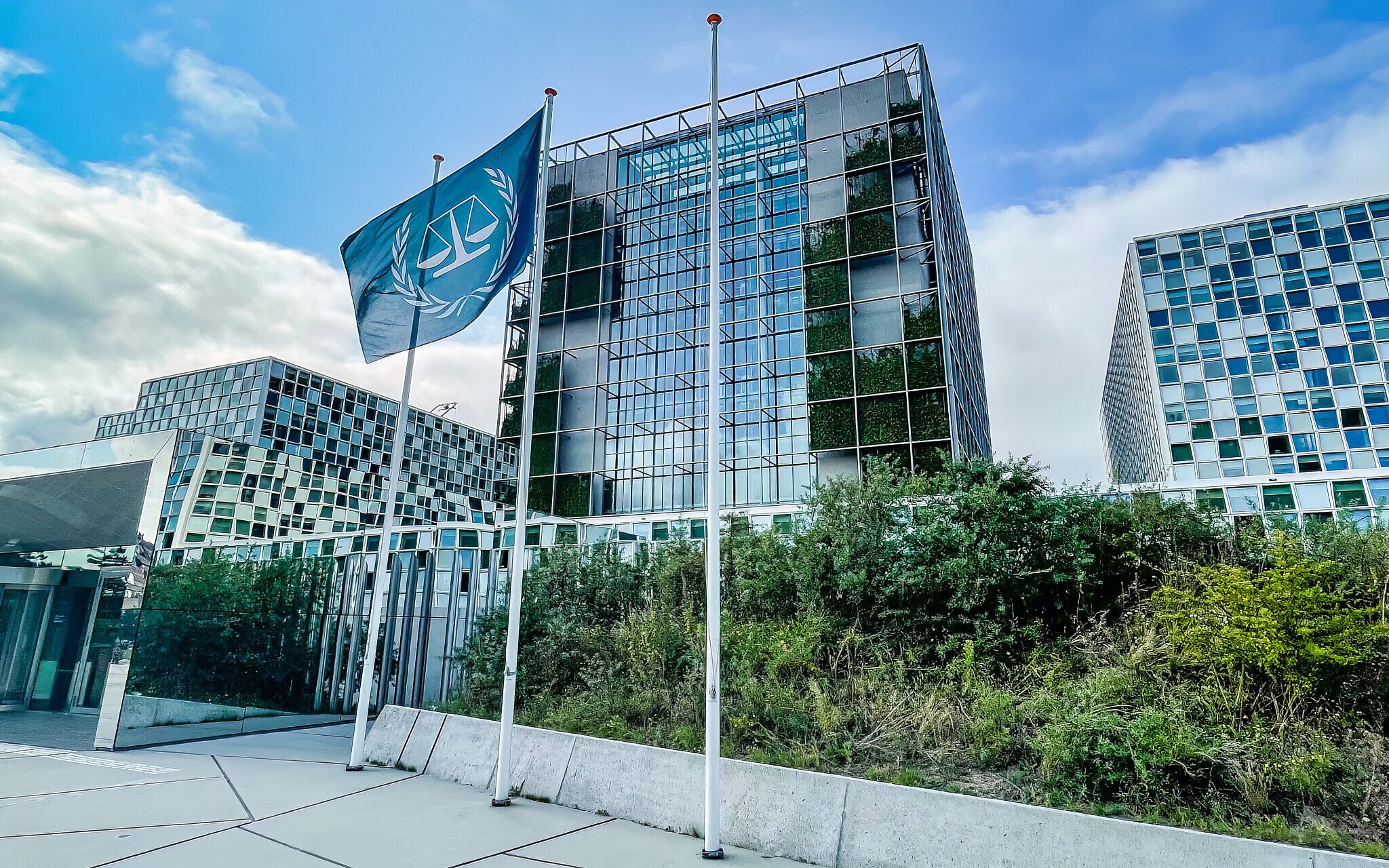
Niger has officially submitted its request to withdraw from the International Criminal Court (ICC), nine months after announcing its intent to leave.
In September 2025, Niger, along with allies Mali and Burkina Faso – which are all under military rule – issued a joint statement saying they would not recognise the ICC’s authority, calling it an “instrument of neo-colonialist repression”.
The court said it had received an “instrument of withdrawal” on 18 June, according to a statement seen by the AFP news agency. Withdrawal takes effect one year after notification.
The ICC added that Niger must honour its obligations to the court until that date.
The ICC – based in The Hague in the Netherlands – was set up in 2002 to pursue cases of genocide, crimes against humanity, war crimes and aggression.
The court’s statement on Tuesday did not make any mention of Mali or Burkina Faso.
When announcing their withdrawal, the three Sahel states said they wanted to set up “indigenous mechanisms for the consolidation of peace and justice”.
Last year, Niger, Mali and Burkina Faso also simultaneously withdrew from the Economic Community of West African States (Ecowas), the regional bloc, and created the Confederation of Sahel States for the three nations.
Juntas have been in control of the countries following coups in the early part of this decade.
Their armies have faced accusations of crimes against civilians, as violence has escalated in the region against jihadist groups linked to al-Qaeda and the Islamic State.
In recent years, the three countries, which are former French colonies, have increasingly become isolated from the West and strengthened their ties to Russia.
There is an outstanding ICC-issued arrest warrant for Russian President Vladimir Putin over alleged war crimes in Ukraine.
Russia, as well as countries such as the US, Israel and China, are not part of the court’s 125 member states. Niger will be the third country to leave the ICC after the Philippines and Burundi.
By Tony Obiechina, Abuja
Jaiz Bank Plc has unveiled plans to deepen its retail and Small and Medium Enterprises (SME) banking operations as part of its growth strategy for the 2026 financial year, following a strong financial performance in 2025.
The Managing Director and Chief Executive Officer of Jaiz Bank, Dr.
Haruna Musa, disclosed this while briefing journalists during the bank’s 14th Virtual Annual General Meeting (AGM) held in Abuja on Wednesday.According to Musa, the bank will intensify efforts to expand its retail and SME market penetration, strengthen financial inclusion through ethical banking solutions, and enhance shareholder value through sustainable growth and profitability.
He noted that the bank’s cost-to-income ratio improved from 60.42 per cent in 2024 to 58.09 per cent in 2025, reflecting gains from digital transformation, process optimisation, disciplined cost management, and improved operational efficiency.
Musa expressed confidence that the ratio would continue to decline as management implements additional cost-cutting measures aimed at boosting efficiency.
As part of its expansion drive, the bank plans to open 10 additional branches before the end of the year to improve customer reach and service delivery across the country.
Reviewing the bank’s 2025 performance, Musa said total assets grew by 19 per cent to N1.29 trillion, up from N1.08 trillion in 2024. Customer deposits also increased by 24 per cent, rising from N904 billion to N1.12 trillion, a development he attributed to growing customer confidence in the bank’s products and services.
Net risk assets and investments climbed by 27 per cent to N849 billion from N671 billion, underscoring the bank’s commitment to financing productive sectors of the economy while maintaining prudent risk management standards.
Gross earnings rose by 24 per cent to N102.81 billion in 2025, compared with N82.87 billion in the previous year, while Profit Before Tax (PBT) increased by 28 per cent to N31.24 billion from N24.44 billion in 2024.
Musa said the strong earnings performance was driven by increased financing activities, higher investment income, and growth in customer transactions.
“The results underscore our ability to generate sustainable earnings while remaining faithful to our principles of ethical and value-based banking,” he said.
He added that the bank’s Capital Adequacy Ratio improved significantly from 23.87 per cent to 26.89 per cent, providing sufficient capacity to support future growth, absorb potential shocks, and take advantage of emerging opportunities in the financial services sector.
Musa further revealed that the bank’s Statutory Liquidity Ratio stood at 43.45 per cent, well above regulatory requirements, reflecting effective deployment of funds into productive financing and investment opportunities.
He reaffirmed the bank’s commitment to building a stronger, more innovative and inclusive financial institution that delivers sustainable value to stakeholders while advancing ethical finance in Nigeria and beyond.



Ododo Vows To Eliminate Criminals From Kogi Forests
ShareFrom Joseph Amedu, Lokoja Kogi State governor, Alhaji Ahmed Usman Ododo has vowed to eliminate criminals across the state’s forest zones, declaring...


Trump to Attend World Cup Final, Present Trophy
ShareUnited States president Donald Trump will attend the World Cup final and help present the trophy, says Fifa president Gianni Infantino. Trump, 80,...

No Extra Revenue for FIFA from Hydration Breaks – Infantino
ShareHydration breaks at the World Cup are “purely a sporting matter” and bring “no additional revenue for Fifa”, president Gianni Infantino has said. Three-minute pauses midway through both...


Niger Pulls out of International Criminal Court
ShareNiger has officially submitted its request to withdraw from the International Criminal Court (ICC), nine months after announcing its intent to leave. In...


Army Disowns Fundraising for NADCEL 2026
ShareThe Nigerian Army has disowned ongoing fundraising and sponsorship solicitations being carried out in the name of the Nigerian Army Day Celebration (NADCEL) 2026. Army warned...
Bayelsa Establishes Waterways Agency
ShareFrom Mike Tayese, Yenagoa Bayelsa State would soon establish an agency to regulate activities that result in erosion and other environmental menace on its waterways. This...

Jaiz Bank Profit Rises 28 Per Cent, Eyes SME, Retail Banking Growth
ShareBy Tony Obiechina, Abuja Jaiz Bank Plc has unveiled plans to deepen its retail and Small and Medium Enterprises (SME)...

Insecurity: Mutfwang Vows Justice after Bokkos Massacre
ShareFrom Ifeanyichukwu Nwannah, Gusau and Jude Dangwam, Jos The worsening security crisis across parts of Northern Nigeria deepened on Wednesday...


Senate Approves State Police Bill after Manual Voting Process
ShareBy Eze Okechukwu, Abuja The Senate on Wednesday, recorded a historic milestone in Nigeria’s constitutional reform process as it passed...


Customs Intensify Fight Against Smuggling, Seize N273m Prohibited Imports in Cross River
ShareBy Tambaya Julius, Abuja The Nigeria Customs Service has intercepted prohibited imported goods with a Duty Paid Value (DPV) of...