
Uncategorized
Senate Bridges 2025 Budget Deficit, Okays N1.16tn Domestic Loan

By Eze Okechukwu, Abuja
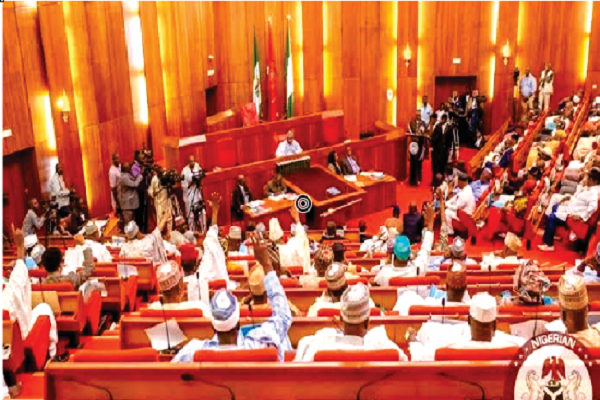
The Senate yesterday approved a loan request of N1.15 trillion for the Federal Government. The loan which would be sourced from the domestic debt market will cover the unfunded portion of the 2025 budget deficit.The approval was sequel to the adoption of a report by the Senate Committee on Local and Foreign Debt during Plenary, under the Chairmanship of Senator Aliyu Wammako (APC, Sokoto North).
In the report, the Committee pointed out that the 2025 Appropriation Act provides for a total expenditure of N59. 99 trillion, an increase of N5.25 trillion over the initial N54.74 trillion proposed by the Executive.This expansion created a total budget deficit of N14.10 trillion, of which N12.95 trillion had already been approved for borrowing, leaving an unfunded deficit of approximately N1.15 trillion (N1,147,462,863,321).President Tinubu who formally requested the approval of the senate for the fresh loan of N1.15 trillion on November 4, 2025, said the loan would bridge the funding gap, ensuring full implementation of government programs and projects under the 2025 fiscal plan.However shortly after the adoption of the report, Senator Abdul Ningi moved a motion directing the Senate Committee on Appropriations to intensify oversight with a view to ensuring that the borrowed funds were properly implemented and used for the intended purposes.From Abel Zwanke, Lafia
The Nasarawa State Commissioner for Women Affairs and Humanitarian Services, Barr. Hauwa Samuel Jugbo, has called for sustained investment in women and girls as a strategic pathway to achieving sustainable development and economic prosperity.
Jugbo made the call on Tuesday in Lafia during the 2026 International Women’s Day celebration, with the theme, “Give To Gain.
”She said the annual celebration provides an opportunity to assess the condition of women, review their progress, and address lingering challenges affecting their growth and development.
“I welcome you very warmly, our esteemed dignitaries and guests, and indeed all who identify with us, on this important event as we observe the 2026 International Women’s Day celebration in Nasarawa State,” she said.
According to her, the event symbolises unity and shared purpose among women across cultures and countries.
She noted that Nigerian women have continued to demonstrate resilience, innovation, and leadership across key sectors, including agriculture, commerce, education, and public service.
However, she lamented that many women still face significant challenges such as limited access to finance, restricted economic opportunities, and socio-cultural barriers.
“The theme for this year’s celebration, ‘Give To Gain,’ underscores the importance of investing in women and girls as a strategic pathway to achieving sustainable development and economic prosperity.
“This is based on the belief that when we empower women, we empower families, communities, and the nation at large,” she added.
The commissioner commended women in Nasarawa State for their contributions to development, describing their efforts as invaluable to the growth of the state and the country.
She also praised the First Lady of Nasarawa State, Hajiya Silifat Abdullahi Sule, for her commitment to women empowerment through programmes and initiatives aimed at uplifting vulnerable groups.
Jugbo further highlighted the impact of the Renewed Hope Initiative championed by the First Lady of Nigeria, Senator Oluremi Tinubu, noting that it has created opportunities for women’s economic empowerment, social inclusion, and improved livelihoods.
She equally commended Governor Abdullahi Sule for his administration’s commitment to advancing women’s rights, promoting gender equality, and protecting women and girls in the state.
“As a ministry, we shall continue to advocate and strengthen legal frameworks against gender-based violence, while promoting equitable access to education, healthcare, economic opportunities, and political participation for women and vulnerable groups,” she stated.
Jugbo urged women to take advantage of available opportunities, especially in skills acquisition, to improve their livelihoods and contribute meaningfully to society.
“Every woman has the capacity to make a difference in her home, community, workplace, and the society at large,” she said.
She called for collective action to ensure that every woman and girl enjoys her full rights and lives in dignity.
“Let us unite in collective action to build a more just, inclusive, and equitable society. Together, we can accelerate progress and build a brighter future for all citizens of Nasarawa State,” she added.
Uncategorized
ADVERTORIAL: The 42nd Annual General Meeting of the Association of Public Health Physicians of Nigeria (APHPN).

Wednesday, March 11, 2026
COMMUNIQUÉ ISSUED AT THE END OF THE 42ND ANNUAL GENERAL MEETING AND SCIENTIFIC CONFERENCE OF THE ASSOCIATION OF PUBLIC HEALTH PHYSICIANS OF NIGERIA (APHPN) HELD FROM 9TH–13TH FEBRUARY 2026 MUHAMMAD INDIMI
CONFERENCE CENTRE, UNIVERSITY OF MAIDUGURI, BORNO STATE
Conference Theme:
“Healing in the Crossfire: Health Under
Threat – Delivering Health Services in
Conflict and Crisis.”
PREAMBLE
The Association of Public Health Physicians of Nigeria
(APHPN) convened its 42nd Annual General Meeting
and Scientific Conference in Maiduguri, Borno State,
bringing together over 300 public health physicians,
policymakers, humanitarian actors, development partners,
and academics from across Nigeria.
The conference theme reflects both global and national realities: fragile and conflict-affected settings account for a disproportionate burden of maternal and child mortality, infectious disease outbreaks, malnutrition, gender-based violence, and mental health disorders. In Nigeria, overlapping insecurity in the North-East, North- West, North-Central and other regions has resulted in displacement, weakened health systems, and widening inequities.
Through plenary lectures, keynote address, policy dialogues, and scientific abstract presentations, participants examined strategies for delivering Reproductive, Maternal, Newborn, Child, Adolescent, Elderly Health plus Nutrition (RMNCAEH+N) services, strengthening health systems, addressing gender-based violence, integrating mental health and psychosocial support, responding to epidemics, and protecting healthcare workers in conflict and crisis settings.
KEY OBSERVATIONS
1. Conflict as a determinant of poor health outcomes:
Conflict and insecurity continue to undermine health
system functionality across several regions of Nigeria.
Destruction of infrastructure, disruption of supply chains,
displacement of health workers, and weakened surveillance
systems have contributed to increased maternal and
neonatal mortality, low immunization coverage in insecure
areas, rising malnutrition, outbreaks of communicable
diseases, escalating mental health disorders and increasing
incidence of emerging and re-emerging diseases.
2. Women, children, adolescents, the elderly, and internally displaced populations bear a disproportionate burden of poor health outcomes in crisis settings, including heightened exposure to gender-based violence and psychosocial distress.
3. Delivering RMNCAEH+N in conflict settings remains fragile: The North-East remains emblematic of a protracted humanitarian health crisis. States in the North-East continue to report some of the poorest RMNCAEH+N indicators nationally. In several LGAs previously affected by insurgency, over half of health facilities were rendered non-functional at the peak of the crisis.
Although recovery efforts are ongoing, service delivery remains dependent on mobile outreach, task-shifting, community health volunteers, and humanitarian partnerships. Innovative interventions such as the Safer Birth Bundle of Care in Borno State demonstrate the potential of continuous quality improvement even in fragile settings.
4. Mental Health Crisis in Conflict and Fragile Settings: There is a substantial but under-recognised burden of trauma, depression, anxiety, and post-traumatic stress
disorders in conflict-affected populations. Mental health services remain underfunded and poorly integrated into primary health care.
Health workers themselves experience burnout and secondary trauma in insecure environments
5. Violence Against Health Workers: Violence against healthcare workers and attacks on health facilities continue to undermine service delivery, threatening service continuity. Insecurity limits workforce retention, discourages rural posting and compromised emergency response capacity.
6. Weak Health Information Systems in Crisis Contexts: Poor data systems at national, subnational, and local government levels limit evidence-based planning, resource allocation and epidemic response in fragile settings.
Conflict-sensitive surveillance systems remain inadequate
7. Climate change as a health risk multiplier: Climate change is compounding insecurity-related vulnerabilities, contributing to malnutrition, vector-borne diseases, Lassa fever outbreaks and other epidemic risks, and displacement.
The health sector’s adaptation strategies remain insufficient
8. Emerging and context-specific public health concerns— including Lassa fever outbreaks reported in Bauchi State, Buruli ulcer outbreaks in Benue State, HIV burden in certain states, like Taraba, and increasing recognition of Vitamin D deficiency as silent epidemic among the upper class with increasing risk of bone disorders, metabolic diseases, immune dysfunction, depression, and cardiovascular conditions—require public health advocacy, public enlightenment, strengthening surveillance and coordinated policy response.
9. Health Governance and Workforce Policy Concerns: Recent workforce policy developments like the creation of a Public Health Officer (PHO) cadre in Lagos State without adequate stakeholder consultation risks fragmentation, duplication of roles, and disruption of established public health structures if not guided by broad stakeholder consultation.
RECOMMENDATIONS
The Association makes the following recommendations:
A. Strengthening Health Systems in Conflict Settings
1. Federal and State Governments should
institutionalise conflict-sensitive health planning and
integrate humanitarian-development approaches into
state health strategies.
2. Increase investment in rebuilding and protecting
health infrastructure in conflict-affected regions.
3. Establish mechanisms to safeguard healthcare
workers and enforce protections consistent with
international humanitarian principles.
4. Develop retention incentives and security support
systems for frontline health workers.
B. RMNCAEH+N Continuity in Crisis
5. Scale up adaptive service delivery models, including
mobile outreach, community-based interventions, and
task-shifting frameworks.
6. Expand quality improvement initiatives such as the
Safer Birth Bundle of Care in high-mortality states.
7. Ensure uninterrupted immunisation and nutrition
services in hard-to-reach communities.
C. Gender-Based Violence and Mental Health
Integration
8. Integrate comprehensive GBV services — including
clinical management of rape, psychosocial support, and
referral pathways — into primary health care.
9. Mainstream Mental Health and Psychosocial Support
(MHPSS) into state health plans and humanitarian
response frameworks.
10. Provide structured psychosocial support and
trauma care for health workers in insecure environments.
D. Data, Surveillance, and Epidemic Preparedness
11. Strengthen health information systems and
conflict-sensitive surveillance mechanisms at all levels.
12. Establish multi-sectoral Technical Working Groups
(TWGs) for Lassa fever and other emerging epidemics
in high-burden states.
13. Improve integration of genomic, spatial, and
environmental data for diseases such as Buruli ulcer.
E. Climate-Resilient Health Systems
14. Recognise climate change as a public health
emergency and integrate climate adaptation into health
infrastructure planning.
15. Develop climate–health early warning systems and
promote renewable energy transition in health facilities.
F. Public Health Workforce Governance
16. Withdraw the circular establishing the PHO cadre
in Lagos State and engage stakeholders in developing
coherent public health workforce reforms.
G. Emerging Public Health Priorities
17. APHPN should engage in intensive public health
enlightenment, screening and supplementation for
high-risk populations and advocacy towards policy
formulation to address the silent epidemic of vitamin D
deficiency in Nigeria.
18. Strengthen cross-border and migratory surveillance
for neglected tropical diseases and infectious disease
threats
CONCLUSION
Nigeria cannot achieve health equity or Universal Health
Coverage without addressing the realities of conflict,
insecurity, climate vulnerability, and systemic fragility.
Healing in the crossfire demands resilient systems,
protected health workers, integrated services, and
sustained political commitment.
The Association of Public Health Physicians of Nigeria reaffirms its commitment to advancing evidence-based policies and collaborative action to safeguard the health of all Nigerians, even in times of crisis.
APPRECIATION
The Association expresses profound gratitude to the
Government and people of Borno State, development
partners, humanitarian agencies, academic institutions,
and all participants who contributed to the success of the
conference.
Dr. Terfa Simon Kene Dr. Augustine Ajogwu
President Secretary General
Date: 9/03/26
An economist, Prof. Sherifdeen Tella, has supported the Federal Government’s decision to sell some state assets, stating that the move would enhance the country’s fiscal revenue position.
Tella, of the Department of Economics at Babcock University, Ogun, made the remarks in separate interviews with the News Agency of Nigeria in Lagos on Wednesday.
He stressed that the government should be commended for ensuring that some state assets were sold to become more productive for the overall economy.
“Since the government has invested a lot of public funds in these national assets, they should not be sold outright.
“Rather, regulators should consider partnering with foreign firms that have proven track records and possess adequate financial and technical know-how to manage such enterprises,” Tella said.
He emphasised that allowing more private investment in selected state assets would reposition them to grow and generate more revenue for the country.
“This will boost the government’s revenue position and support the full implementation of the capital component of the budget.
“Issues relating to the country’s reliance on foreign loans may also decline due to the availability of funds,” Tella added.
He noted that the government should be more transparent and thorough in choosing the most suitable partners in order to avoid the mistakes of the past.
Similarly, Okechukwu Unegbu, former President of the Chartered Institute of Bankers of Nigeria, also supported the government’s actions regarding some state assets.
“The government should be commended for taking such a stand, because the authorities cannot continue expending scarce resources on such national edifices, which could be better harnessed and managed by the private sector, given past antecedents,” Unegbu said.
He stressed that the government’s decision to sell the assets was imperative in order to reduce waste, especially in light of current revenue challenges.
“This will ultimately free up funds to be injected into other sectors that will spur economic growth, including the expansion of existing seaports and the completion of railway tracks across the country to facilitate trade,” Unegbu added.
Recall that the federal government has announced plans to begin the sale of some state-owned assets to private investors starting in 2026, as part of efforts to strengthen the economy and attract more investment.
The Minister of Finance and Coordinating Minister of the Economy, Wale Edun, made this known on Monday during an interview with Bloomberg on the sidelines of the AlUla Conference for Emerging Market Economies held in Saudi Arabia.
Edun explained that the government was already working on identifying which public assets would be put up for sale and determining when the transactions would take place.



Kano Gov’t Says Emir Sanusi will Lead Sallah Durbar
ShareBy Aliyu Askira, Kano The Kano State Government has finally announced that the Emir of Kano, Muhammadu Lamido Sanusi II, will lead this year’s Eid-el-Fitr Durbar,...

Labour Party Fixes May 23 for Presidential Primary
ShareThe National Executive Council (NEC) of the Labour Party has fixed May 23 for its presidential primary. Senior Special Adviser (Media) to the Interim National Chairman,...


FG Seeks Partnerships to Transform Correctional Farms Into Productive Agricultural Hubs
ShareThe Federal Government has called for more partnerships with private sector operators in the transformation of the Correctional Farm Centres into highly productive agricultural hubs. Minister of Interior Dr. Olubunmi...


Senegal Government Alleges corruption over Afcon CAF Ruling as Morrocco Celebrates
ShareThe Senegalese government has called for an “independent international investigation” into “suspected corruption” at African football’s governing body after it stripped Senegal of the...

Service Chiefs Storm Maiduguri as Tinubu Orders Crackdown on Renewed Insurgency
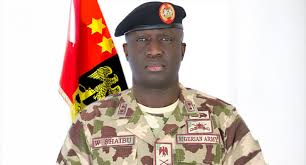
ShareFrom Muhammad Muhammad Al-amin, Maiduguri The Chief of Defence Staff (CDS), General O.O. Oluyede, alongside the Chief of Army Staff (COAS), Lieutenant General Waidi...

FG Secures Coventry University Deal to Deliver UK Degrees in Nigeria
ShareThe Federal Government has secured a partnership deal with Coventry University under a Transnational Education (TNE) arrangement to establish a...

Malami Regains Freedom, Salutes Atiku, Obi, El Rufai, Tambuwal, Others
ShareFormer Attorney-general of the Federation (AGF) and Minister of Justice, Abubakar Malami who has been granted bail after meeting bail...
Sultan Announces Friday, Eid-el-Fitr as FG Declares Two- day Holidays
ShareThe Sultanate Council of Sokoto has declared Friday, March 20, 2026, as the first day of Shawwal 1447AH, marking the...


U.S./Israel-Iran War: Lessons for Nigeria from Gulf War Oil Windfall
ShareBy Emmanuella Anokam During the Gulf War which took place between Aug. 2, 1990 and Feb. 28, 1991, Nigeria reportedly...


Safeguarding Nigerians against AI Fakes and Digital Fraud
ShareBy Tolu Aiyegbusi As Artificial Intelligence (AI) continues to advance, creating highly realistic voices, faces, and even emotions, Nigerians are...