
NEWS
Reps Launch Nationwide Probe into Drug Abuse, Trafficking Crisis

By Ubong Ukpong, Abuja
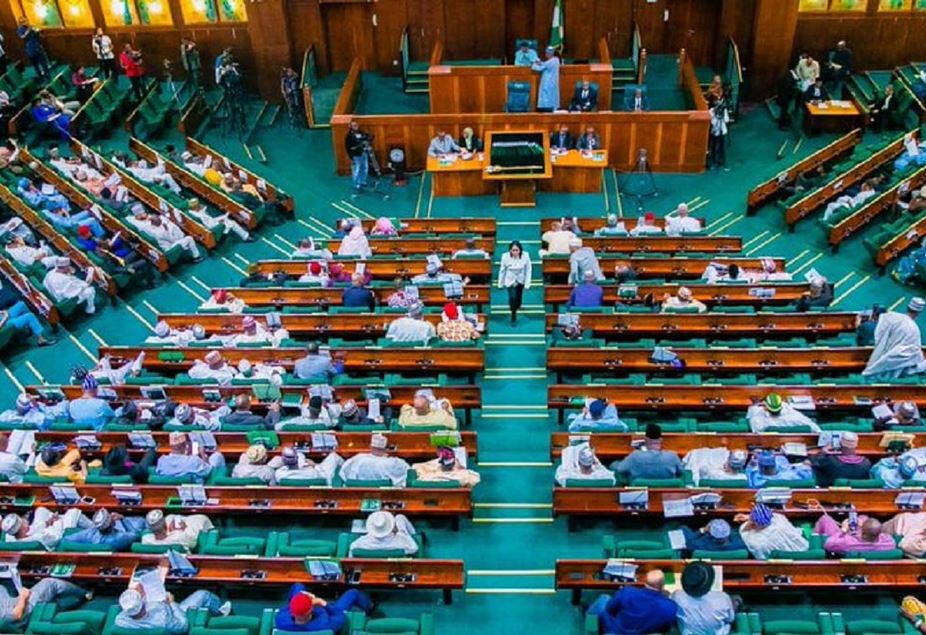
The House of Representatives has commenced a nationwide investigation into Nigeria’s worsening drug abuse and trafficking crisis, pledging to expose systemic failures, hold erring institutions and corporate actors accountable, and recommend sweeping reforms to protect public health and national security.
The probe formally began yesterday in Abuja with the inauguration of an investigative hearing by the House Ad hoc Committee on Drugs, Trafficking, Alcohol and Tobacco Abuse.
Chairman of the committee, Rep. Oluwatimehin Adelegbe, described the scale of substance abuse in the country as a “National emergency,” warning that it now threatens the very fabric of Nigerian society.
“Today, we gather under the mandate of the Nigerian people and under the solemn weight of a crisis that threatens the soul of our nation,” Adelegbe said. “Drug abuse and illicit trafficking are no longer isolated problems; they have become a clear and present danger to our health, security and collective future.”
He said the committee was constituted to uncover the truth behind the growing crisis, identify institutional lapses, and propose far-reaching corrective measures capable of reversing what he called a deeply disturbing trend.
According to the lawmaker, cannabis is now smoked openly on the streets, methamphetamine use is spreading rapidly, and codeine-based cough syrups are sold almost as casually as soft drinks. He added that tramadol 200mg is trafficked with the same sophistication as hard narcotics, while cheap and hazardous alcoholic mixtures are destroying young lives in motor parks, campuses and marketplaces nationwide.
Adelegbe also accused some tobacco companies of exploiting regulatory loopholes to target minors through flavoured products, informal retail channels and misleading marketing practices. He further decried the influx of substandard pharmaceuticals, fake spirits and unregistered products into the country, blaming weak enforcement at ports, airports and land borders, which he said trafficking syndicates routinely exploit.
“Entire communities have been crippled by addiction, crime and preventable deaths. Nigeria is losing too many lives, too many futures, too many families,” he said, stressing that the investigation was not a witch-hunt or an anti-business move.
“We support industries and value investment, but no business model can be allowed to thrive at the expense of Nigerian lives. No profit margin can justify the destruction of our youth,” Adelegbe declared, adding that all stakeholders must cooperate fully with the committee.
Meanwhile, the United Nations Office on Drugs and Crime (UNODC) raised fresh alarm over the scale of drug use in Nigeria, describing the situation as significantly above the global average.
In a memorandum submitted to the committee, the UN agency cited the 2018 Nigeria Drug Use Survey conducted with the National Bureau of Statistics (NBS) and the European Union, which found that 14.4 per cent of Nigerians aged 15 to 64 use drugs. Cannabis was identified as the most commonly used drug, with an estimated 10.6 million users, followed by about seven million users of pharmaceutical opioids such as tramadol and codeine-based cough syrups.
The survey also revealed that nearly three million Nigerians suffer from drug use disorders requiring counselling or medical treatment, with women and girls disproportionately affected by stigma and limited access to care.
UNODC warned that drug use in Africa could rise by 40 per cent by 2030, a trend that could push Nigeria’s drug-using population beyond 20 million, posing what it described as an extreme threat to public health and public security.
Citing findings from the 2025 World Drug Report, the agency noted that cannabis remains the most widely used drug globally, accounting for about 42 per cent of drug use disorder cases, while opioids remain the deadliest, responsible for nearly two-thirds of drug-related deaths worldwide.
To stem the tide, UNODC recommended a balanced, evidence-based approach combining intelligence-led law enforcement with expanded prevention, treatment and harm-reduction services. Its proposals include legislative reforms, defined decriminalisation of possession for personal use, strengthened asset forfeiture and financial investigations, modernised precursor controls, and alternatives to incarceration for low-level, non-violent drug offences.
Also presenting a memorandum, the National Drug Law Enforcement Agency (NDLEA) reaffirmed its commitment to safeguarding Nigeria from illicit drugs and substance abuse. The agency commended the House for its proactive intervention and pledged technical support toward strengthening the National Drug Control Master Plan, while calling for improved legislation, tighter regulation, expanded treatment systems and increased operational resources.
By Tambaya Julius, Abuja
The Nigeria Customs Service (NCS) and the Joint Admissions and Matriculation Board (JAMB) are considering areas of cooperation to improve their operations and strengthen service delivery.
The Comptroller-General of Customs, Adewale Adeniyi, received the JAMB Registrar, Professor Segun Aina, and his delegation at the Service’s Operational Headquarters in Maitama, Abuja, on Friday, October 16, 2026.
During the meeting, Adeniyi praised JAMB for its progress over the years, particularly its use of technology, timely release of examination results and improved placement of candidates into tertiary institutions.
He said the Board’s adoption of technology had made its operations more efficient and improved the process of placing candidates in higher institutions.
“The improvement JAMB has recorded over the years, particularly through the integration of technology into its operations, is commendable,” Adeniyi said.
He expressed confidence in Aina’s ability to sustain the gains and urged the Board’s management team to support his leadership.
The Customs chief also welcomed JAMB’s offer to make its electronic facilities available to the Service.
He explained that Customs officers serving across the country sometimes need designated centres to sit examinations and carry out other official activities.
He said access to the facilities would make it easier for the Service to organise such exercises when necessary.
On JAMB’s request for operational vehicles, Adeniyi acknowledged the importance of transportation to the Board’s nationwide activities.
He said the Service would explore possible ways to assist, depending on available resources and the applicable framework.
Aina said the visit was aimed at establishing a working relationship between the two organisations and identifying areas of mutual support.
“We want to formally come and introduce ourselves. We recognise the important work the Nigeria Customs Service is doing and are aware of the operations you carry out,” he said.
The JAMB registrar disclosed that the Board serves about five million people annually, operates Computer-Based Test (CBT) centres across Nigeria and conducts examinations in more than 15 countries.
He added that JAMB provides electronic services to government agencies and professional bodies, noting that its nationwide operations require adequate vehicles to reach communities, including local government areas, for candidate verification and monitoring of examination standards.
Aina stressed that effective transportation was necessary to ensure proper supervision, protect the integrity of examinations and maintain compliance with established procedures.
Both organisations expressed their willingness to explore practical areas of cooperation, share available resources and support each other in addressing their operational needs.

The Nigeria Labour Congress (NLC), Federal Capital Territory (FCT) Council, has suspended its indefinite strike and directed all affected workers, particularly primary and secondary school teachers to resume work on Wednesday.
Chairman of the union in FCT, Knabayi Adalo announced the suspension in a communique issued in Abuja on Tuesday.
Adalo explained that the decision followed the conclusion of conciliatory talks between the labour union, the Nigeria Union of Teachers (NUT), the Management of the Federal Capital Territory Administration (FCTA), and the Federal Ministry of Labour and Employment.
He said that the resolutions were formally adopted at the end of an emergency State Executive Council (SEC) meeting held at the Labour House, Central Business District, Abuja.
According to him, the suspension was agreed upon in the spirit of social dialogue and industrial harmony following key concessions reached regarding teachers’ career progression and administrative directives.
“On vacancy provision for education officers, it was resolved that promotion vacancies for education officers will align with established positions declared by the FCT Education Secretariat.
“The council noted that an upcoming exit of directorate officers would clear the path for the upward mobility of eligible officers.
“Also, following approval from the FCT Executive Council and subsequent communication to the FCT Civil Service Commission on the 2025 promotion examination, a new date will be announced to allow qualified candidates to take the examination.
“Regarding the deployment of officers benefiting from the Harmonised Retirement Age for Teachers back into classrooms, stakeholders agreed to maintain the FCT Executive Council’s directive, stepping down the process until further notice,” he said.
Adalo, however, issued conditions to guarantee full compliance by authorities.
He said that the NLC would set up a dedicated monitoring committee tasked with enforcing the agreed terms within specified timelines.
He warned that any failure by the FCTA or relevant authorities to implement the agreements would trigger an automatic resumption of the strike without prior notice.
He informed workers who participated in the strike that the union had secured a binding agreement that no worker or teacher would face reprisals, penalties, or victimisation for participating in the industrial action.
He commended the resilience of FCT teachers and praised the solidarity displayed by affiliate unions, the Ministry of Labour, and the FCTA management during negotiations.
The NLC had on Oct. 7, directed all workers in the FCT Administration, including those in the private sector, to commence an indefinite strike over unresolved labour disputes and policy grievances affecting teachers. (NAN)
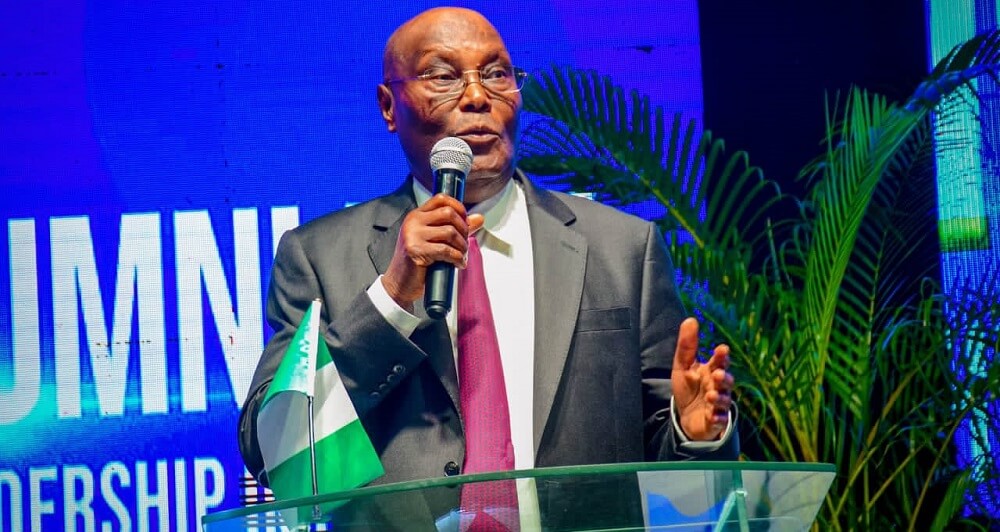
The All Progressives Congress (APC) Presidential Campaign Council (PCC) has dismissed allegations that the Federal Government is plotting to assassinate former Vice-President, Atiku Abubakar.
The council’s spokesperson and Minister of Solid Minerals Development, Dele Alake, described the allegation as grave in a statement issued in Abuja on Tuesday.
Timi Frank, a member of the African Democratic Congress (ADC), had alleged that the Federal Government was plotting to assassinate Atiku.
Atiku is the ADC’s presidential candidate for the 2027 general elections.
Alake challenged Frank to substantiate the allegation, urging security agencies to invite him for questioning and investigate the claim.
“This is a grave allegation that Frank must prove. We thus urge security agencies to invite him to substantiate the allegation,” he said.
He urged Frank to provide any information in his possession to facilitate a prompt investigation, stressing that every credible threat to life deserved serious attention.
Alake categorically denied any involvement by President Bola Tinubu or the APC-PCC in an alleged plot against Atiku or any opposition figure.
He also dismissed claims that security personnel attached to Atiku had been withdrawn, insisting that the former vice-president remained protected by the police and Department of State Services (DSS).
According to him, Tinubu recently directed security agencies to reinforce protection for presidential, vice-presidential, governorship and deputy governorship candidates nationwide.
Alake maintained that security arrangements for Atiku had never been compromised, adding that the former vice-president enjoyed two levels of state-funded protection.
“As a former vice-president of Nigeria, Atiku enjoys two levels of state-funded security protection. President Tinubu has increased security protection for him as a presidential candidate,” he said.
Alake described Tinubu as a statesman and committed democrat who recognised opposition politics as essential to Nigeria’s 27-year-old democracy.
He recalled that Tinubu had led opposition politics for 16 years before the Peoples Democratic Party (PDP) lost power in 2015.
The APC spokesperson described Frank’s allegation as opposition rabble-rousing intended to heighten political tension.
He accused some opposition figures, including Frank, of using open letters and social media posts tagging foreign leaders and international organisations to attract attention.
Alake warned that politicians and their supporters might make provocative statements and frivolous allegations as the 2027 election campaigns gathered momentum.
He urged political parties, candidates and supporters to make factual, responsible public statements and avoid remarks capable of triggering unnecessary tension.
“Let our political competition be peaceful, lawful, and focused on the big issues that matter to Nigerians, not character assassination or wild, baseless allegations,” he said. (NAN)


Adeniyi, JAMB Registrar Seek Operational Synergy
ShareBy Tambaya Julius, Abuja The Nigeria Customs Service (NCS) and the Joint Admissions and Matriculation Board (JAMB) are considering areas...

NLC Suspends FCT Indefinite Strike
ShareThe Nigeria Labour Congress (NLC), Federal Capital Territory (FCT) Council, has suspended its indefinite strike and directed all affected workers,...


APC Dismisses Alleged Plot to Assassinate Atiku
ShareThe All Progressives Congress (APC) Presidential Campaign Council (PCC) has dismissed allegations that the Federal Government is plotting to assassinate...

2027: We’ll Deliver Rivers, FCT for Tinubu – Wike
ShareBy Laide Akinboade, Abuja The Minister of the Federal Capital Territory (FCT), Nyesom Wike, has declared that the All Progressives...
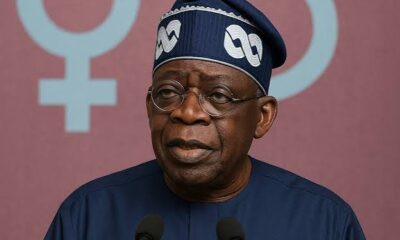

Tinubu’s Three Bills and the Burden of Government
ShareBy Tom Chiahemen A government that asks its citizens to endure the pain of economic reform must demonstrate a corresponding...

DMO Raises N2.02trn As FGN Bond Yields Rise To 17.29 Per Cent
ShareBy Tony Obiechina, Abuja Yields on Federal Government of Nigeria (FGN) bonds increased by as much as 50 basis points...

Anxiety Grips FCT Residents As FG Confirms Ebola Disease Case
ShareBy Laide Akinboade, Abuja The Federal Government (FG), on yesterday confirmed one case of Ebola disease in the Federal Capital...
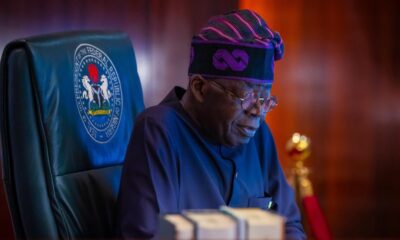

Again, Tinubu Rules Out Return to Petrol Subsidy Regime
ShareBy Tambaya Julius, Abuja President Bola Ahmed Tinubu has ruled out a return to petrol subsidy, insisting that his administration...
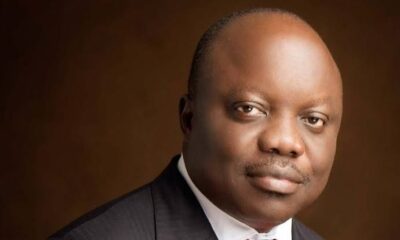

Former Delta Governor Uduaghan Dies at 70
ShareFrom Francis Sadhere, Delta Former Governor of Delta State, Dr. Emmanuel Eweta Uduaghan, has died. Uduaghan, who governed the state...


Customs Opens Review for Disqualified Recruits, Flags 397 Applicants
ShareBy Tambaya Julius, Abuja The Nigeria Customs Service (NCS) has opened a review process for applicants disqualified during its recent...