
NEWS
Lydia Memorial Hospital Takes Free Healthcare to Akpodo, Treats Over 250 Residents

By David Torough, Abuja
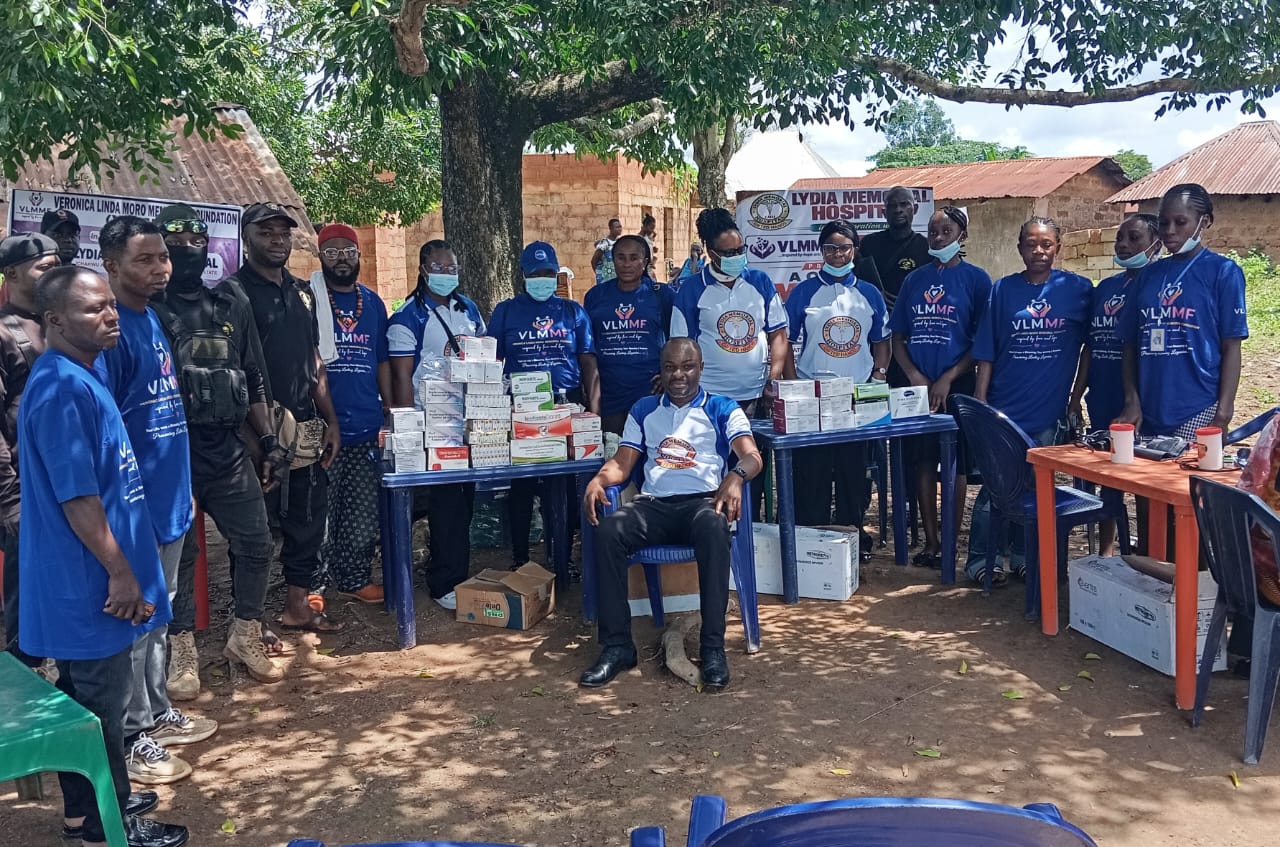
Residents of Akpodo Community in Okpokwu Local Government Area of Benue State on Sunday, August 30, 2026, witnessed a major healthcare intervention as Lydia Memorial Hospital, Ichakwu Amejo (Ugbokolo), brought free medical services to their doorstep.
More than 250 residents of Akpodo and neighbouring communities benefited from free medical screening, diagnostic testing, consultations and treatment during the community medical outreach organised by the hospital.
The exercise, which attracted a large turnout from the community, offered a much-needed intervention to residents who often face the challenges of limited access to healthcare facilities, long distances and the increasing cost of medical treatment.
From the early hours of the programme, residents began arriving at the venue in large numbers. The turnout highlighted both the healthcare needs of the rural population and the importance of bringing essential medical services closer to underserved communities.
For many beneficiaries, the outreach provided an opportunity to receive medical attention that might otherwise have been postponed because of financial limitations or difficulties accessing healthcare facilities.
‘Healthcare Should Reach the People’ — Dr Ogbodo
Speaking during the exercise, the Founder and Chief Executive Officer of Lydia Memorial Hospital, Dr Mark A. C. Ogbodo, said the initiative was founded on the belief that poverty or geographical location should never prevent anyone from accessing basic healthcare.
Dr Ogbodo, who also serves as the Secretary of the Nigerian Medical Association (NMA), Benue State Branch, explained that the outreach was designed particularly to reach rural populations where access to comprehensive and sophisticated healthcare services remains limited.
“Our aim is to reach out to the less privileged, especially those in rural communities, and save lives. Healthcare should not be determined by where a person lives or by his or her ability to pay.”
According to him, the objective of the programme went beyond treating people who were already ill. It was also designed to promote preventive healthcare, encourage early detection of diseases, provide health education and ensure prompt referral for patients who require further investigations or specialised treatment.
He noted that community-based medical outreaches provide healthcare professionals with an opportunity to identify conditions that could otherwise remain undiagnosed until they become more serious or complicated.
More Than 250 People Screened and Treated
By the end of the outreach, more than 250 residents had been screened, tested, consulted and treated free of charge.
The medical team attended to beneficiaries and provided appropriate treatment, while patients requiring additional investigations or specialised care were referred to nearby healthcare facilities for further management and follow-up.
The organisers said the referral component was a critical part of the intervention because the goal was not merely to offer temporary relief, but also to connect patients with conditions requiring continued care to appropriate healthcare providers.
Medical Outreach Meets Humanitarian Intervention
The medical intervention received further support through a collaboration between Lydia Memorial Hospital and the Veronica Linda Moro Memorial Foundation, which complemented the healthcare programme with humanitarian assistance.
The Foundation donated and distributed foodstuffs and other essential relief items to residents, particularly vulnerable members of the community, in response to the economic difficulties confronting many families.
The additional intervention broadened the scope of the programme, making it not only a medical outreach but also a humanitarian initiative aimed at addressing some of the immediate socioeconomic challenges facing residents.
Beneficiaries expressed appreciation for the gesture, describing the combination of free healthcare and relief materials as timely and valuable.
HIV Testing Takes Centre Stage
The AIDS Health Foundation also contributed to the success of the programme by providing materials for HIV testing and screening.
Residents were given the opportunity to voluntarily ascertain their HIV status, while the exercise also provided an avenue for counselling and education on HIV prevention, treatment and care.
The organisers emphasised the importance of early diagnosis and timely access to treatment in controlling HIV, while also calling for sustained community awareness and greater efforts to eliminate the stigma associated with people living with HIV/AIDS.
Community Leader Applauds Initiative
The Chief of Akpodo Community, His Royal Highness, Chief Mark Onah, expressed his appreciation to Lydia Memorial Hospital and the Veronica Linda Moro Memorial Foundation for selecting the community for the intervention.
Chief Onah described the outreach as a significant and welcome gesture, particularly at a time when many families are struggling with economic hardship and the rising cost of healthcare.
He commended the medical team and collaborating organisations for bringing healthcare directly to the people and encouraged residents to place greater emphasis on preventive healthcare and regular medical checks.
A Message Beyond Medicine
The Akpodo outreach has once again highlighted a major challenge confronting rural communities across Nigeria: access to healthcare is just as important as the availability of healthcare services.
Although hospitals, health professionals and medical facilities may exist, factors such as distance, cost and inadequate infrastructure can prevent vulnerable populations from benefiting from available services.
By taking healthcare directly into the community, Lydia Memorial Hospital demonstrated how medical outreach can extend beyond the walls of a hospital to become an instrument of community development, humanitarian support and life-saving intervention.
For Dr Ogbodo and his team, however, the success of the exercise cannot be measured by numbers alone.
It is reflected in the elderly resident who received medical attention that might otherwise have been unaffordable; the mother who was able to have herself and her children screened; the individual whose health condition was detected early; and the patient who was identified and referred for further care before a potentially serious condition could become life-threatening.
‘Saving Lives Is the Priority’
The Akpodo outreach reinforces Lydia Memorial Hospital’s commitment to extending quality healthcare beyond its facility in Ichakwu Amejo (Ugbokolo) and reaching communities where the need is greatest.
It also demonstrates the impact that can be achieved when healthcare institutions, humanitarian organisations and public-health partners unite around a shared commitment to improving lives.
As the outreach drew to a close, more than 250 residents had received free medical attention, numerous community members had accessed HIV screening and health education, and vulnerable families had received food and other relief materials.
For the people of Akpodo Community, the message from the intervention was clear:
Healthcare is not a privilege reserved for those who can afford it. It is a service that must reach the people — wherever they live.
And on August 30, 2026, Lydia Memorial Hospital took that service to Akpodo.
Prof Uche Uwaleke
The renewed debate over fuel subsidy in Nigeria is hardly surprising. As the country approaches another election cycle, the question of whether the subsidy should be restored has once again moved to the centre of political discourse.
For many Nigerians, the issue is deeply personal. The removal of the subsidy has significantly increased the cost of petrol, transportation, food and virtually every activity dependent on energy. It is therefore understandable that any political promise to make petrol cheaper would resonate with a population struggling with the rising cost of living.Yet, the debate should go beyond the immediate attraction of cheaper petrol.
Nigeria must ask a more fundamental question: what is the most economically sustainable way to use the country’s scarce public resources, and how can those resources be deployed to improve the welfare of citizens over the long term?It is in this context that the removal of the fuel subsidy should be understood. The reform was necessary because the old subsidy regime had become an enormous burden on public finances, while also creating significant opportunities for arbitrage, smuggling, rent-seeking and other sharp practices. According to figures cited in recent publications on the subject, Nigeria spent more than N15 trillion on fuel subsidy between 2006 and 2023, while more than N3 trillion was spent in the first five months of 2023 alone, before the subsidy was eventually removed.
The opportunity cost of such expenditure was enormous. Every naira devoted to keeping petrol artificially cheap was a naira that could not simultaneously be devoted to roads, schools, hospitals, security, agriculture, public transportation or other investments capable of expanding the productive capacity of the economy. The question, therefore, should not be whether Nigerians want cheaper petrol. Of course, they do. The more important question is whether Nigeria could continue to spend such enormous sums subsidizing petrol consumption when those resources could arguably generate greater social and economic returns elsewhere.
This is the central economic argument for the reform. A government cannot indefinitely borrow or divert scarce resources to subsidize consumption without compromising its capacity to invest in production. A cheaper pump price may provide immediate relief, but if it is achieved at the expense of investment in infrastructure, education, healthcare and productive enterprise, society eventually pays the price elsewhere.
Indeed, the old arrangement was particularly problematic because the benefits of the subsidy were not necessarily confined to those who needed government assistance most. A universal subsidy on petrol effectively subsidized consumption by everyone who purchased the product, including those with the financial capacity to pay the market price. It also created opportunities for fuel diversion and smuggling across Nigeria’s borders. In that sense, subsidizing petrol was not necessarily the same as subsidizing Nigerians.
This distinction remains important in the current debate. It goes without saying that subsidies in themselves are not inherently bad. Governments across the world use subsidies as policy instruments to support strategic sectors, protect vulnerable groups, stimulate production or respond to economic shocks. The critical issue is what is being subsidized, who benefits, how much it costs and whether the intervention achieves a clearly defined economic objective.
Nigeria should therefore be moving away from subsidies that primarily encourage consumption and towards interventions that stimulate production. If government must deploy scarce resources through subsidies, those resources should preferably be directed towards areas capable of expanding productive capacity, creating employment, reducing costs and strengthening the economy. Agriculture, manufacturing, transportation, and energy infrastructure are obvious areas where such an approach could yield wider economic benefits.
This does not mean that the hardship arising from subsidy removal should be ignored. On the contrary, the social consequences of the reform must be taken seriously. The sharp increase in the price of petrol has fed directly and indirectly into transportation costs, food prices, household expenditure and the operating costs of businesses. The combination of subsidy removal and other economic adjustments has placed considerable pressure on household incomes.
Government therefore has a responsibility to cushion the impact of reform, particularly for the poorest and most vulnerable citizens. But the solution should not necessarily be a return to an expensive and opaque universal petrol subsidy. Targeted social protection, improved public transportation, support for farmers and small businesses, and investments that reduce the cost of producing and moving food would provide a more sustainable response.
Be that as it may, the greater concern is what has happened to the resources and fiscal space created by the reforms. The Federal Government has reported that the fuel subsidy removal and foreign-exchange market reforms generated N15.8 trillion in additional resources for the Federation between June 2023 and December 2025. According to the figures attributed to the Finance Minister and Coordinating Minister of the Economy, N5.4 trillion accrued to the Federal Government, while N10.4 trillion went to states and local governments through the Federation allocation system.
The government has also explained that the N15.8 trillion should not be understood as a sum of money sitting in a separate account labelled subsidy savings. Rather, the gains were reflected largely in increased revenue collections arising from the reforms, including the higher naira value of dollar-denominated customs duties and other government revenues. The government further reported that it generated an additional N3.1 trillion in independent revenue during the period, while incremental borrowing amounted to N11.9 trillion, which it argued would have been significantly higher without the fiscal space created by the reforms.
These figures are significant and demonstrate that the reforms have produced fiscal gains. They also suggest that the removal of subsidy, together with foreign-exchange reform, has altered the government’s revenue position in a substantial way.
But fiscal gains alone cannot be the final measure of success. The Nigerian citizen who is paying considerably more to commute to work, feed a family or run a small business is unlikely to be persuaded by an improvement in government revenue figures unless that improvement eventually translates into visible improvements in living conditions. People experience economic reforms through the prices they pay and the opportunities available to them. They therefore have every right to ask what they are receiving in return for the sacrifice they have been asked to make.
This is where I believe there is a missing link in the implementation of the subsidy-removal reform: the absence of a sufficiently visible and measurable framework for linking the gains from the reform to specific development outcomes.
The expected savings and additional resources should have been more deliberately ring-fenced for clearly identified projects at both the federal and state levels. Nigerians should be able to see, for example, that a particular road, hospital, school, agricultural programme, public transportation project or other development intervention was financed from the fiscal space created by the reform. Such a system would not only improve transparency and accountability; it would help government build public confidence in a reform that has imposed considerable costs on citizens.
Nigeria has precedents for this approach. The Petroleum Trust Fund associated with the Abacha administration was established around a specific development mandate and became particularly associated with road projects. The Jonathan administration’s Subsidy Reinvestment and Empowerment Programme, popularly known as SURE-P, was similarly designed around the deployment of resources associated with subsidy reform to specific programmes.
There are legitimate questions about the implementation and effectiveness of these past initiatives, but the broader lesson remains relevant: when citizens are asked to endure a painful economic adjustment on the promise of a better future, government must make that future sufficiently visible.
The reform requires a social contract. Citizens are being asked to pay more today on the understanding that the country will become fiscally stronger, more productive and better able to provide public goods tomorrow. Tomorrow, however, cannot remain an indefinite promise.
This is also why the argument that subsidy removal has generated additional resources must be accompanied by stronger accountability from the states. If states and local governments have received substantially higher allocations, citizens should be able to demand evidence of how those resources are being used. Increased allocations should translate into better rural roads, water supply, primary healthcare, basic education, agricultural support, local infrastructure and other services that directly affect people’s lives.
The same principle applies at the federal level. If the Federal Government has gained additional fiscal space, Nigerians should be able to identify the development outcomes associated with it. Transparency should not stop at reporting how much money has been generated. It should extend to showing how the resources have been deployed and what they have achieved.
The other major requirement is continued liberalization and investment in the petroleum sector. The removal of the subsidy should not be viewed as the end of reform but as part of a broader process of restructuring the industry. The Petroleum Industry Act provides an important framework for creating a more commercially oriented, competitive and investment-friendly petroleum sector. The objective should be to encourage more players and more private investment across the value chain.
Particular attention should be paid to domestic refining. Nigeria cannot sustainably resolve the problem of high petrol prices simply by changing the mechanism through which the government supports consumption. The country must expand its capacity to refine crude oil domestically and create genuine competition among refiners and petroleum marketers.
This should include encouraging investment in modular refineries, which can complement larger refining facilities and increase the number of participants in the downstream petroleum market. More competition, more refining capacity and greater domestic supply should, over time, place downward pressure on prices and reduce the economy’s exposure to the cost and volatility associated with imported refined products.
There is also a case for government to make renewed efforts to revamp its existing refineries while considering appropriate forms of partial privatization or strategic private-sector participation. The objective should not be government ownership for its own sake, but efficiency, accountability and reliable production. If private capital and expertise can make public assets more productive, government should be willing to explore such arrangements.
It is a no-brainer that the most sustainable way to bring down the cost of petrol is not to keep subsidizing it indefinitely but to reduce the cost of producing and supplying it. That is why the current political debate over whether to restore subsidy should be approached with caution. In this regard, proponents of a return to subsidy must explain how much the policy would cost, how it would be financed, who would benefit and how the country would prevent a return to the corruption, smuggling, arbitrage and opacity associated with the old system.
A subsidy may offer immediate relief, but it is not free. Somebody must pay for it. If government pays, then the money comes from revenue, borrowing or expenditure that could otherwise have been directed elsewhere. The opportunity cost must therefore always be part of the conversation.
By the same token, those defending subsidy removal must also accept that the reform cannot be judged solely by the amount of money government saves or the increase in government revenue. The ultimate test must be whether the reform helps Nigeria build a more productive economy and whether ordinary Nigerians eventually experience tangible improvements in their standard of living.
Indeed, Nigeria needs to move beyond the false choice between cheap petrol and economic hardship. The real objective should be to build an economy in which Nigerians can afford the energy they consume because incomes are rising, production is expanding, transportation is becoming more efficient and domestic refining is reducing supply costs.
The country should therefore stay the course on petroleum-sector reform while correcting the weaknesses in the implementation of subsidy removal. The government should strengthen targeted social protection, improve public transportation, invest more heavily in agriculture and other productive sectors, promote domestic refining, encourage competition and make the use of the additional fiscal resources more transparent and measurable.
Most importantly, the savings and fiscal gains from difficult reforms should be converted into assets and productive capacity that will continue to benefit Nigerians long after the political debate over subsidy has ended. Nigerians do not necessarily need cheap petrol forever. What they need is an economy in which they can afford the petrol they buy.
All said, the success of subsidy removal should therefore not be measured simply by whether government stopped paying the subsidy but by whether it succeeded in converting that difficult sacrifice into a more productive economy, stronger public services, increased domestic production and a better quality of life for the ordinary Nigerian.
Prof Uche Uwaleke is Director of the Nasarawa State University Institute of Capital Market Studies and President of the Capital Market Academics of Nigeria.
Nigeria’s economy expanded by 4.43 per cent year-on-year in real terms in the second quarter of 2026, Q2’26, up from 4.23 per cent recorded in the corresponding quarter of 2025, the National Bureau of Statistics (NBS) said on Monday.
The latest figure was contained in the NBS Gross Domestic Product (GDP) report for Q2’26.
The bureau said both the oil and non-oil sectors recorded growth during the quarter, expanding by 7.
31 per cent and 4.31 per cent year-on-year, respectively.According to the NBS, the agricultural sector grew by 4.39 per cent in Q2’26, compared with 2.
82 per cent in the corresponding quarter of 2025.The industry sector, however, recorded slower growth at 3.96 per cent, down from 7.46 per cent in Q2’25, while the services sector expanded by 4.60 per cent, up from 3.94 per cent recorded in the same period of 2025.
In terms of contribution to aggregate GDP, the services sector remained dominant, accounting for 56.62 per cent in Q2’26, slightly higher than the 56.53 per cent recorded in Q2’25.
The NBS said Nigeria recorded average daily oil production of 1.72 million barrels per day (mbpd) in Q2’26, up from 1.68 mbpd in Q2’25.
Oil production also increased by 0.17 mbpd from the 1.55 mbpd recorded in Q1’26.
“The real growth of the oil sector was 7.31 per cent year-on-year in Q2’26, indicating a decrease of 13.15 percentage points relative to the rate recorded in the corresponding quarter of 2025 (20.46 per cent),” the bureau said.
It added that oil-sector growth increased by 4.74 percentage points compared with the 2.57 per cent recorded in Q1’26.
On a quarter-on-quarter basis, the oil sector grew by 10.91 per cent in Q2’26.
The sector contributed 4.16 per cent to total real GDP during the quarter, up from 4.05 per cent in Q2’25 and 3.92 per cent in Q1’26.
The non-oil sector grew by 4.31 per cent in real terms in Q2’26, representing an increase of 0.67 percentage points from the 3.64 per cent recorded in Q2’25.
The growth was also higher than the 3.94 per cent recorded in Q1’26.
The NBS said the non-oil sector’s performance was driven mainly by agriculture, particularly crop production; information and communication, especially telecommunications; real estate; trade; financial and insurance services; manufacturing, particularly cement; and construction.
In real terms, the non-oil sector contributed 95.84 per cent to total GDP in Q2’26, compared with 95.95 per cent in Q2’25 and 96.08 per cent in Q1’26.(VANGUARD)
From Attah Ede, Makurdi
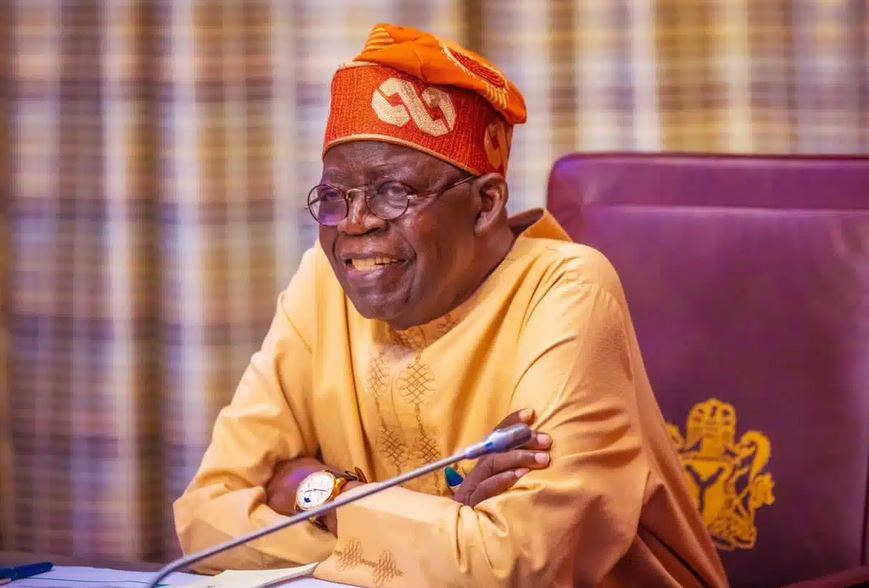
President Bola Tinubu and North Central governors have called for a united, coordinated and community-driven strategy to confront insecurity in the region, warning that military operations alone cannot deliver lasting peace.
The call came on Monday at the 2026 North Central Regional Security Summit in Makurdi, Benue State, where stakeholders identified banditry, kidnapping, farmer-herder conflicts, organised crime, porous borders, political rivalry, poverty and competition over land and water as major drivers of insecurity.
Tinubu, represented by the Secretary to the Government of the Federation, Senator George Akume, urged traditional and religious leaders, communities, women, youths, security agencies, development partners and the private sector to work collectively with the government to restore peace and unlock the region’s economic potential.
The President said insecurity did not respect state boundaries or institutional jurisdictions, stressing that no single security agency, government or community could secure the North Central in isolation.
“Military action alone will not deliver lasting peace to the North Central. Force can suppress violence; it cannot resolve the grievances that produce it.”
He identified competition over land and water, climate change, desertification, unresolved land-use disputes, weak local conflict-resolution mechanisms and the proliferation of illicit weapons as conditions sustaining violence across the region.
Tinubu said the Federal Government would therefore combine kinetic operations with development interventions, including modern livestock production, irrigation, mechanised agriculture, rural roads and improved access to credit.
He urged traditional rulers and religious leaders to become the region’s first line of early warning and trusted voices of reconciliation, given their proximity to communities and knowledge of emerging tensions.
The President also charged citizens to provide timely intelligence to security agencies and stop shielding criminals because of kinship, ethnicity or other sentiments.
He called for greater participation of women and youths in peace-building, while urging development partners and private investors to view the North Central as an investment destination rather than merely a region requiring humanitarian assistance.
According to him, every factory established, farm expanded and young person employed would strengthen security by reducing the incentives for criminality and violent recruitment.
Tinubu said his administration had strengthened cooperation among the Armed Forces, police and intelligence services, acquired new military platforms and advanced capabilities, and was rebuilding the country’s indigenous defence industry through the Defence Industries Corporation of Nigeria Act.
He commended security personnel for gains recorded against terrorists and other criminal groups, including the neutralisation of commanders, surrender of fighters and rescue of captives, while paying tribute to officers and soldiers who had lost their lives in the line of duty.
Tinubu directed the Defence Minister to transmit the summit’s recommendations to him and report on their implementation.
He warned participants against producing another communiqué that would eventually be forgotten, insisting that every recommendation must have an identified owner, a timeline and a measurable outcome.
The President said the ultimate test of the summit would be whether ordinary people in the North Central felt safer in the months and years ahead.
Benue State Governor, Hyacinth Alia called for a unified security strategy involving governments, security agencies, traditional institutions and community leaders.
Alia said collaboration must go beyond summit communiqués and reach the grassroots, where traditional rulers and community leaders possess critical information about emerging threats.
He described the North Central as vital to Nigeria’s food security and economic survival, warning that insecurity in the region affects the entire country.
The governor also urged stakeholders to address poverty and youth idleness, which he said could create fertile ground for recruitment into criminal activities.
He challenged participants to ensure that the summit produced a security architecture whose impact would still be evident years from now.
Nasarawa State Governor, Abdullahi Sule warned that political disagreements among leaders were creating openings that criminal elements could exploit.
Sule called on political leaders to separate partisan differences from security matters and build trust and intelligence-sharing mechanisms across state boundaries.
He specifically urged the leadership of Benue and Nasarawa to strengthen their relationship, arguing that cooperation between neighbouring states was essential to preventing criminals from exploiting jurisdictional boundaries.
He pledged that Nasarawa would not provide a safe haven for militants attacking Benue or any other North Central state and called for greater investment in surveillance technology and other modern security equipment.
Plateau State Governor. Caleb Mutfwang demanded a more coordinated and proactive security response, saying security agencies must go beyond reacting to attacks and trace perpetrators to their sources and routes.
Mutfwang rejected the description of the violence in Plateau and parts of the North Central as merely farmer-herder clashes, describing it as a broader threat to communities and national sovereignty.
He said porous routes linking the North-West, Taraba and Nasarawa were being exploited by attackers and called for stronger cooperation among states, military formations and other security agencies.
The governor also opposed negotiating with bandits, urging security agencies to prevent criminal groups from establishing permanent footholds.
He stressed that displaced communities could not return home safely until adequate security was established.
Minister of Defence, retired General Christopher Musa, said the summit was convened to hear directly from communities about the threats confronting them and develop common solutions.
Musa pledged continued Federal Government action to improve security, stressing the need to protect farmers in their communities and on their farms while ensuring that livestock production can thrive without conflict.
The Makurdi meeting is the second in a series of regional security summits initiated by the administration, following the South-East Regional Security Summit held in Umuahia on July 30.
The President said the regional approach reflected his administration’s conviction that Nigeria’s security must be built from the communities upwards rather than exclusively from Abuja.



Troops Neutralise 114 Terrorists, Rescue 60 Abducted Persons in August — DHQ
ShareThe Defence Headquarters says the troops of Operation Hadin Kai (OPHK) neutralised 114 terrorists, arrested 146 suspects and rescued 60...


Troops Rescue 21 Kidnap Victims in Kogi
ShareTroops of the Nigerian Army, in collaboration with other security agencies and local security groups, have rescued 21 kidnap victims...


Premium Trust Bank Expansion Signals Confidence in Bayelsa Economy, Says Diri
ShareFrom Mike Tayese, Yenagoa Bayelsa State Governor, Senator Douye Diri, on Monday commissioned a second branch of Premium Trust Bank...


BBNaijaS11: Aikou, Flora Exit Gambit, Can Now Win N160m
ShareBBNaija Season 11 housemates Aikou and Flora, who were previously guaranteed places in the finale but barred from winning the...


PenCom Moves to Resolve Pension Dispute Among Lagos Retirees
ShareThe National Pension Commission (PenCom) said discussions are ongoing with the Lagos State Government over concerns surrounding pension increases for...

Provide Evidence of Alleged Replacement of Nominated Candidates, INEC Challenges NDC
ShareThe Independent National Electoral Commission (INEC) has challenged the Nigeria Democratic Congress (NDC) to provide evidence that the commission replaced...
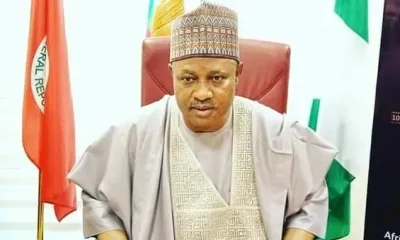

Uba Sani Faces 17 Challengers in Kaduna Governorship Race
ShareKaduna State Governor, Uba Sani is to face 17 other candidates in the 2027 governorship election, following the publication of...


Fuel Subsidy Removal: Real Issue Is Better Management, Not Reversal
ShareProf Uche Uwaleke The renewed debate over fuel subsidy in Nigeria is hardly surprising. As the country approaches another election...
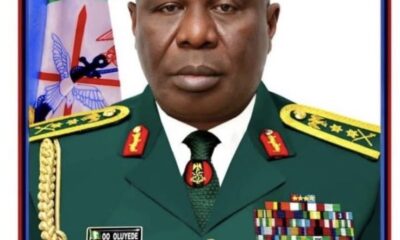

Military Neutralises 324 Terrorists, Rescues 610 Kidnap Victims in August — DHQ
ShareBy David Torough, Abuja The Defence Headquarters (DHQ) says troops of the Armed Forces neutralised 324 terrorists and other criminals,...

Nigeria’s GDP Grows 4.43 Per Cent in Q2 2026 — NBS
ShareNigeria’s economy expanded by 4.43 per cent year-on-year in real terms in the second quarter of 2026, Q2’26, up from...