
NEWS
Beyond Survival: Building A Healthier Nigeria For A Longer Life

By Yussuf Mubaraq Damilare
What does it mean to live a long life if access to basic medical care remains a struggle? What good is medical advancement if millions of people cannot afford the treatment they need? These questions should be at the heart of Nigeria’s conversation about healthcare, life expectancy and national development.
For many Nigerians, the challenge is not simply living longer; it is having a fair opportunity to live a healthy life.
From families struggling to pay hospital bills to communities where essential medical services remain difficult to access, the quality and availability of healthcare continue to shape people’s chances of survival.According to World Bank data, Nigeria’s life expectancy at birth was approximately 54.6 years in 2024. This figure represents a population-level estimate, not a prediction of how long any individual will live, but it highlights the importance of improving the conditions that enable people to survive and thrive. The World Health Organization also estimated Nigeria’s healthy life expectancy at birth at 54.1 years in 2023, reflecting the need to consider not only longevity but also the years people spend in good health.
When Healthcare Becomes a Matter of Survival
A healthcare system should not be judged solely by the number of hospitals it operates or the medical equipment it possesses. Its real value lies in whether people can obtain timely, affordable and effective treatment when they need it.
In Nigeria, the cost of healthcare can discourage people from seeking medical attention early. Some postpone consultations until their symptoms become severe, while others rely on self-medication or incomplete treatment because professional care is financially out of reach. In such circumstances, conditions that might have been managed successfully can progress into serious complications.
The consequences extend beyond the individual patient. Illness can deprive families of income, interrupt children’s education, increase caregiving responsibilities and push vulnerable households deeper into poverty. When preventable disease and premature death become widespread, the effects are felt throughout society.
Improving life expectancy must therefore begin with a simple principle: healthcare should be accessible before a medical problem becomes a crisis.
Preventive Healthcare: The Missing Priority
One of the most effective ways to improve population health is to prevent disease or identify it early. Yet preventive healthcare often receives less attention than the treatment of established illness.
High blood pressure, diabetes and other chronic conditions may remain undetected for years. Without regular screening and appropriate management, they can contribute to heart disease, stroke, kidney damage and premature death. Infectious diseases, maternal complications and childhood illnesses also require sustained attention through immunisation, early diagnosis and accessible treatment.
Nigeria must place greater emphasis on routine health checks, community health education, maternal and child health services, and affordable access to essential medicines. Primary healthcare centres should be equipped not merely to receive patients but to prevent illness, detect health risks and provide continuous care.
Prevention is not a substitute for hospitals or specialist treatment. Rather, it complements them by reducing avoidable suffering and helping people receive the right care at the right time.
Beyond Hospitals: Addressing the Wider Causes of Poor Health
Life expectancy is influenced by much more than what happens inside a hospital. Access to clean water, adequate sanitation, nutritious food, safe housing, education and a healthy environment also shapes the risk of disease and premature death.
A child living in an environment with unsafe drinking water faces different health risks from a child with reliable sanitation. Likewise, an adult who cannot afford nutritious food or essential medication may struggle to manage a chronic condition, even when medical advice is available.
This means that improving life expectancy requires cooperation across sectors. Health authorities must work alongside institutions responsible for education, water and sanitation, housing, food security and environmental protection.
Public awareness is equally important. People need reliable information about healthy diets, physical activity, tobacco avoidance, responsible alcohol use and the importance of seeking professional care. However, health education must be accompanied by practical opportunities to make healthier choices.
It is unreasonable to expect individuals to maintain healthy lifestyles when nutritious food is unaffordable, safe recreational spaces are unavailable or medical services are beyond their means.
Investing in Healthcare Is Investing in Nigeria’s Future
Government action remains essential to building a healthier nation. Adequate and transparent health financing, stronger primary healthcare, improved working conditions for healthcare professionals and expanded health insurance coverage should be central priorities.
Health insurance can help protect households from the financial shock of illness, but coverage must translate into actual access to quality services. Patients need functioning facilities, qualified personnel, essential medicines and respectful treatment.
Nigeria must also address the retention of skilled healthcare workers. Doctors, nurses, laboratory scientists, pharmacists and other professionals are vital to the delivery of effective healthcare. Supporting their training, welfare and career development is important for strengthening services across the country.
Technology offers additional opportunities. Telemedicine, digital health records and community-based screening can improve access to information and services, particularly in underserved areas. Such innovations, however, must be supported by reliable infrastructure and must not replace essential in-person care where it is needed.
Ultimately, healthcare expenditure should be viewed as an investment in human capital. Healthy people are better able to learn, work, care for their families and contribute to national productivity.
Measuring Progress Beyond the Number of Years
A rise in life expectancy would represent progress, but it should not be the only measure of success. A society must also consider whether people can live those additional years with dignity, independence and reasonable freedom from preventable illness.
Healthy life expectancy provides an important complementary measure because it considers the years people can expect to live in full health. The distinction matters: extending life without addressing disability, untreated chronic disease or poor access to long-term care leaves part of the public-health challenge unresolved.
Nigeria should therefore measure progress through a broader set of outcomes, including preventable deaths, maternal and child survival, control of chronic diseases, access to essential services and the financial burden of medical treatment. Nigerian political analysis
These indicators can help policymakers determine whether investments are reaching the people who need them most.
A National Commitment to Longer, Healthier Lives
The responsibility for improving life expectancy is shared, but it is not equal. Government must provide leadership, finance essential services and ensure accountability. Healthcare institutions must deliver safe and effective care. Communities and individuals must be supported to make informed decisions about their health.
The media also has a role to play by promoting accurate health information, challenging harmful misconceptions and keeping public attention focused on preventable illness and healthcare inequality.
Nigeria’s future should not be defined by how many people struggle to survive conditions that could have been prevented, detected early or treated effectively. It should be defined by the strength of its healthcare system and the opportunities it creates for people to live healthy and productive lives.
Beyond survival lies a more ambitious goal: a country where a person’s chance of living longer is not determined by their income, postcode or ability to pay hospital bills.
Building that country will require sustained investment, evidence-based policies and a commitment to equity. Longer life expectancy is not merely a statistical achievement. It is a reflection of whether a nation protects its people, values their wellbeing and gives every generation a fair chance at a healthier future.

The Jigawa government has announced plans to increase monthly allowance for the National Youth Service Scheme (NYSC) members posted to the state.
Gov. Umar Namadi said this on Monday during a visit to the NYSC Permanent Orientation Camp in Fanisau, Dutse.
The Federal Government has increased the monthly allowance for corps members to N77,000, up from the previous N33,000.
Namadi said that the state would follow the federal government’s example by reviewing its allowance for corps members.
“We will review and increase the allowance for NYSC members posted to the state to encourage them to give their best.
“We have provided N10,000 as transport allowance to each of you to ease your movement to your places of primary assignments,” he said.
Namadi also promised to construct a hall at the camp to accommodate corps members during large gatherings.
He said that the state government would provide a bigger generator to improve power supply at the camp.
The governor said that the state government would also install fans at the hall to replace the obsolete ones.
Earlier, the NYSC State Coordinator, Muhammad Baba, said the corps members had completed their orientation and were ready to begin their primary assignments.
Baba expressed confidence that they would use the experience gained during the orientation to contribute to the development of their host communities.
He, however, urged them to respect local cultures and maintain good relations with residents throughout their service year.
A total of 2,000 corps members of the 2026 Batch ‘C’ Stream 1 were deployed to the state. (NAN)
From Mike Tayese, Yenagoa
The Nigerian Content Development and Monitoring Board (NCDMB) and the Dangote Group have urged a decisive transition from mere regulatory compliance to a stronger national commitment anchored on technological innovation and sustainable financing.
They emphasized that these pillars are critical to deepening Nigerian content and driving accelerated industrial growth.This call was made during a strategic retreat of the NCDMB/Dangote Joint Technical Committee (JTC), held in Lagos on Friday under the theme “Beyond Compliance: Partnering for Sustainable Nigerian Content Development.
” The retreat convened key stakeholders from the oil and gas sector alongside representatives of relevant government institutions, fostering collaboration to tackle operational challenges and broaden indigenous participation across Nigeria’s energy value chain.At the heart of the discussions was a shared imperative: to ensure that Nigerian content transcends statutory obligations and becomes a sustainable national economic strategy that creates jobs, develops technical expertise, strengthens local supply chains and retains greater value within the country.
In his keynote address, the Executive Secretary of NCDMB, Engr. Felix Omatsola Ogbe, represented by the Senior Technical Adviser and Director of the Project Certification and Authorisation Director (PCAD), Engr. Austin Uzoka, identified commitment, technology and financing as three fundamental requirements for building a resilient Nigerian content ecosystem.
He challenged stakeholders to look beyond compliance and confront the deeper questions of industrial sustainability, particularly how Nigeria could maintain its major industrial assets, strengthen domestic supply chains and ensure that investments in critical infrastructure deliver lasting economic value.
Drawing attention to the challenges associated with the country’s publicly owned refineries, Ogbe, emphasised the need to safeguard the sustainability of the Dangote Refinery by developing the goods, works, services and supply-chain capabilities required to support its continuous operations. The central message was clear: constructing world-class industrial facilities is only part of the task; building and maintaining the indigenous capabilities that sustain them is equally important.
He stressed the need for credible supply chains capable of supporting industrial facilities, developing local capabilities and ensuring that such expertise remains resident in Nigeria. Without reliable domestic supply chains, he warned, the economic benefits of industrial investments could continue to flow outside the country, limiting local value creation and value addition.
On technology, the Executive Secretary underscored the importance of developing Nigerian expertise to operate, maintain and sustain industrial facilities, rather than relying indefinitely on external capabilities. He also highlighted access to financing as a major constraint facing indigenous businesses. High interest rates and delays in accessing funds, he noted, can prevent Nigerian enterprises from executing projects, expanding operations and competing effectively within the oil and gas value chain.
Beyond its regulatory responsibilities, NCDMB used the retreat to reiterate its commitment to creating an enabling environment in which Nigerian businesses can participate meaningfully, build technical competence and compete for opportunities across the oil and gas industry.
In his presentation, the Director of Planning, Research and Statistics (DPRS) and Chairman of the NCDMB/Dangote Joint Technical Committee, Omomehin Ajimijaye, urged contractors, vendors and service providers operating within the Dangote business ecosystem to comply with Nigerian content requirements, register on the designated digital platform, NOGICJQS and strengthen their participation in the industry.
Ajimijaye explained that the Board’s regulatory framework was designed to facilitate business growth and deepen indigenous participation, rather than create unnecessary bureaucratic bottlenecks. He identified four key compliance pillars: Nigerian content planning, workforce localisation, local procurement and capacity development.
Under these requirements, companies bidding for projects are expected to submit Nigerian content plans demonstrating how they will maximise indigenous participation. Employers must prioritise qualified Nigerians, procure locally available goods and services, and invest in skills development and technology transfer.
On expatriate employment, he explained that foreign personnel could be engaged where genuine skills gaps existed, but companies were expected to work with the Board to establish those gaps and develop succession plans that would progressively prepare Nigerians to assume such positions.
He described NOGICJQS as an important digital tool for supplier registration, prequalification, capacity verification and validation of technical expertise. Reliable industry data, he added, would help NCDMB identify skills shortages, connect businesses with qualified professionals and direct training investments towards areas of greatest need.
Ajimijaye commended Dangote Group for its collaboration with the Board since around 2019 in building capacity of Nigerians through local and overseas institutions, noting that some beneficiaries had subsequently secured employment within the group’s businesses.
However, he noted that in-country value retention stood at approximately 61 per cent, below the 70 per cent target, and called for stronger collaboration among regulators, operators and service providers to close the gap.
In his address, the Group Vice President of Dangote Group, Dr. Edwin Devakumar, called for a fundamental shift from a compliance-driven approach to a culture of national responsibility, ownership and commitment. He maintained that laws and regulations alone could not deliver sustainable Nigerian content unless individuals, businesses and institutions genuinely embraced the responsibility of building Nigeria’s productive capacity.
Devakumar stressed that local content must go beyond sourcing raw materials to include skills transfer, workforce development and the growth of indigenous contractors into enterprises capable of executing increasingly complex projects.
The Director of Legal Services, NCDMB, Dr. Naboth Onyesoh, called for greater coordination among regulatory institutions, stressing that investment facilitation, petroleum regulation and Nigerian content compliance must work together to advance national economic interests. He argued that inter-agency engagement should clarify statutory responsibilities, eliminate unnecessary duplication and produce practical solutions rather than become a contest over institutional superiority.
Onyesoh challenged the perception that the Oil and Gas Free Zones Authority (OGFZA) was the sole regulator within free zones, explaining that its investment-promotion responsibilities did not override the statutory mandates of other government institutions. He noted that free-zone incentives designed to attract investment and improve the ease of doing business did not exempt operators from applicable federal laws. Depending on the nature of their operations, petroleum businesses remained subject to the relevant requirements of the Nigerian Upstream Petroleum Regulatory Commission and the Nigerian Midstream and Downstream Petroleum Regulatory Authority and NCDMB.
The NCDMB legal director also highlighted the Board’s efforts to strengthen indigenous maritime capacity through the Nigerian Content Intervention Fund, which supports local companies in acquiring vessels and expanding their operations.
He disclosed that the Nigerian Content Fund was partnering with Nigeria LNG Limited on a shipyard project at Snake Island to boost domestic industrial capacity. He also commended the Nigerian Maritime Administration and Safety Agency (NIMASA) for collaborating with the Board on vessel verification and indigenous participation in maritime operations.
Onyesoh urged OGFZA and other agencies to intensify regular engagement, information sharing and joint resolution of operational challenges, noting that coordinated regulation would improve the ease of doing business, strengthen investor confidence, create jobs and ensure greater economic returns from Nigeria’s oil and gas resources.
Earlier, the Alternate Chairperson of the NCDMB/Dangote Joint Technical Committee, Dr. Ebele Oputa, described the retreat as a family meeting of key stakeholders united by a common objective: to place Nigerians at the centre of industrial development.
She acknowledged the contributions of participating government agencies and commended Devakumar for his longstanding commitment to Nigeria and investment in young Nigerians. She noted that his more than 33 years in the country and contributions to Nigerian content development had been instrumental to the collaboration.
By Tony Obiechina, Abuja
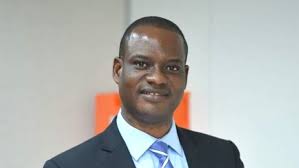
The Minister of Finance and Coordinating Minister of the Economy, Prof. Taiwo Oyedele, has unveiled the Nigeria Capital Market Master Plan 2.
0, targeting the expansion of the country’s capital market to at least $1 trillion by 2036.Oyedele announced this on Monday in Abuja while delivering a keynote address at the 2026 National Capital Market Conference, where he also formally launched the National Savings Scheme aimed at expanding financial inclusion and encouraging Nigerians to invest through regulated financial instruments.
The minister said the new master plan, covering 2026 to 2036, would strengthen the capital market’s role in financing businesses, infrastructure development, job creation and the country’s ambition to build a $1 trillion economy by 2030.
He explained that the plan was designed to mobilise domestic and international capital, expand investment opportunities, strengthen market institutions and ensure that ordinary Nigerians benefit from economic growth.
According to him, the government is targeting an increase in the capital market’s size from approximately $250 billion to between $700 billion and $750 billion by 2036, with an ambition to push it beyond $1 trillion.
Oyedele said the ultimate objective was to build a market capable of financing the economy’s long-term development needs while providing Nigerians with safe and accessible investment opportunities.
“The capital market must be part of our national economic policy. It is central to our ambition of building a $1 trillion economy by 2030,” he said.
The minister, who said he had just returned from the International Monetary Fund and World Bank Group Annual Meetings in Bangkok, Thailand, noted that mobilising private capital for job creation featured prominently in discussions involving more than 160 countries.
He said a major lesson from the international engagements was that capital moved towards markets where investors were treated fairly, policies were predictable and evidence-based decisions guided economic management.
Oyedele commended President Bola Tinubu for the economic reforms undertaken by the administration, saying the measures had contributed to the recovery of investor confidence and improved the performance of Nigeria’s capital market.
He cited the removal of the petrol subsidy, foreign exchange reforms, tax reforms and the recapitalisation of banks as measures that had helped reposition the economy and strengthen the investment environment.
According to him, the market’s equity capitalisation has risen from about N30 trillion in mid-2023 to more than N160 trillion, while pension assets have reached approximately N27.5 trillion.
He added that collective investment schemes had expanded from N1.4 trillion in 2021 to N7.7 trillion in December 2025 and N9.3 trillion by June 2026.
The minister also highlighted renewed interest from international investors, noting that the inclusion of Nigerian government bonds in a global bond index and the country’s return to an international equity benchmark represented important developments for the market.
He said the government would continue engaging international index providers, including MSCI, to improve Nigeria’s standing in global investment markets and create opportunities for increased capital inflows.
Shettima also called on market operators and regulators to sustain the momentum by protecting investors, expanding participation and ensuring that the market’s growth translated into tangible benefits for Nigerians.
He said the master plan should help businesses raise capital locally, support agricultural development, finance infrastructure and create opportunities for enterprises across the country.
The Vice-President formally declared the Nigeria Capital Market Master Plan 2.0 launched on behalf of President Tinubu.
He urged stakeholders to ensure that the plan moved beyond policy commitments to measurable outcomes, including more jobs, greater investment participation and improved access to financing for Nigerian businesses.
The conference brought together government officials, regulators, market operators, investors and development partners to discuss strategies for positioning Nigeria’s capital market as a major driver of economic growth, financial inclusion and sustainable development.
Oyedele, however, stressed that achieving these ambitions would require sustained reforms, improved market liquidity, efficient repatriation of foreign investments and stronger protection for investors.
The minister said the Capital Market Master Plan 2.0 was built around five major pillars: effective regulation, modern market infrastructure, diversified investment products, broader investor participation and stronger institutions.
Under the plan, the government intends to increase market capitalisation relative to the size of the economy, expand corporate bond issuance, deepen the pension investment market and encourage more Nigerians to participate in regulated investment schemes.
The government also plans to introduce a single investor identification number and promote investment through mobile networks and financial technology platforms to simplify access to the capital market.
Oyedele said the administration would encourage multinational companies and other eligible businesses to list on Nigerian exchanges through appropriate incentives rather than compulsory listing requirements.
He further called for the consideration of selected state-owned enterprises for listing, explaining that such a move could improve transparency, broaden public ownership and enable Nigerians to benefit from the performance of strategic national assets.
He identified the Nigerian National Petroleum Company Limited and other eligible government-linked enterprises as examples of assets whose ownership structures could be reviewed to deepen the capital market.
The minister said the plan would also promote cross-border investment and enable African businesses, including technology and artificial intelligence companies, to raise funds locally rather than relying excessively on foreign markets.
Oyedele formally launched the National Savings Scheme, describing it as an important instrument for expanding financial inclusion and helping Nigerians build wealth through regulated investments.
He said the scheme would provide accessible and affordable savings and investment opportunities for people seeking to finance education, home ownership, business ventures and retirement.
According to him, the initiative is particularly important for young Nigerians who may otherwise be exposed to unregulated cryptocurrency platforms, fraudulent investment schemes and pyramid schemes.
He observed that Nigeria had only about six million retail investors despite its large population, underscoring the need to make investment opportunities more accessible to ordinary citizens.
Earlier, the Director-General of the Securities and Exchange Commission (SEC), Dr. Emomotimi Agama, said Nigeria’s capital market had recorded significant growth but needed broader participation and more investment products to achieve its full potential.
Agama disclosed that the market’s capitalisation had crossed N100 trillion for the first time in January 2026 before reaching approximately N163 trillion in September.
He attributed the performance to economic reforms, improvements in market infrastructure and the implementation of policies aimed at strengthening investor confidence.
The SEC boss said the Investment and Securities Act 2025 had provided a stronger legal foundation for regulating the market, addressing systemic risks, overseeing digital assets and improving enforcement.
He, however, expressed concern that the market’s expansion in value had not been matched by sufficient growth in the number of participating Nigerians and businesses.
According to him, few Nigerians invest through collective investment schemes, while many businesses and infrastructure projects continue to depend on limited sources of financing.
Agama said the new master plan was developed through consultations with market operators, investors, issuers, regulators and government institutions.
He assured stakeholders that the commission would establish implementation mechanisms, assign responsibilities and regularly report progress towards the plan’s objectives.
The SEC director-general also described the National Savings Scheme as a means of helping young graduates, workers and other Nigerians save and invest for the future through professionally managed and regulated channels.
He thanked the United Kingdom government, the Foreign, Commonwealth and Development Office, and FSD Africa for their technical and financial support towards the development of the master plan and the savings initiative.Shettima: Capital market must finance national development
In a goodwill message delivered on behalf of Vice-President Kashim Shettima by the Deputy Chief of Staff to the President, Senator Ibrahim Hadejia, the Federal Government said the capital market must become a major source of financing for infrastructure, businesses and economic development.
Shettima said the expansion of the market reflected the impact of the administration’s economic reforms, including changes to the foreign exchange system, the removal of the petrol subsidy and tax reforms.
He maintained that the reforms were intended to establish a more predictable economic environment in which investors could commit long-term capital.
The Vice-President said the capital market should serve as a bridge between the savings of Nigerians and the country’s investment needs, particularly in view of the infrastructure financing gap facing the federal and state governments.
He urged state governments to work with the SEC and other relevant institutions to explore responsible financing options, including infrastructure bonds, supported by credible projects, transparency and sound fiscal management.
Shettima also called on market operators and regulators to sustain the momentum by protecting investors, expanding participation and ensuring that the market’s growth translated into tangible benefits for Nigerians.
He said the master plan should help businesses raise capital locally, support agricultural development, finance infrastructure and create opportunities for enterprises across the country.
The Vice-President formally declared the Nigeria Capital Market Master Plan 2.0 launched on behalf of President Tinubu.
He urged stakeholders to ensure that the plan moved beyond policy commitments to measurable outcomes, including more jobs, greater investment participation and improved access to financing for Nigerian businesses.
The conference brought together government officials, regulators, market operators, investors and development partners to discuss strategies for positioning Nigeria’s capital market as a major driver of economic growth, financial inclusion and sustainable development.


Beyond Survival: Building A Healthier Nigeria For A Longer Life
ShareBy Yussuf Mubaraq Damilare What does it mean to live a long life if access to basic medical care remains...

Jigawa to Increase Corps Members Allowance – Namadi
ShareThe Jigawa government has announced plans to increase monthly allowance for the National Youth Service Scheme (NYSC) members posted to...

NCDMB, Dangote Push for Sustainable Nigerian Content
ShareFrom Mike Tayese, Yenagoa The Nigerian Content Development and Monitoring Board (NCDMB) and the Dangote Group have urged a decisive...

Oyedele Unveils Capital Market Master Plan, Targets $1trn Market by 2036
ShareBy Tony Obiechina, Abuja The Minister of Finance and Coordinating Minister of the Economy, Prof. Taiwo Oyedele, has unveiled the...


OBI In London, URGES DIASPORA TO Stop FUNDING RELATIVES
ShareBy Elijah Oguche, Abuja The presidential candidate of the Nigeria Democratic Congress (NDC), Peter Obi, has urged Nigerians living in...

World Bank Tasks FG, States on Sustainable Cash Transfer Programme
ShareBy Tambaya Julius, Abuja The World Bank has urged the Federal and state governments to establish a sustainable social protection...


Former Delta Governor, Uduaghan Dies at 71
Share From Francis Sadhere, Delta Former Governor of Delta State, Dr. Emmanuel Eweta Uduaghan, has died. He was 71. Uduaghan,...


Attempted Suicide in Nigeria: Legislative Reform, Economic Hardship and the Right to Human Dignity
ShareBy Oluwaleye Adedoyin Grace Should a person who survives a suicide attempt be punished or helped? This question challenges Nigeria’s...

UBA Scores Legal Victory in N156bn Stallion Debt Case
ShareBy Tambaya Julius, Abuja United Bank for Africa (UBA) Plc has secured a favourable judgment in its N156 billion debt...

Nigeria Customs, Afreximbank Push Regional Border Modernisation
ShareBy Tambaya Julius, Abuja The Nigeria Customs Service (NCS) and the Customs administrations of Benin and Cameroon are working with...