
DEFENCE
JTF Moves to Check Drug Abuse Amongst Military Personnel Deployed to Niger- Delta

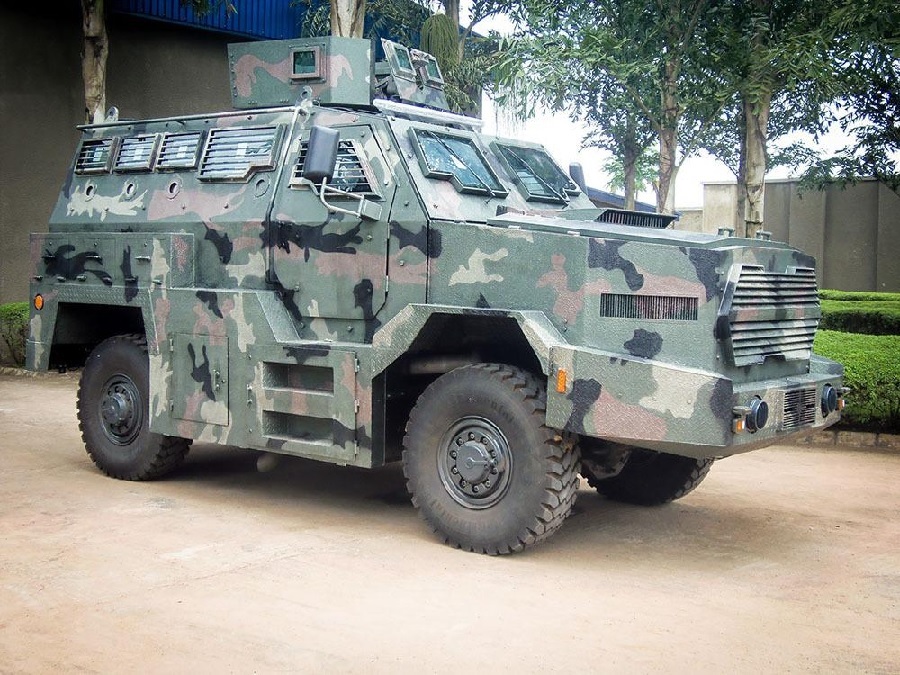
The Joint Task Force (JTF) deployed to protect oil installations in the Niger Delta , Operation Delta Safe, on Monday urged personnel of various services under its command to steer clear of hard drugs.
Rear Admiral Akinjide Akinrinade, Commander of the joint force gave the charge in his opening remarks during the seminar on the dangers of drugs abuse amongst personnel of security agencies under the command at JTF headquarters in Yenagoa.
He said that the military does not condone drugs abuse as it was a ‘Court Marshal Offence’ with stiff penalties under the military statues.
He said that drug abuse has become a global menace with adverse consequences on the mental and physical health of the populace as well as security consequences as most criminals find solace in substance abuse to gain courage to perpetrate their acts.
“Thus, nations of the world are painstakingly looking for solutions to this endless problem. Attempts to understand the nature of illicit drug abuse and addiction can be traced back to centuries, however, the search has been limited by the scientific theories available at any point.
” Dr Benjamin Rush, a founder of the first medical school in the United States and a signatory of the Declaration of Independence, a pioneer of US drug abuse research regretted the few scientific resources in the early days.
“Today, much has been done globally to curtail substance abuse. However, these have not yielded the desired results in Nigeria and other developing nations had been on the increase in recent times.
” Early this year, The President and Commander in Chief, Gen. Muhammadu Buhari decried the rising problem of drug abuse and its associated consequences particularly as it affects national security and immediately inaugurated a Presidential Committee on drug abuse to find lasting solution to the menace, ” Akinrinade said.
The JTF Boss noted that following the presidential directive, the Chief of Defense Staff, Gen Gabriel Olonisakin initiated a plan to discourage military personnel from substance abuse to ensure that they are in good health and sound mind to discharge their constitutional responsibility.
Speaking on the topic, “Drug Abuse amongst Military/Paramilitary: Implications on Health and Professional Responsibility, Dr Chia Francis, a Psychologist noted that the demands of military deployment often lead to the temptation to drugs abuse.
According to Francis, an official of the National Drug Law Enforcement Agency, inability to sleep, need for alertness and combat expose military personnel to pressure to use drugs.
He said that according to recent studies, drug abuse in Nigeria stands at 24.4 per cent amongst this from ages 15 and 64 higher than the global average of 5.6 percent in 2016.
He traced the stages to drug addiction from experinmentation, occasional use, regular use, dependence and addiction stage adding that testing services were available to detect drug use while victims can be rehabilitated to lead normal lives.
More than 100 men and officers drawn from various components and units of the joint military force participated in the one day seminar.







By David Torough, Abuja
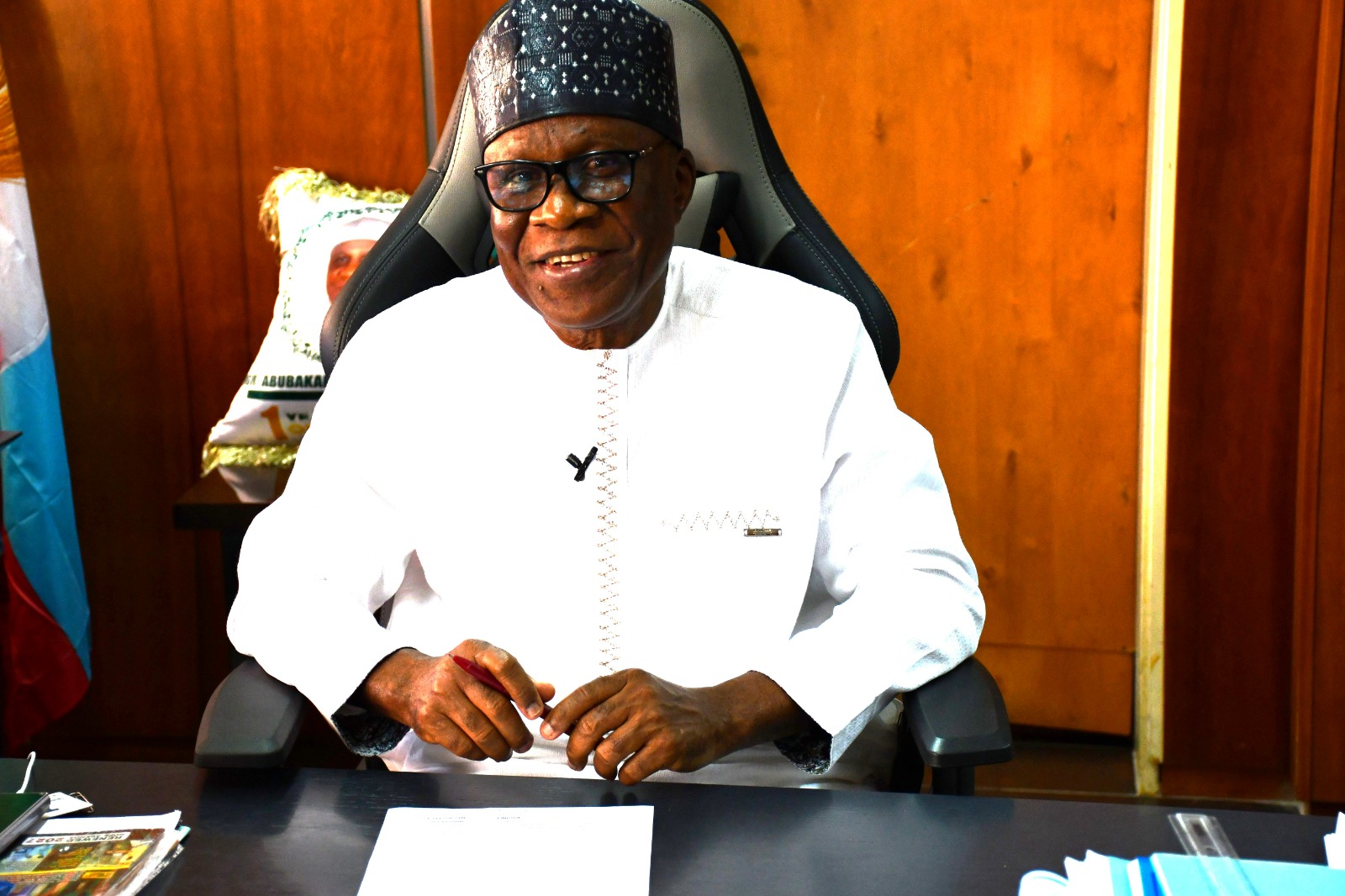
The Minister of Regional Development, Engr. Abubakar Momoh, has described the establishment of the Regional Development Commissions as one of President Bola Ahmed Tinubu’s best decisions towards addressing longstanding regional inequalities, accelerating inclusive national development and ensuring that every geopolitical zone benefits from targeted government interventions.
The Minister stated this at the weekend during an exclusive interview on the impact of the Regional Development Commissions on overall sub-national development and the Ministry’s role in coordinating their programmes and projects.
He explained that one of the Ministry’s major responsibilities is to coordinate the activities of the Regional Development Commissions to ensure that their interventions align with national policies and development priorities.
“The role of the Ministry and the Commissions is to intervene where there is a gap in any of the government agencies,” he said, noting that most regional development funds are domiciled with the Commissions.
Momoh observed that the Niger Delta Development Commission and the North East Development Commission, having existed for several years, have recorded considerable achievements in infrastructure and human capital development across their respective regions. He added that the two Commissions had executed several projects within the first three years of the present administration.
He further explained that the remaining five Regional Development Commissions were inaugurated in 2025 and commenced effective operations in February 2026. According to him, some of the Commissions have settled into their operations and are making efforts to deliver on their mandates within the limits of available financial resources.
However, the Minister expressed particular concern about the South-South Development Commission, which, he noted, does not yet have an operational office and has not fully submitted itself to the Ministry’s coordination framework.
The Minister expressed optimism that Nigerians should expect more from the Regional Development Commissions, noting that many of them have now settled into their operations and are positioning themselves to deliver on their respective mandates and make meaningful contributions to national development.
By David Torough, Abuja
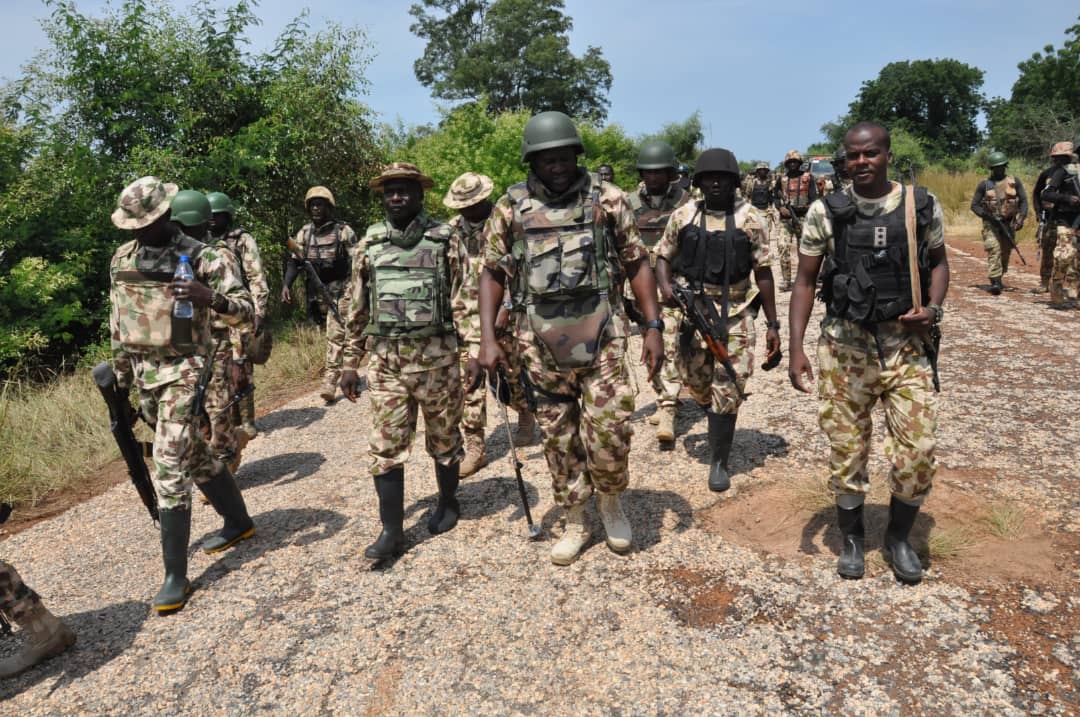
Troops of the Nigerian Army have arrested a suspected ammunition supplier and recovered 300 rounds of 7.62 x 39mm ammunition concealed in a sack of beans during an intelligence-led operation.
The operation, carried out at about 9:30 p.
m. on Tuesday, November 17, 2026, involved troops of the Atsawa Blocking Force working in collaboration with local vigilantes.The suspect, identified as 47-year-old Umaru Muhammad, a resident of Ashe Village, was intercepted following credible intelligence. A search of his belongings reportedly uncovered the ammunition, which had been concealed in a sack of beans in an apparent attempt to disguise its transportation as an ordinary commercial consignment.
According to a statement issued on Wednesday by the Acting Director of Army Public Relations, Colonel Appolonia Anele, preliminary interrogation indicated that the ammunition was allegedly intended for two individuals identified as Gimba and Dare, reportedly residents of Gori Village along the River Niger corridor in Lokoja Local Government Area of Kogi State.
The statement said the two individuals were described as local vigilantes, raising concerns about the possible infiltration or exploitation of community security structures by criminal ammunition supply networks.
However, the allegations remain subject to further investigation.
Other items recovered during the operation included a Bajaj motorcycle, a mobile telephone and ₦30,500 in cash.
Muhammad is currently in military custody as investigations continue to determine the extent of the suspected ammunition supply network and identify other individuals who may be connected to the alleged transaction.
The Army said the interception formed part of its sustained efforts to dismantle the logistics and ammunition supply chains supporting banditry, terrorism, kidnapping and other criminal activities across the country.
It added that troops would continue to intensify intelligence-driven operations and strengthen collaboration with local security stakeholders to prevent criminal groups from accessing weapons and other resources used to carry out attacks.
The Nigerian Army also urged members of the public to remain vigilant and report suspicious movements, particularly the transportation of concealed arms, ammunition and other prohibited items, to security agencies.
The military reiterated its commitment to protecting law-abiding citizens and restoring lasting peace and security across the country.
By David Torough, Abuja
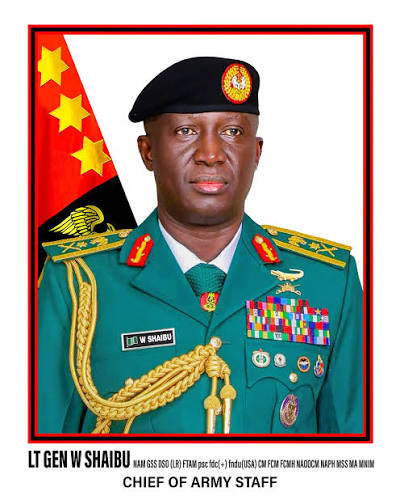
The Chief of Army Staff (COAS), Lieutenant General Waidi Shaibu, has commissioned 20 transit flats and a modern Officers’ Mess at Obienu Barracks in Bauchi State, reaffirming the Nigerian Army’s commitment to improving the welfare and living conditions of its personnel and their families.
The facilities were commissioned on Wednesday, November 18, 2026, as part of the Army’s ongoing efforts to strengthen personnel welfare, modernise its infrastructure and enhance operational readiness.
Speaking at the ceremony, General Shaibu said the Army’s modernisation drive extends beyond acquiring sophisticated military equipment and expanding formations to include investments in personnel welfare and improved living conditions.
He stressed that decent accommodation and a conducive environment were essential to boosting troops’ morale, promoting family stability and improving operational effectiveness, particularly as the Army continues to expand its capacity to tackle emerging security threats.
According to him, the newly commissioned 20 transit flats would address accommodation challenges faced by personnel deployed on postings, courses and temporary assignments.
He added that the modern facility, named the Lieutenant General Waidi Shaibu Officers’ Mess, features contemporary accommodation, a Hall of Fame and recreational facilities designed to encourage professional interaction, strengthen esprit de corps and promote institutional pride among officers.
The Army Chief commended the Nigerian Army Armoured Corps and other stakeholders for the successful execution of the projects, describing them as evidence of the military’s commitment to personnel welfare and prudent resource management.
He also urged personnel who would benefit from the facilities to ensure their proper maintenance to guarantee their sustainability and continued usefulness.
General Shaibu reiterated that the welfare of soldiers and their families remained a major priority of his leadership, assuring that investments in accommodation, healthcare, education and other welfare initiatives would continue alongside the Army’s modernisation and expansion programmes.
He maintained that a well-motivated, professionally trained and adequately supported force remained crucial to sustaining operational successes against terrorism, insurgency, banditry and other security threats facing the country.
The commissioning underscores the Nigerian Army’s growing emphasis on balancing military capability development with improved welfare infrastructure for its personnel.




Customs Unveils Novara to Spotlight Officers’ Challenges
ShareBy Tambaya Julius, Abuja The Nigeria Customs Service (NCS) has unveiled a 79-episode television drama series, Novara, to showcase the...


FCT Upgrades 20 PHCs Under World Bank-supported IMPACT Project
ShareBy Laide Akinboade, Abuja The Federal Capital Territory Administration (FCTA) has upgraded 20 Primary Health Centres (PHCs) across the territory...
DESOPADEC Set to Complete, Hand over Agweyom Civic Centre before Christmas
ShareFrom Francis Sadhere, Delta The Delta State Oil Producing Areas Development Commission (DESOPADEC) has assured residents of Agweyom, Agwetiti Community...


Delta Moves to Deploy Doctors to Underserved Rural Communities
ShareFrom Francis Sadhere, Delta The Delta State Government has unveiled plans to deploy more doctors and other medical personnel to...
BTOCARES: Ondo Families, Students, Farmers Celebrate as Tunji-Ojo’s Intervention Eases Hardship
ShareBy David Torough, Abuja Beneficiaries of the BTOCARES humanitarian initiative in Ondo State have expressed gratitude to the Minister of...
Prosperity Cup Organizers Mourn Bayelsa Boat Mishap Victims
ShareFrom Mike Tayese, Yenagoa The organisers of Nigeria’s biggest grassroots football spectacle, the Bayelsa Governor’s Football Tournament, popularly known as...


HIV/AIDS: 20 Per Cent of People Living with Don’t Know Their Status – FG
ShareBy Laide Akinboade, Abuja Director-General of Nigeria’s National Agency for the Control of AIDS (NACA) is Dr. Temitope Ilori, on...


INEC Tasks Media on Fight against Electoral Misinformation Ahead 2027
ShareBy Orjime Moses, Abuja The Independent National Electoral Commission (INEC) has urged journalists, media organisations and social media users to...
No Plans to Increase Electricity Tariff – Tegbe
ShareThe Minister of Power, Joseph Tegbe has assured Nigerians that there will be no increase in electricity tariffs in 2027,...

FCCPC Shuts Lagos Estate Firm over Property Breach
ShareThe Federal Competition and Consumer Protection Commission has shut the business premises of Meridian Park Real Estate Company in Lagos...