
Health
Insecurity: UNICEF Estimates 1m Children Afraid to Return to School


The United Nations Children’s Fund (UNICEF) says school attacks and student abduction in parts of Nigeria have instilled fear among communities stopping at least one million children from returning to school.
In a statement issued on Wednesday in Abuja, UNICEF said there have been 20 attacks on schools this year, leading to the abduction of 1,436 children, 16 deaths and more than 200 children missing.
“As more than 37 million Nigerian children start the new school year this month, at least one million are being left behind; afraid to return to school due to insecurity.
“Learners are being cut off from their education and other vital benefits schools provide, as families and communities remain fearful of sending children back to their classrooms.
“This is due to the spate of school attacks and student abductions in Nigeria over the last several months and the current climate of insecurity.
“So far this year, there have been 20 attacks on schools in Nigeria, with 1,436 children abducted and 16 children dead. More than 200 children are still missing,” the statement read in part.
It quoted Peter Hawkins, the UNICEF Representative in Nigeria, calling for an end to insecurity as it increases the risk of children never stepping into a classroom.
Hawkins also called on the Federal Government to make its priority of providing a safe space for children to benefit from education clear by addressing insecurity.
“For the most vulnerable children, including children affected by conflict, girl children, and children with disabilities, their risk of never stepping into a classroom in their lifetime is skyrocketing.
“We need to end this insecurity and make our priorities clear, that Nigerian children can and must be allowed to benefit from an education in a safe space.
“A child’s first day of school should be an exciting event for parents and children, a landmark moment in their young lives, signaling new learning and new friends that will impact their futures.
“This moment is being stolen from around a million Nigerian children this year, as insecurity threatens their safety and education,” Hawkins said.
The UN official said that it was unacceptable for communities to be worried to send their children to school for fear of being abducted from an environment that should be a safe space for them.
He also called for an end to the spate of insecurity to enable children to return to their normal lives and benefit from being at school.
Hawkins said that UNICEF and partners around the world were set to join a global ‘digital freeze’ on Sept. 16, to protest children’s inability to access the classroom due to COVID-19 restrictions.
He said that as part of the protest, social media platforms would be frozen to draw attention to the number of children at risk of missing out on an education.
“UNICEF estimates that a return to school has been delayed for an estimated 140 million children globally due to COVID-19.
“For an estimated eight million of these students, the wait for their first day of in-person learning has been over a year and counting, as they live in places where schools have been closed throughout the pandemic.
“In Nigeria, education was delayed for many children due to COVID-19 restrictions in 2020, along with the additional challenge of school closures due to prevailing insecurity across the country.
“The first day of school is a landmark moment in a child’s life, setting them off on a life-changing path of personal learning and growth,” Hawkins said.
He said that while countries worldwide, including Nigeria, are taking some actions to provide remote learning, many students are not being reached.
Hawkins listed the contributing factors to lack of reachability to include poor access to technology, poor learning environment, pressure to do household chores or being forced to work.
The country representative said studies show that positive school experiences are a predictor of children’s future social, emotional and educational outcomes.
He said that children who fall behind in learning during the early years are, therefore, likely to stay behind for the remaining time they spend in school adding that this gap widens over the years.
“The number of years of education a child receives also directly affects their future earnings. Every hour a child spends in the classroom is precious.
“It is an opportunity to expand their horizons, maximise their potential and build their country’s future.
“With each passing moment, countless amounts of opportunity are lost. We must put our children’s future first.
“We can and must tackle insecurity, stop attacks on education, and keep schools open. The clock is ticking for our young students.” Hawkins said.
He said that unless mitigation measures are implemented, the World Bank estimates a loss of $10 trillion US dollars in earnings over time for the present generation of students globally.
Hawkins said that based on evidence, the cost of addressing learning gaps is lower and more effective when tackled early and investments in education, support economic recovery, growth, and prosperity.
UNICEF urged governments to reopen schools for in-person learning as soon as possible and provide a comprehensive recovery response for students.
Together with the World Bank and UNESCO, UNICEF called on governments to focus on three key priorities for recovery in schools.
These priorities include targeted programmes aimed at bringing all children and youth back to school, effective remedial learning, and support for teachers. (NAN)



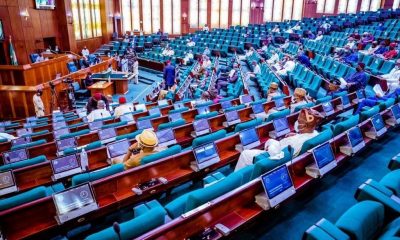




By David Torough, Abuja
Accredited health professional colleges, training institutions and regulatory bodies across the Economic Community of West African States (ECOWAS) region have commenced efforts to finalise harmonised subspecialty training modules for eight professional colleges and the West African postgraduate medical education framework under the West African Health Organization (WAHO) and the African and Malagasy Council for Higher Education (CAMES).
The initiative, discussed at an integration meeting in Abuja on Monday, is aimed at strengthening regional cooperation, improving the quality of specialist training, facilitating professional mobility and reducing the need for patients to travel outside West Africa to access advanced medical care.
The meeting brought together representatives of ECOWAS member states, professional regulatory bodies, accredited training institutions, health ministries and regional health organisations to review and finalise the harmonised subspecialty modules ahead of their implementation.
Speaking on behalf of the Coordinating Minister of Health and Social Welfare, Professor Muhammad Ali Pate, Nigeria’s Liaison Officer to WAHO and the African Union at the Federal Ministry of Health and Social Welfare, Dr Dakum Londji, said harmonising health professional education was essential to building a stronger and more resilient West African health system.
In his address titled “Strengthening Regional Integration and Harmonization of Health Professional Education for a Stronger West Africa,” Pate welcomed participants to Nigeria and stressed that health challenges across the region required collective solutions.
He noted that diseases did not respect national boundaries and that knowledge, expertise and health professionals should similarly be able to move across borders through effective regional cooperation.
According to him, differences in curricula, training standards and accreditation procedures have historically created barriers to professional mobility, limited the quality of training and made it difficult for qualified health professionals to practise across the subregion.
He said the integration process was not intended to impose uniformity but to establish common standards of excellence while respecting the peculiarities and national contexts of individual countries.
The minister identified three major priorities for the regional initiative: harmonisation of curricula and training standards, mutual recognition of professional qualifications to promote mobility, and strengthened quality assurance and accountability among regulatory institutions.
He explained that harmonising core competencies, minimum training requirements and accreditation criteria would help ensure that health professionals trained in different ECOWAS countries attained comparable standards.
Pate also emphasised the need for regulatory bodies to strengthen collaboration through information sharing, ethical enforcement and improved professional oversight to guarantee that graduates were competent, compassionate and fit to practise.
He said the initiative aligned with Nigeria’s Renewed Hope Agenda and ongoing health sector reforms, which include investments in training institutions, expansion of accreditation, stronger regulation and the promotion of digital learning and innovation.
The minister urged participants to ensure that the meeting produced concrete decisions, a practical implementation roadmap and clear timelines, describing regional integration as a necessity rather than an option.
He commended WAHO, the ECOWAS Commission, professional regulatory bodies, training institutions and development partners for their contributions to advancing health workforce development in West Africa before formally declaring the meeting open.
WAHO highlights persistent health workforce crisis
In his remarks, the Director-General of WAHO, Professor Palokinam Pitche, represented by the organisation’s Programme Manager, Professor Joseph Olorunda, described the integration meeting as an important step towards addressing the persistent shortage of skilled health professionals and weaknesses in healthcare delivery across the ECOWAS region.
He expressed appreciation to President Bola Ahmed Tinubu and the Coordinating Minister of Health and Social Welfare for supporting the organisation of the meeting in Nigeria.
Olorunda observed that despite several international and regional commitments to achieving health for all, many West African countries continued to struggle with inadequate health financing, weak disease surveillance systems, poor public health infrastructure and insufficient human resources for health.
He said the challenges had been compounded by inadequate funding for training institutions, employment restrictions, poor working conditions, low remuneration and limited opportunities for professional advancement.
These factors, he explained, had contributed to the migration of skilled health professionals within and outside the region, further weakening healthcare delivery, particularly in rural and underserved communities.
Citing findings from a 2025 review by the WHO Regional Office for Africa’s West African Office, he noted that most of the 15 ECOWAS member states had fewer than one physician, nurse and midwife per 1,000 inhabitants, while only two countries recorded health workforce density ratios between one and 2.2 per 1,000 inhabitants.
He said the figures underscored the significant workforce gap confronting the region as countries work towards achieving universal health coverage by 2030.
Olorunda also recalled that previous assessments had highlighted the need for at least 2.5 health workers per 1,000 population to make meaningful progress in reducing maternal mortality, describing the human resources shortage as a major obstacle to sustainable development.
The WAHO representative outlined several interventions undertaken by the organisation to strengthen health professional education and workforce development.
He disclosed that WAHO had facilitated the harmonisation of 58 training curricula at basic and post-basic levels across different health professional categories.
Other interventions, he said, included the development of harmonised training modules for community-based health workers, scholarships for 44 health professionals in critical areas, and financial assistance to member states implementing harmonised curricula.
The organisation had also developed trainers’ manuals, supported research and academic publications by professional colleges, and established a regional action plan for motivating and retaining health professionals in difficult terrains.
He further highlighted WAHO’s support for the continuous training of 23 health professionals from ECOWAS countries in antibiotherapy and vaccinology, as well as support for professional colleges and academic institutions to strengthen research and knowledge development.
The colleges benefiting from various forms of support include the West African colleges of Surgeons, Physicians, Pharmacists, Nursing and Midwifery, Environmental Health and Medical Laboratory Science, as well as the Society of Obstetricians and Gynaecologists.
Olorunda reiterated WAHO’s commitment to working with governments, professional institutions and development partners to implement regional decisions on health workforce development.
He identified five critical priorities emerging from the WHO’s 2025 review: ensuring that health workers receive quality training, protecting and supporting health personnel, improving workforce efficiency throughout their professional careers, addressing inequalities and imbalances in workforce distribution, and strengthening partnerships and trust to support fragile health systems.
Speaking on behalf of the West African professional colleges, Professor Yao Tettey commended WAHO for facilitating the harmonisation exercise, describing the ongoing process as a significant development in the evolution of postgraduate health professional education in the region.
He recalled that ECOWAS Heads of State and Government had previously expressed concerns about the lengthy duration of postgraduate fellowship training and the limited availability of middle-level specialists to serve the wider population.
According to him, the concerns prompted discussions through the Assembly of Health Ministers, leading professional colleges to introduce Part One membership examinations as an exit point for doctors who could subsequently serve as specialists in district hospitals.
Tettey explained that while the introduction of membership qualifications addressed the need for middle-level specialists, the colleges recognised the growing demand for highly specialised medical services across West Africa.
He said the professional colleges subsequently developed subspecialty programmes to address advanced healthcare needs and reduce dependence on countries outside the region for highly specialised treatment.
He commended WAHO for supporting the development and harmonisation of the programmes, noting that the current exercise would consolidate the progress already achieved in harmonising training from basic professional education through fellowship and now subspecialty levels.
Tettey, however, expressed concern about the high cost of subspecialty healthcare and the lack of appropriate equipment and infrastructure in some countries, which had forced highly trained specialists to leave after returning home.
Using Ghana as an example, he said some specialists who returned after advanced training had been unable to practise effectively because the facilities and equipment required for their expertise were unavailable.
He noted that the emergence of centres of excellence across the subregion was gradually creating opportunities for highly trained specialists to return and practise their skills.
He cited developments in Nigeria in areas such as interventional cardiology and renal transplantation as examples of the growing capacity for advanced healthcare delivery within the region.
The college representative therefore appealed to ECOWAS leadership and national governments to provide adequate financial support, equipment and infrastructure for subspecialty programmes to enable trained professionals to deliver the services for which they had been prepared.
He said the ultimate objective should be to build a West African healthcare system capable of providing advanced medical services locally, eliminating the need for patients to travel to the United Kingdom, United States, France and other countries for specialised treatment.
The Abuja integration meeting represents another phase in the broader effort to establish a coordinated framework for health professional education and specialist development across West Africa.
With the harmonisation of subspecialty modules, participating institutions are expected to strengthen common training standards, improve the comparability of professional qualifications and create opportunities for greater collaboration among accredited colleges and regulatory authorities.
The discussions also highlighted the importance of matching investments in specialist training with adequate healthcare infrastructure, equipment, funding and incentives to retain skilled professionals.
Participants are expected to review and finalise the harmonised documents during the meeting, laying the groundwork for their implementation across participating institutions and ECOWAS member states.
Health
WAHO, ECOWAS Countries Move to Tackle Health Worker Shortages, Brain Drain Through Regional Retention Plan

By David Torough, Abuja
The West African Health Organization (WAHO) has called for stronger regional collaboration and practical policy interventions to address health workforce shortages, brain drain and poor working conditions across Economic Community of West African States (ECOWAS) member countries.
The call was made at the opening ceremony of a three-day workshop in Abuja to finalize the work plan for motivating and retaining health workers across the ECOWAS region.
Speaking on behalf of the Minister of State for Health, Dr. Ishiaka Adekunle Salako, Dr.
John Ovuoranye said the Nigerian government was pleased to host the regional meeting, describing it as an opportunity to align national, regional and continental efforts towards strengthening Africa’s health workforce.He noted that the workshop coincided with other major health-related engagements in Nigeria, including activities marking the 50th anniversary of the West African College of Physicians and a high-level African Union forum on the continent’s community health workforce.
According to him, the convergence of the events reflects growing recognition among African countries that addressing health workforce challenges requires coordinated action rather than isolated interventions.
Ovuoranye emphasized that the work plan being developed by WAHO and its partners must complement broader continental initiatives, particularly the African Union’s target of expanding the community health workforce by two million workers by 2028.
He explained that while continental initiatives would establish broader frameworks for strengthening the health workforce, the ECOWAS work plan would focus on practical measures to motivate health professionals and encourage them to remain in the region.
He stressed that the different initiatives must be aligned to ensure that training, recruitment, motivation and retention efforts produce sustainable results.
The minister’s representative also highlighted Nigeria’s preparedness in responding to public health emergencies, citing the country’s response to a reported Ebola case.
He said the country had activated surveillance and contact-tracing measures, adding that the experience demonstrated the importance of having adequately trained personnel and effective health systems to respond to emerging threats.
Ovuoranye urged other countries in the region to strengthen their preparedness and invest in the health workforce, noting that the movement of people across national borders makes regional cooperation essential.
In a presentation on the meeting’s objectives and expected outcomes, the representative of the WAHO Director General, Professor Joseph Olorunda, described health workers as the backbone of health systems and warned that shortages and unequal distribution of personnel continued to threaten healthcare delivery across West Africa.
He said the workshop was expected to move beyond general discussions about workforce challenges to identify specific problems confronting member countries and develop practical strategies to address them.
According to Olorunda, participants would examine the relationship between motivation and retention, identify areas where policies and partnerships could support improvements, and agree on actions that governments and relevant institutions could implement.
He stressed that the effectiveness of a health system depended not only on infrastructure and technology but also on the availability of adequately trained and motivated professionals to deliver services.
Olorunda identified poor working conditions, delayed salary payments, inadequate remuneration, limited career progression, weak political commitment and the migration of skilled professionals to higher-income countries as major factors undermining workforce retention in the region.
He argued that investments in hospitals, equipment and other health infrastructure would not deliver the desired results without sufficient numbers of skilled personnel to operate them.
The WAHO representative also raised concerns about disparities in health professional education and training across countries, including differences in programme duration, admission requirements, diploma recognition and professional qualifications.
He called for sustained efforts to harmonize training standards and qualifications across the region to improve professional mobility and ensure that health workers receive appropriate preparation for their responsibilities.
Drawing attention to the scale of migration, Olorunda cited Nigeria and Ghana as examples of countries facing persistent challenges in retaining trained health professionals.
He noted that Ghana had recorded substantial outward migration of nurses, while Nigeria continued to face the loss of doctors and nurses to countries offering more attractive employment opportunities.
He also highlighted the particular difficulties confronting countries such as Liberia and Sierra Leone, where conflict and fragile health systems have compounded workforce shortages.
According to him, the challenges vary across countries, making it necessary for the regional work plan to recognize national circumstances while establishing common priorities for action.
Olorunda maintained that governments must treat health workforce retention as a fundamental health system priority rather than a secondary concern.
He called for competitive and timely remuneration, improved working environments, professional recognition, structured career advancement and measures to protect the safety and welfare of health workers.
He also cautioned against relying excessively on compulsory service arrangements and other restrictive measures to prevent migration, arguing that improving employment conditions would provide a more sustainable incentive for professionals to remain in their home countries.
He urged policymakers to ensure that health workers are adequately rewarded for their expertise and years of training, while providing opportunities for professional development and advancement.
The WAHO representative further emphasized that political commitment would be essential to implementing the work plan, noting that even well-designed policies would have little impact without adequate funding and effective institutional support.
He called on participants to use the workshop to develop a practical document that could guide decision-makers in addressing staffing gaps, improving workforce distribution and strengthening the retention of skilled personnel.
The three-day workshop is expected to produce a finalized regional work plan outlining strategies to improve the motivation and retention of health workers across ECOWAS member countries.
The initiative is intended to strengthen regional cooperation in addressing workforce shortages, improve the working conditions of health professionals and support the delivery of quality healthcare services to populations across West Africa
From Joseph Amedu, Lokoja
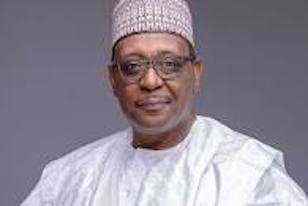
The Chief Medical Director of the Federal Teaching Hospital, Lokoja, Professor Abdulrahman Shehu, has called for more investment in healthcare delivery
The Chief Medical Director particularly woos philanthropists, the Federal Government and the Kogi State Government to invest more in the health sector to improve healthcare delivery and strengthen hospital infrastructure.
Prof. Shehu made the call while interacting with members of the Correspondent’s Chapel of Nigeria Union of Journalists, Kogi State Council who were in his office to clarify some issues affecting the hospital on Friday.
The renowned medical practitioner who was represented by the Chairman, Medical Advisory Committee (CMAC) Dr Raphael Odekunle, said increased private-sector and philanthropic support would complement government efforts in providing modern facilities, medical equipment and other essential resources required for hospitals to deliver quality and affordable healthcare services.
The CMD, who spoke on efforts by the new management to reposition the hospital, said the administration was committed to improving infrastructure, enhancing service delivery and ensuring that healthcare workers remained responsive to patients’ needs.
He stressed that the management would continue to introduce reforms aimed at making services more accessible, efficient and patient-friendly.
Shehu urged patients experiencing difficulties in the course of receiving treatment to channel their complaints through the hospital’s Servicom platform, describing it as an effective avenue for prompt attention to their concerns.
According to him, the platform provides patients with an opportunity to report challenges encountered while accessing healthcare services, enabling the management to identify and address such issues without unnecessary delays.
To reduce the stress of moving between departments in search of medical services, the CMD disclosed that the hospital had introduced a clinical system that brings essential service units together in one location.
He explained that the arrangement accommodates revenue, pharmacy, laboratory and National Health Insurance Scheme (NHIS) units, allowing patients to access the services they need more conveniently.
Shehu said the management planned to extend the system to other parts of the hospital to further improve service delivery and minimise the difficulties patients encounter while seeking treatment.
He, however, appealed to the Federal Government to intervene in the hospital’s infrastructure, noting that improved facilities were necessary to bring its operations in line with the standards expected of a teaching hospital.
On the hospital’s wallet payment system, the CMD defended the arrangement, describing it as a measure designed to promote transparency, accountability and curb fraudulent practices.
He explained that the system enables the hospital to manage patients’ payments in an accountable manner while ensuring that funds are used to provide the required services.
Shehu acknowledged concerns over delays in refunding patients’ unspent balances, assuring that the management was working to remove the bottlenecks associated with the process.
“We are working on how best we can remove the bottlenecks associated with delays in refunding unspent money to patients,” he said.
The CMD also appealed to the Federal and Kogi State governments to intensify public awareness and encourage more residents to enrol in the National Health Insurance Scheme to improve access to healthcare.
He noted that measures were being put in place to ensure the availability of drugs under the scheme, while clarifying that not all medications were covered by the NHIS.
Shehu urged enrollees to familiarise themselves with the scheme’s drug coverage to avoid misunderstandings when accessing prescribed medications.
On emergency care, the CMD assured that the hospital would continue to prioritise saving lives, stressing that emergency cases were attended to before payment was demanded.
He said the hospital’s primary responsibility was to preserve lives, adding that financial considerations would not take precedence over urgent medical attention in emergency situations.
The CMD further pledged that the management would sustain the training and retraining of medical and non-medical personnel to improve professionalism, strengthen patient relations and ensure that patients received satisfactory care.
He expressed confidence that the ongoing reforms, combined with improved infrastructure and support from government and private benefactors, would enhance the hospital’s capacity to provide quality healthcare services to the people.
Earlier, the Chairman of the Correspondents’ Chapel of the Nigeria Union of Journalists (NUJ), Kogi State Council, Comrade Segun Ademola Salami, commended the management of the hospital for upgrading its facilities to enhance effective healthcare delivery to residents of Kogi State and Nigerians at large.
He urged the Chief Medical Director (CMD) not to relent in his efforts to ensure that the hospital lives up to its status as a teaching hospital through the provision of quality and accessible healthcare services.
Comrade Salami, however, appealed to the management to address the challenges patients encounter while accessing medical services at the facility.



FG Hosts World Public Relations Forum as Delegates from over 126 Countries Set to Attend
ShareBy David Torough, Abuja The Federal Government has declared its readiness to host the 2026 World Public Relations Forum (WPRF),...


CIPPON Urges FG to Protect Nigerian Printing Industry
ShareBy David Torough, Abuja The Chartered Institute of Professional Printers of Nigeria (CIPPON) has renewed its call on the Federal...


FG Urged to Engage Bishop Oyedepo, Spiritual Sons Leadership Models on National Development
ShareBy David Torough, Abuja A call has been made on the Nigerian Government to engage prominent Nigerian Christian leaders, including...

Regional Devt Ministry Trains Commissions’ Officers on Digital Quarterly Reporting Template
ShareBy David Torough, Abuja The Ministry of Regional Development has commenced a capacity-building training programme for desk officers from the...


Actress Ademoye Rejects Apology over Movie Demonetization
ShareNollywood actress and filmmaker, Bimbo Ademoye, has rejected an apology from a man who filed a copyright claim against her...


Army Rescues 21 Kidnap Victims after Gun Battle with Terrorists in Niger
ShareBy David Torough, Abuja Troops of the Nigerian Army’s 18 Brigade have rescued 21 kidnapped victims following a fierce gun...


CBN Digitalises Fiscal Data Reporting Across 36 States, FCT
ShareBy Tony Obiechina, Abuja The Central Bank of Nigeria (CBN) has commenced the digitalisation of sub-national fiscal data reporting across...


NNPC Audit: Kyari Denies N210trn Missing Funds
ShareBy David Torough, Abuja Former Group Chief Executive Officer of the Nigerian National Petroleum Company Limited (NNPCL), Mele Kyari, has...


2027: APC Bets on Reforms, Unveils Tinubu’s Blueprint
ShareBy Eddy Ochigbo, Abuja The All Progressives Congress (APC) has unveiled an ambitious four-pillar manifesto for President Bola Tinubu’s proposed...


Troops Neutralise over 60 Terrorists, Rescue70 Kidnap Victims in One Week
Share By David Torough, Abuja The Armed Forces of Nigeria (AFN) have neutralised more than 60 terrorists and rescued at...