
NEWS
Deep Blue Project: House Committee on Navy Commends NIMASA on Transparency


From Dooyum Naadzenga, Lagos
The Chairman House Committee on the Nigerian Navy Honorable Yusuf Gagdi has commended the Management of the Nigerian Maritime Administration and Safety Agency (NIMASA), for its commitment to transparency in its execution of the Integrated National Security and Waterways Protection Infrastructure also known as the Deep Blue Project.
This commendation was made today when the Agency’s Management appeared before the House Committee on Navy currently investigating the Deep Blue Contract awarded to the HLS International Limited by Nigeria.
“We in the Committee of the Navy commend your Management team at NIMASA for providing all documents we have requested for. It shows that you have nothing to hide”. Our desire is to ensure public funds are spent not only in public interest but in accordance with the provisions of the laws of the land”, he said.A member of the Committee Honorable Alao Ajala expressed delight at the fact that Nigeria has exited the global Piracy list. His position was re-echoed by most members of the Committee who also acknowledged the role the Nigerian Navy is playing in securing the nation’s territorial waters.
In his presentation to the Committee, the Director General of NIMASA Dr Bashir Jamoh, said that the Agency acted in line with approval from the Federal Executive Council for the Agency to fund the Deep Blue Project at the cost of $195 million dollars with a management fee of 10%, adding that the funds invested in managing the assets since their deployment is appropriated for by the National Assembly.
He also disclosed that the Korean Government has identified with the Deep Blue Project “The Korean Government is delighted at the concept of the Deep Blue Project and has promised to support Nigeria by donating a vessel to increase its fleet under the project. The government of Japan has also joined by pledging support via funds.” Dr Jamoh listed assets acquired by NIMASA for the project to include 17 Fast Intervention Vessels, 2 Special Mission Vessels, 2 Special Mission Aircrafts, 3 Special Mission Helicopters, 4 unmanned aerial vessels and 16 armored vehicles.
The project also has a command and control center known as the C4i Center located in a NIMASA facility in Lagos which is jointly manned by officials from all the arms of the Nigerian Armed Forces, NIMASA staff and other para military Agencies who are part of the project. The assets are properties of the Agency manned and operated by the various Military arms of government to enhance security of commercial shipping in the Nigerian maritime domain.
In a related development, the Minister of Transportation, Hon Rotimi Amaechi has disclosed that Nigeria has received an international recognition in form of an award from the African Union for the concept of the Deep Blue Project. Speaking at the investigative hearing on the Deep Blue Project Contract to HLS International Limited, by the House of Representatives Committee on Navy, the Honorable Minister of Transportation, said necessary approvals were secured before the implementation of the Deep Blue Project. He said, “I was to be in Nairobi last week as the African Union gave us an award for the Deep Blue Project. Presently, the crime rate on our waters and the Gulf of Guinea region has gone down. Before now, we ranked number one in the world, but, since the deployment of the HLSI project, piracy has gone down drastically.”




By Matthew Ma
Before I departed from the United States upon completing my PhD, one of my esteemed professors called me over for a final conversation. With a serious expression, he implored me, “Please, when you return to Africa, teach your people to avoid becoming what we are today.
” Intrigued by his strong sentiment, I inquired about the reasons behind his perspective.He began to elaborate, painting a vivid picture of the struggles many face in American society.
“Have you noticed how difficult it is for many to thrive in this country?” he asked. He spoke about a pervasive culture of fear where individuals feel increasingly constrained and hesitant to voice their opinions or question authority. “The legal system, once a protector of rights, has now become a source of anxiety,” he explained, describing how people can be taken to court over even the smallest misunderstandings or disagreements.His concerns extended beyond legal matters; he observed a moral decline in which individuals often act impulsively without considering the broader implications. “There’s a pervasive disregard for consequences,” he lamented, signaling a societal shift from accountability to a more self-serving mentality.
Similarly, he noted the alarming trend in education, expressing concern about the content being introduced to children at increasingly younger ages. “The material being presented in schools today is often more suited for adults than young minds,” he remarked. His observation underscores the potential erosion of innocence and the critical responsibility adults have in guiding children.
The professor also reflected on the role of religious institutions in society, which, in his view, had progressively lost their influence as moral arbiters. “The Church, once a bastion of moral guidance, has been stifled by the fear of litigation, leaving it unable to instill the values needed to navigate a complex world,” he argued. As he concluded, he shared a somber observation: American society seemed to be spiraling into unmanageability, and he harbored a deep desire for us in Africa to learn from this trajectory. Now that I have returned to Nigeria, I am starting to understand the gravity of his words.
For instance, I recently encountered two highly controversial issues that have reminded me about my final conversation with my professor. The first concerns a woman who made a bold assertion regarding a type of bread that purportedly remained fresh for an astonishing month without any signs of spoilage. This claim, however, prompted considerable legal backlash.
The company behind the bread took great offense to her statements and subsequently filed a defamation lawsuit against her. As a result, she has found herself at the police station and is now embroiled in a court case that will ultimately determine the validity of her assertions. This situation has sparked intense discussions across various online platforms, drawing numerous perspectives from different online lawyers.
Some argue that she crossed a line, suggesting that her public remarks could damage the company’s reputation and that she should face legal repercussions. On the other hand, others contend that she has the right to express her opinions about the product, provided she does not explicitly name the brand in her critiques. This online debate underscores the tension between freedom of speech and the protection of corporate interests, making it a compelling case to follow as it unfolds in court.
The second case involved a distressed woman who found herself at the center of controversy after voicing her concerns about a children’s storybook that depicted graphic cruelty. In a video I watched on Senator Natasha Akpoti’s Facebook page, the woman expressed deep unease about the themes in the book, which she believed were unsuitable for young readers. Feeling a sense of responsibility, she raised alarms regarding the content, fearing it could adversely affect children’s emotional well-being. However, her actions led to unexpected backlash; instead of receiving support, she faced threats of legal action from unnamed parties, even after she had removed related videos and content from her social media accounts.
At the center of the bread issue and the moral and cultural narratives in children’s stories lies a pressing question that troubles me. Who is safeguarding the Nigerian public—and according to what standards? Both instances highlight a weak or inconsistently enforced consumer protection framework. Whether regarding our food choices or the intellectual nourishment provided to our children, there must be clear safeguards in place.
Agencies such as the National Agency for Food and Drug Administration and Control (NAFDAC) and the Standards Organization of Nigeria (SON) are established for this purpose. Yet, public confidence often falters when concerns are dismissed, delayed, or inadequately addressed.
When a loaf of bread remains remarkably fresh far beyond what is expected, the reaction should not be fear but rather a call for scientific transparency. Consumers have the right to know: What preservatives are used? Are they within safe limits? Are labeling and disclosure standards being upheld?
The second case regarding children’s story narratives delves into a distinct yet equally sensitive area of discussion: the impact of cultural formation and moral education on young minds. Stories play a crucial role in shaping how children think, behave, and perceive their surroundings and the societal structures around them.
This malleable stage of development makes children particularly susceptible to the themes and morals embedded within the narratives they consume, either through books or other media. When parents or educators voice concerns about the narratives that children are exposed to, these worries should not be dismissed lightly or considered trivial.
Rather, they raise significant and complex questions that deserve thorough exploration. For instance, who holds the authority to determine what constitutes appropriate or suitable material for children? Are these decisions guided by cultural norms, educational standards, or other influences? Furthermore, when examining imported versus locally produced materials, do these stories authentically reflect the values, beliefs, and traditions of the society in which children are being raised, or do they present a skewed perspective influenced by external narratives?
A more profound concern arises when reactions to such issues seem selective or disproportionate. All too often, ordinary citizens who voice legitimate concerns find themselves ignored, ridiculed, or even intimidated. Nonetheless, history reveals that many public health breakthroughs originate from observations made by non-experts—individuals who notice that something seems amiss.
While the bread seller may lack a laboratory, her experience, instincts, and proximity to the product should be taken seriously. Therefore, when whistleblowers or concerned citizens are met with intimidation instead of constructive engagement, it creates a chilling effect.
The justice system plays a critical role in this context—not only through its actions but also through public perception: Are complaints addressed impartially? Are corporations and institutions held to the same standards as individuals? Is due process transparent and credible? When citizens perceive that voicing concerns could result in harassment rather than meaningful investigation, trust diminishes rapidly.
We need to handle important issues with care, particularly those impacting public safety or ethical standards. However, we should approach these situations with caution. In today’s world, characterized by the rapid dissemination of viral videos and heightened public outrage, it is all too easy to shift from mere suspicion to outright condemnation without fully comprehending the context or the facts.
Businesses, much like individuals, deserve to be treated fairly and justly. The consequences of unverified claims can be severe, potentially leading to lasting damage to a brand’s reputation, financial stability, and employee morale. This harm extends beyond the corporation itself; it can also ripple through the community and the broader economy.
Therefore, while it is crucial to take public concerns seriously and address them promptly, any conclusions drawn must be rooted in credible scientific evidence and thorough investigation, rather than unfounded speculation or hearsay. This approach can safeguard the integrity of businesses while still addressing the legitimate concerns of the public.
Nigeria often operates in a reactive regulatory mode, often waiting for public outrage before acting. Both situations underscore the need to shift to a proactive stance. This shift must involve the Ministry of Education and its regulatory agencies, which need to adopt a more forward-thinking approach rather than simply responding to crises as they arise.
It is crucial to implement essential mechanisms, such as thorough vetting processes, clear content standards, and regular evaluations of approved materials, to ensure that what enters classrooms and homes aligns with developmental and ethical expectations. Thus, the ministry must firmly denounce any attempts to suppress legitimate concerns through threats or intimidation, as such actions erode public trust and distract from the core issue: the well-being of children.
In conclusion, the narratives of these two women, each presenting unique perspectives on distinct issues, may initially seem unrelated. However, a deeper examination reveals that both situations intersect around a pivotal question that affects society at large: Is the Nigerian system adequately designed to protect its citizens, or is it merely an apparatus for managing crises after they manifest? Upon closer examination, we can see that while the topics of food safety and the nature of children’s content might appear to operate in separate spheres, they are intricately linked through their profound impact on human well-being and dignity.
The right to safe consumption extends not only to physical nourishment but also to the intellectual safety of children exposed to various forms of media. Ensuring that children have access to healthy content is as crucial as guaranteeing that the food they consume is safe and nutritious. Until institutions are willing to foster an environment of consistency, transparency, and accountability, these pressing concerns will not remain isolated incidents. Instead, they will remain as pervasive symptoms of deeper systemic issues that require immediate attention. Addressing these challenges with a holistic mindset is imperative to create a society where the rights and well-being of every individual are genuinely prioritized and protected.
Lastly, what I find particularly troubling in both situations is the presence of intimidation. Any form of intimidation directed at citizens not only instills fear but also sets a dangerous precedent with far-reaching implications. This behavior undermines the vigilance essential to a healthy democracy. It threatens to erode the foundations of public accountability that we depend on to hold officials and institutions responsible for their actions. When individuals feel threatened or coerced, it stifles their willingness to speak out, advocate for their rights, or engage in public discourse, all of which are vital for safeguarding democratic principles.
The urgent question we must consider as Nigerians is whether our society is becoming increasingly unmanageable, reflecting trends seen in America. As I return home, I notice that Nigeria is indeed following a similar trajectory. I am witnessing a gradual decline in our social cohesion, governance, and public trust, which echoes developments observed in America over the years.
Therefore, if we do not remain vigilant and proactive in addressing these issues, we risk facing conditions even more challenging than those experienced by the American populace. The time for action is now; we cannot afford complacency in the face of potential crises that threaten to disrupt our social fabric.
Rev. Ma, S.J., is a Jesuit priest and a public policy analyst. He currently writes from Abuja, Nigeria.
Lagos State will launch its Industrial Policy (2025–2030) on Thursday, outlining a strategy to position the state as Africa’s leading industrial and manufacturing hub.
The Commissioner for Commerce, Cooperatives, Trade and Investment, Folashade Ambrose-Medebem, disclosed this at a press conference in Alausa, Ikeja, on Monday.
She said the policy reflected months of stakeholder consultations, data-driven analysis and alignment with global best practices in industrial planning and sustainable economic growth.
Ambrose-Medebem described the document as the most ambitious industrial agenda ever conceived by the Lagos State Government in recent history.
“Within 72 hours, Lagos will launch its Industrial Policy 2025–2030, committing stakeholders to a coherent and actionable plan for industrial transformation,” she said.
She noted that the policy provided a clear roadmap for economic diversification, reduced import dependence and increased value addition across critical sectors of the state’s economy.
Ambrose-Medebem said the initiative was driven by Gov. Babajide Sanwo-Olu’s leadership and aligned with his THEMES Plus development agenda.
“The governor insists on strategic planning, disciplined execution and strong public-private collaboration as foundations for sustainable prosperity,” she said.
She added that policy continuity and institutional coordination would be prioritised to ensure that implementation remains consistent beyond political cycles.
The commissioner noted that Lagos remained Nigeria’s economic backbone, contributing significantly to industrial output, trade expansion and non-oil revenue generation.
“Lagos remains West Africa’s financial and commercial hub, with over 20 million people engaged in daily economic activities,” Ambrose-Medebem said.
She said the state’s large population, coastal advantage and entrepreneurial culture positioned it uniquely for industrial expansion and regional economic leadership.
According to her, the policy targets agro-processing, manufacturing, creative economy, healthcare, blue economy and digital trade as priority sectors.
She explained that these sectors were selected based on their job creation potential, export capacity and ability to stimulate inclusive and sustainable growth.
“The policy addresses constraints to industrial growth, with timelines to tackle infrastructure, regulatory and supply chain challenges,” she said.
Ambrose-Medebem emphasised that small and medium-sized enterprises would play a central role in achieving the policy’s objectives.
“SMEs remain our economic backbone; we are expanding finance access, removing bottlenecks and boosting competitiveness,” she said.
She said targeted interventions would include easier access to credit, improved regulatory processes and capacity-building programmes for entrepreneurs.
The commissioner stated that innovation, technology adoption and human capital development would drive the policy’s implementation across all sectors.
“We are building a workforce for a digital, knowledge-driven industrial future through skills development and institutional partnerships,” she said.
She added that collaboration with academic institutions and private organisations would strengthen research, innovation and workforce readiness.
Ambrose-Medebem noted that sustainability had been embedded within the policy framework to ensure environmentally responsible industrialisation.
“Our industrial expansion will align with cleaner production and global environmental standards for long-term sustainability,” she said.
She disclosed that implementation had already commenced through several flagship programmes initiated by the state government.
“The N10 billion LASG-BoI MSME financing initiative is underway, with initial disbursements expected within weeks,” she said.
Ambrose-Medebem said the funding programme would be delivered through cooperatives to ensure wider reach and effective monitoring of beneficiaries.
She also highlighted progress on the Imota Light Industrial Park as a key infrastructure component supporting industrial growth.
“The park will provide affordable, purpose-built facilities, improving efficiency and reducing production costs,” she said.
She noted that the facility would particularly benefit small and medium manufacturers seeking access to modern industrial infrastructure.
Ambrose-Medebem announced the Invest in Lagos Summit 3.0 scheduled for June 8 and June 9.
“The summit will attract global investors and showcase the policy to secure investment commitments,” she said.
She said the event would further strengthen Lagos’ visibility as a competitive destination for foreign direct investment and strategic partnerships.
The commissioner confirmed that the official policy launch would be held on April 30 at Lagos Continental Hotel, Victoria Island.
“The event will convene investors, industry leaders and partners to unveil the policy framework and implementation strategy,” she said.
She urged journalists to play a critical role in promoting transparency, accountability and informed public discourse around the policy.
“The media is a vital bridge between government and the public, and we rely on accurate, critical reporting,” she said.
Ambrose-Medebem reaffirmed the government’s commitment to inclusive industrial growth that benefits all segments of the population.
“Our goal is Lagos where industries thrive, businesses scale and citizens access meaningful employment,” she said.
She emphasised that the policy would prioritise job creation, youth empowerment and improved living standards across the state.
Ambrose-Medebem invited stakeholders, investors and development partners to actively participate in the policy launch and implementation process.
“We encourage active engagement to realise Lagos as Africa’s industrial hub,” she said.
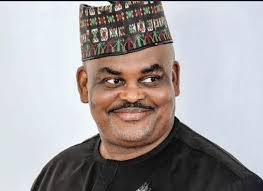
Veteran Nollywood actor and producer, Solomon Akiyesi, is dead.
His death was confirmed on Monday by the President of the Actors Guild of Nigeria, Abubakar Yakubu.
Yakubu said the actor passed away in his sleep on Sunday, adding that his remains have been deposited in a morgue in Abuja.
“Yes, it is true.
He died yesterday. Slept and did not wake up from sleep. We await further details from the family. His body is in the morgue in Abuja where the sad incident happened,” he said.According to him, the guild is still expecting more information from the deceased’s family regarding the circumstances surrounding his death.
Akiyesi, who hailed from Ososo in Akoko-Edo Local Government Area of Edo State, began his Nollywood career in the late 1990s and went on to feature in over 100 films.
He was known for roles in movies such as Marry Who You Love, Kiss My Pain, Joy of Nakasha, Heart of a Saint, Deadly Affair, Gen Z Wife, Olaedo The Fisher Girl, Pretty Liars, The End Is Near and Desperate Ladies.
Tributes have since started pouring in across social media platforms.



Troops Apprehend IPOB/ESN Suspect, Recover IEDs in Imo
ShareTroops of 82 Division and Joint Task Force South East (OPUK) have apprehended a suspected member of the Indigenous People...


Military Veteran Expresses Confidence in Super Puma Helicopter
ShareA retired Aeronautic Engineer of the Nigerian Air Force (NAF), Air Commodore Taiwo Badru, has expressed confidence in the ability...


Kaduna Police Nab 30 Suspected Kidnappers, Recover Firearms in April
ShareThe Kaduna State Police Command has arrested 30 suspected kidnappers, four gunrunners and recovered five firearms with live ammunition during...

NDLEA Intercepts 748kg of Tramadol, Other Psychotropic Drugs in Edo
ShareThe National Drug Law Enforcement Agency (NDLEA) has intercepted 748.02kg of controlled pharmaceutical drugs, including large consignments of tramadol, along...


Is Ibadan Tinubu’s 2027 Strait of Hormuz?
ShareBy Festus Adedayo Yesterday, Seyi Makinde, governor of Oyo State, rallied Nigeria’s opposition political parties to Ibadan. According to him...
Second Chance Education Restores Hope for Married Girls in Kaduna
ShareBy Aisha Gambo In Gabari village, Kufena, Zaria Local Government Area of Kaduna State, young Halira Nuhu (not real name)...
How Low Awareness is Fueling Liver Disease Crisis
ShareBy Abiemwense Moru A young man survived a sudden health crisis only because his liver failure was detected early—proving that...
A Tale of Two Cries: Listening to the Consumer, Protecting the Child
ShareBy Matthew Ma Before I departed from the United States upon completing my PhD, one of my esteemed professors called...
No to Sordid Politics of Branding Women Underwear in Kano State!
ShareThe people of Kano State have for ages defined themselves with public morality and decency. To uphold and project these...

Dangote Pledges N550m Hostel to FUTO
ShareThe President of Dangote Industries Ltd., Alhaji Aliko Dangote, has pledged to construct a N550 million students’ hostel at the...