
NEWS
Building Collapse: FCTA to Conduct Integrity Test on Old Structures

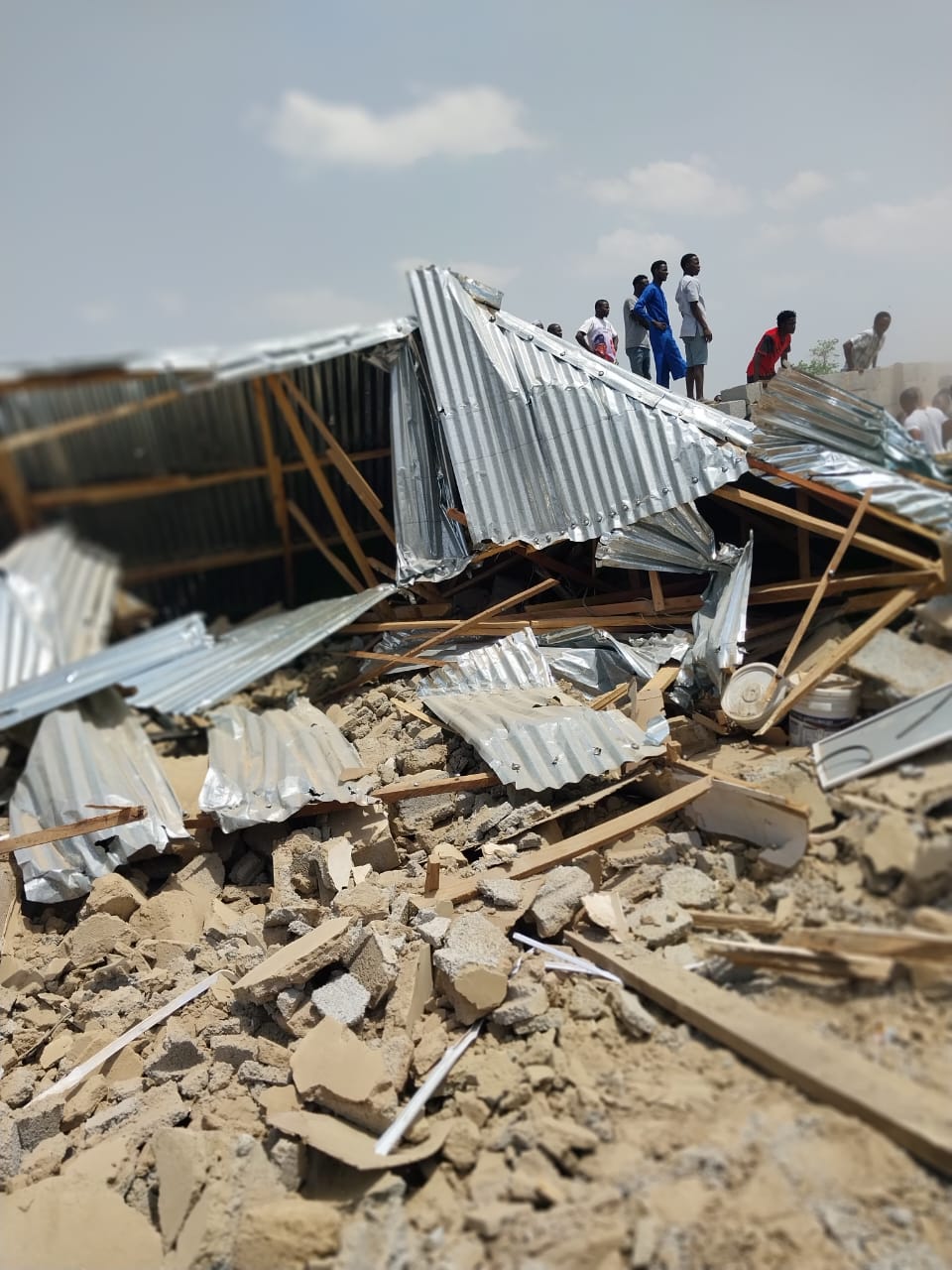
The Federal Capital Territory Administration (FCTA) said on Thursday, that it will conduct integrity tests on old buildings within the city to forestall building collapse.
Mr Mukhtar Galadima, Director, Development Control, FCTA, stated this in Abuja while addressing newsmen on buildings in Jabi that failed integrity tests and may likely collapse.
Galadima said that the test, which would be conducted in partnership with professional bodies and regulatory bodies, and agencies would be carried out in Wuse 1, Garki 1, Garki 2, and Asokoro.
He said that the old houses that would be targeted for the exercise would be mainly those above 30 years.
The director said that the measure became necessary, following the unfortunate incident that happened in Garki village, where a two-storey building collapsed, killed two persons and injured 37 others.
“We have agreed with our colleagues, the professional and regulatory bodies and agencies to identify some structures within the city and conduct integrity tests on them.
“The goal is to avert unforeseen circumstances like building collapse that may occur due to structural defects.
“I have discussed with my colleagues and we will soon be going to the field for the exercise, particularly in Garki 1, Garki 2, Wuse 1 and Asokoro,” he said.
He explained that the areas were targeted because they were mainly developed by private individuals with houses standing for over 30 years.
Galadima said that most of the officers that supervised buildings in the areas were out of service, “and we don’t know the level of supervision then.
“We want to be sure that the structures can stand the test of time,” he said.
The director, however, said that not every building that failed the integrity test would be demolished.
He said that sometimes the consultants would give room for remedial measures for the building to stand.
Galadima emphasised that structures that failed integrity tests and beyond remedy will be removed.
He urged people to comply with building regulations as provided by relevant acts and laws.
On the buildings located on Plot 643 Cadastral Zone Bo4, Jabi District, he said that the integrity test revealed that the building may collapse.
He said that after the failed test, the occupants of the four single-storey buildings on the plot were asked to vacate the buildings for their safety but refused to do so.
“It is disturbing that in spite professional warnings, the people are still occupying the house, even going further to obtain an order of the Court to stop us from vacating them.
“Our concern is the safety of the individual and their properties that is why we are calling on the public to desist from such acts.
“Once a structure has been tested and confirmed to be deficient, people should comply and vacate the structure because anything can happen,” he said.
On the court order, Galadima said that the department would consult the legal secretariat to decide on the next line of action.
During a visit to the affected buildings, Mr Abdulrazak Alao, Deputy Director, Building Inspectorate, North, said that the occupants were served a vacation notice on Aug. 21.
“We also invited them for a stakeholders` meeting to carry them along in the entire process but they refused to cooperate with us.
“Only for us to get here today (Thursday) and saw a Court Order pasted on the gate of the house, restraining us from carrying further action.
“We have carried out a scientific investigation called the Smith harmer test that indicated that the building is weak and could collapse.
“The buildings have decayed, soaked and weak. I want it to be on record that the building is very unfit for human habitation and might collapse any day,” he said.Mr Mustapha Suleiman, one of the occupants of the buildings, appealed for the meeting to be rescheduled to Friday and it was granted. (NAN)
By Fransiscus Nanga Roka
The flourishing market in overseas cosmetic surgery offers you a dream — the promise of a new face, a new body, an extra holiday and at half the cost. What it too often delivers is much more sinister — death, disfigurement, and a tripwire/ obstacle course of the law to wear survivors down before any court ever hears their pain.
This is not just a matter of medicine. This is a cross-border accountability scandal.What is happening? Now instead of having liposuction, rhinoplasty, Brazilian buttlift and breast surgery in the comfort of a private room in an upscale L.
A. hospital, more patients are considering going overseas for less than the price of their traveling from say 5k plus flight. The bait here is the cheaper price. The hidden cost here is that your protection collapses once things are not going right! It works like this: if a patient dies, develops sepsis, experiences nerve damage, embolism, anesthesia gone terribly wrong or irreversible deformity—then the sales and marketing go away and it is put all on the person who has been injured.Who is responsible? Not only the surgeon. This liability must extend all the way up and down the profit chain, encompassing clinics, hospital operators, medical tourism brokers, influencers, advertising platforms and any spokesperson or intermediary selling safety they cannot validate. The failure to be in the moment The reason is that actors are too heavily monetizing desire and outsourcing risk. Such is the case with clinics who lure foreign patients in with glossy brochures and quick online consultations, then when the body on the operating table turns out to be butchered should not be allowed to hide behind borders.
Where does justice fail? In the space between countries. Patients go home injured, but courts at home routinely throw out claims under forum non conveniens and say: sue where it happened. Which sounds nice in theory and nasty in practice. Here the patient encounters alien laws, an alien tongue, and the range of overseas experts high-priced, privacy provisions very weak while drawing blood defending themselves as masters of delay. And even if a victim prevails at home, enforcing their judgment against the assets of a foreign clinic can be all but unfeasible.
What is the when of these harms being constructed? Long before the first incision. Negligence often starts at the hurried pre-operative evaluation: omitting parts of screening, cursory mental-health assessments, suboptimal risk disclosure and providing timelines for recovery that are dictated by airline flight schedules rather than by medical reality. Patients are discharged too early after surgery, or travel back home before safe follow-up and monitoring in the post-operative period has been achieved. Aesthetic tourism is frequently organized around speed, not care.
Why does this keep happening? Because the economics of the business model incentivizes volume, price competition and image management, above patient safety. Informed consent is often one signature, not a process. Accreditation can be inconsistent. Sterilization and staffing standards vary. Certain facilities are working below the global standard but continue luring foreigners with organized and relatively aggressive social media advertising practices. Global markets; provincial accountability.
Instead of regarding cross-border cosmetic harm as an unfortunate by-product of medical travel, governments and regulators should regard it as a predictable, enforceable policy failure The response cannot be sentimental. The third kind has to be structural, legal and immediate.
By-pass the symbolic nature of litigation and negotiate cross-border malpractice treaties (one) among states. Such agreements must ensure cross jurisdictional evidence-sharing, adequate service of process and real judgment enforcement mechanisms between jurisdictions. Absent that, every suit turns into a frustrating geography lesson: the harm occurs abroad, the evidence is spread far and wide, and away goes the defendant — safe behind borders.
In turn, foreigners patients should be protected through compulsory malpractice insurance. If a clinic exists to treat foreign patients, it must have insurance that specifically covers the complications after returning. That will prevent the insurer from just dumping his ass once he steps on a plane home. If surgery causes infection, disability or death in weeks after, the burden of cost should not be pushed onto bereaved families and already overstretched public health systems.
Third, they should make joint liability apply along the complete referral chain. Brokers, hospitals, platforms and marketing agents that push bad providers should not be able to say “Hey we didn’t know” after the damage is done. They should be legally accountable if they profit from peddling patients into dangerous hands. The model itself is one that privatizes profit and socializes the pain. That is indefensible.
Fourth, they should harmonize minimum informed-consent rules with a global standard. Consent should encompass a genuine recovery window, specific advisories about related travel hazards and explicit disclosure of probable complications, not small-print below fluff. An informed consent is a rushed signature, it is paper in the name of protection.
Fifth, we need an international registry system. Patients should have access to the veracity of clinic accreditation, whether the physician is licensed and serious adverse-event reporting that no public-relations team can scrub. Safe care depends on traceability. A system fails if the record of a doctor is opaque for you.
Make medical records transparent Many of the records, such as anesthesia logs and drug sourcing, operative notes, post-op instructions must be needless cross-border audits or reviewed in a court of law. Hidden records protect negligence. Open records expose it.
International arbitration should only be available if it actually protects the patient. And it must not become a private shield for defendants to evade public scrutiny.
Of course, this is not against medical travel. And that is about stopping the lucrative fiction that cheap surgery can be marketed without rigorous accountability.
Cosmetic surgery overseas is frequently sold as an exercise in consumer choice. But freedom without rights that can be enforced is no freedom. It is exposure. Without regulation from states, cheap beauty will, in short, remain one of the most profitable factions of organized irresponsibility on the world stage.
Fransiscus Nanga Roka, Faculty of Law University 17 August 1945 Surabaya and Managing Partner Law Firm Victorious Indonesia.
By Dan Amasingha, Minna
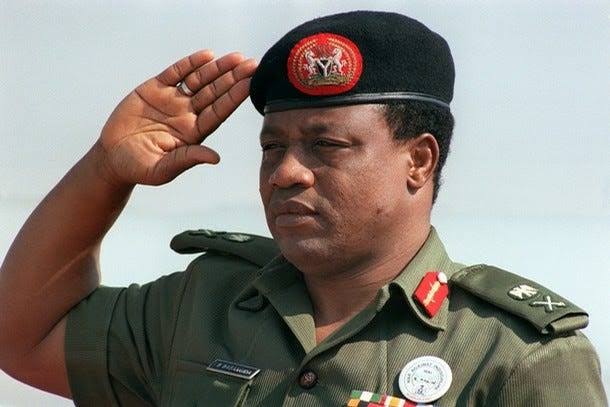
The Nigeria Union of Journalists (NUJ), Niger State Council, has congratulated former Military President, General Ibrahim Badamasi Babangida (rtd.), on his 85th birthday, describing him as an elder statesman whose policies and initiatives continue to shape Nigeria’s political, economic and socio-economic development.
In a congratulatory message signed by the Council Secretary, Comrade Usman Chiji, the NUJ thanked God for preserving the life of the former leader to witness the milestone, saying his 85th birthday provides an opportunity to reflect on his contributions to the nation.
The Council commended Babangida for policies, institutions and infrastructure initiatives introduced during his administration which, it said, continue to have direct impact on the lives of Nigerians.
It specifically cited the creation of additional states and local government areas, as well as the establishment of institutions including the Federal Road Safety Corps (FRSC), National Agricultural Land Development Authority (NALDA) and the Directorate of Food, Roads and Rural Infrastructure (DFRRI).
The NUJ also recalled the deregulation of the electronic media and the economic and financial reforms undertaken under Babangida, which it said created an environment for the emergence of private commercial banks and other enterprises aimed at strengthening the Nigerian economy.
According to the Council, many of the policies and initiatives introduced during the Babangida administration have remained significant milestones in the country’s political and socio-economic development, with successive governments reviewing, remodelling or modifying some of them.
The NUJ described Babangida as an elder statesman, military strategist and former Nigerian leader whose policies and programmes have outlived his administration.
The Council further acknowledged his contributions to regional and international peace, particularly Nigeria’s role in the establishment of the Economic Community of West African States Monitoring Group (ECOMOG), peacekeeping operations in troubled countries and efforts to strengthen Nigeria’s bilateral relations with other nations.
The journalists’ body prayed to God to grant the former military leader continued good health, wisdom and strength, as well as many more years of fulfilment and service to Nigeria.

Academic Staff Union of Universities (ASUU) has authorised 20 federal and state universities across Nigeria to commence varying degrees of industrial action.
The decision was reached during a critical National Executive Council (NEC) meeting held in Abuja between August 8 and 9, 2026.
ASUU National President, Prof.
Christopher Piwuna, disclosed this at the weekend, expressing the union’s deep frustration over the “haphazard implementation” of the landmark December 2025 FGN-ASUU Agreement.The union warned that a full-scale resurgence of campus unrest is now inevitable.
Regarding the 20 approved universities facing looming strikes, the NEC resolved to grant permission for industrial action once individual institutions successfully satisfy internal union requirements.
The affected institutions include: Adekunle Ajasin University, Akungba (AAUA); Nasarawa State University, Keffi (NSUK); Ibrahim Badamasi Babangida University, Lapai (IBBUL); University of Medical Sciences, Ondo (UNIMEDO); Gombe State University (GSU), Gombe; Plateau State University (PLASU), Bokkos; Emmanuel Alayande University of Education (EAUED), Oyo; Ambrose Alli University, Ekpoma (AAUE); Olusegun Agagu University of Science and Technology (OAUSTECH), Okitipupa; Abia State University (ABSU), Uturu; University of Education and Entrepreneurship (UEE), Akamkpa; Kaduna State University (KASU), Kaduna.
Others are Aliko Dangote University of Science and Technology (ADUSTECH), Wudil; Northwest University, Kano (NWUK); Enugu State University of Science and Technology (ESUT), Enugu; Imo State University (IMSU), Owerri; Niger Delta University (NDU), Wilberforce Island; University of Africa, Toru-Orua (UAT); Bayelsa Medical University (BMU), Yenagoa; and Taraba State University (TSU), Jalingo.
ASUU also disclosed that the implementation status of universities within the Lagos Zone is currently under review, with separate declarations expected in due course.
Speaking on the core grievances driving the crisis, ASUU noted that while Vice-Chancellors at the federal level face severe challenges due to underfunded monthly salary bills, the situation at the state level is considerably worse.
According to the union, only about 10% or fewer of state governors have openly endorsed the new salary package established in December 2025.
The rest were accused of “playing the ostrich” and passing financial burdens onto Governing Councils that lack the funding to back them.
The union also explicitly blamed officials within the Federal Ministry of Finance and the Office of the Accountant-General of the Federation. These bodies are accused of deliberately stalling promotion arrears, dragging their feet on monthly salary releases, and illegally withholding the remittance of academics’ deductions to their respective Pension Fund Administrations (PFAs).
Furthermore, ASUU raised concerns over the unpaid, withheld three-and-a-half months’ salaries dating back to the 2022 nationwide strike. While ASUU initially praised President Bola Tinubu for releasing four months of those salaries, the refusal to remit the balance has left a “strong bitter taste.”
The union also condemned the prolonged delays in paying the 25/35% wage award and outstanding promotion arrears to its members.
Meanwhile, ASUU issued a stern warning regarding the recent harassment of its branch leaders and members by Vice-Chancellors at ESUT, IMSU, and ABSU.
The NEC declared that it will strictly refuse to call off any industrial action in these specific institutions until all forms of victimization stop completely.
Beyond the immediate academic crisis, the NEC reviewed the worsening socio-political and economic landscape of Nigeria.
The union strongly condemned the ongoing atmosphere of pre-election violence, political killings, and economic instability as the country approaches upcoming election cycles, noting that these existential threats directly undermine the living and working conditions of everyday Nigerians and university lecturers alike.
Despite praising the mediation efforts of Senator Lanre Tejuoso, the Chairman of the Implementation Monitoring Committee (IMC), ASUU maintains that it will stop at nothing to enforce the full scope of the agreement.
The union has announced that it will convene an emergency NEC meeting in the next few weeks to appraise the situation. If the government fails to act swiftly to clear outstanding financial entitlements and halt the harassment of lecturers, a wider, coordinated national academic shutdown may follow.


Cheap Surgery, Costly Injustice
ShareBy Fransiscus Nanga Roka The flourishing market in overseas cosmetic surgery offers you a dream — the promise of a...

NUJ Felicitates Babangida at 85
ShareBy Dan Amasingha, Minna The Nigeria Union of Journalists (NUJ), Niger State Council, has congratulated former Military President, General Ibrahim...


Why I Married My Husband In Our Living Room – Ronaldo’s Wife
ShareGeorgina Rodríguez has disclosed that she chose their everyday family space to get married to Cristiano Ronaldo so that their...
ASUU Approves Strike in 20 Varsities over Breached 2025 Agreement
ShareAcademic Staff Union of Universities (ASUU) has authorised 20 federal and state universities across Nigeria to commence varying degrees of...


Nigeria’s Inflation Rate Drops to 15.43 Per Cent in July – NBA
ShareBy Tony Obiechina, Abuja Nigeria’s headline inflation rate fell to 15.43 per cent in July 2026, down from 15.91 per...


Igbinedion Varsity, EduTech Global Partner On Digital Education, Access
ShareBy Julius Tambaya, Abuja Igbinedion University, Okada, one of Nigeria’s leading private universities, has entered into a strategic partnership with...


Xenophobia: FG Evacuates 83 More Nigerians from South Africa
ShareBy David Torough, Abuja The Federal Government has announced the arrival of another batch of 83 Nigerians evacuated from South...


Kaduna Varsity Lecturers’ Exodus Worsens as ASUU Issues Strike Ultimatum
ShareFrom Agbo Emmanuel, Kaduna More than 200 lecturers, including professors and other experienced academic staff, have left Kaduna State University...


NES 32 to Drive National Dialogue on Jobs, Productivity, Shared Prosperity
ShareBy Ayanyinka Ayanlowo Nigerian Economic Summit to Chart the Next Phase of Nigeria’s Economic TransformationThe Nigerian Economic Summit Group (NESG)...


Komaiya Wife Celebrates 29 Years of Marriage, Calls Husband ‘Divine Covering’
ShareBy David Torough, Abuja Pastor Mrs Esther Komaiya has poured out heartfelt tributes to her husband, Pastor Korede Komaiya, as...