
OPINION
Between Trump’s Trumpet, Government Rhetorics and Christian Persecution


By Eze Okechukwu, Abuja
With all sense of modesty and responsibility, to say that Nigeria accounts for a disproportionately high percentage of Christians killed globally for their faith, with tens of thousands of deaths recorded since 2009 is an absolute fact of life.
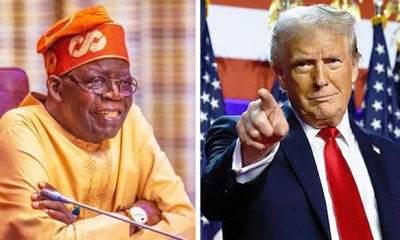
According to an April 2023 report by the International Society for Civil Liberties and Rule of Law, at least 52,250 persecuted Christians have been killed in the past fourteen years, simply for the crime of being Christian. In the past five years, violence has spread southwards to the middle belt of Nigeria, with radicalized fulani herdsmen killing Christians to steal their land.Boko Haram, joined by the Islamic State West Africa Province (ISWAP), and the Fulani herdsmen all seek the eradication of Christianity from the northern states and the violence has resulted in refugees now numbering over four million, mostly Christian farmers. The government, clearly unable to tame the tide only engages in rhetorics and blame games, leaving the vulnerable indigenous people to die, flee or be captured and indoctrinated into the Islamic fold.In the twelve muslim-majority northern states where in 1999, Sharia law was implemented, Christians often face discrimination in education and public sector jobs and are treated as second-class citizens. Individuals, including both Christians and minority Muslims, under its blasphemy laws face long prison sentences or even the death penalty under strict state-level blasphemy laws, which can trigger mob violence.The violence has resulted in millions of people, mostly Christian farmers, being displaced from their homes, many living in precarious internal displacement camps. The Nigerian government has faced international criticism for its perceived failure to protect Christian communities and prosecute perpetrators. While Abuja has countered claims of a targeted “Christian genocide”, the United States President, Donald Trump relying on documented evidence, recently designated Nigeria as a “Country of Particular Concern” for severe religious freedom violations. In the wake of Trump’s reaction, the fierce Republican ordered his military Chiefs to prepare for action in Nigeria with a view to tackling Islamist militant groups, accusing the government of failing to protect Christians.Trump wrote in a social media post on Saturday that he had instructed the US Department of War to prepare for “possible action”. The next day, he reiterated that his country could deploy troops to Nigeria or carry out airstrikes to stop the alleged killings.”They’re killing record numbers of Christians in Nigeria. They’re killing the Christians and killing them in very large numbers. We’re not going to allow that to happen,” the US President said.In Saturday’s post he warned that he might send the military into Nigeria “guns-a-blazing” unless the Nigerian government intervened, and said that all aid to what he called “the now disgraced country” would be cut.Trump had said: “If we attack, it will be fast, vicious, and sweet, just like the terrorist thugs attack our Cherished Christians!” US Defence Secretary, Pete Hegseth then replied to the post by writing: “Yes sir.”The Department of War is preparing for action. Either the Nigerian Government protects Christians, or we will kill the Islamic Terrorists who are committing these horrible atrocities.”Trump’s threat triggered alarm across Nigeria. Many on social media urged the government to step up its fight against Islamist groups to avert a situation where foreign troops are sent into the country.Trump earlier announced that he had declared Nigeria a “Country of Particular Concern” because of the “existential threat” posed to its Christian population. He said “thousands” had been killed, without providing any evidence.Following Trump’s announcement, Tinubu said his government was committed to working with the US and the international community to protect communities of all faiths.”The characterisation of Nigeria as religiously intolerant does not reflect our national reality,” the Nigerian leader said in a statement.The Nigerian leader was indeed being cunning and diplomatic in his response rather than being outrightly frank. Lagos, where he resides though populated by Christians and Muslims hardly have such religious intolerance and skirmishes, so how would he comprehend the gravity of the situation? Political and communal leaders in the North Central zone who describe the killings in their region as “genocidal”, often also emphasize that the killings are motivated by ethnic or material considerations, rather. For instance, the Tiv ethnic group’s supreme traditional chief, James Ortese Ayaste, told Tinubu in June that: “What we are dealing with here in Benue is a calculated, well-planned, full-scale genocidal invasion and land-grabbing campaign by herder terrorists and bandits”. In July, the governor of neighbouring Plateau state, Caleb Manasseh Mutfwang, said the recurring attacks were carried out by terrorist groups “targeting our people” because their “land … is very fertile – rich in food produce and mineral deposits”, and that in parts of the state, the marauders were “living conveniently on lands they pushed people away to occupy”.Be that as it may, the high level of insecurity across the country has left many religious communities, including Christians, at risk, due to deficits of political will in the government and operational capacity in the military and other security services. The failure to hold perpetrators of violence to account has also created both a sense of impunity among those who would carry out attacks and a sense of grievance in the affected communities. Some political, community, and religious leaders, most notably a former army chief and defence minister, Theophilus Danjuma once charged individuals to defend themselves, stressing that federal forces are “colluding” with the armed groups that are attacking predominantly Christian farmers in the North Central zone in an effort to seize their property.Angered by the laxity of the federal government, some Nigerians, at home and in the diaspora, have fed the U.S. Republican Party’s powerful evangelical base reports of alleged widespread persecution of Christians in Nigeria. Many Christian clerics in the Middle Belt, where Christians have suffered numerous mass killings, have called out for help from fellow Christians in Western countries, including the U.S.In February 2024, Open Doors, an organisation that tracks Christian persecution, claimed that “every two hours, a Nigerian Christian is killed for their faith”, that 82 per cent of Christians killed around the world from October 2022 to September 2023 died in Nigeria and that Nigeria had become “the deadliest place in the world for followers of Jesus”.However, narrating the daily persecutions of Christians in Plateau State, Mr Sunday Michael, from Marish axis of Bokkos municipality who now lives in an Internally Displaced Persons Camp (IDP) said that Mr. Osasona Emmanuel Femi, an Anglican priest lost his pregnant wife, Dr. Osasona Nambam Gloria with advanced pregnancy in 2020, following an attack by fulani herdsmen in marish town where they lived. The wife, a Veterinary Doctor passed on from the shock of bullet sounds, with its attendant flashes of light. Mr. Michael recounted how Mr Femi disappeared in the heat of the attack and has never been seen since the attack.”Nobody knows his exact whereabouts nor if he’s still alive or not. Though there’s rumours that he escaped to France, even if that’s true, who does he know in France, what’s he eating there? Femi’s fate and ordeal is a classic example of the lives of our people. Femi may have been massacred, I sincerely don’t believe he’s alive. They feast on killing people,so Femi wouldn’t be an exception unless they didn’t catch him. However,if he’s alive I pray he doesn’t return here else they will kill him”, he said amidst tears.As he was speaking, another woman, Regina Yakubu from Southern Gombe and living in the camp said that she had built a peaceful life with her husband and two children in 2014. Then came the stories of a group called Boko Haram moving village to village, delivering ultimatums: convert to their extreme version of Islam or die. The threats materialized one day as Regina and her husband worked their field. “I used to think Boko Haram were just animals living in the bush,” she recalled. “I never believed a human being could kill another human being.” When militants emerged from the bush, her husband fled through the river. She never saw him again. She was captured by the militias and the occupation that followed revealed horrors she never imagined possible. Boko Haram fighters moved into the village, targeting Christians with calculated brutality. They murdered the village pastor as he sat in his chair one afternoon. “After that, they started gathering men who were seated under trees,” Regina recounted. “Those who tried to escape were shot. Those who were caught were tied to their motorcycles, taken to the outskirts, and slaughtered. They separated their heads from their bodies. We had to dig holes and bury them at night.” In the terrifying quiet that followed, she recalled, “Not even the sounds of birds would you hear. You would only hear the sounds of Boko Haram.”However, while few prominent Nigerians support the idea of armed outside intervention without Abuja’s consent, some find some utility in the Trump administration’s new posture.The National Secretary of a network of opposition political parties, the Coalition of United Political Parties, Peter Ameh, said his organisation would welcome foreign assistance if the federal government fails to end armed group killings of Nigerians on its own, though he suggested that intervention would need to occur lawfully – implying it would require the Nigerian government’s go-ahead.Human rights lawyer Inibehe Effiong said: “If this is what it will take for the Nigerian government to wake up to its primary responsibility, so be it”. The chairman of the Christian Association of Nigeria in the nineteen northern states, Reverend John Joseph Hayab similarly said Trump’s core message should be seen less as a vow to attack Nigeria, and more as a caution to the Nigerian government to take decisive action against terrorism.Meanwhile, in between Trump’s trumpet and the rhetorics of Abuja, there’s an existential record of devastation of the minority northern christians. And it’s only time and chance that would know what fate has in stock for all.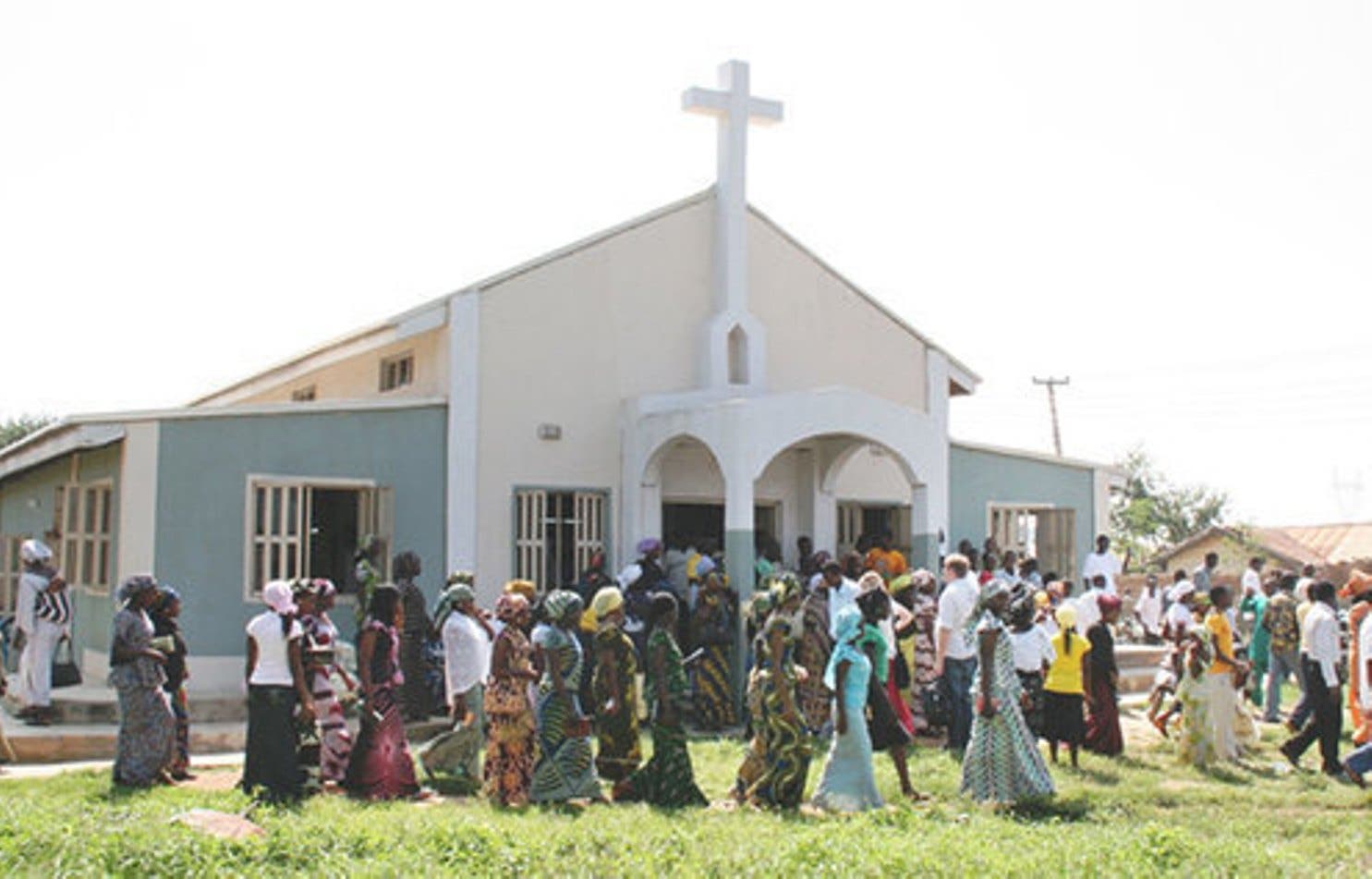




By Fortune Abang
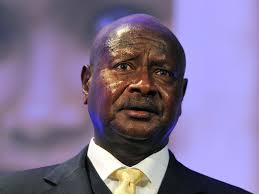
Uganda’s President Yoweri Museveni, 81, sworn in for a seventh term after nearly four decades in power, has once again intensified debate over gerontocracy and political succession in Africa.
Museveni, who first assumed office in 1986, has now extended his rule into a fifth decade, making him one of the world’s longest-serving heads of state.
His latest mandate, expected to run until 2031, follows the January 2026 election in which he secured about 71.65 per cent of the vote, according to official results, defeating opposition leader Robert Kyagulanyi, popularly known as Bobi Wine.
His continued stay in power has been enabled by key constitutional changes over time, including the removal of presidential term limits in 2005 and the abolition of the presidential age ceiling in 2017, reforms that effectively removed legal restrictions on tenure.
Across Africa, analysts say Uganda reflects a broader governance pattern in which long-serving leaders consolidate authority over extended periods.
Comparable examples often cited include Cameroon’s Paul Biya, in power since 1982, and Congo-Brazzaville’s Denis Sassou Nguesso, who first assumed office in 1979, both of whom have also presided over decades of uninterrupted or repeatedly renewed rule.
While Museveni’s supporters argue that his leadership has provided continuity and relative stability in a region frequently affected by conflict, critics say prolonged incumbency has gradually narrowed political competition and weakened institutional independence.
Uganda has maintained a degree of internal stability and played active roles in regional diplomacy and security operations in East and Central Africa.
Supporters point to these outcomes as evidence that long-term leadership can deliver policy continuity and state cohesion.
However, opposition voices and analysts argue that stability has come at a democratic cost, pointing to declining electoral competitiveness, constrained civic space and increasing centralisation of power around the executive.
The debate intensified after the removal of presidential term limits in 2005, followed by the scrapping of the age ceiling in 2017, which together removed two major constitutional barriers to leadership rotation.
These changes have been widely cited by governance analysts as pivotal in reshaping Uganda’s democratic structure.
In the January 2026 election, Museveni again defeated Bobi Wine, who garnered roughly 24.7 per cent of the vote, amid allegations from the opposition of irregularities and political repression during the electoral process.
Supporters of Museveni argue that his long rule has enabled economic transformation, infrastructure development and strengthened Uganda’s role in regional diplomacy.
Some regional leaders, including Burundi’s President Évariste Ndayishimiye, have previously described him as a stabilising figure in East Africa, crediting Uganda with supporting peace processes and regional cooperation.
Yet, critics argue that prolonged rule risks institutional stagnation, where governance structures become overly dependent on individual leadership rather than strong, independent institutions.
Analysts warn that this can weaken succession systems and limit democratic renewal.
A foreign policy analyst, speaking anonymously, said prolonged leadership can normalise “institutional dependence on individuals rather than systems,” arguing that such conditions undermine long-term democratic consolidation.
“No nation can sustainably develop when power remains concentrated in the same hands for decades while institutions fail to mature independently,” he said.
Beyond Uganda, Africa continues to record some of the world’s longest-serving leaders, reinforcing concerns about generational turnover in governance.
In several of these systems, electoral competition remains limited and constitutional reforms have often coincided with extended presidential tenure.
Foreign affairs commentator Collins Nweke argues that the central issue is not age itself, but accountability and leadership renewal, noting that political systems weaken when succession is delayed or constrained.
Other analysts emphasise the importance of civic awareness and institutional safeguards, particularly term limits, which they describe as critical tools for preventing excessive concentration of power.
A diplomat, also speaking on condition of anonymity, called for stronger electoral transparency mechanisms, including credible voter registration systems, independent election management bodies, and robust domestic and international observation frameworks.
An academic, who spoke on condition of anonymity, said stronger civic awareness could help societies resist unconstitutional tenure elongation.
“When citizens are politically informed and organised, sit-tight ambitions lose legitimacy and public support,” he said.
Museveni’s seventh term therefore reflects a wider continental tension between political continuity and democratic renewal, raising questions about whether African democracies are evolving toward stronger institutions or settling into prolonged cycles of personalised rule.
For supporters, his leadership represents stability in a volatile region.
For critics, it signals the entrenchment of gerontocracy and weakening democratic competition.
Between these positions lies a structural challenge that extends beyond Uganda; whether institutions in African states are strong enough to outlast individuals and guarantee orderly political succession. (NAN)
By Bart Nnaji
Africa’s energy journey is often portrayed as a stark choice between climate responsibility and development. In reality, the continent faces a more nuanced challenge: finding a fair, gradual energy transition that matches its unique needs and ambitions.
Technology and innovation can drive this change, helping secure affordable and sustainable energy for all.In the coming decades, Africa’s population is expected to soar to nearly 2.5 billion. Cities will grow. Industries will expand. Digital connections will multiply. The demand for energy will increase significantly.
Right now, expecting Africa to abandon fossil fuels overnight is neither realistic nor fair. In the near future, fossil fuels remain crucial for base power that is reliable, and affordable. In particular, natural gas is key transition fuel that will remain the base power solution for the next decade. Africa must not embrace renewable energy primarily when they have abundance of fossil fuel for their industrialization as other emerging and emerged nations have done. A just energy transition recognises these realities and seeks ways to build cleaner, more resilient systems over time.Technology as the Enabler of Africa’s Energy Future
Exciting new technologies are already reshaping Africa’s energy landscape:
Decentralised solutions, like mini-grids, off-grid solar, and batteries, bring electricity to places traditional grids can’t reach. By 2030, these distributed renewables could provide most new connections in underserved communities.
Smart grids and AI-driven management can reduce waste. They help utilities serve people better.
Modern batteries ensure that solar and wind energy can be delivered steadily, even when the sun isn’t shining or the wind isn’t blowing.
Decentralised approaches are essential to Africa’s path toward universal energy access. While technology is not a fix-all solution, it is a crucial enabler of efficiency, resilience, and affordability, shaping Africa’s energy future.
African entrepreneurs are leading much of this change. They’re developing solutions that meet local needs, such as pay-as-you-go solar, community-run mini-grids, and mobile payment platforms. These innovations don’t just bring power; they create jobs, build skills, and reap economic benefits for the continent.
But innovation alone isn’t enough. Investment is critical. According to the International Energy Agency, Africa needs about $90 billion annually to achieve a successful energy transition, but current funding falls short. Governments can help by setting clear, supportive policies that attract investment and make projects more affordable. Organisations like the African Development Bank say grid investment must rise dramatically, and clean energy spending should double by 2030 to keep up with growing demand.
From Energy Access to Economic and Human Impact
Reliable energy is more than just a technical necessity – it’s what fuels industrial growth. Picture the continent’s factories buzzing with activity, transport networks connecting people and goods, and data centres powering a vibrant digital economy.
Expanding decentralised solutions brings light to places that have been left in the dark for too long. It’s about giving children a place to study at night, helping clinics store vaccines safely, and empowering entrepreneurs to launch new businesses.
Of course, none of this works in isolation. Supportive policies, strong regulations, and partnerships between governments and private companies are essential. When African countries harmonise their rules and work together, they can create bigger markets. This draws even more investment and innovation.
Ultimately, Africa’s energy transition must be shaped by Africans themselves. The path forward is about collaboration, pragmatism, and investing in homegrown solutions. Africa’s mobile phone revolution showed the world how quickly the continent can leapfrog old systems. The same can happen with energy; by embracing flexible, tech-driven models that serve today’s and tomorrow’s needs.
Now is the time to come together to act boldly and invest in Africa’s energy future. By uniting efforts, we can turn potential into progress, ensuring resilient, inclusive, and sustainable energy for generations to come. Let’s power Africa’s future, together.
Prof. Bart O. Nnaji FAS, FA Eng. CON, NNOM – Founder/Chairman, Geometric Power Limited and former Nigerian Minister of Power
By Omagbitse Barrow
I met with a CEO and HR Manager of a leading company in Nigeria to discuss this subject. I defined A Players and asked both to independently rate their team on a scale of 1-10 in terms of “A” Player quality.
The HR Manager said 8, and the CEO said 2. The CEO laughed and responded, “If our people are 8/10 as you claim then we will be surpassing our targets and very few managers would require significant input from me to achieve results”. The bigger revelation was that performance appraisals consistently showed that most people were exceeding their KPIs (the HR manager used this to defend her number) – KPIs that she didn’t realize were defective because they were based on business-as-usual activities, rather than strategic priorities. The people were busy, but their “busyness” was not translating to results. I experience a similar disparity in many conversations with CEOs and HR Managers, and it tells us something about not only the talent gaps that exist, but the gulf between the lens through which CEOs and HR leaders see their organizations.Organizations were created to achieve goals that individuals cannot easily accomplish alone. However, the ability of an organization to achieve those goals depends largely on the capabilities, attitudes, discipline, and alignment of its workforce. This is why one of the most important responsibilities of leadership and
HR is ensuring that the organization attracts and retains what are commonly described as “A Players” – a concept made popular by Bradford Smart in his critically acclaimed book – TopGrading.
Players are high-performing individuals who consistently deliver strong results while aligning with the culture and expectations of the organization. They require minimal supervision, take ownership of their responsibilities, and contribute positively to the performance of others around them. Beyond competence, they often demonstrate discipline, initiative, adaptability, and strong personal standards. In many cases, they also become magnets that attract and retain other high-performing individuals.
One of the biggest mistakes organizations make is rushing recruitment. Vacancies create pressure, managers become desperate to fill roles quickly, and hiring decisions are made with limited rigor. Unfortunately, the cost of hiring the wrong person is often far greater than the temporary inconvenience of waiting longer to find the right one. Poor hiring decisions affect productivity, culture, customer experience, and team morale, and in many cases, organizations spend years managing the consequences of a single weak recruitment decision.
Competency-based interviews are important, but they are often insufficient on their own. Candidates must also be assessed through practical demonstrations or auditions that reveal how they think and perform. Organizations should pay close attention not only to what candidates say, but also to evidence of execution, consistency, and growth throughout their careers.
Equally important is cultural and behavioral alignment. Some organizations hire individuals primarily because of technical skill while ignoring attitude, discipline, or alignment with organizational values. Over time, this creates toxic environments where competence exists without collaboration, accountability, or shared purpose.
The best organizations therefore assess both competence and behavioral expectations during the selection process.
Another important but often neglected concept is the realistic job preview.
Organizations frequently oversell roles during recruitment, presenting idealized versions of the work environment while hiding operational realities or performance expectations. While this may help secure quick acceptances, it often leads to disappointment, disengagement, and early turnover. Candidates should instead receive a realistic understanding of the expectations, pressures, opportunities, and culture of the organization. This improves alignment and reduces costly mismatches.
Reference checks and background investigations also remain important. In many organizations, these activities are treated as routine formalities rather than serious due diligence processes. Yet, patterns of behavior often leave clues across previous roles, career progression and professional relationships. Organizations that take these processes seriously significantly reduce the risk of poor hiring decisions.
However, building an organization of A Players goes beyond recruitment and selection. Organizations must also create systems that sustain high performance after employees are hired. This includes strong onboarding, continuous learning and development, effective performance management, and reward systems that reinforce excellence. Without these supporting systems, even strong employees can become disengaged over time. Perhaps most importantly, organizations must recognize that A Players are influenced by the environments in which they work.
High performers are more likely to thrive in organizations that value accountability, merit, discipline, and continuous improvement. Conversely, when weak performance is tolerated and excellence is ignored, A Players often become demotivated, leave entirely, or start picking up some wayward habits.
If soccer teams that win world cups and European Champions Leagues can attract and retain only “A” Players, then we too can do so. The first step is being brutally honest about the quality of your current players, setting a clear and high standard for what you want, and being relentlessly focused on bridging the gap. Great organizations are not built merely through strategy, technology, or structures. They are built by consistently attracting, selecting, developing, and retaining the right people. In the end, the quality of the organization rarely rises above the quality of the people within it.
Omagbitse Barrow is the chief executive of Efiko Management Consulting, and his firm supports organizations and leaders to translate their strategy to results.




GAIYD, EFCC Task Boy-child on Integrity as World Marks Int’l Day
ShareBy David Torough, Abuja Stakeholders at the commemoration of the International Day of the Boy Child on Saturday in Abuja...
AFCON Qualifiers: Nigeria to Face Madagascar, Tanzania, Guinea-Bissau
ShareNigeria have been drawn in Group L of the 2027 Africa Cup of Nations qualifiers, where they will face Madagascar,...
Kalu Commends Tinubu, APC, Constituents after Winning Party Primaries
ShareBy Eze Okechukwu, Abuja The Senator representing Abia North Senatorial District, Orji Uzor Kalu, has expressed gratitude to President Bola...

Protests Rock Conduct of APC Senatorial Primaries in Kogi
ShareFrom Joseph Amedu, Lokoja Controversy and protests marred Monday’s All Progressives Congress (APC) senatorial primaries in Kogi State, even as...

Bichi Community Shows Good Example of Massive Support to APC, Abba Yusuf
ShareFrom Rabiu Sanusi, Kano Kano State Governor, Abba Yusuf has declared support for the re-election bid of the member representing...
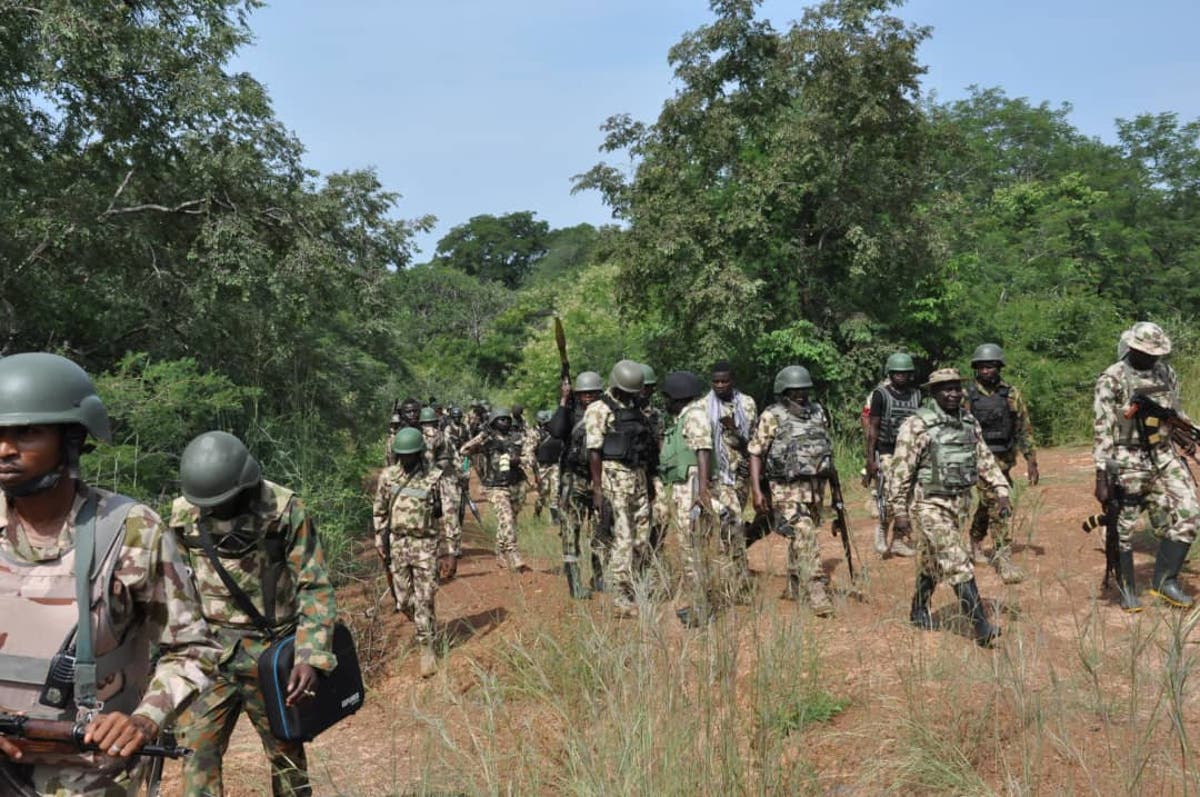
Troops Apprehend 16 Suspects, Recover Arms in Nationwide Operations
ShareTroops of the Nigerian Army have apprehended a total of 16 suspects and recovered arms and other items in a...
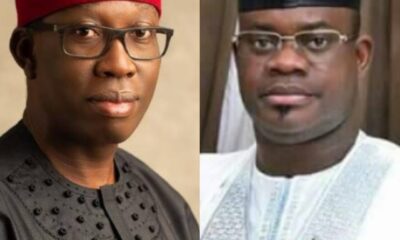

Corruption Probe: Nigerians Slam APC Over Clearance of Okowa, Bello
ShareBy Mike Odiakose, Abuja Following All Progressives Congress (APC) primaries for Senatorial aspirants in which former Delta state governor, Senator...
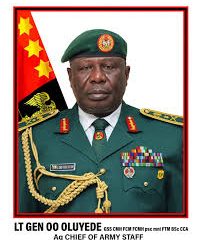

Responsible Journalism Necessary for National Security – CDS
ShareThe Chief of Defence Staff (CDS), Gen. Olufemi Oluyede says responsible journalism is necessary for national security. Oluyede said this...

OPEC Projects Slower Drop in Crude Consumption by Advanced Economies
ShareThe Organization of the Petroleum Exporting Countries (OPEC), has revised downward its 2026 global oil demand growth estimates, citing expected...
Egypt Signifies Investment Interest in Nigeria’s CNG Industry
ShareEgypt’s Natural Gas Vehicles Company (Cargas) has launched ambitious plans to explore expansion opportunities into the Nigerian market and participate...