
Health
Cardiologist Warns Against Stoppage of Hypertension Drugs Administration

A consultant cardiologist, Dr Olayinka Hassan, has warned hypertensive patients against stopping their medication to forestall dangerous health outcomes.
Hassan, who works at the General Hospital, Odan, Lagos Island, said this in an interview yesterday in Lagos.
He gave the warning in commemoration of the World Hypertension Day (WHD) commemorated annually on May 17.
The theme for WHD 2022 was: “Measure Your Blood Pressure Accurately, Control It, Live Longer.
”Hassan said abrupt stoppage of any medication used to treat high blood pressure could portend risk to the patient’s health.
“Hypertension is a chronic disease. It can be controlled with medication but it cannot be cured.
“Some people think hypertension is like malaria that goes once they take the drugs.
“The blood pressure can temporarily normalise but if you stop the drugs, after a while, it can come back and might result in heart attack, stroke or other life-threatening conditions.
“There’s what we call rebound hypertension, which is usually higher than what it was before,” he said.
According to him, patients should continue with treatment and lifestyle modifications as advised by their physician and attend regular medical follow up.
The cardiologist advised against using herbal medicine in combination with high blood pressure drugs.
He added that efficacy of herbal medicine for hypertension treatment had not been extensively studied and could expose the patient to other health risks.
Hassan advised on regular blood pressure check, weight loss, consumption of healthy diet, reduction in salt intake and avoiding alcohol to reduce risks associated with hypertension. (NAN)

From Mike Tayese, Yenagoa
The 8th edition of Prof. Seiyefa Brisibe Outreach has celebrated the 2025 World Human Rights Day with the inmates of the Medium Security Custodian Correctional Center Okaka in Yenagoa, the Bayelsa state capital as a way of showing care to them.
For the past seven years, the Outreach has been taken to different Bayelsa towns and villages delivering free medical care to the people of those communities and their surrounding areas.
The medical outreach was carried out by Family Care Hospital in collaboration with Prof. Seiyefa Outreach which is a Non-Governmental Organization of Prof. Seiyefa Brisibe in partnership with NigerianBar Association Yenagoa branch and International Federation of Women Lawyers (FIDA) to delivered medical outreach to the inmates to mark the occasion of World Human Rights Day 2025
Speaking with journalists during the event, Dr.
Woyengidoubara Terah Angaye a Medical Doctor and one of those that carried out the medical outreach at the Nigerian Correctional Center Okaka said, they were in the Correctional Center to give medical treatment to inmates as a way of given back to the society.According to him, they decided to take this edition to the Correctional Center in Okaka to mark the Human Rights Day 2025. “Prof. Seiyefa has actually touched a lot of lives because when we go out on these Outreaches, people get treated, consumables are given to the facilities, medicine given to the clinic, eye tests are done among others”.
On this particular occasion, we even went with an X-ray machine, those that were suspected of pulmonary TB were diagnosed on the spot and x-ray was carried out on their chest, other screening investigations were done as well, including retroviral and malaria and other screening were done.
“It was a very wide reach, a lot of people were touched and a lot of cases were treated. There were about 16 medical cases that were presented to the medical team and we were able to take care of all of them.
“Referrals were made for those that require referral and like every other one, at the end of the outreach all the medicines and other consumables that were carried by the team were donated to the Correctional Center to their clinic for further use.
“A total of 200 inmates were attended to by the team and spoke with the nurse in charge that there would be follow-up on some of the cases and for those who have positive results from their TB we have a follow-up for those persons.
“The inmates who were the primary beneficiaries of this outreach were very happy, it’s been a while according to some of them who spoke with us to have such care from outside and that it’s an opportunity to be treated by full medical team, doctors, nurses, medical laboratory scientist were all there to give them an adequate care and they were really happy to have that attention from private individuals and the Nigerian Bar Association coming together to deliver this.
“A lot of them were really thankful to the organizer of the medical outreach and I must say that it was a fulfilling day for most of them”, he said.
Also speaking, the chairman of Bayelsa state Nigerian Bar Association (NBA) Mr. Clement Bibisa Kekemeke Esq said they were in the Correctional Center in commemoration of World Human Rights Day 2025, saying it is in partnership with NBA Yenagoa branch, family care hospital and FIDA. “We have come to Sensitise inmates here in this correctional center that being an inmate here is not the end of the World, that it doesn’t mean that they will be subjected to indignity.
They have their fundamental rights as other people can. Today is special because we are doing what we have not been doing regularly. The partnership is important because the mental health, physical health of all the inmates is also important. Family Care is the major sponsor of the event”.
On her part, the chairperson of FIDA bayelsa state branch Dr. Boma Miebai Esq, said they in the Correctional Center to sensitise them on their rights as members of humanity and that their rights are still preserved under the law and their rights should be protected under the law. We are here to spotlight their rights within the facility and to throw light around issues of access to social justice.
Speaking during the event, ASC 1 David Odoki, the Welfare Officer in charge of the Medium Custodian Correctional Center Okaka Yenagoa Bayelsa state said, he feels very happy because the items they have brought will help to alleviate the plights of the inmates. “The food items they brought will be shared with them. For the medical aspect of it, sometimes we do have so many that are sick here and the facilities we have cannot at the same time take care of everyone, but this medical outreach has added value to our facilities”.
By David Torough, Abuja
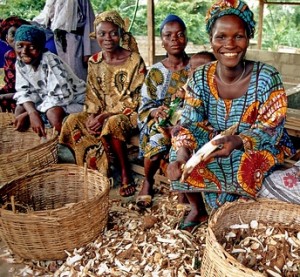
As Nigeria marks Universal Health Coverage (UHC) Day 2025, new findings suggest that adolescent girls and young women continue to face serious barriers in accessing basic health services, despite years of policy commitments aimed at expanding coverage.
The assessment, released by the Gem Hub Initiative, points to rising out-of-pocket costs, weak primary healthcare capacity and limited youth-focused services as key obstacles preventing young people—particularly females—from obtaining timely and confidential care.
Nigeria has pledged to achieve universal health coverage, ensuring that all citizens can access essential services without financial hardship.
However, the report says progress remains uneven, with adolescents among the least served groups within the health system.According to Gem Hub, many young women are unable to afford services such as testing and treatment for sexually transmitted infections, especially those not enrolled in health insurance schemes. The financial burden often leads to delays or avoidance of care altogether, increasing health risks.
The findings are based on a rapid assessment of youth-friendly health services and a perception survey conducted in Rivers State, which the organisation said reflects challenges seen in other parts of the country. The review found that several primary health facilities lacked key sexual and reproductive health commodities, including emergency contraception, while shortages of trained staff and inconsistent application of youth-friendly service guidelines were also reported.
Infrastructure challenges were another recurring concern. Poor road networks, seasonal flooding, irregular clinic hours and unreliable electricity were cited as factors limiting physical access to care, particularly in rural and hard-to-reach communities. The report also notes low levels of community and parental engagement, which can discourage adolescents—many of whom depend on family members for health decisions—from seeking services.
A frontline health worker interviewed during the assessment said many young women were reluctant to return to facilities where they felt judged or lacked privacy. “When adolescents feel exposed or uncomfortable, they simply stop coming,” the provider said.
Universal Health Coverage Day is observed globally to highlight the importance of affordable and accessible healthcare. This year’s theme focuses on the burden of health costs, a challenge that remains acute in Nigeria, where out-of-pocket spending continues to account for a large share of healthcare financing.
Gem Hub Initiative says its findings underline the gap between national health policies and the lived experiences of young people, particularly girls and young women, whose health needs are often overlooked within the broader system.
The organisation works with adolescents and young adults across Nigeria on health, education and empowerment programmes, with a focus on generating evidence to inform public debate and policy.
The World Bank Group, global partners and countries on Saturday announced continued progress toward the goal of delivering affordable and quality health services to 1.5 billion people by 2030.
A statement by the World Bank Online Media Briefing Centre said 15 countries introduced National Health Compacts, outlining practical five-year reforms aimed to expand primary healthcare, improve affordability and support job-rich economic growth.
The statement said that since the goal was set in April 2024, the Bank and partners had supported countries to provide quality and affordable care to 375 million people.
It said work was underway with roughly 45 countries to scale proven primary care approaches that strengthen health outcomes while generating employment across health workforces, local supply chains and supporting industries.
“This progress comes as governments confront aging populations, rising chronic disease, and financial pressures.”
The statement said the 2025 Global Monitoring Report released at the Tokyo Universal Health Coverage (UHC) High-Level Forum showed that 4.6 billion people globally still lacked access to essential health services.
It said the report also revealed that 2.1 billion people faced financial hardship due to health expenses.
“These challenges underscored the need for long-term, coordinated reforms that help countries build more resilient and equitable health systems.”
World Bank Group President, Ajay Banga, is quoted in the statement as saying, “strong primary healthcare systems are central to both health protection and economic growth.
“Strong primary health systems do more than safeguard health, they support jobs and economic opportunity.
“Countries are stepping forward with clear priorities, and we are working alongside them to deliver practical solutions at scale.”
According to the statement, the 15 countries that introduced National Health Compacts at the forum in Tokyo are Bangladesh, Egypt, Ethiopia, Fiji, Indonesia, Mexico, Morocco, Nigeria, Philippines, Sierra Leone, Syria, Tajikistan, Uganda, Uzbekistan and Zambia.
The statement said the compacts, which were endorsed at the highest levels of government, outlined five-year, country-led reforms aimed at expanding the reach and quality of primary healthcare, improving financial protection and strengthening health workforces.
“They also align Health and Finance Ministries behind measurable targets, provide a roadmap for coordinated action and guide support from development partners across country-led priorities.”
It said key commitments by countries include mobilising new financing, growing and digitally enabling their health workforce, modernising health facilities, expanding insurance coverage, and digitising service delivery.
“For example, in terms of boosting regional manufacturing of health products and technologies, Nigeria will train 10,000 pharmaceutical and biotech professionals and establish Centres of Excellence.
“Nigeria will also provide tax incentives to expand local production of vaccines, medicines, diagnostic and health technologies, strengthen regulatory agencies through digital systems and global alignment.”
It said that to help countries advance their compacts and broader reforms, the World Bank Group, Gavi and the Global Fund announced aligned financing, including two billion dollars in co-financing with each institution.
The statement added that philanthropic partners working through the Global Financing Facility and the Health Systems Transformation and Resilience Fund aim to mobilise up to 410 million dollars for critical health areas.
It said Seed Global Health was working with compact countries to build capacity and provide support for assessment, planning and policy development, with a focus on advanced health workforce development.
The statement said Japan, the United Kingdom and other partners were also providing technical assistance.
“Japan, WHO and the World Bank jointly launched a Universal Health Coverage Knowledge Hub to support countries with practical evidence-based solutions and peer learning.”
It said the UHC High-Level Forum, co-hosted by the Japanese Government, the WHO, and the World Bank Group, brought together ministers of health and finance, business leaders, philanthropies, global health agencies and civil society.


Finding Joy in Old Age: The Renewed Hope Intervention
ShareBy Bridget Tikyaa Getting to the life journey of a senior citizen should ordinarily be a source of pride, a...


CBN Revokes Licenses of Aso Savings, Union Homes Savings, Loans
ShareBy Tony Obiechina, Abuja The Central Bank of Nigeria (CBN) has revoked the operational licences of Aso Savings and Loans...

Dangote Petitions ICPC, Accuses NMDPRA Boss of Corruption, Abuses
ShareBy David Torough, Abuja President of the Dangote Group, Alhaji Aliko Dangote, has petitioned the Independent Corrupt Practices and Other Related Offences Commission...

NDIC Liquidates Aso Savings, Union Homes, Pays N2m Deposits
ShareBy Tony Obiechina, Abuja The Nigerian Deposit Insurance Corporation (NDIC) exercised its appointment as the liquidator of Aso Savings and...


Reps Launch Nationwide Probe into Drug Abuse, Trafficking Crisis
ShareBy Ubong Ukpong, Abuja The House of Representatives has commenced a nationwide investigation into Nigeria’s worsening drug abuse and trafficking...

Clement Koko Assumes Office as CIPPON President
ShareBy David Torough, Abuja Clement Koko has been inaugurated as the President and Chairman-in-Council of the Chartered Institute of Professional...

Thousands of Drivers Wrongly Fined for Speeding Since 2021
ShareThousands of drivers could have speeding fines cancelled after a fault saw some cameras falsely triggered on English A roads...


UK Unemployment Rate Rises to 5.1 Per cent
ShareThe UK unemployment rate in the three months to October has increased to 5.1%, according to official figures. That marked...


French Court Sentences Ex-DR Congo Rebel, Politician to 30 Years in Jail
ShareA French court has sentenced a former rebel leader and politician from the Democratic Republic of Congo to 30 years...


EEDC Explains Recent Decline in Power Supply across South-East
ShareThe Enugu Electricity Distribution Company (EEDC) has attributed the recent decline in power supply across the South-East to low electricity...