
BUSINESS
CBN Scraps Cash Deposit Limits, Raises Weekly Withdrawal

By Tony Obiechina, Abuja
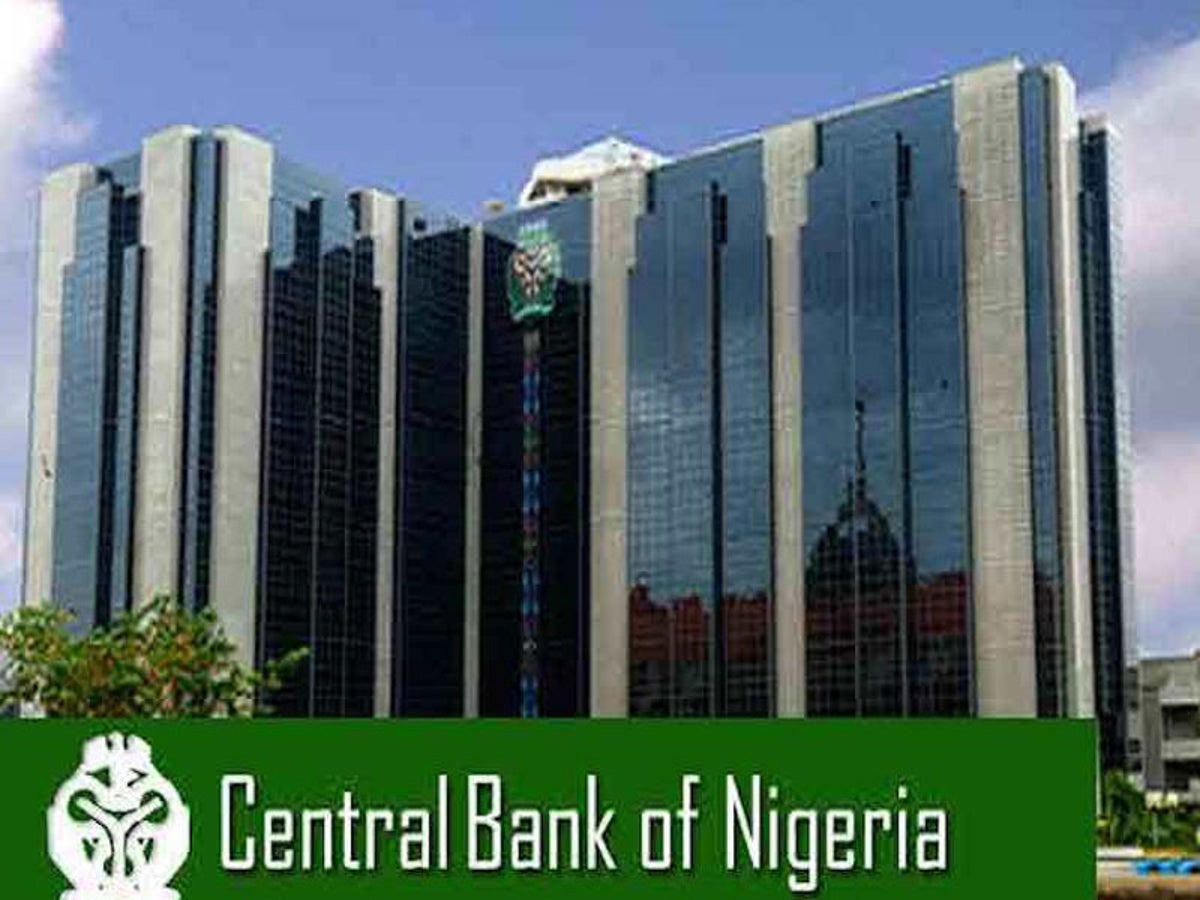
The Central Bank of Nigeria (CBN) yesterday removed all limits on cash deposits and raised the weekly cash withdrawal limit across all channels to N500,000, up from N100,000.
The development was contained in a circular issued by the CBN to all banks, entitled: “Revised Cash-Related Policies,” signed by Dr.
Rita Sike, Director, Financial Policy & Regulation Department.According to the CBN, “the revisions form part of ongoing efforts to moderate the rising cost of cash management, address security concerns, and curb money laundering risks associated with the country’s heavy reliance on cash.
“The apex bank noted that the cash-related policies previously issued in response to evolving circumstances were aimed at reducing cash usage and promoting the adoption of electronic payment channels.
“However, with time, the need to streamline and update these provisions to reflect present-day realities became necessary.
“Effective January 1, 2026, the circular announced several key changes. The cumulative deposit limit has been removed, and the fee previously charged on excess deposits will no longer apply.
“The CBN also stated that the cumulative weekly withdrawal limit across all channels has been reviewed to N500,000 for individuals and N5 million for corporates.
“Withdrawals above these thresholds will attract excess withdrawal charges as specified in the circular.
CBN orders banks to reimburse APP fraud victims within 48 hours
“In addition, the special monthly authorisation that allowed individuals to withdraw N5 million and corporates N10 million once a month has been abolished.
“For Automated Teller Machines (ATMs), daily withdrawal remains capped at N100,000 per customer, with a maximum of N500,000 weekly, which forms part of the overall weekly withdrawal limit applicable to all channels, including point-of-sale (POS) transactions.
“The circular further disclosed that excess withdrawals above the stipulated limits will attract charges of 3 percent for individuals and 5 percent for corporate customers, shared in the ratio of 40 percent to the CBN and 60 percent to the operating bank or financial institution.
“Banks have also been directed to load all currency denominations in ATMs, while the existing limit on over-the-counter encashment of third-party cheques remains pegged at N100,000.
“Such withdrawals will also be counted as part of the cumulative weekly limit.
“Additionally, banks are required to render monthly returns to the relevant supervisory departments, including the Banking Supervision Department, Other Financial Institutions Supervision Department, and the Payments System Supervision Department.
“The CBN clarified that revenue-generating accounts of federal, state, and local governments, as well as the accounts of microfinance banks and primary mortgage banks held with commercial and non-interest banks, are exempted from the new withdrawal and excess-fee rules.
“However, the long-standing exemption previously enjoyed by embassies, diplomatic missions, and aid-donor agencies has been removed.”

TotalEnergies EP Nigeria Limited has commenced drilling of the Akpo Far East B exploration well, days after its Country Chair and Managing Director, Matthieu Bouyer, announced at the 2026 Nigerian Association of Petroleum Explorationists (NAPE) annual conference and exhibition that the company was launching a new deep offshore drilling campaign in Nigeria.
The well, being drilled with the Noble BlackRhino rig, is the first deep offshore exploration well to be drilled in Nigeria in 10 years.
It is expected to be followed by exploration and appraisal wells at Egina South and on the PPL 2000 and PPL 2001 licences.Speaking during an executive panel at the 44th NAPE Annual International Conference and Exhibition in Lagos, Bouyer said the drilling campaign was evidence of improving investor confidence in Nigeria’s energy sector.
The conference, held from 8 to 12 November, focused on unlocking reserves growth through exploration, local capabilities and adaptive technology.“The attractiveness of Nigeria has returned in our portfolio,” Matthieu Bouyer told the conference.
He said Nigeria’s challenge was not the availability of resources and called for faster conversion of discovered resources into projects and production.
“We need to think fast,” he said, calling for supply-chain constraints and other barriers to investment decisions to be addressed more quickly.
The Akpo Far East B well forms part of a broader exploration programme that will extend to Egina South and PPL 2000 and PPL 2001. TotalEnergies and its partner, SAPETRO, signed a Production Sharing Contract for the two licences in September 2025 after they were awarded through Nigeria’s 2024 Exploration Round. TotalEnergies holds an 80% operating interest, while SAPETRO holds 20%.
TotalEnergies emerged as the successful bidder for PPL 2000 and PPL 2001 in December 2024. The company’s planned drilling on the acreage, less than two years after the award, highlights the pace at which it is progressing the new exploration opportunity.
At the NAPE session, Bouyer said improved transparency in Nigeria’s licensing process had enabled TotalEnergies to secure new acreage through a competitive bid round for the first time in more than a decade.
He also pointed to recent Federal Government reforms, including Executive Orders designed to improve the competitiveness of deepwater and non-associated gas projects, as factors supporting renewed investment.
“The Executive Orders are working,” he said, citing recent investment decisions on the Ima and Ubeta gas developments as evidence of progress.
Commenting on the drilling programme, Mr Bouyer said the Akpo Far East B well and the planned activity at Egina South and PPL 2000 and PPL 2001 demonstrated TotalEnergies’ confidence in Nigeria’s resource potential.
“This momentum goes hand in hand with the efforts of the Nigerian authorities to strengthen transparency and attract investment into the country,” he said.
He acknowledged the teams responsible for the fast-track mobilisation of the Noble BlackRhino and thanked the company’s partners, NNPC Limited, Meren, CNOOC International and SAPETRO, for their support.
The NAPE executive session also featured Aliko Dangote, President and Chief Executive of Dangote Group, and Austin Avuru, NAPE Fellow and Co-founder of Seplat Energy, among others. Discussions centred on the reforms, fiscal stability and government-industry collaboration required to accelerate investment and increase Nigeria’s oil and gas production.

Sunbeth Treenuts and Sesame Limited, a subsidiary of Sunbeth Agro HoldCo, announces the completion of its acquisition of UAC of Nigeria Plc’s 73.29% shareholding in Livestock Feeds Plc, following approval from Nigeria’s Securities and Exchange Commission.
The completion establishes Sunbeth as the majority shareholder of Livestock Feeds Plc and marks the beginning of a new phase focused on preserving the company’s heritage, strengthening its operations and supporting its long-term growth.
Sunbeth’s immediate priority is to support business continuity, working closely with the Board, management and employees to strengthen operations and maintain dependable service to customers and partners.
Commenting on the completion, Peeyush Karnani, Chief Strategy Officer of Sunbeth Agro HoldCo, said:
“Livestock Feeds is an established business with a proud heritage, trusted brands and longstanding relationships across Nigeria’s livestock industry. We recognise the responsibility that comes with becoming its majority shareholder.
“Our approach is to build on these foundations. Our immediate focus is continuity, operational stability and supporting the people and partnerships behind the business. We intend to combine Sunbeth’s strength in sourcing soya and other key feed ingredients with Livestock Feeds’ manufacturing expertise and established distribution network to improve supply reliability, strengthen competitiveness and create sustainable value for all shareholders.
“This acquisition also provides an important foundation for Sunbeth’s long-term strategy to build an integrated protein business spanning animal nutrition, poultry and cattle production, and meat processing. We will pursue this strategy through disciplined, phased investment, with a clear focus on strengthening Livestock Feeds and supporting the growth of Nigeria’s livestock industry.”
Sunbeth has also announced the appointment of five new directors to the Board of Livestock Feeds Plc, effective 17 November 2026.
The newly appointed directors are Mr Sam Okuwlehi, Mr Seyi Ebenezer, Professor Franklin Nnaemeka Ngwu, PhD, Mrs Mary Mulili, and Mr Farrukh Siddiqui. They will join three existing directors who will continue to serve on the Board: Mr Joseph I.D. Dada, Mr Adegboyega Adedeji, and Mr Abayomi Adeyemi.
Employees remain central to the company’s future. Sunbeth intends to work collaboratively with the Livestock Feeds team, drawing on its experience and knowledge as the business enters its next phase.
For customers, distributors and suppliers, the priority is to sustain trusted relationships, maintain product quality and strengthen supply reliability. Future improvements will be introduced through a structured and carefully managed process.
As majority shareholder, Sunbeth is committed to supporting sound governance, operational resilience and disciplined investment to build lasting value for Livestock Feeds Plc and all its shareholders.
Agriculture
Livestock Ministry Defends Abuja Headquarters Acquisition, Insists Due Process Was Followed
By Raphael Atuu, Abuja
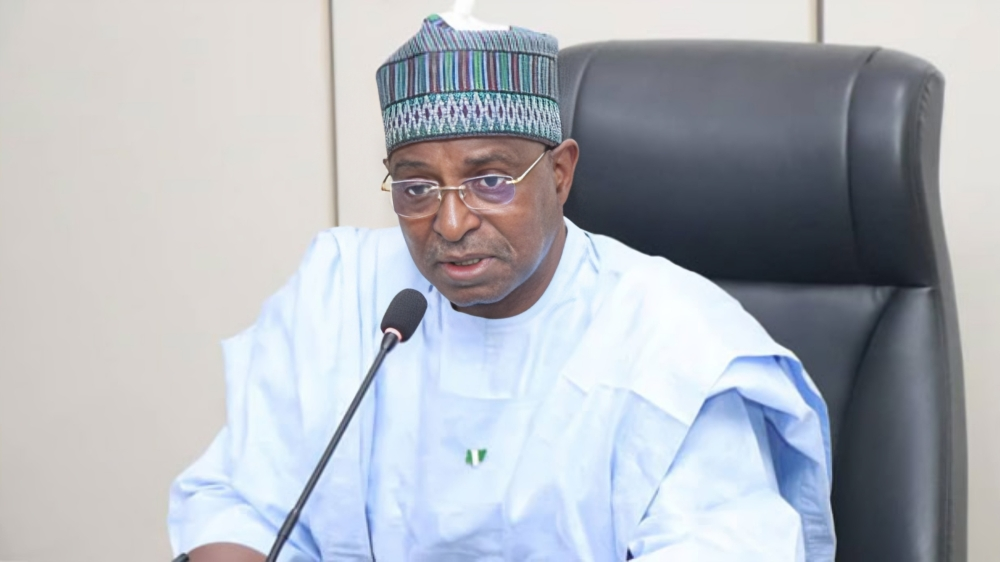
The Federal Ministry of Livestock Development has defended the acquisition of its headquarters building located along Aminu Kano Crescent, Wuse II, Abuja, insisting that the transaction followed established government approval and procurement procedures.
The Ministry described recent media publications questioning the acquisition as misleading and a misrepresentation of the facts, stressing that all necessary government authorisations were obtained before the transaction was concluded.
In a press statement issued by its head Press and Public Relations Unit,Henrietta Okokon, the Ministry maintained that suggestions that the acquisition was carried out without the required government approval were factually incorrect.
According to the Ministry, the transaction was conducted in line with the prescribed administrative and procurement framework, with the requisite approvals secured from the appropriate government authorities.
The Ministry also clarified the status of the estate firm involved in the transaction, Osas & Oseji Estate Surveyors & Valuers, stating that the company is duly registered and remains active, as confirmed by records of the Corporate Affairs Commission (CAC).
It further stated that the Honourable Minister of Livestock Development, Idi Mukhtar Maiha, and the Permanent Secretary, Dr. Chinyere Ijeoma Akujobi, ensured that the entire process complied with established government procedures and administrative requirements.
The Ministry explained that the acquisition was necessitated by the urgent need for suitable office accommodation following the establishment of the Federal Ministry of Livestock Development.
It noted that providing an appropriate operational environment was essential to enabling the Ministry to effectively discharge its statutory responsibilities and coordinate its activities.
The establishment of the Ministry is part of the Federal Government’s efforts to reposition the livestock sector, address longstanding challenges affecting livestock production and improve its contribution to national economic development.
With its mandate covering livestock development, the Ministry is expected to play significant roles in promoting investment, improving productivity, creating employment opportunities and strengthening the country’s livestock value chain.
It stressed that adequate office accommodation was therefore necessary to support its administrative operations and the effective implementation of its programmes.
Reaffirming its commitment to transparency and accountability, the Ministry stated that it remains guided by the principles of due process, prudent management of public resources and institutional responsibility.
It added that all relevant documents and records relating to the acquisition are available to duly authorised government oversight and audit institutions for verification.
The Ministry maintained that it would continue to uphold transparency in its activities and ensure that public resources are managed in accordance with established government regulations.



Customs Moves to Upgrade B’ODOGWU, Targets Cargo Clearance
ShareBy Tambaya Julius, Abuja The Nigeria Customs Service (NCS) has concluded a three-day review of its B’Odogwu Unified Customs Management...

NAPE 2026: TotalEnergies Spuds Nigeria’s First Deep Offshore Exploration Well in Decade
ShareTotalEnergies EP Nigeria Limited has commenced drilling of the Akpo Far East B exploration well, days after its Country Chair...
Dance as Politics: Dancing to 2027
ShareBy Reuben Abati When a proper audit of the current electoral process is conducted, it would be interesting to evaluate...


Oborevwori Woos CAN Support, Promises Land for Prayer Retreat Centre
ShareFrom Francis Sadhere, Delta Delta State Governor, Rt. Hon. Sheriff Oborevwori, has pledged his administration’s support for the proposed Christian...


Wike Promotes 4,220 FCT Teachers, 3,494 Other Civil Servants
ShareBy Laide Akinboade, Abuja The Federal Capital Territory (FCT) Minister, Nyesom Wike, on Tuesday approved the promotion of 4,220 Teachers...

Flag-Off Of Tinubu/Alia 2027 Campaign Benue State
ShareBenue State is Ready for a New Chapter of Renewed Hope, Consolidated Progress And Greater Development! The Tinubu/Alia Campaign Council...


AfDB Approves $102m Facility to Finance SMEs in Nigeria
ShareThe African Development Bank (AfDB) has approved a 102 million dollar financing package for Sterling Bank Nigeria Ltd. to expand...


2027: Jonathan, Sambo Warn Against Looming Post-Election Crisis
ShareBy David Torough, Abuja Former President Goodluck Jonathan and former Vice-President Namadi Sambo have raised the alarm over growing political...


Tinubu Unveils N100m Mortgage Scheme at 9.75 Per Cent Interest
ShareBy David Torough, Abuja President Bola Tinubu has unveiled a Federal Government-backed housing finance initiative offering eligible Nigerians mortgages of...
Afe Babalola Send Education Reform Proposals to Tinubu
ShareThe Founder and Chancellor of the Afe Babalola University Ado-Ekiti (ABUAD), Aare Afe Babalola has announced plans to forward proposals...