
Economy
Corruption Derailed CBN Gov, Emefiele – Sen Girei


Senator Abubakar Girei, a stalwart of the ruling All Progressives Congress (APC) in Nigeria, has alleged that former Governor of the Central Bank of Nigeria (CBN), Dr. Godwin Emefiele allowed himself to be derailed from the core values of his office when he decided to engage in corrupt practices.
He also expressed optimism that with the way President Bola Tinubu started his government with the bold, courageous and decisive steps, Nigeria is on the path to economic and social recovery.
Girei who spoke with Correspondent Yagana Ali in Yola also called on the Tinubu led government to put strong palliatives in place to cushion the negative effects of the subsidy removal on the toiling Nigerian masses.
Excerpts:
As a son of Adamawa State how did you receive the appointment of one of the sons of the soil, Malam Nuhu Ribadu as the National Security Adviser (NSA) to President Bola Ahmed Tinubu?
I felt elated, animated and energized when the announcement was made because I know that behind that singular decision, lies a strong resolve and political will of ending the scourge of social and other forms of insecurity in the land. In Nigeria, no one needs to be told the antecedents of Malam Nuhu Ribadu as far as work ethics, discipline moral standing and courage are concerned. If there is anyone in Nigeria that has the courage and will to address the security imbroglio facing the country, that man is Nuhu Ribadu.
Such act of appointing the right people into the right positions gives us the hope that unlike in the past, Tinubu came with the clear intension of resolving our numerous socio-economic challenges. With such mindset, it is my humble belief that Tinubu is the messiah Nigeria is earnestly waiting for at this critical point in our nation’s history.
I will say with all sense of modesty that Ribadu will not disappoint Tinubu and Nigeria. And I assure the president, the people of Adamawa State, in fact I dare say Nigerians, will give Ribadu 100% support to succeed in this important national assignment.
In the same vein, I must also give the president a big kudos for selecting his new Service Chiefs and other appointments he made so far. I personally know some of them and I can assure you they are men of valour, timber and caliber who will do this nation proud, I have the instincts that the menace of social insecurity will soon be over in the country.
Nigeria’s economy is currently in a comatose state with high inflation, crippling interest rates, high unemployment and huge debt portfolio amongst many other challenges. A number of analysts have posited that the country is at a tipping point economically. Do you think Tinubu has the capacity to rejuvenate the ailing economy?
Tinubu is a man who came to the job well prepared. The president is a man who will never hide under excuses to evade discharging his responsibility. In fact, as a world class financial expert, Tinubu knows the economic challenges bedeviling Nigeria very well. He has already started attacking some of the challenges behind our economic dislocation and very soon Nigeria’s economic landscape will change for the better.
It is my hope that the president will assemble a team of experts and people with unquestionable character, integrity and reputation in his subsequent appointments. These experts should invest adequate time to intensively understudy the challenges facing Nigeria and give them serious thoughts and come up with far reaching solutions for the benefit of the country.
We can’t afford to fiddle at this very crucial time because Nigeria is on the verge of the precipice and the slightest error of judgement may become the lethal dose that will set us tipping. We must therefore, rally behind the president in his resolve to proffer lasting solutions to our security, economic and other challenges.
The major challenges stunting our development as a nation are corruption and lack of political will to enforce rule of law. I urge the president to accord seriousness in monitoring and evaluating his appointees. Goals should be set alongside timelines, anyone who fails to measure up should be shown the way out. The president should also ensure that measures are put in place to stamp out corruption or to at least lessen it because no serious achievement could be made if political appointees are not held accountable.
The subsidy quagmire was as old as Nigeria itself as various administrations alluded to their failures to deliver to the subsidy conundrum. Do you think with the subsidy removal Nigeria will get it right this time around?
This is what I referred to as the boldness of President Bola Ahmed Tinubu. Since he came, unlike any other administration he has removed the petrol subsidy which has lingered for time immemorial, suspended CBN governor, Emefiele, suspended EFCC Chairman, Bawa and harmonized the exchange rate as well as other very significant actions he took in a very short space of time.
With this kind of courage, I believe the president will make a lot of inroads in a short time. But I will not fail to say that some of these courageous policies also have their flipsides especially on the lives and livelihood of Nigeria’s toiling masses. Even before the introduction of these policies, life for an ordinary Nigerian is a mishmash of agonies and pains. Already, there is crippling inflation, high unemployment rate, massive insecurity, and dearth of infrastructure which is responsible for the staggering poverty levels we had as over 133 million out of the 200 million Nigerians according to studies, are currently subjected to multidimensional poverty.
What is your take on the arrest of the suspended CBN Governor, Emefiele?
The suspended CBN governor has long outlived his usefulness. Emifiele has only succeeded in bastardizing the economy as President Bola Ahmed Tinubu rightly said during his visit to France recently. The inglorious reign of Emefiele has nearly brought Nigeria to its knees because of a regime of unprecedented mismanagement, abuse of office, looting of our treasuries and high-handedness that took place.
He almost ruined our naira through massive printing of our currency, introduction of a regime of multifaceted exchange rates and at a point even contested for the presidency and lately came up with the naira swap policy which caused massive havoc to Nigerians.
The suspended CBN governor has also bastardized the agricultural sector and completely abandoned his role as the CBN governor and turned himself to a farm manager. Because of that, the real agricultural practice was relegated to the background. He corruptly introduced all sorts of contraptions through which massive larceny took place.
We have federal ministry of agriculture, states ministries of agriculture, we also have agricultural development authorities, we have river basin development authorities and we have bank of agriculture. But in his desire to fritter away tax payers money, Emefiele abandoned all the existing institutions meant to administer the agricultural sector and introduced those contraptions I mentioned earlier in his desire to shortchange Nigerians.
If the CBN governor has involved the bank of agriculture in channeling the massive resources he spent in funding his pet contraptions to the peasant farmers as is being done, Nigeria would have become a hub of food exportation to other countries. The suspension and arrest of Emefiele is a right step in the right direction. The government should go further to dissolve the new outfits Emefiele created and merge them with long standing institutions.
What is your take on the election of the new leadership of National Assembly?
As we all know, the national assembly is the bastion of democracy. Our democracy is completely hinged on the legislative arm of government. It is the only institution that guarantees the sustainability of democracy. Judiciary and executive arms are very important too, but the most important arm is the legislative arm.
The NASS has elected its leaders in a free and fair atmosphere even though with some guidance as dictated by the circumstances we find ourselves. My call is for the winners of the election to be magnanimous in victory and to carry his fellow contestant as equal partners in the progress of that important arm of government. I will also call on those who lost the election to accept the outcome in good faith. My call on the leadership to be magnanimous in victory is based on the ugly experience of 1999 of which I was an actor. Because of the failure of the then Senate President Evans Enwerem to carry Sen. Chuba Okadigbo along, the senate from the beginning to its end was embroiled in crisis which snowballed into the disgraceful fall of Enwerem.
I’m optimistic the new leadership of the senate, will be able to provide the leadership needed to ensure peace and stability of the 10th National Assembly and to also carry out its oversight functions effectively.
How confident are you in the abilities of Tinubu to deliver the goods?
I have absolute confidence that Tinubu will deliver on his mandate because the President has demonstrated that many years ago even before he became the Governor of Lagos State. Tinubu was among the close allies of Abiola who supported him to win the annulled June 12 election of 1993. We all know what he did when he became the Governor of Lagos State. In 1999 everybody was afraid to go to Lagos State because of the activities of the ‘Area Boys’ and other security concerns.
In his first term, he completely rid Lagos of the activities of the Area Boys and all other security concerns hence turning Lagos to a model city. In his second coming, he turned around the economic fortunes of the state despite the unnecessary altercation with President Olusegun Obasanjo that led to the withdrawal of the allocation of the state for several months. Today Lagos is more economically viable than many countries and that clearly shows that Tinubu has the antecedents to succeed even at a higher level because Lagos state is a real example of the complexity and heterogeneity of the Nigerian State.







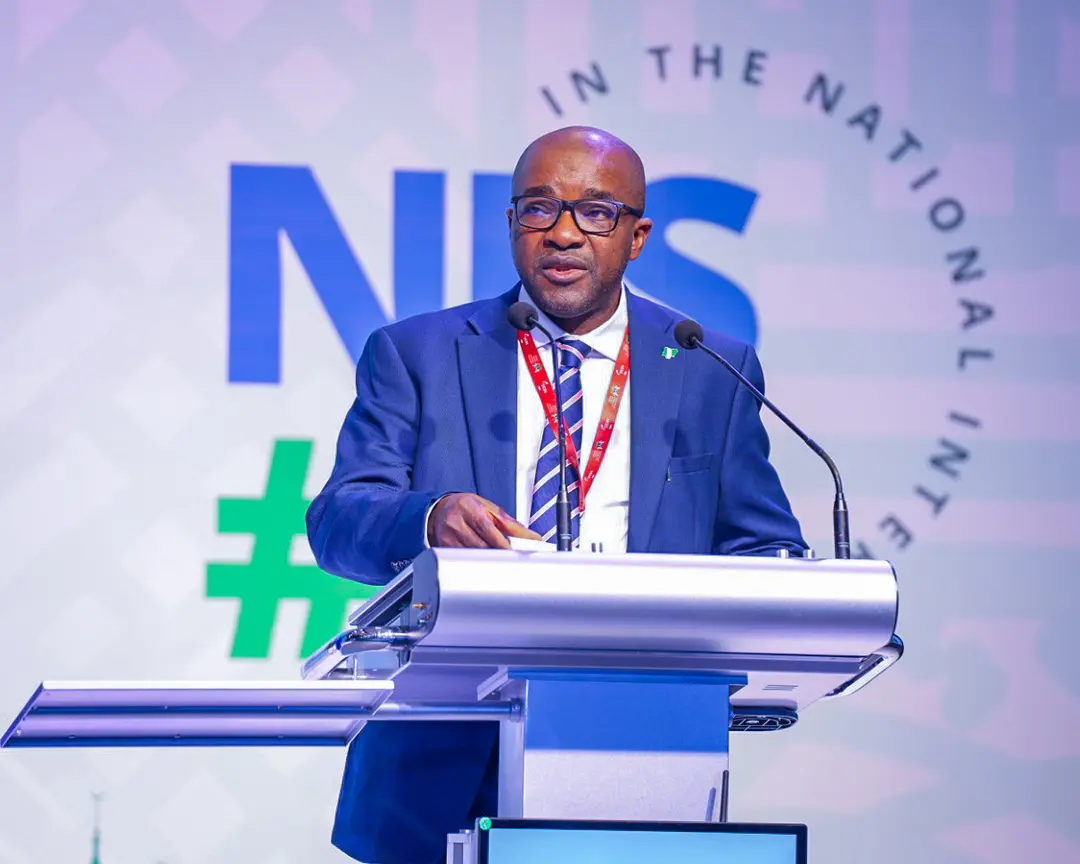
Chairman, Nigerian Economic Summit Group (NESG), Olaniyi Yusuf has urged the Federal Government to translate economic reforms into tangible results, including job creation, increased productivity and improved living standards.
Yusuf made the call on Monday in Abuja at the 32nd Nigerian Economic Summit (NES32), themed “Growth That Works: Delivering Jobs, Productivity and Shared Prosperity”.
He said Nigeria’s economic reforms had created an opportunity to strengthen the foundations for socio-economic development, in spite of the pressures on households and businesses.
“Our responsibility now is to ensure that reforms translate into stronger enterprises, better jobs, more productive workers, rising incomes, improved living standards and shared prosperity,” Yusuf said.
He said recent measures, including petroleum subsidy removal, foreign exchange reforms, fiscal restructuring and banking sector reforms, were necessary to address economic distortions.
However, he said macroeconomic stabilisation alone would not automatically translate into broad-based economic growth or improved citizens’ welfare.
Yusuf said households needed decent jobs, stronger purchasing power, and improved security and reduced poverty, while businesses required lower production costs, reliable electricity and affordable financing.
According to him, Nigeria must sustain economic stabilisation while prioritising practical measures to improve productivity and expand economic opportunities.
He said the summit’s theme reflected the need to measure economic success by the quality of jobs created, business competitiveness and the extent to which prosperity reached Nigerians.
Yusuf identified productivity, human capital development and resilience as key priorities for achieving sustainable and inclusive economic growth.
He said investments in education, healthcare, nutrition and relevant skills would improve workers’ productivity and prepare young Nigerians for employment.
The NESG chairman also called for improved infrastructure, predictable regulations, fair competition and an efficient legal system to encourage private investment and business expansion.
Yusuf said Nigeria’s economic performance presented a mixed picture, with improvements in some macroeconomic indicators alongside persistent challenges affecting businesses and households.
He noted that real Gross Domestic Product (GDP) grew by 4.43 per cent year-on-year in the second quarter of 2026, compared with 3.89 per cent in the first quarter.
Yusuf, however, expressed concern over persistent food inflation, high production costs, unreliable electricity, expensive financing and inadequate infrastructure.
According to him, a slowdown in inflation does not necessarily mean that goods have become affordable, as households continue to grapple with elevated prices.
Yusuf urged policymakers to prioritise productive investments, effective public expenditure and measures to address poverty, food insecurity and gaps in access to essential services.
He also called for stronger links between education and employment through technical and vocational training, digital skills and industry relevant learning.
The NESG chairman identified agriculture, agro-processing, manufacturing, construction, tourism and digital services as sectors with opportunities to expand productive employment.
He said the private sector remained central to Nigeria’s economic transformation but required an enabling environment to invest, produce and create jobs.
Yusuf urged businesses to invest in technology, workforce skills, local supply chains and export competitiveness, while calling on the government to improve infrastructure and ensure regulatory predictability.
He emphasised the need to assess the actual impact of reforms rather than merely documenting policies introduced or activities undertaken.
Yusuf said commitments arising from the summit should include clear institutional responsibilities, realistic timelines, measurable indicators and periodic reviews to ensure accountability.
He called on the government, businesses, development partners and other stakeholders to work together to translate economic stability into investment, productivity, employment and shared prosperity.
Yusuf said the ultimate test of the summit would be whether its deliberations produced tangible improvements in the lives of farmers, manufacturers, entrepreneurs and young people seeking decent jobs.
He urged participants to develop practical solutions and measurable commitments that would continue to deliver results beyond the summit.
By Tony Obiechina, Abuja
The Development Bank of Nigeria Plc (DBN) has launched DAWN: DBN Action for Women in Nigeria, unveiled its Impact Report and presented MSME Data Assets at the seventh edition of Annual Lecture held in Abuja.
DBN, in a statement on Thursday, said while delivering a welcome address, its Managing Director and Chief Executive Officer, Dr Tony Okpanachi, said the central challenge was no longer reforms themselves but ensuring benefits reach businesses at end of the chain.
He asked how to make sure benefits reach traders in Onitsha, fabricator in Aba, farmer in Kebbi and young founder in Yaba, noting that MSMEs accounted for about half of Nigeria’s GDP and more than eight in every ten jobs, adding that when reform works for MSMEs it works for most Nigerians.
He explained that reform becomes prosperity only when entrepreneurs can act on it whether through long tenor loans to buy equipment, banks willing to take risk or skills and records needed to grow.
He said working through Participating Financial Institutions DBN provides longer term funding, partial credit guarantees through subsidiary Impact Credit Guarantee Limited and capacity building including Entrepreneurship Training Programme.
He disclosed that as at December 2025 DBN had disbursed a cumulative N1.4 trillion to MSMEs through 84 Participating Financial Institutions creating about 1.6 million jobs nationwide.
Under the new five year strategy, the Bank aims to reach more than two million MSMEs with deliberate targets for women led businesses, youth led businesses and underserved states.
On DAWN, Okpanachi said finance alone had not enabled enough women-led businesses to scale.
He said initiative brings together financing, guarantees and credit support, technical assistance, outcome linked grants and market linkages delivered through banks, microfinance institutions, fintechs, aggregators, cooperatives and direct channels.
Its priority sectors are agriculture and exports, healthcare, arts and creatives, technology and green business.
He said DAWN is about moving gender focused lending beyond intention and turning access into opportunity.
On the sidelines of the lecture DBN and African Development Bank held a signing ceremony of AfDB DBN 61 million United States dollars Gender Line of Credit development that reinforces Bank commitment to women led enterprises.
Okpanachi urged Participating Financial Institutions to extend lending into sectors and states where access to finance has been limited, policymakers and regulators to measure reform by what changes for business at end of chain and MSMEs to formalise, keep good records and use support now available.
The Vice President as Special Guest of Honour was represented by Dr Fred Iklaga Senior Technical Adviser in the Office of Special Adviser to the President on Economy.
Keynote speakers were Chief Executive Officer of MTN Nigeria, Dr Karl Toriola, and Chairman of Nigeria Sovereign Investment Authority, Dr Segun Ogunsanya.
Fireside chat featured Chief Executive Officer of Sterling Bank Abubakar Suleiman, manufacturing and trade entrepreneur Mrs Omoyemi Chukwurah and by video Kola Masha of Babban Gona.
The Secretary to the Government of Federation, represented by Augusta Warren Bekaredebo, said 2026 tax reforms would bring relief to many small businesses expressing optimism that a lot of businesses will be smiling by next year because they will be exempted from tax.

By Ubong Ukpong, Abuja
The House of Representatives on Wednesday, summoned telecommunication operators in the country to appear before it over the present poor network services.
The Ad Hoc Committee investigating the persistent poor quality of telecommunication services in Nigeria gave the chief executive officers (CEOs) of major telecom operators seven days to appear before it and explain the deteriorating quality of network services across the country.
The committee issued the ultimatum at a public hearing in Abuja on Wednesday, directing the CEOs of MTN Nigeria, Airtel Nigeria, Globacom (Glo), Mafab Communications Ltd.
and other telecommunications service providers to appear before it on October 28, 2026.The resolution followed the adoption of two motions sponsored by Rep. Sunday Umeha and Rep Afam Ogene after the committee expressed displeasure over the failure of the invited telecom operators, including MTN and Mafab Communications, to honour previous invitations and appear before the lawmakers.
The committee directed the Nigerian Communications Commission (NCC) to ensure that all the affected operators comply with the invitation and appear before it at 2 p.m. on October 28 in Hearing Room 447 of the New Building of the National Assembly Complex, Abuja.
It also directed the operators to submit all relevant documents to the committee on or before the scheduled date and account for the persistent decline in service quality, which has continued to affect millions of subscribers and businesses across the country.
The lawmakers warned that any chief executive who failed to honour the invitation would face a possible summons for arrest to compel their appearance before the committee.
Speaking at the hearing, the committee’s Chairman, Rep. Olumide Osoba (APC-Ogun), said telecommunications services had become indispensable to Nigeria’s economy, extending beyond voice calls and internet access to critical commercial activities, including Point of Sale (POS) transactions.
Osoba noted that businesses, financial transactions and other essential services depended heavily on reliable telecommunications networks, making the persistent decline in service quality a matter of serious national concern.
He said the House constituted the ad hoc committee to investigate the recurring complaints by subscribers and determine the factors responsible for the poor quality of services provided by telecommunications operators.
The chairman, however, expressed concern that the invited chief executives had continued to evade direct engagement with the committee by offering various excuses or sending lower-ranking officials to represent them.
He said the practice undermined the purpose of the parliamentary investigation, stressing that the committee expected the chief executives, who were in a position to explain their companies’ operational challenges and commitments, to appear in person.
Also speaking, Rep. Ibe Osonwa expressed displeasure over what he described as the operators’ disregard for the House, despite the substantial revenue they generated from their operations in Nigeria.
Osonwa said it was unacceptable for companies benefiting from the Nigerian market to ignore invitations from the legislature, particularly when the purpose was to obtain explanations on issues directly affecting their customers and the wider economy.
He stressed that telecommunications operators had a responsibility to account for the quality of services delivered to Nigerians, adding that the House would not overlook any attempt to frustrate its investigation.
In his ruling, Osoba urged the NCC to ensure full compliance with the committee’s resolution, reiterating that the affected telecommunications operators must appear before the lawmakers on October 28 and provide the necessary explanations and documents.



Nigerian Military Rescues 47 Kidnap Victims, Arrests Suspects in Nationwide Operations
ShareBy David Torough, Abuja The Armed Forces of Nigeria (AFN) have rescued 47 kidnapped persons, including 29 children, neutralised several...

Nigerian Army Inducts 6,419 New Soldiers as Force Expands to 12 Divisions
ShareBy David Torough, Abuja The Chief of Army Staff (COAS), Lieutenant General Waidi Shaibu, has inducted 6,419 newly trained soldiers...


Troops Rescue 14 Kidnap Victims in Kaduna, Hunt for Others
ShareBy David Torough, Abuja Troops of the Nigerian Army have rescued 14 passengers abducted by kidnappers at Kurmin Goro in...

A Year Never to be Forgotten in My Lineage — Pastor Komaiya
ShareBy David Torough, Abuja The Senior Pastor of Masters Place International Church, Pastor Korede Komaiya, has described 2026 as an...

PAP Phase Two Chairman Hails Otuaro over Aberdeen University Engagement
ShareFrom Seyi Tayese, Yenagoa The National Chairman of the Presidential Amnesty Programme (PAP) Phase Two, Ibena Rufus Salvation, has commended...

Henry Okeke Welcomes Tinubu to Enugu, Hails Mbah’s Development Efforts
ShareBy Raphael Atuu The Convener of New Enugu Group Barrister Henry Okeke, has welcomed President Bola Ahmed Tinubu to Enugu...

COAS Sharpens Combat Edge of Expanding Nigerian Army, Graduates 91 RRI CTCOIN Recruits
ShareBy David Torough, Abuja The Chief of Army Staff (COAS), Lieutenant General Waidi Shaibu, has highlighted the importance of specialised...

FOOG Women Support Group for Tinubu Commends Babangida, Abdulsalami Over Tinubu’s 2027 Endorsement
ShareBy Francis Sadhere, Delta The FOOG Women Support Group for Tinumbu has commended former Nigerian military Heads of State, Generals...

COAS Strengthens Troops Welfare, Commissions Training Infrastructure atDepot Nigerian Army Zaria
ShareBy David Torough, Abuja The Chief of Army Staff (COAS), Lieutenant General Waidi Shaibu, has strengthened the Nigerian Army’s drive...

Benue IDPs Praise UNICEF over Provision of Facilities
ShareFrom Attah Ede, Makurdi Internally Displaced Persons (IDPs) in Benue State have poured praises on the United Nations Children’s Fund...