
Health
COVID-19: Ihekweazu’s Performance During Pandemic Led to his Appointment – UN

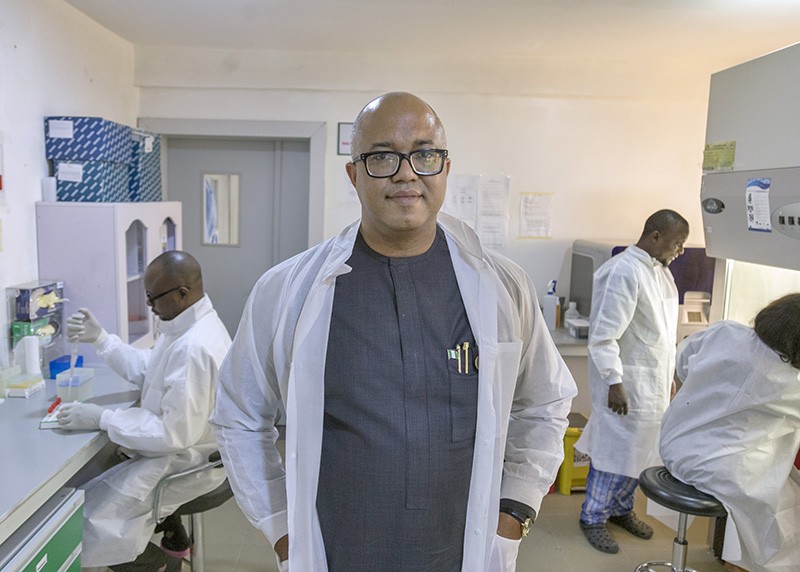
The United Nation (UN) office in Nigeria, says that the exemplary leadership demonstrated by the Director General, Nigeria Centre for Disease Control (NCDC), Dr. Chikwe Ihekweazu, earned him the post of Assistant Director General of the Health Emergency Intelligence at the World Health Organisation (WHO).
Ihekweazu, who assumes duties at the WHO on November 1, 2021, steered Nigeria to a successful response to the enraging COVID-19 pandemic.
Dr. Erasmus Morah, of the UN system in Nigeria, said on Monday in Abuja, said Ihekweazu’s sterling performance has now been recognized not only in Africa but globally.
He was speaking at an event to reflect on the NCDC’s transformation journey and the collaborative efforts that have contributed to the journey in the country.
In 2016, the NCDC began activities to develop a 2017–2021 strategic plan. This was approved and launched in 2017.
In the last five years, NCDC has worked to implement this plan and developed a strong National Public Health Institute (NPHI) for Nigeria.
This year marks five years since NCDC began its transformation journey. In addition, this year marks a transition in leadership following President Buhari’s approval of Ihekweazu’s appointment as Assistant Director General at WHO and Dr. Ifedayo Adetifa’s appointment as the new Director General of NCDC.
Morah said that the partnership between the UN Development System in Nigeria and the NCDC had shown that working together, there is almost nothing insurmountable.
“It is one of the critical factors for Ihekweazu’s appointment to the WHO. Achieving global and national health security has increasingly become complex especially as people get more interconnected and interdependent with people, goods and services,” he said.
The WHO Representative for Nigeria, Dr Walter Kazadi Mulombo, said that the ongoing COVID-19 pandemic has revealed the need for countries to remain fully prepared to prevent and quickly contain such pandemics.
“COVID-19 has continued to be transmitted across countries,” he added.
According to Mulombo, Nigeria and many countries across the region appeared to have escaped the worst predicted catastrophe so far .
He noted that the NCDC played a critical role of putting into action a fully working government response and robust outbreak containment measures which helped to avert the catastrophe in the country.
He thanked the outgoing Director General for the cordial relationship that existed between the NCDC and the WHO under his leadership.
He, however, urged the incoming Director General to build on the NCDC five years legacy and put up an agenda for the next level efforts toward critical health security intervention, mainstreaming into the health delivery system that must be accelerated, efforts towards domestic funding and investment to advance the National Health security agenda and the global health security. (NAN)




From Daniel Amasingha, Minna.
As part of efforts to improve the treatment and welfare of leprosy patients, the Leprosy Mission Nigeria (TLMN) has donated twenty-five electronic motorised beds to the Niger State Leprosy Hospital.
Presenting the items to the Niger State Government, the Operations Manager of TLMN, Pius Ogbu, said the beds were provided through support from the Leprosy Mission, Switzerland.
According to him, the donation includes 25 electronic motorised beds, 25 bed sheets, 25 pillows and pillow cases, all aimed at enhancing the comfort and recovery of patients receiving treatment at the facility.
“With these electronic motorised beds, patients can easily adjust their sleeping positions to suit their comfort,” he said.
“We believe the beds will help patients enjoy better sleep and aid a faster recovery process.”
Ogbu added that the organisation remains actively engaged in Niger State, providing free treatment, rehabilitation services, vocational training, and working to eradicate the stigma associated with leprosy.
He noted that the Mission also provides orthopaedic devices and empowerment support for people affected by the disease.
Responding on behalf of the state government, the Commissioner for Health, Dr. Murtala Bagana, said the administration of Governor Umaru Bago, under the New Niger Agenda, is committed to prioritising the treatment of tropical diseases.
“We are happy to receive this consignment and we will ensure that we complement the efforts of TLMN by upgrading the Leprosy Hospital and providing the necessary commodities needed for patients’ care,” Bagana said.
He further assured that the state government would ensure that a medical consultant is posted to the Leprosy Hospital to improve the quality of treatment for patients.
Some patients at the hospital, while commending the intervention by TLMN, appealed to Governor Umaru Bago to further prioritise the facility by providing more medical supplies and support.
One of the patients, Mr. David Felix, an indigene of Ebonyi State, expressed appreciation for the donation.
Felix, who lost his leg due to complications from an ulcer, said the hospital has provided him with support he might not have received elsewhere.
“If I am not here, I do not think I would have benefited from this artificial limb. I am also happy about this adjustable bed because I no longer need to disturb the workers to help me adjust my position while in bed,” he said.
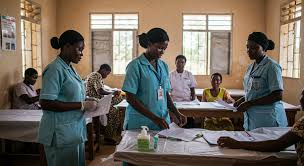
From Dan Amasingha, Minna
The Niger State Government has announced plans to recruit up to 5,000 health workers as part of a sweeping reform of its healthcare delivery system, following the commissioning of what it described as the first porta cabin specialist hospital of its kind in sub-Saharan Africa.
Governor Umar Bago made the disclosure on Tuesday during the inauguration of the multi-billion-naira twin porta cabin hospital project at Ibrahim Badamasi Babangida Specialist Hospital in Minna.
The Governor said the state would recruit an additional 2,500 medical personnel in the coming months, bringing the total number of health workers employed under his administration to 5,000.
According to him, the initiative is part of a revolutionary healthcare delivery agenda aimed at positioning Niger State as a hub for medical tourism in sub-Saharan Africa.
Bago further revealed that the state government has entered into a bilateral agreement with leading Arab hospitals in Cairo, Egypt, for a medical doctors’ exchange programme. Under the arrangement, between 20 and 50 Egyptian doctors are expected to be deployed to the IBB Specialist Hospital to provide specialised medical services.
He disclosed that the state has already engaged about 20 visiting consultants who are currently performing advanced neurosurgical procedures, including spinal cord and brain surgeries, as well as knee replacement operations.
The newly inaugurated twin porta cabin hospital, located within the premises of the IBB Specialist Hospital, will serve as a temporary take-off facility for the proposed IBB University Teaching Hospital.
Bago described the facility as the first of its kind in sub-Saharan Africa and a strategic investment to bridge gaps in tertiary healthcare services.
“We are deliberate in our healthcare policy. We want to make Niger State the healthcare delivery hub of the North and encourage people to seek medical screening and treatment at home,” the Governor said.
“We want to position Niger State as the prime location for healthcare delivery in the North.”
To complement the investment in tertiary healthcare, the Governor stated that the administration has upgraded 20 Primary Health Care Centres (PHCs) from Type I to Type II status.
“Currently, we have some of the best Type II PHC models in the country, and we will upgrade an additional 110 centres,” he added.
In his remarks, the State Commissioner for Health, Dr. Murtala Muhammad Bagana, commended the Governor for what he described as the largest healthcare renovation and investment drive in the state’s 50-year history, noting that the reforms would significantly improve access to quality healthcare for residents.

The Governor of Lagos State, Babajide Sanwo-Olu, has charged the Red Cross for greater innovation and deployment of technology in humanitarian response in the state.
Sanwo-Olu made the call while delivering his goodwill message at the 58th Annual General Meeting (AGM) of the Nigerian Red Cross Society (NRCS), Lagos State Branch, at the weekend in Lagos.
The governor, represented by Sesan Ogundeko, the Permanent Secretary of the state’s Ministry of Special Duties and Intergovernmental Relations, advised NRCS to leverage data and digital tools to strengthen emergency management in the state.
Sanwo-Olu, who described the AGM as more than a routine gathering, said it was a celebration of compassion, service and humanity spanning 58 years of Red Cross operations in the state.
He noted that with an estimated population of about 20 million people, the state faced increasing pressure from rapid urbanisation, climate change and infrastructural demands.
“In a city as large and fast-growing as Lagos, emergencies are sometimes unavoidable,” he said.
He said these realities made disaster preparedness and emergency response essential, adding that the work of the Red Cross aligned closely with the vision of building a resilient state.
Sanwo-Olu further advised the branch leadership to continue to be innovative, remain transparent and accountable and make good use of technology and data to improve humanitarian response.
According to him, effective governance requires strong partnerships, as the government cannot single-handedly manage the scale of emergencies in a megacity like Lagos.
He reiterated the state government’s commitment to strengthening collaboration with the Red Cross, promoting voluntary blood donations and supporting vulnerable communities across the state.
The governor also made an appeal to residents to become active responders during emergencies rather than passive observers.
He decried a growing culture where some young people record accident scenes for broadcast instead of assisting victims, urging them to choose service over harmful or indifferent behaviour.
“Each one of us can make a difference through simple actions; checking on a neighbour, donating blood, volunteering your time, learning about first aid and supporting those in need,” he said.
Sanwo-Olu envisioned a state where more citizens were prepared to respond in emergencies, and compassion spread as quickly as information online.
He said humanitarian service was not the responsibility of organisations alone but a shared civic duty.
He added that history would not only remember roads and buildings constructed, but also how a society cared for the weak, displaced, sick and forgotten.
The governor commended Red Cross volunteers for their dedication, describing them as everyday heroes who often risk their personal safety to save others.
He praised both young and veteran members for their selfless service.
“When floods displace families, when road accidents occur or when emergencies strike unexpectedly, the Nigerian Red Cross volunteers are often among the first to respond,” he said.
Sanwo-Olu congratulated the Lagos State Branch on its 58th AGM and assured members that the requests earlier submitted to the state government would receive a positive response.
Earlier, NRC Lagos chairman, Dr Adebola Kolawole, said the AGM was a pivotal moment for reflection, accountability and strategic renewal to reposition the branch for greater impact.
Kolawole said the branch was committed to becoming financially self-reliant while setting the standard in humanitarian service delivery across Lagos State.
“Our administration remains steadfast in its commitment to repositioning the Lagos State Branch as a beacon of humanitarian excellence,” she said.
She identified sustainability, inclusivity, impact measurement, advocacy and collaboration as key pillars for the branch’s next phase, adding that innovation and strategic partnerships would drive improved service delivery.
While acknowledging financial constraints as a major challenge, Kolawole appealed to government, corporate organisations and individuals for greater support.
She noted that additional resources were required for ambulances, disaster response equipment, personal protective gear for emergency teams and a solar power project to enhance operations at the branch’s facilities.


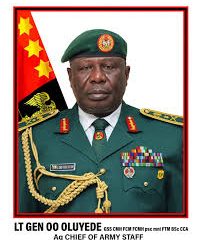

Military Repels Attacks, Neutralizes Terrorists, Rescues Kidnap Victims in Nationwide Operations
ShareBy David Torough, Abuja The Armed Forces of Nigeria have recorded multiple operational successes across the country between March 7...


PDP Commissions New Secretariat in Bayelsa, Holds State Elective Congress
ShareFrom Mike Tayese, Yenagoa All is set for the leadership of the People’s Democratic Party (PDP) in Bayelsa State to...
Benue Security Trust Fund Bill Passes Second Reading
ShareThe Benue State Security Trust Fund Bill, 2026, passes second reading on Thursday at the Benue State House of Assembly. Leading the debate, Thomas Dugeri, the Majority Leader, emphasised that the bill sought...
Over 20 Schools Set for Third Athletics School Games in Lagos
ShareNo fewer than 20 schools are set to participate in the third edition of the Athletics School Games (TASG), a grassroots athletics competition for school children scheduled to be held in Lagos. The...
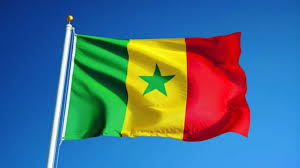

Senegal Approves Tougher Anti-gay Law as Rights Groups Raise Concerns
ShareSenegal’s parliament has approved a new law doubling to 10 years the maximum prison term for sexual acts by same-sex couples and criminalising the...
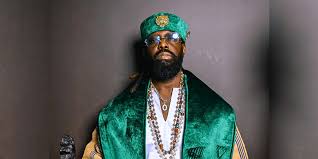

Have Children Out of Wedlock, Marriage Doesn’t Work – Timaya
ShareNigerian singer, Timaya has shared his opinion on having children out of wedlock and marriage. The Dem Mama crooner sparked...


Ayra Starr Picks Wizkid, Tiwa Savage, Rema as Goats of Afrobeats
ShareNigerian singer, Ayra Starr has named her greatest Afrobeats artistes of all time, otherwise called “Afrobeats Big 3.” In a...

Leprosy Mission Boosts Patient Care in Niger with 25 Electronic Beds
ShareFrom Daniel Amasingha, Minna. As part of efforts to improve the treatment and welfare of leprosy patients, the Leprosy Mission Nigeria (TLMN) has...


NNPCL Cuts Petrol Pump Price by N100 in Lagos, N95 in Abuja
ShareThe Nigerian National Petroleum Company Limited has reduced the pump price of petrol at its retail outlets to N1,130 per...
Abaribe, Umeh, Kingibe, Six Others Dump Parties, Boost ADC Rank in Senate
ShareBy Eze Okechukwu, Abuja Amid Opposition turmoil, no fewer than nine senators from different political parties formally announced their defection...