
NEWS
Etsu Lokoja Appeals to Ododo to Recognise, Grade Stool


From Joseph Amedu, Lokoja
Etsu Lokoja, His Royal Highness, Emmanuel Akamisoko Dauda Shelika, Nyamkpa IV has called on Governor Usman Ododo to recognize and grade the Etsu stool.Addressing newsmen at a press conference in Lokoja, the monarch said Nupes are natives of Lokoja, not mere indigenes.
The Etsu insisted that they are the earliest inhabitants of Lokoja and are not replaceable, adding that they have a right to exist and to be included in the running of the affairs of their homeland. He emphasized the need to grade the Etsu Lokoja stool to create balance and forestall any future intimidation, harassment, marginalization and attacks against the peace loving Nupe natives in the name of lack of government recognition.He appealed to security agencies not to relent in their efforts to fish out the perpetrators and sponsors of the arson against the premises of the Palace of the Etsu Lokoja in which his car was burnt beyond redemption.The Etsu Lokoja noted that the continuous harassment is not healthy for Lokoja, the state capital city.He appealed to the government to halt further harassment and hold instigators responsible for any breakdown of law and order or destruction of lives or properties because of their inciteful utterances and activities against the native Nupe of Lokoja.Responding to a recent press release by a group, Lokoja Indigenous People Union and its spokesperson Alh. Aliyu Lawal Jiya, as well as another group by the name of Lokoja Patriots targeting the Etsu Lokoja, and disclaiming the Etsu Lokoja’s royalty as a traditional ruler and a leader of the Nupe Natives of Lokoja, the monarch said by their actions, they are making clear their ignorance about Lokoja.“It is important to state here that the community called Lokoja was born right on the mountain top making it the original site of Lokoja and not down the mountain. Yet, although it was founded on top of the mountain, several of the people came down to settle because of hunting, fishing and farming and still maintain the common name Lokoja.“In 1832 when Captain McGregor Laird sailed interland on the Niger River and arrived at Lokoja to set up the British Consulate and the Trading Post, he met our people – the Nupe and not any other. When Dr. William Balfour Baikie arrived at Lokoja, he met our people – Nupe and not any other. We are the natives. The aborigines. And have had our way of administering ourselves traditionally under our own leadership called ‘Etsu’ which usually is named after our community – Lokoja as is common to all independent Nupe Communities across the entire Nupe nation.“The nativity of Lokoja is indeed Nupe but with a distinction. They are the Nupe who left Gbara as a block and arrived at the mountain top. Some of these eventually crossed the Niger River around the 1860s led by Aishimwo the son of Nyamkpa and brother to Akpara Nyamkpa. Other leaders including Eta Mayaki were part of that crossing of our who later were Bassa Nge until recently.“However, like several other ethnic groups that moved into Lokoja as a result of the activities of the British, other Nupe from different parts of the Nupe nation also moved in. While some of these ethnic identities came in for business, some served as part of the Colonial Administration while others accompanied the deposed Emirs including our own revered Etsu Nupe, Mall. Abubakar.“Today, these men and women have become indigenous of Lokoja and have contributed to the development of Lokoja in one way or another but they do not take the place of the Natives. The native Nupe of Lokoja are a distinct people. They are the earliest inhabitants and are not replaceable. We have a right to exist and to be included in the running of the affairs of our homeland.“The claim by our attackers that they are the Nupe Indigenes/natives of Lokoja is not correct because no true Nupe should antagonize the Nupe natives of Lokoja but we understand their affinity. As Natives, we are not contending with anyone but seeking our own fair share of attention for the sake of our unborn generations of native Nupe of Lokoja.The Etsu Lokoja said the fact remains that we are the earliest inhabitants.He added that while they have no grudge against any group of the diversely composed Lokoja, they are saying that as host ethnic groups, they also want to be included in the general equation of the governance of Lokoja like the other ethnic groups.Regarding the allegation that HRH Emmanuel Akamisoko Dauda Shelika – Nyamkpa IV claimed to be the custodian of the European Cemetery or the tomb sites of the deposed Emirs, the Etsu Lokoja said it is false because he mentioned to the very Senator Shehu Sani, during his recent visit, that if he had been aware of the intention to visit such sites earlier, he would have consulted the authorities for access. However, since the custodian of the tombs of the deposed Emirs could be reached, he guided the Senator to reach the custodians since he desired to see the tombs.
By Uche Joe Uwaleke
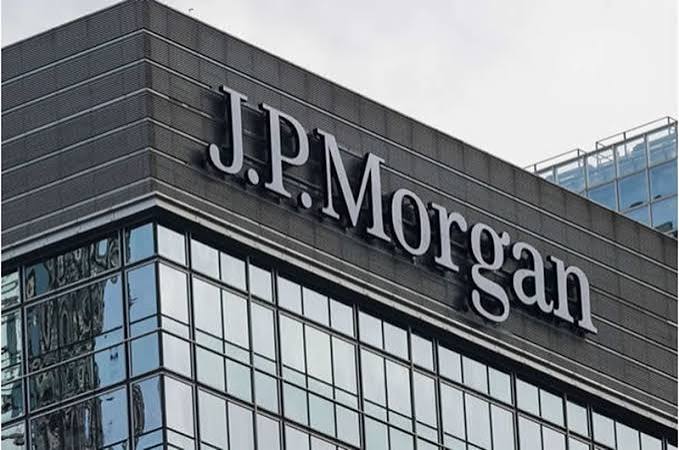
The proposed establishment of JPMorgan Merchant Bank Nigeria Limited presents Nigeria with an important opportunity to deepen its financial markets, attract international investment and strengthen its integration into the global economy.
At a time when the country is grappling with inflationary pressures, currency depreciation, high borrowing costs and declining purchasing power, the prospect of a major international financial institution expanding its operations in Nigeria deserves a measured assessment of both its potential benefits and its attendant risks.
JPMorgan Chase is one of the world’s largest banking and financial services groups, with extensive capabilities in investment banking, corporate finance, capital markets and international payments.
Its proposed transition from a representative office to a locally licensed merchant bank would represent a significant expansion of its institutional presence in Nigeria.
Although approval-in-principle is not a final banking licence, the development signals an interest in establishing a more substantial platform in one of Africa’s most important economies.
The timing of this development has understandably attracted attention, given the economic difficulties confronting many Nigerians.
However, the fact that an international financial institution sees opportunities in a challenging economic environment does not, in itself, suggest that those difficulties were deliberately engineered to facilitate foreign exploitation.
Investment decisions are influenced by a combination of market size, financing needs, regulatory reforms, commercial opportunities and expectations about future growth.
Nigeria’s present economic challenges can coexist with substantial long-term investment potential.
It is equally important to distinguish between the commercial interests of international banks, the policies of governments and the decisions of multilateral financial institutions.
Although these interests may occasionally overlap, they are not necessarily identical.
Major financial institutions naturally seek profitable opportunities, but their participation can also mobilize capital, facilitate trade, transfer expertise and support business expansion.
The key question is whether Nigeria possesses the institutions and policy framework necessary to ensure that these commercial interests contribute meaningfully to national development.
One argument frequently advanced against foreign investment is that the depreciation of the naira has made Nigerian assets cheaper for international investors.
While currency depreciation may reduce the dollar-equivalent cost of certain local assets and expenses, it also increases the cost of imported equipment, foreign-currency borrowing and other external obligations.
It can erode local earnings when converted into foreign currency and introduce significant uncertainty into investment decisions.
A weaker currency is therefore neither an unqualified advantage to foreign investors nor a sufficient condition for attracting sustainable investment.
Similarly, the ₦50 billion capital requirement associated with the proposed merchant bank should be considered in its proper context.
Its dollar equivalent fluctuates with the exchange rate, but the required naira capital remains unchanged.
The more important considerations are whether the institution is adequately capitalized, operates within the applicable regulatory framework and deploys its resources in ways that support legitimate economic activity.
The objective should be to ensure that the bank’s presence contributes to the strength of Nigeria’s financial system rather than merely expanding the reach of international finance.
The potential benefits are considerable. Nigerian businesses often face difficulties obtaining appropriately structured, long-term financing for expansion, infrastructure development and industrial investment.
A merchant bank with JPMorgan’s international network and financial expertise could help credible businesses access global capital markets, arrange syndicated financing, issue debt and equity instruments, and undertake complex corporate transactions.
These services could support manufacturing, agriculture, energy, logistics and technology, particularly where viable Nigerian enterprises require capital and expertise to scale their operations.
Its presence could also facilitate international trade and investment.
Nigerian companies seeking to enter foreign markets or attract overseas investors could benefit from improved access to international financial networks, advisory services and trade-finance arrangements.
Properly structured transactions could bring additional foreign capital into productive sectors, strengthen export capacity and help businesses earn foreign exchange.
Such outcomes are not automatic, however; the benefits would depend on the nature of the transactions and whether they generate lasting economic value rather than merely facilitate short-term capital movements.
Employment and professional development constitute another important dimension.
A fully operational local subsidiary could create opportunities in banking, financial analysis, compliance, risk management, technology and related professional services.
Nigerian professionals could gain exposure to international standards, specialized training and sophisticated financial transactions.
The institution could also stimulate competition within the financial services industry, encourage improvements in service quality and create opportunities for collaboration with Nigerian banks and capital-market operators.
There is an African precedent worth considering. JPMorgan has an established presence in South Africa, including operations in Johannesburg and Cape Town.
The firm has also pursued initiatives to support Black-owned businesses in the country, including a US$20 million fund launched in 2021 with targets for supporting early-stage enterprises, creating employment and facilitating financing.
While such programme targets should not be confused with independently verified outcomes, they illustrate the potential for a global financial institution to contribute to business development beyond its conventional corporate banking activities.
Nigeria should explore similar opportunities tailored to its own economic circumstances and development priorities.
None of this requires the assumption that foreign capital is inherently benevolent.
International banks are commercial institutions whose primary responsibility is to generate returns for their shareholders.
Their activities may include financing acquisitions, arranging sovereign debt and facilitating cross-border transactions.
Depending on the circumstances, such activities can promote productivity and investment or contribute to market concentration, excessive external borrowing and the transfer of strategic assets without adequate domestic benefit.
The appropriate response is not to reject foreign participation on principle, but to establish safeguards that distinguish beneficial investment from transactions that undermine national interests.
Corporate acquisitions, for example, should be assessed against competition rules, transparency requirements and their implications for employment, productive capacity and market concentration.
Sovereign borrowing should be guided by a credible debt-management framework, transparent disclosure and a careful assessment of repayment capacity.
International financing must complement domestic economic development rather than encourage unsustainable dependence on external capital.
The responsibility for establishing these safeguards rests principally with Nigeria’s institutions.
The Central Bank of Nigeria must ensure that JPMorgan satisfies all applicable licensing, capital adequacy, governance and risk-management requirements before commencing operations.
Its global reputation should confer no regulatory privileges.
Effective supervision, compliance with tax and reporting obligations, and appropriate oversight of cross-border transactions must remain fundamental requirements.
Beyond regulation, Nigeria should adopt a deliberate strategy for maximizing the institution’s developmental contribution.
Engagement with the bank should encourage financing for productive enterprises, viable infrastructure, export-oriented businesses and other sectors capable of generating employment and sustainable economic returns.
Local recruitment, professional training and collaboration with domestic financial institutions should also be encouraged, while respecting applicable laws and commercial realities.
Equally important is the need to strengthen Nigeria’s domestic financial architecture.
Local banks, pension funds, insurance companies, investment firms and capital-market operators must be equipped to mobilize domestic savings and finance long-term investment.
International participation should complement and strengthen these institutions rather than displace them.
A diversified financial system, supported by credible regulation and deeper domestic capital markets, would give Nigeria greater negotiating power and reduce excessive dependence on any single institution or source of financing.
By and large, the benefits of JPMorgan’s proposed entry will depend on the broader economic environment.
High energy costs, inadequate infrastructure, expensive credit, policy uncertainty and the difficulties confronting domestic manufacturers continue to constrain productive investment.
Addressing these obstacles, maintaining macroeconomic stability and protecting vulnerable households must remain national priorities.
Foreign capital can support these objectives, but it cannot substitute for sound economic management, institutional accountability and policies that promote inclusive growth.
Nigeria should therefore approach this development with neither uncritical enthusiasm nor reflexive suspicion.
The proposed bank’s entry offers an opportunity to mobilize international expertise, deepen financial markets, expand financing options and connect Nigerian businesses with global investment opportunities.
Whether these possibilities translate into tangible benefits will depend on the quality of regulation, the discipline of economic policy and the country’s determination to place national development at the centre of its engagement with international finance.
The essential challenge is to ensure that Nigeria does not become merely a marketplace for global financial transactions, but a country in which those transactions help build productive enterprises, create skilled employment, strengthen domestic institutions and improve living standards.
With the right safeguards and a clear development strategy, JPMorgan’s proposed entry could become a valuable addition to Nigeria’s financial architecture and a meaningful opportunity to advance the country’s long-term economic interests.
Prof Uche Uwaleke is the Director of the Nasarawa State University Institute of Capital Market Studies and the President of the Capital Market Academics of Nigeria.
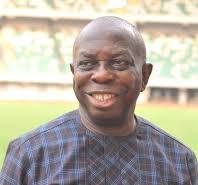
Veteran Sports Journalist and Commissioner for Sports Development in Akwa Ibom State, Paul Bassey, has hailed the state Governor, Pastor Umo Eno over what he described as the prevailing peace in the state.
“ If naysayers pretend they cannot see anything Governor Umo Eno has done, can they deny the peace we are witnessing in Akwa Ibom today, Unprecedented peace?” Bassey in a goodwill message delivered at the 25th Annual Convention of the Apostolic Church, Atabong Area in Eket Local Govt.
“ It is a coincidence that the Theme of this Convention is “ The Peace of God” and it reminds me of the peace God has used our Governor to bear on our state.
“ Before now, you cannot even worship in peace as bandits raided churches on Sunday mornings, shot and killed, abducted worshippers, threatened oppositions.
“ Please let us tell our Children and family members that in the past, at times like this, houses and cars were burnt, terror everywhere and you can hardly sleep with your two eyes closed “ the Eket ward 2 Urban leader said.
The Elder of the Apostolic Church reminded the congregation that “this governor is not only a son of Eket, he is a spiritual son of The Apostolic Church and must be embraced and supported for a second term “ and this drew a thunderous “Amen” from the mammoth crowd.
Elder Bassey said without peace there would be no development and as a member of His the Governor’s “First Eleven” he was better placed to talk about “this grass roots Governor, whose programs are tailored towards the welfare of the less privileged in society especially in the areas of health, education and in my case, the empowerment of youth through sports .“
In his sermon, the Eket Field Superintendent of The Apostolic church Pastor(Dr) B. E. Okon enjoined Christians to embrace the peace of God that eliminates fear and life’s challenges.
Drawing his text from Mathew 5:9 the Deputy Territorial Chairman of The Apostolic Church insisted that “blessed are the peace makers for they shall be called children of God”
Elder Bassey in company of other dignitaries including Pastor Etangkanga, vice chairman Esit Eket Local government, village head of Atabong Dr Ikwang later joined the Field Superintendent and the host Area Superintendent Pastor O. D James to cut the 25th anniversary Convention cake.
From Joseph Amedu, Lokoja
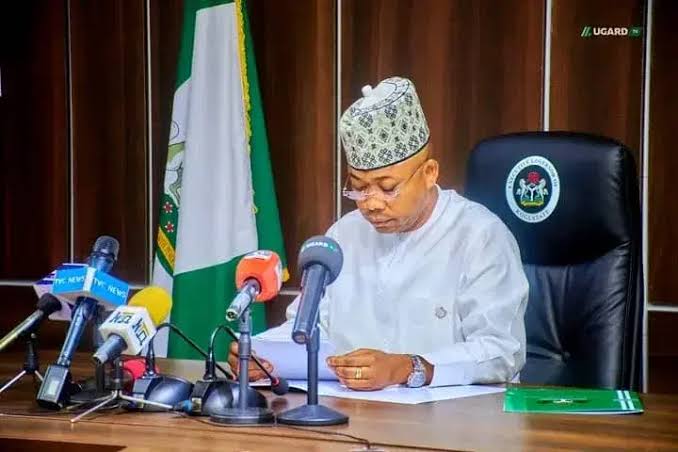
The Kogi State Government has commenced investigation into the fire incident that gutted Pee Links, a major electronic store in Lokoja, destroying goods worth millions of naira.
The State Consultant on Safety Standards, Regulations and Compliance, Elder Dr.
Friday Sani, disclosed this over the weekend, during an on-the-spot assessment of the scene of the inferno in Lokoja, the state capital.Sani said preliminary findings had identified alleged non-compliance with safety standards as one of the factors that may have contributed to the extent of the damage.
He explained that the investigation was aimed at establishing the actual cause of the fire and identifying measures to prevent a recurrence.
“We were immediately deployed by the state government to ascertain the root cause of this fire incident. Our preliminary findings indicate that there were lapses in compliance with safety standards, which may have contributed to the extent of the damage,” Sani said.
He added that a comprehensive report would be released at the conclusion of the investigation to guide future safety measures and strengthen compliance among businesses operating in the state.
“At the end of our investigation, we will make our findings public so that the appropriate lessons can be learnt. Business owners must understand that compliance with safety regulations is not optional; it is essential to protecting lives, property and investments,” he stated.
Sani urged owners and managers of commercial establishments to prioritise workplace safety by adhering to prescribed standards and ensuring that appropriate fire-prevention and emergency-response measures were in place.
He also commended the state government for its prompt response to the incident, particularly the deployment of fire trucks to contain the blaze and salvage some of the goods in the store.
“An incident of this nature immediately puts the government on its toes, and the response we witnessed demonstrates the importance of preparedness in managing emergencies,” he said.
“We must commend Governor Usman Ododo and his deputy for their proactive approach to emergency management. The swift deployment of fire-service personnel helped contain the situation and prevent further damage.”
Sani expressed gratitude that no lives were lost in the incident, adding that the government would continue to support businesses contributing to the state’s economic development.
“We thank God that there was no loss of life or reported injuries. Our prayer is that incidents of this nature will not happen again. This is why every business owner must take safety regulations seriously,” he added.
Responding, the owner of Pee Links electronic store, Peter Emeka Onujeme, popularly known as Pee Links, attributed the fire to a power surge.
Onujeme expressed appreciation to the Kogi State Government and the fire-service personnel for their swift intervention, saying their response helped salvage the situation and prevent further losses.
He also dismissed suggestions that the incident had any spiritual connection, insisting that attention should be focused on establishing the actual cause of the fire.
The latest incident has renewed concerns about fire-safety compliance among commercial establishments, particularly businesses dealing in electrical and electronic equipment.
It will be recalled that a similar fire incident occurred at the same electronic store in 2020, when goods in the premises were reportedly completely destroyed.
The ongoing investigation is expected to establish the circumstances surrounding the latest inferno and determine what additional safety measures may be required to prevent a recurrence.



JPMorgan’s Entry into Nigeria: Turning Global Finance into a National Development Opportunity
ShareBy Uche Joe Uwaleke The proposed establishment of JPMorgan Merchant Bank Nigeria Limited presents Nigeria with an important opportunity to...

Commissioner Hails Akwa Ibom Governor over Peace Initiatives
ShareVeteran Sports Journalist and Commissioner for Sports Development in Akwa Ibom State, Paul Bassey, has hailed the state Governor, Pastor...
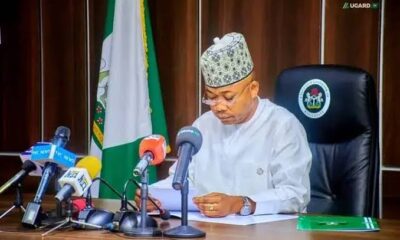

Kogi Probes Mega Electronic Store Inferno
ShareFrom Joseph Amedu, Lokoja The Kogi State Government has commenced investigation into the fire incident that gutted Pee Links, a...


Delta Police Arrest School Bus Driver over Minor’s Kidnapping, Assault
ShareA 28-year-old school bus driver, Onome Ughagha, has been arrested by operatives of the Delta State Police Command for allegedly...


Wife Stabs Husband Over Phone in Bauchi
ShareAn 18-year-old woman, Fatima Dalha, has allegedly stabbed her 30-year-old husband in the stomach in Lirr Bajar, Dass Local Government...

Can the Media Announce Election Results Before INEC’s Official Declaration?
ShareBy Samson Itodo To address this issue, it is important to understand the election results management process. Election results are...
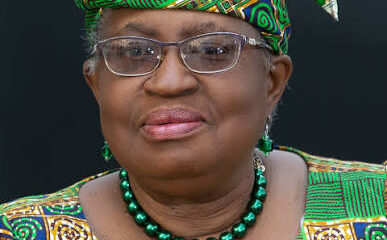

Okonjo-Iweala Pays Tribute to Late Mother
ShareThe Director-General of the World Trade Organisation, Dr Ngozi Okonjo-Iweala, has paid tribute to her mother, Prof. Kamene Okonjo, who...
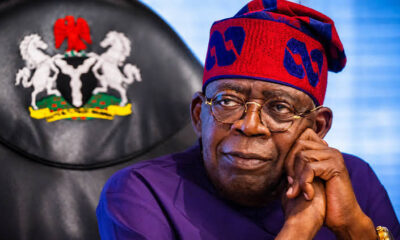

Tinubu blames Opposition for Nigeria’s Challenges
SharePresident Bola Tinubu on Saturday blamed opposition leaders for Nigeria’s hunger and poverty, accusing them of creating problems they now...


Nearly 83 Per Cent Uneducated Nigerians Live in Poverty – W’Bank
Share Nearly 83 per cent of Nigerians without formal education are living in poverty, according to the World Bank, highlighting...
Ebola: NCDC Tracks 53 Contacts, Offers Each N100,000 Weekly
ShareBy Elijah Oguche, Abuja The Nigeria Centre for Disease Control and Prevention (NCDC) has stepped up efforts to contain the...