
NEWS
FG Saves N15.8tn from Subsidy Removal, Spends N30.64tn

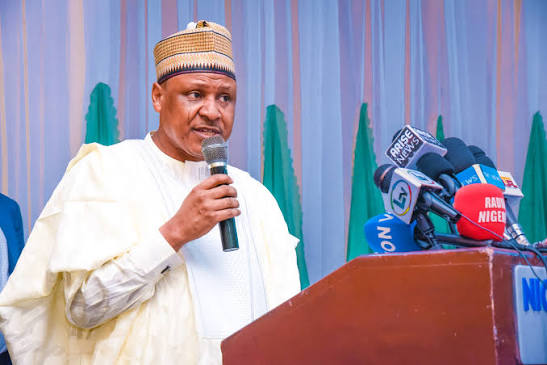
Fiscal Reforms Prevented Deeper Economic Crisis’ – Oyedele
The Federal Government has defended the removal of the petrol subsidy and other economic reforms introduced by President Bola Tinubu, saying the measures have generated substantial fiscal resources, strengthened Nigeria’s economic position and helped avert a deeper financial crisis.
Presenting the administration’s “Nigeria’s Reform Scorecard: The Benefits, Costs and Harms Prevented” in Abuja on Wednesday, the Minister of Information and National Orientation, Mohammed Idris, said the reforms had created fiscal space for investment in infrastructure, security, human capital development and social protection.
The Minister of Finance and Coordinating Minister of the Economy, Taiwo Oyedele, disclosed that between June 2023 and December 2025, the removal of the petrol subsidy generated ₦15.8tn in savings for the Federation. Of this amount, ₦5.4tn accrued to the Federal Government, while ₦10.4tn was shared among states and local governments.
Oyedele said the Federal Government also generated ₦3.1tn in incremental independent revenue and obtained ₦11.9tn in incremental borrowing, bringing its total incremental resources to ₦20.4tn during the period.
However, the additional resources did not remain unused. The Federal Government’s incremental expenditure stood at ₦30.64tn, with wage-related expenses and external debt servicing accounting for a significant portion.
According to Oyedele, ₦9.39tn was spent on wage adjustments, minimum wage increases and allowances for public-sector workers. He stressed that the amount was higher than the entire savings from subsidy removal that accrued directly to the Federal Government.
“The incremental amount that the Federal Government spends paying higher wages is more than the entire savings that the Federal Government earned from subsidy removal,” he said.
Another ₦9.37tn went into servicing external debt, largely because of the sharp depreciation of the naira. Oyedele explained that dollar-denominated obligations became significantly more expensive when converted into naira.
“If we’re paying $1bn, but instead of ₦460, it’s now ₦1,415, that’s more naira than we need to incur,” he explained, adding that debt obligations could not simply be postponed because delays or defaults would carry serious consequences.
The figures provide one of the clearest explanations yet of how the savings from the controversial subsidy removal have been absorbed since President Tinubu announced the policy in May 2023.
Oyedele, however, cautioned against presenting the reforms as an unqualified success. He acknowledged that Nigerians had borne significant costs, including higher petrol prices and a sharp increase in the monetary policy rate.
He noted that petrol prices had risen from about ₦185 per litre to more than ₦1,100, describing the increase as a “major felt cost” that the government could not ignore.
“We are not saying all of it is rosy,” Oyedele said, arguing that a credible assessment must account for both the gains and the pain associated with the reforms.
He maintained that the proper assessment should also consider the consequences Nigeria might have faced if the previous subsidy and foreign-exchange policies had remained in place.
The Finance Minister said the scorecard was intended to give Nigerians, journalists and independent analysts access to the government’s methodology and figures, promising that supporting data would be made available through the Ministry of Finance for verification.
The government also highlighted improvements in several macroeconomic indicators. Oyedele said headline inflation had eased to 15.91 per cent as of June 2026, while gross foreign reserves stood at $52.5bn and real GDP growth had risen to 3.89 per cent.
He further cited Nigeria’s improved standing in international financial markets, including a sovereign credit-rating upgrade by S&P Global and the country’s removal from international anti-money-laundering deficiency lists.
Despite these gains, the government acknowledged that the reform programme remains unfinished, particularly in translating macroeconomic improvements into better household welfare and reductions in poverty.
Minister of Budget and Economic Planning, Abubakar Atiku Bagudu, said the reforms were necessitated by the weak fiscal position inherited by the administration, including Nigeria’s historically low revenue-to-GDP ratio.
According to Bagudu, the government had to confront fiscal leakages and restore confidence in the economy to create room for spending on security, infrastructure, human capital and development across the country.
He said interventions had also been introduced to cushion vulnerable Nigerians from the effects of the reforms, while improved revenues were expected to strengthen the government’s capacity to meet its constitutional and developmental responsibilities.
Idris said the administration remained committed to explaining the consequences of its economic policies and ensuring that improved fiscal stability eventually translates into better living standards, greater economic opportunities and stronger public services.
The government’s latest scorecard therefore presents a mixed picture: the subsidy reform has generated significant resources and improved some key economic indicators, but much of the fiscal gain has been absorbed by higher wages, debt costs and other expenditure pressures, while millions of Nigerians continue to grapple with the immediate cost of economic adjustment.
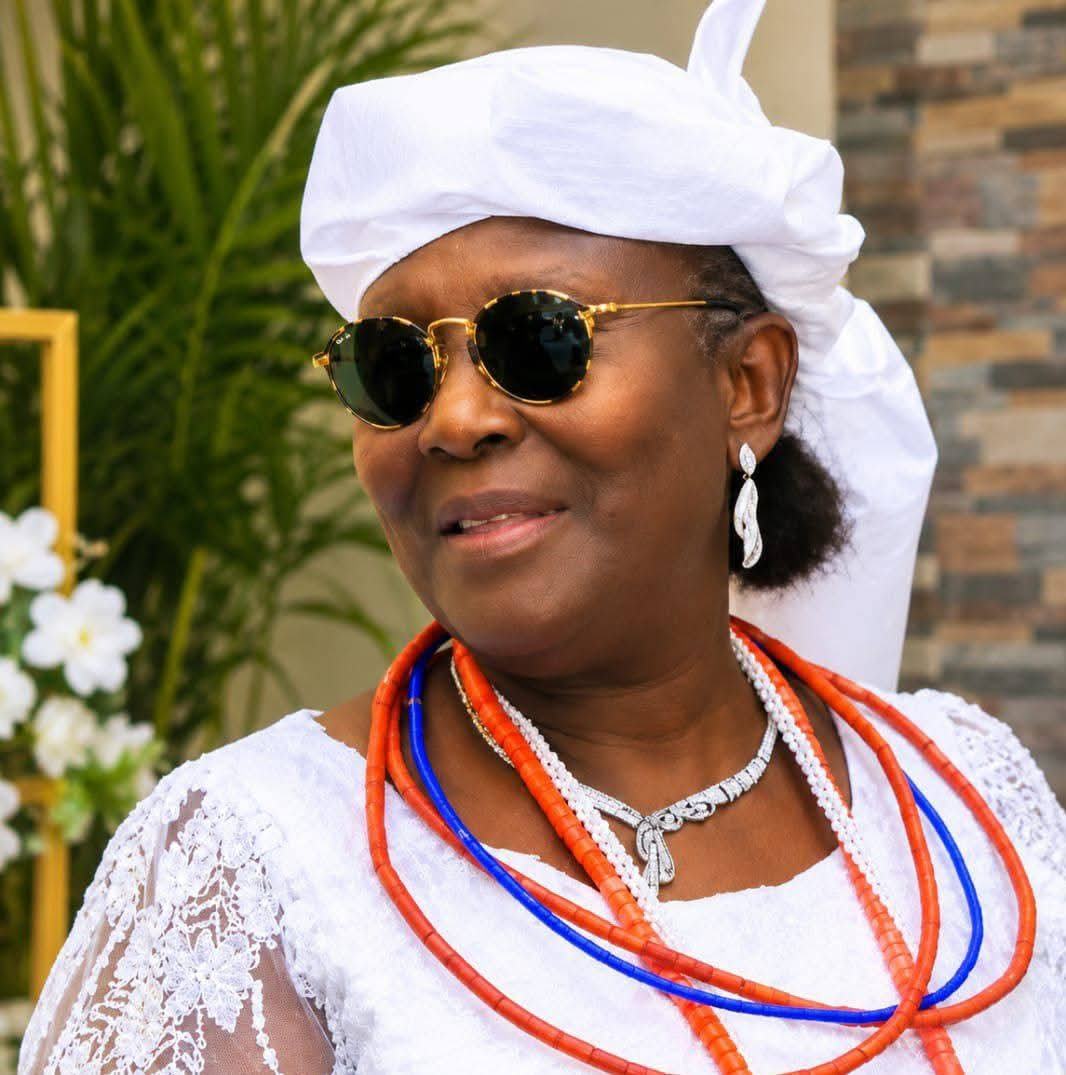
By Francis Sadhere, Warri
Chief (Mrs) Esther Orighomisan Okotie-Eboh, Coordinator of Felix Omagbemi Ogbe Group (FOOG) Women Support Group for President Tinubu, has called on Nigerians to support President Bola Tinubu’s re-election bid in 2027, urging critics of the administration to present credible alternatives to its policies.
Okotie-Eboh said those opposing the Tinubu administration should go beyond criticism and explain how their proposed policies would improve the lives of Nigerians.
She argued that political opponents had a responsibility to provide concrete reasons for rejecting the government’s programmes and demonstrate what they would do differently if elected.
According to her, critics should be able to present at least five to 10 clear reasons for their positions, rather than engage in endless consultations and political discussions without offering practical solutions.
She maintained that Nigerians deserved constructive political engagement backed by workable policies and measurable commitments.
The FOOG Women Support for Tinubu director-general also cautioned against comparing the Tinubu administration directly with previous governments, arguing that each administration faced peculiar challenges that required different approaches.
According to her, differences in prevailing circumstances, economic realities and governance challenges should be taken into consideration when assessing the performance of successive administrations.
She maintained that the Tinubu administration should be assessed within the context of the challenges confronting it and the policies being implemented to address them.
Okotie-Eboh likened governance to building a house, stressing that a solid foundation and a clear plan were necessary to achieve lasting results.
“Governance is like building a house. You must first lay a solid foundation and have a clear plan before you can complete the building,” she said.
She added that abandoning a project halfway through could undermine the desired outcome, arguing that the Tinubu administration should be given the opportunity to implement its policies and deliver on its promises.
Okotie-Eboh further maintained that governments needed sufficient time and space to execute their programmes and address the challenges confronting their countries.
Citing developments in other parts of the world, including the United States and efforts to resolve the Russia-Ukraine war, she argued that governance required continuity and sustained efforts to achieve meaningful progress.
She warned against what she described as a tendency to move backwards by constantly disrupting the process of governance, insisting that elected administrations should be assessed based on their performance and tangible results.
According to her, Nigerians should critically examine the alternatives being proposed by opposition politicians before deciding whether to support a change of government.
“The question Nigerians should ask is simple: what are the alternatives being offered by those criticising the government? Let them tell us what they intend to do, how they plan to do it and how their proposals will improve the lives of ordinary citizens,” she said.
She stressed that anyone seeking the mandate of Nigerians must be prepared to articulate clear policies and demonstrate how such policies would translate into better governance.
Okotie-Eboh maintained that the country needed issue-based political engagement rather than rhetoric, adding that Nigerians deserved concrete policies, clear explanations and measurable results from those seeking public office.
She therefore called on Nigerians to support Tinubu’s re-election bid in 2027, saying continuity would give the administration the opportunity to pursue its programmes and work towards achieving its objectives.
End
PHOTO: Chief (Mrs) Esther Orighomisan Okotie-Eboh, Coordinator of Felix Omagbemi Ogbe Group (FOOG) Women Support Group for President Tinubu.
By Raphael Atuu, Abuja
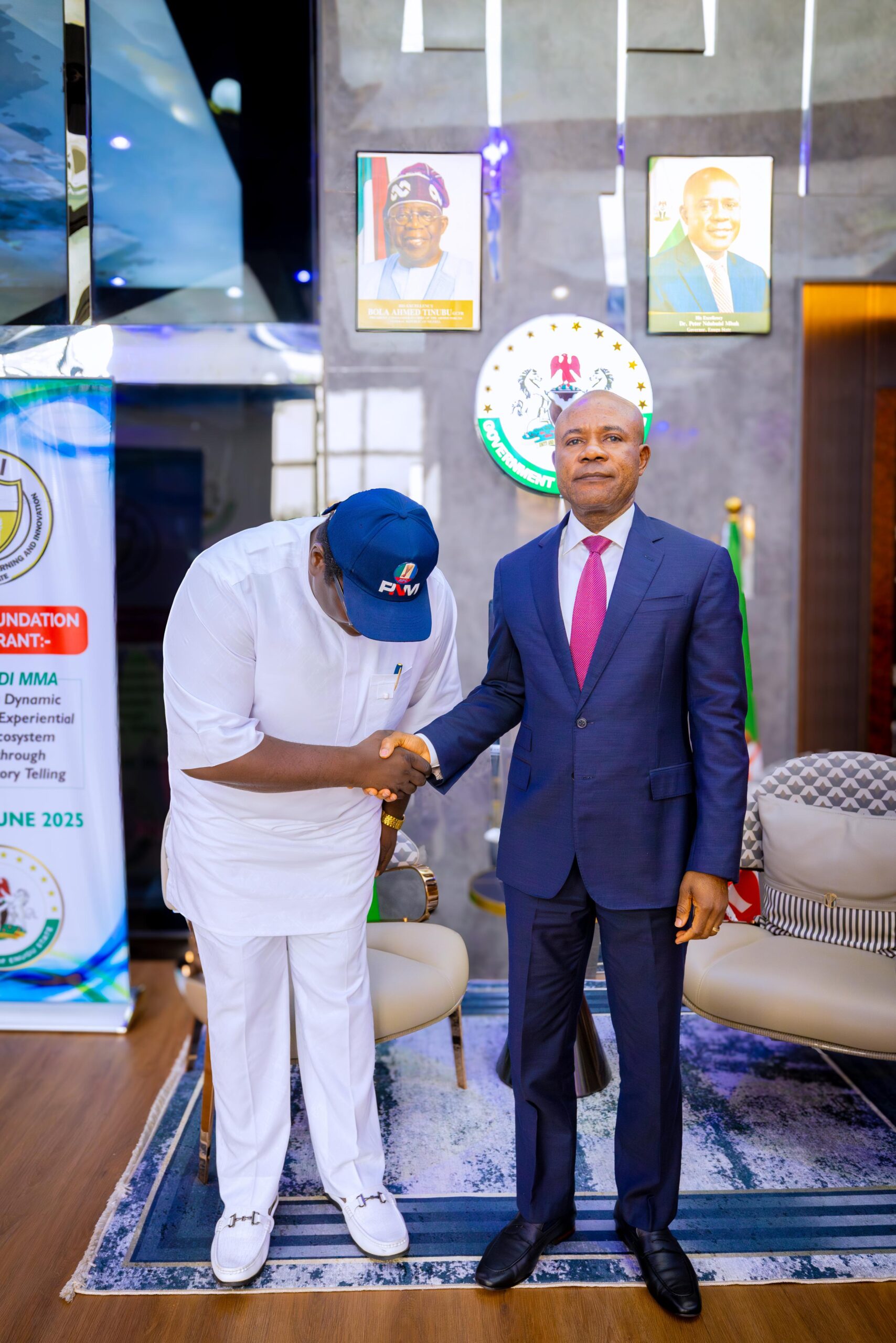
Barrister Henry Nnanna Okeke, a member of the Governing Council of Enugu State Polytechnic, Iwollo, has commended. Enugu State Governor ,His Excellency ,Dr Peter Ndubuisi Mbah for clearing verified pension backlogs and approved a ₦32 billion package to settle legacy gratuity arrears dating back to the year 2000 outstanding pension arrears owed to pensioners in Enugu State.
Okeke described the reported development as a significant step towards improving the welfare of retired civil servants who devoted their productive years to the service of the state.
He praised Governor Mbah for fulfilling his promise to pensioners, noting that the payment would bring relief to retirees who depend on their pensions and other entitlements to meet their daily needs.
According to him, pensioners deserve to enjoy the benefits of their years of service without unnecessary hardship, particularly after contributing to the growth and development of Enugu State.
The polytechnic governing council member noted that addressing pension arrears was an important demonstration of responsible leadership and a commitment to the welfare of citizens.
He said the reported clearance of the arrears would help ease the financial burden on affected pensioners and their families, while restoring confidence among retirees who had been awaiting their entitlements.
Okeke further urged the state government to sustain the progress by ensuring regular pension payments and preventing the accumulation of fresh arrears.
He stressed that the welfare of pensioners should remain a priority, adding that retirees deserve dignity, financial security and timely access to their entitlements after years of dedicated public service.
The commendation reflects the importance of policies that place the welfare of citizens at the centre of governance and ensure that government commitments translate into tangible benefits for the people.
Okeke reaffirmed his support for initiatives aimed at promoting good governance, accountability and sustainable development in Enugu State.
He expressed optimism that the Mbah administration would continue to implement policies and programmes that improve the living conditions of residents and strengthen the state’s development agenda.

The National Chairman of the African Democratic Congress (ADC), Sen. David Mark, has urged the Economic Community of West African States (ECOWAS) to insist on transparent and credible elections in Nigeria.
Mark made the call on Thursday in Abuja while receiving an ECOWAS delegation on a pre-election fact-finding mission ahead of the 2027 general elections.
The ADC leadership expressed concerns over the Independent National Electoral Commission’s (INEC) preparedness and commitment to conducting free, fair and credible elections during the meeting with the delegation.
Mark said Nigeria’s elections were critical to West Africa’s stability and would attract global attention, emphasising the need for stakeholders to work together to ensure credible electoral outcomes.
“This is why we must all work together to ensure we get it right. You have made us understand that your mission is pursuant to the ECOWAS Conflict Prevention Framework.
“We are quite happy with this. But the best way to prevent conflict, especially in relation to elections, is to ensure that it is free, fair and transparent,” he said.
Mark said the ADC was committed to peaceful conduct before, during and after the elections, urging ECOWAS to support efforts to ensure credible electoral processes.
“We in the ADC have committed ourselves to the highest standards of peaceful conduct before, during and after the elections. But we need ECOWAS to join us in insisting on a credible election now.
“We want the same thing: a peaceful and stable Nigeria and West Africa. This is why you must tell INEC that they must not do anything that could plunge Nigeria into a needless crisis.
“This must form part of your early warning signals,” he added.
The Head of Mission and former Vice-President of Sierra Leone, Victor Bockarie Foe, said the mission aimed to assess Nigeria’s preparedness for credible elections and the political atmosphere ahead of the polls.
Foe promised to convey the party’s concerns, alongside those of other stakeholders, to the regional body, emphasising Nigeria’s importance to peace and stability across West Africa.
Other members of the ECOWAS mission included Francess Piage Alghali, Commissioner for Political Affairs, Peace and Security; Julius Fofanah Sandy, representing the ECOWAS Permanent Representatives’ Committee; and Segrine Mamadou, Head of Electoral Assistance Division.



2027: FOOG Women Coordinator Urges Nigerians to Support Tinubu’s Re-election Bid
ShareBy Francis Sadhere, Warri Chief (Mrs) Esther Orighomisan Okotie-Eboh, Coordinator of Felix Omagbemi Ogbe Group (FOOG) Women Support Group for...

Troops Neutralise 217 Terrorists, Rescue 349 Kidnap Victims, Arrest 333 Suspects in Oct
ShareBy David Torough, Abuja The Armed Forces of Nigeria (AFN) say troops neutralised 217 terrorists and other criminals, rescued 349...


2027: Tompolo Mobilises Support for Tinubu in Ogun, says Economy Stabilising
ShareThe Grand Patron of the PBAT Door-to-Door Movement, Government Ekpemupolo, has called on the people of Ogun State to massively...

Henry Okeke Commends Mbah for Clearing Pension Arrears in Enugu
ShareBy Raphael Atuu, Abuja Barrister Henry Nnanna Okeke, a member of the Governing Council of Enugu State Polytechnic, Iwollo, has...

2027: ADC Urges ECOWAS to Insist on Credible Elections in Nigeria
ShareThe National Chairman of the African Democratic Congress (ADC), Sen. David Mark, has urged the Economic Community of West African...

Obi Promises Emergency Measures on Security, Corruption, Poverty
SharePresidential candidate of the Nigeria Democratic Congress (NDC), Peter Obi, has promised emergency measures to tackle insecurity, corruption, hunger and...


Why I Chose Music over Football – Mr Eazi
ShareAfrobeats star Mr Eazi has claimed that English club Chelsea FC wanted to sign him before they signed former Super...


Court Grants Odumodublvck’s Lawyer Prayer for Adjournment
ShareAn Abuja High Court sitting in Life Camp on Thursday, granted another adjournment in the assault trial of a rapper,...


RMD Makes History as PAO Conference Keynote Speaker
ShareVeteran Nollywood actor Richard Mofe-Damijo, popularly known as RMD, is set to become the first male motion-picture practitioner to deliver...
Telecom Vandalism: The Human Cost of Nigeria’s Network Disruptions
ShareBy Usman Aliyu Going into labour in Benin City, Edo, Grace Osagie anticipated calling her husband, but unexpected phone issues...