
NEWS
FirstBank Trains 365 Delegates at Inaugural Sales Academy

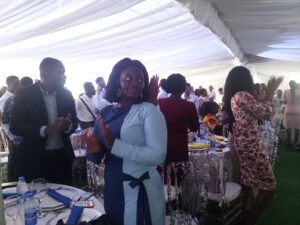
FirstBank of Nigeria Ltd. has equipped 365 delegates with the essential tools, knowledge and strategies through a, five-week intensive training at its inaugural Sales Academy.
The academy, a testament to FirstBank’s commitment to developing top-tier talent, led in a celebratory close-out party on Friday night in Iganmu, Lagos.
The five-week intensive training programme is a step by the bank in nurturing its future leaders to excel in the dynamic world of sales.
The event featured a variety of entertainment, interactive sessions, while class governors from each of the three cohorts delivered presentations on their groups’ activities during the training.
Mr Seyi Oyefeso, Executive Director, Retail Banking South, FirstBank, encouraged the new employees to strive for leadership roles within the bank by distinguishing themselves in sales.
Oyefeso represented by Omolola Otesile, Group Head, Retail Banking, Lagos Mainland, FirstBank, added that sales was the oldest natural culture practiced by humans from childhood.
Otesile said,“The future is in your hands; what you do with it is up to you. Congratulations once again; you are the leaders of tomorrow. Make sure you don’t shortchange yourselves.
“As the banking industry evolves, First Bank of Nigeria recognises the need for advanced skills to address its complexities.
“To meet this demand, the First Bank Sales Academy was established as a premier training ground for both aspiring and experienced banking professionals.
“This Academy is more than just a training center; it offers a transformative experience designed to equip participants with both foundational knowledge and the practical skills essential for success in modern banking.”
Muyiwa Olulaja, Group Head, Human Capital Management and Development, FirstBank, explained that the delegates were selected through a rigorous process.
He noted that this was the first time in the bank’s 131-year history that it had hosted a programme focused solely on sales training, designed to enhance participants’ knowledge, competence and confidence.
Ms Tolulope Uwadia, Head of First Academy, FirstBank, added that the training aligns with the bank’s commitment to prioritising customer satisfaction.
According to her, the initiative aims to integrate fresh, young minds into the bank, equipping them to support sales, handle customer complaints and ensure optimal service delivery.
Uwadia said that the training programme would continue, with 600 new trainees already enlisted in the academy.
She expressed that the close-out party served as a reward for the delegates’ hard work and as an opportunity for the cohorts to bond, socialise, and learn about FirstBank’s values.
Sales team members also shared insights into the rewarding nature of sales in banking, discussing strategies for success and ways to build customer loyalty through positive referrals.
Miss Ololade Babalola, a member of the Mactay Class One Cohort from Ondo, along with other delegates, expressed gratitude to FirstBank for the impactful experience. (NAN)
The Benue State Security Trust Fund Bill, 2026, passes second reading on Thursday at the Benue State House of Assembly.
Leading the debate, Thomas Dugeri, the Majority Leader, emphasised that the bill sought to create a pool of resources to support the acquisition of security equipment and the deployment of both human and material resources necessary for all security agencies operating in the state.
Dugeri said that part of the fund would be earmarked for the training and retraining of security personnel, ensuring that they were equipped to meet the evolving security challenges facing Benue.
“Our people are confronted with insecurity from multiple fronts.
“Security is everybody’s business, and it is imperative that we invest in the sector proactively to prepare for the rainy day,” he said.
He urged his colleagues to support the bill to pass second reading and subsequent passage.
Samuel Agada (APC/Ogbadibo) described the bill as apt, timely, and necessary.
Also, Cephas Dyako (APC/Konshisha), highlighted that members of the public would also be encouraged to contribute financially to the fund.
Anthony Agom (APC/Okpokwu), said that the initiative would help the government address persistent security gaps and fulfill its responsibilities more effectively.
Emmanuel Onah (PDP/Oju I), cited the example of Zamfara, where the governor purchased and distributed security vehicles to law enforcement agencies to combat insecurity.
He noted that Benue currently faced significant security challenges and pledged that his constituents were ready to contribute to the proposed fund.
After the debate, the Speaker, Alfred Emberga, called on the Clerk, Dr Bem Mela, to read the bill for the second time.
Emberga further referred the bill to the Committee on Local Government, Security and Chieftaincy Affairs to conduct a public hearing.
He said that after the public hearing, the bill was expected to receive accelerated passage.
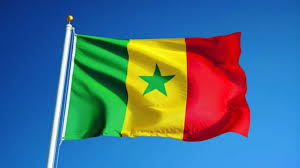
Senegal’s parliament has approved a new law doubling to 10 years the maximum prison term for sexual acts by same-sex couples and criminalising the “Promotion” of homosexuality.
A total of 135 MPs voted in favour, zero against and three abstained.
The next step will be for the president to sign it, then it will become law.The legislation, which was a campaign promise of President Bassirou Diomaye Faye and Prime Minister Ousmane Sonko, was sent to parliament after a wave of arrests over alleged same-sex relationships, already banned under Senegalese law.
The government spokesman dismissed international criticism of the bill, arguing that the move reflected the views of Senegalese people.
“The majority of Senegalese do not accept homosexuality. Our culture rejects it and we are firmly opposed to it,” said Amadou Moustapha Ndieck Sarré.
Some conservative activists in Senegal have long demanded harsher penalties.
The movement And Sàmm Jikko Yi, which campaigns to defend what it calls Senegalese moral values, has repeatedly urged authorities to adopt stricter legislation criminalising homosexual acts. Its leaders argue the law is necessary to protect Senegalese cultural and religious norms.
However, rights groups warn the move could worsen discrimination and violence against sexual minorities. Human Rights Watch researcher Larissa Kojoué said the proposed changes were worrying.
“Criminalising same-sex conduct and arresting people for their sexual orientation violates multiple internationally protected rights, including equality and non-discrimination.”
She added that such measures risked exposing people who were already stigmatised to “violence and fear.”
Alioune Tine, founder of the think-tank Afrikajom Center, said that the current climate could worsen social tensions. “If it is true that social concerns must be addressed, [the law] also has to respect human rights and protect public-health policies.”
Others have pointed out that same-sex relationships are a part of life and cannot be abolished by a law.
“Most of the same-sex relationships were hidden anyway. There are even people who are married in the society and who are still entertaining a safe-sex relationship because of the norm and the cultural norm in that society,” Senegal LGBTQ Association head and medical doctor Charles Dotou said.
All that will happen is “people will be hiding more, it will create more fear and people will be scared to live normally in that community. So there will be an exodus of people, particularly people who were already exposed so that that creates a bit of chaos in society,” Dr Dotou added.
The toughening of Senegal’s law follows a wave of arrests last month over alleged same-sex relationships. Police detained 12 men – among them two public figures and a prominent journalist.
Some supporters of the tougher legislation say they have concerns about HIV transmission, although it has long been scientifically established that people of any sexuality can contract and spread the illness.
Experts warn that further criminalising same-sex relations could vilify gay people living with HIV to the point that they shy away from receiving the vital medical care they need.
Senegal has been praised for its efforts to control HIV. Between 42,000 and 44,000 people are living with the virus in the country, with a national prevalence of about 0.3% among adults, one of the lowest rates in West Africa, according to the health ministry.
At the Fann University Hospital in Dakar, the executive secretary of the National Council for the Fight Against Aids (CNLS) – the body that has coordinated the country’s HIV response for decades – is worried about the situation with LGBTQ+ people.
“We have managed to control the HIV epidemic and we are moving towards eliminating Aids as a public health problem in Senegal,” Dr Safiétou Thiam said. “But what is happening now risks undermining the results of 30 to 35 years of efforts in the fight against the disease.”
Ousmane Sonko, the longtime firebrand opposition leader appointed prime minister in 2024, had told lawmakers the bill would punish what it describes as “acts against nature” with fines of up to 10,000,000 CFA francs ($17,600; £13,000) and prison sentences ranging from five to 10 years, compared with the current one- to five-year terms in the Muslim-majority country.
Several other African countries have also introduced tough new laws against the LGBTQ+ community in recent years.
In September last year, Burkina Faso’s transitional parliament approved a bill banning homosexual acts, following its neighbour Mali in 2024.
In 2023, Uganda voted in some of the world’s harshest anti-homosexual legislation meaning that people engaging in same-sex relationships can be sentenced to death in certain circumstances.
Ghana is also planning to re-introduce an anti-homosexual bill that activists say threatens basic human rights, safety and freedom.
By David Torough, Abuja
Nigeria’s public health sector is confronting a dual challenge as authorities warn of a potential meningitis outbreak in several northern states while experts raise concerns over the rising burden of non-communicable diseases linked to unhealthy lifestyles.
The Nigeria Meteorological Agency (NiMet) has issued a public health alert cautioning residents of northern Nigeria about the heightened risk of Cerebrospinal Meningitis, a potentially life-threatening infection affecting the brain and spinal cord.
In a statement on its official X account on Thursday, the agency urged vigilance and prompt medical action to curb the spread of the disease, which is commonly caused by the bacterium Neisseria meningitidis and spreads through respiratory droplets, particularly in crowded or poorly ventilated environments.
NiMet listed Sokoto, Zamfara, Kebbi, Katsina, Kano, Jigawa, Adamawa, Gombe, Bauchi, Yobe and Borno as states facing the highest risk, while residents in central states were advised to maintain moderate vigilance.
Plateau, Oyo, Cross River, Edo, Ekiti and Enugu were categorised as low vigilance areas.
The agency warned that the disease can progress rapidly and may become fatal within hours if untreated, stressing that early diagnosis and prompt antibiotic treatment significantly improve survival chances.
NiMet identified children and young adults, people living in overcrowded environments, individuals exposed to dry and dusty conditions, and those with weakened immune systems as the most vulnerable groups.
It urged residents to watch for symptoms including sudden high fever, severe headache, neck stiffness, nausea, vomiting and sensitivity to light, and to seek immediate medical attention if they occur.
The agency also advised preventive measures such as vaccination, improved hygiene, avoiding overcrowded spaces and ensuring proper ventilation in homes, schools and public places.
“Early awareness, vaccination and prompt treatment save lives,” NiMet said, urging communities to participate in health awareness campaigns.
Meanwhile, health experts have warned that Nigeria is also facing a “silent epidemic” of non-communicable diseases driven largely by poor diets, sedentary lifestyles and changing consumption patterns.
Country Director of the Network for Health Equity and Development (NHED), Dr Emmanuel Sokpo, said conditions such as heart disease, stroke, diabetes and hypertension were increasingly affecting Nigerians across age groups.
At a meeting with Health Editors on cardiovascular health and healthy food environment priorities in Abuja, Sokpo said excessive salt consumption, high sugar intake and limited public awareness about nutrition were major contributors to the growing health burden.
He noted that many Nigerians now rely more on meals purchased outside their homes, often high in salt, sugar and unhealthy fats, rather than preparing healthy meals.
Sokpo stressed that improving food environments and ensuring clearer nutrition information for consumers would support healthier choices and better health outcomes nationwide.
He said collaboration with journalists was critical in promoting accurate public information and countering misleading advertisements that promote unhealthy food products without highlighting long-term health risks.
According to him, rising illness linked to poor diets could ultimately affect economic growth if large numbers of citizens become too sick to remain productive.
Technical Director of NHED, Dr Jerome Mafeni, also warned that many deaths among relatively young adults were increasingly linked to hypertension, heart disease and diabetes.
He explained that unlike infectious diseases, non-communicable diseases do not spread from person to person but are largely influenced by lifestyle choices, dietary habits and environmental factors.
Mafeni identified excessive salt intake—often from seasoning cubes, processed foods and added table salt—as a major contributor to hypertension in Nigeria.
He also raised concerns about high sugar consumption from beverages and processed foods, which he said was contributing to rising cases of obesity and diabetes.
In addition, Mafeni warned about the health risks associated with saturated fats and industrially produced trans fats commonly found in fried foods, processed meals and cooking oils repeatedly used in fast-food outlets.
He said repeated heating of cooking oil increases harmful trans fats in food, raising the risk of cardiovascular diseases and certain cancers among regular consumers.
Mafeni called for stronger public awareness campaigns, supportive policies and improved food labelling systems to help consumers identify products high in salt, sugar and unhealthy fats.
He added that NHED was working with the Federal Ministry of Health and Social Welfare and regulatory agencies to promote clearer front-of-pack nutrition labelling to guide healthier consumer choices.
NHED is a not-for-profit organisation that advocates policies and interventions aimed at reducing illness and preventable deaths associated with poor health in Nigeria.


Benue Security Trust Fund Bill Passes Second Reading
ShareThe Benue State Security Trust Fund Bill, 2026, passes second reading on Thursday at the Benue State House of Assembly. Leading the debate, Thomas Dugeri, the Majority Leader, emphasised that the bill sought...
Over 20 Schools Set for Third Athletics School Games in Lagos
ShareNo fewer than 20 schools are set to participate in the third edition of the Athletics School Games (TASG), a grassroots athletics competition for school children scheduled to be held in Lagos. The...

Senegal Approves Tougher Anti-gay Law as Rights Groups Raise Concerns
ShareSenegal’s parliament has approved a new law doubling to 10 years the maximum prison term for sexual acts by same-sex couples and criminalising the...


Have Children Out of Wedlock, Marriage Doesn’t Work – Timaya
ShareNigerian singer, Timaya has shared his opinion on having children out of wedlock and marriage. The Dem Mama crooner sparked...


Ayra Starr Picks Wizkid, Tiwa Savage, Rema as Goats of Afrobeats
ShareNigerian singer, Ayra Starr has named her greatest Afrobeats artistes of all time, otherwise called “Afrobeats Big 3.” In a...

Leprosy Mission Boosts Patient Care in Niger with 25 Electronic Beds
ShareFrom Daniel Amasingha, Minna. As part of efforts to improve the treatment and welfare of leprosy patients, the Leprosy Mission Nigeria (TLMN) has...


NNPCL Cuts Petrol Pump Price by N100 in Lagos, N95 in Abuja
ShareThe Nigerian National Petroleum Company Limited has reduced the pump price of petrol at its retail outlets to N1,130 per...
Abaribe, Umeh, Kingibe, Six Others Dump Parties, Boost ADC Rank in Senate
ShareBy Eze Okechukwu, Abuja Amid Opposition turmoil, no fewer than nine senators from different political parties formally announced their defection...


Meningitis: Sokoto, Zamfara, Kebbi, Eight Others High-risk States
ShareBy David Torough, Abuja Nigeria’s public health sector is confronting a dual challenge as authorities warn of a potential meningitis...
Peculiarity and Dangers of Nigeria’s Politics of Fear
ShareBy Richard Ikiebe Some politicians depend on massive turnout to win, while others thrive when citizens are too afraid to...