
Health
Health: NOA, UNICEF Train 46 Clerics on “Faith for Life” in Kaduna


The National Orientation Agency (NOA) and UNICEF collaborated to train
46 Muslim and Christain clerics in Kaduna on “Faith for Life (F4L)”, focusing on the importance of healthy women and children.
Reports says that F4L, written as handbook, leverages on the influence of Islam and Christianity,
where it provide recommendations on how parents and caregivers can promote child survival and development through their behaviours.
The F4L handbook, endorsed by national religious leaders, contain carefully selected verses from the Holy Qur’an and the Holy Bible
that relate to infant and young child feeding, protection, nutrition, education, disease prevention, hygiene and sanitation.
All of these, provide spiritual basis for the promotion of childhood developmental issues and challenges across Nigeria.
The religious leaders at the two-day training, centred on best practices to avoid diphtheria, Human Papilloma Virus (HPV) and yellow fever
had in attendance, both Muslim and Christain leaders across the 23 local government areas of the state.
The NOA State Director, Alhaji Hamisu Abubakar, at the end of the training on Tuesday stressed the need for religious leaders to create awareness.
He said that the agency is saddled with the responsibility of consistently raising awareness, positive attitudinal changes, values and behaviours,
accurately and adequately informing and sufficiently mobilising citizens to act in ways that promotes national development.
Abubakar said NOA holds religious leaders in high esteem because they play vital role in ensuring that developmental programmes are understood
by followers and Nigerians in general.
He explained that HPV infection, diphtheria and yellow fever are leading health problems and cause death in many parts of the world,
Nigeria is no exception.
He added that the training on F4L is to educate religious leaders on dangers of diseases so they can disseminate same to their followers
to ensure prevention in the various denominations and divides.
Abubakar urged the participants to preach positive messages of vaccine to promote child survival and development in their respective communities.
Amaka Aninta, NOA’s Assistant Director of Programmes in Abuja, said “the F4L uses scriptural verses to discuss issues and creates awareness
on maternal mortality and child development.”
She added that religious leaders are key to the development of the country and children’s wellbeing.
Aninta said “NOA is leveraging on the F4L initiative to drive behavioural change by making religious leaders see the need to preach
issues related to maternal, child health and survival.
“We want them to always talk about breastfeeding, nutrition and other practices that can promote healthy wellbeing; in developing countries
like Nigeria, we still have issues of non-acceptance of vaccination.
“In children, we also see death of children under five years due to incomplete dosage of immunisation.”
She explained that the F4L harps on doing the right thing by mothers during pregnancy, after delivery and how to nurture children.
She added that the F4L also advocates the rights of child to school.
Earlier, UNICEF’s Consultant on Tradition and Religious Leaders, Malam Khalifa Abdullahi, spoke on preventive measures of the diseases.
He decried the lackadaisical attitude of some people to vaccination, stressing that immunisation is the safest means of prevention.
Abdullahi said there are vaccination centres in parts of the state where religious leaders are expected to educate their followers on the need for vaccination.
A resource person, Malam Abubakar Lawal, said that whatever is contained in the F4L is contained in the two holy books.
He said that the teachings of the F4L as being taught to Muslim religious leaders, is strengthned by Qur’anic verses or the sayings of the Holy Prophet.
Lawal, who is a member of NOA’s Technical Working Group, said many traditional beliefs on child and mothers care have been made to supercede
religion, noting that the training is to correct the beliefs.
Rev. Adeyemo Samuel, the National Technical Working Group Officer for UNICEF and NOA on F4L, said religious leaders are opinion leaders.
He, therefore, urged the Christain faithful to use the pulpit in disseminating the message of proper child and mother care for healthy wellbeing
as entailed in the F4L. (NAN)
Health
WAHO, ECOWAS Countries Move to Tackle Health Worker Shortages, Brain Drain Through Regional Retention Plan

By David Torough, Abuja
The West African Health Organization (WAHO) has called for stronger regional collaboration and practical policy interventions to address health workforce shortages, brain drain and poor working conditions across Economic Community of West African States (ECOWAS) member countries.
The call was made at the opening ceremony of a three-day workshop in Abuja to finalize the work plan for motivating and retaining health workers across the ECOWAS region.
Speaking on behalf of the Minister of State for Health, Dr. Ishiaka Adekunle Salako, Dr.
John Ovuoranye said the Nigerian government was pleased to host the regional meeting, describing it as an opportunity to align national, regional and continental efforts towards strengthening Africa’s health workforce.He noted that the workshop coincided with other major health-related engagements in Nigeria, including activities marking the 50th anniversary of the West African College of Physicians and a high-level African Union forum on the continent’s community health workforce.
According to him, the convergence of the events reflects growing recognition among African countries that addressing health workforce challenges requires coordinated action rather than isolated interventions.
Ovuoranye emphasized that the work plan being developed by WAHO and its partners must complement broader continental initiatives, particularly the African Union’s target of expanding the community health workforce by two million workers by 2028.
He explained that while continental initiatives would establish broader frameworks for strengthening the health workforce, the ECOWAS work plan would focus on practical measures to motivate health professionals and encourage them to remain in the region.
He stressed that the different initiatives must be aligned to ensure that training, recruitment, motivation and retention efforts produce sustainable results.
The minister’s representative also highlighted Nigeria’s preparedness in responding to public health emergencies, citing the country’s response to a reported Ebola case.
He said the country had activated surveillance and contact-tracing measures, adding that the experience demonstrated the importance of having adequately trained personnel and effective health systems to respond to emerging threats.
Ovuoranye urged other countries in the region to strengthen their preparedness and invest in the health workforce, noting that the movement of people across national borders makes regional cooperation essential.
In a presentation on the meeting’s objectives and expected outcomes, the representative of the WAHO Director General, Professor Joseph Olorunda, described health workers as the backbone of health systems and warned that shortages and unequal distribution of personnel continued to threaten healthcare delivery across West Africa.
He said the workshop was expected to move beyond general discussions about workforce challenges to identify specific problems confronting member countries and develop practical strategies to address them.
According to Olorunda, participants would examine the relationship between motivation and retention, identify areas where policies and partnerships could support improvements, and agree on actions that governments and relevant institutions could implement.
He stressed that the effectiveness of a health system depended not only on infrastructure and technology but also on the availability of adequately trained and motivated professionals to deliver services.
Olorunda identified poor working conditions, delayed salary payments, inadequate remuneration, limited career progression, weak political commitment and the migration of skilled professionals to higher-income countries as major factors undermining workforce retention in the region.
He argued that investments in hospitals, equipment and other health infrastructure would not deliver the desired results without sufficient numbers of skilled personnel to operate them.
The WAHO representative also raised concerns about disparities in health professional education and training across countries, including differences in programme duration, admission requirements, diploma recognition and professional qualifications.
He called for sustained efforts to harmonize training standards and qualifications across the region to improve professional mobility and ensure that health workers receive appropriate preparation for their responsibilities.
Drawing attention to the scale of migration, Olorunda cited Nigeria and Ghana as examples of countries facing persistent challenges in retaining trained health professionals.
He noted that Ghana had recorded substantial outward migration of nurses, while Nigeria continued to face the loss of doctors and nurses to countries offering more attractive employment opportunities.
He also highlighted the particular difficulties confronting countries such as Liberia and Sierra Leone, where conflict and fragile health systems have compounded workforce shortages.
According to him, the challenges vary across countries, making it necessary for the regional work plan to recognize national circumstances while establishing common priorities for action.
Olorunda maintained that governments must treat health workforce retention as a fundamental health system priority rather than a secondary concern.
He called for competitive and timely remuneration, improved working environments, professional recognition, structured career advancement and measures to protect the safety and welfare of health workers.
He also cautioned against relying excessively on compulsory service arrangements and other restrictive measures to prevent migration, arguing that improving employment conditions would provide a more sustainable incentive for professionals to remain in their home countries.
He urged policymakers to ensure that health workers are adequately rewarded for their expertise and years of training, while providing opportunities for professional development and advancement.
The WAHO representative further emphasized that political commitment would be essential to implementing the work plan, noting that even well-designed policies would have little impact without adequate funding and effective institutional support.
He called on participants to use the workshop to develop a practical document that could guide decision-makers in addressing staffing gaps, improving workforce distribution and strengthening the retention of skilled personnel.
The three-day workshop is expected to produce a finalized regional work plan outlining strategies to improve the motivation and retention of health workers across ECOWAS member countries.
The initiative is intended to strengthen regional cooperation in addressing workforce shortages, improve the working conditions of health professionals and support the delivery of quality healthcare services to populations across West Africa
From Joseph Amedu, Lokoja
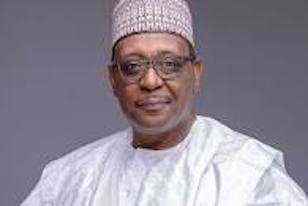
The Chief Medical Director of the Federal Teaching Hospital, Lokoja, Professor Abdulrahman Shehu, has called for more investment in healthcare delivery
The Chief Medical Director particularly woos philanthropists, the Federal Government and the Kogi State Government to invest more in the health sector to improve healthcare delivery and strengthen hospital infrastructure.
Prof. Shehu made the call while interacting with members of the Correspondent’s Chapel of Nigeria Union of Journalists, Kogi State Council who were in his office to clarify some issues affecting the hospital on Friday.
The renowned medical practitioner who was represented by the Chairman, Medical Advisory Committee (CMAC) Dr Raphael Odekunle, said increased private-sector and philanthropic support would complement government efforts in providing modern facilities, medical equipment and other essential resources required for hospitals to deliver quality and affordable healthcare services.
The CMD, who spoke on efforts by the new management to reposition the hospital, said the administration was committed to improving infrastructure, enhancing service delivery and ensuring that healthcare workers remained responsive to patients’ needs.
He stressed that the management would continue to introduce reforms aimed at making services more accessible, efficient and patient-friendly.
Shehu urged patients experiencing difficulties in the course of receiving treatment to channel their complaints through the hospital’s Servicom platform, describing it as an effective avenue for prompt attention to their concerns.
According to him, the platform provides patients with an opportunity to report challenges encountered while accessing healthcare services, enabling the management to identify and address such issues without unnecessary delays.
To reduce the stress of moving between departments in search of medical services, the CMD disclosed that the hospital had introduced a clinical system that brings essential service units together in one location.
He explained that the arrangement accommodates revenue, pharmacy, laboratory and National Health Insurance Scheme (NHIS) units, allowing patients to access the services they need more conveniently.
Shehu said the management planned to extend the system to other parts of the hospital to further improve service delivery and minimise the difficulties patients encounter while seeking treatment.
He, however, appealed to the Federal Government to intervene in the hospital’s infrastructure, noting that improved facilities were necessary to bring its operations in line with the standards expected of a teaching hospital.
On the hospital’s wallet payment system, the CMD defended the arrangement, describing it as a measure designed to promote transparency, accountability and curb fraudulent practices.
He explained that the system enables the hospital to manage patients’ payments in an accountable manner while ensuring that funds are used to provide the required services.
Shehu acknowledged concerns over delays in refunding patients’ unspent balances, assuring that the management was working to remove the bottlenecks associated with the process.
“We are working on how best we can remove the bottlenecks associated with delays in refunding unspent money to patients,” he said.
The CMD also appealed to the Federal and Kogi State governments to intensify public awareness and encourage more residents to enrol in the National Health Insurance Scheme to improve access to healthcare.
He noted that measures were being put in place to ensure the availability of drugs under the scheme, while clarifying that not all medications were covered by the NHIS.
Shehu urged enrollees to familiarise themselves with the scheme’s drug coverage to avoid misunderstandings when accessing prescribed medications.
On emergency care, the CMD assured that the hospital would continue to prioritise saving lives, stressing that emergency cases were attended to before payment was demanded.
He said the hospital’s primary responsibility was to preserve lives, adding that financial considerations would not take precedence over urgent medical attention in emergency situations.
The CMD further pledged that the management would sustain the training and retraining of medical and non-medical personnel to improve professionalism, strengthen patient relations and ensure that patients received satisfactory care.
He expressed confidence that the ongoing reforms, combined with improved infrastructure and support from government and private benefactors, would enhance the hospital’s capacity to provide quality healthcare services to the people.
Earlier, the Chairman of the Correspondents’ Chapel of the Nigeria Union of Journalists (NUJ), Kogi State Council, Comrade Segun Ademola Salami, commended the management of the hospital for upgrading its facilities to enhance effective healthcare delivery to residents of Kogi State and Nigerians at large.
He urged the Chief Medical Director (CMD) not to relent in his efforts to ensure that the hospital lives up to its status as a teaching hospital through the provision of quality and accessible healthcare services.
Comrade Salami, however, appealed to the management to address the challenges patients encounter while accessing medical services at the facility.

By Eze Okechukwu, Abuja
The Senate yesterday ordered mandatory health screening for every international passenger arriving Nigeria airports, seaports, land borders as Ebola resurfaces in the Democratic Republic of Congo with a scare case reported in the FCT.
The resolution followed an urgent motion by Senator Francis Fadahunsi, who warned that with Lassa fever already ravaging states, Nigeria cannot afford another outbreak.
“Protecting our entry points is far cheaper than managing Ebola,” Fadahunsi told the chamber.
Lawmakers insisted screening must be total and indiscriminate — no exemptions based on nationality or departure country because infected travellers can transit through safe-listed nations.
Senator Diket Plang raised the stakes further, demanding immediate funding for NCDC and Port Health Services, including release of withheld funds and emergency budget.
Senate President Godswill Akpabio said the Federal Government has started releasing Ebola response funds but ordered relevant committees to track every kobo.
“Ascertain whether the funds were released and judiciously utilised. Any outstanding debt must be released by the Finance Ministry without delay,” Akpabio directed.




RMAFC Chairman Tasks Directors, Others on Accountability, Productivity
ShareBy Tony Obiechina, Abuja The Chairman of the Revenue Mobilisation, Allocation and Fiscal Commission (RMAFC), Dr. Mohammed Bello Shehu has...


NDLEA Secures 18 Convictions, Arrests 130 Suspects in Kaduna
ShareThe National Drug Law Enforcement Agency (NDLEA), Kaduna State Command, said it secured 18 convictions and arrested 130 suspects for...
Gen Z No Longer Think for Themselves, Ayra Starr’s Mother Blames Social Media
ShareNene Aderibigbe, mother of Nigerian singer Ayra Starr, has criticised the influence of social media on Gen Z, claiming that...


Davido, Chioma Arrive in Style for Zlatan, Davita’s Wedding in Morocco
ShareNigerian music star, Davido, and his wife, Chioma Adeleke, have arrived in style in Marrakesh, Morocco, for the wedding celebration...


Lessons from the 2023 Presidential Elections: Obi Vs Wike
ShareBy Sunday Adelaja My goal in this article is to go beyond promoting a particular candidate like I did in...
Certificates Without Jobs: The Uncomfortable Reality of Nigeria’s Education System
ShareBy Idris Rufai Welcome to Nigeria, where young people are highly educated, professionally qualified and, unfortunately, increasingly experienced in the...

FG Generates N33tn Revenue in 10 Months – Oyedele
ShareBy Tony Obiechina, Abuja The Federal Government generated N33tn in revenue between January and October 2026, while about 90 per...


Terrorists Flee Strongholds, Military Block New Bases – DHQ
ShareBy David Torough, Abuja The Defence Headquarters (DHQ) has dismissed reports and suggestions of a ceasefire with Boko Haram terrorists,...


Court Nullifies Mark-led ADC Leadership, Atiku’s 2027 Candidacy
ShareBy David Torough, Abuja The Federal High Court in Abuja has nullified the leadership of the African Democratic Congress (ADC)...

WAHO Advances Regional Health Integration Through Standardised Procedure Manuals
ShareBy David Torough, Abuja The West African Health Organization (WAHO) has commenced a regional workshop in Abuja to finalize procedural...