
POLITICS
INEC Tasks Journalists on Electoral Act 2026 Ahead 2027 Polls

The Independent National Electoral Commission (INEC) has urged journalists to familiarise themselves with the provisions of the Electoral Act 2026 to ensure accurate, responsible and credible coverage of the 2027 general elections.
The Kaduna State Resident Electoral Commissioner (REC), Prof.
Saidu Ahmed made the appeal on Sunday at a retreat organised by the Kano state Correspondents’ Chapel of the Nigerian Union of Journalists (NUJ).The three-day retreat rounded up on Sunday has the theme, “2027 General Elections: Navigating Legal, Security and Ethical Challenges in the Media”.
Represented by an INEC Supervisor, Malam Ahmed Musa, the REC charged the media on election reporting, legal framework, security and ethical boundaries.
Ahmed said journalists played a critical role in shaping public perception and could either contribute to nation-building or undermine national cohesion through irresponsible reporting.
He urged journalists to situate their election reports within the new legal framework and understand the rights and limitations attached to media accreditation.
According to him, the Electoral Act 2026, signed into law by President Bola Tinubu on Feb. 18, 2026, introduced significant changes that would affect the conduct and reporting of the 2027 general elections.
Ahmed said Section 47 of the Act made the use of the Bimodal Voter Accreditation System (BVAS) a legal requirement, while electronic transmission of polling-unit results had also become mandatory.
He said Section 60(6) prescribed penalties for Presiding Officers who deliberately obstructed the electronic transmission of results, while Section 62(9) provided severe punishment for Returning or Collation Officers who intentionally collated or announced false results.
He said the new law had also abolished indirect voting in political party primaries, requiring parties to adopt direct primaries or consensus.
According to him, courts can no longer stop a primary election or electoral process through injunctions, as electoral disputes would be addressed after the relevant process.
Ahmed said journalists also needed to understand the various stages leading to the 2027 elections, including party primaries, nomination of candidates, publication of candidates’ lists, campaigns, pre-election litigation, election-day activities and post-election petitions.
He advised journalists to rely on INEC’s official channels of communication to avoid publishing unverified information.
He cautioned journalists against treating WhatsApp messages, Facebook posts, voice notes, photographs or documents circulated by individual INEC staff or political party agents as official statements of the commission.
He stressed the need for proper verification before publication, noting that inaccurate reports could cause serious damage because false information could become difficult to correct once it gained public acceptance.
On media accreditation, he said journalists and media organisations must obtain accreditation before covering electoral activities.
He said applications would be made through the INEC Media Accreditation Portal, with media organisations expected to provide formal letters of introduction, details of journalists deployed and passport photographs.
According to him, the accreditation portal would open and close on dates to be announced by INEC and would automatically shut at the expiration of the deadline.
He said accreditation could be refused where the identity of a journalist or media organisation could not be professionally verified.
He then explained that accreditation granted journalists lawful access to polling units, collation centres and other designated electoral facilities, but stressed that accreditation tags were personal and non-transferable.
He urged journalists to wear their accreditation tags visibly throughout the electoral process.
He, however, cautioned journalists against entering voting cubicles, handling electoral materials, obstructing electoral officials or interfering with the conduct of elections.
Ahmed also advised journalists to photograph result sheets only after they had been completed, signed and posted as required.
He urged reporters to record relevant details, including polling-unit codes, names of officials and times of electoral activities, describing journalists’ notebooks as important evidence that could assist them in verifying and defending their reports.
Also, the Kano State Government in a message by the Secretary to the State Government (SSG), Alhaji Umar Faruk, urged journalists to strengthen development journalism and provide balanced reports on government policies and projects.
The SSG’s message presented by Mustapha Muhammad the Chief Press Secretary to Gov. Kabir Yusuf, commended the leadership of the Correspondents’ Chapel for organising the engagement, describing it as an opportunity for journalists to reflect on their professional responsibilities and issues affecting society.
He said the theme of the retreat was timely, given the challenges associated with electoral reporting.
The SSG said journalists occupied a strategic position in society beyond reporting daily events, stressing that they had a responsibility to inform citizens, hold institutions accountable and provide platforms for governments to communicate their policies and programmes.
He urged journalists in Kano to strike a balance between robust scrutiny of government and responsible reporting of genuine development efforts.
According to him, development journalism should not be confused with government propaganda, but should involve investigating and reporting the impact, quality, beneficiaries and implementation of government policies and projects.
He listed education, healthcare, agriculture, youth empowerment, women’s development, employment, environmental protection, infrastructure and social investment as areas deserving sustained media attention.
Ibrahim urged journalists to go beyond reporting ceremonies and commissioning of projects by investigating whether such projects were serving their intended beneficiaries.
He said citizens had the right to know how public resources were being utilised and how government policies and projects affected their lives.
The SSG said constructive criticism remained an important part of journalism and could help governments identify and address citizens’ concerns.
He urged the media community in Kano to develop a stronger culture of development journalism, where government performance would be assessed based on tangible improvements in the lives of citizens rather than political sentiments.
Also speaking, the Kaduna State Commissioner for Information and Culture, Ahmed Maiyaki, urged journalists to uphold professional ethics and strengthen political reporting ahead of the 2027 elections.
Maiyaki said journalists should understand that belonging to a political party did not necessarily prevent a person from participating in journalism, but stressed the need for professional discipline and adherence to ethical standards.
He said journalists should be prepared to uphold professional ethics even when doing so could expose them to pressure or other consequences.
Maiyaki also urged journalists to learn from the vibrancy of political reporting in Kano, describing the state as an important centre of political activity whose developments could have wider implications for the North.
He said responsible and professional political reporting was particularly important in Kano because of the intensity of political activities in the state.
The commissioner further highlighted the importance of Kano to Nigeria’s economic development, saying the state had demonstrated significant potential in attracting investment and creating business opportunities.
He urged journalists to give adequate attention to economic and development issues alongside political reporting.
Chairman of the Nigerian Union of Journalists (NUJ), Kaduna Council, Abdulgafar Alabelewa said journalists were critical stakeholders in the delivery of credible and acceptable elections.
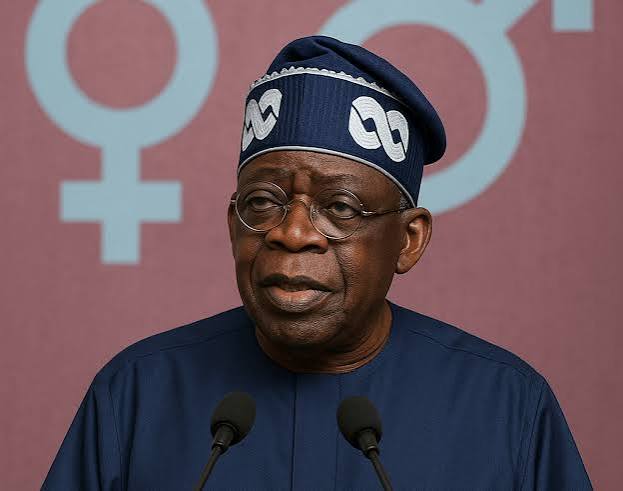
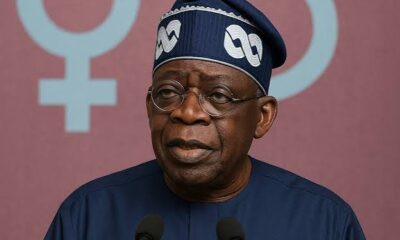
Northern Governors’ Forum has urged women Ulamas to support President Bola Tinubu’s re-election bid in 2027.
The governors made the call through Gov. Inuwa Yahaya of Gombe State who is also the Chairman of Northern States Governors’ Forum.
Yahaya who spoke on Sunday in Kaduna at an engagement meeting with Northern Nigeria women Ulama from the 19 northern states, said the meeting provided an opportunity to engage the women Islamic scholars and mobilise them towards ensuring Tinubu’s return to office in 2027.
The governor said northern APC governors would cascade the mobilisation effort to their respective states and grassroots communities.
“We will go and cascade down this mission and ensure that our womenfolk and indeed our entire people align with the system,” he said.
Yahaya said the governors would work towards retaining their positions and ensuring the success of the APC at the 2027 elections.
He urged participants to remain united, strategic and focused, saying political success required collective effort, patience and perseverance.
According to him, political journeys are not for one person but involve citizens who deserve to have their voices heard and served with fairness.
Yahaya said the administration had taken difficult but necessary decisions to address challenges confronting the country.
He expressed optimism that the measures would bring stability and relief to Nigerians, urging the people not to be distracted.
The governor also urged APC members to educate citizens on the administration’s policies and achievements to strengthen public understanding and support.
He said the 19 northern states remained important to the APC’s political mobilisation ahead of the 2027 elections.
Yahaya said competence, integrity, justice and fairness should guide leadership, stressing that a leader must govern all Nigerians regardless of religion or region.
He called for unity among APC members, urging them not to allow intimidation, confusion or division to derail the party’s progress.
Also speaking, Gov. Uba Sani of Kaduna State said the women Ulama were gathered to express their support for Tinubu based on his achievements.
Sani said the Ulama had highlighted Tinubu’s interventions in education, infrastructure, healthcare, agriculture and security as reasons for supporting his administration.
He said the women represented millions of followers across the 19 northern states and could influence grassroots mobilisation.
The governor said Tinubu had demonstrated inclusivity by ensuring that development reached different parts of the country without discrimination.
Sani particularly highlighted investments in education, skills development and student financing, saying northern Nigeria had benefited significantly from the programmes.
He said the region accounted for more than 60 per cent of beneficiaries under some Federal Government skills based education initiatives.
Sani said the gathering was organised in collaboration with the Office of the Special Adviser to the President on Political Affairs, Ibrahim Kabiru Masari.
He urged the women Ulama to take their message to communities across the northern states, local government areas and wards.
Sani said the North had benefited significantly under Tinubu’s administration, adding that the claim was supported by data and statistics.
“We should talk about the politics of issues and ask what previous administrations did for Northern Nigeria compared with what President Tinubu has done,” he said.
In his remarks, Alhaji Ibrahim Masari urged the women Ulama to remain committed to supporting Tinubu, describing the gathering as evidence of grassroots support.
He said the President was aware of the meeting and had sent his Chief of Staff, Femi Gbajabiamila, who could not attend.
Masari said Gbajabiamila was absent because he had taken his ailing mother to hospital, praying for her recovery.
He urged the women to remain steadfast, saying the administration would not deliberately betray the trust placed in it.
Masari also defended the presidential ticket, saying supporters backed the arrangement because of their conviction and belief in its leadership potential.
He urged Nigerians to reject ethnic and religious discrimination, stressing that leadership should be based on justice, competence and integrity.
Masari appealed to the women to reject political deception and remain focused on issues affecting the country.
He prayed for Tinubu’s success in 2027 and asked Allah to strengthen the President’s resolve, wisdom and ability to correct mistakes.
He also prayed for the safe return of participants and for peace and progress in Nigeria.
Speaking also, Dr Hadiza Usman, representing women from the North West, urged the government to prioritise women’s empowerment, saying supported women could mobilise their communities for development.
She said women remained powerful grassroots mobilisers and appealed to government leaders to ensure empowerment programmes reached ordinary women, regardless of political connections.
Hajiya Farida Usman urged the Federal Government to intensify efforts to address insecurity and make primary and secondary education genuinely free for children of poor families.
She said many youths were involved in banditry, kidnapping and insurgency due to lack of education.
Usman urged government to upgrade public schools and ensure poverty alleviation programmes reached intended beneficiaries.(NAN)
By Donald Andoor
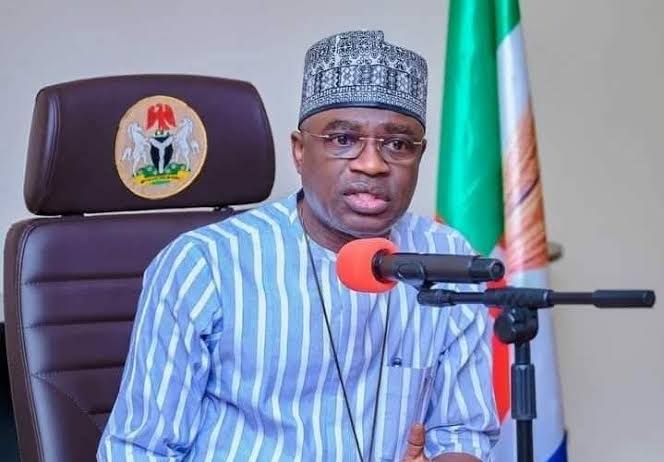
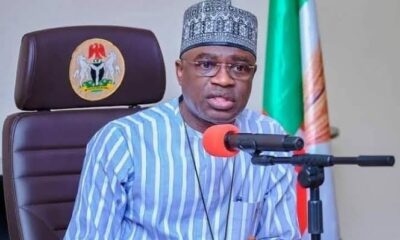
Benue State Governor, Hyacinth Alia has said he does not use the siren to scare people off roads in the course of his travels and movement because he sees his office as “service to the people, and humanity” which requires more civility.
He further said his legacies in government and achievements will continue to “send shrill sounds of siren to the beneficiaries” instead of ceremonial sirens on motor ways.
“I don’t use the siren because the roads I am constructing will serve as a siren in their minds.
“I don’t use the siren because the hospitals and health centres being constructed across the state will serve as a siren to the beneficiaries.
“I don’t use the siren because of my belief that the schools I am building will serve as sirens for the beneficiaries.
“I don’t use the siren because if the people are enjoying projects being recorded in different sectors, these projects will serve as sirens for them to remember.”
Alia was responding to remarks made by the management of the Sun Newspapers as to why he does not use the siren, as one out of several reasons for his nomination for the award of the Best Governor of the Year 2026, in Government House Makurdi.
Alia recalled how he met deplorable infrastructure, especially in education and health sectors, stressing he had employed over 9,700 teachers, in addition to building hundreds of classrooms to reposition education in the state.
The Governor, who spoke about the security challenges confronting the state, expressed appreciation to President Bola and security agencies for the untiring efforts to restore peace to enable those displaced to return to their ancestral homes.
To the critics of his administration, he said they were exercising their fundamental rights in a democracy but explained that every decision taken by his administration was normally subjected to critical appraisal.
“It is sad that people who are outside and do not have information as to why a decision was arrived at are the ones that criticise such a decision even when they do not have any understanding or background knowledge leading to the decision” he recalled.
He expressed appreciation for his nomination for the award and said, “I am happy that the media and the general public are taking notice of the efforts one is making to bring development to the state.”
The Managing Director and Editor- in- Chief, Sun Newspapers, Onuoha Uke, who led other management staff, reeled out a catalogue of achievements of the Governor in different sectors, which he said informed the choice of his nomination for the award.
He explained that the Governor was chosen after a rigorous screening exercise that underwent several processes.
Delta Communities Give Heritage, FG Five-day Ultimatum over Seven-Month Oil Spill
From Francis Sadhere, Delta
Residents of Odidi, Kantu, Keremor and other riverine communities in Delta State have issued a fresh five-day ultimatum to Heritage Energy Operational Services Limited and the Federal Government to repair the leaking Trans-Forcados Pipeline, warning that they would shut down the facility if urgent action was not taken.
The communities, which have endured nearly seven months of crude oil pollution since the spill was reported on February 19, 2026, accused the oil company and relevant government agencies of abandoning them to hunger, disease and severe environmental degradation.
The affected settlements include Odidi Federated Communities, Kantu, Keremor, Izansa, Ebisoko, Ayagbene and Egenugbene, among others, located in the riverine areas of Warri South-West and Burutu Local Government Areas of the state.
The predominantly fishing communities staged a protest over the weekend, carrying placards with inscriptions including, “Federal Government, save our souls. We are suffering, no food, no water,” “Six months spill without repair is wickedness,” “The river is our source of life, save our lives,” “Regulators sanction Heritage,” “We cannot fish again,” “No repair, no production,” and “We want immediate cleanup.”
The protesters said the prolonged spill had destroyed fishing nets, contaminated water sources and rendered fishing, their main source of livelihood, virtually impossible.
Speaking during the protest, Chairman of Odidi Federated Community, Chief Truston Gbenekama, said the failure to repair the pipeline had subjected thousands of residents to untold hardship.
Gbenekama also alleged that residents had been left without potable water and adequate medical assistance despite their prolonged exposure to the polluted environment.
He described relief materials reportedly supplied by Heritage as grossly inadequate, saying they could not meet the needs of communities with large populations.
The community leader appealed to the Federal Government to immediately shut down the affected pipeline, repair the facility and prevent further pollution.
Secretary-General of the community, Chief Bene Mamamu, called for the withdrawal of Heritage Energy’s operating licence, alleging that the company had failed to effectively manage the crisis.
Mamamu said a Joint Investigation Visit, JIV, had already been conducted and that the matter had also attracted the attention of the National Assembly, yet the leak had continued.
“How can you tell me that more than seven months after a spill occurred, JIV has been done and you have also invited Heritage to the House Committee on South-South Development and up till now NPL, NNPCL, Heritage itself are not doing anything about it?” he queried.
He said the community had given Heritage a five-day ultimatum to repair the pipeline or face further action.
Similarly, Chief Monday Keme, Principal Secretary to the Amakosu of Ogbe-Ijoh Warri Kingdom, HRM Monbene III, condemned the prolonged failure to address the pollution.
Keme said the spill, which occurred on February 19, was still ongoing as of September 12, 2026, alleging that similar incidents had occurred since Heritage took over the operation of the Trans-Forcados trunkline.
He recalled an alleged 2015 incident which, according to him, resulted in the deaths of a woman and her four children.
Keme further alleged that the latest incident had claimed another life and affected a large portion of Ogbe-Ijoh Kingdom.
“We have regulatory agencies like NOSDRA, NUPRC; none of them is doing anything. This kind of thing cannot be allowed, seven good months, our people have been suffering,” he said.
He warned that the communities would shut down the facility if the pipeline was not repaired within the stipulated period.
The family of the latest reported victim also linked her death to the prolonged environmental crisis.
The deceased’s son, Terry Ogisi, Public Relations Officer of the community, said his mother, Atete Ozuku, popularly known as Mama Terry, slipped on crude-oil-stained wooden stairs after returning from the river on September 2.
According to him, she sustained serious injuries and was taken to different hospitals after doctors recommended surgery, but eventually died on September 10.
Ogisi said his mother was a fisherwoman and mother of seven children.
He appealed to the government to urgently intervene, warning that the communities could barricade the river if the situation persisted.
The pollution has also heightened concerns among women in the affected communities, many of whom depend on fishing for their livelihood.
A fisherwoman from Ebisoko village, Mary Ekpenumu, said the spill had compounded the hardship facing residents, particularly women.
She said residents could no longer fish effectively or depend on the polluted river for their daily needs.
Another community leader, Chief Friday Deighan, alleged that regulatory agencies had visited the affected areas, documented the situation and left without stopping the leak or commencing a cleanup.
Deighan said the pollution was still “gushing out” and had devastated a vast territory extending from Warri South-West towards Burutu.
He called on the Federal Government and relevant regulatory agencies to immediately stop the leak, clean up the affected environment, provide adequate relief materials and compensate the affected residents.
The communities also alleged that repeated appeals for medicines and potable water had not received adequate response, while the relief materials provided by Heritage were insufficient to meet their needs.
They further claimed that the JIV had attributed the spill to corrosion of the ageing pipeline along the Forcados route, describing the incident as equipment failure.
With the pollution entering its seventh month, the communities said their patience had run out, insisting that immediate repair of the pipeline, cessation of the leak and commencement of a comprehensive cleanup were no longer negotiable.
They warned that failure by the authorities and operator to act could trigger fresh protests and the shutdown of affected waterways and oil facilities.
Meanwhile, attempts by our correspondent to obtain the reaction of the management of Heritage Energy Operational Services Limited on the latest development proved abortive as of press time.
By David Torough, Abuja
The Independent National Electoral Commission (INEC) has published the final lists of candidates for the 2027 presidential and National Assembly elections, setting the stage for the January polls while triggering a legal challenge from the Accord Party over the omission of its presidential candidate, Dr Gbenga Olawepo-Hashim.
INEC published the names of 18 presidential candidates and their running mates, comprising 16 men and two women, alongside candidates for the National Assembly across the states.
In Ondo State, the commission released 122 National Assembly candidates; 31 for the three senatorial districts and 91 for the House of Representatives, in compliance with the timetable for the 2027 general elections.
The publication followed the September 12 deadline stipulated by the commission and was carried out pursuant to Section 32(1) of the Electoral Act, 2026.
However, the Accord Party has questioned the absence of Olawepo-Hashim from the presidential list, insisting that he emerged as its consensus candidate after meeting the requirements for nomination.
Lagos State Chairman and Secretary of the party’s South-West Zone, Dele Oladeji, said the party was unaware of why INEC omitted Olawepo-Hashim from the published list.
Oladeji said three members had initially expressed interest in the presidential ticket before the party adopted Olawepo-Hashim as its consensus candidate.
According to him, the candidate paid the prescribed nomination fees and satisfied the requirements for the contest, making his omission from the INEC list unexpected to the party leadership.
“For whatever reason, he was not listed by INEC, and this has led him to approach the court,” Oladeji said, expressing confidence that the judiciary would restore the candidate’s mandate.
He said Accord remained committed to contesting the 2027 election under its platform and had no plan to align with another political party over the dispute.
Oladeji also dismissed reports of factionalisation within Accord, describing the controversy over its presidential candidate as an issue that would be resolved through the courts.
Meanwhile, INEC’s presidential list includes President Bola Tinubu of the All Progressives Congress (APC), former Vice President Atiku Abubakar of the African Democratic Congress (ADC), former Anambra State Governor Peter Obi of the Nigeria Democratic Congress (NDC), and Oyo State Governor Oluseyi Makinde of the Allied Peoples Movement (APM).
Other candidates include Sandy Ojang Onor of the Peoples Democratic Party (PDP), former Cross River State Governor Donald Duke of the Peoples Redemption Party (PRP), Omoyele Sowore of the African Action Congress (AAC), Adewole Adebayo of the Social Democratic Party (SDP), Peter Agada of the Young Progressive Party (YPP), and Nwanyanwu Daberechukwu of the Zenith Labour Party (ZLP).
The list also contains two female presidential candidates — Ada Elizabeth Frederick Okwori of the National Democratic Party (NDP) and Nkem Esther Okereke of the National Rescue Movement (NRM).
In Kaduna State, INEC listed 33 candidates for the three senatorial seats, with former governor Mukhtar Yero, former Senator Shehu Sani, incumbent Senator Lawal Usman and serving Senator Sunday Katung among the prominent contenders.
Twelve candidates are contesting Kaduna North, 13 are listed for Kaduna Central and eight for Kaduna South.
The Kaduna Central contest is expected to attract particular attention, with former Senator Shehu Sani of the APC challenging incumbent Senator Lawal Usman of the ADC.
In Kaduna North, former governor Yero of the APC is seeking a return to elective office against incumbent Senator Khalid of the ADC, while in Kaduna South, Senator Katung of the APC is seeking re-election against candidates from several political parties.
INEC said the publication of the final lists represented a major step in preparations for the 2027 elections and reaffirmed its commitment to conducting free, fair, transparent, credible and inclusive polls.
The commission urged political parties, candidates and members of the public to visit its state and local government offices to inspect the published lists.
It also stressed that the outcome of the elections would be determined by votes lawfully cast and counted in accordance with the law.


INEC Tasks Journalists on Electoral Act 2026 Ahead 2027 Polls
ShareThe Independent National Electoral Commission (INEC) has urged journalists to familiarise themselves with the provisions of the Electoral Act 2026...

Northern Govs Mobilise Women Ulamas for Tinubu’s 2027 Re-election
ShareNorthern Governors’ Forum has urged women Ulamas to support President Bola Tinubu’s re-election bid in 2027. The governors made the call...

Why I Don’t Use Siren – Alia
ShareBy Donald Andoor Benue State Governor, Hyacinth Alia has said he does not use the siren to scare people off...


Mob Beat 80-yr-old Man to Death over Witchcraft Allegation in Benue
ShareFrom Attah Ede, Makurdi An 80-year-old man identified as Ordue Ikye, has allegedly been beaten to death by a mob...

Dangote Refinery Deepening Economic Inclusion, Says MAN
ShareBy David Torough, Abuja The Chairman of the Kano-Jigawa branch of the Manufacturers Association of Nigeria (MAN), Muhammad Bello Isyaku...


School Resumption: Police Assure Adequate Security in Ondo
ShareThe Police Command in Ondo State has assured parents, students and school proprietors of adequate security as schools reopen for the...

Nigeria’s Oil Output Rises 0.4 Per Cent in August
ShareNigeria’s crude oil and condensate production rose by 0.4 per cent to 1,677,777 barrels per day (bpd) in August 2026....

2027: Accord Queries Presidential Candidate’s Exclusion from INEC List
ShareBy David Torough, Abuja The Independent National Electoral Commission (INEC) has published the final lists of candidates for the 2027...
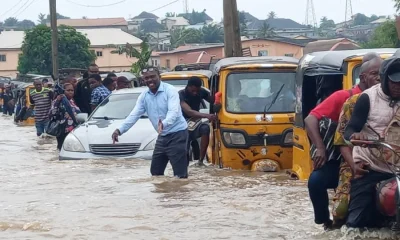

Floods, Erosion Leave Trail of Destruction across North-Central
ShareFrom Abel Leonard, Lafia Communities across North-Central Nigeria are facing mounting threats from flooding and erosion, with residents reporting the...


Amb Emmanuel Shoon Patrick: A Technocrat Changing the Lives of Nigerian Youths Through Optoelectronics
ShareBy Raphael Atuu, Abuja At a time when unemployment and the search for sustainable livelihoods remain major concerns for young...