
NEWS
Kogi Poly Security Team Apprehend Suspected Cultists, Drug Peddlers


From Joseph Amedu, Lokoja
The joint security team of Kogi State Polytechnic Lokoja, on Tuesday, 16th July, 2024, arrested three (3) students of the institution and five (5) others suspected to be members of secret society and hard drug peddlers during the ongoing second semester examination for 2023/2024 academic session.
According to a statement from the institution signed by its Public Relations Officer, Uredo Omale, the apprehended students who are all of HND II in the Department of Business Administration include:
Ajayi Oluwaseun Oladipo (Matric No.
2022/HND/BUS/275), Isenre Elijah Ayomide (Matric No.2022/HND/BUS/146) and Omonijo Sunday (Matric. No2022/HND/BUS/181).The arrested five (5) non-students who are all from Ekiti State but based in Abuja are: Otitoju Christopher, Babatope Ayomide, Isaiah Babatunde, Shina Ayodeji and Makinde Olalekan.
The arrest of the suspects was as a result of proactive measures put in place by the Management of the institution to checkmate infiltration of cultists and other outlawed groups and individuals who were reported to be planning to enter the campus with guns and other dangerous weapons in connivance with some cyber-crime suspects popularly known as yahoo yahoo.
Their intent, it was gathered, was to cause harm to their targets and commotion on the campus during the ongoing second semester examination.
This was in the guise of their end-of- examination graduation “celebration” rituals which the Management had earlier banned due to security concerns.
In the build-up to the ongoing second semester examination, the Polytechnic Management got intelligence reports that some bad elements suspected to be into cyber crime, cultism and illicit drugs had perfected plans to import their members from other states and institutions to cause mayhem on the campus.
To prevent the occurrence, Management decided to intensify further security strategies by banning all forms of the end-of-the second semester examination on the campus in whatever guise.
This decision was duly communicated to the students through a circular issued by the Chief Security Officer, containing the outlawed activities during and after the examination.
The circular was issued after a series of meetings with the Students Union Government (SUG), National Association of Kogi State Students (NAKOSS) and the Departmental Presidents to sensitise and caution the students to desist from any form of inimical behaviour during the examination for their own good.
The Polytechnic Management also took further steps with meetings and setting up of the Examination Security Management Committee with all Deans, Chief Security Officer (CSO), Students Representatives, the Chief Imam and the Polytechnic Chaplain as members, and mandated to devise security strategies against the planned infiltration by bad elements and ensure orderly conduct of examination.
In addition, the services of the security agencies such as the Nigeria Police, Nigeria Security and Civil Defence Corp (NSCDC), and the Vigilante Group were sought and their personnel were deployed.
One important additional proactive security strategy adopted by the Committee was to prevent students from using their cars and motorcycles beyond the designated car park on the campus during the examination.
Furthermore, all vehicles were thoroughly searched and more plain clothes security operatives were deployed to monitor movement of those that have no business on the campus during the examination.
These security strategies and efforts paid off with the arrest of the three (3) students and their five (5) imported non – students mercenaries.
The Polytechnic Management started observing a dangerous sign on Monday 15th July, 2024 when the Department of Public Administration HND II students wrote their last paper.
The Management got an intelligence report of the infiltration of some notorious old students of 2018/2019 sets who are suspected to be cultists alongside some imported mercenaries from Edo and Delta states that came that day to cause mayhem using the style of motorcade, spraying of naira notes while sitting on their vehicles on the highway.
In the process, there were gunshots from the direction of “Always Petrol station” adjacent to the Polytechnic main gate where the imported mercenaries were allegedly camped since the campus was not comfortable for them because of the security measures put in place.
To prevent a repeat of the Monday incident, more security strategies were deployed ahead of Tuesday 16th July, 2024, when the HND II students from the Department of Accountancy, Library and Information Sciences as well as the Business Administration were scheduled to write their final papers.
It was the security arrangement and tip-off that led to the arrest of the three (3) students and their hired mercenaries who claimed to hail from Ekiti State, but based in Abuja.
The suspects were intercepted at the main entrance of the Polytechnic gate while on their motorcade. The driver of the second car, however, jumped out of the vehicle and escaped.
Some suspected hard drugs wrapped in a polythene bag, papers cut to sizes supposedly for wrapping of drugs and one beret cap with a symbol suspected to be that of a cult group were seen in the car and in possession of the occupants of the two (2) intercepted cars.
In all, the items recovered from the apprehended suspects include two cars (2); a light green coloured Mercedes Benz Saloon with Reg. Number: EKITI STATE “MUE – 598 – AE” and a black coloured Toyota Lexus Saloon with Reg. Number from: EBONYI STATE “SKA – 78 – AE”,different types of drugs, remnant of some naira notes amounting to N14000 naira, beret cap with a symbol suspected to be that of a cult and an MP3 player were handed over to the Nigeria Police at the ‘B’ Division in Lokoja.
The Rector commended the efforts of the Examination Security Management Committee, the Joint Security team and the Intelligence Team for a job well-done through teamwork for nipping the dangerous intent in the bud.
The Rector also used the opportunity to admonish the ND II students to be vigilant of any bad elements that may infiltrate into their group and report the same to the Management through the Security Unit.
The Rector further advised parents and guardians to caution their children and wards by paying close attention to their behaviors and material acquisition without known sources of income, the type of companies they keep as well as their movement against involvement in criminal activities as those who are caught within the spheres of the Polytechnic with untoward characters would not be spared.
He also warned non-students who are interested in coming to the campus for cult and other related social vices to keep off or face the full wrath of the law.
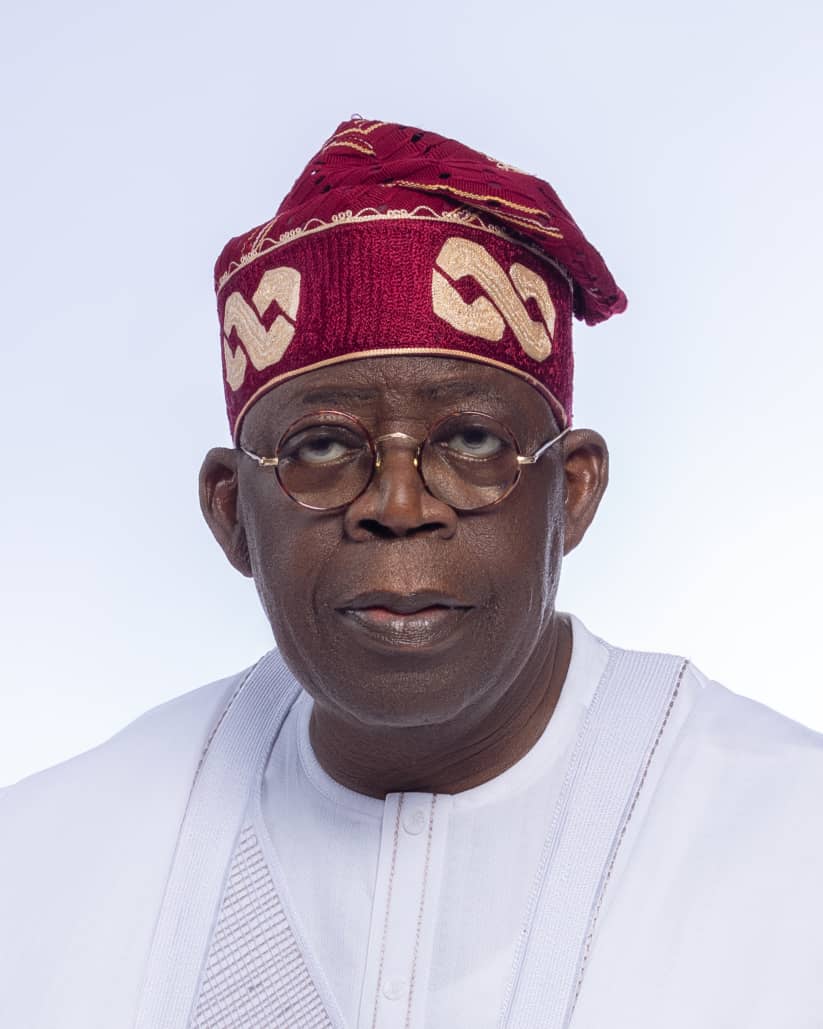
From Attah Ede, Makurdi
President Ahmed Bola Tinubu is set to visit Benue State to commission the newly built ultra modern Bensono Concentrate Plant, Benva Juice Factory, and the Motorcycle Assembly Plant in Makurdi, Benue State.
Alia disclosed this while speaking with journalists shortly after inspecting the factories and the plant ahead of the commissioning.
He expressed satisfaction with the level of completion and readiness of the facilities ahead of their official commissioning.
The governor, accompanied by the Speaker of the 10th Benue State House of Assembly, Aondoaver Emberga, described the projects as major milestones in the state’s industrialisation drive and efforts to transform Benue from a predominantly agrarian economy into a hub for agro-processing and manufacturing.
Speaking during the inspection tour, Governor Alia commended the management of the Benue Investment and Property Company (BIPC), particularly its Group Managing Director, Dr. Raymond Asemakaha, CFA, for delivering the projects within record time.
“It is exciting to hear and see that the companies are ready for commissioning. This fourth year is our year of commissioning, and I am hopeful that President Bola Ahmed Tinubu will graciously come and commission these projects for us. Very soon, we shall begin commissioning all the projects embarked upon by this administration,” the governor stated.
Governor Alia noted that the establishment of the Bensono Concentrate Plant and Benva Juice Factory would significantly reduce post-harvest losses, a challenge that has long affected fruit farmers across the state.
According to him, the factories will provide a ready market for locally produced fruits, improve farmers’ incomes, and stimulate economic activities across the agricultural value chain.
“Our farmers have suffered greatly over the years. Almost every family has an orchard farm, but buyers often come from outside the state and dictate prices that do not reflect the true value of the farmers’ hard work. These factories will change that narrative,” he said.
He urged farmers to increase production in anticipation of the factories’ operations, assuring them that the state government was committed to creating sustainable markets for their produce.
“Buyers can still purchase our oranges, but the process will now be more controlled and beneficial to our people. Whether through concentrates or juice production, the value will remain within the state. It is a win-win situation for our farmers and the economy of Benue State,” the governor added.
The governor also inspected 525 motorcycles assembled by the company under a partnership arrangement between the Benue State Government and a Chinese firm. The partnership was initiated during Governor Alia’s investment mission to the People’s Republic of China in 2024.
Earlier, the Group Managing Director of BIPC, Dr. Raymond Asemakaha, explained that the agro-processing factories were established to create value from Benue’s abundant agricultural produce, particularly oranges, mangoes, and tomatoes.
He said the projects were designed to tackle the persistent challenge of post-harvest losses while creating jobs and generating revenue for the state.
“We want to add value to what our farmers produce and drastically reduce the post-harvest losses that have been witnessed in Benue State for decades. Economic growth must be inclusive, and these projects are built around an inclusive model that directly benefits farmers,” Asemakaha said.
The BIPC GMD disclosed that both factories were fully completed and ready to commence production immediately after commissioning.
“Our factories are ready. We are only awaiting the official commissioning. Once that is done, full production will commence. We believe these facilities will change the economic landscape of Benue State,” he stated.
Asemakaha lamented that for many years Benue farmers had produced raw agricultural commodities that were transported out of the state, creating wealth and jobs elsewhere.
“For years, our mothers, fathers, brothers and sisters have laboured to grow produce that others use to build their economies and industries. We are determined to stop that trend by ensuring that value addition takes place here in Benue,” he said.
He further revealed that the orange concentrate to be produced at the Benfruits plant would target both local and international markets.
Citing raw materials council data, Asemakaha noted that Nigeria spent approximately ₦68 billion importing fruit concentrates in 2025 despite having abundant raw materials.
“The Raw Materials Research and Development Council has indicated that Nigeria imported about ₦68 billion worth of concentrates in 2025. We have the oranges here in Benue. There is no reason we should continue importing what we can produce locally. Our goal is to substitute imports and eventually export our concentrates to the international market,” he explained.
He expressed confidence that the factories would position Benue as a leading producer of fruit concentrates and processed beverages in Nigeria while creating employment opportunities for thousands of residents.
The projects form part of Governor Alia’s industrialisation and investment agenda aimed at boosting local production, creating jobs, increasing internally generated revenue, and unlocking the state’s vast agricultural potential.

By David Torough, Abuja
Dangote Petroleum Refinery and Petrochemicals has achieved a major operational milestone by increasing its crude oil processing capacity to 700,000 barrels per day (bpd), exceeding its official nameplate capacity of 650,000 bpd.
The breakthrough was confirmed during a performance test conducted by the refinery’s process licensors, further reinforcing the facility’s status as the world’s largest single-train petroleum refinery.
According to a statement issued in Lagos by the refinery’s Head of Corporate Communications, Anthony Chiejina, the achievement reflects the strength of the refinery’s engineering design and operational efficiency.
Speaking on the development, the Vice President of Oil and Gas at Dangote Industries Limited, Devakumar Edwin, revealed that plans are underway to expand the refinery’s processing capacity to 1.4 million bpd within the next 30 months, with the ambition of ranking among the world’s largest refining complexes.
Edwin said the planned expansion would significantly enhance Nigeria’s energy security, end dependence on imported petroleum products, and strengthen the country’s position as a leading exporter of refined petroleum products. He added that the refinery’s long-term vision is to serve not only domestic demand but also become a major refining hub for Africa and international markets.
Owned by Aliko Dangote, the refinery commenced fuel production in 2024 and has steadily increased output of petrol, diesel, aviation fuel, and other petroleum products. Its products are supplied to both local and international markets, with exports reaching several African countries and European destinations including the United Kingdom, France, Spain, Italy, and the Netherlands. The refinery has also exported gasoline to the United States and jet fuel to Saudi Arabia.
The facility has become a critical stabilising force in global energy markets, particularly during periods of supply disruptions linked to geopolitical tensions in the Middle East. As a result, several African nations now rely on its output to support their energy needs.
In April, S&P Global Commodities ranked Dangote Petroleum Refinery as the world’s largest exporter of jet fuel, highlighting its growing influence in the international energy sector.
Beyond strengthening fuel availability in Nigeria, the refinery has helped reduce the nation’s dependence on imported petroleum products and eased pressure on foreign exchange reserves. Its continued growth aligns with national efforts to increase local refining capacity and maximise value from Nigeria’s crude oil resources.
The refinery’s rising production levels have attracted growing interest from international crude suppliers and commodity traders, with feedstock sourced from both local and foreign producers.
Looking ahead, Aliko Dangote has reaffirmed plans to increase the refinery’s capacity to 1.4 million bpd by 2028. The expansion is expected to generate substantial economic benefits, including job creation, increased industrial activity, and improved trade performance.
The refinery is also expected to boost downstream manufacturing through the supply of liquefied petroleum gas (LPG), polypropylene, and other industrial feedstocks used in producing packaging materials and consumer goods. Future projects include the production of Linear Alkylbenzene (LAB), a key raw material widely used in detergent manufacturing.

Poland plans to ban mobile phones in all primary schools from next academic year under draft legislation approved by the government on Tuesday.
The proposal, which will now be submitted to parliament, would take effect on September 1, 2026.
In Poland, primary school education runs through the eighth grade.
The planned law would prohibit the use of mobile phones and other devices capable of recording audio or video during lessons and breaks.
The ban would apply to both public and private schools, the Education Ministry said.
Exceptions would be permitted when the use of a phone is required for teaching purposes, educational support, or for health and safety reasons.
Education Minister Barbara Nowacka said the measure is a response to calls from teachers for stricter rules on smartphone use in schools.
She said that more than half of Poland’s schools have already introduced similar restrictions on a voluntary basis.
The government also approved a package of measures aimed at strengthening child protection online, which must likewise be approved by parliament.
The proposals include tighter restrictions on minors’ access to websites containing pornography and measures designed to speed up the removal of illegal online material.
Under the plans, operators of adult-content websites would be required to verify users’ ages anonymously, without collecting browser data or personal information.



Tinubu To Commission Fruit Juice Factories, BIPC Motorcycle Assembly Plant In Benue
ShareFrom Attah Ede, Makurdi President Ahmed Bola Tinubu is set to visit Benue State to commission the newly built ultra modern Bensono Concentrate Plant, Benva Juice Factory, and the Motorcycle Assembly...

Dangote Refinery Surpasses Capacity Target, Eyes 1.4m bpd Expansion
ShareBy David Torough, Abuja Dangote Petroleum Refinery and Petrochemicals has achieved a major operational milestone by increasing its crude oil processing capacity to 700,000 barrels...


Alia Appoints New Acting Head of Service in Benue
ShareFrom Attah Ede, Makurdi Benue State Governor, Rev Fr .Hyacinth Alia has approved the appointment of Dr. Ihu Eunice Ogbenyi as new Acting Head of Service (HoS)...
Oshonaike Hails Steady Progress of Nigerian Table Tennis Players
ShareSeven-time Olympian Olufunke Oshonaike said Nigerian table tennis players are making steady progress in spite of the challenges they face in competing...
Poland Bans Smartphones in Primary Schools
SharePoland plans to ban mobile phones in all primary schools from next academic year under draft legislation approved by the government on Tuesday. The...
Reps Minority Picks Ugochinyere as New Leader
ShareBy Ubong Ukpong, Abuja Following the defection of the former minority Leader of the House of Representatives, Kingsley Chinda, the minority caucus has nominated Hon. Ikenga...
Kano Revokes Private School Licences over Sexual Abuse
ShareFrom Aliyu Askira, Kano The Ungogo Local Government Area of Kano State has withdrawn the licences of all private schools within its jurisdiction following allegations that...


CBN Approves Regular Commercial Operations for Abbey Mortgage Bank
ShareBy Tony Obiechina, Abuja Abbey Mortgage Bank Plc, one of Nigeria’s longest‑standing primary mortgage banks, has secured regulatory approval from...


Owo Church Massacre: Court Sentences Four to Death for Terrorism
ShareBy David Torough, Abuja More than three years after the gruesome attack on St. Francis Xavier Catholic Church, Owo, Ondo...

Terrorists Abduct Adelabu’s Sister, Twin Sons, kidnap Six Students in Zamfara
ShareBy Eze Okechukwu, Abuja and Ifeanyichukwu Nwannah, Gusau The nation’s worsening insecurity came into sharp focus on Wednesday, as separate incidents of...