
Health
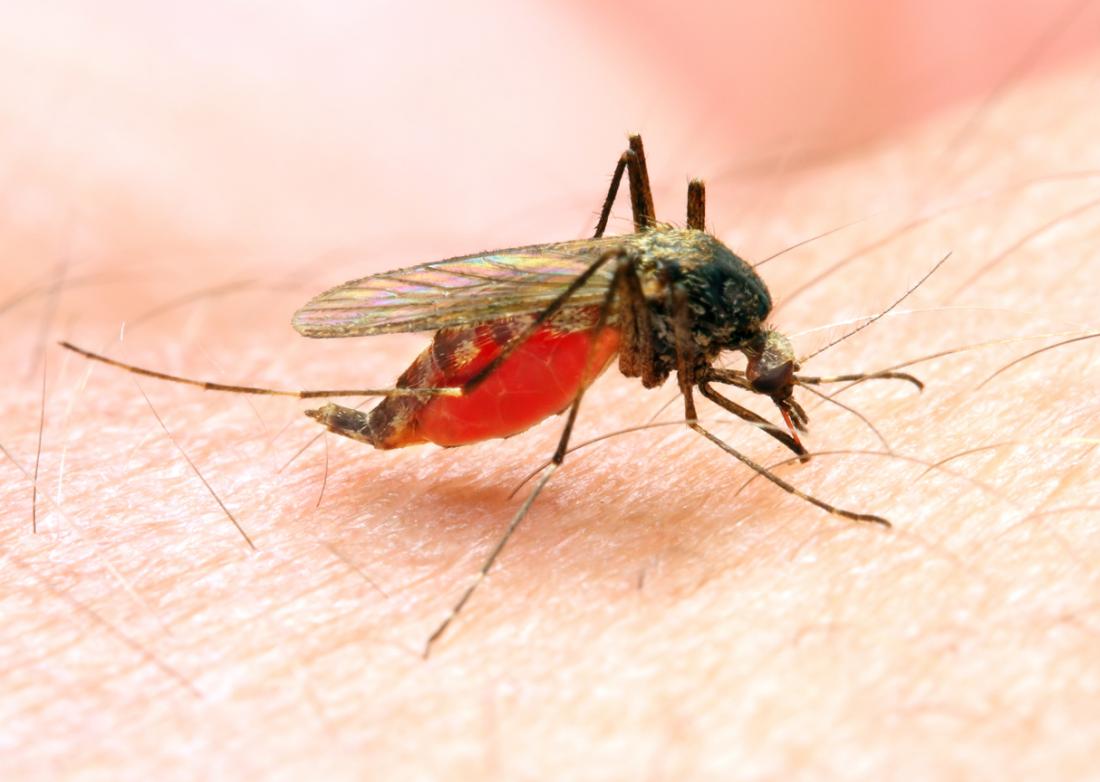
Malaria: US Commits $768m in Fight against Malaria in Nigeria

By Laide Akinboade, Abuja
The United States, (US), said it has spent $768 million since 2011 in Nigeria to fight malaria.
In a statement issued by US Embassy in Nigeria to commemorate World Malaria Day, WMD, it said in 2021, $74 million was spent to fight malaria out breaks.
The statement reads: “Over the past year, the United States and Nigeria together advanced the fight against malaria, despite immense challenges posed by the COVID-19 pandemic.
Committed and courageous frontline health workers, especially nurses, midwives, and community health workers, across the country went the extra mile to ensure essential malaria services were sustained. Their efforts saved lives and supported community resilience.“The U.S. President’s Malaria Initiative (PMI) has partnered with Nigeria to fight malaria since 2011, contributing $768 million to date and $74 million in FY 2021. PMI’s Annual Report, released today, showcased how the strong partnership between the United States and Nigeria enabled robust and effective malaria services to continue in FY 2021, even as COVID-19 caused enormous strain on the health system.
“Through PMI funding and programmes, 58 million bed nets, 130 million fast acting medicines, and 82 million malaria test kits have been delivered to clinics and communities since 2011. In addition, 24 million preventive treatment doses were delivered to pregnant women and 13 million doses to children during the rainy season. In the past year, more than 3,666 health workers received training that amplified their ability to detect and treat malaria, while strengthening the health system overall and providing key skills to fight COVID-19 and future pandemics”.
USAID Mission Director Anne Patterson said, “I think what Nigeria is doing to advance more effective malaria prevention, treatment, and control is so important, especially the introduction of innovative tools to make better use of the data in real-time, and also to enhance quality of care via community-based health workers.”
Assisted by PMI investments, Nigeria is progressing its fight against malaria using proven and cost-effective methods that save lives and promise a more healthy and prosperous future for families and communities.
Acting U.S. Global Malaria Coordinator Julie Wallace said, “With perseverance and strong global commitment we can end malaria in our lifetime. The United States is proud of our work with Nigeria in combating this deadly, yet entirely preventable, disease.”
“As part of our commitment to the reduction of the malaria burden and saving lives, the U.S Army Medical Research Directorate-Africa/Nigeria (USAMRD-A/N), also with support from the PMI, has been able to increase and strengthen the capacities of medical laboratory scientists in malaria microscopy, rapid testing, quality assurance, and laboratory supervision.
“USAMRD-A/N is also joining the State Ministries of Health in Akwa-Ibom and Benue, the National Malaria Elimination Programme, and the Nigerian Ministry of Defense in launching the National Malaria Slide Bank (NMSB) Project.
“The project will produce Nigeria’s first bank of validated, domestically developed slides for malaria microscopy training, external quality assurance, and future research purposes, she noted.
Meanwhile, the World Health Organisation has lamented that malaria remained a significant public health and development challenge.
The world health body said in the last year(2021), about 95 per cent of the estimated 228 million cases occurred in the WHO/AFRO Region, along with 602,020 reported deaths.
It further stated that six African countries, the worst impacted by malaria in the region, are reported to have accounted for up to 55 per cent of cases globally, and for 50 per cent of these deaths.
The WHO Regional Director for Africa, Dr Matshidiso Moeti, in her message to mark 2022 World Malaria Day, said, this year’s theme: “Harness innovation to reduce the malaria disease burden and save lives,” aligns with her call to urgently scale up innovation and the deployment of new tools in the fight against malaria, while advocating for equitable access to malaria prevention and treatment, within the context of building health system resilience.
Moeti further said the past year has seen significant breakthroughs in malaria prevention and control, in spite of the COVID-19 pandemic.
“Landmark recommendations on the use of the first vaccine against malaria RTSS were released by the World Health Organisation late last year. This vaccine will be used to prevent malaria among children aged six months to five years, who live in moderate- to high – transmission settings.
“While this is a groundbreaking advance in the development of new tools to fight this disease, with the potential to save millions of lives, supplies are currently limited. As such, it is important to ensure that the doses that are available are utilised for maximum impact while ensuring the continued availability of other preventive measures to those most at risk.”
“Despite some slowing of progress to reduce malaria cases and deaths, and the disruptions to health services caused by COVID-19, we are still much further ahead than we were in 2000. We need to reignite that momentum and build on the recent advances.
“Other notable achievements include the scaled implementation of RTS,S vaccine pilots in Ghana, Kenya and Malawi, which reached up to 900 000 children.
“The ultimate goal is to reduce the number of people catching and dying from malaria. This requires a focus on research and on leveraging available evidence to ensure that our targeted interventions are an efficient use of resources, which produce measurable results.”


The Niger State Private Health Facilities Agency (NiSPHFA) has sealed 12 unregistered Islamic medicine stores in Minna and a health facility in Katcha Local Government Area (LGA).
The Executive Chairman of NiSPHFA, Dr.
Abdullahi Suleiman, disclosed this while receiving members of the Islamic and Prophetic Medicine Practitioners’ Association of Nigeria (IPMPAN) in Minna.The enforcement is part of the agency’s renewed efforts to protect residents from unsafe healthcare practices and ensure compliance with minimum standards.
Suleiman said the facilities were sealed over alleged non-compliance with regulatory standards.
According to him, the enforcement is not aimed at persecuting healthcare providers but at ensuring residents have access to safe, quality, and standard-compliant healthcare services.
“Our responsibility is to protect the people by ensuring that anyone providing healthcare services operates within the required standards,” he said.
He urged genuine alternative medicine practitioners to register with NiSPHFA, saying registration would enable the agency to identify operators, monitor their activities, and protect residents from unsafe products and practices.
Suleiman also announced plans to organise a trade fair for verified alternative medicine practitioners to promote legitimate practices and improve public confidence in alternative healthcare.
He emphasised the need for practitioners to maintain minimum standards of hygiene, sanitation, safe preparation and storage of medicines, proper packaging, and infection prevention.
“Practitioners should refer patients whose conditions are beyond their capacity to appropriate health facilities. Such referrals will help reduce avoidable health risks,” he said.
The chairman said sustained enforcement, stakeholder collaboration, and improved compliance would enable NiSPHFA to safeguard residents and promote a safer, more accountable, and quality-driven healthcare system across the state.
He said the NiSPHFA enforcement team inspected 10 health facilities in Katcha local government and identified various irregularities requiring improvement.
Suleiman said the affected facilities were issued 21-day notices to correct the identified deficiencies.
“One of the facilities inspected was sealed for non-compliance with established standards,” he said.
He added that the agency also secured the support of the local government area in identifying and addressing facilities operating with irregularities.
IPMPAN Chairman, Abdullahi Haske, commended the state government for establishing NiSPHFA.
He pledged the association’s cooperation in ensuring that its members complied with regulatory requirements.
Stakeholders have called for improved implementation, tracking and accountability of health sector budgets to strengthen healthcare delivery and advance Universal Health Coverage (UHC) in Kaduna State.
They made the call during an engagement on strengthening participatory budget processes, health budget tracking and advocacy on Saturday in Kaduna, with emphasis on the 2027 budget process and implementation of the Annual Operational Plan (AOP) for the health sector.
Seth Luke, a Civil Society Coach on strengthening participatory budget processes under the Open Government Partnership (OGP) Kaduna, said the engagement was aimed at strengthening the capacity of OGP Technical Working Groups and state and local government accountability mechanisms to effectively participate in budget processes and advocacy.
Seth said the engagement was particularly focused on the health sector, including tracking the implementation of the Annual Operational Plan as the state commenced preparations for the 2027 budget.
“We want to see how we can track the implementation of the Annual Operational Plan for the health sector and, from our findings, bring out recommendations around improving funding and other areas that require attention,” he said.
He said the government needed to prioritise health financing beyond budgetary allocation by ensuring effective implementation of approved programmes and projects.
According to him, budget allocation represents government plans based on expected revenue, but available resources should be prioritised toward activities capable of improving healthcare and service delivery at the grassroots.
Seth urged participants to use the knowledge and findings from the engagement to engage relevant government stakeholders on improving health financing and budget implementation.
He also encouraged them to extend the knowledge gained to other sectors and continuously engage government on budgeting, accountability and service delivery.
Similarly, Garba Mohammed, Co-Chair of the Kaduna Maternal Accountability Mechanism (KADMAM), said the engagement was aimed at reviewing health budget performance against key indicators linked to maternal mortality reduction and child survival.
Mohammed said participants examined first and second quarter performance, particularly in areas such as family planning, Maternal, Newborn and Child Health (MNCAH), nutrition, malaria, immunisation and essential medicines.
He said family planning interventions largely involved commodities at the primary healthcare level, while MNCAH activities remained largely donor-dependent.
Mohammed commended the Kaduna State Government for meeting the Abuja Declaration benchmark of allocating at least 15 per cent of its annual budget to health.
He, however, expressed concern over gaps in the implementation of some critical health budget lines, stressing that allocation alone was not enough to improve health outcomes.
“We have looked at the budget allocation, and Kaduna State has met the 15 per cent Abuja Declaration benchmark. We commend the state for that. However, there are still issues around budget performance in critical health indicators,” he said.
He said the findings would be used to identify advocacy priorities and engage key government decision-makers, including the Ministry of Health, Planning and Budget Commission, Ministry of Finance and other relevant authorities.
Mohammed said participants were expected to understand the relevant health budget lines and their implementation status and use the knowledge to undertake evidence-based advocacy in their respective organisations.
Meanwhile, Yusuf Guje, Executive Director, Civic Impact for Sustainable Development Foundation (CISDF), and a participant at the programme, told the News Agency of Nigeria (NAN) that the engagement was timely in strengthening the capacity of civil society and accountability mechanisms.
Guje said the programme would deepen participants’ capacity in budget tracking, project monitoring and social auditing, particularly within the health sector.
He described the health sector as a critical pillar of development, saying civil society organisations had an important role to play in complementing government efforts through effective monitoring and accountability.
He said CSOs needed to strengthen their ability to analyse budgets, track expenditure and visit healthcare facilities to determine whether appropriated and released funds were being properly utilised.
“Civil society needs to really improve on how effectively we analyse the budget, how we track the spending, and go down to the various facilities to see how well the money appropriated and released is being utilised,” Guje said.
He said effective monitoring would help determine the extent to which communities benefited from government investments in healthcare.
According to him, Kaduna State’s commitment to Universal Health Coverage could only be strengthened through sustainable health financing and effective accountability mechanisms.
Guje described CSOs as representatives of communities that often lacked the knowledge, skills and platforms required to engage government on public policies and resource allocation.
He therefore urged civil society actors to continuously strengthen their capacity to represent citizens effectively, particularly in health financing advocacy and accountability.
“As civil society, we need to remain committed to holding the government accountable where necessary and tracking the entire health financing process,” he said.
Guje said the ultimate objective of budget tracking and social accountability was to ensure value for money in public expenditure on health.
He added that effective monitoring of public finances would contribute to improved healthcare delivery and better health outcomes at the grassroots. (NAN)
Cross River Government has made enrolment in the state Health Insurance Scheme compulsory for all civil and public servants in the state.
The Head of Service, Bassey Okon, announced this in a circular dated Sept.
3, following the official relaunch of the Formal Sector Enrolment Programme of the Cross River State Health Insurance Agency.According to the circular in Calabar, at the weekend, the directive takes immediate effect.
Okon stated that the policy was meant to ensure that all the civil and public servants had access to affordable, quality, and timely healthcare services, while strengthening the welfare and productivity of the state workforce.
He directed all the civil and public servants to enroll in the scheme and comply with the registration and documentation requirements of the agency.
The circular also introduced a mandatory requirement for officers to attach valid health insurance enrolment cards to official correspondences relating to personnel matters.
“Correspondences concerning promotion, confirmation of appointment, loan applications, study leave, training or sponsorship, transfer or secondment, as well as other personnel-related requests or benefits, would not be processed without the attachment of a valid health insurance enrolment card,” it stated.
To facilitate the enrolment process, the government established enrolment points at the Office of the Head of Service, New Secretariat, Calabar, and the Ministry of Health, Old Secretariat, Calabar.
Okon directed all Heads of Ministries, Departments, and Agencies (MDAs) to ensure that officers under their supervision were duly informed about the circular and made to comply with the enrolment requirement without delay.
He also urged concerned officers to take advantage of the designated enrolment points for guidance and assistance and to complete their enrolment as required.
He further directed all the heads of the MDAs to bring the contents of the circular to the attention of all civil and public servants under their supervision. (NAN)




11-year-old Girl Found Dead in Suleja Well, Church Guard Arrested
ShareFrom Dan Amasingha, Minna The disappearance of 11-year-old Christabel Albert after she left home for a birthday celebration has ended...


Jonathan Receives Bayelsa East APC Candidates
ShareFrom Mike Tayese, Yenagoa Former President of Nigeria, His Excellency, Dr. Goodluck Ebele Jonathan, has commended the quality, experience and...


2027: Delta APC Inaugurates Support Groups for Tinubu, Oborevwori
ShareFrom Francis Sadhere, Delta The Delta State chapter of the All Progressives Congress (APC) has inaugurated two political support groups...

‘Transformative Agenda to Critical Sectors are My Rescue Mission’ – Dauda
ShareFrom Ifeanyichukwu Nwannah, Gusau. Governor Dauda Lawal of Zamfara State, Dauda Lawal has declared that his administration’s rescue mission is...


Yari Urges Northerners to Honour Power Rotation, Back Tinubu’s Eight-Years Presidency
ShareFrom Rabiu Sanusi Kano Former Zamfara State Governor and Director-General of the All Progressives Congress (APC) Presidential Campaign Council, Senator...


Otu Reinstates 3,000 Sacked LG Workers
ShareFrom Ene Asuquo, Calabar Cross River State Governor, Senator Prince Bassey Edet Otu, has approved the restoration of about 3,000...


First Lady Mobilises Women for Tinubu’s Re-election
ShareNigeria’s First Lady, Sen. Oluremi Tinubu, is set to host more than 20,000 women stakeholders in Abuja today as part...
NAFDAC Seeks International Support to Revive Vaccine Manufacturing in Nigeria
ShareThe National Agency for Food and Drug Administration and Control (NAFDAC) has solicited international partners’ support for establishing vaccine manufacturing...


IOM Empowers IDPs with Skills, Cash in Zamfara
ShareFrom Ifeanyichukwu Nwannah, Gusau Over one hundred residents, persons with disabilities, Internally Displaced Persons (IDPs), and other vulnerable groups in...
Diagnosis at 66: Nigeria’s Healthcare Landscape
ShareBy Racheal Abujah When Nigeria gained independence on Oct. 1, 1960, it held immense promise. Sixty-six years later, healthcare delivery...