
NEWS
NDIC Insists on Timely, Transparent Valuation of Failed Banks’ Assets

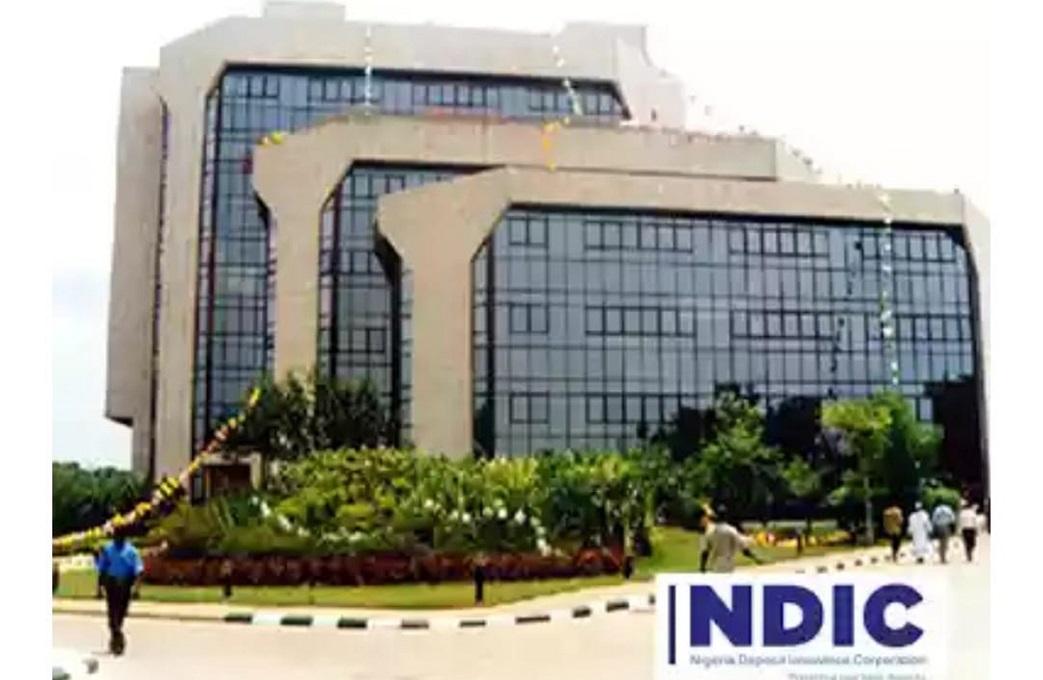
By Tony Obiechina, Abuja
The Nigeria Deposit Insurance Corporation (NDIC) has raised concerns over the failure of some borrowers of defunct banks to repay outstanding loans.
The regulator, alleged that they are obstructing recovery efforts by hiding assets, exploiting court processes and intimidating officials.
The corporation warned that the actions are hampering its efforts to retrieve funds owed to failed financial institutions, thereby delaying the settlement of outstanding claims belonging to depositors.
The Director of the Asset Management Department of the NDIC, Ogungbemi Theophilus, disclosed this on Monday at the Stakeholders’ Seminar and Public Relations Workshop in Abuja.
Speaking on the difficulties associated with recovering assets from failed banks, Theophilus said some borrowers wrongly assume that the revocation of a bank’s operating licence automatically frees them from their repayment obligations.
He explained that some debtors deliberately conceal their properties, frustrate recovery proceedings, resort to prolonged court cases and sometimes use intimidation to discourage the corporation from pursuing outstanding debts.
According to him, the NDIC remains committed to carrying out its recovery responsibilities professionally despite the obstacles.
He described loan recovery as one of the most challenging aspects of liquidating failed banks, noting that borrowers who defaulted while the institutions were operational often become even more difficult to pursue after their closure.
The director also warned that prolonged recovery processes and delays in selling physical assets could erode their market value, reducing the funds available to compensate affected depositors.
He explained that properties left unused for long periods lose value, while equipment deteriorates and unpaid loans become increasingly difficult to recover.
Theophilus stressed that delays in retrieving these assets directly affect the corporation’s ability to pay depositors awaiting their outstanding funds.
He explained that the Asset Management Department oversees loans, properties and investments belonging to failed deposit money banks, primary mortgage banks and microfinance banks.
Its responsibilities, he further explained, include recovering unpaid loans, selling physical properties and investments, and converting the proceeds into cash for the settlement of uninsured depositors.
He noted that the amount the corporation can pay customers whose deposits exceed the insured limits largely depends on how effectively these assets and outstanding debts are recovered.
Theophilus explained that depositors of deposit money banks, non-interest banks and mobile money operators are covered by insurance of up to N5m per depositor per bank, while customers of microfinance banks, primary mortgage banks and payment service banks have coverage of up to N2m.
According to him, the existing insurance limits provide full protection for about 99 per cent of depositors. However, customers with balances above the stipulated coverage must rely on liquidation dividends to recover the uninsured portion of their deposits.
He explained that payments beyond the insured amounts would depend on proceeds generated from the sale of recovered assets and the collection of outstanding loans.
The NDIC director also revealed that the corporation held public auctions on November 3 and 4, 2026, to sell physical assets belonging to three financial institutions undergoing liquidation.
The banks involved were Union Homes Savings and Loans, Heritage Bank and Resort Savings and Loans, with the auction exercises conducted across Lagos, Taraba and Adamawa states.
He said the sales were organised by the Asset Management Department through appointed auctioneers, using a competitive sealed-bidding process.
Theophilus further emphasised the need to control the expenses associated with debt recovery, warning that the cost of retrieving outstanding loans must not exceed the value of the assets being recovered.
He said excessive recovery expenses would ultimately reduce the funds available to depositors, making it necessary for the corporation to maintain strict control over costs, timelines and reporting.
He also warned professionals involved in the recovery and disposal of failed banks’ assets against unethical practices, including insider dealings, deliberate undervaluation of properties, collusion with prospective buyers and diversion of sale proceeds.
The director maintained that the corporation would not tolerate any activities capable of depriving depositors of funds due to them.
He disclosed that the NDIC was working on a comprehensive Asset Management Policy to improve the identification, documentation, valuation and disposal of assets, while strengthening accountability throughout the recovery process.
He added that the corporation planned to strengthen its partnerships with auctioneers, valuers, sales agents, surveyors and other professionals to improve debt recovery and speed up the payment of depositors’ claims.
Theophilus explained that the Abuja workshop was one of three stakeholder engagements scheduled to take place in Abuja, Enugu and Lagos to address operational difficulties, improve professional collaboration and strengthen asset recovery efforts.
He expressed confidence that stronger cooperation among the relevant stakeholders would improve recovery outcomes and help the corporation settle outstanding claims owed to depositors of failed banks.
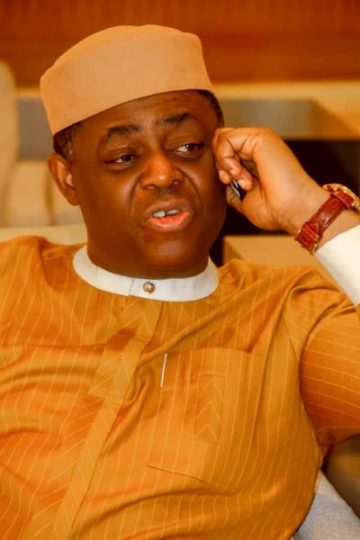
By David Torough, Abuja
Nigeria’s High Commissioner to South Africa, Femi Fani-Kayode, has warned that Nigeria’s patience is wearing thin over persistent xenophobic attacks against Nigerians and other African nationals, urging South Africa to end the hostility and embrace the spirit of Pan-African solidarity that helped secure its freedom from apartheid.
The envoy said the growing attacks on African migrants represented a betrayal of the sacrifices made by Nigeria and other African countries during South Africa’s liberation struggle, recalling Nigeria’s estimated $61 billion contribution to the campaign against white minority rule.
Fani-Kayode issued the warning at the inaugural Nigerian Fair, held at the Nigerian Consulate in Johannesburg, where he called on South Africans to acknowledge the enormous support their country received from across the continent.
He maintained that South Africa’s liberation was not achieved through the efforts of black South Africans alone but through the collective sacrifices of African nations, particularly Nigeria and the frontline states, as well as other international allies.
“It wasn’t a black South African struggle. It was a struggle that every nation in Africa, led primarily by the frontline states and Nigeria, and every decent civilised nation in the world supported,” he said.
The High Commissioner recalled how Nigeria mobilised its citizens from different walks of life to finance the anti-apartheid struggle, including civil servants, students and schoolchildren.
He specifically highlighted the establishment of the Southern Africa Relief Fund in 1976, popularly known as the Mandela Tax, through which Nigerian workers voluntarily surrendered portions of their salaries to support the African National Congress (ANC) and other liberation activities.
Even Nigerian schoolchildren, he noted, contributed their lunch money towards the campaign, demonstrating the depth of public commitment to South Africa’s freedom.
Beyond financial contributions, Fani-Kayode said Nigeria provided diplomatic, educational and material assistance to liberation movements, offered scholarships to South Africans and consistently mobilised international opposition to apartheid at the United Nations and other global platforms.
He also recalled Nigeria’s support for frontline African states threatened by the apartheid regime and countries that provided shelter to South African liberation movements.
Describing the current wave of xenophobic hostility as retrogressive and inconsistent with the values that inspired Africa’s liberation movements, the envoy urged South Africans to reject Afrophobia and recognise the importance of their relationship with other African nations.
“We must understand that the world is coming together as one, and we must stand together as one,” he said.
He attributed the attacks to a minority driven by xenophobic sentiments, arguing that those responsible had lost sight of the historical bonds between South Africa and the rest of the continent.
Fani-Kayode called for stronger diplomatic and people-to-people relationships, insisting that disagreements, provocations and isolated incidents should not be allowed to destroy the longstanding friendship between the two countries.
He also appealed to Nigerians living in South Africa to exercise restraint and avoid retaliatory actions, stressing that national leaders must demonstrate responsibility even when their citizens are subjected to intimidation, violence or killings.
The envoy, however, acknowledged that frustration was mounting within the Nigerian government over the treatment of its nationals.
He warned that patience was increasingly running out in the corridors of power, although he ruled out calls for Nigeria to sever diplomatic and economic relations with South Africa.
According to him, both countries must resist actions that could undermine their longstanding partnership and continue to pursue cooperation in the interest of African unity and development.
He assured Nigerians residing in South Africa that the Federal Government remained committed to protecting their lives, safety and welfare.
Nigeria was one of the most prominent African supporters of the campaign against apartheid, the system of institutionalised racial segregation and white minority rule that governed South Africa until the country’s historic democratic elections in 1994.
Following the 1960 Sharpeville massacre, in which South African security forces killed 69 people protesting against apartheid pass laws, Nigeria intensified its opposition to the regime and expanded its support for liberation movements.
The establishment of the Southern Africa Relief Fund in 1976 further demonstrated the country’s commitment, as workers, students and ordinary Nigerians contributed financially to the struggle.
Nigeria also supported diplomatic efforts to isolate the apartheid government, backed international sanctions, provided educational opportunities to South Africans and assisted countries hosting anti-apartheid activists.
The struggle culminated in the historic 1994 elections, which ended apartheid and brought Nelson Mandela to power as South Africa’s first black president.
Three decades after that historic transition, however, recurring xenophobic attacks against foreign nationals continue to raise questions about African solidarity and the protection of migrants.
Fani-Kayode’s warning has therefore renewed calls for South Africa to confront xenophobia and preserve the spirit of brotherhood that once united the continent in the fight for its freedom.
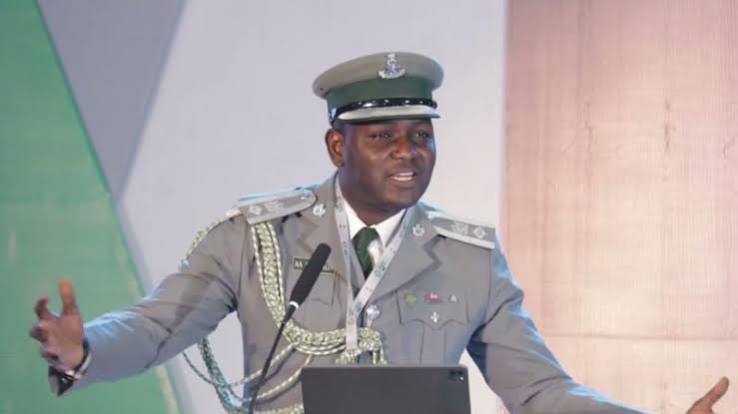
By Julius Tambaya, Abuja
The Nigeria Customs Service (NCS) generated a total of N1.419 trillion in revenue between September and October 2026, while recording seizures of prohibited and restricted goods with a combined duty-paid value exceeding N8.
1bn.The figures were disclosed by the NCS National Public Relations Officer, Abdullahi Maiwada, during a joint security press briefing held last week at the National Counter-Terrorism Centre, under the Office of the National Security Adviser.
In a statement issued on Sunday, Maiwada said the revenue performance reflected the service’s ongoing efforts to facilitate legitimate trade, improve cargo clearance procedures and strengthen revenue generation through digital initiatives and collaboration with stakeholders.
According to him, the service collected N697bn in September and N722bn in October, bringing its total revenue for the two-month period to approximately N1.4tn.
He explained that the NCS processed 9,195 Pre-Arrival Assessment Reports and 99,839 Single Goods Declarations within the period.
A breakdown showed that 2,102 PAARs were processed in September, compared with 7,093 in October. Similarly, the number of SGDs rose from 48,832 in September to 51,007 in October.
Maiwada also highlighted improvements in export trade facilitation, particularly at the Lilypond Export Command, noting the contribution of ongoing measures to promote non-oil exports.
He said the service had continued to strengthen enforcement operations, resulting in the interception of prohibited and restricted items valued at more than N8.1bn in duty-paid terms.
The seized items included illicit drugs, pharmaceutical products, prohibited goods and petroleum products.
He added that the NCS was working with relevant regulatory and security agencies to ensure the proper handling and disposal of confiscated items.
On its anti-money laundering and counter-financing of terrorism responsibilities, Maiwada disclosed that the service was participating in an ongoing World Customs Organisation Mentoring Mission inaugurated on October 19, 2026.
The four-week programme, scheduled to run until November 13, is aimed at strengthening the capacity of customs officers to identify, investigate and tackle trade-based money laundering and other illicit financial activities linked to cross-border trade.
As part of the initiative, the NCS held engagements with six relevant agencies between October 27 and 29. The agencies included the Economic and Financial Crimes Commission, the Nigeria Financial Intelligence Unit and the National Counter-Terrorism Centre.
Maiwada further disclosed that the service had transitioned to an electronic currency declaration platform to improve transparency, strengthen monitoring and enhance the detection of illicit financial flows across Nigeria’s borders.
He said the various initiatives demonstrated the service’s commitment to balancing trade facilitation, revenue generation and national security.
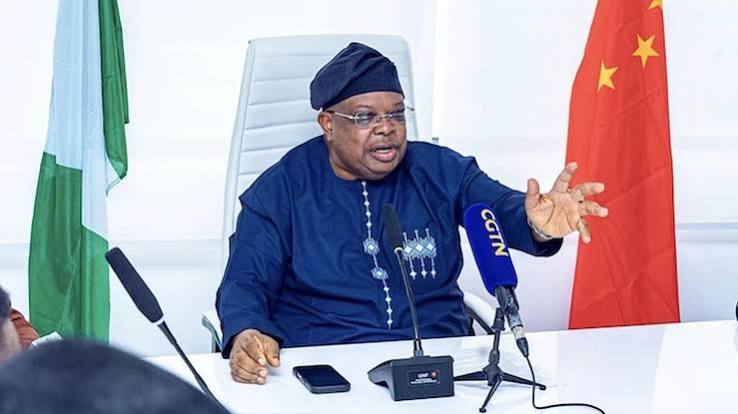
The Minister of Power, Joseph Tegbe, has assured Nigerians experiencing reduced electricity supply in parts of the country of a swift restoration of normal supply.
Tegbe gave the assurance in a statement made available to newsmen on Friday evening in Lagos.
He said that electricity supply would soon improve in Lagos, Abuja, Ogun and Kwara, among other affected areas, which had recently recorded noticeable improvements in power supply before the current disruptions.
The minister acknowledged the inconvenience caused to households, businesses and public institutions, saying the government understood the frustration of consumers.
“We recognise what every hour without power means for individuals, families and businesses, and we do not take it lightly,” he said.
According to him, preliminary assessments indicate that the disruptions are not caused by any major or systemic failure of the national grid.
He attributed the outages to maintenance and operational challenges within parts of the power sector, alongside reduced electricity generation caused by gas supply constraints to thermal power stations and lower water inflows into hydroelectric reservoirs.
“All of these are being addressed,” he said.
Tegbe said that the ministry was working closely with the Transmission Company of Nigeria (TCN), Nigerian Independent System Operator (NISO) and electricity Distribution Companies (DisCos) to restore normal supply.
He said that he had engaged the relevant operators to resolve operational challenges, accelerate ongoing maintenance and keep consumers informed of developments.
The minister reaffirmed the government’s commitment to sustaining improvements in the power sector and enhancing the reliability and quality of electricity supply nationwide.
He thanked Nigerians for their patience and understanding, promising to provide further updates as restoration efforts progressed. (NAN)



NDIC Insists on Timely, Transparent Valuation of Failed Banks’ Assets
ShareBy Tony Obiechina, Abuja The Nigeria Deposit Insurance Corporation (NDIC) has raised concerns over the failure of some borrowers of...


Xenophobia: Nigeria’s Patience Running Out, Fani-Kayode Warns South Africa
ShareBy David Torough, Abuja Nigeria’s High Commissioner to South Africa, Femi Fani-Kayode, has warned that Nigeria’s patience is wearing thin...

2027 Polls: INEC Purges 1.6m Invalid Names from Voter Register
ShareBy David Torough, Abuja The Independent National Electoral Commission (INEC) has removed 1,608,660 confirmed invalid registrations from Nigeria’s voter register...

2027: Tompolo Deploys 50 Vehicles in Enugu, Cross River for Tinubu’s Re-election
ShareGrand Patron of the PBAT Door-to-Door Movement, High Chief Oweizidei Government Ekpemupolo, has donated 50 vehicles for President Bola Tinubu’s...


Customs Generates N1.4tn Revenue in Two Months
ShareBy Julius Tambaya, Abuja The Nigeria Customs Service (NCS) generated a total of N1.419 trillion in revenue between September and...

Tegbe Assures Nigerians of Swift Restoration of Power Supply
ShareThe Minister of Power, Joseph Tegbe, has assured Nigerians experiencing reduced electricity supply in parts of the country of a...

WAHO Leads Drive to Harmonise Subspecialty Training Across ECOWAS
ShareBy David Torough, Abuja Accredited health professional colleges, training institutions and regulatory bodies across the Economic Community of West African...


Bishop Oyedepo Re-affirms strong support for Pastor Ibiyeomie, Pastor Komaiya’s Ministry
ShareBy David Torough, Abuja The Founder and Presiding Bishop of Living Faith Church Worldwide, Bishop David Oyedepo, has reaffirm strong...


West Africa: How WAHO Successfully Harmonized Procedure Manuals for Health Disciplines and Professions
ShareBy David Torough After three days of serious brain-storming sessions in Abuja, the West African Health Organization (WAHO), has successfully...


2027: CAN Seeks Return of Sacked Traditional Rulers in Kaduna
ShareFrom Shabanyan Kantiok, Kaduna The Christian Association of Nigeria in Chikun Local Government Area of Kaduna State has urged Christian...