
NEWS
NEMA, FRSC, Fire Service Step up Early-warning, Preventive Safety Measures

The National Emergency Management Agency (NEMA), Federal Road Safety Corps (FRSC) and Federal Fire Service (FFS) have intensified preventive measures to save lives and minimise avoidable disasters nationwide.
The agencies made this known on Tuesday in Abuja at the Joint Security News Briefing organised by the Office of the National Security Adviser.
NEMA spokesperson, Manzo Ezekiel, said the agency was intensifying flood monitoring and early-warning systems, particularly in vulnerable communities.
Ezekiel said NEMA was working with State Emergency Management Agencies, local committees and traditional institutions to translate forecasts into actionable warnings.
He said the agency was monitoring water levels in Lagdo Dam, Cameroon, because of possible flooding along the River Benue.
“Residents of high-risk communities are encouraged to take precautionary measures, including relocation to safer grounds where necessary,” he said.
Ezekiel, however, dismissed reports of an imminent collapse of the Kagini Dam in Kaduna State, saying a joint assessment established that there was no immediate threat.
He said NEMA had activated its National Emergency Operations Centre to strengthen real-time monitoring, information analysis and coordination of flood responses.
He added that the agency had also conducted simulation exercises in Calabar and Adamawa to test emergency procedures and inter-agency coordination ahead of possible flood emergencies.
Ezekiel said NEMA provided relief assistance to 24,625 households, representing 147,750 persons, during July and August.
He said the agency was working with NiMet, NIHSA, NCC, NASRDA and other partners under the Early Warnings for All initiative.
In his presentation, the spokesperson for FRSC, Osondu Ohaeri, said the corps was using aggressive enforcement and targeted patrols to prevent dangerous road practices from translating into crashes and fatalities.
Ohaeri said FRSC arrested 4,691 offenders during Operation Guduma II for offences including dangerous mix-loading, vehicle identity fraud and serious loading violations.
According to him, the Special Patrol Against Overloading also produced 7,876 arrests, while the nationwide Zonal Intervention Special Patrol apprehended 14,287 traffic offenders.
He said the emergency teams responded to 740 road crashes involving 4,497 people in July, rescuing and evacuating 2,295 injured victims.
“However, 314 fatalities were recorded, underscoring the continuing challenge of preventable road deaths and the need for greater compliance by motorists.
“The corps also recovered four stolen vehicles through its National Vehicle Identification Scheme and supported 54 criminal investigations involving other security and law-enforcement agencies,” he said.
The National Public Relations Officer of FFS, Paul Abraham, said the service’s emergency teams responded to 426 fire incidents during July and August and saved 585 lives.
Abraham added that FFS protected property valued at about N107.98 billion, although property worth N35.89 billion was lost during the period.
According to him, residential buildings accounted for 195 fire incidents, while electrical faults remained the leading cause, responsible for 251 outbreaks.
The figures, the Service said, reinforced the need for stronger fire prevention, safety inspections, public enlightenment and compliance with safety standards.
“The Fire Service also took delivery of two firefighting trucks and continued expanding emergency infrastructure to improve response in underserved communities.
“It further collaborated with the Association of Local Governments of Nigeria towards establishing fire stations across the 774 local government areas.
“The combined interventions point to a growing preventive-safety architecture in which authorities are increasingly seeking to detect hazards, warn communities and enforce compliance before emergencies result in avoidable loss of lives and property,” he said.
By David Torough, Abuja
Nigeria’s real Gross Domestic Product (GDP) grew by 4.43 per cent year-on-year in the second quarter of 2026, accelerating from 3.89 per cent in the first quarter and 4.
23 per cent recorded in the same quarter of 2025, the Federal Ministry of Finance said on Tuesday.The latest figures pushed Nigeria’s real GDP growth for the first half of 2026 to 4.
16 per cent, compared with 3.68 per cent in the corresponding period of 2025, indicating stronger economic activity across the first six months of the year.The ministry, in a statement issued in Abuja, said the expansion was becoming increasingly broad-based, with 27 economic subsectors recording real growth above 3 per cent in Q2 2026, compared with 23 subsectors in Q2 2025.
Manufacturing growth more than doubled to 3.24 per cent from 1.60 per cent a year earlier, while agriculture expanded by 4.39 per cent, up from 2.82 per cent.
Services remained the largest contributor to economic growth, expanding by 4.60 per cent in Q2 2026, compared with 3.94 per cent in Q2 2025.
The ministry also highlighted developments in the foreign-exchange market, saying the naira appreciated by more than 12 per cent between the first halves of 2025 and 2026.
According to the ministry, the stronger exchange rate translated into an approximately 17 per cent expansion of Nigeria’s economy in U.S. dollar terms over the period.
It said the combination of stronger real growth and improved exchange-rate performance puts Nigeria in a stronger position to pursue the Federal Government’s target of a $1 trillion economy by 2030.
The ministry further cited International Monetary Fund projections ranking Nigeria among the top 10 contributors to global real GDP growth in 2026, with the country expected to account for about 1.5 per cent of global growth this year.
It said sustained macroeconomic stability, continued expansion in productive sectors and improving investor confidence could support Nigeria’s emergence as Africa’s largest economy by 2028.
The ministry said the latest figures reinforced the need to maintain economic reforms and policy consistency, while stressing that stronger growth must ultimately translate into improved household incomes, purchasing power and broader prosperity.
The government, it added, remains focused on sustaining growth and ensuring that the benefits of the economic recovery reach households across the country.
By Tony Obiechina, Abuja
The Federal Government has made participation in Nigeria’s national tertiary education ranking exercise compulsory for all universities, polytechnics and colleges of education, in a major expansion of the system beyond universities.
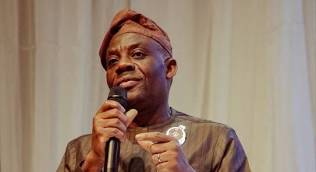
Minister of Education, Dr Tunji Alausa, announced the policy yesterday in Abuja during a meeting with the Nigerian Universities Ranking Advisory Committee (NURAC), which has been expanded and renamed the Nigerian Tertiary Education Ranking Advisory Committee.
Alausa said the new framework was aimed at improving quality, accountability, institutional performance and global competitiveness across Nigeria’s tertiary education sector.
According to him, the ranking would provide institutions with clear benchmarks for measuring performance, identifying weaknesses and tracking improvements, while promoting healthy competition among institutions.
Under the new arrangement, universities, polytechnics and colleges of education will participate in a unified national ranking system, with the Federal Government expected to fund the exercise through the Tertiary Education Trust Fund (TETFund).
Alausa said the 2026/2027 ranking exercise for universities would begin in September, while the committee would determine when the exercise would be extended to polytechnics and colleges of education.
He added that the government would issue guidelines to institutionalise the ranking system and formally notify vice-chancellors and heads of other tertiary institutions that participation would be compulsory.
The minister said the policy formed part of President Bola Tinubu’s education reforms under the Renewed Hope Agenda, being implemented through the Nigeria Education Sector Renewal Initiative.
He also pledged that the Ministry of Education would provide the policy direction, funding and capacity-building support needed to make the ranking exercise credible and sustainable.
Alausa said the ministry would work with the committee to provide in-service training and institutional capacity-building programmes to help more Nigerian institutions improve their standing nationally and internationally.
The Minister of State for Education, Prof. Suwaiba Ahmad, described the initiative as a major step towards strengthening accountability and quality in the tertiary education system.
She said the ranking should cover both public and private institutions and serve as a mechanism for establishing and maintaining minimum standards across the sector.
“Healthy competition is essential to encouraging institutions to assess their performance, address identified gaps and consistently improve the quality of education they provide,” Ahmad said.
Chairman of the ranking advisory committee and former Executive Secretary of the National Universities Commission, Emeritus Prof. Peter Okebukola, said the committee’s engagement with the minister followed a memorandum congratulating the Tinubu administration on the growing number of Nigerian universities securing places in global rankings.
Okebukola said the committee had also advocated increased investment in university education to accelerate the gains being recorded.
He noted that the minister went beyond the committee’s initial proposal by expanding NURAC’s mandate to include polytechnics and colleges of education, leading to the creation of the Nigerian Tertiary Education Ranking Advisory Committee.
Okebukola expressed optimism that sustained investment, stronger institutional capacity and the new national framework would enable more Nigerian institutions to compete successfully with leading universities globally.
The policy comes amid growing pressure on Nigerian tertiary institutions to improve their performance in international rankings, which assess factors including research output, academic reputation, citations, international outlook and institutional resources.
Despite the increasing presence of Nigerian universities in global rankings, the sector continues to face challenges including inadequate funding, weak research capacity, poor infrastructure, staffing constraints and limited resources.
By making participation compulsory and extending the exercise to polytechnics and colleges of education, the Federal Government is seeking to establish a coordinated system for measuring institutional performance and driving improvements across the entire tertiary education sector.
Prof Uche Uwaleke
The renewed debate over fuel subsidy in Nigeria is hardly surprising. As the country approaches another election cycle, the question of whether the subsidy should be restored has once again moved to the centre of political discourse.
For many Nigerians, the issue is deeply personal. The removal of the subsidy has significantly increased the cost of petrol, transportation, food and virtually every activity dependent on energy. It is therefore understandable that any political promise to make petrol cheaper would resonate with a population struggling with the rising cost of living.Yet, the debate should go beyond the immediate attraction of cheaper petrol.
Nigeria must ask a more fundamental question: what is the most economically sustainable way to use the country’s scarce public resources, and how can those resources be deployed to improve the welfare of citizens over the long term?It is in this context that the removal of the fuel subsidy should be understood. The reform was necessary because the old subsidy regime had become an enormous burden on public finances, while also creating significant opportunities for arbitrage, smuggling, rent-seeking and other sharp practices. According to figures cited in recent publications on the subject, Nigeria spent more than N15 trillion on fuel subsidy between 2006 and 2023, while more than N3 trillion was spent in the first five months of 2023 alone, before the subsidy was eventually removed.
The opportunity cost of such expenditure was enormous. Every naira devoted to keeping petrol artificially cheap was a naira that could not simultaneously be devoted to roads, schools, hospitals, security, agriculture, public transportation or other investments capable of expanding the productive capacity of the economy. The question, therefore, should not be whether Nigerians want cheaper petrol. Of course, they do. The more important question is whether Nigeria could continue to spend such enormous sums subsidizing petrol consumption when those resources could arguably generate greater social and economic returns elsewhere.
This is the central economic argument for the reform. A government cannot indefinitely borrow or divert scarce resources to subsidize consumption without compromising its capacity to invest in production. A cheaper pump price may provide immediate relief, but if it is achieved at the expense of investment in infrastructure, education, healthcare and productive enterprise, society eventually pays the price elsewhere.
Indeed, the old arrangement was particularly problematic because the benefits of the subsidy were not necessarily confined to those who needed government assistance most. A universal subsidy on petrol effectively subsidized consumption by everyone who purchased the product, including those with the financial capacity to pay the market price. It also created opportunities for fuel diversion and smuggling across Nigeria’s borders. In that sense, subsidizing petrol was not necessarily the same as subsidizing Nigerians.
This distinction remains important in the current debate. It goes without saying that subsidies in themselves are not inherently bad. Governments across the world use subsidies as policy instruments to support strategic sectors, protect vulnerable groups, stimulate production or respond to economic shocks. The critical issue is what is being subsidized, who benefits, how much it costs and whether the intervention achieves a clearly defined economic objective.
Nigeria should therefore be moving away from subsidies that primarily encourage consumption and towards interventions that stimulate production. If government must deploy scarce resources through subsidies, those resources should preferably be directed towards areas capable of expanding productive capacity, creating employment, reducing costs and strengthening the economy. Agriculture, manufacturing, transportation, and energy infrastructure are obvious areas where such an approach could yield wider economic benefits.
This does not mean that the hardship arising from subsidy removal should be ignored. On the contrary, the social consequences of the reform must be taken seriously. The sharp increase in the price of petrol has fed directly and indirectly into transportation costs, food prices, household expenditure and the operating costs of businesses. The combination of subsidy removal and other economic adjustments has placed considerable pressure on household incomes.
Government therefore has a responsibility to cushion the impact of reform, particularly for the poorest and most vulnerable citizens. But the solution should not necessarily be a return to an expensive and opaque universal petrol subsidy. Targeted social protection, improved public transportation, support for farmers and small businesses, and investments that reduce the cost of producing and moving food would provide a more sustainable response.
Be that as it may, the greater concern is what has happened to the resources and fiscal space created by the reforms. The Federal Government has reported that the fuel subsidy removal and foreign-exchange market reforms generated N15.8 trillion in additional resources for the Federation between June 2023 and December 2025. According to the figures attributed to the Finance Minister and Coordinating Minister of the Economy, N5.4 trillion accrued to the Federal Government, while N10.4 trillion went to states and local governments through the Federation allocation system.
The government has also explained that the N15.8 trillion should not be understood as a sum of money sitting in a separate account labelled subsidy savings. Rather, the gains were reflected largely in increased revenue collections arising from the reforms, including the higher naira value of dollar-denominated customs duties and other government revenues. The government further reported that it generated an additional N3.1 trillion in independent revenue during the period, while incremental borrowing amounted to N11.9 trillion, which it argued would have been significantly higher without the fiscal space created by the reforms.
These figures are significant and demonstrate that the reforms have produced fiscal gains. They also suggest that the removal of subsidy, together with foreign-exchange reform, has altered the government’s revenue position in a substantial way.
But fiscal gains alone cannot be the final measure of success. The Nigerian citizen who is paying considerably more to commute to work, feed a family or run a small business is unlikely to be persuaded by an improvement in government revenue figures unless that improvement eventually translates into visible improvements in living conditions. People experience economic reforms through the prices they pay and the opportunities available to them. They therefore have every right to ask what they are receiving in return for the sacrifice they have been asked to make.
This is where I believe there is a missing link in the implementation of the subsidy-removal reform: the absence of a sufficiently visible and measurable framework for linking the gains from the reform to specific development outcomes.
The expected savings and additional resources should have been more deliberately ring-fenced for clearly identified projects at both the federal and state levels. Nigerians should be able to see, for example, that a particular road, hospital, school, agricultural programme, public transportation project or other development intervention was financed from the fiscal space created by the reform. Such a system would not only improve transparency and accountability; it would help government build public confidence in a reform that has imposed considerable costs on citizens.
Nigeria has precedents for this approach. The Petroleum Trust Fund associated with the Abacha administration was established around a specific development mandate and became particularly associated with road projects. The Jonathan administration’s Subsidy Reinvestment and Empowerment Programme, popularly known as SURE-P, was similarly designed around the deployment of resources associated with subsidy reform to specific programmes.
There are legitimate questions about the implementation and effectiveness of these past initiatives, but the broader lesson remains relevant: when citizens are asked to endure a painful economic adjustment on the promise of a better future, government must make that future sufficiently visible.
The reform requires a social contract. Citizens are being asked to pay more today on the understanding that the country will become fiscally stronger, more productive and better able to provide public goods tomorrow. Tomorrow, however, cannot remain an indefinite promise.
This is also why the argument that subsidy removal has generated additional resources must be accompanied by stronger accountability from the states. If states and local governments have received substantially higher allocations, citizens should be able to demand evidence of how those resources are being used. Increased allocations should translate into better rural roads, water supply, primary healthcare, basic education, agricultural support, local infrastructure and other services that directly affect people’s lives.
The same principle applies at the federal level. If the Federal Government has gained additional fiscal space, Nigerians should be able to identify the development outcomes associated with it. Transparency should not stop at reporting how much money has been generated. It should extend to showing how the resources have been deployed and what they have achieved.
The other major requirement is continued liberalization and investment in the petroleum sector. The removal of the subsidy should not be viewed as the end of reform but as part of a broader process of restructuring the industry. The Petroleum Industry Act provides an important framework for creating a more commercially oriented, competitive and investment-friendly petroleum sector. The objective should be to encourage more players and more private investment across the value chain.
Particular attention should be paid to domestic refining. Nigeria cannot sustainably resolve the problem of high petrol prices simply by changing the mechanism through which the government supports consumption. The country must expand its capacity to refine crude oil domestically and create genuine competition among refiners and petroleum marketers.
This should include encouraging investment in modular refineries, which can complement larger refining facilities and increase the number of participants in the downstream petroleum market. More competition, more refining capacity and greater domestic supply should, over time, place downward pressure on prices and reduce the economy’s exposure to the cost and volatility associated with imported refined products.
There is also a case for government to make renewed efforts to revamp its existing refineries while considering appropriate forms of partial privatization or strategic private-sector participation. The objective should not be government ownership for its own sake, but efficiency, accountability and reliable production. If private capital and expertise can make public assets more productive, government should be willing to explore such arrangements.
It is a no-brainer that the most sustainable way to bring down the cost of petrol is not to keep subsidizing it indefinitely but to reduce the cost of producing and supplying it. That is why the current political debate over whether to restore subsidy should be approached with caution. In this regard, proponents of a return to subsidy must explain how much the policy would cost, how it would be financed, who would benefit and how the country would prevent a return to the corruption, smuggling, arbitrage and opacity associated with the old system.
A subsidy may offer immediate relief, but it is not free. Somebody must pay for it. If government pays, then the money comes from revenue, borrowing or expenditure that could otherwise have been directed elsewhere. The opportunity cost must therefore always be part of the conversation.
By the same token, those defending subsidy removal must also accept that the reform cannot be judged solely by the amount of money government saves or the increase in government revenue. The ultimate test must be whether the reform helps Nigeria build a more productive economy and whether ordinary Nigerians eventually experience tangible improvements in their standard of living.
Indeed, Nigeria needs to move beyond the false choice between cheap petrol and economic hardship. The real objective should be to build an economy in which Nigerians can afford the energy they consume because incomes are rising, production is expanding, transportation is becoming more efficient and domestic refining is reducing supply costs.
The country should therefore stay the course on petroleum-sector reform while correcting the weaknesses in the implementation of subsidy removal. The government should strengthen targeted social protection, improve public transportation, invest more heavily in agriculture and other productive sectors, promote domestic refining, encourage competition and make the use of the additional fiscal resources more transparent and measurable.
Most importantly, the savings and fiscal gains from difficult reforms should be converted into assets and productive capacity that will continue to benefit Nigerians long after the political debate over subsidy has ended. Nigerians do not necessarily need cheap petrol forever. What they need is an economy in which they can afford the petrol they buy.
All said, the success of subsidy removal should therefore not be measured simply by whether government stopped paying the subsidy but by whether it succeeded in converting that difficult sacrifice into a more productive economy, stronger public services, increased domestic production and a better quality of life for the ordinary Nigerian.
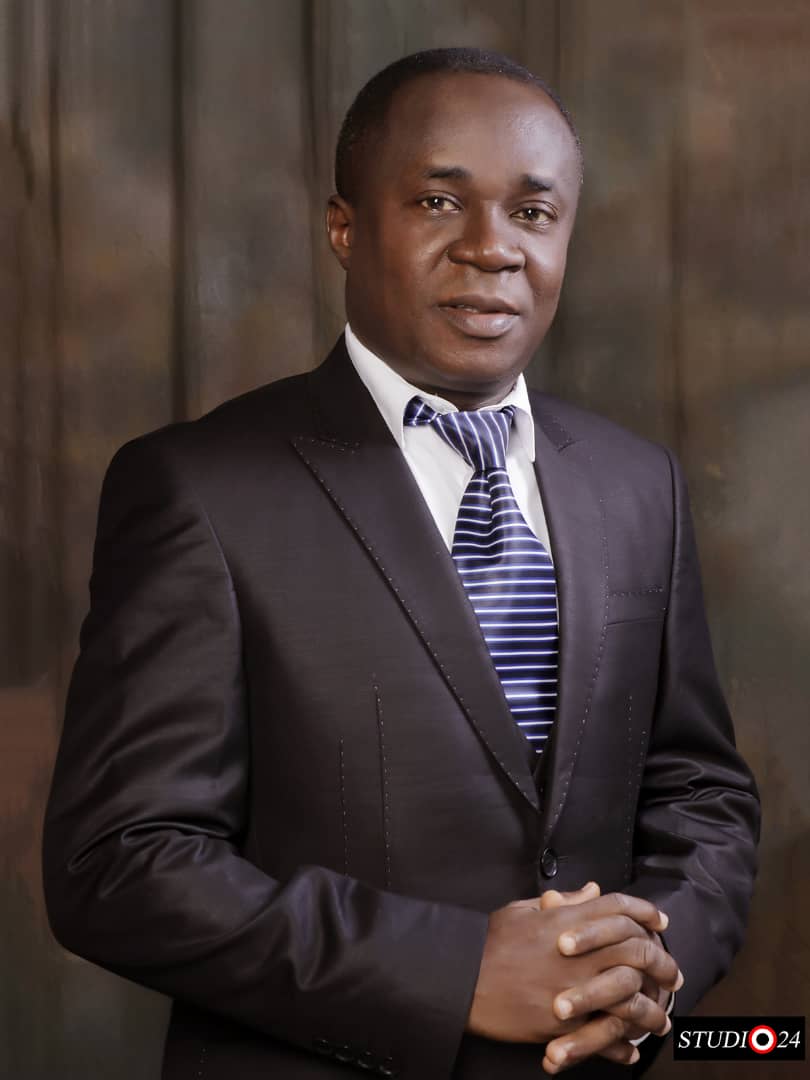
Prof Uche Uwaleke is Director of the Nasarawa State University Institute of Capital Market Studies and President of the Capital Market Academics of Nigeria.



NEMA, FRSC, Fire Service Step up Early-warning, Preventive Safety Measures
ShareThe National Emergency Management Agency (NEMA), Federal Road Safety Corps (FRSC) and Federal Fire Service (FFS) have intensified preventive measures...
2027 Elections and Unguarded Statements
ShareBy Tochukwu Jimo Obi Nigeria’s political environment is gradually heating up as preparations for the 2027 general elections gather momentum....
Nigeria’s GDP Hits 4.43 Per Cent Growth, Economy Jumps 17 Per Cent
ShareBy David Torough, Abuja Nigeria’s real Gross Domestic Product (GDP) grew by 4.43 per cent year-on-year in the second quarter...

FG Unveils Mandatory Ranking Regime for Tertiary Institutions
ShareBy Tony Obiechina, Abuja The Federal Government has made participation in Nigeria’s national tertiary education ranking exercise compulsory for all...
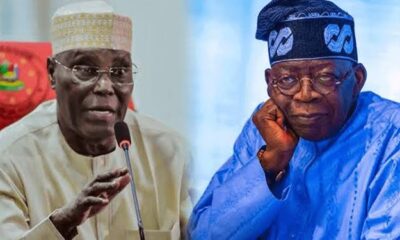

2027: Atiku, Tinubu in Fresh Clash over Economy, Washington Lobbying
ShareBy David Torough, Abuja The political contest ahead of Nigeria’s 2027 general elections has intensified, with former Vice President Atiku...

Troops Neutralise 114 Terrorists, Rescue 60 Abducted Persons in August — DHQ
ShareThe Defence Headquarters says the troops of Operation Hadin Kai (OPHK) neutralised 114 terrorists, arrested 146 suspects and rescued 60...


Troops Rescue 21 Kidnap Victims in Kogi
ShareTroops of the Nigerian Army, in collaboration with other security agencies and local security groups, have rescued 21 kidnap victims...


Premium Trust Bank Expansion Signals Confidence in Bayelsa Economy, Says Diri
ShareFrom Mike Tayese, Yenagoa Bayelsa State Governor, Senator Douye Diri, on Monday commissioned a second branch of Premium Trust Bank...


BBNaijaS11: Aikou, Flora Exit Gambit, Can Now Win N160m
ShareBBNaija Season 11 housemates Aikou and Flora, who were previously guaranteed places in the finale but barred from winning the...


PenCom Moves to Resolve Pension Dispute Among Lagos Retirees
ShareThe National Pension Commission (PenCom) said discussions are ongoing with the Lagos State Government over concerns surrounding pension increases for...