
NEWS
Nigeria at 66: Tinubu Sees Promised Land, Atiku, Obi Differ

By David Torough, Abuja
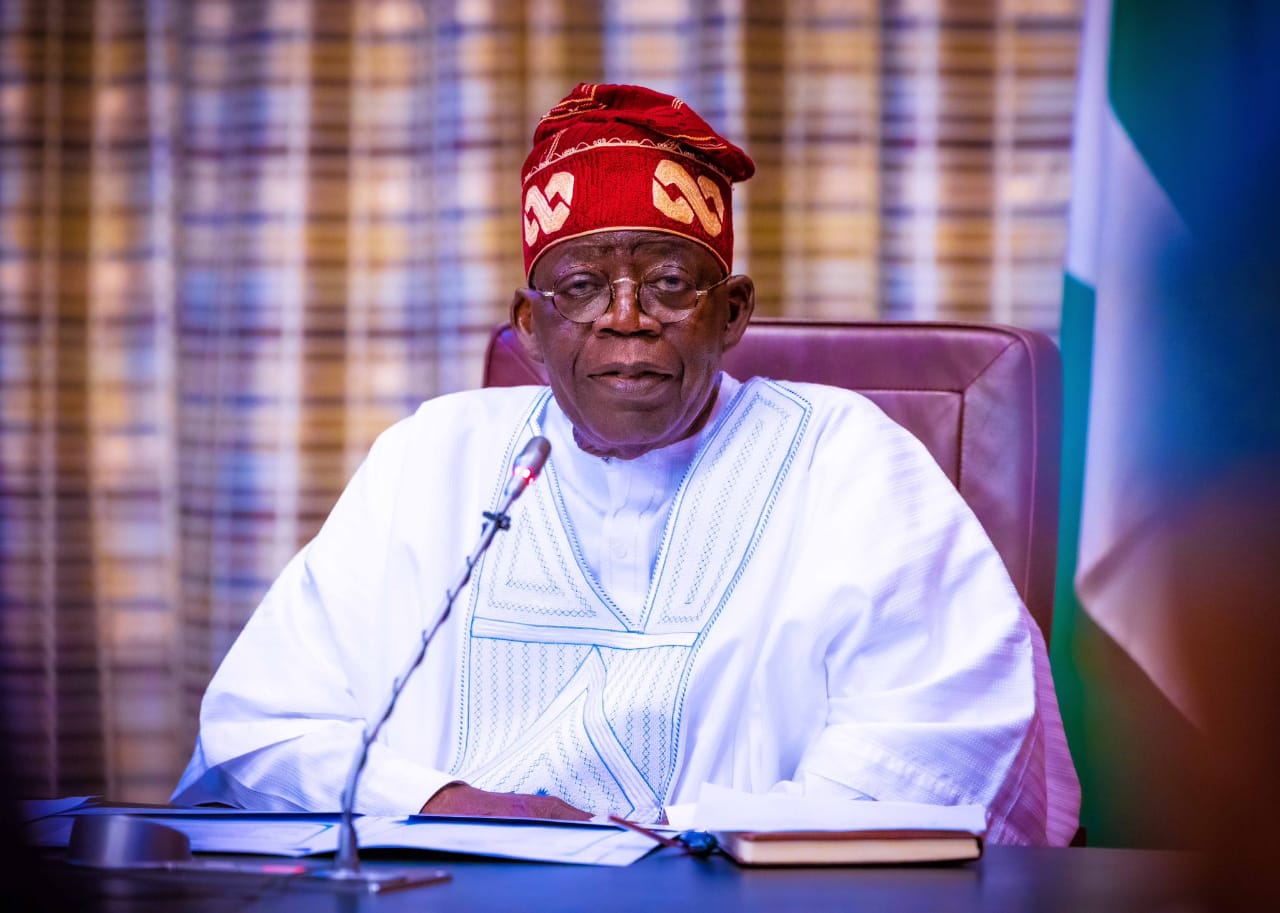
President Bola Tinubu on Thursday used Nigeria’s 66th Independence Anniversary address to declare that the country had moved beyond the difficult phase of economic reforms and entered what he described as the “age of prosperity,” while opposition figures Atiku Abubakar and Peter Obi offered sharply contrasting assessments of the nation’s condition.
In his national broadcast, Tinubu defended the economic policies implemented since he assumed office in 2023, arguing that difficult reforms were necessary to correct longstanding distortions and put the economy on a stronger footing.
He said the next phase of his administration would focus on translating economic stability into lower living costs, jobs, industrial production and broader prosperity.The President said economic growth had exceeded four per cent in 2026, while oil theft had declined, inflation had fallen from its peak, foreign reserves had been rebuilt and the foreign-exchange market had stabilised. He also pointed to more than $6 billion in non-oil export revenue recorded in 2025 as evidence of growing economic activity.
“The age of reform has done its work. Now begins the age of prosperity,” Tinubu declared, outlining plans to reduce the cost of food and transportation through increased agricultural production, mechanised farming, improved storage and transportation infrastructure.
He also promised greater investment in industry, gas-powered manufacturing, digital connectivity, skills development and access to finance, while highlighting social interventions including the National Social Register, the Nigerian Education Loan Fund and CREDICORP.
Tinubu acknowledged that millions of Nigerians were still struggling with food, school fees, healthcare and transportation costs. He argued, however, that these problems predated his administration and reflected decades of inadequate productivity, infrastructure and opportunity.
The President said his administration could not reverse in four years problems accumulated over generations but could change their direction.
Former Vice-President Atiku Abubakar, in his Independence Day response, disputed the President’s assessment and argued that economic indicators had yet to translate into improved living conditions for many households.
Atiku said Tinubu’s address was dominated by promises of what the government “will” do, despite the administration having been in office for more than three years. He pointed to the continuing pressure on food, transport and household incomes, arguing that a reduction in the rate at which prices rise does not necessarily restore purchasing power already lost.
He questioned the impact of fuel-subsidy removal on households and proposed a capped, budgeted production subsidy for petrol refined in Nigeria, including fuel produced by modular refineries. He also raised questions about government borrowing, infrastructure contracts, cash-transfer programmes and fiscal management.
Atiku’s intervention framed the central economic disagreement around a question of whether macroeconomic improvements are translating into affordable living conditions for ordinary Nigerians.
The presidential candidate of the Nigeria Democratic Congress, Peter Obi, also used the anniversary to call for what he described as a structural change in governance.
Obi cited poverty, unemployment and underemployment, insecurity, displacement, educational challenges and inadequate healthcare as evidence that Nigeria’s resources were not yet translating sufficiently into improved living standards. His reported figures on poverty and other social indicators are his own claims and should be distinguished from independently established statistics.
Drawing on a recent visit to an internally displaced persons camp in Sokoto, Obi said the conditions encountered there illustrated the human consequences of insecurity and inadequate public services.
He called for governance to become more measurable and accountable, saying public resources should be deployed principally for citizens’ welfare and productivity. He also pledged, if elected, to prioritise security, healthcare, education and economic opportunity.
The three Independence Day messages present markedly different interpretations of Nigeria’s condition at 66.
For Tinubu, the central story is one of economic correction followed by a transition to growth and prosperity. For Atiku, the key measure is what households can actually afford amid high living costs. For Obi, the focus is whether government spending and national resources are producing measurable improvements in human development, security and productivity.
The competing arguments come as the country looks toward the next general election cycle, with both Atiku and Obi positioning their proposed alternatives around affordability, accountability, security and the use of public resources.
Ultimately, the anniversary debate has shifted from whether Nigeria requires economic change to how the success of that change should be measured: through macroeconomic indicators and investment, as emphasised by the government, or through household purchasing power, employment, security and access to essential services, as stressed by its critics.
For millions of Nigerians, the answer is likely to be judged less by competing speeches than by whether the promised improvements become visible in food prices, wages, jobs, transport costs, security and household living standards.
Prof Uche Uwaleke
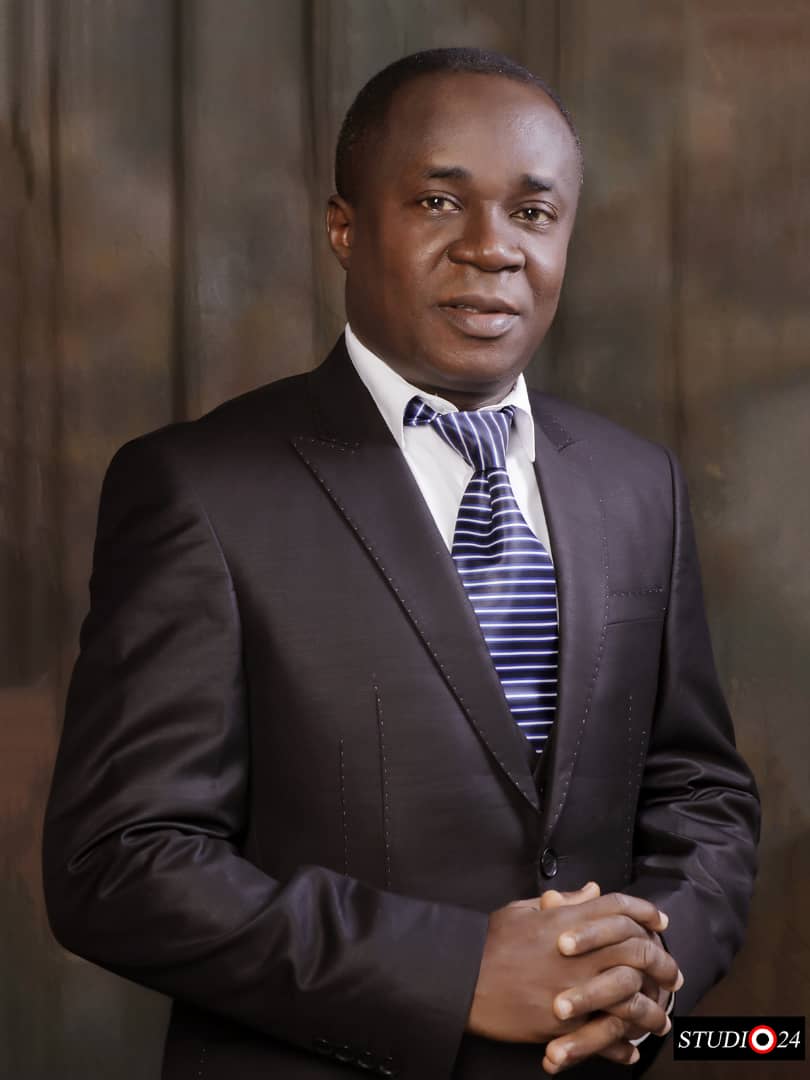
President Bola Ahmed Tinubu’s 66th Independence Anniversary address, delivered against the backdrop of persistent economic hardship and heightened public expectations, raises an important question about the next phase of Nigeria’s economic journey: how does a country move from economic stabilization to shared prosperity? The President’s declaration that the age of reform has done its work and that the age of prosperity must now begin is both timely and consequential.
It recognizes, at least in principle, that the success of economic reforms cannot be measured solely by improvements in macroeconomic indicators but by their capacity to improve the material conditions of ordinary Nigerians.To appreciate the significance of this transition, it is necessary to acknowledge the circumstances in which the administration assumed office in May 2023. The economy was already experiencing serious structural and macroeconomic difficulties, including fiscal pressures, weak revenue mobilization, exchange rate distortions, inadequate investment and declining purchasing power. Years of policy inconsistencies, dependence on crude oil revenues, inefficient subsidies and insufficient investment in productive capacity had left the economy vulnerable. The country was drifting, and the need for difficult corrective measures was evident.
The removal of the petrol subsidy and the unification of the foreign exchange market, alongside other fiscal and monetary adjustments, represented a significant departure from the previous policy framework. These measures were not without substantial costs. Their immediate consequences included sharp increases in transportation, food and production costs, while inflationary pressures further eroded household incomes. For many Nigerians, the economic adjustment has been less an abstract policy exercise than a daily struggle to afford food, pay rent, meet school fees and access healthcare.
Nevertheless, a fair assessment must recognize that the reforms have contributed to addressing some of the distortions that constrained the economy. As the President indicated in his address, improvements in foreign exchange market stability, external reserves, government revenue and economic growth suggest that the economy is on a path of recovery. The reported contribution of both oil and non-oil sectors to growth, alongside the expansion of non-oil exports, provides grounds for cautious optimism. The reforms have helped create a more sustainable basis for economic management, although the durability of these gains will depend on policy consistency, institutional discipline and the capacity to expand productive activity.
The key challenge has therefore changed. It is no longer sufficient to demonstrate that the economy is growing or that macroeconomic indicators are improving. The more pressing task is to ensure that the benefits of growth are widely distributed and that economic recovery translates into improved living standards. This is the real test of the President’s transition from reform to prosperity.
Perhaps the most immediate priority is to bring down the cost of living, as the President rightly identified. The sustainable way to achieve this is not through price controls or temporary administrative interventions that distort markets, but by reducing the cost of producing, processing, transporting and distributing goods and services. Nigeria must move decisively from an economy in which too much attention is paid to managing the consequences of high prices to one in which the underlying causes of high production costs are systematically addressed.
Food inflation deserves particular attention because food accounts for a substantial proportion of household expenditure, especially among low-income families. Nigeria possesses considerable agricultural potential, yet its food production system remains constrained by low mechanization, inadequate irrigation, insecurity in farming communities, poor rural roads, limited storage, high post-harvest losses and insufficient access to affordable finance. The result is a paradox in which a country with extensive arable land and a large agricultural workforce struggles to make food affordable to its citizens.
The President’s commitment to expanding mechanized irrigation, improving access to seeds and fertilizer, supporting mechanization and investing in storage and transportation is therefore important. However, these commitments must be translated into a coordinated national agricultural productivity programme with measurable targets, clear institutional responsibilities and adequate funding. The emphasis should be on raising output per hectare, increasing multiple cropping, improving yields, reducing post-harvest losses and strengthening the linkages between farmers, agro-processors and domestic markets.
A particularly useful intervention would be the revival, in a modernized form, of the Directorate of Food, Roads and Rural Infrastructure, popularly known as DFRRI, established during the administration of General Ibrahim Babangida. The underlying logic of the programme was to bring development closer to rural communities by addressing the interconnected challenges of food production, rural access and basic infrastructure. Its relevance today lies in the recognition that national development cannot be achieved by concentrating investment in major urban centres while rural communities, where much of the country’s agricultural production takes place, remain disconnected from markets and essential services.
A renewed DFRRI-type programme should not simply reproduce the institutional arrangements of the past. It should be redesigned as a community-centred rural productivity and infrastructure initiative, jointly implemented by federal, state and local governments, with clear accountability mechanisms and measurable outcomes. Its priorities should include feeder roads, small-scale irrigation, rural electrification, water supply, produce aggregation centres, storage facilities, primary healthcare access and market infrastructure.
Such a programme could accelerate grassroots development by connecting farming communities to markets, reducing transportation costs, improving access to agricultural inputs and creating employment through rural infrastructure projects. It would also provide a practical means of ensuring that economic recovery reaches communities that may otherwise remain disconnected from the benefits of national growth. The emphasis must be on functional infrastructure and productive assets rather than politically distributed projects that have little lasting economic value.
Beyond agriculture, the cost of energy remains a major constraint on domestic production. Manufacturers, small businesses and service providers continue to face high operating costs arising from unreliable electricity supply and dependence on alternative energy sources. The expansion of gas infrastructure, renewable energy, embedded generation and reliable grid supply must therefore become an integral component of the prosperity agenda. A reduction in energy costs would improve industrial competitiveness, encourage domestic production, reduce dependence on imported goods and create opportunities for employment.
The same logic applies to transportation and logistics. The completion of strategic roads, railways, ports and inland logistics infrastructure should be prioritized according to their economic returns and their capacity to reduce the cost of moving people and goods. A well-connected agricultural or industrial production centre can generate substantially greater economic value than an isolated project with limited linkages to productive activity. Infrastructure investment must consequently be evaluated not only by the amount spent or kilometres constructed but also by its contribution to productivity, trade and employment.
Industrialisation must occupy a central position in the transition to shared prosperity. Nigeria cannot sustainably address unemployment and poverty without expanding the productive sectors of its economy. The country needs a deliberate strategy to deepen domestic manufacturing, strengthen agro-processing, develop industrial clusters and encourage the production of goods for which Nigeria has a viable competitive advantage. This requires more than incentives and policy declarations. It demands reliable energy, efficient ports, affordable long-term finance, predictable taxation, effective trade facilitation and a stable regulatory environment.
The President’s emphasis on jobs and enterprise is particularly relevant in a country with a large and youthful population. The challenge is not merely to create more jobs, but to create productive, reasonably remunerated and sustainable employment. This requires stronger links between education and the labour market, expansion of technical and vocational training, apprenticeships, entrepreneurship support and investment in sectors capable of absorbing labour at scale. Young Nigerians should not be compelled to regard migration as their principal pathway to economic advancement. The domestic economy must offer credible opportunities to build careers, establish businesses and accumulate wealth.
However, while the structural reforms required to achieve prosperity are being implemented, the government must recognise that millions of Nigerians cannot wait indefinitely for the benefits of future growth. Social protection is therefore an indispensable component of the transition. The President’s commitment to strengthening support for vulnerable households is appropriate, but the conditional cash transfer programme, which constitutes one of the administration’s principal poverty reduction interventions, requires a fundamental redesign to improve transparency, targeting and public confidence.
Cash transfers can provide temporary relief and protect vulnerable households from severe economic shocks. Their effectiveness, however, depends on the credibility of beneficiary identification, the integrity of payment systems, the adequacy of transfer amounts and the ability to monitor outcomes. A programme whose beneficiaries cannot be independently verified, or whose selection and payment processes are insufficiently transparent, risks excluding deserving households, creating opportunities for abuse and weakening public trust.
I recommend that the government should replace the existing approach with a more transparent, independently verifiable and better-targeted social protection framework. A strengthened social register should be regularly updated and linked, with appropriate privacy safeguards, to credible data from relevant government institutions. Community-based verification should complement digital identification to ensure that people in remote and underserved communities are not excluded simply because they lack formal documentation or digital access.
The payment architecture should permit traceability, independent audit and public reporting of aggregate programme performance. Clear eligibility criteria, accessible grievance redress mechanisms and periodic impact assessments should be institutionalized. Transfers should also be designed to complement, rather than substitute for, programmes that improve livelihoods, including skills acquisition, agricultural support, primary healthcare, nutrition and access to education. The objective should be to move vulnerable households from temporary income support towards greater economic security and self-reliance.
Another critical requirement is stronger coordination between fiscal and monetary authorities. The achievement of shared prosperity cannot be the responsibility of one institution or one policy instrument. Equally important is the collaboration of federal, state and local governments. The President’s prosperity agenda cannot succeed if it remains largely a federal government programme. States and local governments are closest to many of the services and productive activities that determine the welfare of citizens. Agriculture, primary healthcare, basic education, rural roads, markets, sanitation and local economic development require effective intergovernmental cooperation.
The increased fiscal resources available to subnational governments should be translated into visible improvements in service delivery and productive infrastructure. States should develop economic programmes around their comparative advantages, whether in agriculture, manufacturing, tourism, solid minerals or services, while local governments should be empowered to address community-level infrastructure and development priorities. Intergovernmental fiscal transfers should be accompanied by transparent budgets, measurable performance indicators, procurement accountability and independent monitoring.
There is also a compelling case for a more deliberate focus on the informal sector, which provides livelihoods for a large number of Nigerians. Simplified business registration, affordable digital payment systems, micro-insurance, access to working capital, vocational training and basic social protection can help informal enterprises become more productive and resilient. Formalization should be encouraged through benefits and accessible services rather than excessive regulatory burdens. A more productive informal sector would contribute to employment, household income, domestic demand and government revenue.
The President’s declaration that the objective is not merely to manage poverty more efficiently but to defeat it is a desirable statement. Its realization, however, requires a shift from a predominantly macroeconomic conception of recovery to a comprehensive productivity and human development agenda. The government must measure progress through indicators that speak directly to the lives of citizens: changes in real household income, food affordability, employment quality, poverty levels, school attendance, healthcare access, business survival and the reliability of essential infrastructure.
These indicators should be regularly published and independently assessed so that the public can evaluate whether the promised transition is taking place. Economic communication should move beyond aggregate growth figures to explain how reforms are affecting households, what corrective measures are being taken where outcomes fall short and how public resources are being deployed to accelerate inclusive development.
All said, the President’s 66th Independence Anniversary address presents an opportunity to redefine the social contract between government and citizens. Nigerians have endured significant economic adjustments, and the expectation of a tangible improvement in their welfare is legitimate. The government must now demonstrate that the sacrifices associated with reform are producing durable benefits and that the recovery is not confined to financial statistics or the balance sheets of institutions.
At 66, Nigeria has an opportunity to turn economic stabilization into a new development compact centred on productivity, jobs, affordability and human dignity. The President has articulated the destination. The task before his administration and the wider Nigerian state is to establish the policies, institutions and implementation mechanisms that will take the country there.
Prof Uche Uwaleke is the Director of the Nasarawa State University Institute of Capital Market Studies and President of the Capital Market Academics of Nigeria.
By Laide Akinboade, Abuja
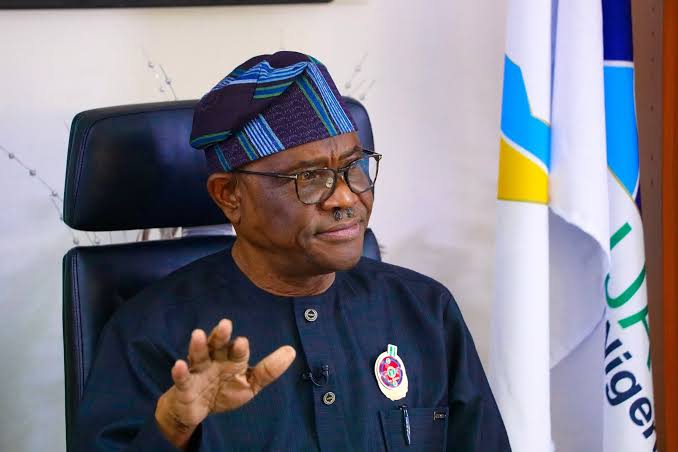
The Minister of the Federal Capital Territory (FCT), Nyesom Wike, has declared that he will step down from his cabinet position if President Bola Tinubu fails to secure victory in both the FCT and Rivers State in the upcoming 2027 presidential election.
Speaking during an engagement with leadership and members of the Apo Mechanics and Traders Association in Abuja, Wike stated that his continued tenure as a cabinet minister is directly tied to his ability to deliver political results for the president in his primary areas of influence.
Setting a specific timeline, the Minister announced that should the ruling party lose in the FCT and Rivers State at the presidential poll scheduled for January 16, 2027, he will formally tender his resignation the very next day.
“If I cannot deliver where I work, then I’m not worthy to be here,” Wike said, emphasizing that his political mandate requires concrete electoral success.
“If I lose FCT, I’m not supposed to be FCT Minister. By January 17, 2027, I will announce my resignation as FCT Minister should the President lose in Rivers State and the FCT,” he stressed.
Outlining his political strategy for the territory, Wike revealed that the administration is building a multi-party coalition to secure victory across various elective offices in the FCT.
He explicitly endorsed candidates across legislative tiers while reiterating total support for the president’s re-election bid.
“Let us be clear on direction: for the Presidency, it is Bola Ahmed Tinubu! For the Senate, Philip Aduda is a man of the people, unlike those who only appear on television. The two House of Representatives candidates we are supporting are also here. They are former Area Council chairmen.
“In the FCT, we are running a unified coalition across parties to deliver results.
“If I cannot deliver FCT as Minister, then I am not qualified to hold this office. We have a firm agreement, and today is the final affirmation.”
The announcement comes amid ongoing efforts by the FCT Administration to resolve the long-standing relocation and land allocation exercise for thousands of traders and mechanics operating within the Apo Mechanic Village corridor.

The Joint Admissions and Matriculation Board (JAMB) has extended the deadline for candidates with outstanding admission offers from the 2021 to 2025 admission exercises to Nov. 30, 2026.
JAMB spokesman, Dr.
Fabian Benjamin, made this known in a statement on Wednesday in Abuja.Benjamin said the extension followed the temporary unavailability of the Central Admissions Processing System (CAPS) for about 96 hours.
He said the extension would give affected candidates a final opportunity to either accept or reject their outstanding admission offers.
“The Board has approved Nov. 30, 2026 as the final deadline for candidates in this category to indicate whether they wish to accept or reject their outstanding admission offers,” he said.
He recalled that the Board extended the deadline to Sept. 30, 2026, adding that the recent disruption to CAPS necessitated the further extension.
Benjamin warned that candidates who failed to act by Nov. 30 would no longer be allowed to accept or reject the outstanding offers within the current window.
“Any subsequent request to update an admission record relating to these previous years will attract the applicable penalty fee,” he said.
He said candidates whose admissions were not on the matriculation list could face difficulties accessing benefits, including participation in the National Youth Service Corps (NYSC) scheme.
The spokesman advised all affected candidates to take action before the deadline rather than wait until the last day.
He said candidates who accepted their offers would be able to print their admission letters, while those who rejected them would have their dashboards reverted to “Not Admitted”.
According to him, the process would enable JAMB to update its records and ensure that the national admission database accurately reflected candidates’ current status.
Benjamin said candidates no longer studying at the institutions where they were offered admission could accept the offer and later apply for correction or deletion, where applicable.
He added that candidates currently pursuing a second degree programme, but still having an unaccepted admission offer from a previous year could reject the old offer and continue with their current programme.
“Candidates who have been offered admission in the 2026 admission exercise but still have an outstanding admission offer from an earlier year have no cause for apprehension.
“Such candidates may reject the previous admission offer, and doing so will not affect their 2026 admission,” he said.
Benjamin said the extension was also aimed at helping JAMB maintain accurate and reliable national admission records.
He reiterated that Nov. 30, 2026 was the final deadline for accepting or rejecting outstanding admissions from the 2021 to 2025 admission exercises.
“At the expiration of the deadline, all outstanding admission offers from these years that have neither been accepted nor rejected will automatically revert to ‘Not Admitted’ status on the Board’s records,” he said.
He urged all affected candidates to take immediate action, stressing that failure to accept an admission offer within the stipulated period could render the offer invalid.(NAN)



Nigeria at 66: Tinubu Sees Promised Land, Atiku, Obi Differ
ShareBy David Torough, Abuja President Bola Tinubu on Thursday used Nigeria’s 66th Independence Anniversary address to declare that the country...


From Reform to Shared Prosperity: The Real Test of Nigeria’s Economic Recovery
ShareProf Uche Uwaleke President Bola Ahmed Tinubu’s 66th Independence Anniversary address, delivered against the backdrop of persistent economic hardship and...

Insecurity: FCTA Completes Ushafa, Saburi Divisional Police Headquarters, 10 Underway
ShareBy Laide Akinboade, Abuja In order to boost security, the Federal Capital Territory Administration (FCTA) on Wednesday said it has...
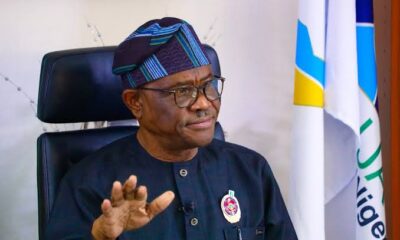

2027: I ‘ll Resign As Minister If Tinubu Loses FCT, Rivers – Wike
ShareBy Laide Akinboade, Abuja The Minister of the Federal Capital Territory (FCT), Nyesom Wike, has declared that he will step...


JAMB Extends Deadline for 2021–2025 Outstanding Admissions to Nov 30
ShareThe Joint Admissions and Matriculation Board (JAMB) has extended the deadline for candidates with outstanding admission offers from the 2021...


BIPC Board Inspects Taraku Mills Preparatory to Test Running
ShareFrom Attah Ede, Makurdi The Board of Directors of the Benue Investment and Property Company Limited (BIPC) has inspected the...


UBEC Renovates 287 Schools, over 4,000 Classrooms Nationwide
ShareThe Universal Basic Education Commission (UBEC) said it has renovated 287 schools and more than 4,000 classrooms across the country...

Nigeria at 66: FG Declares Thursday, Public Holiday
ShareThe Federal Government has declared Thursday as a public holiday to mark Nigeria’s 66th Independence Anniversary. The Minister of Interior,...

Tinubu Signs 2025 Budget Amendment Bill
ShareBy David Torough, Abuja President Bola Tinubu has signed the Appropriation (Amendment) (No. 4) Bill, 2025, extending the implementation period...

NAN Backs Insurance Sector’s Transformation Agenda, hails NAICOM
ShareBy Tony Obiechina, Abuja The National Association of Nigerian Students (NANS) National Secretariat, the umbrella body representing over 40.1 Million...