
NEWS
Nigeria-China Trade Rises to $17.4bn in Six Months

Trade between Nigeria and China rose by 35 per cent to $17.4bn in the first half of 2026, with Nigeria’s exports to the Asian country increasing by 81 per cent to $2.25bn, the Director of the China Cultural Centre in Nigeria, Yang Jianxing, has said.
Yang disclosed this on Thursday at the launch of the Mandarin Service of the Voice of Nigeria and the celebration of the China-Nigeria Bridge Chinese Radio Programme in Abuja.
He said the figures reflected growing economic cooperation between both countries, adding that China’s zero-tariff policy for 53 African countries, including Nigeria, had created fresh opportunities for increased exports to the Chinese market.
According to him, China-Africa trade exceeded `$207.4bn in the first half of 2026, setting a record for the period.
He added that China’s imports from Africa reached $28.5bn between May and June, representing a 23.5 per cent increase year-on-year.
Yang said imports of African aquatic products, textile raw materials and specialty fruits recorded double-digit growth, while the zero-tariff policy had contributed to an estimated six per cent increase in overall African exports to China.
“Nigeria’s performance has been particularly impressive. In the first half of this year, bilateral trade between China and Nigeria reached 17.4 billion US dollars, up 35 percent year on year.
“China’s imports from Nigeria amounted to 2.25 billion US dollars, representing a remarkable increase of 81 percent,” he said.
The China Cultural Centre director also disclosed that imports from Nigeria recorded year-on-year growth of more than 40 per cent in May and June.
He said the developments presented opportunities for Nigeria and other African countries to expand their exports, particularly agricultural produce, raw materials and other specialised products.
Yang also highlighted China’s proposed principles for cooperation with Africa in the mining sector, including respect for African countries’ sovereignty over their natural resources, mutual benefit, high-quality development and a fair and open investment environment.
On security, he said Chinese President Xi Jinping had outlined four principles for addressing regional conflicts in Africa.
They include an African-led approach, fairness and justice, ending hostilities and pursuing peace, as well as addressing both the symptoms and root causes of conflicts.
Yang said the principles demonstrated China’s commitment to respecting African countries’ right to determine their development priorities.
Speaking on the launch, Yang said the China-Nigeria Bridge radio programme, launched on September 2, had broadcast 10 episodes, attracting appreciation from listeners across Africa.
The programme, jointly initiated by the Chinese Embassy, Xinhua News Agency Africa Regional Bureau and VON, with the China Cultural Centre as a supporting partner, combines Chinese language lessons with reports on China-Africa cooperation.
Yang described it as a platform for promoting cultural understanding and strengthening people-to-people relations between China and African countries.

From Sylvia Udegbunam Enugu
The University of Nigeria, Nsukka (UNN), has been thrown into mourning following the deaths of four students after an off-campus gathering at Hilltop Hostel, Nsukka, with six others hospitalised in an incident that has sparked widespread concern across the university community.
The incident, which reportedly occurred on November 11, 2026, during an alleged academic sign-out celebration, involved 10 students who had gathered to celebrate a friend’s completion of final-year examinations.
The Vice-Chancellor, Prof.
Simon Ortuanya, disclosed the development while addressing journalists in Nsukka on Thursday, saying four of the students died after allegedly consuming substances suspected to include alcohol and drugs, while the six others were receiving medical attention at different hospitals.Describing the incident as “a death too many”, Ortuanya announced a three-day mourning period in honour of the deceased, during which all academic and social activities on campus would be suspended.
“Within these three days, all social and academic activities will be suspended in the university,” he said.
The Vice-Chancellor also announced the postponement of a town hall meeting earlier scheduled between the university community and the Enugu State Governor.
He expressed condolences to the families, friends and colleagues of the deceased, saying the university management, staff and students shared in their grief and prayed for the repose of the souls of the departed.
Meanwhile, the Enugu State Police Command has commenced an investigation into the circumstances surrounding the deaths.
In a statement issued by the Command’s Police Public Relations Officer, Daniel Ndukwe, the police said the four victims, comprising two males and two females, reportedly took ill after allegedly consuming alcoholic beverages during the gathering.
According to the police, the four victims were confirmed dead on arrival at the hospital, while six other students were rushed to medical facilities for treatment.
The Command disclosed that alcoholic beverages were recovered from the scene, while the remains of the deceased had been deposited in a mortuary for autopsy to establish the actual cause of death.
It added that investigations were ongoing and promised to provide further updates as more facts emerged.
However, the Pharmaceutical Association of Nigerian Students (PANS), UNN Chapter, dismissed the claims, insisting that there was no confirmed report of any Pharmacy student among the deceased.
In a statement signed by its President, Onah Olisaemeka, and Secretary-General, Obasi Chibuike V., the association said its president personally visited Faith Foundation Hospital, where the bodies of the four deceased persons were deposited.
According to the association, the president viewed the bodies and could not identify any of the victims as a Pharmacy student.
The association also disclosed that two persons hospitalised following the incident were familiar UNN social media personalities popularly known as Rymez and Golden, noted for street-vlogging and dance content.
It urged students and members of the public to avoid spreading unverified information, particularly regarding the identities and academic affiliations of those involved.
A student of the university, who spoke on condition of anonymity, also confirmed that the incident occurred in Nsukka but said the identities and student status of those affected could not initially be established.
The student, however, confirmed that some of the victims were still conscious and receiving treatment in hospital.
The incident has renewed concerns over the safety of students during off-campus social gatherings and the risks associated with the consumption of potentially harmful substances.
While the university and police authorities continue efforts to establish the full circumstances surrounding the tragedy, the actual cause of the deaths remains subject to the outcome of the autopsy and ongoing investigations.
By David Torough, Abuja
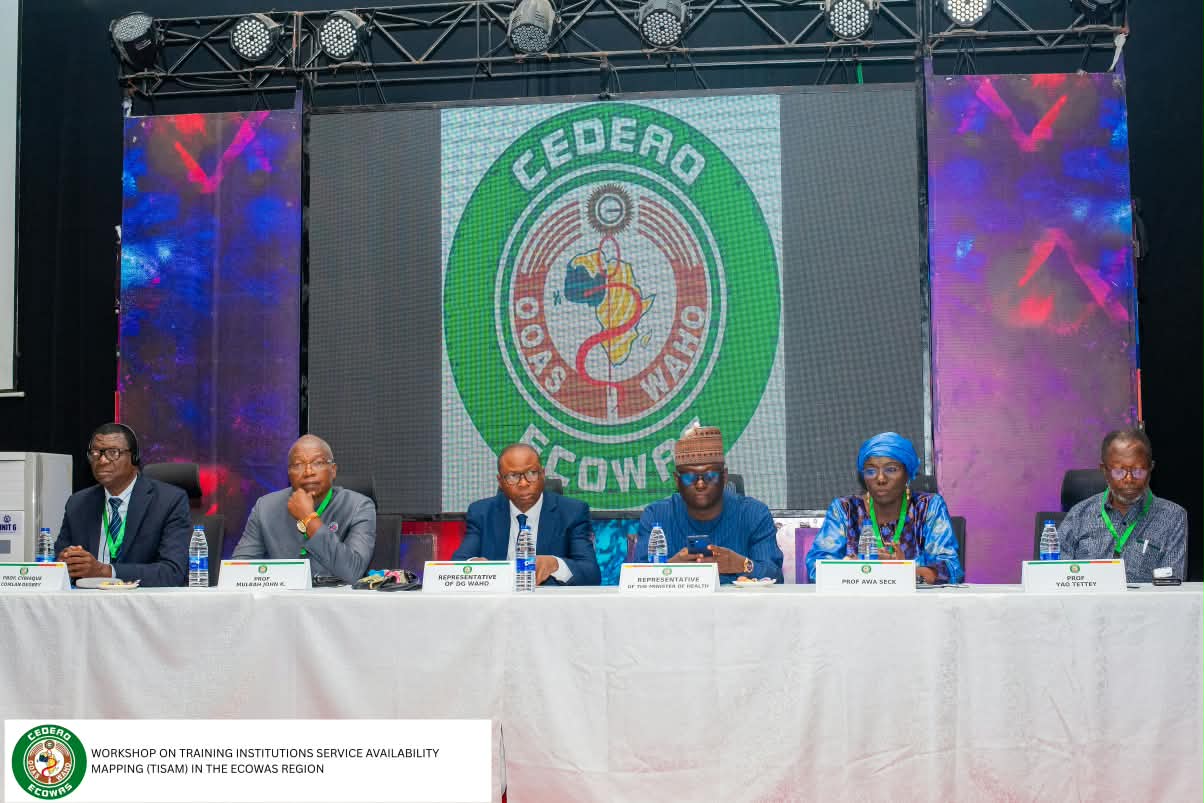
The West African Health Organization (WAHO) and key health sector stakeholders across the Economic Community of West African States (ECOWAS) have called for a comprehensive mapping of health training institutions in the sub-region to strengthen health workforce planning, improve training capacity and promote regional integration.
The call was made at the opening of a three-day regional workshop on Training Institution Service Availability Mapping (TISAM), held in Abuja, Nigeria, with representatives of governments, academic institutions, professional regulatory bodies, postgraduate colleges and other health sector stakeholders in attendance.
Declaring the workshop open on behalf of the Coordinating Minister of Health and Social Welfare, Professor Muhammad Ali Pate, the Country Liaison Officer, Dr. Daku, said reliable data on health training institutions was essential for effective workforce planning, equitable resource allocation and improved healthcare delivery across West Africa.
Dr. Daku, who represented the minister due to competing official engagements, welcomed participants on behalf of the Federal Government and people of Nigeria, stressing that countries could not effectively plan, strengthen or integrate their health systems without knowing the actual capacity of their training institutions.
He explained that TISAM would provide comprehensive information on the location, programmes, infrastructure, equipment, funding sources and training capacities of accredited health institutions across the ECOWAS region.
According to him, the exercise would address longstanding gaps in information about health training institutions, some of which remain largely unknown, while others operate in regions with unequal access to training opportunities.
He urged participants to work towards three major outcomes: a complete and reliable regional mapping framework, evidence-based planning and investment, and a foundation for harmonising health training curricula, mutual recognition of qualifications and the mobility of health professionals.
Dr. Daku noted that the initiative aligns with President Bola Tinubu’s Renewed Hope Agenda and Nigeria’s ongoing health sector reforms, particularly efforts to strengthen training institutions, expand accreditation, improve regulation and invest in health workforce data.
He challenged participants to conclude the workshop with a validated mapping framework, clearly defined responsibilities for member states and a realistic timeline for completing the exercise across the region.
In his remarks, the Director-General of WAHO, Professor Stanley Okolo, represented by Professor Joseph Olorunda, described TISAM as a critical instrument for identifying the capacity of institutions responsible for training different categories of health professionals in West Africa.
He explained that WAHO had undertaken a situation analysis of health training institutions between 2010 and 2015, laying the groundwork for a regional mapping initiative aimed at improving the production and equitable distribution of qualified health professionals.
Professor Okolo said the overall objective was to ensure that the region produced adequate numbers of well-trained and motivated health workers capable of responding to the healthcare needs of its population.
He warned that the absence of accurate and readily available health workforce information remained a major obstacle to effective policy formulation, recruitment, training, deployment and retention of health professionals.
Without reliable data, he said, countries would struggle to determine whether they were training the right number and proportion of health workers required to meet projected demands, identify workforce shortages and develop appropriate retention strategies.
He disclosed that the mapping exercise had been completed in countries including Burkina Faso, Ghana, Benin and Sierra Leone, although their data required updating.
Data collection was ongoing in Nigeria, Togo, The Gambia and Liberia, while Guinea, Niger, Côte d’Ivoire, Mali, Cabo Verde, Guinea-Bissau and Senegal had commenced the process but required additional support, particularly for national-level step-down training.
Outlining the next steps, the WAHO Director-General said the organisation was targeting the completion of training and data analysis, followed by country-level validation in the first quarter of 2027.
He added that stakeholder validation, evaluation, publication of the findings and dissemination of a regional inventory would follow as part of the 2026–2027 implementation milestones.
Representing the President of the ECOWAS Commission, Professor Awa Seck emphasised the importance of reliable and updated information in understanding the health training capacities of member states and preparing the region’s health systems for future demands.
She described the mapping exercise as a strategic investment in understanding existing institutional resources, capacities and development opportunities, noting that producing more health professionals must go hand in hand with developing the specific competencies required by West African populations.
Similarly, the representative of the Deans of Faculties of Health Sciences, Professor Cyriaque Degbey, commended WAHO for its leadership and technical coordination, describing the exercise as an important regional effort towards establishing a reliable and comprehensive inventory of health training institutions.
He stressed that accurate information would support rigorous human resource planning and provide a clearer understanding of the training capacities available in individual member states.
Representing the President of the Regional Council of Health Professionals Education, Professor John Mulbah called on participants to approach the exercise with commitment, transparency and determination.
Using the acronym “PREPARED” to illustrate the requirements for successful programme implementation, he highlighted the importance of project planning, identifying reasons and gaps, setting expectations, considering probabilities and alternatives, ensuring adequate resources and making informed decisions.
He said the mapping exercise would establish an evidence-based database to guide institutional decision-making, strengthen service delivery and address existing weaknesses in healthcare systems across the sub-region.
Professor Mulbah urged participants to treat the data-gathering process with honesty and ensure that the findings accurately reflected the realities of their respective countries.
On his part, the representative of the West African Postgraduate Colleges, Professor Yawo Téttéy, said TISAM was particularly relevant to ongoing efforts to harmonise training curricula, procedures and professional standards to facilitate the free movement of health workers across ECOWAS member states.
He explained that mapping and publishing information on recognised training institutions would enable health professionals moving between countries to identify credible institutions where they could pursue further training and improve their professional competencies.
He also called on recognised institutions to obtain national accreditation and pursue regional accreditation through WAHO, stressing that credible accreditation systems would improve confidence in qualifications and facilitate the recognition of professionals across national borders.
Professor Téttéy noted that the availability of a reliable regional inventory would address uncertainty among employers and regulators regarding the credibility and recognition of qualifications obtained from institutions in other countries.
Across the goodwill messages, speakers consistently underscored the need for accurate data, stronger institutional collaboration, quality assurance and regional harmonisation as essential pillars for building a resilient West African health workforce.
The three-day workshop is expected to consolidate the regional mapping framework, strengthen collaboration among member states and establish a pathway for validating and publishing a comprehensive inventory of health training institutions across the ECOWAS region.
Stakeholders expressed optimism that the successful implementation of TISAM would enable countries to make informed decisions on where to establish or expand training programmes, invest in infrastructure, deploy faculty and address disparities in health workforce production.
The overarching expectation is that the initiative will help ensure that West Africa trains the right health professionals, in the right numbers, with the right competencies and in the right places to meet the healthcare needs of its people.
By Tambaya Julius, Abuja
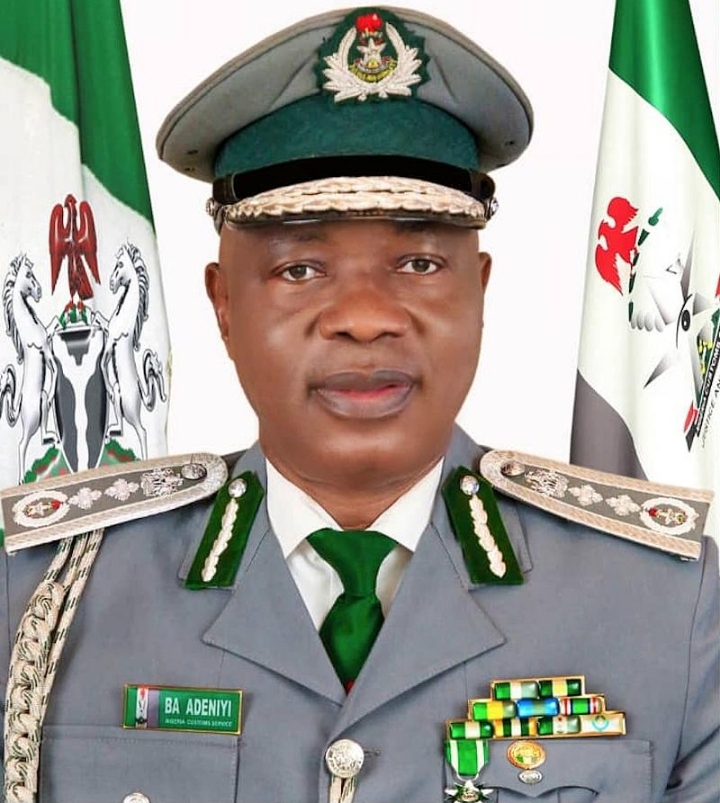
The Comptroller-General of the Nigeria Customs Service (NCS), Bashir Adewale Adeniyi, has called on officers and men of the Customs Police Unit (CPU) to uphold discipline, professionalism and integrity, stressing that accountability must begin within the Service.
Adeniyi made the call while delivering the keynote address at the inaugural Customs Police Summit 2026, held at the NAF Conference Centre and Suites, Abuja.
The summit, with the theme, “Reimagining Customs Policing: Learning From the Past, Responding to the Present, and Preparing for the Future,” brought together customs personnel and representatives of security and law enforcement agencies to discuss ways of strengthening the unit and preparing it for emerging enforcement challenges.
The Customs boss, who is also the Chairperson of the World Customs Organization (WCO) Council, said the Service must first demonstrate the discipline and integrity it expects from traders and members of the public.
He described the Customs Police Unit as a critical part of the Service’s internal control system, noting that its responsibility goes beyond investigating misconduct to ensuring that officers exercise their powers within the confines of the law.
According to him, the unit, formally inaugurated in July 2019, was established to investigate erring personnel, prevent crime and promote compliance, guided by the principle that no officer is above the law.
He said the experience of the Service over the years had reinforced three important lessons: integrity must begin at home, enforcement powers must be exercised responsibly, and effective policing requires cooperation among relevant institutions.
The Comptroller-General expressed concern over the growing sophistication of criminal networks, which he said were increasingly exploiting legitimate trade routes and digital platforms to move illicit goods, including firearm components, narcotics, counterfeit medicines, protected wildlife and proceeds of illegal activities.
He maintained that tackling these threats required more than aggressive enforcement, calling instead for smarter, intelligence-driven operations supported by technology and international best practices.
Adeniyi pointed to several World Customs Organization instruments, including the SAFE Framework, Authorised Economic Operator (AEO) Programme, advance rulings, Time Release Study and Revised Kyoto Convention, as important tools for promoting compliance, facilitating legitimate trade and reducing opportunities for corruption.
He also highlighted the role of technology and data management in strengthening customs operations, citing the B’Odogwu platform, which integrates declarations, valuation, risk management and AEO processes.
He added that the INTERPOL Data Centre at Customs Headquarters had provided the Service with access to global criminal databases, while the Nigeria Customs Service Act 2023 had strengthened the legal foundation for intelligence-led operations, joint border activities and mutual administrative assistance.
The CGC identified Consolidation, Collaboration and Innovation as the three pillars that must shape the future of customs policing.
He explained that consolidation would require stronger operational procedures, improved investigations, properly documented cases for prosecution and continuous professional development of personnel.
He called for closer working relationships with the Nigeria Police Force, Armed Forces, National Drug Law Enforcement Agency (NDLEA), National Agency for Food and Drug Administration and Control (NAFDAC), Department of State Services (DSS), Independent Corrupt Practices and Other Related Offences Commission (ICPC), Nigeria Agricultural Quarantine Service (NAQS), neighbouring countries and border communities.
He also encouraged the Service to take advantage of emerging technologies, including artificial intelligence, advanced scanners, geospatial tools and electronic cargo tracking, to improve investigations and strengthen enforcement operations.
Adeniyi urged participants to use the summit to develop practical recommendations, including a Customs Police doctrine based on the NCS Act 2023 and Revised Arusha Declaration, improved protocols for joint operations and evidence management, guidelines for the responsible use of artificial intelligence in investigations, and better training and welfare for CPU personnel.
Addressing officers of the unit, he reminded them that their red berets represented the confidence Nigerians placed in the Service and must therefore be worn with discipline, restraint and pride.
He stressed that integrity remained the greatest badge of honour for every customs officer.
The Acting Provost Marshal of the NCS, Deputy Comptroller TS Sanusi, described the summit as an important step towards strengthening the institutional capacity and repositioning the Customs Police Unit.
Sanusi said the unit was established to provide a dedicated structure for maintaining discipline, investigating misconduct and ensuring compliance with professional standards among personnel and stakeholders.
He observed that the Service could not effectively enforce laws and regulate international trade without having strong mechanisms to promote discipline and accountability within its own ranks.
He added that the increasing challenges of transnational organised crime, illicit financial flows, corruption and emerging security threats had made the work of the Customs Police Unit more important.
The Acting Provost Marshal expressed appreciation to the Comptroller-General for his leadership, support and approval of funds for the inaugural summit, noting that the gesture reflected management’s commitment to strengthening the unit.
He also recognised the contributions of former Provost Marshals and personnel who helped establish the unit’s operational structures and professional standards.
Sanusi urged serving personnel to lead by example, insisting that discipline must begin with them if they were to earn the respect and confidence required to enforce it among others.
In his remarks, Assistant Comptroller-General of Customs at Headquarters, MS Shuaibu, called for a renewed approach to customs policing, with greater emphasis on professionalism, intelligence gathering and institutional accountability.
Shuaibu said the summit provided an opportunity to reflect on the unit’s achievements, address existing challenges and develop strategies to respond to changing global trade patterns and security threats.
He acknowledged the unit’s contributions to internal discipline, investigation of infractions and the protection of the Service’s interests, but stressed the need to continually improve its operational capacity.
He identified intelligence gathering, surveillance, risk analysis, inter-agency cooperation and modern investigative techniques as key areas requiring attention.
The ACG further emphasised that the exercise of police powers must be guided by respect for human rights and due process, warning that enforcement must never become an excuse for unjust treatment.
He urged officers to remain firm but lawful, courageous but responsible, and impartial in carrying out their responsibilities.


Nigeria-China Trade Rises to $17.4bn in Six Months
ShareTrade between Nigeria and China rose by 35 per cent to $17.4bn in the first half of 2026, with Nigeria’s...

2027: Thugs Storm Obi-Kwankwaso Town Hall, Attack Supporters in Lagos
ShareBy David Torough, Abuja Suspected political thugs on Thursday disrupted a town hall meeting organised by the Nigeria Democratic Congress...


Four UNN Students Die After Off-campus Party in Nsukka
ShareFrom Sylvia Udegbunam Enugu The University of Nigeria, Nsukka (UNN), has been thrown into mourning following the deaths of four...


WAHO, ECOWAS Stakeholders Push for Regional Mapping of Health Training Institutions
ShareBy David Torough, Abuja The West African Health Organization (WAHO) and key health sector stakeholders across the Economic Community of...

Customs CG Tasks Officers on Discipline, Integrity
ShareBy Tambaya Julius, Abuja The Comptroller-General of the Nigeria Customs Service (NCS), Bashir Adewale Adeniyi, has called on officers and...


Bayelsa Deputy Gov Tasks Nigerians on Effective Service
ShareFrom Mike Tayese, Yenagoa The Deputy Governor of Bayelsa State, Dr. Peter Akpe, has urged Nigerians to make selfless service...
CIPPON Urges FG to Protect Nigerian Printing Industry
ShareBy David Torough, Abuja The Chartered Institute of Professional Printers of Nigeria (CIPPON) has renewed its call on the Federal...


Mbah Declares Emergency on Nsukka-Adani Road
ShareFrom Sylvia Udegbunam Enugu Enugu State Governor, Peter Mbah has declared an emergency on the Nsukka-Adani Road, describing it as...


Oborevwori Mobilises Support for Tinubu, APC 2027 Victory
ShareFrom Francis Sadhere, Delta Delta State Governor, Rt. Hon. Sheriff Oborevwori, has called for massive support for President Bola Ahmed...
Growing Threat to Opposition Politics and Democracy
ShareBy Pius Mordi Democracy thrives on competition, tolerance, freedom of expression and the willingness of those in power to accommodate...