
BUSINESS
Oil Prices Soaring to $100 as Bonny Light Sells for $95pb

By Joseph Amah, Abuja
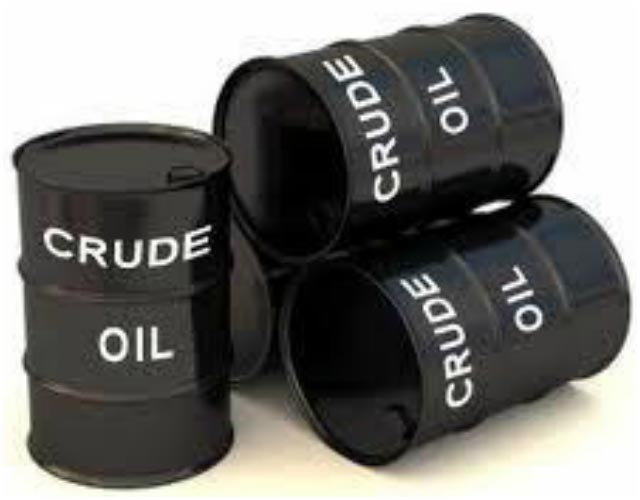
Oil prices continued their surge yesterday, sending one of Nigeria’s most valued grades, Bonny Light to $95 and Algeria’s Sahara Blend to $97.48, in an obvious push towards the $100 mark.
The increase represented a 3.70 per cent for the Nigerian grade and 4. 29 per cent for the North African grade, the highest level they have attained since 2014.
Other grades of Nigeria’s oil, which experienced a significant rise were the Brass River, which was selling for $94.13, an addition of 3.53 per cent and Qua Iboe, which hit $94.13 as at 6 pm Nigerian time.
This is happening for the first time since October 2014 due to ongoing supply worries and as frigid weather cascades across the US. The latest rally was attributed to growing concerns that extended cold weather could hit production in the US, exacerbating the tightness in world crude markets. The market was also watching developments between Russia and the West over the former’s aggressive posture towards Ukraine.
Crude benchmarks have been pointing upward for weeks on expectations that supply would tighten further even after the Organisation of Petroleum Exporting Countries and other producers (OPEC+) stuck to planned moderate output increases. Demand remains on the upswing, with the Omicron coronavirus variant only temporarily denting consumption in major economies in recent times.
OPEC and allies led by Russia, known as OPEC+, during the week agreed to stick to a monthly increase of 400,000 barrels per day (bpd) in output despite pressure from consumers to raise supplies more quickly.
In addition, Goldman Sachs has forecast Brent topping $100 a barrel in the third quarter, but that might come even earlier though insinuations are rife that OPEC+ may consider a faster unwinding of its production cuts. Several OPEC members, like Nigeria, are struggling to pump more despite prices being at seven-year highs, with the country unable to meet expected levels due to sabotage, waning upstream infrastructure and outright theft.
Nigeria was unable to meet its oil production allocation by OPEC in January, as it was only able to pump 1.46 million barrels per day of the expected 1.683 million bpd for the month. Moreover, the Group Managing Director, Nigerian National Petroleum Company (NNPC), Mr Mele Kyari, had said that NNPC’s joint venture partners were unable to restart oil wells shut down in the heat of the COVID-19 pandemic. His promise of a 1.8 million barrels target by December 2021 had earlier faltered.
The surge in the price of Bonny Light indicates that Nigeria now has as much as $33 above the $62 per barrel 2022 budget benchmark. The budget was based on the production of 1.8 million barrels per day, including about 400,000 barrels of condensate that Nigeria produces daily.
Ironically, Nigeria’s external reserve at the weekend fell below the $40 billion thresholds it had maintained in over three months. This was according to data from the Central Bank of Nigeria (CBN).The reserve had endured a continuous decline in recent months, owing to the intervention of the apex bank in the official FX market and sustained forex crunch in the economy.
Notably, the reserve level had fallen to $39.98 billion as of Thursday, February 3, 2022.Despite the rising oil prices, the country’s excess crude account had been depleted, while the foreign reserve dipped by $481.4 million in January 2022, following a $66.17 million decline recorded in December 2021.The federal government had explained recently that the fund depleted from $72.4 million to $35milion in a space of one year, despite crude oil averaging higher than Nigeria’s benchmark for the year.

By Eze Okechukwu, Abuja
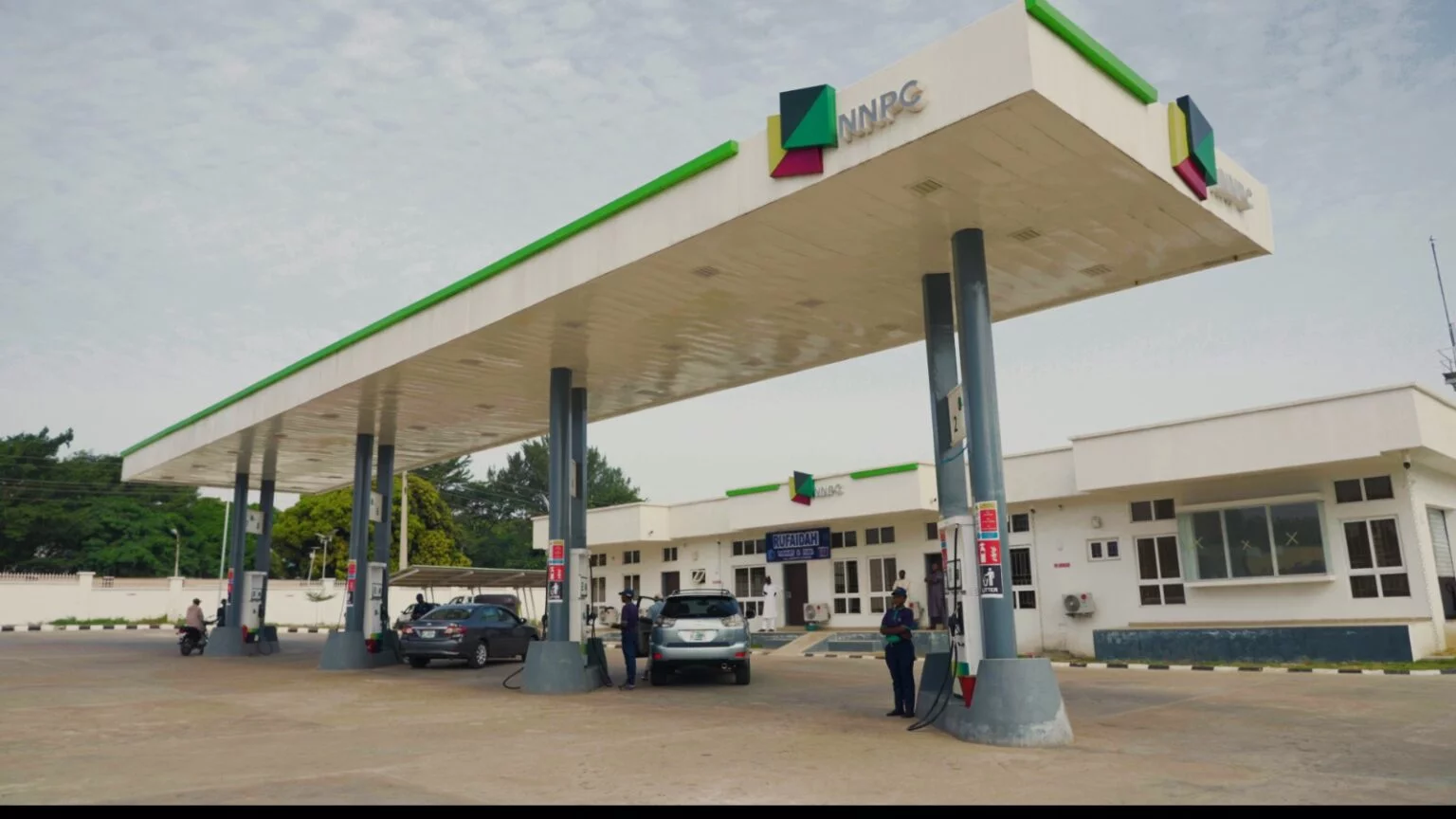
The Federal Ministry of Finance has heaped blames on the Nigerian National Petroleum Company Limited (NNPCL) over its inability to answer queries raised against it in the 2021 to 2023 Oil and Gas Sector Audit report by the Nigeria Extractive Industry Transparency Initiative (NEITI), saying the Oil Company could not make available the necessary financial records it would have used to respond to the queries.
Declaring this yesterday during an interrogation by the Senate Committee on Public Accounts at the National Assembly following several financial infractions raised against the Ministry in the NEITI audit findings, the Permanent Secretary of the Ministry, Raymond Omachi said that if the Nigeria National Petroleum Company Limited (NNPCL) had availed them the documents, he would have been in a better position to answer the questions with ease.
However, one of the infractions contained in the report was the pre – export financing for $3billion loan taken in 2012 to settle subsidy payment which according to NEITI, the recovery of the loan from monthly Federation revenue proceeds under pre -export financing and project eagle agreement remained unclear.
Another query raised against the Ministry by NEITI was that “In 2021, the sum of $722.6 million was paid to NNPC by Nigeria Liquified Natural Gas (NLNG) as dividend and interest earned by the federation but was neither remitted to the federation account nor properly accounted for.
In the report also, NEITI observed that in 2021 none of the refineries was operational despite N200 billion spent on them. The ministry couldn’t answer it and couldn’t also give a clean bill to the $221.283million overhead costs incurred by NAPIMS in 2021.
In his response to the queries , the Permanent Secretary said the Ministry was not directly involved in all the dealings or transactions and that the agencies involved, particularly the NNPCL has refused to cooperate with it in terms of accurate records.
“We don’t have direct involvement in all the issues raised and required provision of financial records from the affected agencies, particularly NNPCL, NUPRC etc but we couldn’t get them.
“In resolving the financial issues, we have engaged a reputable external audit firm; Arthur Andersen LLP, to carry out a forensic audit on all the transactions for the required reconciliation “, he said.
But the Committee chaired by Senator Ibrahim Hassan Dankwabo (Gombe North) took him up on when the report on the forensic audit would be ready after extending it twice; 6 months to one year but he insisted that NNPCL and NUPRC should be made to be at the same session with Ministry of Finance over the issues, to enable all parties chart a common cause in relation to the issue.
“I know you have enormous powers that you can use to compel these agencies to appear before us. We are having challenges bringing them to the table so that we can resolve these issues.
“We in the Federal Ministry of Finance are ready to come and sit with them here, so that you can hear directly from them and obtain the necessary explanations and clarifications”, he stated.
But the Chairman of the Committee told the permanent secretary to arrange the meeting with the affected agencies as issues involved are not only being followed in Nigeria but internationally.
“I will like you to review the internal report and arrange a meeting involving the Ministry of Finance, the NUPRC, NNPC and any other agency whose participation is necessary to resolve the issues we have raised.
“As you are aware, these issues are being followed by the international community. They are not matters confined to Nigeria; they are in the public domain and are being monitored by people across the world.
“Therefore, if there are records or issues that need to be clarified and properly put in order, we should do so in the interest of our country. All of us have no other country except Nigeria”, he said.
Nigeria’s crude oil production fell by four per cent month-on-month in July, but the country still met its Organisation of Petroleum Exporting Countries quota for the third consecutive month, latest data from the Nigerian Upstream Petroleum Regulatory Commission has shown.
The commission’s latest production figures showed that Nigeria pumped an average of 1.
505 million barrels per day of crude oil in July, slightly above its OPEC quota of 1.5 million barrels per day.When condensate production of about 170,000 barrels per day is included, the country’s total crude and condensate output stood at 1.
67 million barrels per day during the month.The July performance, however, represented a decline from the 1.735 million barrels per day recorded in June, translating to a reduction of about 65,000 barrels per day, or 3.75 per cent.
The NUPRC disclosed the figures in a statement issued on Wednesday by its Head of Media and Corporate Communications, Eniola Akinkuotu.
The statement read, “Nigeria has for the third consecutive month met and exceeded its OPEC quota of 1.5mbpd. In the month of July 2026, Nigeria produced 1.505mbpd of crude oil and 0.17mbpd of condensate, bringing the combined daily production to 1.67mbpd.
“Although Nigeria met its OPEC quota in the month of July, the statistics show that on a month-on-month basis, production fell by 4 per cent.”
According to the commission, daily combined crude and condensate production fluctuated between a low of 1.57 million barrels per day and a peak of 1.78 million barrels per day in July.
“Daily average production was 1.67 million barrels per day, comprising both crude oil (1.505 million bopd) and condensate (0.17mbpd),” the commission said.
Despite the July decline, Nigeria has maintained crude production above its 1.5mbpd OPEC quota for three consecutive months.
The country’s combined crude and condensate production has increased since the beginning of the year, according to NUPRC’s month-on-month data.
Production stood at 1.459 million barrels per day in January, before rising to 1.483mbpd in February. It subsequently increased to 1.564mbpd in March, 1.663mbpd in April, 1.701mbpd in May and 1.735mbpd in June.
July therefore marked the first monthly decline after the steady increase recorded in the first half of the year.
Compared with January, however, July’s combined production of 1.67mbpd was about 211,000 barrels per day, or 14.5 per cent, higher.
The NUPRC attributed the July decline principally to operational challenges at the Erha and Akpo fields, which affected production during the month.
“These disruptions constrained production volumes and contributed significantly to the overall reduction in national crude oil output,” the commission said.
It added that production activities at other oil-producing assets remained relatively stable despite the disruptions.
“Despite the challenges encountered, production operations across other producing assets remained relatively stable, with operators implementing measures aimed at maintaining production efficiency and minimising the impact of operational constraints,” the regulator said.
It said routine production and crude evacuation activities were also largely sustained across the industry.
The commission added that operators and other stakeholders were working to resolve the affected production facilities and restore lost capacity.
“Industry stakeholders remain focused on addressing the identified operational issues, restoring affected production capacity and strengthening asset reliability to support improved performance in subsequent months,” it said.
The breakdown of production by terminals and streams showed that Forcados Terminal recorded an average output of 322.34kbpd in July, making it the largest producing stream listed by the commission.
It was followed by Bonny Terminal, which recorded 303.72kbpd.
Qua Iboe Terminal ranked third, with average production of 158.02kbpd of crude oil and condensates, while Escravos Oil Terminal recorded 131.41kbpd.
The Bonga stream ranked fifth among the leading producing terminals, with an average of 100.23kbpd of crude oil.
The Federal Government and NUPRC have identified increased crude oil production as important to government revenue, foreign exchange earnings and investment in the upstream sector.

The Managing Director of Chevron Nigeria Limited, Jim Swartz, has highlighted key areas that would sustain Nigeria’s energy transition growth pathway.
Swartz, is of the opinion that strong collaboration and partnership are key to sustain the country’s energy needs.
Speaking at the just-concluded 49th Nigerian Annual International Conference and Exhibition (NAICE) in Lagos, Swartz, said no one player can deliver the scale of projects required to achieve the goals set by the country alone.
He declared that Collaboration is essential because no single company, institution, or stakeholder can address the opportunities and challenges of the intersector alone.
And technology will remain a key driver of safer operations, stronger performance, and the future that we will deliver. For Nigeria, the opportunity is significant.The conference with the theme “Thriving in the Evolving Global Energy Landscape: Collaborative Growth and Resilience,” focused on how Nigeria can compete for capital and sustain production amid global volatility.
The managing director listed four pillars he believed are essential to define a resilient energy future.
These include continued investment, enabling long-term policies, competitive local capacity development, and strong partnerships.
He continued, “Building a resilient energy future requires continued investment, enabling policies that are resilient for the long-term, local capacity development that’s competitive and durable as well, and strong partnerships across governments, regulators, industry, and the technical community,”.
He said Chevron has invested in Nigeria for more than six decades, noting the company’s role in building the foundation of the industry and in developing technical capacity.
The firm therefore called for stronger collaboration across government, regulators and industry operators as the foundation for building a resilient oil and gas sector that can deliver growth, jobs and energy security for Nigeria.




FRSC Apprehends Mixed Loader
ShareThe Federal Road Safety Corps (FRSC) has apprehended one Umar Muhammadu for allegedly mixed loading a Mitsubishi Canter with no...


NYSC Hails Corps Members’ Discipline, Commitment during Osun Governorship Election
ShareThe Osun Coordinator of National Youth Service Corps (NYSC), Ekeng Kubiangha, has commended corps members deployed as ad hoc staff...

NiMet Predicts Three-day Cloudy, Thundery Weather Activities
ShareThe Nigerian Meteorological Agency (NiMet) has predicted cloudiness and thunderstorms from Sunday to Tuesday across the country. NiMet weather outlook...


Wike Signs 26,272 C of Os in Three Years of Tinubu’s Administration
ShareThe Minister of the Federal Capital Territory (FCT), Mr Nyesom Wike, has signed 26,272 Certificates of Occupancy (C of Os)...

TAJBank’s PBT Rises by 74 Per Cent, Pays Higher Dividends
ShareBy Tony Obiechina, Abuja TAJBank Limited, Nigeria’s most innovative-driven and largest non-interest bank (NIB) by assets, has sustained its frontline...


Again, Terrorists Invade Benue Communities, Kill Three, Injure Scores
ShareFrom Attah Ede, Makurdi Terrorists suspected to be herdsmen have attacked communities in Ukum Local Government Area of Benue State,...


Osun Poll: Adeleke Scores 511,067 to Defeat Oyebamiji by 66,252 Votes
ShareBy David Torough, Abuja Governor Ademola Adeleke has won a second term in office after the Independent National Electoral Commission...


Troops Kill Terrorists, Rescue 39 Kidnap Victims in One Week – DHQ
ShareBy David Torough, Abuja The Armed Forces of Nigeria says its troops killed scores of terrorists, rescued dozens of kidnapped...


Nigeria’s Diversity, Our Greatest Asset, Says Idris
ShareBy David Torough, Abuja The Minister of Information and National Orientation, Mohammed Idris, has described Nigeria’s diversity as a source...


Groups Reject Grazing Reserves, Insist on Resettlement of IDPs in Benue
ShareFrom Attah Ede Makurdi The three Socio Cultural Organizations in Benue State(Mdzough U Tiv, Ochetoha K’ Idoma and Omi Ny’Igede,...