
NEWS
Pandemic Profiteering Demands More Than a Doctor’s Prosecution

By Fransiscus Nanga Roka
A patient was treated every ninth second, which alone would suggest that there were problems with emergency health care spending before the use of federal money from the U.S.
Treasury. Dr. Joseph A. Montes’ prosecution in Houston has raised concerns regarding how well emergency health care spending could distinguish between legitimate medical services and possibly a fraudulent billing scheme.Montes, 66, was indicted on twelve federal charges on September 30, 2026. The indictment was unsealed on October 6, 2026 by the Justice Department. Prosecutors allege that from 2020 to 2022, Montes’ clinics were reimbursed approximately $20 million out of the $30 million that the clinics claimed to receive from the Health Resources and Services Administration.
As of now, these allegations are merely charges, and therefore Montes remains presumed innocent.The prosecutors state that how he was able to commit these offenses was quite straightforward. He established pop-up COVID-19 clinic locations using his own name; collected nasal swabs from individuals attending those clinic locations; and submitted billing to insurance companies for “office visits” which the prosecutors allege did not occur. From January to November 2021, the prosecutors believe he submitted approximately 3,000 evaluation-and-management claims during at least 29 separate time
frames. Along with the claims, prosecutors are also alleging he paid for a purchase of a high-end vehicle from a car dealer and items from Tiffany & Co.
If this is indeed correct, it would represent a massive breach of confidence that has been placed upon physicians. This would indicate that all people that had gone to seek testing during the time period of the pandemic were being used as mere tools to extract money from the public.
The mathematics of this situation are extremely important to ensure the accuracy of the data. For example, simply because there were 9,000 claims submitted in a single day doesn’t necessarily mean that 9,000 consultations occurred that same day. In many cases, a legitimate provider can send in multiple claims at once as part of a batch. Therefore, investigators will need to determine when services were provided; who was responsible for providing those services; what percentage of the total number of employees working during the period of service provision; whether documentation exists regarding the services provided; and if patients were actually seen by clinicians.
This is intended to provide greater responsibility for your actions. When you discover something unusual or out of place (an anomaly), this should encourage you to delve deeper into the matter. To establish evidence of fraud, you need to provide supporting documentation.
This is a much broader policy question that cannot be avoided. Although emergency reimbursement needs to occur quickly, when quick reimbursements occur without a reasonable degree of verification, there are many opportunities for abuse. At the same time, if all reimbursements were frozen indiscriminately, then we may create a great deal of financial stress for legitimate health care professionals and limit patient access to necessary care. Therefore, an appropriate level of monitoring must distinguish between suspected fraudulent billing practices and the high-volume use of tests. Washington needs five concrete reforms.
The next generation of emergency program administrators, including HRSA, must develop and use billing validation systems to check whether the billed service is consistent with the documented clinical capability. When a large volume of services is billed, and it appears highly unlikely that such a service can be delivered given the clinical capability documented, then an immediate human review is required. For the purpose of protecting legitimate providers from unfairly having their payments reduced or withheld, the human reviews will have time limits for responses and a formalized appeal process.
The second condition is that there needs to be an identifiable relationship between each of the encounters being reimbursed, the date of service, the clinician performing the service, and any other pertinent documentation. In addition, the billing agent may not use their authority to convert a diagnostic test into a separate consultation and then bill separately for that diagnostic test.
The third way to help patients identify fraudulent claims is to send patients simple, clear notifications about which services they received that are being charged to them. Also, providing an easy-to-use way for patients to challenge those charges will help patients spot potential fraudulent claims without sharing too much of their personal health information.
The fourth step for both Congress and the Inspector General at HHS is to have an outside entity conduct an assessment of the program’s control mechanisms (e.g., how often people receive warning notices, if people acknowledge receiving warning notices, what the payment contractor did once they received warning notices) using an objective analysis. There is enough evidence in the indictment to indicate that the program’s control mechanisms were insufficient, however there is no evidence that indicates negligence on the part of regulatory agencies.
Fifth, prosecutors must pursue every participant as established through evidence, and once their guilt is determined, the prosecutor may use the law to recover the criminal proceeds. Each disciplinary action against a professional will be based on an independent review of the evidence and in order to safeguard the right to due process.
Successful performance of a program is measured by the reduction of incorrect payments, resolution time of alerts, money collected from fraud, and continuous availability of legitimate healthcare services for individuals who require them rather than solely through the number of arrests.
A global lesson about emergency medical services funding has been learned from outside of Houston. Each government which provides financial assistance to emergency medical service providers must create a governance framework as part of its funding application.
A criminal court will determine whether one physician is accountable for what occurred. At the same time, a public inquiry should establish whether the system created to protect emergency healthcare funding was adequate enough to accomplish this. The taxpayers would like to have answers from the government as well. The patients are looking for a system that can understand its mistakes before the next crisis occurs.
Fransiscus Nanga Roka
By Tambaya Julius, Abuja
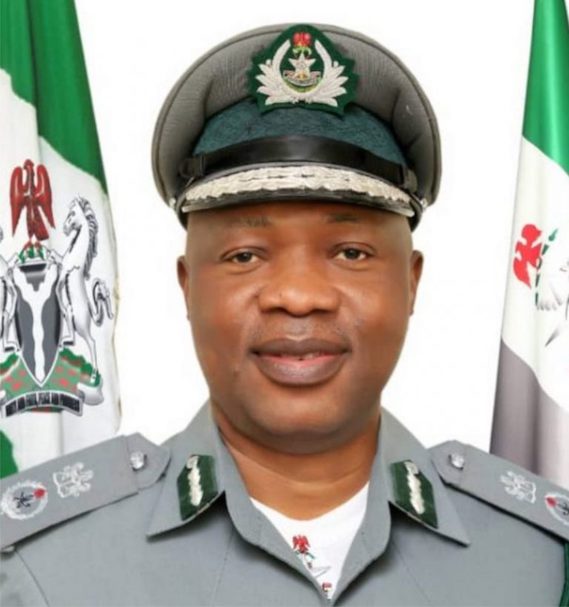
The Comptroller-General of the Nigeria Customs Service (NCS), Adewale Adeniyi, has said delegates attending the World Public Relations Forum (WPRF) in Abuja are leaving Nigeria with positive impressions, despite the fears and concerns some had before arriving in the country.
Adeniyi said the delegates’ personal experiences and interactions in Nigeria were helping to change their perceptions, particularly against the backdrop of negative reports about insecurity, kidnapping and banditry.
He spoke during an interview on the opening day of the conference recently, noting that several international delegates arrived with concerns about the security situation in the country.
According to him, such concerns had shaped the expectations of some participants and might have discouraged others from attending the conference.
He explained that some prospective delegates could have feared being kidnapped immediately after arriving at the airport, reflecting how much negative reports had influenced their perception of Nigeria.
“What they want is to see or know about a country. So most of the time, a good number of them are always much more reasoned in terms of the insecurities in Nigeria, kidnapping, and banditry,” he said.
However, Adeniyi said the feedback from delegates who had arrived was encouraging, noting that those he had spoken with shared positive experiences.
“All the delegates that I’ve spoken to, their experience has been very amazing,” he said.
To illustrate how firsthand experiences could change people’s perceptions, the Customs chief recalled a conversation with a delegate from Paris, who shared his experience after arriving in the French capital.
He said the delegate had checked for a protest route but was told it was not a major concern, even though the protest had lasted for five days.
Adeniyi observed that such incidents do not stop people from visiting Paris, which remains one of the world’s most visited destinations despite the challenges it faces.
He said Nigeria and other African countries should also be seen beyond their challenges, pointing out that no country is entirely free from security and other social concerns.
“So it’s also the same story with us in Nigeria, with us in Africa, that despite the challenges that we confront, everybody has this kind of challenge,” he said.
The Comptroller-General stressed that negative reports should not be the only basis for judging Nigeria, adding that international visitors should also have the opportunity to experience the country’s hospitality, opportunities and other positive attributes.
He said the positive feedback from WPRF delegates presented an opportunity to give the international community a broader picture of Nigeria, shaped by personal encounters rather than reports and perceptions from afar.
Adeniyi added that the delegates’ experiences at the forum could contribute to changing the country’s image internationally and encouraging a more balanced understanding of Nigeria.
No one disputes it: the security of the President of the Federal Republic of Nigeria cannot be compromised. Not for a second. Not for politics. Not for convenience.
But security is not the same thing as siege. And twice in one week, Abuja residents were made to feel like they were under siege in their own city.
The first instance was on Friday, November 13, when President Bola Tinubu attended Jumu’at prayers at the Shehu Shagari Central Mosque, Area 1, Garki.
According to eyewitness accounts reported in the press, roads leading to the mosque were blocked, worshippers were prevented from entering after the President arrived, and worse, they were prevented from leaving until he had departed.
Security operatives were even reported to have mounted the Mosque’s perimeter fences.The result was predictable: anger, frustration, and the booing of the President’s convoy as it left the Mosque. A place of worship became a place of confrontation. That should worry the presidency far more than any opposition criticism.
The second instance came six days later, when the President attended the public presentation of a six-volume publication by Chief Wole Olanipekun, SAN, at the Body of Benchers in Jabi.
Again, Abuja paid the price. Commuters on the Lugbe/Airport Road axis — one of the busiest corridors in the capital, serving workers, schoolchildren, business owners and air travelers — were forced to spend several hours in traffic following road closures by security operatives.
A commuter travelling from Lugbe to Jabi for work said a journey that ordinarily takes less than 30 minutes took over three hours. Another, travelling from Airport Junction to Jabi, said his 20-minute journey lasted nearly three hours, while his fare doubled from N1,500 to N3,000.
Another driver, captured the helplessness of it all: motorists were stranded for more than three hours without being told when the road would be reopened.
Let us be clear: This is not about a few minutes of delay. This is about hours of productive time lost, fuel wasted, vehicles overheating, medical appointments missed, flights missed, businesses disrupted, and ordinary citizens humiliated on roads built with their own taxes.
And for what? A book launch. A Friday prayer. Events that, with proper planning, should not have shut down a capital city.
The Presidency must understand a simple truth: Every time a presidential movement brings Abuja to a standstill, it does not project power. It projects distance. It tells the citizen that his time does not matter, his work does not matter, his health does not matter. Only the movement of one-man matters.
That is dangerous; politically, morally, and for national security itself. A President who is seen as the cause of daily suffering loses the goodwill he needs to govern. The booing at the Mosque was not just about a road closure. It was a symptom of accumulated frustration.
DAILY ASSET is not in any way against the President moving unprotected. We are demanding that his protection be professional, modern, and humane. Other countries do it every day. Nigeria can do the same too.
Consequently, Nigeria can adopt ‘Rolling Closures’ and not total blockades to achieve maximum security for the president. The road should not be closed for hours before and after the convoy passes. Close only the lane and the minutes needed for the convoy to pass, then reopen immediately. In London, Washington, and Paris, presidential movements use rolling closures. The city keeps moving.
The presidency and relevant authorities can give advance public notice. The FCT Administration, the Police and the FRSC should announce, at least 24 hours ahead, the routes to be affected, the expected time window, and the alternative routes. Citizens cannot plan if they are kept in the dark. Information is also security.
Authorities can publish and enforce alternative routes.
For every closure on Airport Road or in Garki, there must be a clearly signposted, manned alternative route. Traffic officers should be deployed to move traffic, not merely to stop it and completely lock down the road.
Additionally, authorities can create emergency lanes and exemptions. Ambulances, vehicles carrying pregnant women, the sick, and those heading to the airport must be allowed through. No security protocol should condemn a patient to die in traffic because a VIP is coming. Life must come before protocol.
It is important for the presidency to reduce the convoy for Non-State events.
A Friday prayer and a book launch are not state emergencies. The presidency should review the size of the convoy and the duration of closures for such social and private engagements. The fewer vehicles and the shorter the closure, the lower the disruption and the lower the cost and the risk.
They should also fix a maximum closure time. The presidency and security agencies should adopt a standing rule: No total closure of a major Abuja artery should exceed 30 minutes, except in a genuine security emergency. If operatives cannot execute a movement within that window, the planning has failed — not the citizens.
The security outfits should deploy technology, not just manpower. They should deploy social media updates, Google Map, and waze alerts to guide motorists in real time. A citizen stuck for three hours without information if a citizen is being punished for any good reason.
When citizens suffer as they did on those two occasions, the presidency should acknowledge it. An apology does not weaken the president. It humanises him. Silence only deepens resentment, especially at an electioneering period like this.
President Tinubu is the father of all Nigerians, not just of his convoy. His security is vital, but so is the dignity, time, and livelihood of the millions who must use Abuja’s roads every day.
Protect the President, yes. But do not subject the people to such a pernicious punishment.

From Joseph Amedu, Lokoja
A total of 86,931 PVCs for eligible registrants during the second phase registration exercise by the Independent National Electoral Commission (INEC) in Kogi state have been produced and delivered to the 21 Local Government Area offices, and now available for collection.
The Resident Electoral Commissioner for Kogi, Wahab Shehu, who announced this in a statement over the weekend, advised Registrants to visit the INEC office in the Local Government Area where they completed their registration to collect their PVCs.
“The Independent National Electoral Commission (INEC) Kogi State Office wishes to inform newly registered voters who participated in the second phase of the Continuous Voter Registration (CVR) exercise that their Permanent Voter Cards (PVCs) have now been received and are ready for collection.
The second phase of the CVR was conducted from 5th January to 17th April 2026“They are expected to come along with their registration slip or printout or a valid means of identification, where required. Kindly note that PVC’s for the 1st phase are also available for collection.
“Collection is available at INEC LGA offices from 09:00am to 03:00pm Monday to Friday. Registrants may also check their PVC status and locate their collection centre through the Commission’s CVR portal (cvr.inecnigeria.org).
“All voters who registered during the second phase of the CVR should endeavor to collect their PVCs without delay as the PVC is essential for participation in future elections, and timely collection will help ensure that no eligible voter is disenfranchised.
“The Commission appreciates the patience of registrants while the production, verification, and distribution processes were concluded. INEC remains committed to ensuring that all eligible voters obtain their PVC and exercise their democratic right” Wahab Shehu announced




WPRF Delegates Leaving Nigeria with Positive Impressions, Says Customs CG
ShareBy Tambaya Julius, Abuja The Comptroller-General of the Nigeria Customs Service (NCS), Adewale Adeniyi, has said delegates attending the World...

Customs Suspends Training at Two Colleges over Recruitment Concerns
ShareBy Tambaya Julius, Abuja The Nigeria Customs Service (NCS) has temporarily suspended training activities at its two training colleges to...


INEC Shelves Comprehensive Voters’ Register Clean-Up
ShareBy Orjime Moses, Abuja The Independent National Electoral Commission (INEC) has said it will no longer conduct a comprehensive clean-up...
Protect The President, But Do Not Punish the People
ShareNo one disputes it: the security of the President of the Federal Republic of Nigeria cannot be compromised. Not for...

Shettima to Moniepoint: Provide Affordable Loans for Businesses
ShareBy Tony Obiechina, Abuja Vice-President Kashim Shettima has tasked Moniepoint Microfinance Bank to expand access to affordable loans for farmers,...

NDC Expresses Deep Sorrow over Bayelsa Boat Mishap
ShareFrom Mike Tayese, Yenagoa The Bayelsa State Chapter of the Nigeria Democratic Congress (NDC) has expressed deep sorrow over the...


INEC Releases 86,931 New PVCs for Collection in Kogi
ShareFrom Joseph Amedu, Lokoja A total of 86,931 PVCs for eligible registrants during the second phase registration exercise by the...

Ododo Approves Extension of Retirement Age for Health Professionals
ShareFrom Joseph Amedu, Lokoja Kogi state Governor, Ahmed Ododo has approved extension of the retirement age for eligible skilled clinical...
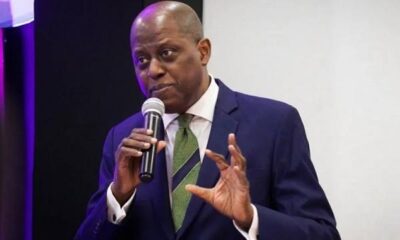

CBN Seeks Fair Representation in ECOWAS Monetary Union
ShareBy Tony Obiechina, Abuja The Governor of the Central Bank of Nigeria (CBN), Olayemi Cardoso, has called for equity, fairness...
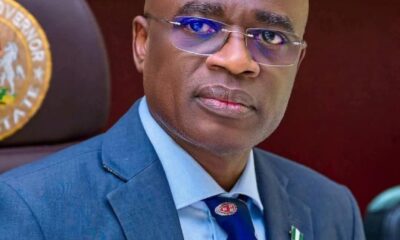

DAILY ASSET 10TH Annual Awards: Alia, Baze Varsity, Iornem Others Confirm Attendance
ShareBy Donald Andoor, Abuja Governor of Benue State, Rev Fr Hyacinth Iormem Alia, has confirmed attendance and participation at DAILY...