
POLITICS
Reps Vow to Correct Electricity Sector Wrongs, Recover Govt’s Investments

By Ubong Ukpong, Abuja
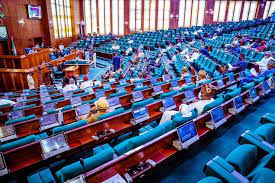
Speaker of the House of Representatives, Abbas Tajudeen has said that the House was determined to correct the wrongs that have plagued the nation’s electricity sector in the last 17 years, as well as recover government’s investments in the sector.
The Speaker who spoke at the commencement of investigation into the power sector reform regretted that the nation’s power sector has undergone serious challenges that has hindered growth ans inefficiency.
The Speaker represented by Chairman House Committee on Environment, Hon.
Mike Etabasaid the House owe it to Nigerians as a constitutional duty to ensure that the reforms intended to enhance service delivery, increase capacity, and improve infrastructure are not just on paper, but are effectively implemented and yielding the desired results
The Speaker said “electricity as we all know it, is the lifeblood of modern civilization as no nation attains sustainable progress without reliable power supply. From our factories to our schools, our hospitals to our homes, electricity determines productivity, quality of life, and our collective economy.
“Regrettably, the Nigerian power sector has witnessed numerous challenges that have hindered its growth and efficiency. It is about time we looked into the reforms implemented over the past 17 years, to understand their successes and shortcomings, and to ensure that we pave a path that benefits all citizens”.
He said further that “the establishment of this Ad-Hoc Committee is not only timely and necessary; it is formed in recognition of our responsibility to the people as stipulated pursuant to the provisions of Section 88 and 89 of the Constitution of the Federal Republic of Nigeria, 1999 (as amended), and Order 20 Rule 7 of the Standing Orders of the House of Representatives which empowers the National Assembly to conduct investigations and inquiries into the conduct of affairs of government ministries, departments, and agencies.
“As our constitutional duty of oversight, we owe it to Nigerians to ensure that the reforms intended to enhance service delivery, increase capacity, and improve infrastructure are not just on paper, but are effectively implemented and yielding the desired results.
“Therefore, we must ask ourselves: Have these reforms fulfilled their promises? Have they led to the expected improvements in service delivery? And most importantly, have they been executed with integrity and in the best interest of our citizens?
‘As we embark on this important journey, I urge all members of the committee to approach their duties with diligence, openness, and a commitment to the truth. Your work will be crucial in shaping the future of our power sector and, by extension, the policy formulation of the sector. I encourage you to engage with stakeholders, listen to the voices of the people, and be fearless in your pursuit of the truth.
“In a broader context, it will be admirable if the outcome of this exercise spurs reliable and modern energy recommendations in line with Sustainable Development Goal (SDG) 7 as the world is moving toward sustainable energy solutions. Our investigation should consider not only the historical context but also the future we envision for our power sector—one that is sustainable, innovative, and inclusive.”
Chairman of the ad hoc committee, Arch. Ibrahim Almustapha Aliyu said the task before the committee is to conduct an Audit and Investigate Nigeria’s Power Sector Reforms and Expenditure from 2007 to 2024, assuring that they critically examine investments in the sector that has profound implications for our nation’s development.
He said “the journey of Nigeria’s power sector over the last two decades has been marked by ambitious goals, substantial investments, and, unfortunately, persistent challenges. The reforms introduced were intended to revitalize our energy landscape, spur economic growth, and improve the quality of life for all Nigerians.
“However, the reality on the ground tells a more complex story—one that requires thorough investigation and honest reflection.
Our mandate is clear: to conduct a comprehensive audit and investigation into the power sector’s reforms and expenditures during the period of 2007 to 2024, in line with Sections 88 and 89 of the Constitution of the Federal Republic of Nigeria, 1999 (as amended) which empower the National Assembly to investigate the conduct of public officers, agencies, and institutions entrusted with public funds, and to expose inefficiency, waste, or corruption in governance.
“We aim to trace the flow of funds, assess the implementation of policies, and evaluate the effectiveness of projects and initiatives undertaken during this period. This will not only illuminate areas of success but also identify and address systemic failures and inefficiencies that have hampered our progress.
“The task ahead of us is immense, and it necessitates a collaborative approach. We are committed to engaging with all relevant stakeholders, including government agencies, private sector actors, civil society, and the Nigerian public at large.
“Transparency, objectivity, and diligence will be the cornerstones of our proceedings.
As we embark on this investigative hearing, let us be guided by an unwavering commitment to the truth. Our objective is not merely to identify problems but to propose actionable solutions that can drive genuine and sustainable improvements in our power sector.
“It is essential that we build a robust framework that safeguards public resources and delivers on the promises of improved power supply for every Nigerian”.






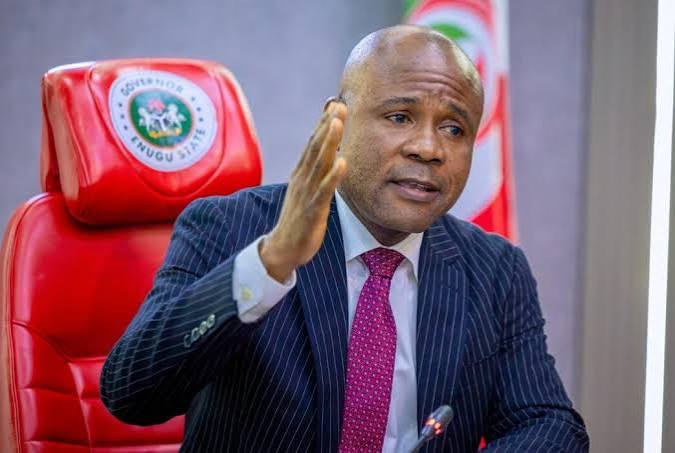
From Sylvia Udegbunam, Enugu
Enugu State Governor, Dr. Peter Mbah, has urged the South East Development Commission (SEDC) to prioritise the development of a regional gas pipeline, railway network and initiatives to accelerate industrialisation in the region.
Mbah said the proposed infrastructure would boost economic activities, improve connectivity among the five SouthEast states and strengthen regional integration.
He also urged the National Assembly to ensure adequate funding for the Commission, describing it as a strategic platform for addressing the region’s development needs.
The governor made the calls on Monday when he received the Senate Committee on the South East Development Commission led by its Chairman, Senator Orji Uzor Kalu.
The delegation, which paid a courtesy call to the governor on the sidelines of its oversight visit to have a firsthand assessment of the projects and programmes of the SEDC, was also accompanied by the management of the Commission, led by its Managing Director, Mark Okoye.
The governor identified a high-pressure gas pipeline connecting major cities across the South East as a critical intervention that could provide industries with reliable access to gas and stimulate large-scale industrial development.
He argued that the region should benefit from gas resources produced within the wider southern part of the country, noting that pipeline infrastructure already transports gas to other parts of Nigeria.
Mbah also proposed an inter-state railway network linking major cities across the five South East states to facilitate trade, improve transportation and reduce pressure on the region’s road network, urging the states to work together on a common design for the proposed railway system, with the SEDC providing a platform for coordination and regional collaboration.
“We are hoping that, given the coming into effect of the SEDC, we will be able to use it as a platform to bring all the other states together to have a common design on the South East railway line,” he said.
The governor further highlighted the commission’s role in supporting agriculture and technology-driven enterprises, citing the flag-off of a 200-hectare integrated Agro Development Programme at Nomeh Unateze, Enugu State, as one of its interventions in the agricultural sector.
He assured the commission of the state government’s support in providing an enabling environment for the project.
Mbah also stressed the need for the SEDC to provide funding opportunities for young entrepreneurs whose businesses had attained the minimum viable product stage, enabling them to expand their operations and contribute to economic growth.
He called on the senators to support the Commission in securing the funding required to undertake the project, describing it as a potential catalyst for an industrial revolution in the region.
Earlier, Kalu commended the Mbah administration for its interventions in infrastructure, education, healthcare, water supply and transportation.
He cited the development of Smart Green Schools, more than 7,000 classrooms, Type II primary healthcare centres across the state’s 260 electoral wards, and the state’s multimodal transportation system.
The senator also acknowledged Mbah’s efforts to strengthen engagement between the South East and the Federal Government, expressing appreciation to President Bola Tinubu for facilitating the establishment of the SEDC.
Kalu disclosed that the issue surrounding the location of the Commission’s headquarters had been resolved, following the Enugu State Government’s provision of temporary office accommodation and a site for its permanent headquarters.
“We wanted to make sure that the commission locates to Enugu State as soon as possible, and this has been a subject of disagreement. But today, I can assure you that the issue is settled,” he said.
He thanked the governor for the support provided to facilitate the commission’s take-off and assured him of the committee’s continued support for its activities.

The Independent National Electoral Commission (INEC) said Permanent Voter Cards (PVCs) for persons who registered between Jan. 5 and July 26, 2026, are not yet available for collection.
Prof. Ayobami Salami, INEC Resident Electoral Commissioner (REC) in Lagos State, disclosed this at a news conference on Tuesday in Lagos on preparations for the 2027 General Elections.
Salami said the commission would announce the collection dates for the affected registrants through its official communication channels.
He urged eligible voters to collect their available PVCs promptly and safeguard them, noting that the cards remained essential for accreditation on Election Day.
“For clarity, PVCs are currently available for persons who registered between 25th August and 10th December, 2025, as well as those who registered between 2011 and 2022 but have yet to collect their cards, subject to the Commission’s records.
The REC said the distribution of PVCs commenced nationwide on Oct. 9, with all 245 Registration Areas (RAs) in Lagos serving as collection centres across the state’s 20 Local Government Areas (LGAs).
He said INEC Lagos had introduced a Quick Response (QR) code initiative to help voters identify designated PVC collection centres.
Salami also urged registered voters to verify their details during the ongoing display of the Register of Voters, which commenced on Oct. 9 and would end on Oct. 15.
He said the exercise was being conducted across the state’s 245 registration areas in accordance with Section 19(1) of the Electoral Act 2026.
The REC said Lagos remained central to Nigeria’s electoral landscape, with 7,488,633 registered voters, which he described as the highest number in the country.
He said the state had 20 LGAs, 245 registration areas and 13,325 polling units, requiring extensive planning and coordination for the elections.
Salami said preparations were progressing nationwide, with nine of the 14 statutory milestones in the revised timetable and schedule of activities completed as of Oct. 6.
He added that the national register of voters stood at approximately 103 million, adding the commission was advancing procurement and quality assurance for critical electoral infrastructure.
According to him, the infrastructure includes 57,000 new Bimodal Voter Accreditation System (BVAS) devices, information and communication technology facilities, storage facilities and improvements to electoral offices.
Salami said a mock accreditation and election simulation exercise was scheduled for November to further assess the commission’s readiness.
He said nationwide logistical preparations covered 176,846 polling units and 8,809 registration areas, supported by more than 100,000 vehicles and approximately 4,000 boats.
Salami added that sensitive materials were expected to reach LGAs 72 hours before Election Day, while deployment to Registration Area Centres and Super Registration Area Centres would be completed by 4.00 p.m. on the eve of the election.
The REC said INEC’s priorities in Lagos included strengthening logistics, security coordination, personnel deployment, voter education and contingency arrangements to address the state’s unique operational challenges.
“Attention is being given to transportation, storage, electoral facilities, personnel deployment and contingency arrangements to ensure that Polling Units are ready to commence activities as scheduled.
Salami said the Nigeria Police, as the lead agency, was coordinating with other security and intelligence agencies through the Inter-Agency Consultative Committee on Election Security (ICCES).
He added that the commission was strengthening election risk-management measures and collaborating with the Economic and Financial Crimes Commission (EFCC), Independent Corrupt Practices and Other Related Offences Commission (ICPC), Nigerian Financial Intelligence Unit (NFIU) and Federal Ministry of Justice.
According to him, the collaboration is aimed at addressing vote buying, illicit campaign financing and other electoral offences.
He said engagements with political parties on financial reporting, auditing and campaign finance compliance would be intensified between Oct. 28 and Jan. 1, 2027.
The REC said voter education and inclusive participation remained key priorities, particularly among women, young people and persons with disabilities.
He added that accessibility measures included Braille materials, EC30 posters, magnifying glasses and sign-language interpretation at state collation centres.
Salami expressed concern about the spread of misinformation, disinformation, deepfakes and artificial intelligence-generated content, warning that they could undermine public confidence in elections.
He urged media organisations to verify electoral information through official INEC channels before publication, particularly information concerning electoral procedures, commission decisions and election results.
The REC said the Media Accreditation Portal was expected to become operational before the end of October, with further guidelines to be communicated through official channels.
He added that recruitment, training and deployment of electoral personnel were also progressing, with the INEC recruitment portal opened on Sept. 18 and scheduled to close on Nov. 18.
Salami said training and readiness assessments would continue to ensure that electoral personnel were adequately prepared for their responsibilities.
He said the commission had also completed readiness assessments in the South-West and North-West geopolitical zones.
The REC urged residents to take interest in the electoral process by verifying their registration details, collecting their PVCs when available and relying on official INEC information.
He also called on political parties, civil society organisations, traditional and religious leaders, youth groups and other stakeholders to promote peaceful participation and responsible civic conduct.
“As we approach the elections, I call on Lagos residents to take an active interest in the process; verify their registration details before the display exercise closes, collect their PVCs when available, and rely on official INEC information.
“I particularly encourage citizens to use the QR codes provided by INEC Lagos Office to identify designated locations for the display of the Register of Voters and PVC collection.
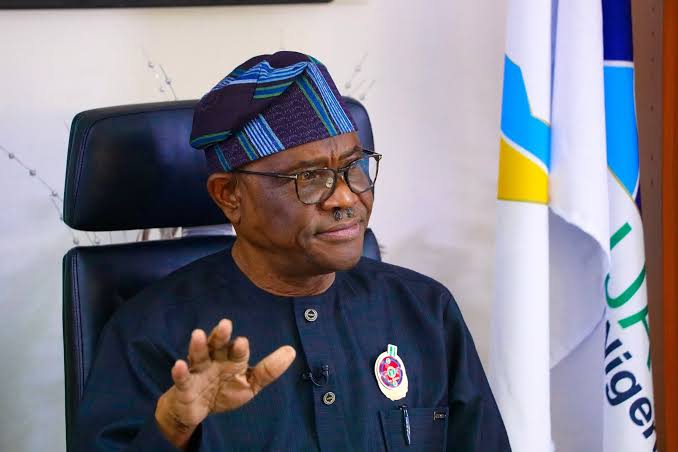
By Laide Akinboade Abuja
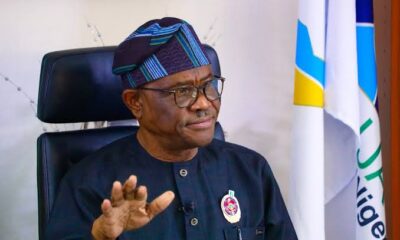
Minister of the Federal Capital Territory (FCT), Nyesom Wike, has defended the emerging political coalition supporting President Bola Tinubu’s re-election, insisting that the initiative is designed to strengthen the president’s electoral chances rather than undermine the All Progressives Congress (APC).
Wike, who spoke during a media parley in Abuja on Tuesday, dismissed concerns that the Rainbow Coalition could create divisions within the ruling party, arguing that the president’s re-election should attract support beyond APC membership.
The minister, who coordinates the coalition’s activities in Rivers State and the FCT, explained that the initiative accommodates both APC members and supporters of Tinubu from other political parties.
According to him, the arrangement recognises the political realities in different states while providing a common platform for those who believe the president deserves another term.
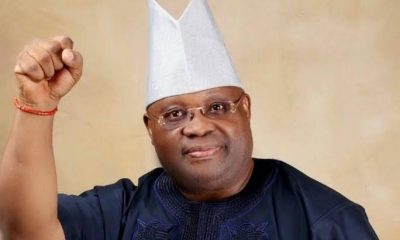
He cited Borno State Governor, Babagana Zulum, and Osun State Governor, Ademola Adeleke, as examples of political figures associated with the coalition’s state-level coordination, alongside himself.
Wike argued that the initiative was not intended to displace the APC but to mobilise support for Tinubu across political affiliations.
He maintained that the APC remained the platform through which the president would seek re-election, while supporters outside the party could contribute to the same objective.
The minister also dismissed suggestions that the coalition had unsettled APC governors or could encourage defections from the ruling party.
Using the FCT as an example, Wike recalled his appeal to political stakeholders to support Tinubu and APC candidates for the National Assembly while allowing supporters of other parties to back candidates of their choice at other levels.
He said political peculiarities differed from one state to another, making it necessary to accommodate local interests while pursuing a common national objective.
The former Rivers State governor argued that political leadership involved the ability to persuade supporters to embrace a shared goal.
He added that the coalition reflected an effort to move beyond the traditional boundaries of party politics and build broader support for the president.
Wike also rejected suggestions that the arrangement represented an entirely new development in Nigerian politics, saying political figures had previously supported presidential candidates outside their parties while maintaining separate interests at the state level.
However, he said the current political environment had made such cooperation more visible and formalised.
The minister maintained that the coalition’s objective was straightforward: to secure Tinubu’s re-election and sustain what he described as the president’s achievements.
He urged Nigerians to assess the president’s performance on its merits rather than allow partisan considerations to determine their judgment.



Sanwo-Olu Celebrates Prince Olusi at 90
ShareLagos State Govornor Babajide Sanwo-Olu of has described Prince Tajudeen Olusi, Chairman of the Governance Advisory Council of the Lagos...


Akwanga Set to Host Dignitaries for Spotlight Magazine Launch
ShareBy Tambaya Julius, Abuja Akwanga, Nasarawa State, is set to host prominent personalities from within and outside the state as...

Mbah Tasks SEDC on Gas Pipeline, Support for Industrial Revolution
ShareFrom Sylvia Udegbunam, Enugu Enugu State Governor, Dr. Peter Mbah, has urged the South East Development Commission (SEDC) to prioritise...

PVCs of 2026 Registrants Not Available Yet — INEC
ShareThe Independent National Electoral Commission (INEC) said Permanent Voter Cards (PVCs) for persons who registered between Jan. 5 and July...

Rainbow Coalition: Wike Assures APC Governors Have Nothing to Fear
ShareBy Laide Akinboade Abuja Minister of the Federal Capital Territory (FCT), Nyesom Wike, has defended the emerging political coalition supporting...

Group Welcomes Appointment of Adeleke as Tinubu’s Campaign Coordinator
ShareFrom Ayinde Akintade, Osogbo The Imole Campaign Council (TICC) has welcomed the appointment of Governor Ademola Adeleke as the Osun...


FG Raises Pensions from N12.15bn to N14.83bn for 241, 000 Retirees
ShareBy Tony Obiechina, Abuja The Director-General of the National Pension Commission (PenCom), Omolola Oloworaran, on Tuesday disclosed that more than...

Wike Accuses NLC of Politicizing FCT Teachers’ Strike
Share By Tambaya Julius, Abuja The Minister of the Federal Capital Territory (FCT), Nyesom Wike, has accused the Nigeria Labour Congress...

APC Unveils Revised 2027 Presidential Campaign Council, Retains Yari, DG
ShareBy Tambaya Julius, Abuja The All Progressives Congress (APC) has unveiled its revised Presidential Campaign Council for the 2027 general...

Tinubu’s Re-election: Don’t Allow Repeat of 2023, Tompolo Tells Lagos
ShareLeader of the PBAT Door-to-Door Movement, Government Ekpemupolo, has advised the people of Lagos State not to allow a repeat...