
NEWS
States External Debts Rise to $5.7bn despite Higher FAAC Allocations

By Tony Obiechina, Abuja
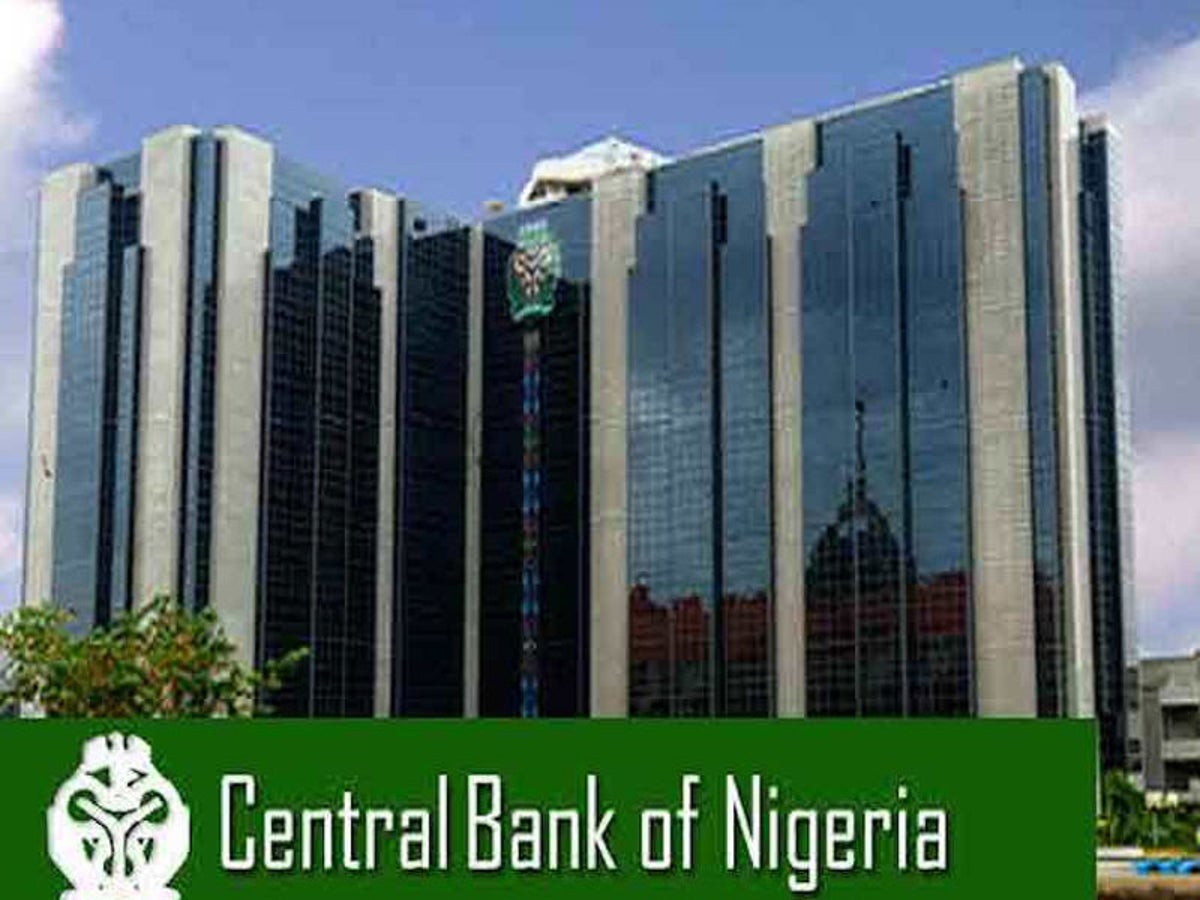
The Central Bank of Nigeria has urged state governments to reduce their reliance on overdrafts and short-term borrowing, warning that reckless fiscal behaviour at the sub-national level could undermine the country’s transition to an inflation-targeting monetary policy framework.
This was contained in a press statement issued by the CBN on Sunday following an engagement with sub-national stakeholders facilitated through the Nigerian Governors’ Forum Secretariat in Abuja.
According to the statement, the Deputy Governor in charge of the Economic Policy Directorate, Dr. Muhammad Abdullahi, said state governments must adopt stricter fiscal discipline to support price stability and macroeconomic reforms.
“He urged States to reduce reliance on overdrafts and short-term financing, ensure that borrowing decisions align with debt sustainability thresholds, improve budget realism and revenue forecasting, prioritise expenditure, and better synchronise fiscal calendars with prevailing macroeconomic conditions,” the statement said.
Abdullahi described the transition to inflation targeting as a shift towards a more transparent, rule-based and forward-looking monetary framework that requires close collaboration between the central bank and state authorities.
According to him, while the CBN remains responsible for monetary policy decisions aimed at controlling inflation, fiscal actions by state governments also significantly influence inflation outcomes in a federal system like Nigeria’s.
He warned that inflation targeting largely depends on managing economic expectations, stressing that expansionary fiscal activities by states could weaken the effectiveness of monetary policy signals.
The deputy governor noted that state governments influence inflation through borrowing decisions, debt accumulation, spending patterns, wage bills, capital project execution, salary arrears, contractor financing and cash management practices linked to Federation Account Allocation Committee receipts.
“In an inflation targeting regime, persistent, unpredictable or expansionary fiscal behaviour at the sub-national level can significantly undermine price stability,” Abdullahi said.
He added that the absence of fiscal dominance, where governments pressure the central bank to monetise deficits, remained a major condition for successful inflation targeting, noting that the principle applied to both federal and state governments.
Abdullahi further outlined four responsibilities expected of state governments under the inflation-targeting framework, including maintaining fiscal discipline and predictability, pursuing responsible borrowing, improving coordination on cash and debt management, and strengthening internally generated revenue mobilisation.
He warned that excessive supplementary budgets, unplanned spending and unsustainable debt accumulation could trigger liquidity shocks and worsen inflationary pressures.
The deputy governor stressed that inflation targeting should be seen as a collective national commitment aimed at achieving long-term stability, economic credibility and sustainable growth.
The Director of the Monetary Policy Department, Dr. Victor Oboh, described inflation targeting as a “win-win framework” capable of benefiting households, businesses and governments by improving policy credibility and reducing macroeconomic uncertainty.
Oboh stated that price stability could not be achieved through monetary policy alone, especially in a federal system where state spending, borrowing and cash flow decisions directly affect inflation and liquidity conditions.
According to him, the engagement was organised to deepen collaboration and mutual understanding between the CBN and state governments regarding the expectations and coordination required for the successful implementation of inflation targeting.
Delivering a goodwill message on behalf of the Director-General of the Nigerian Governors’ Forum, Dr Abdullateef Shittu, the Executive Director of Policy, Strategy and Research at the forum, Prof Olalekan Yunusa, commended the CBN for involving sub-national authorities early in the transition process.
He said the move from monetary targeting to inflation targeting reflected a deliberate commitment to price stability, adding that sustainable macroeconomic stability required disciplined coordination across all tiers of government.
The engagement attracted participants from over 20 states, including commissioners of finance and economic planning, accountants-general, permanent secretaries, statisticians-general and directors, who reaffirmed support for the CBN’s reform agenda and transition to inflation targeting.
32 and the Federal Capital Territory’s debt rose to nearly $5.7bn in fresh external loans in 2025, driving a year-on-year surge in subnational foreign debt despite higher inflows from Federation Account Allocation Committee disbursements.
Data from the Debt Management Office indicated that the combined external debt stock of the 36 states and the FCT increased from $4.80bn as of December 31, 2024, to $5.68bn as of December 31, 2025, reflecting a net increase of $884.66m, or 18.43 per cent year-on-year.
A breakdown of the data showed that 33 out of the 37 subnational entities recorded increases in their external debt positions during the period under review, representing 89.19 per cent of the total, while only four states posted declines, accounting for 10.81 per cent.
The scale of the increase shows a continued reliance on external financing by state governments amid fiscal pressures, infrastructure demands, and rising FAAC revenues.

President Donald Trump’s swift rejection of Iran’s response to a U.S. peace proposal has pushed oil prices higher on Monday.
This action has fueled concerns that the 10-week-old conflict will drag on and continue to paralyse shipping through the Strait of Hormuz.
Days after Washington floated a offer aimed at reopening negotiations, Iran on Sunday released a response focused on ending the war on all fronts, including Lebanon, where U.
S. ally Israel is fighting Iran-backed Hezbollah militants.Tehran has also demanded compensation for war damage, emphasised its sovereignty over the Strait of Hormuz, and called on the United States to end its naval blockade, guarantee no further attacks, lift sanctions and remove a ban on Iranian oil sales.
However, within hours, Trump dismissed the proposal in a social media post.
“I don’t like it. Totally unacceptable,” Trump wrote on Truth Social, without giving further detail.
The U.S. had proposed an end to fighting before starting talks on more contentious issues, including Iran’s nuclear programme.
Tehran responded yesterday by defending its stance.
Foreign Ministry spokesperson Esmaeil Baghaei said “our demand is legitimate: demanding an end to the war, lifting the (U.S.) blockade and piracy, and releasing Iranian assets that have been unjustly frozen in banks due to U.S. pressure.
“Safe passage through the Strait of Hormuz and establishing security in the region and Lebanon were other demands of Iran, which are considered a generous and responsible offer.’’
Oil prices surged by four dollars a barrel on Monday, before slipping back slightly, as the deadlock left the Strait of Hormuz largely closed.
Before the war began on Feb. 28, the narrow waterway carried one-fifth of the world’s oil and liquefied natural gas, and has since become a central pressure point in the conflict.
Traffic through the strait is at a trickle compared to before the war.
Shipping data on Kpler and LSEG showed that three tankers laden with crude exited the waterway last week, with trackers switched off to avoid Iranian attack.
Sporadic flare-ups around the strait in recent days have tested a ceasefire that has paused all-out warfare since it took effect in early April.
The United States, surveys show the war is unpopular with voters facing sharply higher gasoline prices less than six months before nationwide elections that will determine whether Trump’s Republican Party retains control of Congress.
Washington has also struggled to build international support, with NATO allies refusing to send ships to reopen the waterway without a full peace deal and a internationally mandated mission.
Hakan Fidan, the foreign minister of Turkey, which has been in close contact with the U.S., Iran and mediator Pakistan since the start of the war, will visit Qatar on Tuesday for talks on the conflict and on ensuring navigational safety in the strait, a Turkish diplomatic source said on Monday.
The next diplomatic or military steps remain unclear. Trump is expected to arrive in Beijing on Wednesday, where Iran is set to be among the topics discussed with Chinese President Xi Jinping as pressure mounts to end the conflict and the energy crisis it has triggered.
Trump has been leaning on China to use its influence to push Tehran toward a deal with Washington.
Baghaei suggested China could instead use the visit to push back against U.S. objectives in the Gulf.
“Our Chinese friends know very well how to use these opportunities to warn about the consequences of the U.S.’s illegal and bullying actions on regional peace and security,” he said.
Addressing whether combat operations against Iran were over, Trump said in remarks aired on Sunday: “They are defeated, but that doesn’t mean they’re done.”
Israeli Prime Minister Benjamin Netanyahu said the war was not over because more work need to be done to remove enriched uranium from Iran, dismantle enrichment facilities and address its proxy forces and ballistic missile capabilities.
Netanyahu told CBS News’ “60 Minutes” that the preferred route was diplomacy, but he did not rule out the use of force.
Iranian President Masoud Pezeshkian said in a social media post that Tehran would “never bow down to the enemy” and would defend national interests with strength.
In spite of the ongoing diplomatic efforts, risks to shipping lanes and regional economies remain high.
Earlier on Sunday, the United Arab Emirates said it intercepted two drones launched from Iran, while Qatar condemned a drone strike on a cargo ship in its waters.
Kuwait reported that its air defences had dealt with hostile drones entering its airspace.
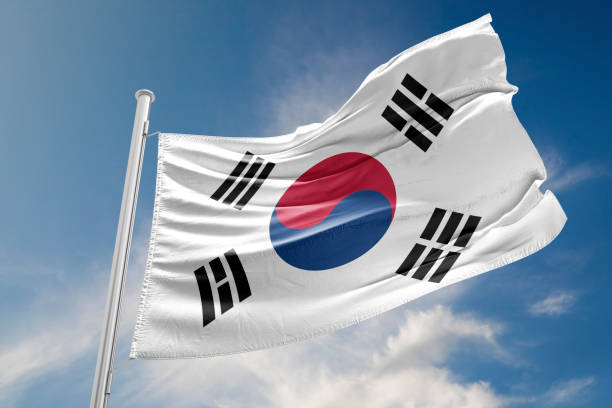
South Korea is set to roll out a second batch of cash assistance for the bottom 70 per cent of income earners, in an effort to ease financial strains caused by rising fuel prices amid the war in the Middle East.
According to officials on Monday, National Assembly has approved a 26.
2 trillion-won (17.8 billion dollars) extra budget bill to address the economic fallout from the Middle East conflict, which includes the introduction of the cash assistance plan.Under the first programme launched in April, the government handed out up to 600,000 won to recipients of basic livelihood security and other vulnerable groups.
The government will begin accepting applications next Monday for the second round of the assistance programme.
Eligible individuals living in the broader Seoul area will receive 100,000 won, while those in areas with declining populations may receive up to 250,000 won each.
Assistance eligibility will be determined by a household’s national health insurance payment in March this year. For single-person households, those who paid 130,000 won or less will be eligible.
In terms of annual income, a single-person household that earns 43.4 million or less a year is expected to be eligible for the assistance.
A welfare ministry official, however, noted that eligibility will be based on the national health insurance payment.
Also, about 930,000 households that held assets exceeding 1.2 billion won as of 2025 or earned more than 20 million won in financial income in 2024 will not be eligible for the programme, according to the official.
The government will accept applications for the cash assistance through July 3.
Recipients can receive the assistance through their credit and debit cards, prepaid cards or local currency vouchers.
The funds, which will expire Aug. 31, can only be used at small local businesses with annual sales of 3 billion won or less.
Interior Minister Yun Ho-jung in a briefing said “the high-oil price support fund is expected to reduce the people’s burdens stemming from the prolonged war in the Middle East and revive dampened consumption.’’
A man has been jailed after he was found by police hiding inside a cupboard during a raid on a cannabis farm.
Antonjo Kodhelwas, 42, was found by police at the property on Bryn Y Môr Crescent, Uplands, Swansea.
Police found a total of 539 plants across eight rooms at the address.
Kodhelwas, of no fixed abode, appeared in Swansea Crown Court on Friday where he was sentenced to eight months in prison.
He had pleaded guilty to one charge of being concerned in the production of a Class B controlled drug.
Sgt Luke Tucker, of South Wales Police, said the property had been “continually” used to “conduct illegal activities including drug cultivation”.
“While some may argue that there are more dangerous drugs, the money generated by cannabis farms is very commonly then funnelled towards even more serious criminal activity, and that is why we will always take action,” he added.




Chelsea Delegation, Victor Moses Meets Oba Elegushi in Lagos
ShareA delegation from Chelsea F.C. paid a courtesy visit to Oba Saheed Ademola Elegushi at his palace in Lagos. The...


Trump Dismisses Iran’s Offer as Oil Prices Surge
SharePresident Donald Trump’s swift rejection of Iran’s response to a U.S. peace proposal has pushed oil prices higher on Monday....


Korea Gives 36m People Cash to Ease Rising Fuel Prices
ShareSouth Korea is set to roll out a second batch of cash assistance for the bottom 70 per cent of...
Man Found Hiding in Cupboard During Cannabis Farm Raid
ShareA man has been jailed after he was found by police hiding inside a cupboard during a raid on a...

FG Outlaws Admissions Outside JAMB Platform, Pegs Varsity Cut-off at 150
ShareBy David Torough, Abuja The Federal Government on Monday unveiled sweeping reforms in Nigeria’s tertiary admissions and examination system, declaring...

SDP Candidate Unveils Massive Jobs, Healthcare, Education Plans
ShareAjaokuta, Refineries, Textile Mills Will Work Again By Mike Odiakose, Abuja The presidential candidate of the Social Democratic Party (SDP)...

Customs Seeks Media Partnership to Drive Trade Modernisation Reforms
ShareBy Tambaya Julius, Abuja The Nigeria Customs Service (NCS) has stepped up efforts to accelerate its digital transformation drive, urging...

NDLEA Arrests Three PWDs for Drug Trafficking, Uncovers N5.8bn Loud
ShareThe National Drug Law Enforcement Agency (NDLEA), said it has arrested three persons with disability (PWD) for drug trafficking during...
Military Pounds Bandits, Terror Cells in Niger, Kogi
ShareThe Armed Forces of Nigeria yesterday intensified nationwide offensives against armed groups, recording major gains in Niger and Kogi states, while firmly denying allegations that civilians were killed...

Pope Meets Inter Milan Players after Serie A Victory
SharePope Leo XIV received players, coaches, and directors of Inter Milan at the Vatican following the club’s victory in the 2025–2026 Italian league...