
Uncategorized
The Ripple Effect Inside Nigeria’s Agro-Inflation

By Emagha Miracle
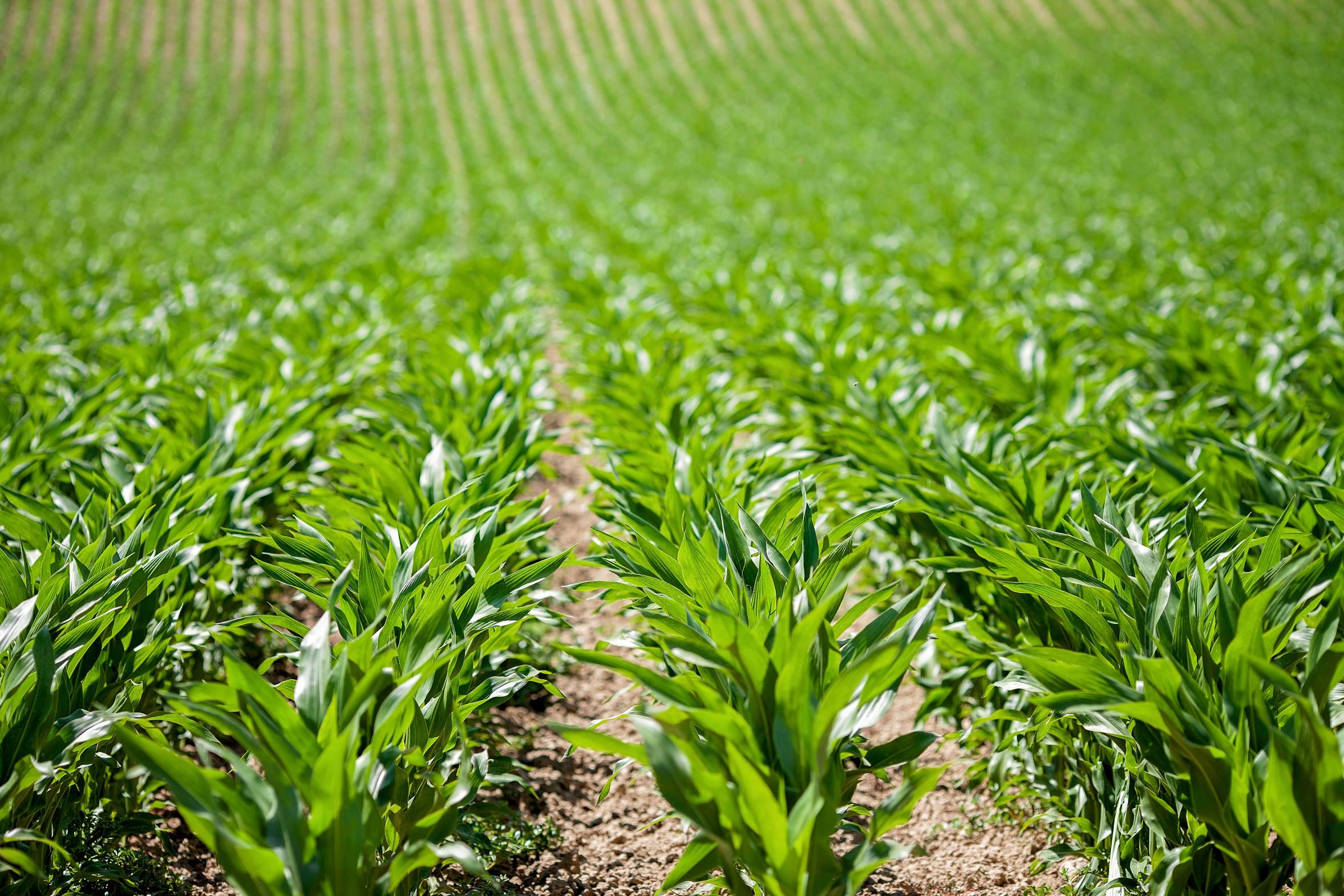
The systemic failure of the Nigerian agricultural sector, has been a major crisis for the past few decades till date. Functioning as a ripple like problem, that affects almost all vital parts of the Nigerian economy.
The sudden uprise of the cost of living in Nigeria, is as a result of many contributing factors, or in this case problems.
Data recorded by the NBS (National Bureau of statistics) mid-June 2026, showed a significant decline in the rate of general inflation this year.The headline inflation in June 2026 slowed down by 15.
93% but the significance of this decline remains invisible in the case of food inflation; as food inflation in Nigeria is recorded to be 16.96% by June 2026.General inflation declined, but showed a milder effect in the agro – sector, as every day Staples, like: tomatoes, cassava and maize continue to hike up consistently in price Nationwide. This current state of food inflation obviously affects the daily lives of citizens in the nation, who try to meet up with the high cost of living on a daily basis.
This has raised huge attention internationally as well. As the UN (United Nations) Co- issued a massive warning (the lean season crises); this was done by the UN’s FAO (Food and Agriculture Organisation), and the WFP (World Food Program), placing Nigeria on the global list of ‘Hunger Hotspots’ of greatest concern. Data recorded an estimated sum of 34.7million Nigerians expected to face severe food scarcity and insecurity during the coming peak lean season between June and August 2026.
The circulation of agricultural products nationwide, is highly interdependent; as regions (States) across the nation form an interdependent network in circulating food nationwide. As each region has a major role in agricultural production, and prominent agro – products they provide.
With the northern region being responsible for livestock and grains production, while the middle belt region provides tuber products and the southern region provides tree crops and root staples. It is evident that these regions form a chain network of agricultural manufacturing and distribution, what happens when this network is obstructed? Food scarcity, constant price hike on the remaining necessities available, leading to high cost of living.
One of the prominent factors responsible for this high cost of basic food staples; includes insecurities faced by farmers in the nation, particularly in the northern and middle belt regions. Farmers here face constant thuggery attacks on their farms; making agiculture impossible in this region as it becomes life threatening to go to their farms.
This has been and still is a major problem in Nigeria that seems to be ignored by the federal government, as civilians continue to urge the government to take swift action and fully eradicate these insecurity issues. However, the increase in price of towing and transportation of goods across the nation; as a result of the costly price of diesel, also contributed to the current inflation.
Several efforts and measures are being made by the federal government to eradicate this inflation in the nation’s agricultural sector. One of these efforts is the distribution of 100,800 bags of fertilizer to the specified Target of 25,200 smallholder farmers across the North – West.
This by Senator Abubakar Kyari. On Saturday June 21 2026, he flagged the NADF (National Agricultural Development Fund) to deliver 100,800 bags to farmers in Kaduna, Katsina, Kebbi and Jigawa, each farmer getting 4 bags of fully subsidized fertilizers.
He stated ‘This intervention is a strategic step towards boosting agricultural output, creating jobs , and ensuring improved sustained support to farmers remains critical to reducing Nigeria’s dependence on food imports and achieving long term food sovereignty’.
In addition the FMAFS (Federal Ministry of Agriculture and Food Security) signed a major. Memorandum of understanding (MOU) with the IFDC (International fertilizer development center). These efforts aim to tackle soil testing, fertilizer, affordability and to bypass corrupt fertilization chains. In doing so, smallholder farmers get the inputs.
The agricultural sector in Nigeria is systematically crumbling and affecting every other part of the Nigerian economy, banking and financial sectors, house-hold nutrition and local businesses. The obvious question is if the federal government is capable of totally eradicating this inflation.
Swift response and handling of these issues are demanded from the government. Citizens in Nigeria continue to live in hope of a better economy rather than certainty.
It is ethically right for the federal government of Nigeria to show more concern and put in visible efforts to Pivot the economy of Nigeria to a better State, in which its citizens can thrive on a more fair and stable economy.
By David Torough, Abuja
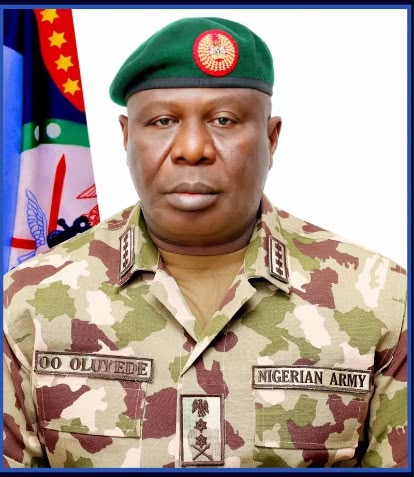
The Armed Forces of Nigeria (AFN) said its troops recorded major operational gains across the country in June and throughout the second quarter of 2026, neutralising hundreds of terrorists, rescuing kidnapped victims, arresting suspected criminals and dismantling terrorist and criminal networks in multiple theatres of operation.
Speaking during the Defence Headquarters Monthly/Second Quarter Media Briefing, military authorities said the successes were achieved through coordinated land and air operations, intelligence-led missions, counter-terrorism offensives and anti-crime operations targeting Boko Haram, the Islamic State West Africa Province (ISWAP), the proscribed Indigenous People of Biafra (IPOB), its armed wing, the Eastern Security Network (ESN), kidnappers, oil thieves and arms traffickers.
According to the briefing, troops across all operational theatres neutralised 724 terrorists, arrested 885 suspects, rescued 931 kidnapped victims and facilitated the surrender of 39 insurgents and their family members during the second quarter of 2026.
In the North-East under Operation Hadin Kai, troops sustained pressure on Boko Haram and ISWAP across Adamawa, Borno and Yobe states. During June alone, 76 terrorists were killed, 97 arrested, 465 kidnapped victims rescued and 11 insurgents surrendered.
One of the operation’s major breakthroughs came on June 6, when troops conducted a multi-axis raid in the Mandara Mountains of Gwoza Local Government Area of Borno State, rescuing 360 civilians, mostly women and children, who had been held captive since their abduction from Ngoshe community in March.
Troops also rescued 53 civilians and recovered eight hijacked vehicles along the Buratai-Kamuya road, repelled attacks in Borno and Adamawa states, arrested terrorist collaborators and rescued seven schoolchildren and a teacher following an attack on Government Day Secondary School, Lassa, in Askira Uba Local Government Area. The military, however, disclosed that one soldier and a member of the Civilian Joint Task Force were killed during the rescue operation.
During the second quarter, Operation Hadin Kai recorded the neutralisation of 484 terrorists, the arrest of 370 suspects, the rescue of 595 kidnapped victims and the surrender of 38 insurgents and their families.
In the North-West, Operation Fansan Yamma recorded the neutralisation of 77 terrorists, the arrest of 210 suspects and the rescue of 153 kidnapped victims during the quarter.
The military said troops conducted successful operations across Kaduna, Katsina, Kebbi and Zamfara states, recovering machine guns, rocket-propelled grenade launchers, ammunition, motorcycles and military uniforms allegedly used by criminals to impersonate security personnel.
Security forces also arrested a notorious terrorist kingpin hiding among traders in Shinkafi, intercepted over 1,000 rounds of ammunition concealed in a sack of millet and arrested suspected terrorist collaborators, including three suspects linked to terrorist activities during the processing of a pilgrim flight at Gusau International Airport.
Under Operation Savannah Shield, covering parts of the North-Central, troops arrested 48 suspected terrorists and rescued 38 kidnapped victims during the quarter. Security forces also arrested suspected informants, the wife of a wanted terrorist kingpin and several suspects linked to planned kidnappings and terrorist activities across Niger, Kwara and Oyo states.
Operation Enduring Peace, operating in Southern Kaduna and Plateau State, recorded the neutralisation of 32 terrorists, the arrest of 171 suspects and the rescue of 86 kidnapped victims during the quarter. Troops carried out several rescue operations along major highways, recovered weapons and arrested suspected kidnappers, informants and a dismissed police inspector allegedly found with illegal firearms and ammunition.
Meanwhile, Operation Whirl Stroke, covering Benue, Kogi, Nasarawa and Taraba states, neutralised 27 terrorists, arrested 86 suspects and rescued 59 kidnapped victims during the second quarter.
The military said troops intercepted weapons being transported into Kogi State, rescued kidnapped passengers and arrested suspected terrorist informants, while also disrupting criminal networks operating across the region.
In the South-South, Operation Delta Safe intensified operations against kidnappers, crude oil thieves and illegal refiners across Akwa Ibom, Bayelsa, Cross River, Delta, Edo and Rivers states.
During June, troops neutralised six suspected criminals, arrested 53 suspects, dismantled seven illegal refining sites and recovered more than 308,000 litres of petroleum products. Several suspected kidnapping syndicates operating in Edo and Cross River states were also dismantled, while kidnapped victims were rescued during separate operations.
The Defence Headquarters said the cumulative operational achievements reflected the Armed Forces’ continued commitment to restoring peace, enhancing national security and disrupting terrorist and criminal networks across the country. It added that troops would sustain ongoing operations to consolidate recent gains and respond to evolving security threats nationwide.
From Joseph Amedu, Lokoja
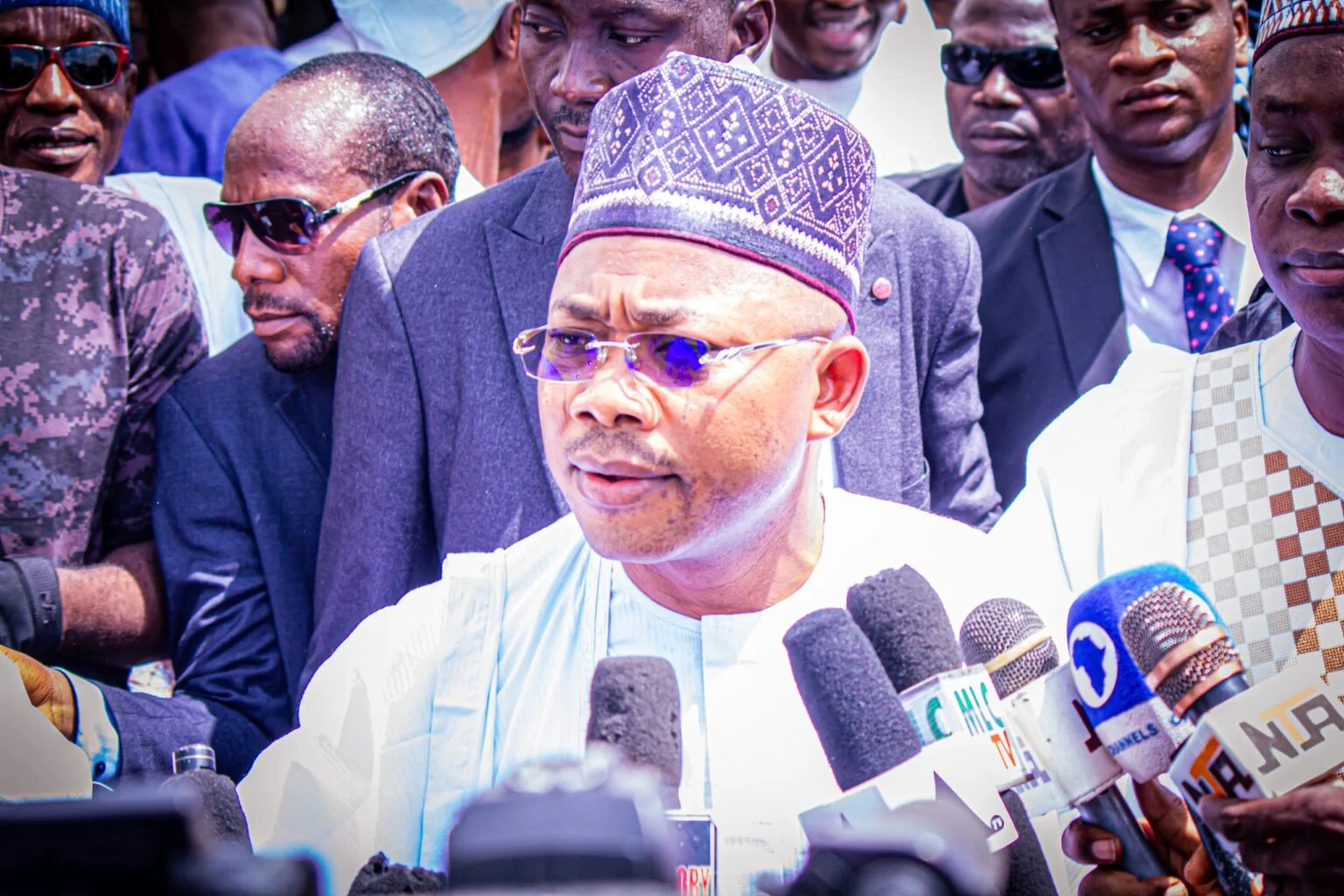
Kogi State Governor, Alhaji Usman Ododo has commended Ekinri-Ade Community in Ijumu Local Government Area for its relentless efforts to continue to embark on Self-Help Projects that would impact on lives of the people.
The Governor gave the commendation while speaking at this year’s Ekinri-Ade Community Day celebration, held in the area, over the weekend, to Advance and showcase its development and cultural heritage.
Ododo who was represented by his deputy, Comrade Joel Oyibo at the event, noted that the launch of N750 million development projects is a welcome commitment of the people of the community to build a better future through collective action.
The Governor stressed the need for rural communities to complement government’s efforts in the provision of basic necessities of lives and urged other communities across the state to emulate the spirit demonstrated by Ekinri-Ade in this direction.
“My administration will continue to remain committed towards the development of Kogi State, both in the urban and rural communities to boost the living conditions of citizens. We have invested heavily on road, education, agriculture, and other basic infrastructure to improve on the living standard of the people”
He said that the celebration has actually championed the promotion of the People’s history, their vibrant culture, identity, and heritage over the years.
Ododo also called on the people of the area to continue to embrace peace, unity, hardwork, and love for one another which had facilitated their development efforts.
The Governor lauded President Ahmed Tinubu’s renewed hope development initiative which he said had impacted on lives of Nigerians across the country.
In his welcome address, the Executive Chairman of Ijumu Local Government Area of Kogi State, Ibrahim Haruna who also spoke on behalf of the Chairman of the event, Engr. Olusoji Otitoju, said that the annual ceremony is put in place to mobilize for community Self-Help development and promotion of the People’s cultural heritage.
According to him “The people of Ekinri-Ade Community is determined to improve the quality of life in the area. We as community will continue to embark on partnership that would attract development”
He praised Governor Usman Ododo for his efforts to secure the lives and property of Ekinri-Ade people in the wake of the rising insecurity in Okunland.
He urged the people to be security conscious and always be ready to provide information that would assist security operatives track criminals, bandits, kidnappers, and terrorists.
Haruna admonished youths in the area to focus on ventures that would provide self-employment for them as White Collar jobs are no longer available.
Governor of Ekiti state, Abiodun Oyebanji, and that of his Boronu counterpart, Babagana Zulum sent representatives to grace the occasion
Governor Zulum of Boronu state donated N50 million towards the launch of N750 million for execution of Self-Help Projects in Ekinri-Ade Community.
The Governors through their representatives in separate speeches urged indigenes of Ekinri-Ade Community to join hands in contributing to the development of their father land.
They also appealed to the community to make judicious use of the funds raised for the purpose intended.
Uncategorized
Customs Intensify Fight Against Smuggling, Seize N273m Prohibited Imports in Cross River
By Tambaya Julius, Abuja
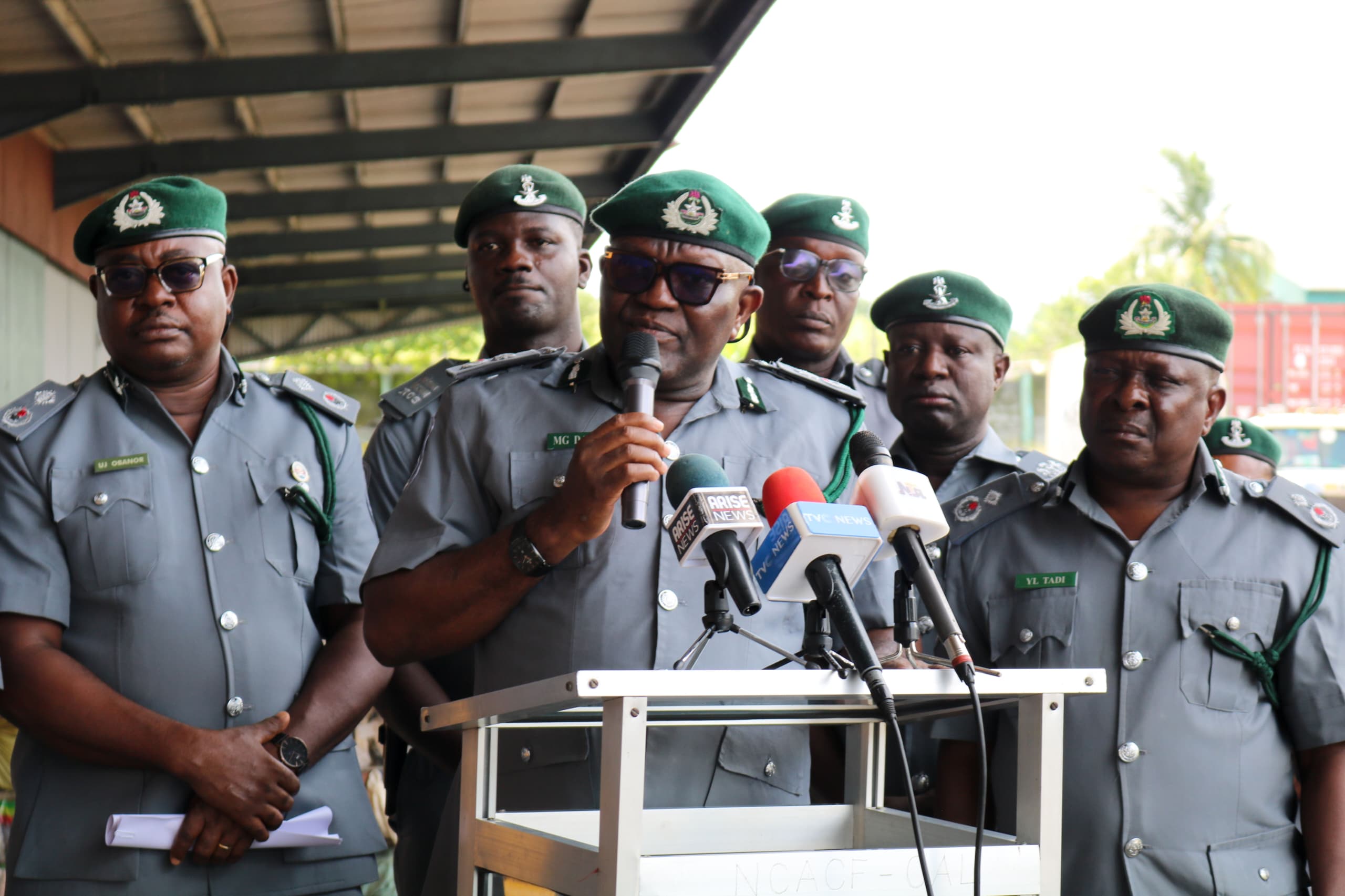
The Nigeria Customs Service has intercepted prohibited imported goods with a Duty Paid Value (DPV) of over N273 million in Cross River State, as part of efforts to protect local manufacturers, preserve jobs and curb smuggling.
The Customs Area Controller, Cross River/Calabar Free Trade Zone/Akwa Ibom Area Command, Comptroller Giwa Dauda, disclosed this during a press briefing in Calabar on Wednesday, June 24, 2026.
Dauda said the seizures were part of the Command’s sustained operations against smuggling and illegal importation, which he said pose serious threats to Nigerian industries and the wider economy.
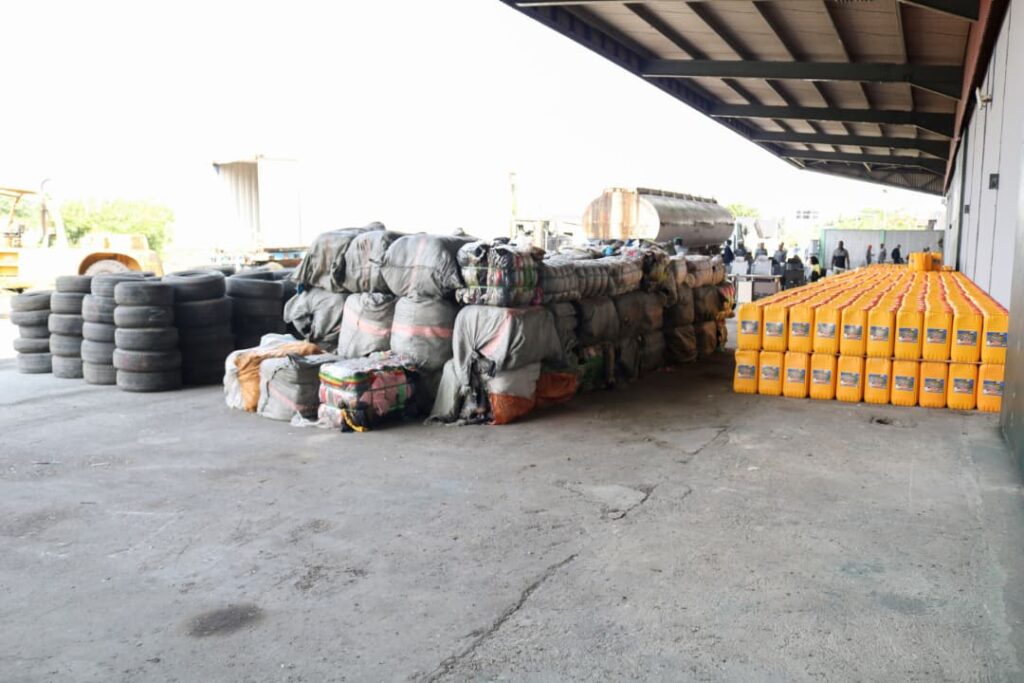
He said officers intercepted two 20-foot containers containing 1,996 kegs of foreign refined vegetable oil along the Odukpani–Calabar Highway on June 14, 2026.
According to him, the vegetable oil, with a DPV of N195.5 million, was concealed in a truck intercepted during a routine patrol operation.
The Area Controller said vegetable oil is one of the sectors in which Nigerian manufacturers have made substantial investments, adding that the importation of prohibited foreign products could weaken local production capacity, discourage investment and threaten jobs in the agricultural and manufacturing value chains.
“These products are listed under the Federal Government’s import prohibition policy, which seeks to stimulate local production, promote self-sufficiency and strengthen Nigeria’s industrial base,” Dauda said.
He added that the Command also intercepted 1,500 used tyres and 105 jumbo bales of second-hand clothing.
Dauda said the total DPV of the prohibited goods, including other seizures made by the Command, stood at N273.7 million.
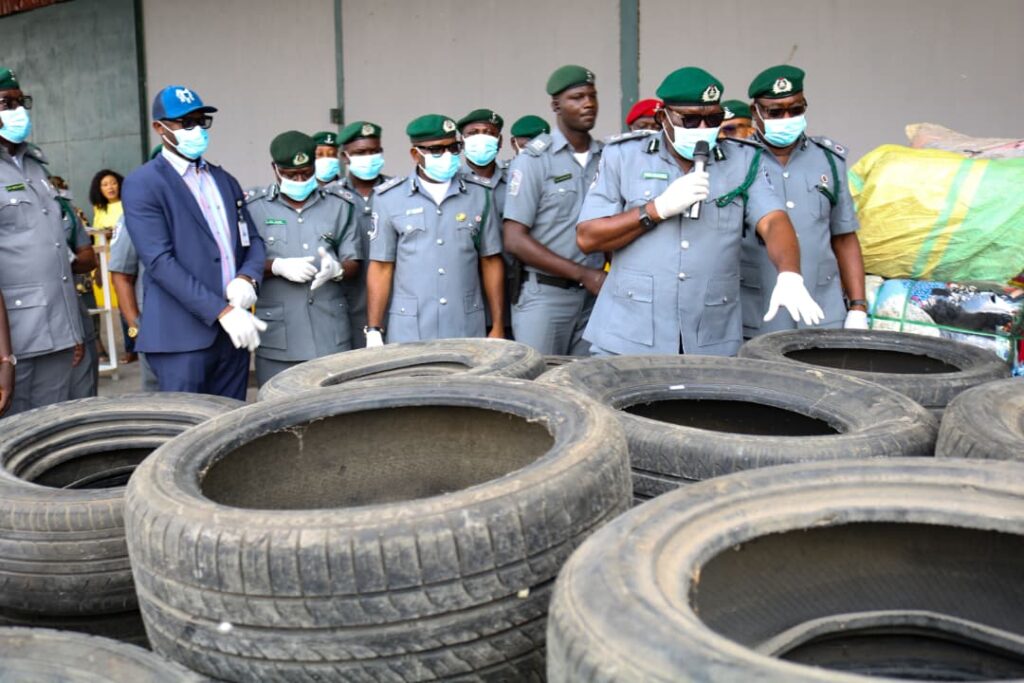
The Controller further disclosed that officers intercepted 800 litres of Premium Motor Spirit (PMS), bringing the total volume of petrol seized by the Command in 2026 to 5,760 litres.
He said the petrol was disposed of in line with approved safety procedures because of its highly combustible nature.
Dauda warned smugglers and economic saboteurs to desist from illegal importation, noting that smuggling weakens local industries, distorts market competition and undermines government efforts to diversify the economy through industrialisation.



Customs Prepares Officers for Higher Responsibilities with Strategic Refresher Course
ShareBy Tambaya Julius, Abuja The Nigeria Customs Service (NCS) has commenced a Strategic Refresher Course for 100 Deputy Comptrollers as...


NCDC Partners SOMMEDI on Solid Minerals Devt
ShareBy David Torough, Abuja The North Central Development Commission (NCDC) has begun discussions with the Solid Minerals Machinery and Equipment...

No Ebola Case in Nigeria, FG Launches Communication Team to Strengthen Preparedness
ShareBy David Torough, Abuja The Federal Government has reassured Nigerians that there is no confirmed case of Ebola Virus Disease...
Nigeria’s Ceramics Industry: A Giant Sleeping Beneath the Soil
ShareBy Funmilola Gboteku Every day, ships berth at Nigeria’s seaports carrying ceramic tiles, sanitary wares, tableware and other ceramic products...


TikTok Live: Between Digital Hustle and e-begging
ShareBy Egobi Ofuogu In early June, many Nigerians watched in disbelief as viral videos showed people pleading for money during...


The Ripple Effect Inside Nigeria’s Agro-Inflation
ShareBy Emagha Miracle The systemic failure of the Nigerian agricultural sector, has been a major crisis for the past few...

Four Young Player Award Contenders Ahead of Quarter-finals
ShareMorocco’s Ayyoub Bouaddi has been named among the leading contenders for the FIFA Young Player Award ahead of the quarter-finals...


Switzerland Edge Colombia on Penalties to Reach Quarter-finals
ShareSwitzerland defeated Colombia 4-3 on penalties after a goalless 120 minutes in a fiercely contested FIFA World Cup Round of...
Corporate Governance Summit to Chart Roadmap for Nigeria’s Economic Growth
ShareStakeholders on Wednesday said effective implementation of corporate governance and stronger public-private sector collaboration were critical to accelerating Nigeria’s economic...


IMF Projects Global 2026 Growth at 3.0 Per Cent, Forecasts Nigeria at 4.1 Per Cent
ShareThe International Monetary Fund (IMF) has projected that global economic growth will slow to 3.0 per cent in 2026 before...