
NEWS
Tinubu Inaugurates West Africa’s Largest Lithium Plant in Nasarawa

By David Torough, Abuja
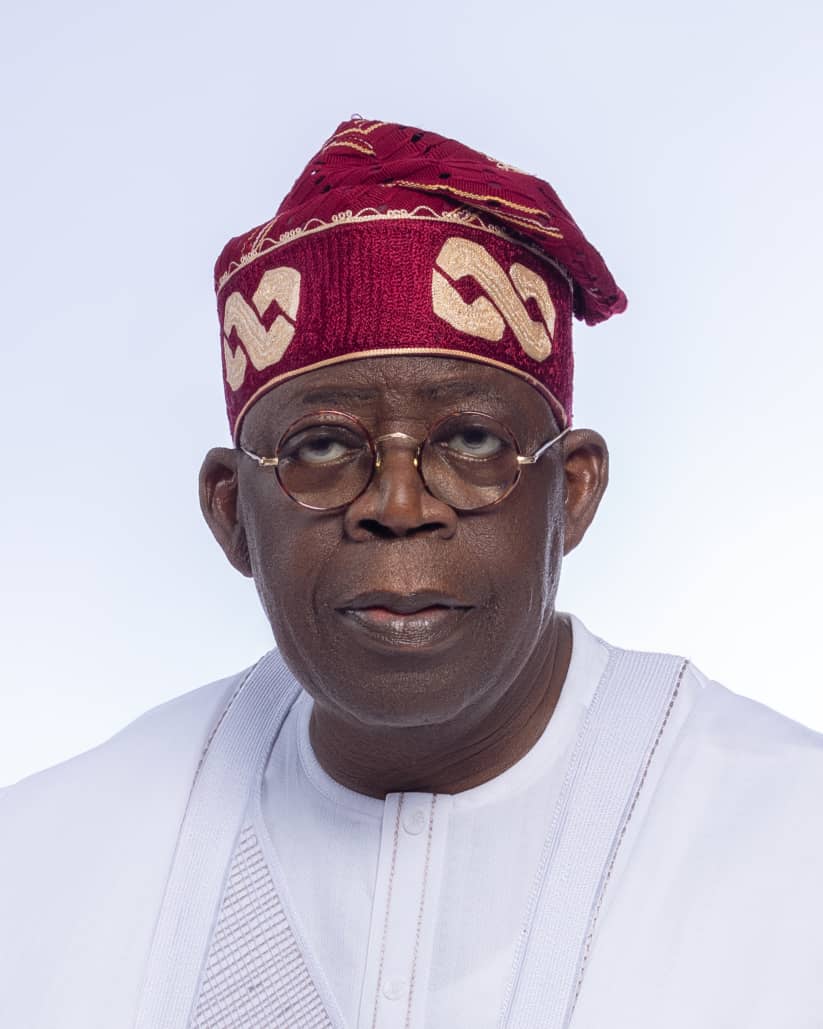
President Bola Tinubu on Thursday unveiled two major initiatives aimed at accelerating Nigeria’s industrialisation, expanding employment opportunities and deepening reforms in the power and solid minerals sectors.
The President launched Power Force, a national programme designed to train 5,000 young Nigerians in smart electricity meter installation, while also inaugurating what the Federal Government described as West Africa’s largest lithium processing plant in Nasarawa State.
The twin initiatives underscore the administration’s drive to create jobs, promote local value addition and strengthen critical sectors of the economy.
Under the Power Force programme, which is being implemented through the Presidential Metering Initiative (PMI) in collaboration with the Federal Ministry of Youth Development, participants will receive technical training, professional certification and opportunities for employment within the electricity value chain.
The first phase of the programme will commence in Abuja this month before expanding to the six geopolitical zones. Applications for the inaugural cohort will open on July 4 and remain available for two weeks.
The government said the initiative is expected to bridge critical skills gaps in smart meter installation, accelerate nationwide metering, reduce estimated billing, improve transparency in electricity charges and strengthen the financial sustainability of the power sector.
Chairman of the Nigeria Governors’ Forum, AbdulRahman AbdulRazaq, described Power Force as a federation initiative that combines job creation with improved electricity access across the country.
Minister of Power, Joseph Tegbe, said the programme would develop the skilled workforce required to strengthen Nigeria’s electricity sector, while Minister of Youth Development, Ayodele Olawande, said it would provide practical opportunities for young Nigerians through technical training and direct employment pathways.
Executive Secretary of the Presidential Metering Initiative, Mrs Olu Arowolo Verheijen, said wider metering would improve consumer confidence, boost utility revenues and encourage greater investment in the sector.
In a related development, Tinubu, represented by Vice President Kashim Shettima, commissioned the Diamond New Energy lithium processing plant in Endo community, Nasarawa Local Government Area.
The facility has a daily processing capacity of 6,000 metric tonnes and an annual capacity of three million metric tonnes, with over 1,000 direct and more than 2,000 indirect jobs already created.
Speaking at the inauguration, the President said Nigeria must move beyond exporting raw minerals to developing industries that create jobs, build skills and expand the country’s manufacturing base.
He described lithium as a strategic mineral driving the global energy transition and said the new plant represented Nigeria’s determination to become a major player in the international minerals economy through local processing and value addition.
Tinubu stressed that the country’s abundant natural resources could only translate into prosperity through industrialisation, technology, strong institutions and skilled manpower.
Governor Abdullahi Sule said the project reflected growing investor confidence in Nasarawa State and urged more investors to take advantage of the state’s abundant mineral deposits and favourable business environment.
Minister of Solid Minerals Development, Dele Alake, reiterated the Federal Government’s commitment to ending the export of unprocessed minerals, saying local value addition had become a central pillar of the administration’s mining policy.
According to him, the long-term objective is to establish domestic production of lithium batteries, electric vehicles, solar panels and other technology products that depend on lithium, positioning Nigeria as a major manufacturing hub in Africa.
Officials of Diamond New Energy said the company would continue investing in advanced processing technology, workforce development and industrial infrastructure to support Nigeria’s clean energy ambitions and broader industrial growth.

By David Torough, Abuja
The Federal Government has intensified efforts to achieve universal digital identity enrolment across the country through a strengthened partnership between the Federal Ministry of Information and National Orientation and the National Identity Management Commission (NIMC), as part of President Bola Ahmed Tinubu’s Renewed Hope Agenda.
The Honourable Minister of Information and National Orientation, Mohammed Idris, stated this in Abuja on Wednesday while receiving the Director-General and Chief Executive Officer of the National Identity Management Commission (NIMC), Engr.
(Dr.) Abisoye Coker-Odusote, and her management team on a courtesy visit to present the landmark provisions and strategic implications of the newly enacted NIMC Act 2026.The Minister said a strong and inclusive national identity system remains indispensable to effective governance, national planning, financial inclusion, digital transformation and the successful implementation of the Renewed Hope Agenda.
“Identity management is at the heart of the reform agenda of Mr. President, because if you are reforming, you have to know who you are reforming for. If you don’t know the number of people that you have and the demography and what they represent, how do you plan for them?” the Minister said.
Commending the leadership of Dr. Coker-Odusote, the Minister praised the Commission’s transformation over the past three years, noting that the enrolment of over 136 million Nigerians and legal residents into the National Identity Database represents significant progress toward building a reliable national identity ecosystem.
“The 136 million already captured is very significant, but we still have about 100 million Nigerians left, and they also ought to be captured. Every Nigerian deserves to be included in our national planning,” he stated.
The Minister stressed that achieving universal identity coverage requires sustained public enlightenment and grassroots mobilisation, urging NIMC to deepen its collaboration with the National Orientation Agency (NOA), whose presence in all the 774 Local Government Areas provides an effective platform for reaching every Nigerian.
“The National Orientation Agency is your best bet for reaching the grassroots. Please deepen your collaboration with NOA so that together we can ensure every Nigerian understands the importance of identity management,” he said.
He also applauded the Commission for maintaining a secure identity ecosystem without any reported data breach, assuring NIMC that all public communication platforms under the Federal Ministry of Information and National Orientation, including the News Agency of Nigeria (NAN), would be fully deployed to support nationwide sensitisation on the benefits of digital identity.
“I am happy to hear that you have not had a single data breach. Data privacy, transparency and public confidence are essential to the success of digital identity management, and we will continue to make all the communication platforms under the Federal Ministry of Information and National Orientation available to support your public enlightenment efforts,” the Minister added.
Earlier, the Director-General of the National Orientation Agency (NOA), Mallam Lanre Issa-Onilu, reaffirmed the Agency’s readiness to support NIMC’s nationwide enrolment campaign through its extensive grassroots network.
“We know we’ve been working together, but I hope you will be coming forward so we can see how we can assist you, because we are present in those areas where you want to go and carry out public enlightenment and sensitisation,” Mallam Issa-Onilu said.
He added that the Agency would continue to work closely with NIMC to ensure that citizens in rural and underserved communities understand the importance of obtaining a National Identification Number (NIN) and are not excluded from government programmes and services.
Responding, the Director-General and Chief Executive Officer of NIMC, Engr. (Dr.) Abisoye Coker-Odusote, said the newly enacted NIMC Act 2026 modernises Nigeria’s identity management framework by incorporating provisions on data protection, cybersecurity, digital public infrastructure and digital trust while positioning NIMC as the country’s foundational digital identity authority.
“The President gave us marching orders to commence the ward enrolment exercise because he wanted the people in the rural areas and at the community level not to be disenfranchised from any government intervention programme,” Dr. Coker-Odusote said.
She disclosed that the Commission has commenced a nationwide ward-by-ward enrolment campaign across Nigeria’s 8,809 political wards in line with President Tinubu’s directive to ensure that every Nigerian—including women, children, persons with disabilities, rural dwellers, refugees, legal residents and Nigerians in the diaspora—is captured in the National Identity Database. She added that NIMC is working closely with security agencies and relevant institutions to combat identity fraud, strengthen digital trust and promote a secure digital economy.
Presenting the highlights of the new legislation, the Head of Corporate Communications at NIMC, Dr. Kayode Adegoke, described the Act as a landmark reform that fundamentally redefines Nigeria’s identity management architecture.
“NIMC has evolved from a database custodian to Nigeria’s foundational identity authority. NIMC is now the only authorised commission for digital identity management in Nigeria,” Adegoke stated.
He explained that the legislation establishes the legal framework for Digital Public Infrastructure (DPI), Public Key Infrastructure (PKI), stronger data privacy protections and wider application of the National Identification Number across government and private sector services.
He added that the Commission has successfully integrated with more than 250 Ministries, Departments and Agencies (MDAs) while introducing digital innovations that have significantly improved service delivery and reduced enrolment time for Nigerians.
The courtesy visit was attended by the Director-General of the National Orientation Agency (NOA), Mallam Lanre Issa-Onilu; the Director-General and Chief Executive Officer of the National Identity Management Commission (NIMC), Dr. Abisoye Coker-Odusote; the Director of Production, Publication and Documentation, Ibidapo Okunnu; the Deputy Director of Public Relations and Protocol, Fatoke Folasade; alongside other senior management staff of the Federal Ministry of Information and National Orientation and officials of the National Identity Management Commission.

By David Torough, Abuja
President Bola Tinubu has called on civil society organisations (CSOs) across the country to align more closely with his administration’s development agenda, urging them to prioritise national interests and reject foreign funding that could undermine Nigeria’s sovereignty and development objectives.
Speaking at the Southern Civil Society Organisations Summit in Lagos on Wednesday, the President said CSOs must move beyond being perceived solely as critics of government and instead become active partners in driving sustainable development, good governance, poverty reduction and human capital development.
The President was represented at the summit by the Secretary to the Government of the Federation (SGF), Senator George Akume (CON).
Speaking on the theme,”Nigeria First and Sustainable Development,” Tinubu commended civil society groups for their contributions during the COVID-19 pandemic, flood disasters and other national emergencies, describing their interventions as patriotism in action.
He said: “Nigeria First does not mean Nigeria alone. It speaks to every policy, partnership and public investment that prioritises the welfare of Nigerians as the main goal. It also means that our development must be inclusive, climate resilient and future facing in a manner that is underpinned by purposeful partnership.”
Declaring the event open, he said civic organisations played crucial roles in public enlightenment, accountability, humanitarian support and community mobilisation.
The President stressed that the summit’s theme aligns with the objectives of his Renewed Hope Agenda and the administration’s eight priority areas, which include economic reforms, national security, food security, infrastructure development, education, healthcare, industrialisation and improved governance.
According to him, civil society groups are vital partners in delivering these goals and ensuring better outcomes for Nigerians.
Tinubu identified food security as a major area for collaboration, warning that forecasts of prolonged rainfall and heightened flood risks in several southern states could threaten livelihoods and agricultural production.
He urged CSOs to work with government and communities to promote climate-smart agriculture, support farmers and fishermen, protect wetlands and restore mangroves that serve as natural buffers against environmental disasters.
President Tinubu also highlighted job creation and enterprise development as critical pathways to poverty eradication, pointing to opportunities in the marine and blue economy, renewable energy and climate-related industries.
He said greater cooperation between governments, civil society and the private sector would help create sustainable jobs for young people and women across the southern region.
On governance, Tinubu assured participants that his administration welcomes constructive scrutiny and accountability mechanisms. He encouraged civil society organisations to deepen their involvement in budget tracking, community monitoring, data sharing and social accountability initiatives that can improve service delivery and strengthen public trust in government institutions.
The President further called for stronger collaboration in healthcare and education, noting that climate change is increasingly affecting public health through the spread of diseases such as cholera and malaria.
He cited ongoing reforms under the Federal Government’s HOPE Governance programme, being implemented in partnership with the World Bank, to improve transparency, financing and workforce management in basic education and primary healthcare.
Tinubu, however, warned civil society organisations to exercise caution in accepting foreign funding, insisting that national interest and ethical considerations must guide their operations.
“I find it patriotic and compelling to admonish you all to remain cautious of the negative impact of foreign influence in whatever cause you pursue. In all circumstances, national interest and ethical considerations must drive your acceptance of funding that may be detrimental. Above all, proliferation of CSOs must be avoided so the terrain is not taken over by criminally minded and ethically deficient players,” he said.
He advocated self-regulation within the sector and cautioned against the unchecked proliferation of CSOs, saying it could create opportunities for criminal and unethical actors to infiltrate the civic space.
“This democratically elected government under my leadership is never averse to constructive scrutiny because we welcome partnership that improves results. I therefore invite our civil society organisations to deepen their contribution through budget tracking, community monitoring, data sharing, social accountability and practical scorecards that help government deliver better outcomes.
Reaffirming his administration’s commitment to structured engagement with civil society, the President urged participants to produce practical resolutions from the summit and announced plans for a National Civil Society Organisations Summit scheduled to hold in Abuja later this year

German Foreign Minister Johann Wadephul has defended his country’s defence budget against renewed criticism from U.S. President Donald Trump as NATO leaders are due to gather in Ankara for a two-day summit on Tuesday.
“We’re looking at the numbers, and they are pointing up,” Wadephul told Germany’s Deutschlandfunk radio.
Responding to demands from Trump, who has repeatedly complained about unfair burden-sharing within the defence alliance, NATO allies committed last year to raise core defence spending from two to 3.
5 per cent of national GDP by 2035.Wadephul said Germany was on track to reach the 3.
5 per cent mark by the end of the decade.“We are spending more than many of our partners. What Germany is doing is also being noticed in Washington,” he stressed.
Trump has continued to pressure allies, branding their defence spending as “ridiculous” just days before the summit, singling out Germany in particular.




Information Ministry Partners NIMC on Nationwide Digital Identity Enrollment
ShareBy David Torough, Abuja The Federal Government has intensified efforts to achieve universal digital identity enrolment across the country through...


Put Nigeria First, Shun Harmful Foreign Influence, Tinubu Tells CSOs
ShareBy David Torough, Abuja President Bola Tinubu has called on civil society organisations (CSOs) across the country to align more...


Germany Rejects Trump’s Spending Complaints as NATO Summit Begins
ShareGerman Foreign Minister Johann Wadephul has defended his country’s defence budget against renewed criticism from U.S. President Donald Trump as...

UN Scales up Venezuela Earthquake Relief as Damage Reaches $37bn
ShareThe United Nations and partners are expanding relief operations following Venezuela’s devastating earthquakes, while supporting the Government’s response to the...


Ebola Outbreak in Congo Still in ‘Expansion Phase’ – WHO
ShareWorld Health Organisation (WHO) official on Tuesday said the Ebola outbreak in Congo has not yet stabilised and is still...


Trump in Turkey Attends High-stakes NATO Summit
ShareU.S. President Donald Trump landed in Ankara on Tuesday to attend a high-stakes two-day NATO summit which could be overshadowed...

NCDMB to begin Nationwide Capacity Audit
ShareThe Nigerian Content Development and Monitoring Board (NCDMB) said it will soon commence a nationwide joint capacity audit. The board...

NNPC GCEO Urges Global Collaboration to Unlock Africa’s Energy Potential
ShareThe Group Chief Executive Officer of NNPC Ltd., Bashir Ojulari, has called for stronger global and continental partnerships to unlock...

OPEC Plans Production Capacity Increase in August
ShareThe Organization of Petroleum Exporting Countries (OPEC) has signaled intention to increase crude oil production in August. Seven OPEC+ members...


PenCom Extends PenCare Access to Retirees Earning N150,000
ShareThe National Pension Commission (PenCom) has expanded eligibility for its PenCare Initiative pilot to retirees receiving monthly pensions of up...