
NEWS
Tinubu Seeks Sweeping Reforms in Drug Laws, Presents Three Bills


By Tambaya Julius, Abuja
President Bola Tinubu has sent three executive bills to the House of Representatives, seeking to reform drug law enforcement, expand the responsibilities of the Nigerian Safety Investigation Bureau (NSIB) and establish a National School of Government.
The bills, dated October 12, 2026, were conveyed in three separate letters read by the Speaker of the House, Tajudeen Abbas, during plenary on Thursday.
The letters, marked “Restricted”, were received by the Office of the Speaker on October 13.
Tinubu, in the letters, invoked Section 58(2) of the 1999 Constitution, as amended, and urged the lawmakers to give the proposed legislations “expeditious consideration.”
The bills cover the National Drug Law Enforcement Agency (NDLEA), the Nigerian Safety Investigation Bureau and the establishment of a National School of Government to replace the Administrative Staff College of Nigeria (ASCON).
The NDLEA Bill, 2026, seeks to repeal the National Drug Law Enforcement Agency Act, Cap N30, and the Indian Hemp Act, Cap 16, Laws of the Federation of Nigeria, 2004, and replace them with a consolidated legal framework for drug law enforcement.
Tinubu said the proposed legislation would establish a unified framework for enforcing laws against the cultivation, processing, sale, trafficking and use of hard drugs.
He added that the bill would empower the agency to investigate persons suspected of involvement in drug-related activities.
The proposed law is expected to bring provisions currently contained in separate legislations under a single legal framework to guide the agency’s operations.
The NDLEA is responsible for combating illicit drug production and trafficking, investigating drug-related offences and enforcing relevant laws.
It also works to curb the distribution of controlled substances and dismantle drug trafficking networks.
However, the proposed changes will have to undergo legislative scrutiny before they can take effect.
The second bill seeks to amend the Nigerian Safety Investigation Bureau (Establishment) Act, No. 35 of 2022, to expand the agency’s responsibilities beyond aviation accidents and incidents.
Under the proposed amendment, the bureau would become an independent, multimodal safety investigation authority with responsibility for investigating accidents and incidents involving rail, maritime and other forms of transportation.
Tinubu said the amendment was intended to reposition the bureau, expand its mandate beyond aviation, transfer supervisory oversight to the Presidency and strengthen its institutional, operational and administrative capacity.
The proposed expansion would give the NSIB a broader role in investigating transport-related accidents, identifying their causes and making safety recommendations to prevent similar occurrences.
Established under the 2022 Act, the bureau currently investigates accidents and incidents within its statutory mandate and recommends measures to improve safety.
Extending its responsibilities to rail and maritime transport would bring investigations in those sectors under the bureau’s statutory authority, subject to the provisions of the proposed amendment.
The proposed transfer of supervisory oversight to the Presidency would also change the bureau’s existing institutional arrangements.
The third bill, the National School of Government Bill, 2026, seeks to repeal the Administrative Staff College of Nigeria Act, Cap A4, Laws of the Federation of Nigeria, 2004, and establish the National School of Government, Nigeria.
According to Tinubu, the proposed institution would serve as a national centre for leadership development, policy delivery and executive capacity building.
The school is expected to focus on strengthening the skills of public officials, developing leadership capacity and improving policy implementation across government.
ASCON has played a role in training administrators and managers through management training, research and consultancy services for public- and private-sector organisations.
The proposed replacement is aimed at creating a broader institutional framework for leadership development and executive training within the public service.
If passed into law, the bill would establish the legal foundation for the new institution and define its functions and administrative structure.
The three bills will now proceed through the House of Representatives’ legislative process, including consideration by the relevant committees.
Their transmission to the National Assembly marks the beginning of the lawmaking process. The proposed changes must receive the required legislative approval and meet the constitutional requirements for enactment before they can become law.
By Tony Obiechina, Abuja
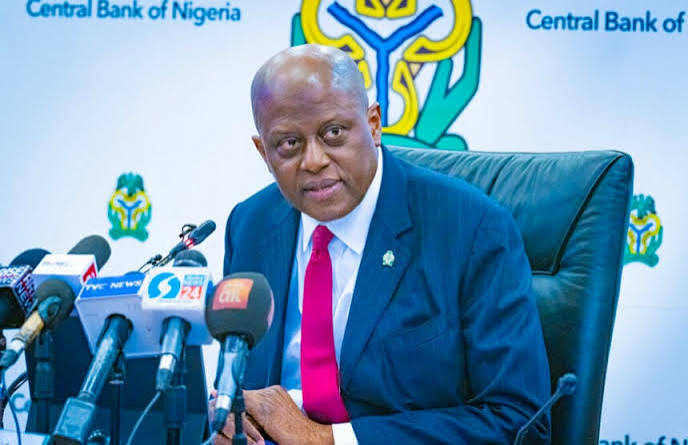
The Central Bank of Nigeria (CBN) has introduced a comprehensive regulatory framework for non-security virtual assets service providers (VASPs), including stablecoins and deposit money tokens dealers, as part of its sustained regulatory measures to strengthen its oversight of emerging digital financial services in the country.
This was contained in the Bank’s circular with Ref.
No PSP/DIR/PUB/CIR/001/004 dated November 5, 2026 and signed by its Director.Payments System Policy Department, Musa Jimoh, indicated that the new regulations established licensing, authorisation and supervisory requirements for virtual asset issuers and service providers operating in or targeting the Nigerian market and were designed to promote responsible innovation, strengthen the integrity of the financial system and provide an appropriate regulatory framework for emerging digital payment instruments.
Under the new framework titled ‘Regulations for the Operations of Non-Security Virtual Assets in Nigeria’, stablecoin issuers, virtual asset service providers and other regulated operators will be subject to requirements covering licensing, capital adequacy, reserve backing, liquidity and redemption arrangements.
While also prescribing standards for corporate governance, risk management, internal controls, cybersecurity and operational resilience, the framework also directed the operators to comply with requirements for safeguarding customer assets, making appropriate disclosures and establishing effective complaints management systems.
In addition, the framework also introduced measures to address financial crime risks associated with digital asset transactions, including anti-money laundering and counter-terrorist financing obligations, sanctions screening, transaction monitoring and blockchain analytics.
The framework also mandates virtual asset service providers to comply with the Travel Rule and conduct due diligence on counterparties, particularly other virtual asset service providers involved in transactions.
The latest regulations apply to individuals and organisations conducting regulated activities in or from Nigeria, directing such activities at Nigerian customers or undertaking operations that could materially affect the country’s payment system, financial system, foreign exchange market or financial stability.
According to the apex bank the requirements could apply irrespective of whether an operator maintains a physical presence in the country, which implies that foreign virtual asset operators targeting Nigerian customers or undertaking activities with material implications for the country’s financial system may also fall within the regulatory framework.
The CBN clarified, however, that the new regulations did overrule the statutory responsibilities of the Securities and Exchange Commission (SEC) or other competent authorities, stressing that activities involving security virtual assets, securities, investment contracts and other capital-market products would remain subject to the applicable capital-market regulatory framework.
The framework further provides that where an activity involves both non-security virtual assets and matters under another regulator’s jurisdiction, operators are required to obtain the relevant approvals from each competent authority.
The apex bank mandated all the affected financial institutions, issuers, service providers, operators and other stakeholders to familiarize themselves with the regulations and ensure strict compliance with the applicable licensing, prudential, operational, reporting and technology requirements.
As a deterrent to abuses, the framework also provides for regulatory enforcement, administrative sanctions and orderly wind-down arrangements for operators unable to continue their regulated activities.
From Sylvia Udegbunam, Enugu
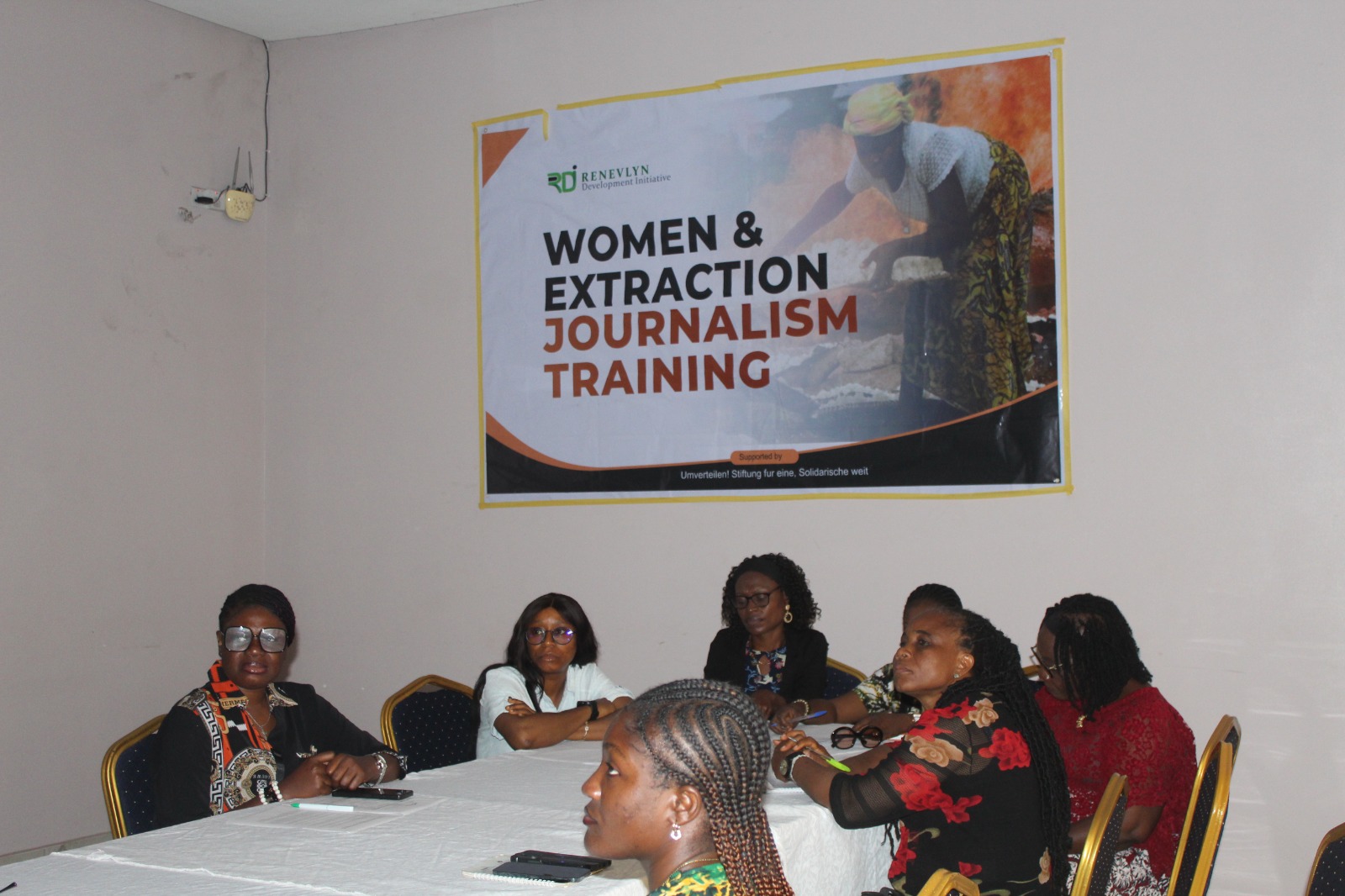
A non-governmental organisation, Renevlyn Development Initiatives, has called on women journalists in Enugu State to intensify investigative and gender-sensitive reporting on the environmental and socio-economic impacts of extractive activities on women in host communities.
The Executive Director of the organisation, Philip Jakpor, made the call during a one-day training on Agenda for Women and Extractive Journalism held at Hotel Sylvia, Independence Layout, Enugu, with the theme, “Empowering Women Journalists for Effective Reporting of Extractive Impacts in Nigeria.
”Jakpor stressed that discussions on extractive activities in Nigeria, particularly in Enugu State, would remain incomplete without addressing the devastating environmental consequences of coal mining.
He noted that women in host communities bear a disproportionate burden of mining activities because of their roles as caregivers, providers and major users of natural resources, including land and water.
He regretted that despite bearing much of the consequences of environmental degradation, women are often excluded from decision-making processes and policies concerning extractive activities in their communities.
He therefore urged female journalists to adopt gender-sensitive reporting approaches that amplify, document and adequately present the experiences of affected women.
Earlier, the Project Officer of Renevlyn Development Initiatives, Tracy Ohovwore, acknowledged the contributions of journalists in drawing attention to environmental challenges but observed that the specific experiences of women affected by extractive activities remained largely underreported.
She raised concerns over pollution in Iva Valley, Akwuke, Onyeama, Okpara and Awhum, alleging that the Ekulu and Nyaba rivers, which residents depend on for domestic water, had been contaminated by wastewater containing heavy metals, including arsenic, cadmium, lead and mercury.
Also speaking, the Executive Director of New Life Community Care Initiative (NELCCI), Mrs Florence Ifeanyi Aneke, said environmental degradation undermines community development by threatening livelihoods, food security, healthcare, education and access to clean water.
She added that pollution and land destruction could expose women to serious health risks, including reproductive health challenges, while increasing the economic hardship faced by families.
Aneke called on the Enugu State Government to harness the state’s natural resources in ways that create economic opportunities without destroying the environment or imposing further hardship on host communities.
She also advocated compensation for affected communities, particularly women and persons with disabilities, while urging the government to ensure their active participation in decisions concerning extractive activities.
In her contribution, a journalist, Ebere Ekeopara, shared her experiences growing up in a coal-mining community, highlighting poor remuneration for miners, health hazards and the impact of mining activities on women and family livelihoods.
She urged journalists to go beyond routine reporting through sustained investigative journalism that identifies environmental hazards, establishes institutional responsibilities and examines available interventions for affected communities.

By Tony Obiechina, Abuja
The Chairman of the Revenue Mobilisation, Allocation and Fiscal Commission (RMAFC), Dr. Mohammed Bello Shehu has charged Directors and Heads of Departments (HODs) to demonstrate commitment, accountability and professionalism in the discharge of their duties to ensure the successful implementation of the Performance Management System (PMS) in the Commission.
The Chairman gave the charge at the signing of Performance Contracts by Directors and Heads of Departments at the Commission’s headquarters in Abuja.
He described the exercise as more than the signing of official documents, noting that it represented a covenant of accountability and a commitment to delivering on the Commission’s strategic objectives through improved productivity and measurable results. He also noted that the initiative aligned with the Federal Government’s Renewed Hope Agenda under President Bola Tinubu, which prioritises institutional efficiency, good governance and improved service delivery.He explained that the PMS represents a deliberate shift from routine administrative activities to a result-oriented system that measures institutional and individual performance against clearly defined objectives. He noted that the Commission had recorded significant progress towards its implementation through the development of a dedicated IT platform, organisation-wide staff training, capacity building for PMS champions, management sensitisation sessions and change management initiatives.
He emphasised that the system was not designed to be punitive but to empower officers, clarify responsibilities, identify capacity gaps and promote fairness in performance assessment. He therefore urged Directors and HODs to ensure that departmental targets and key performance indicators were realistic, measurable, time-bound and aligned with the Commission’s strategic objectives.
Shehu assured staff of management’s commitment to providing the necessary support and enabling environment, while urging all officers to embrace the initiative and make accountability, professionalism and improved service delivery their guiding principles.
The Chairman of the Personnel Matters Committee (PMC) and Federal Commissioner representing Cross River State, Ntufam Eyo-Nsa Whitley, described staff as the driving force behind the success of the Commission, urging them to demonstrate discipline, diligence, emotional intelligence and dedication to their responsibilities. He encouraged officers to take the performance management exercise seriously and give their best towards achieving the Commission’s objectives.
He further urged staff to support one another, embrace the reform process and avoid attitudes that could undermine teamwork and institutional progress. Hon Ntufam called on the PMS champions to demonstrate commitment and provide guidance to their colleagues, stressing that collective responsibility, discipline and effective implementation would ensure the success of the initiative.
In his address, the Secretary to the Commission, Comrade Tosin Adeyanju, described the signing ceremony as a significant milestone in the Commission’s history, marking the transition from intention to action, planning to execution, and traditional performance evaluation to a modern, data-driven performance management system. He appreciated the Chairman’s leadership and the Commissioners’ support, while acknowledging the critical roles of Directors and HODs in driving the transformation.
He urged management staff to take ownership of their performance agreements and ensure regular engagement, feedback and monitoring to achieve the desired results. He stressed that the success of the PMS would depend not merely on signing the contracts but on the Commission’s ability to translate agreed targets into improved productivity, efficiency and measurable institutional achievements.
The Director overseeing the Administration and Human Resource Department, Alhaji Ahmed Rufai Gidado, explained that the Commission had undertaken a series of activities towards the implementation of the Performance Management System and that the signing of the performance contracts represented a major milestone in the process, marking the transition from preparatory activities to the implementation phase.
In his lecture on The Role of Performance Management in Public Sector Transformation, Mr. Nwachukwu John, Head of Economy Team Performance Management at the Office of the Head of the Civil Service of the Federation (OHCSF), commended RMAFC for the progress recorded in adopting the PMS framework. He noted that the Commission’s commitment demonstrated its readiness to embrace public service reforms and align individual responsibilities with institutional and national development objectives.
He explained that the PMS was designed to connect the responsibilities of individual officers with departmental targets, the Commission’s strategic plan and the Federal Government’s priorities. He urged Directors and HODs to ensure that performance contracts were cascaded to other levels of staff through regular engagement and feedback, emphasising that the system was a productivity tool rather than a promotion exercise.



CBN Introduces New Regulatory Framework for Non-Security VASPs, others
ShareBy Tony Obiechina, Abuja The Central Bank of Nigeria (CBN) has introduced a comprehensive regulatory framework for non-security virtual assets...

Group tasks Women Journalists on Reporting Impact of Coal Mining in Enugu
ShareFrom Sylvia Udegbunam, Enugu A non-governmental organisation, Renevlyn Development Initiatives, has called on women journalists in Enugu State to intensify...

RMAFC Chairman Tasks Directors, Others on Accountability, Productivity
ShareBy Tony Obiechina, Abuja The Chairman of the Revenue Mobilisation, Allocation and Fiscal Commission (RMAFC), Dr. Mohammed Bello Shehu has...


NDLEA Secures 18 Convictions, Arrests 130 Suspects in Kaduna
ShareThe National Drug Law Enforcement Agency (NDLEA), Kaduna State Command, said it secured 18 convictions and arrested 130 suspects for...
Gen Z No Longer Think for Themselves, Ayra Starr’s Mother Blames Social Media
ShareNene Aderibigbe, mother of Nigerian singer Ayra Starr, has criticised the influence of social media on Gen Z, claiming that...


Davido, Chioma Arrive in Style for Zlatan, Davita’s Wedding in Morocco
ShareNigerian music star, Davido, and his wife, Chioma Adeleke, have arrived in style in Marrakesh, Morocco, for the wedding celebration...


Lessons from the 2023 Presidential Elections: Obi Vs Wike
ShareBy Sunday Adelaja My goal in this article is to go beyond promoting a particular candidate like I did in...
Certificates Without Jobs: The Uncomfortable Reality of Nigeria’s Education System
ShareBy Idris Rufai Welcome to Nigeria, where young people are highly educated, professionally qualified and, unfortunately, increasingly experienced in the...


FG Generates N33tn Revenue in 10 Months – Oyedele
ShareBy Tony Obiechina, Abuja The Federal Government generated N33tn in revenue between January and October 2026, while about 90 per...


Terrorists Flee Strongholds, Military Block New Bases – DHQ
ShareBy David Torough, Abuja The Defence Headquarters (DHQ) has dismissed reports and suggestions of a ceasefire with Boko Haram terrorists,...