
Health
UNFPA Reiterates Commitment to Support Adamawa Govt. to Curb SGBV

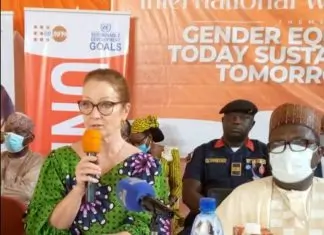
The UN Population Fund (UNFPA) has reiterated commitment to continue to support
Adamawa Government in the fight against Sexual and Gender-Based Violence (SGBV).
The Resident Representative of the Fund in Nigeria, Ulla Mueller, affirmed the world body’s position at the end of a
two-day workshop on stakeholders validation of forensic capacity assessment in Yola on Friday.
Mueller, who was represented by Mr Chris Sabum, the Humanitarian Coordinator and Head of the UNFPA Maiduguri sub-office, said all that is required is commitment and for the Adamawa Government to take ownership of the SGBV fight.
She advised stakeholders to create a taskforce with clear roadmap for successful implementation of the Violence Against Persons Prohibition (VAPP) law in the state.
She added that a taskforce would help to facilitate meetings to deliberate on gray areas when things do not go well.
According to her, the taskforce will also ensure that issues reviewed at the two-day workshop are implemented and not kept in files.
She emphasised that all efforts are geared toward accelerating access to justice for SGBV survivors.
Mr Vungmoh Kwamo, the Deputy Commissioner of Police (DCP) in Adamawa, stressed the need for stakeholders to work together for positive results.
He assured that the police is always ready to ensure that investigations are carefully carried out so as to get justice for survivors, while perpetrators are punished to serve as deterrent to others.
Gladis Zarma, the Director, Adamawa Planning Commission, thanked the UNFPA for organising the workshop and for interventions toward checking SGBV in the state and the country.
She expressed the state government’s readiness to implement and tackle issues raised during the two-day workshop and ensure that measures taken impact the lives of the people. (NAN)



The World Bank Group, global partners and countries on Saturday announced continued progress toward the goal of delivering affordable and quality health services to 1.5 billion people by 2030.
A statement by the World Bank Online Media Briefing Centre said 15 countries introduced National Health Compacts, outlining practical five-year reforms aimed to expand primary healthcare, improve affordability and support job-rich economic growth.
The statement said that since the goal was set in April 2024, the Bank and partners had supported countries to provide quality and affordable care to 375 million people.
It said work was underway with roughly 45 countries to scale proven primary care approaches that strengthen health outcomes while generating employment across health workforces, local supply chains and supporting industries.
“This progress comes as governments confront aging populations, rising chronic disease, and financial pressures.”
The statement said the 2025 Global Monitoring Report released at the Tokyo Universal Health Coverage (UHC) High-Level Forum showed that 4.6 billion people globally still lacked access to essential health services.
It said the report also revealed that 2.1 billion people faced financial hardship due to health expenses.
“These challenges underscored the need for long-term, coordinated reforms that help countries build more resilient and equitable health systems.”
World Bank Group President, Ajay Banga, is quoted in the statement as saying, “strong primary healthcare systems are central to both health protection and economic growth.
“Strong primary health systems do more than safeguard health, they support jobs and economic opportunity.
“Countries are stepping forward with clear priorities, and we are working alongside them to deliver practical solutions at scale.”
According to the statement, the 15 countries that introduced National Health Compacts at the forum in Tokyo are Bangladesh, Egypt, Ethiopia, Fiji, Indonesia, Mexico, Morocco, Nigeria, Philippines, Sierra Leone, Syria, Tajikistan, Uganda, Uzbekistan and Zambia.
The statement said the compacts, which were endorsed at the highest levels of government, outlined five-year, country-led reforms aimed at expanding the reach and quality of primary healthcare, improving financial protection and strengthening health workforces.
“They also align Health and Finance Ministries behind measurable targets, provide a roadmap for coordinated action and guide support from development partners across country-led priorities.”
It said key commitments by countries include mobilising new financing, growing and digitally enabling their health workforce, modernising health facilities, expanding insurance coverage, and digitising service delivery.
“For example, in terms of boosting regional manufacturing of health products and technologies, Nigeria will train 10,000 pharmaceutical and biotech professionals and establish Centres of Excellence.
“Nigeria will also provide tax incentives to expand local production of vaccines, medicines, diagnostic and health technologies, strengthen regulatory agencies through digital systems and global alignment.”
It said that to help countries advance their compacts and broader reforms, the World Bank Group, Gavi and the Global Fund announced aligned financing, including two billion dollars in co-financing with each institution.
The statement added that philanthropic partners working through the Global Financing Facility and the Health Systems Transformation and Resilience Fund aim to mobilise up to 410 million dollars for critical health areas.
It said Seed Global Health was working with compact countries to build capacity and provide support for assessment, planning and policy development, with a focus on advanced health workforce development.
The statement said Japan, the United Kingdom and other partners were also providing technical assistance.
“Japan, WHO and the World Bank jointly launched a Universal Health Coverage Knowledge Hub to support countries with practical evidence-based solutions and peer learning.”
It said the UHC High-Level Forum, co-hosted by the Japanese Government, the WHO, and the World Bank Group, brought together ministers of health and finance, business leaders, philanthropies, global health agencies and civil society.

The UN Women has reaffirmed its commitment to strengthening policy frameworks, enhancing digital safety, and promoting accountability for online harms in Nigeria.
Deputy Executive Director for Normative Support, UNWomen, Nyara Gumbonzvanda, said this at a press conference on Saturday in Abuja.
The press conference was on Gumbonzvanda’s high-level mission to Nigeria and commemoration of the 2025 16 Days of Activism Against Gender-Based Violence (GBV).
She said that the visit was to deepen partnerships, reinforce national leadership, and accelerate collective action to advance gender equality and the empowerment of women and girls in Nigeria.
“A critical area of concern remains technology-facilitated GBV, which is rising globally and nationally.
“Between 16 per cent and 58 per cent of women worldwide experience some form of online or technology-facilitated GBV, depending on the region.
“UN Women is supporting the government and stakeholders in strengthening policy frameworks, enhancing digital safety, and promoting accountability for online harms,” she said.
She commended the National Assembly’s commitment to strengthening legislation that protects women and girls and advance women’s participation in governance, and called for effective legal frameworks and inclusive governance.
Gumbonzvanda decried low representation of women at the National Assembly, which she said stood at only 3.8 per cent, far below the global average of 27.2 per cent.
She, therefore, emphasised the need for legislative reforms such as affirmative action, quotas, and the proposed special seats bill, which she described as globally recognised tools to accelerate women’s participation.
”This is critical because globally, nearly one in three women experiences physical or sexual violence in their lifetime.
”Effective legal frameworks and inclusive governance are essential to reversing this trend,” she said.
On insecurity in Nigeria, she called for the release of abducted girls and reaffirm the need to ensure that every girl has the right to security and education.
She listed the impact of UN Women’s work in communities, including the commissioning of new WASH facilities.
She said that there was also rehabilitation of agro-processing centre in Kwali to improve women’s safety, reduce time burdens, and expand income-generating opportunities.
”UN Wornen will continue to mobilise partnerships across government, development partners, and the private sector to ensure that frontline organisations and national institutions have the resources required to deliver lasting change,” she said.
On her part, Beatrice Eyong, UN Country Representative to Nigeria and ECOWAS, commended the media for amplifying issues affecting women and girls in the country.
From Mike Tayese, Yenagoa
The Association of Public Health Physicians of Nigeria (APHPN), has ascribed the current wave of movement of medical workers in the country abroad to insecurity and desire for better Welfare packages.
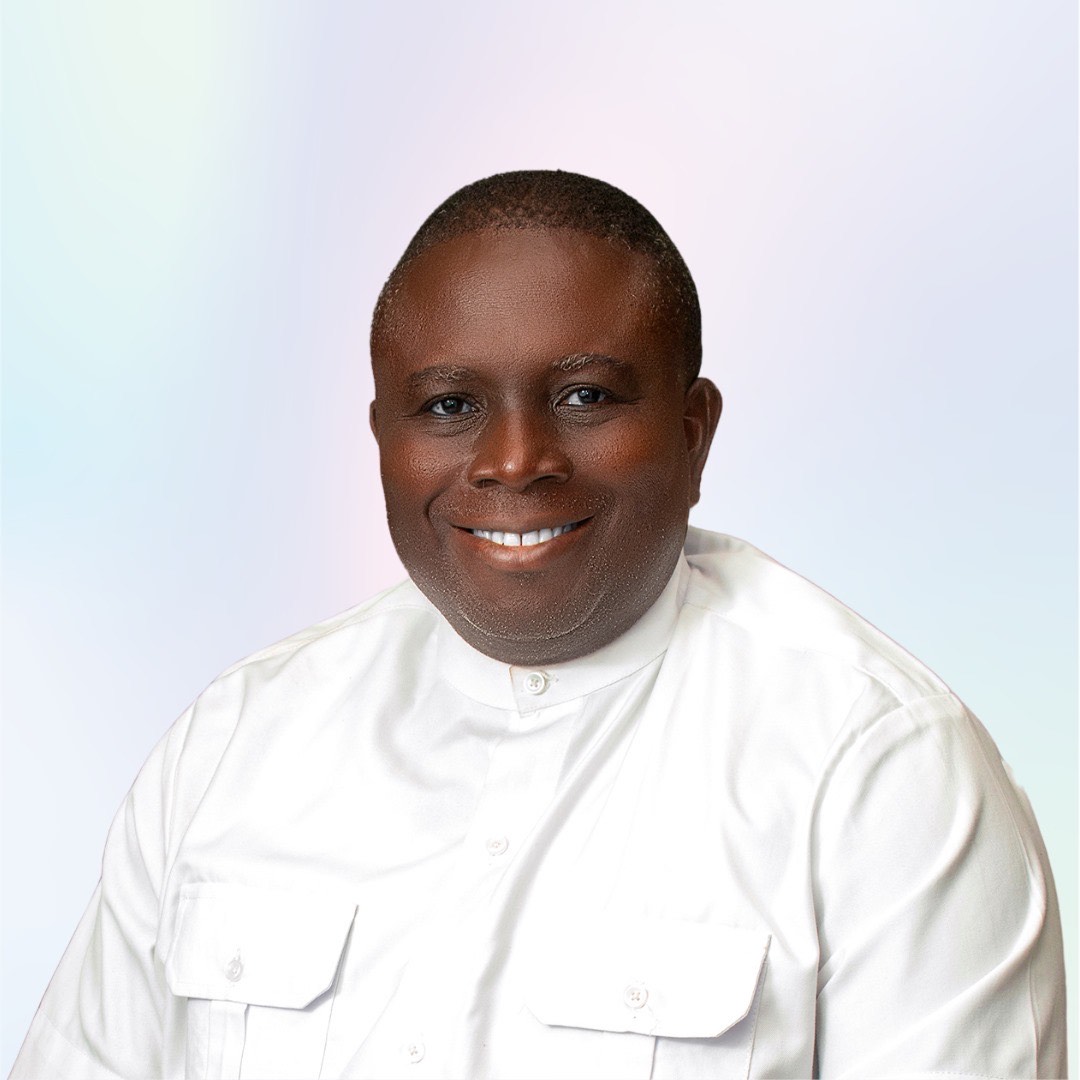
The National President of APHPN) Dr.
Terfa Kene, while speaking during his three day visit to Bayelsa State to seek support to enhance public health delivery in the state, urged other medical workers who are still in Nigeria to work for the improvement of public health in the country.Dr. Kene, also stated that once salaries of the health workers are improved and insecurity issues tackled, the challenge of migration of medical personnel would stop, adding that his mission to Bayelsa State is to ensure proper implementation of Primary Health Centre adoption.
He said: “There are factors responsible for people who are japa from the county. One of the factors is where they want to go, the health system is well advanced and people want to go and practice there and we may not have control over those interests.
“If the issue of insecurity is addressed, people will not want to run away from their locations. If the salaries of health officials are improved, then we would also know that you have that intended capacity. It’s not just addressing one component, there are several others that the government needs to work on and address, once they are addressed, the issue of migration will be reversed.
“Yes there is japa, but then it’s not everybody that is leaving the country, so those that are here, we should make our contribution as public health physicians.”
Dr. Kene, who also supervised the Medical Outreach for the people of Agbere community in Sagbama local government organised by APHPN, and visited some health agencies in the state, Bayelsa Health Insurance Scheme (BHIS), and the State Coordinator of World Health Organization, said the government need both the infrastructure, human personnel and medications to ensure well-being of the people.
He said: “When we are talking about the development agency of the government, we are talking about PHC, we are talking about health insurance, we are talking about the ministry of health, we are talking about other organs of government that have to do with public health.
“The important thing is that we build relationships with the local Communities by making an impact in contributing to public health in the entire Nigeria not just only Bayelsa state, that is why we organized medical outreach in the Agbere community. We are covering both the primary Healthcare center and cottage hospital nearby.” He said.
Also Speaking, the Chairman of APHPN in Bayelsa State, Dr. Enebipamo Amba-Ambaiowei, said a s public health physicians, they have a duty to provide healthcare, engage and make impact amongst members of the Communities.
He said why they carry out the medical outreach is to help the rural dwellers improve their healthcare and lives generally, adding that over hundred people were attended to during the outreach.
A beneficiary, Akali Anthony, said he had challenges of malaria and diabetes, but after medical screening he was administered with drugs, which saved him the high cost of affording them.



Insecurity: CAN Tasks Government to Collaborate with Religious Organizations
ShareBy Laide Akinboade, Abuja The Christian Association of Nigeria (CAN) on Wednesday tasked the three tiers of Government in Nigeria...


SEC Asks Investment Tribunal to Freeze CBEX Bank Accounts
ShareBy Tony Obiechina, Abuja The Securities and Exchange Commission (SEC) Nigeria has filed a suit before the Investment and Securities...


Corruption: 80 Per Cent Nigerians Risk Jail Terms says ICPC
ShareBy David Torough, Abuja The Independent Corrupt Practices and Other Related Offences Commission (ICPC) has warned that Nigeria’s corruption crisis...

Olam Agri Partners with SCAAD to Empower Women in Benue, Nasarawa
ShareFrom Attah Ede, Makurdi Olam Agri, in partnership with Sustainable Collective Advocacy for Africa Development (SCAAD) Initiative, is to launch...


Security Operatives Arrest 32-yr-old Man for Allegedly Negotiating Ammunition for Bandits in Zamfara
ShareFrom Ifeanyichukwu Nwannah, Gusau A 32-year-old man, Ahmed Abubakar suspected to be armed weapons dealer has been arrested in Abuba,...
Zamfara Charges Corps Members to Live Harmoniously with Host Communities
ShareFrom Ifeanyichukwu Nwannah, Gusau Zamfara State Government has charged Corps members deployed to the State to demonstrate commitment and live...


Ademola Adeleke: Between Dancing Steps and Political Cul-de-sac
Share By Wale Sadeeq Gov. Ademola Adeleke of Osun is known for dancing hysterically at virtually every public occasion, to the...

FG, Partners Champion Women’s Empowerment in Livestock Sector
ShareBy Raphael Atuu, Abuja The Minister of Livestock Development, Idi Mukhtar Maiha, has reaffirmed the Federal Government’s commitment to placing...


Mutfwang Declares ASUP National Delegates Conference Open in Jos
ShareFrom Jude Dangwam, Jos Plateau State Governor, Caleb Mutfwang has declared open the 18th National Delegates Conference of the Academic...


Nigeria’s Gemade Builds Fleet For Saudi’s New National Carrier
ShareBy Mike Odiakose, Abuja When Saudi Arabia’s Crown Prince Mohammed bin Salman personally unveiled the Kingdom’s new National Carrier on...