
Health
Nigeria Records 27,698 Cases of SGBV in 6 States


The Minister of Women Affairs, Mrs Uju Kennedy-Ohanenye, said 27,698 cases of Sexual and Gender-Based Violence (SGBV) were recorded in six states between 2020-2023.
Kennedy-Ohanenye disclosed this at a news conference in Abuja on Friday, in commemoration of this year’s global 16 Days of Activism Against Gender-Based Violence (GBV).
Reports says that the global observance, which runs from Nov.
25 (the International Day for the Elimination of Violence Against Women) until Dec. 10 (Human Rights Day), is a key international moment to call for an end to violence against women and girls.The celebration has “UNITE! Invest to Prevent Violence Against Women and Girls” as the theme for 2023
The minister, therefore, called for nationwide implementation of the Violence Against Persons Prohibition (VAPP) Act, saying it would help in reducing SGBV cases.
She added that “statistics from the GBV Data Situation room estimates that 35 per cent of women, with one in every three Nigerian females experience violence at some point in their lives, mostly by an intimate partner.
“In the last one year, Nigeria, under the EU-UN Spotlight Initiative programme being implemented in six states (Adamawa, Lagos, Sokoto, Cross River, Ebonyi and the FCT), recorded 27,698 cases of SGBV between 2020 and 2023.
“In the recorded cases, there were 1,145 fatal GBV cases; with 393 perpetrators convicted; 9,636 as open cases; 3,432 new cases; 1,741 as closed cases and 1,895 follow-up cases, among others, within the period under review.
“It is commendable that the states have adopted the VAPP Act, but government at that level must ensure full implementation of the Act to protect women and children from all forms of violence.
“This year’s theme in particular calls for accountability and improved investment in girl-child education, ICT, women socio-economic advancement and empowerment, investment in ending all forms of violence.
“Investments must be made to end violence, especially rape, sexual abuse, battery, molestation, harmful traditional practices such as Female Genital Mutilation, (FGM), widowhood rites and disinheritance, among others.
“If current trends continue, more than 340 million women and girls will live in extreme poverty by 2030, and one in four will experience moderate or severe food insecurity.
“Growing vulnerability brought by human-induced climate change is likely to worsen this outlook, as many as 236 million more women and girls will be food-insecure, under a worst-case climate scenario.”
The minister also said that halfway to the end point of the 2030 agenda for Sustainable Development, the world is failing to achieve gender equality, thus making it an increasingly distant goal.
“There is no hiding place for all violators of our girls and women, as we consider this important theme for this year’s commemoration.
“I want us all to ponder on the level and kind of investment that over the years have accrued to women and girls and for our institutions, MDAs, development partners and bilateral, multilateral and indeed the private sector,” she added.
Also, Matthias Schmale, United Nations Resident Humanitarian Coordinator, called for more empowerment of women and girls, as well as protection through the VAPP Act and increased budgetary allocation.
He said the UN Unite Campaign works in solidarity with relevant governments, development partners, Civil Society Organisations, (CSOs), women groups, the private sector and the media to call for an end to violence against women.
He said “we are estimating that globally, a staggering 736 million women, that is one in three women around the globe have suffered sexual and or physical intimate partner violence, non-partner sexual violence or both at least once in their lives.
“Violence negatively affects women’s physical mental health and wellbeing at all stages of their lives and the impact on national development.
“Unfortunately, violence against girls and women remains one of the most prevalent and pervasive human rights violation in the world.”
Schmale said many countries have passed laws to combat violence against women and girls “but weak enforcement and discriminatory social norms remain the problems.” (NAN)
President of the Nigerian Hypertension Society (NHS), Prof. Simeon Isezuo, has called for collective action to combat hypertension and other non-communicable diseases in Nigeria.
Isezuo made the call in a statement to mark the 2026 World Hypertension Day on Sunday in Sokoto.
He said the society was joining the global community to commemorate the day on May 17, as a reminder that hypertension remains the leading preventable cause of death and disability in Nigeria and worldwide.
“This year’s theme: ‘Controlling Hypertension Together: Check your blood pressure regularly and defeat the silent killer,’ signals that no single group can win the fight against hypertension alone.
“Controlling hypertension requires coordinated action by government, health workers, civil society, the private sector, spiritual and traditional leaders, and families, especially in Nigeria.
“The burden of hypertension in Nigeria is enormous, with 1 in 3 adults affected. Yet fewer than 1 in 5 people living with hypertension achieve target blood pressure,” Isezuo said.
He described the situation as unacceptably low, adding: “Hypertension remains a “silent killer” because it rarely causes symptoms until it leads to complications such as stroke, kidney failure, heart failure, heart attack, and premature death.
“Yet hypertension is largely preventable and treatable if detected early. The silent killer can be defeated.”
According to Isezuo, efforts to defeat hypertension in Nigeria are hampered by low awareness, late diagnosis, poverty, poor adherence to medication, a weak primary healthcare system, and unhealthy lifestyles, including high salt intake, physical inactivity, and stress.
He noted that current economic pressures had worsened the situation by driving up the cost of medicines, transport to health facilities, and healthy foods.
“These have forced many people with hypertension to skip doses, take under-dosages, or abandon treatment entirely,” he said.
“The Nigerian Hypertension Society is committed to working with government, professional bodies, patient groups, and all stakeholders to scale up screening and push for policies that promote hypertension control.
“As part of World Hypertension Day, society members nationwide will conduct free blood pressure screenings and public awareness campaigns through print and electronic media.”
Isezuo commended the Nigerian government’s efforts in hypertension control and called for subsidised essential medicines and expanded health insurance coverage.
He urged health workers to screen every adult at every opportunity, counsel on lifestyle changes, and follow evidence-based guidelines for treatment.
He also expressed concern over low awareness among people with hypertension, noting that many remain undiagnosed or untreated. He urged the media to use their platforms to spread accurate information.
“Families should support relatives to adhere to medication, attend follow-up clinics regularly, and adopt healthy diets.
“Every individual should know their ‘numbers’—blood pressure, weight, blood sugar, and cholesterol. Together, hypertension control is achievable, and we can defeat this silent killer,” he said.
The Nigeria Centre for Disease Control and Prevention (NCDC) has stepped up surveillance and emergency response following an Ebola outbreak in the Democratic Republic of the Congo and a confirmed imported case in Uganda.
Although Nigeria has recorded no confirmed case of Ebola, NCDC emphasised that they were maintaining heightened vigilance due to increasing regional mobility and the risk of cross-border transmission.
In a public health advisory signed by NCDC Director-General, Dr. Jide Idris, the agency said it was closely monitoring developments in affected countries and coordinating preparedness efforts with the Port Health Services and other stakeholders.
“Response activities are ongoing in affected areas, and we are ensuring continued vigilance within Nigeria’s public health system,” Idris said.
Highlighting preparedness measures activated, Idris said NCDC had strengthened nationwide surveillance systems for Ebola and other epidemic-prone diseases, while intensifying event-based monitoring and coordination with state health authorities.
Other measures include enhancing laboratory and diagnostic readiness, strengthening infection prevention and control awareness in healthcare settings, and expanding community engagement and public risk communication.
He further said the agency was closely tracking global and regional developments to ensure a rapid response if the situation changed.
Ebola Virus Disease is a severe and often fatal viral infection transmitted through direct contact with the blood, bodily fluids or contaminated materials of infected persons or animals.
According to the NCDC, the disease has an incubation period ranging from two to 21 days.
It typically begins with symptoms such as fever, weakness, headache, muscle pain and sore throat before progressing to vomiting, diarrhoea and, in severe cases, unexplained bleeding.
The director-general warned that early detection and isolation are critical in preventing outbreaks from escalating.
Idris advised healthcare workers across the country to maintain a high index of suspicion for Ebola in patients presenting symptoms consistent with the disease, particularly those with recent travel or exposure history linked to affected areas.
He urged medical personnel to strictly adhere to infection prevention protocols, including hand hygiene, use of personal protective equipment, early isolation of suspected cases and prompt reporting through established surveillance channels.
Idris appealed to Nigerians against panicking or spreading misinformation, stressing that there was currently no confirmed Ebola case in the country.
“Residents are advised to maintain regular hand hygiene, avoid contact with bodily fluids of sick persons and refrain from handling dead animals or bushmeat from unknown sources.”
He also encouraged members of the public to promptly report unusual illnesses to health facilities and rely only on verified information from official public health authorities.
The latest alert has renewed concerns about the possibility of regional spread, particularly in countries with high levels of movement and trade across borders.
Nigeria’s extensive travel connections and large population make preparedness essential, especially given the country’s previous experience managing Ebola outbreaks.
Nigeria was internationally praised for containing the 2014 Ebola outbreak after swift tracing and isolation measures prevented widespread transmission following the arrival of an infected traveller from Liberia.
The World Health Organisation (WHO) declared the ongoing Ebola outbreak linked to the Bundibugyo virus in the DRC and Uganda a Public Health Emergency of International Concern (PHEIC), warning of significant regional and global risks.
The decision, announced on May 16 by the WHO Director-General Tedros Ghebreyesus under the International Health Regulations (2005), follows rising infections and deaths, alongside evidence of cross-border transmission.
However, the organisation clarified that the situation did not yet meet the threshold for a pandemic emergency.
Data from WHO showed that as of May 16, eight laboratory-confirmed cases, 246 suspected infections, and 80 suspected deaths have been recorded in Ituri Province in eastern DR Congo.
The affected areas include Bunia, Rwampara and Mongbwalu, where clusters of unexplained community deaths have raised alarm.
In Uganda, two confirmed cases including one fatality were reported in the capital, Kampala, within 24 hours of each other.
Both individuals had recently travelled from DR Congo, marking confirmed international spread of the virus.
Unlike other strains of Ebola, there are currently no approved vaccines or targeted treatments for the Bundibugyo variant, raising concerns among global health authorities.
A Consultant Psychiatrist, Prof. Taiwo Obindo has decried the cost of care and drugs for individuals undergoing treatment for various mental health conditions, calling for interventions to reverse the trend.
Obindo, also the immediate past President, Association of Psychiatrists of Nigeria (APN), made the call in an interview at the weekend in Lagos.
He said that those accessing care, especially mental healthcare services, were finding it difficult to keep up with the cost of treatment.
The psychiatrist frowned that the cost of healthcare in Nigeria generally had gone up, attributing the development to inflation, economic downturn and closure of some pharmaceutical companies.
He lamented that most of the pharmaceutical companies that produced some of the drugs had either downsized or relocated to other countries, leading to high cost of drugs/medications.
“The cost of healthcare in Nigeria generally has become so high, making it difficult for an average person to access the needed care.
“Most of the company’s manufacturing the drugs are not in the country and some of those here have either downsized or relocated to other countries – this has resulted in a quadruple of the price of drugs compared to the price before.
“Similarly, the rise in the prices of goods and services caused by the fuel subsidy removal and economic downturn in the country has continually resulted in an astronomical rise in the prices of drugs and hospital care.
“Individuals undergoing treatment for various mental health conditions, particularly those with substance use disorder are finding it difficult to keep up with the cost of treatment.
“This to a great extent affects the treatment outcomes, because many of the patients hardly adhere to medication and prescriptions due to financial incapability,” he said.
Speaking on the implications of the high cost of medication, particularly for mental health conditions, Obindo decried that the situation was taking a toll on the average patient.
He said that most of the patients, after seeing a doctor, end up not buying the prescribed drugs or buy what they could afford, leading to under-dose of the medication.
He explained that the situation could not only lead to relapse, but could make the patient come down with more complicated symptoms.
“Failure to adhere to prescriptions or under-dosing medication can have a lot of implications on the patient, his family and the economy at large.
“Apart from resulting in relapse, it can make the patient perpetually ill or even come down with more severe symptoms.
“Family relationships may be affected and productivity of the individuals may drop, affecting economic growth and development,” he said.
On measures to salvage the situation and ensure citizens had easy access to the needed healthcare, Obindo called for restructuring and expansion of the National Health Insurance Scheme (NHIS) to at least cover 80 per cent of the population.
He added that the scheme’s formularies should be reviewed and expanded to accommodate most mental healthcare medications, so that patients could access drugs when prescribed.
The psychiatrist also underscored the need for the government to not only subsidise importation of the drugs, but also support the pharmaceutical companies with incentives to aid their operations.
“It is the sole responsibility of the government to ensure that the citizens are in good health.
“Considering the cost of transportation, the fact that people in the rural areas will have to travel to urban cities to access mental healthcare adds to their cost of treatment. Some may resort to alternative medicine.
“This is where integrating mental healthcare fully into Primary Health Care becomes necessary, so that people can have access to care anywhere they are,” Obindo said.


Kogi Traditional Rulers Unite to Tackle Insecurity
ShareFrom Joseph Amedu, Lokoja Traditional rulers from Oworo land in Lokoja Local Government Area of Kogi State, have resolved to work together to tackle insecurity and...
U-17 WWCQ: Flamingos Off To Abidjan Wednesday for Guinea Showdown
ShareNigeria’s Flamingos will leave for Abidjan, Cote d’Ivoire on Wednesday ahead of the first leg of their 2026 FIFA U-17 Women’s World Cup qualifying fixture...

Strike over High Fuel Prices Paralyses Transport in Kenya
ShareThousands of Kenyan commuters have been stranded and businesses paralyzed as public transport operators went on a nationwide strike to protest against recent increases in the cost fuel. Key roads in...

Military Airstrikes Kill 20 ISIS-ISWAP Terrorists in Borno — DHQ
ShareThe Defence Headquarters said coordinated airstrikes in the Metele general area of Borno have killed more than 20 ISIS/ISWAP fighters in continued counter-terrorism operations in the North-East....
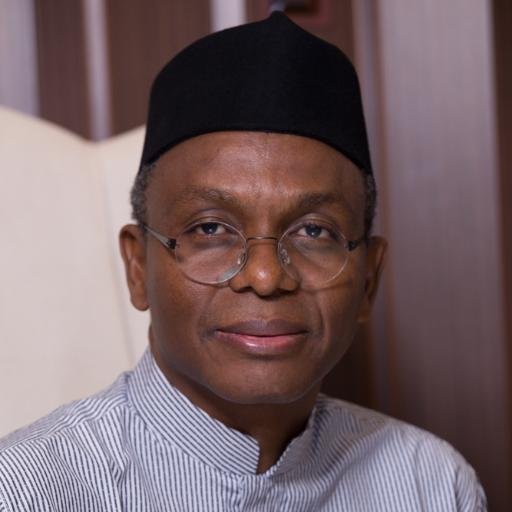
Court Grants El-Rufai N100m Bail amid Ongoing Legal Battle
ShareFrom Agbo Emmanuel, Kaduna The Federal High Court in Abuja on Monday granted bail to former Kaduna State Governor, Nasir El-Rufai, setting the bail sum at N100...


NRS Unveils Single Tax Identifier for Individuals, Businesses
ShareBy Tony Obiechina, Abuja The Nigeria Revenue Service (NRS) has announced the rollout of a unified Taxpayer Identification (Tax ID)...

Kidnappers Kill Oyo Teacher as Pupils, Colleagues Remain in Captivity
ShareFrom Ayinde Akintade, Osogbo The abduction crisis in Oyo State took a tragic turn on Sunday as one of the...


APC Heavyweights Sweep Senatorial Primaries Ahead of 2027
ShareBy David Torough, Abuja The All Progressives Congress (APC) on Monday recorded major victories for several political heavyweights in its senatorial primaries ahead of...


APC Unveils Winners of Adamawa House of Representatives Primaries
ShareFrom Yagana Ali, Yola The All Progressives Congress (APC) has officially announced the winners of its House of Representatives primary...
Northwest Varsity Kano Matriculates 7,929 Students
ShareFrom Rabiu Sanusi, Kano Northwest University Kano on Friday held its 13th Matriculation Ceremony for newly admitted students of the...