
NEWS
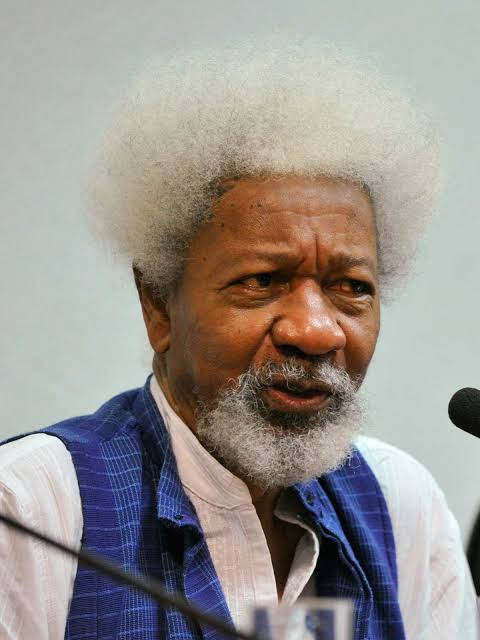
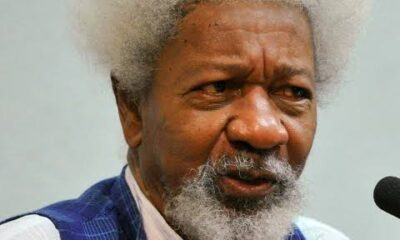
Wole Soyinka at 92: Nigeria’s Literary Titan, Africa’s Conscience and Global Intellectual Powerhouse

By Ehi Braimah
There are writers, there are intellectuals, and there are moral giants whose influence transcends literature to shape the conscience of nations. Professor Akinwande Oluwole Babatunde Soyinka belongs unmistakably to the latter category.
As he celebrates his 92nd birthday, the world salutes not merely Nigeria’s greatest literary icon, but one of humanity’s most enduring champions of justice, freedom, and the dignity of the human spirit.For over seven decades, Wole Soyinka (Kongi) has stood as an unyielding voice against oppression, tyranny and intolerance.
His life has been defined by extraordinary courage, immense scholarship and a solid commitment to truth, regardless of the consequences. He is not simply a Nobel laureate; he is an institution whose intellectual influence stretches from Africa to Europe, the Americas and Asia.I had the chance of a close encounter with Kongi in August 2023, when Jahman Anikulapo, my brother, friend and colleague (Anikulapo is Editorial Director of Naija Times) and Soyinka’s trusted mentee, invited me to a Public Exchange, titled “Isese, Samarkand and Other Markets of the Mind,” held at Kongi’s Harvest Art Gallery, Freedom Park, Lagos.
The Isese masterclass in public intellectual engagement was far more than a lecture on Yoruba traditional religion – it became an important conversation on religious freedom, cultural identity, intellectual inquiry and democratic values.
At the Isese forum, we had journalists, academics, writers, lawyers, artists, theatre practitioners, traditional religious adherents, diplomats, and cultural enthusiasts. The interdisciplinary gathering of minds reflects Soyinka’s remarkable ability to convene diverse audiences.
The event came against the backdrop of controversy surrounding the celebration of Isese Day, particularly in Kwara State, where traditional worshippers faced hostility. Soyinka argued that Isese is not antagonistic to Christianity or Islam, but represents a legitimate spiritual and philosophical tradition deserving equal respect under Nigeria’s Constitution. He maintained that those who sought to suppress other people’s beliefs demonstrated insecurity rather than religious strength.
That’s Kongi for you, a global intellectual giant and highly respected cultural influencer. By describing Isese as a “quest for illumination of the human condition,” Soyinka shifted the discussion beyond ritual and religion. He presented Isese as a repository of ethics, philosophy, history, aesthetics, and indigenous knowledge. In doing so, he challenged long-held prejudices that equate African traditional beliefs with superstition, inviting Nigerians to engage seriously with their own civilisational heritage.
What I found interesting was that Soyinka didn’t deliver a lecture, but engaged in an extended dialogue, fielding questions and encouraging debate. This reinforced his lifelong belief that knowledge flourishes through critical inquiry rather than dogma.
After the Isese event, Anikulapo was able to get Soyinka to be interviewed for a recorded goodwill message for the third anniversary of Naija Times which held in Abuja on 19 October, 2023. His message was that the media must be independent and influence purposeful leadership.
When Soyinka became the first African to receive the Nobel Prize in Literature in 1986, the award recognised far more than literary brilliance. It honoured a writer who had expanded the boundaries of world literature while remaining deeply rooted in African history, mythology and philosophy.
His Nobel Prize became a defining moment not only for Nigeria but for the entire African continent, affirming that African voices deserved equal recognition on the world’s highest literary stage.
Soyinka’s remarkable body of work remains one of the richest contributions to modern literature. His plays continue to challenge audiences with their depth, symbolism and political relevance. The Lion and the Jewel brilliantly explores the tensions between tradition and modernity.
The Strong Breed examines sacrifice and communal responsibility. Death and the King’s Horseman, widely regarded as one of the greatest plays ever written, masterfully interrogates colonialism, cultural misunderstanding and moral obligation.
A Dance of the Forests, commissioned during Nigeria’s independence celebrations, remains a timeless reminder that nation-building requires honest confrontation with history rather than romantic self-deception.
His novels equally occupy an honoured place in world literature. The Interpreters captured the complexities confronting Nigeria’s post-independence intellectual class, while Season of Anomy explored resistance against corruption and authoritarianism. His memoirs – including Ake: The Years of Childhood, You Must Set Forth at Dawn and The Man Died – offer profound insights into both personal experience and national history. His essays consistently display the razor-sharp intellect and fearless honesty that have become his trademarks.
Beyond literature, Soyinka’s poetry possesses remarkable emotional and philosophical depth. His verses weave together mythology, politics, spirituality and human suffering, demanding thoughtful engagement from readers while rewarding them with profound insight. His command of language remains extraordinary, effortlessly combining Yoruba cosmology with universal themes that resonate across cultures.
Yet it is impossible to celebrate Wole Soyinka without acknowledging his lifelong activism. Throughout his life, he has repeatedly placed principle above personal comfort. During Nigeria’s civil war, he courageously sought peaceful dialogue and paid dearly for it, enduring solitary confinement for nearly two years. Rather than silence him, imprisonment strengthened his resolve. His prison writings remain among the most compelling testimonies to the resilience of the human spirit.
Across successive military dictatorships and civilian administrations alike, Soyinka has consistently spoken truth to power. He has criticised injustice wherever he has found it, refusing to align himself permanently with any political establishment. His loyalty has always been to democratic values, human rights and the welfare of ordinary citizens rather than to transient governments or political personalities.
His moral courage has inspired generations of journalists, academics, students, lawyers, playwrights and civil society activists throughout Africa and beyond. Even those who disagree with his opinions readily acknowledge the integrity that underpins his convictions.
Professor Soyinka’s influence extends well beyond Nigeria’s borders. Few African intellectuals command such an extensive global network. He has taught at leading universities across the world, including institutions in Nigeria, the United Kingdom, the United States, and the United Arab Emirates, enriching generations of students with his vast knowledge of literature, theatre, history and political thought. As a visiting professor, lecturer and public intellectual, he has become one of Africa’s most respected ambassadors in global academia.
His friendships and professional relationships span Nobel laureates, presidents, diplomats, artists, philosophers, actors and fellow writers from every continent. He has shared platforms with world leaders while remaining equally comfortable engaging young students in classrooms and public forums. His influence cuts across disciplines, making him not merely a literary figure but a global statesman of ideas.
International organisations frequently seek his counsel on democracy, cultural identity, freedom of expression and conflict resolution. Universities continue to honour him with numerous honorary doctorates and distinguished fellowships. Literary festivals across the world celebrate his contributions, while scholars devote entire careers to studying his works and philosophy.
One of Soyinka’s greatest achievements has been his ability to bridge Africa and the wider world without sacrificing his cultural authenticity. He has never diluted his African identity to gain international acceptance. Instead, he has demonstrated that authentic African experiences possess universal relevance. His writings affirm that local histories, indigenous beliefs and African traditions deserve equal space within global intellectual discourse.
His passion for theatre has similarly transformed African performance traditions. Through the Orisun Theatre Company and countless productions, he elevated African drama onto the international stage while nurturing generations of playwrights, actors and directors. Many of Africa’s leading literary voices acknowledge Soyinka as mentor, inspiration or intellectual guide.
At 92, his curiosity remains undiminished. He continues to write, travel, lecture and participate in conversations about democracy, governance, security, education, cultural preservation and global affairs. His voice retains its unmistakable authority because it is anchored not in political expediency but in lifelong consistency.
Nigeria owes Professor Soyinka an immense debt of gratitude. In an era when integrity often appears negotiable, he has demonstrated that intellectual independence remains possible. He has shown that scholarship should illuminate society rather than merely decorate academic institutions. He has reminded writers that literature carries moral responsibility, and he has inspired countless young Africans to believe that ideas can indeed change nations.
His legacy cannot be measured solely by books published, awards received or speeches delivered. It resides in the generations of thinkers he has inspired, the freedoms he has defended and the courage he has exemplified. He has become one of the defining moral voices of the twentieth and twenty-first centuries.
As Professor Wole Soyinka marks his 92nd birthday, Nigerians, Africans and admirers across the globe celebrate a life magnificently lived in service to literature, justice and humanity. His pen has challenged dictators, comforted the oppressed, educated generations and elevated African literature to its rightful place in the world.
May the years ahead continue to bless this extraordinary son of Africa with good health, clarity of mind and enduring strength. His voice remains indispensable, his example timeless and his legacy immortal.
Happy 92nd birthday, Professor Wole Soyinka.
Ehi Braimah is a PR specialist, marketing strategist, and publisher/editor-in-chief of Naija Times and Lagos Post. He can be reached through: ehi.braimah@neomedia.com.ng
MultiChoice Nigeria has announced that season 11 of the Big Brother Naija (BBNaija) reality TV show will premiere on July 26, with the winner expected to take home a record ₦160 million grand prize.
The organisers disclosed this in a statement on Thursday.
According to MultiChoice, the N160 million grand prize includes a cash sum of ₦100 million and a brand-new SUV.
The prize is the highest in the show’s history since its debut in 2006, raising the stakes for what is expected to be another landmark season.
The organisers said the launch show will air from 7pm on Africa Magic Showcase and Africa Magic Family channels, with the 24-hour show on DStv Channel 198 and GOtv Channel 49.
BBNaija fans are also expected to watch the show live via DStv Stream and GOtv Stream.
According to the organisers, Ebuka Obi-Uchendu is returning as the show’s host.
“Viewers can expect a season filled with unexpected twists, dynamic tasks, strategic gameplay, entertaining challenges and the authentic interactions that have made Big Brother Naija one of Africa’s most-watched reality TV franchises,” the statement said.
The organisers added that the weekly live eviction shows would return, with audiences participating through public voting to determine the contestants who remain in the competition.
By Tony Obiechina, Abuja
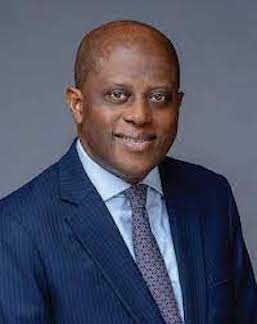
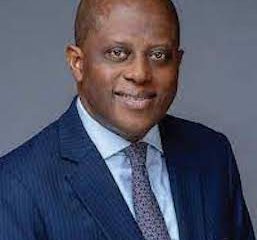
Central Bank of Nigeria (CBN) Governor, Olayemi Cardoso, said diaspora remittances are projected to rise to one billion dollars monthly by the end of 2026.
Cardoso also urged domestic investors to take advantage of opportunities created by the ongoing reforms and improve macro-economic stability.
He spoke during a fireside chat hosted by Frank Aigbogun, Publisher and Editor-in-Chief of BusinessDay Media Ltd. at the 14th Annual BusinessDay CEO Forum in Lagos on Thursday.
The forum had the theme, “From Stability to Shared Prosperity.
”Cardoso said reforms introduced by the apex bank had restored stability in the foreign exchange market and improved investors confidence.
He identified exchange rate unification as one of the CBN’s major achievements under the reforms programme.
According to him, replacing multiple exchange rate windows with a market driven system eliminated distortions and improved transparency.
Cardoso said improved foreign exchange liquidity and stronger reserves were among the gains from the reforms.
He said Nigeria’s net external reserves had risen from about three billion dollars at the start of the reforms to above 40 billion dollars currently.
The governor added that gross external reserves had grown to about 52 billion dollars, representing about 10 months of import cover.
According to him, the reserves are designed to shield the economy from external shocks and excessive market volatility.
He said the reserves were not meant for routine interventions or day to day exchange rate management.
Cardoso described diaspora remittances as a major contributor to rising reserves and foreign exchange stability.
He said the CBN deliberately targeted remittances to diversify reserve sources beyond oil earnings.
According to him, the apex bank engaged Nigerians abroad, banks and international partners to identify barriers to official remittance flows.
He said the CBN subsequently reviewed policies to ensure easier movement of funds into and out of the country.
Cardoso described the approach as providing free entry and free exit for foreign exchange.
He said the reforms helped doubled diaspora inflows within one year and exceeded initial expectations.
According to him, remittances had risen to more than 600 million dollars at the latest reporting period.
He said the CBN expected inflows to reach one billion dollars monthly by the end of 2026.
Cardoso projected annual remittances could reach about eight billion dollars if the current momentum was sustained.
He said the development reflected growing confidence in Nigeria’s financial system and foreign exchange market.
Cardoso also highlighted the return of international functionality to Naira denominated payment cards.
He said the initiative improved convenience for Nigerians travelling and making payments abroad.
On bank recapitalisation, Cardoso said the exercise attracted between four trillion Naira and five trillion Naira in fresh capital.
He said the additional capital had strengthened the resilience and lending capacity of Nigerian banks.
According to him, moderating inflation and lower interest rates would support increased lending to businesses and small enterprises.
He urged banks to maintain prudent risk management while expanding credit to productive sectors.
Cardoso advised Nigerian business leaders to take advantage of improving economic conditions by investing locally.
According to him, international investors had shown growing interest in Nigeria following recent reforms.
“The time to invest is now because stability has returned and opportunities are expanding,” he said.
Speaking on monetary policy, Cardoso said the Monetary Policy Committee remained guided by data in its decisions.
He said the committee would continue taking decisions that protect Nigeria’s long term economic interests.
Cardoso explained that global developments could influence future monetary policy decisions.
He cited the recent conflict involving the United States and Iran as an example of external risks facing economies.
According to him, difficult policy decisions helped restore confidence during a period of severe economic stress.
He said Nigeria previously faced weak reserves and about seven billion dollars in outstanding obligations.
Cardoso said trust remained the foundation of central banking and sound economic management.
He said difficult reforms were necessary to secure the country’s future and promote shared prosperity.
By Elijah Oguche, Abuja
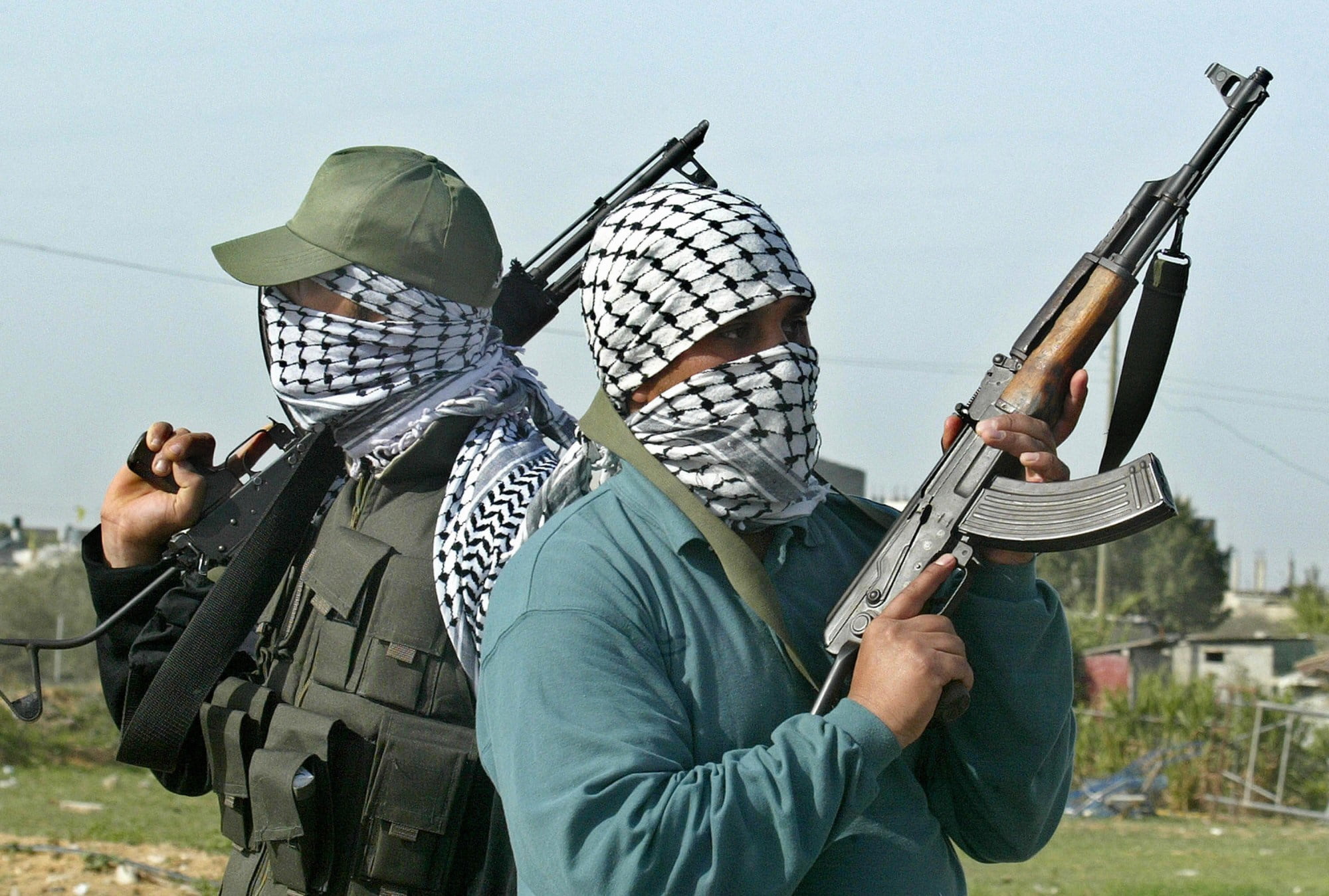
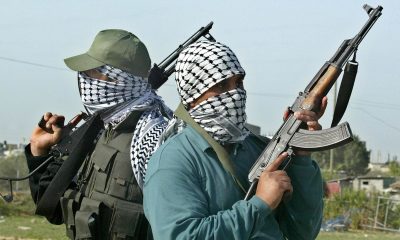
Stakeholders of the All Progressives Congress (APC) in Benue State have condemned the worsening State of insecurity in the state resulting in continuing wanton killings of innocent citizens, the latest of which occurred in Otukpo-Nobi, in the Benue-South Senatorial District.
They called for change of governmental leadership in the state owing to the manifest inability of Governor Hyacinth Alia to muster a serious challenge against the situation.
Speaking in Abuja while answering questions on “One Benue, One Direction Hang Out with Journalists”, A Chieftain of the APC, Hon.
Timothy Hembaor, lamented that insecurity in Benue is spiralling out of control because Governor Alia has failed to even accept that there are killings in the state, talk more of finding solutions to the crisis.Hembaor lamented that Governor Alia had repealed the the Anti Grazing law that was in place before his elections, confiscating enforcement vehicles and converting them for commercial transportation purposes.
“We are an agricultural state. How are we going to support our farmers to turn from partisanship to become extension agricultural farmers? Is the present government willing to support farmers? Is our land safe? I tell you it is not. The Alia administration is not going about the issue of security with sincerity.
“Hostilities against our people now have grown many times more than what obtained prior to Alia becoming Governor, and it is getting worse, with the potential of going completely out of control should he be re-elected to a second term as Governor” he stated.
Also speaking, APC Legal Adviser in the Benue-South (Zone C) Barr. Napoleon Otache, lamented that the entire Zone C is under siege by Fulani herdsmen, kidnappers and bandits.
“There are active threats going on in all parts of Zone C from terrorists. Governor Alia refers to them as foreigners, so I agree. But they pose a very latent threat of terrorism, yet the governor does not treat it as such. As big an urban centre as Otukpo is, once it is 4 p.m. the town shuts down.
“The economy is crippled. People no longer go to farm in Otukpo and environs. You stay at home and wait for the worst that could happen. You can be in your house and still be killed” he lamented.
Barr. Otache criticized the governor as not showing commitment or readiness to protect lives and property in the state, noting that it is becoming obvious he lacks ideas on how to deal with the situation that has put the state under siege, pushing her citizens into poverty and hopelessness.
Calling in on the programme from Makurdi, Comrade Adams A. said to rescue Benue from the hands of insecurity, the current leadership of the state must be changed.
He explained that Governor Alia does not believe he has a security crisis, “he has denied it many times openly, while people are dying and displaced from their homes on a daily basis all over the state, so how can he proffer solutions to what he does not think exist” Adams questioned.
Stakeholders who spoke on the programme believe that the insecurity in the Benue state will get worse if the Governor Alia is re elected to a second term of office.



Wole Soyinka at 92: Nigeria’s Literary Titan, Africa’s Conscience and Global Intellectual Powerhouse
ShareBy Ehi Braimah There are writers, there are intellectuals, and there are moral giants whose influence transcends literature to shape...


BBNaija: Winner of Season 11 to Get Record N160m Grand Prize
ShareMultiChoice Nigeria has announced that season 11 of the Big Brother Naija (BBNaija) reality TV show will premiere on July...

Diaspora Remittances Hit $1bn Monthly – CBN
Share By Tony Obiechina, Abuja Central Bank of Nigeria (CBN) Governor, Olayemi Cardoso, said diaspora remittances are projected to rise...


Tinubu Launches $3.05bn Social Investment Programmes
ShareBy Tony Obiechina, Abuja President Bola Tinubu yesterday, unveiled a $3.05 billion package of World Bank-supported programmes designed to accelerate...

Appeal Court Reinstates INEC 2027 Election Timetable
ShareBy David Torough, Abuja The Court of Appeal in Abuja has restored the Independent National Electoral Commission’s (INEC) revised timetable...

CAN Mourns the Passing of Rev. Dr. William Uzochukwu Okoye
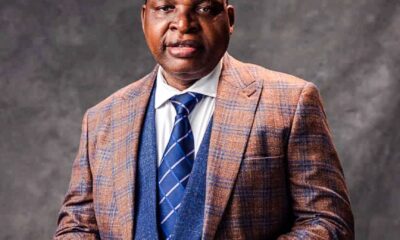
ShareBy Laide Akinboade Abuja The Christian Association of Nigeria (CAN) mourn the passing of Rev. Dr. William Uzochukwu Okoye, Founder...

APC Stakeholders Condemn Killings In Benue, Urge Govt’s Action
ShareBy Elijah Oguche, Abuja Stakeholders of the All Progressives Congress (APC) in Benue State have condemned the worsening State of...

Alleged Forgery: Civil Society Group Urges PDP NWC to Drop Nnaji, Pick Nnamani
ShareBy David Torough, Abuja The Defence for Democracy, has reiterated earlier call on the leadership of the People’s Democratic Party...
Nigerian Army at 163: Legacy of Sacrifice, Service and Transformation
ShareBy Sumaila Ogbaje When officers, soldiers and defence stakeholders gathered in Port Harcourt for the Nigerian Army Day Celebration (NADCEL)...


What the Oyo Situation Teaches about Nigeria’s Emerging Security Doctrine
ShareBy Crispin Oduobuk There are moments when an entire nation seems to breathe again. The announcement on Friday, 10 July...