
NEWS
2 Vessels to Berth at Lagos port with Crude Oil -NPA


The Nigerian Ports Authority (NPA) said that two of the expected seven ships would berth with crude oil on Tuesday at the Lagos ports.The NPA, in its “Daily Shipping Position’, said that two other vessels will berth with containers carrying different goods.
“The remaining three vessels will berth with bulk urea, petrol and aviation fuel. “The seven expected vessels will berth at ENL Consortium Terminals, Apapa Bulk Terminal (ABT), among other terminals in Lagos,” it said. The NPA said that a total of two vessels were waiting to berth at Apapa and Tincan Island Ports with bulk urea and aviation fuel.It added that four vessels were currently discharging aviation fuel, general cargo, bulk urea and container at Lekki Deep Sea port in Lagos. (NAN)
Renowned public affairs commentator and Executive Director of Development Specs Academy, Prof. Okey Ikechukwu, has criticised those now identifying themselves as friends and associates of the late Major-General Rabe Abubakar (retd.), accusing them of failing to rally around the former military spokesman when he needed support most.
Major-General Abubakar, a former Director of Defence Information (DDI), was abducted alongside his wife, Hajiya Amina Rabe Abubakar, on May 30, 2026, when armed bandits ambushed their vehicle along the Marabar Musawa–Kafinsoli Road near Zakin Baure village in Matazu Local Government Area of Katsina State.
He died last week while still in captivity, while his wife was later rescued by security operatives and is currently recuperating at an undisclosed medical facility.
Ikechukwu was reacting to media reports on a conference recently organised by retired military officers described as associates of the deceased general.
At the gathering, the officers reportedly called for comprehensive reforms of Nigeria’s security architecture in the wake of Abubakar’s death.
In a statement entitled “Thoughts on a Questionable Conference,” the public affairs analyst questioned the timing, purpose and implications of the event, asking what exactly the organisers hoped to achieve.
“Where were these friends of Rabe from the moment he was kidnapped until his unfortunate demise?” he asked. “That was when he needed them most, assuming there was anything in the form of material intervention that could have ameliorated the situation.”
“We did not see his now-visible friends in public in some form of mobilisation, evident engagement with the authorities, or any structured interventions on his behalf. Then, all of a sudden, they were talking about stronger security institutions without telling anyone exactly what they meant by that,” he stated.
Ikechukwu further argued that it was disturbing for senior military officers, serving or retired, to resort to what he described as the familiar and often vague rhetoric about “security architecture” that has dominated public discourse over the last 15 years.
He maintained that the more meaningful response would have been to stand by a colleague while there was still an opportunity to influence events.
“If these retired officers undertook significant efforts behind the scenes, it might have made a difference. So, if anything, they owe the public an explanation. What they were doing from the moment the news broke is not in the public domain. Their sudden, organised emergence after the General’s death inevitably raised questions and invites scrutiny,” he said.
The analyst noted that the conference was held after Abubakar had died and after his wife had already been rescued through the efforts of security agencies.
“So, what practical purpose was served by the conference? Was it to organise his funeral or mobilise support for his wife and family? The conference offered little indication of any concrete supportive initiatives or ideas,” he said.
He wondered why, if the event was intended to honour the late officer’s memory, discussions quickly drifted into broader political narratives that appeared only remotely connected to the tragedy.
“What was particularly striking,” he said, “was how quickly attention shifted from General Abubakar to arguments about regional perceptions of insecurity, selective outrage and the politics surrounding security discourse.”
Referring to a media report headlined, “Stop Blaming North for Insecurity, Retired Generals Tell Nigerians,” Ikechukwu said the development raised an uncomfortable but unavoidable question.
“Was the conference truly about General Abubakar, or was his death merely the occasion for advancing pre-existing and as-yet-unclear narratives and motives?” he asked.
He said many Nigerians would have expected such a gathering to focus on the late general’s life and service, lessons from his ordeal, support for his family and recognition of those who contributed to the rescue of his wife.
“What makes the episode even more surprising is the calibre of the individuals involved,” he said. “These are not ordinary citizens unfamiliar with matters of statecraft, public policy, security management or strategic communication. They are men who have occupied important public offices, served at strategic levels of national responsibility and participated in shaping public affairs.”
He noted that several of those involved also hailed from the same state as the late general and should therefore have appreciated the emotional and personal dimensions of the tragedy.
“Indeed, many Nigerians may feel that if the late general could speak today, he would be deeply disappointed that individuals claiming to be his friends found their voices only after his death. At a time when solidarity, advocacy and collective action might have mattered most, there was little public sign of such efforts,” he said.
According to him, the tragedy lies not only in the death of a distinguished officer but also in the apparent absence of those who now profess friendship during the period when such friendship was needed most.
“Until convincing answers are provided,” Ikechukwu concluded, “many will continue to view the conference as an exercise that came too late, achieved little, attempted to politicise security and raised more questions than it resolved.
“It is a sad irony that a gathering purportedly organised in honour of a fallen officer may ultimately be remembered less for celebrating his life and service than for raising troubling questions about the judgment, timing and motives of those who claimed to speak in his name.”
By David Torough, Abuja
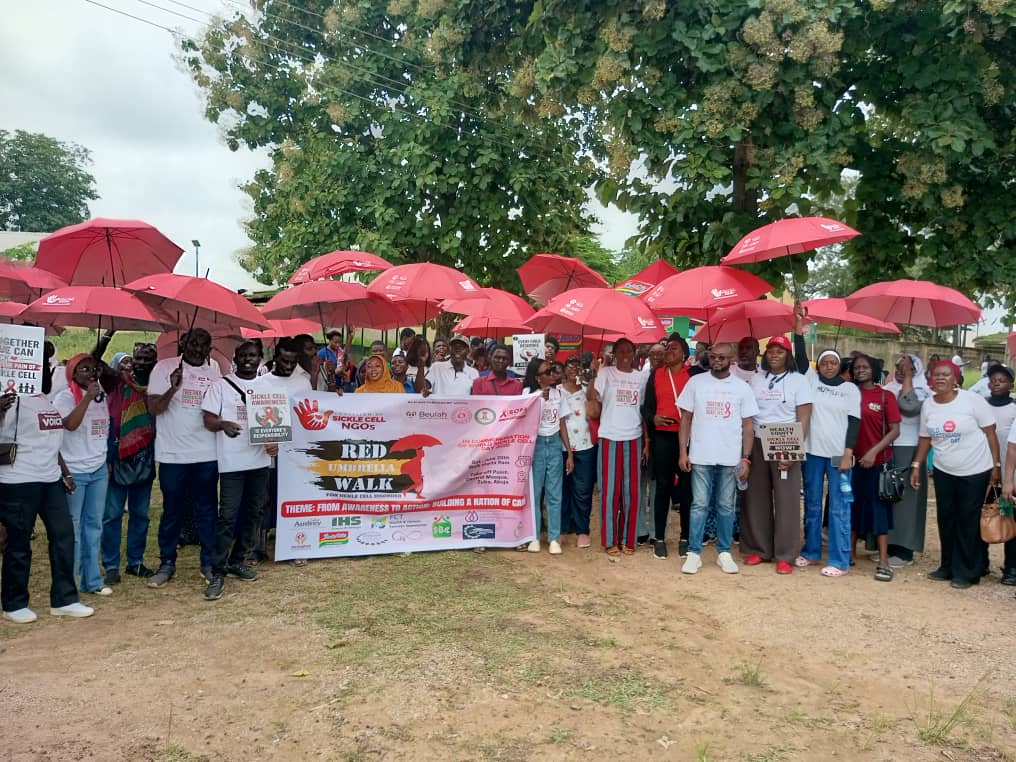
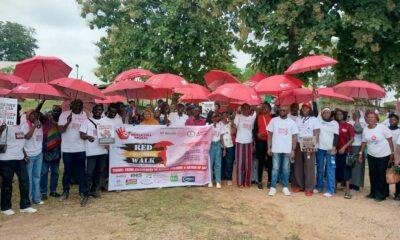
Hundreds of advocates, healthcare professionals, sickle cell warriors, and community members on Saturday converged in Zuba, Abuja, for a large-scale awareness walk and health outreach aimed at combating sickle cell disorder and promoting genotype education.
The event, held as part of activities marking World Sickle Cell Day 2026, was themed “Together, We Can End the Pain of Sickle Cell.
” It was organized by a coalition of sickle cell advocacy organizations, including the Beulah Sickle Cell Foundation, Obi Ogbonnia Sickle Cell Foundation (OOSCF), Coalition of Sickle Cell NGOs, Audrey Sickle Cell Foundation, StrongCell Foundation, SOM Sickle Cell Foundation, and Cells of a Generation Initiative.Participants marched through major streets of Zuba carrying placards bearing messages such as “Sickle Cell Warriors Need Support, Not Pity,” “Know Your Genotype Before Marriage,” “Awareness Saves Lives,” and “Health Equity for Sickle Cell Warriors Now.” The walk sought to raise public awareness about the genetic disorder and encourage preventive measures among residents.
Organizers described the programme as one of the largest community-driven sickle cell awareness campaigns in the Federal Capital Territory this year, attracting healthcare workers, volunteers, schools, faith-based organizations, corporate bodies, community leaders, development partners, and members of the public.
The outreach featured an awareness walk from the Central Mosque, Zuba, to the FCT College of Education, Zuba (Old Campus), alongside free genotype screening and counseling, health education sessions, advocacy engagements, and support services for people living with sickle cell disorder.
The initiative is being implemented in partnership with the Federal Ministry of Health and Social Welfare and the FCT Health and Human Services Secretariat, with support from the Clinton Health Access Initiative (CHAI), Novo Nordisk Haemophilia & Haemoglobinopathies Foundation (NNHF), IHS Towers, Indomie Noodles, DNT Auto Limited, and other development partners.
Speaking during the event, Founder of the Obi Ogbonnia Sickle Cell Foundation, Mr. Obi Ogbonnia, who has lived with sickle cell disorder for 52 years, emphasized the need for greater public understanding of the condition.
According to him, many misconceptions about sickle cell disease persist across Africa, including the false belief that it is contagious.
“A lot of people are not informed about what sickle cell is. Some people think it is contagious, but it is not. It is a genetic disorder passed from parents to their children,” he said.
Ogbonnia urged Nigerians to embrace genotype testing before marriage, stressing that informed marital decisions could significantly reduce the number of children born with the disorder.
He noted that Nigeria bears the world’s highest burden of sickle cell disease, with an estimated 150,000 children born with the condition annually.
He also called on government at all levels to subsidize treatment for sickle cell patients, arguing that the cost of managing the condition places enormous financial strain on affected families.
“The government subsidizes treatment for tuberculosis, HIV/AIDS, and malaria. Why not sickle cell? This is a condition that deserves national attention because its management is expensive and challenging,” he stated.
Also speaking, Coordinator of the Beulah Sickle Cell Foundation and a sickle cell warrior, Mr. Saliflu Falalu, appealed for an end to discrimination against people living with the condition.
Falalu said many individuals with sickle cell disease continue to face stigma despite their ability to live productive and fulfilling lives.
“As sickle cell warriors, we face many challenges because some people believe we cannot achieve much. Having sickle cell does not mean a person cannot live a normal life or contribute meaningfully to society,” he said.
He urged society to be more inclusive and supportive of people living with the disorder.
The event also received the endorsement of the Agora of Zuba, His Royal Highness Muhammad Bello Umar, whose support contributed to community mobilization efforts.
With Nigeria continuing to record one of the highest rates of sickle cell disease globally, stakeholders at the event stressed that sustained awareness campaigns, early diagnosis, genotype education, and improved access to healthcare remain critical to reducing the burden of the condition and improving the quality of life for affected individuals.
By Tambaya Julius, Abuja
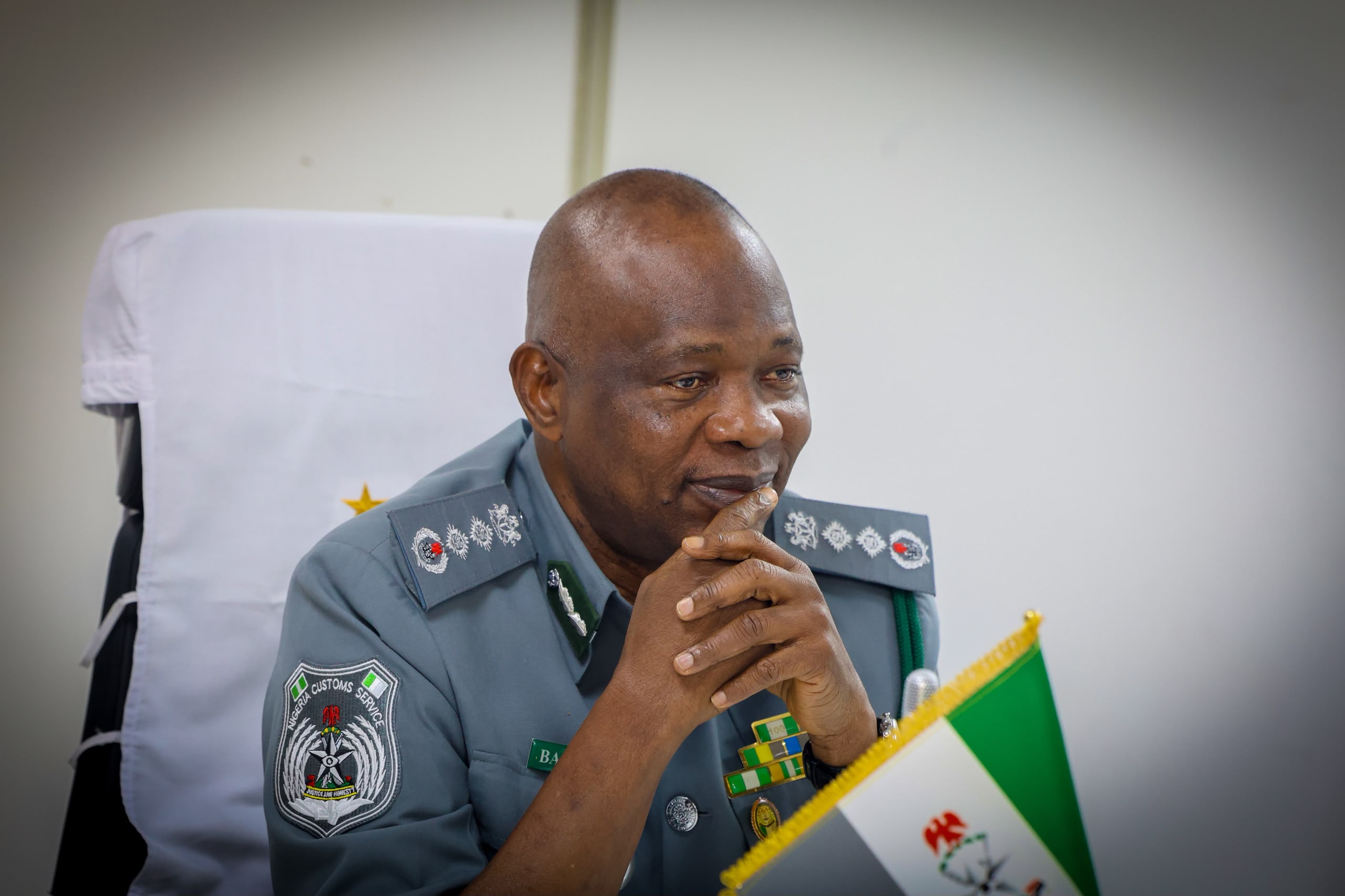
The Nigeria Customs Service (NCS) and the American Business Council (ABC) have reaffirmed their commitment to strengthening trade relations and addressing bottlenecks affecting business operations through sustained public-private sector engagement.
The resolution was reached during the quarterly meeting held on 16 June 2026 at the Service Headquarters in Abuja, where discussions centred on improving trade facilitation, enhancing security, and promoting stronger economic ties between Nigeria and the United States.
Speaking during the meeting, the Comptroller-General of Customs (CGC) Adewale Adeniyi stressed the importance of regular consultations with stakeholders, noting that the engagement would be institutionalised as a permanent feature of the Service’s calendar.
“It is our intention that we will institutionalise this as a permanent feature of the Customs calendar because of the importance we attach to this kind of engagement,” Adeniyi said.
CGC Adeniyi also briefed participants on developments in key trade facilitation initiatives, including the Advance Ruling system, the Authorised Economic Operator (AEO) Programme, Post Clearance Audit, the B’Odogwu platform, and ongoing improvements in scanning integration and cargo clearance procedures aimed at enhancing operational efficiency.
Members of the American Business Council welcomed the reforms and commended the Service’s efforts, while also calling for quicker mechanisms to address outstanding challenges affecting businesses.
President of the American Business Council, Nneka Enwereji, described the meeting as productive and praised the Customs leadership for its commitment to improving the ease of doing business in the country.
“This session has been phenomenal and demonstrates your commitment to improving ease of doing business. You have raised the bar, and there is a lot that can be learned from this,” she said.



Ikechukwu to Rabe Abubakar’s ‘Friends and Associates’: Where Were You When He Needed You Most?
ShareRenowned public affairs commentator and Executive Director of Development Specs Academy, Prof. Okey Ikechukwu, has criticised those now identifying themselves...

Advocates Intensify Fight Against Sickle Cell with Major Awareness Campaign in Abuja
ShareBy David Torough, Abuja Hundreds of advocates, healthcare professionals, sickle cell warriors, and community members on Saturday converged in Zuba,...

Customs, American Business Council Deepen Trade Collaboration
ShareBy Tambaya Julius, Abuja The Nigeria Customs Service (NCS) and the American Business Council (ABC) have reaffirmed their commitment to...

NCS, UAE Customs Foil Tramadol Smuggling Attempt
ShareBy Tambaya Julius, Abuja In collaboration with international partners, the Nigeria Customs Service (NCS) has foiled an attempt to smuggle...

Police Detain Actor Ugezu Ugezu for Defamatory Facebook Post against Prince Daniel Kanu
ShareBy David Torough, Abuja Actor and social commentator Ugezu J. Ugezu, was detained by the Nigeria Police Force following an...

Tinubu Visits Benue, Commissions Projects Tomorrow
ShareFrom Attah Ede, Makurdi Benue State is set to host the First Lady of the Federal Republic of Nigeria and National...

Fifa to Pay Somali Referee Artan Full World Cup fee
ShareSomali referee Omar Artan, who was denied entry to the United States to officiate at the World Cup, will still receive his full...
Delegates in China Denounce Xenophobic Attacks
ShareAfrican delegates attending seminars in China have condemned reported xenophobic attacks against foreign African nationals in South Africa and called for greater unity across the continent. The delegates made the...


Kogi Targets 240,000 Children for Schistosomiasis Mass Drug Administration
ShareFrom Joseph Amedu, Lokoja The Kogi State Government said it will reach over 240,000 children aged 5–14 years in 39 wards across 15 Local...


Anambra Urges Residents to Provide Information on Fake Pastors, Others
ShareFrom Sylvia Udegbunam, Enugu The Anambra State Government, under the leadership of Prof. Chukwuma Charles Soludo, has extended the “War Against Fake Native Doctors”...