
NEWS
2nd Term: We Are Prioritizing Human Capital Devt in Bayelsa, Says Diri

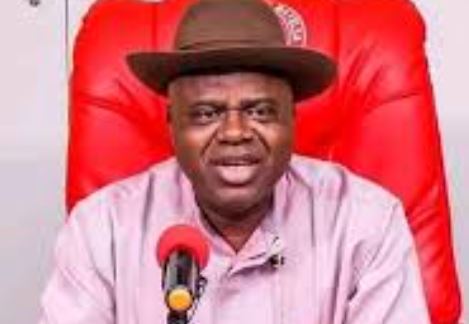
From Mike Tayese, Yenagoa
Bayelsa State Governor, Senator Douye Diri, says his second-term administration will focus more on human capacity building to provide quality leaders for both public and private organizations within and outside the state.
Governor Diri disclosed this while declaring open a 3-Day Leadership and Entrepreneurship Skills Development Summit at the Chief DSP Alamieyeseigha Memorial Banquet Hall in Yenagoa, on Monday.
The Summit with the theme: “Building the Bayelsa Youth for Leadership”, is put together by the state government in collaboration with the Prosperity Youth Coalition and the Gotni Leadership Centre.
Speaking at the event, the Governor who was represented by his deputy, Senator Lawrence Ewhrudjakpo, said concerted and deliberate efforts would be made to create a critical mass of responsible and competent youths who can fit into leadership roles anywhere in the world.
Emphasizing the importance of the human capital as a factor of production, the Bayelsa Chief Executive pointed out that the greatness of a society is better measured by the number of resourceful, quality and knowledgeable people that make up the society.
While drawing parallels between Singapore, Ghana, Rwanda and Nigeria, he noted that ‘only proactive and effective leadership can salvage the country from its backwardness and current socio-economic challenges.”
Governor Diri assured that though his administration was poised to sustain its drive for infrastructural development, appreciable efforts would be made to build the human beings to man the critical infrastructures being built by the government.
His words: “The Government of Senator Douye Diri (in this second term) will give priority to human capital development because in vain do we build the hospitals, the roads, bridges, the recreational centres, ICT, if we don’t have the right human capital.
‘What makes a society to be called a developed society is not the number of private jets parked at the airports, but the number of quality people with knowledge that have invested in that society.
“That is why while Nigeria has the highest number of private jets, Ghana has few private jets. Rwanda even has fewer private jets but they are better countries than Nigeria today.
“The difference is knowledge-based leadership where leaders serve effectively. And so, we are ready to make concerted and deliberate efforts to build the critical mass of youths from Bayelsa.
“In this second tenure, we want to retwerk the mentality of our people and turn this our generation 360 degrees from the mentality of entitlement to that of service.”
He charged the trainees to take the programme which centres on effective leadership, entrepreneurial skills and resource mobilization seriously, adding that the best 24 of them would be sent elsewhere for further training.
In her remarks, the Bayelsa First Lady, Dr Gloria Diri, announced her plans to give priority attention to developing the youths, particularly the boy child in the second term of the Prosperity Government.
Dr Diri, who equally charged the summit participants to make good use of the opportunity to improve themselves, said she would soon roll out what she calls The Boy Child Agenda in the state.
She also used the opportunity to call on youths of the state to participate in a national competition sponsored by the Wife of the President, where youths are expected to produce a unity fabric representing the 36 states of the federation.
According to the Wife of the Bayelsa State Governor, the overall winner of the competition will coast home with a 25 Million prize.
Earlier in his welcome address, the Director General of the Prosperity Youth Coalition (PYC), Comrade Doubara Kumouko, expressed gratitude to the state government for investing in the development of the youths.
NEWS
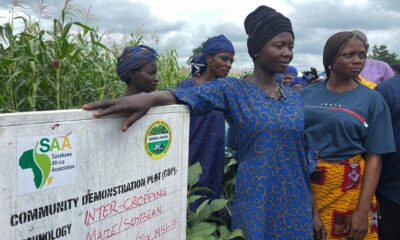
Sasakawa Africa Establishes Agro-Enterprise Centre, Empowers Over 8900 Smallholder Farmers In Benue
From Attah Ede Makurdi
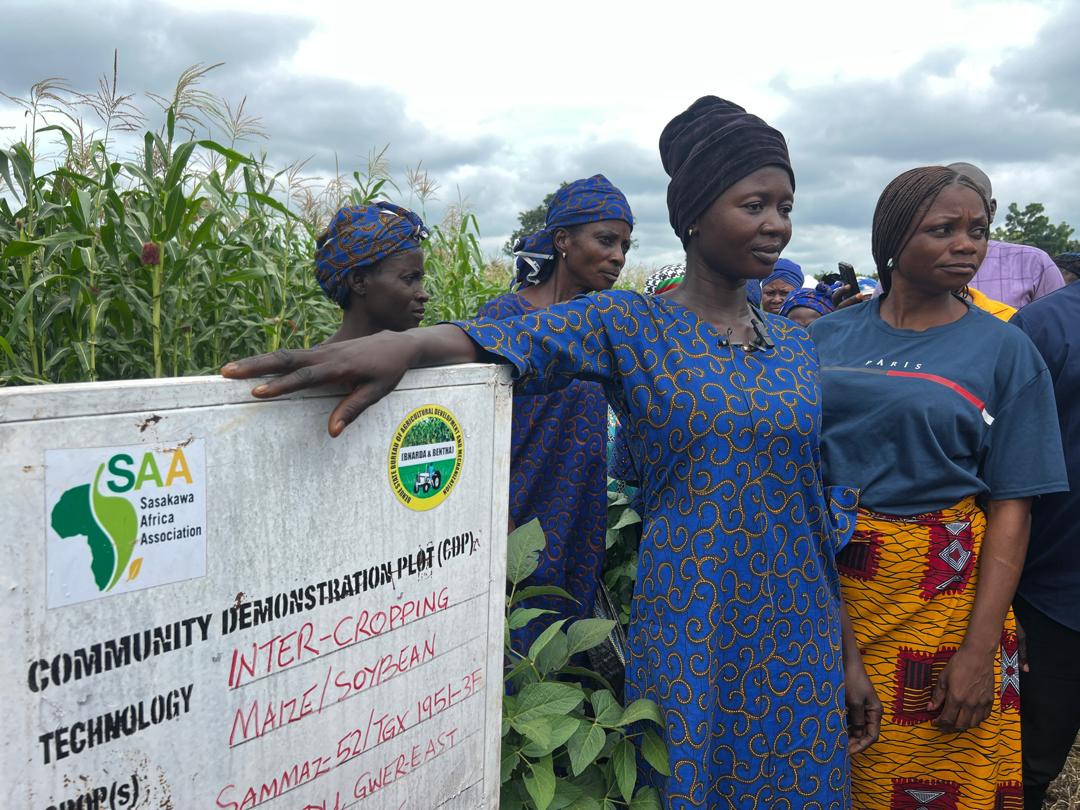
The Sasakawa Africa Association Nigeria (SAA Nigeria), with funding support from The Nippon Foundation (TNF), has established a functional Agro-Enterprise Centre in Benue State to enhance post-harvest handling, primary processing, and commercial value addition.
The organisation has also established a Community Based Seeds Multiplication (CBSM) for a seed enterprise model where CBSM farmer groups sign agreement letters to refund 20% of their total input costs in kind (certified seeds) to sustain the input revolving fund.
The Country Director of Sasakawa Africa, Nigeria, Dr.
Godwin Aster disclosed this on Monday during a two-day media field tour of SAA projects in Gwer and Gboko Local Government Areas of the state.The media field tour afforded journalists with direct link with the benefiting farmers, project sites, agricultural technologies and results from the organisation’s interventions.
The Dr. Aster who was represented by the Programme Manager, Climate Resilient and Sustainable Agrifood Systems, Dr. Nathaniel Otene, explained that SAA has delivered integrated agricultural extension interventions in close coordination with the State Ministry of Agriculture through the Benue State Bureau Of Agricultural Development And Mechanization.
He maintained that the interventions focus on empowering smallholders across core value chains including Soybeans, Maize, Rice, and Horticultural Crops, by transitioning farm households from supply-driven subsistence to commercial, market-oriented production (“Grow to Sell”).
He added that the project activities target smallholder farmers, frontline extension agents (EAs), Community-Based Facilitators (CBFs), Community Association Traders and Trainers (CATs), women, and youth groups across target LGAs.
The Country Director announced that the Organisation is currently working in eight local government areas of the State including, Gwer-East, Gboko, Tarka, Guma, Ushongo, Vandeikya, Buruku, and Konshisha Local Government Areas.
Also speaking, the Head of Programme, Inclusive Markets and Agrobusiness Development, Dr. Jonathan Yassah, disclosed that Sasakawa has successfully established CBSM Seed Multiplication Plots using 1.5 hectare to engage 75 smallholder seed producers to build local seed security.
He explained that the Maize Demonstration Starter Pack had supported one Farmer Group with full input starter packs (8 bags NPK 20-10-10, 100kg Urea Deep Placement/USG, 4L Glyphosate, 4L Atrazine, and 1L insecticide) to demonstrate Good Agronomic Practices (GAP) and boost group funds.
On his part, the Head of Safe , Adequate and Nutritious Food Production and Utilisation, Dr. Moshood Suleiman, said Sasakawa Africa has executed specialized gender mainstreaming and family economic development training for 50 women farmers and their spouses to strengthen joint intra-household financial decision-making in the State.
He added that community-level Agro-Enterprise Centre in the State to enhance local value addition, crop processing, and income diversification and promote dietary diversity, micronutrient consumption, and food safety.
According to him, Sasakawa is assiduously working towards promoting balanced diet preparation for all age groups using Biofortified Food Crops (BFCs).
Meanwhile, the benefitting farmers in the State have applauded Sasakawa Africa Association, SAA, for improving their capacity in climate-smart and nutrition-sensitive agriculture, saying the intervention has increased crop yields and the market value of their produce.
At Cheedu community in GwerEast local government area, where soybean and maize demonstration plots, intercropping and provitamin demonstration plots were established, the farmers expressed satisfaction with the results.
Chairman Lady of women farmer cooperatives group, Mrs. Patience Kwaghba noted that the improved seeds introduced through the programme had withstood harsh weather conditions associated with climate change.
She said the training had also enabled farmers to adopt modern techniques that could improve yields, nutritional value and the marketability of their produce.
“Seriously, we have a far, far difference. Because we have not harvested the farm yet, but it shows us that it has a far difference compared to our own,” Ogbole said.
She appealed to government at all levels to adopt and expand the Sasakawa farming model as part of efforts to improve food security, increase crop production and make agriculture more attractive to farmers.
At Luga community in Gboko local government area, another leader of farmers’ group, Mr. Rowland Nyagba Mbatiav, said they have been exposed to new method of farming soyabean.
By Julius Tambaya, Abuja
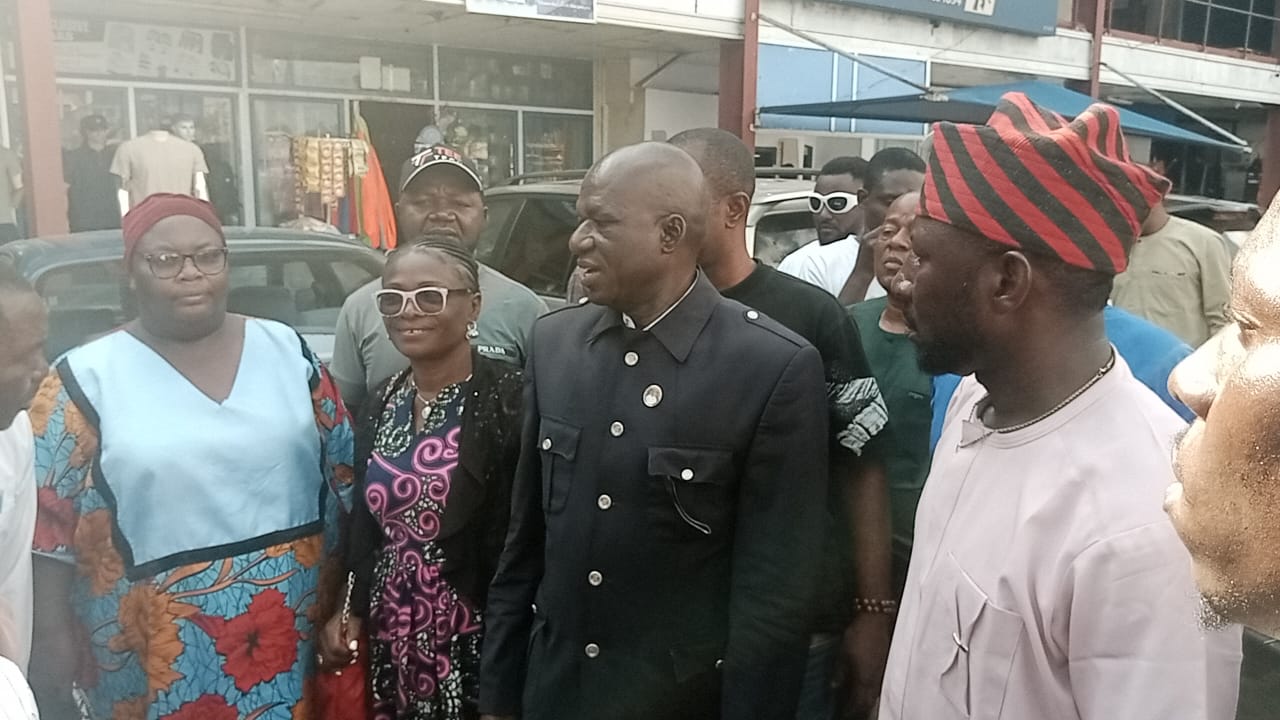
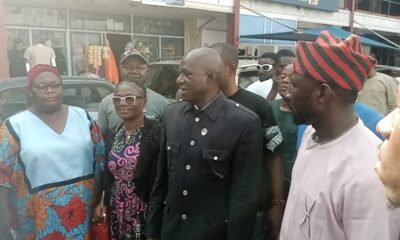
Hope of renewed government intervention has risen among traders at Modern Market, Makurdi, following an inspection tour by the Benue State Commissioner for Industry, Trade and Investment, Hon.
Ankwa Amo II.The Commissioner visited the market to assess its level of development firsthand and identify critical challenges requiring urgent government attention.
The visit commenced with a prayer led by the Director of Planning, Research and Statistics in the Ministry, Charista Michael, after which the Market Manager, Akpelan Terhemba, described the Commissioner’s visit as timely and highly welcome.
Receiving the Commissioner, the Chairman of Modern Market, Hon. Hillary, highlighted the major challenges confronting traders and appealed for urgent government intervention.
Among the concerns raised were the deteriorating condition of the market hall, non-functional toilet facilities, poor internal roads, inadequate water supply, damaged culverts, lack of security lighting and prolonged power outages.
The Chairman appealed to the Commissioner to urgently engage the Executive Governor of Benue State, Rev. Fr. Hyacinth Alia, on the need for immediate intervention to restore Modern Market to a befitting commercial centre.
Responding, Hon. Ankwa Amo II assured the market leadership and traders that their concerns would receive the attention they deserved.
He described Governor Alia as a hardworking and listening governor who is committed to infrastructure development and improving living and business conditions across Benue State.
The Commissioner subsequently embarked on a tour of the market, personally inspecting the affected facilities, including the market hall, internal roads, toilet facilities, drainage systems, water infrastructure and other areas requiring urgent rehabilitation.
He also visited the fire service station within the market, where he commended the personnel for maintaining the facility and acknowledged their vital contribution to the protection of lives and property.
The Commissioner further inspected the faulty transformer blamed for the prolonged blackout in the market. He assured traders that the matter would be properly communicated to the relevant authorities for appropriate action.
During his interaction with traders and youths, Hon. Ankwa Amo II urged them to remain united, peaceful and supportive of initiatives designed to improve their businesses and contribute to a better future for Benue State.
The delegation included the Permanent Secretary, Ministry of Industry, Trade and Investment, Kpindi; Director of Trade, Regina Angahar; Director of Industry, Yandev; Director of Planning, Research and Statistics, Charista Michael; Director of Administration, Rhoda Ako; Director of Finance, Mary Aba; and Director of Investment, Pastor Egbe Emmanuel.
Other stakeholders on the inspection tour included Hon. Gbaya, GLO Logo Local Government Area; Hon. Patrick Nyietagher; Hon. Apaa Kaakaa; Director, Quality Assurance (SUBEB), Joel Hilejime; Business Expert, Uter Terkura; Tyoutsa Desmond; and Hon. Prince Tiger Anyam Ushahemba.
The inspection has renewed hope among traders that the long-standing challenges confronting Modern Market will soon receive decisive government attention.
With the Commissioner having personally assessed the deteriorating facilities and listened to the concerns of traders, the urgent needs of the market are now firmly before the state government for possible intervention.
By David Torough, Abuja
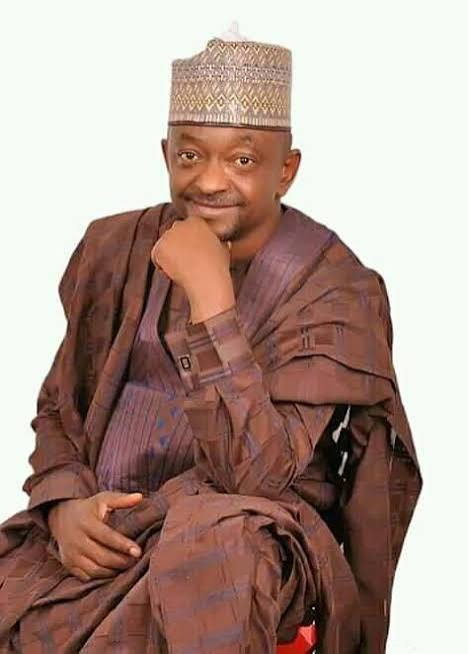
Former member of the House of Representatives from Plateau State, Hon. Timothy Golu, has described the establishment of the North Central Development Commission (NCDC) and similar regional development commissions across Nigeria’s six geopolitical zones as one of the most significant developments in the country’s quest for balanced development.
Golu spoke on the sidelines of a stakeholders’ development summit with the theme, “The Great Leap Forward: A 20-Year Economic, Infrastructural and Social Development Plan for the North Central Region.
”According to the former federal lawmaker, the idea of regional development commissions gained prominence with the establishment of the North East Development Commission (NEDC), following a bill sponsored by the then Speaker of the House of Representatives, Rt.
Hon. Yakubu Dogara, in 2018.He said Dogara personally sponsored the bill in response to the devastating effects of insurgency and underdevelopment in the North East, adding that all 48 members representing the region in the National Assembly supported the initiative.
Golu noted that Dogara’s decision to personally sponsor the bill was unusual because it required him to temporarily step down from the Speaker’s chair and allow the Deputy Speaker to preside over proceedings.
“He had a passion for the North East because he saw that his zone was the most devastated at that time as a result of the activities of Boko Haram,” Golu explained.
He said the commission was conceived to give the region focused attention in areas including security, agriculture, infrastructure and economic development, with funding provided through deductions from the Federation Account in addition to the regular allocations accruing to the states.
However, Golu alleged that the bill suffered delays at the executive level for political reasons before it was eventually assented to by former President Muhammadu Buhari.
He attributed the eventual assent partly to interventions by then First Lady, Aisha Buhari, who, according to him, recognised the implications of allowing the North East to remain without the intervention mechanism.
The former lawmaker said the experience of the North East Development Commission inspired him to introduce a bill for the establishment of the North Central Development Commission.
Golu recalled that the North Central region was already experiencing worsening insecurity, particularly in Plateau, Benue, Taraba and parts of the Middle Belt, even before the scale of insecurity later witnessed in the North West.
“I was attracted, and we have similar problems with the North East. The banditry and insurgency were moving to the North Central,” he said.
He disclosed that he secured support from lawmakers across the North Central, irrespective of religious or political affiliation, but encountered resistance arising from tensions surrounding other legislative and constitutional issues at the time.
According to him, the development commission bill proposed by lawmakers from the South East had been rejected by the House shortly before he was scheduled to present the North Central bill.
Golu said the development led the then Speaker to advise him to withdraw his own bill temporarily to avoid suffering a similar fate.
“After talking to my colleagues, the then Minority Leader from Kogi State supported me, and I had taken all the suggestions and signatures from North Central, both Christians and Muslims. Everybody within the North Central was supporting the bill,” he recalled.
He said the establishment of development commissions for all six geopolitical zones eventually received greater political acceptance under the present administration, culminating in the passage and assent of the relevant legislation.
Golu stressed that the regional commissions represented more than development agencies, arguing that they could eventually become an important component of a broader restructuring of Nigeria’s political and administrative system.
According to him, the commissions could create a framework in which governance operates at four levels — local government, state, geopolitical zone and federal government.
“We now have four levels of government instead of three: you have the local government, the states, the zones and then the federal government,” he said.
He proposed that governors within each geopolitical zone could periodically elect a leader to coordinate regional affairs, while legislative structures at the regional level could provide oversight and representation.
Golu argued that such a system would enable issues peculiar to individual regions to be addressed closer to the people, while state and federal institutions would retain responsibility for matters within their respective jurisdictions.
He predicted that future constitutional amendments could further devolve powers from the federal government to the geopolitical zones and states.
“There will be a complete restructuring, while there will be exclusive items that only the federal government will do. There will be concurrent issues that both the zones, the federal and the state will do,” he said.
The former lawmaker described the establishment of the North Central Development Commission as timely, arguing that the commission would complement existing federal ministries and agencies by bringing development interventions closer to the people.
He said the impact of the North East Development Commission already offered an indication of what could be achieved through targeted regional intervention.
“They are just taking off,” Golu said when asked about measurable impacts of the commissions, noting that the North East commission had, however, recorded progress in employment generation, skills acquisition, agriculture and economic empowerment.
He described the intervention as an important non-kinetic approach to addressing insecurity, arguing that providing jobs, skills and economic opportunities could reduce the pool of unemployed young people vulnerable to recruitment by criminal and extremist groups.
“This is one of the non-kinetic measures of fighting insecurity. Those who would have been involved because they were jobless are now engaged,” he said.
Golu also cited the intervention in the Niger Delta as an example of how targeted regional development programmes could contribute to reducing insecurity.
He recalled that following the escalation of militancy in the Niger Delta, the administration of late President Umaru Musa Yar’Adua introduced an amnesty programme for militants and established the Ministry of Niger Delta Affairs, alongside other interventions.
According to him, the approach demonstrated that security operations alone cannot permanently resolve conflicts rooted in economic deprivation and underdevelopment.
He acknowledged concerns over the management of resources allocated to regional intervention agencies but maintained that effective leadership could turn the commissions into powerful engines of infrastructure, employment and economic development.
“If you have good people who manage well, you see the number of roads in the Niger Delta, at least there is an increase, and then the level of attention,” Golu said.
He therefore urged stakeholders in the North Central to take ownership of the NCDC and develop a long-term development agenda capable of transforming the region economically, socially and infrastructurally.
The former lawmaker said the proposed 20-year development plan for the North Central should serve as a roadmap for leveraging the commission to address the region’s infrastructure deficit, insecurity, unemployment, agricultural challenges and other structural impediments to development



Sasakawa Africa Establishes Agro-Enterprise Centre, Empowers Over 8900 Smallholder Farmers In Benue
ShareFrom Attah Ede Makurdi The Sasakawa Africa Association Nigeria (SAA Nigeria), with funding support from The Nippon Foundation (TNF), has...

Hope Rekindled as Ankwa Amo Inspects Modern Market, Promises Govt Attention
ShareBy Julius Tambaya, Abuja Hope of renewed government intervention has risen among traders at Modern Market, Makurdi, following an inspection...


North Central Devt Commission ‘ll Drive Regional Transformation, Restructuring – Golu
ShareBy David Torough, Abuja Former member of the House of Representatives from Plateau State, Hon. Timothy Golu, has described the...
Fire at Nursing Home in Chile Kills 16
ShareA fire at a nursing home in Chile has killed 16 people, authorities said Saturday. The blaze began on Friday...
Yazeed Al Rajhi Returns to Baja Aragon with Dennis Zenz
ShareSaudi Arabian World Champion Yazeed bin Mohammed Al-Rajhi is set to resume competition at Baja Espana Aragon 2026 following its...


Trump Turns to Golf, Family Business on Irish Visit’s Second Day
ShareDonald Trump turns his focus Sunday to golf and promoting his business interests, as he wraps up a two-day visit...
Legendary Canadian Boxer George Chuvalo Dies at 89
ShareCanadian boxer George Chuvalo, a five-time national heavyweight champion, has died at the age of 89. Out of 93 total...


Antonelli Wins as Norris Loses out Under Virtual Safety Car
ShareMercedes driver Kimi Antonelli won the Spanish Grand Prix after McLaren’s Lando Norris lost out because of the bad timing...
Andy Burnham among Great North Run finishers
ShareThe Great North Run (GNR) returned to Tyneside this weekend, with 63,000 runners taking part in the world’s biggest half...


Serena Reflects On First Pregnancy
ShareVeteran US tennis star Serena Williams has disclosed that being heard by medical professionals after experiencing life-threatening childbirth complications literally...