
Education
500,000 Admission Vacancies Not Taken Up in 2018 – JAMB

Over 500,000 admission spaces were not utilised in the 2018 admissions in tertiary institutions in Nigeria, the Joint Admissions and Matriculation Board (JAMB) has said.
The board disclosed this in its weekly bulletin which was made available to the News Agency of Nigeria (NAN) on Sunday, in Abuja.
NAN reports that the statistics by the board for its 2018 admissions in the country’s tertiary institutions showed a total of 1,126,025 quota for universities, polytechnics, colleges of education and innovation enterprise institutes (IEIs).
According to the billetin, a total of 585,498 quota, out of the total sum, were utilised, while a total of 527,815 slots were not utilised in the 2018 admission process.
The board’s Head of Media, Dr Fabian Benjamin, in a telephone interview with NAN, explained that the release of the official statistics became necessary in order to ensure transparency.
He added that it was also meant to do away with misleading information about the entire previous processes.
Benjamin noted that the board hoped to utilise 80 to 90 percent of the available spaces for the 2019/2010 admission.
He said the over 300,000 candidates, who met admission requirements, had so far been offered placements into universities for the 2019/2020 academic session.
The JAMB spokesman explained that the board’s projection for this year’s admission was to ensure that candidates utilised more available spaces, unlike in 2018 where about 40 percent of spaces were not utilised.
NAN also reports that the board had earlier stated that it would adhere to its admission deadline.
According to JAMB, the first choice admission for public universities, which commenced on Aug. 21, will last till Nov. 16, while that of private universities, which commenced on Aug. 21, had Feb. 15, 2020 as deadline.
The board also said the second choice admissions for public universities would commence from Nov. 17 till Dec. 17. (NAN)


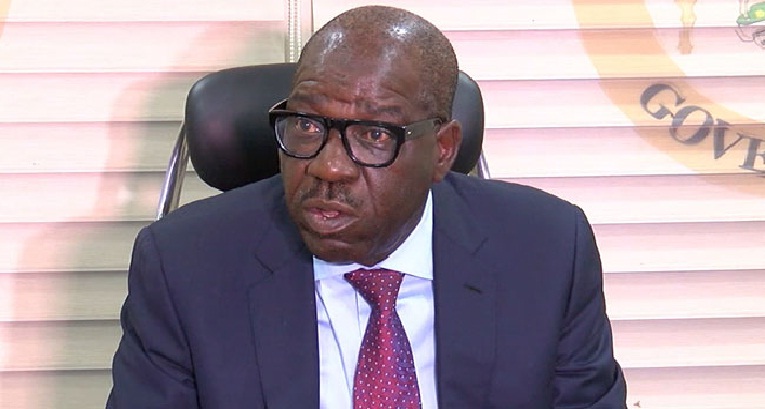




The Federal Government has approved N4bn for the payment of allowances to Nigerian students studying abroad under the Bilateral Education Agreement.
The approval follows outcries from the beneficiaries who had lamented that they were being pushed into forced labour and prostitution due to prolonged hardship occasioned by the nonpayment of their allowance by the Federal Government.
The Minister of Education, Tunji Alausa, disclosed that the fund, representing part of the N8bn budgeted for the programme this year, had been released as the first tranche to address outstanding payments owed to the scholars.
“The Federal Ministry of Finance has approved N4bn to pay the first tranche, and I am working with the Minister of Finance to settle the remaining N4bn. Hopefully, in the next few weeks, they will receive all their allowances for 2025 and 2026.
According to him, efforts are ongoing between both ministries to ensure that all outstanding payments are cleared, with the balance expected to be released within four weeks.
The development follows a disturbing viral video from affected students across countries, including Russia, Serbia and Venezuela, who said delays in stipends spanning over a year had left many struggling to survive, with some resorting to menial jobs while others claimed female students had been forced into prostitution.
The outcry comes barely a year after the Federal Government terminated the scholarship programme and promised to ensure that current students are funded to complete their studies.
In 2025, the minister cited inefficiency and misallocation of national resources as reasons for terminating the programme, following similar complaints from previous beneficiaries.
The programme, established through diplomatic partnerships, had enabled Nigerian students to study in countries such as China, Russia, Hungary, Morocco, Algeria, Egypt and Serbia.
He explained that the scheme had become unsustainable, noting that the government planned to spend about N9bn on just 1,200 students in 2025.
However, the minister assured that all current beneficiaries of the scheme would continue to receive full government support until they complete their studies and return to Nigeria.
Despite assurances that current beneficiaries would not be affected, several students said they had not received stipends for over two years, leaving them stranded.
In the viral video, about 16 Nigerian scholars in Russia appealed to the government for urgent intervention, describing their situation as dire.
One of the students, a fifth-year medical student in Rostov, said many had been pushed into extreme conditions to survive.
A student leader in Russia, who spoke on condition of anonymity, confirmed the development recently, lamenting that the rising cost of living and currency challenges had worsened their situation.
She added that restrictions on student work permits in some countries further limit their ability to earn income.
Another student in Venezuela described the situation as abandonment, noting that scholars from other countries receive regular support from their governments.
He said, “It is only Nigerians that are abandoned. Other countries like Mozambique, Burkina Faso, and Brazil, send delegates to check on their students and pay them, but no one comes from Nigeria.
A parent of an affected scholar, who spoke anonymously with our correspondent, said relevant government agencies had been engaged to facilitate the payment.
“The situation requires prompt attention. These children were sent abroad through a government programme. There have been delays in stipends despite repeated appeals to the Ministry of Finance, Ministry of Education and other agencies.”
The Federal Government had earlier, in January, dismissed claims that Nigerian scholarship students in Morocco were abandoned, following a viral video that showed some students facing hardship, including homelessness and lack of medical support.
The video, shared on X by activist Martins Otse, featured interviews with Nigerian students in Morocco who alleged they had gone for years without receiving financial support despite being beneficiaries of government scholarships.
Reacting, the Federal Ministry of Education, in a statement signed by its Director of Press and Public Relations, Boriowo Folasade, insisted that no student on a valid Federal Government scholarship had been neglected.
Alausa was quoted as saying that all beneficiaries enrolled under the Bilateral Education Scholarship Programme before 2024 had received payments up to the 2024 budget year in line with government obligations.
The statement noted that any delays in outstanding payments were due to fiscal constraints and were being addressed through ongoing engagements between the Ministry of Education and the Ministry of Finance.

The Federal Government has approved N4bn for the payment of allowances to Nigerian students studying abroad under the Bilateral Education Agreement.
The approval follows outcries from the beneficiaries who had lamented that they were being pushed into forced labour and prostitution due to prolonged hardship occasioned by the nonpayment of their allowance by the Federal Government.
The Minister of Education, Tunji Alausa, disclosed that the fund, representing part of the N8bn budgeted for the programme this year, had been released as the first tranche to address outstanding payments owed to the scholars.
“The Federal Ministry of Finance has approved N4bn to pay the first tranche, and I am working with the Minister of Finance to settle the remaining N4bn. Hopefully, in the next few weeks, they will receive all their allowances for 2025 and 2026.
According to him, efforts are ongoing between both ministries to ensure that all outstanding payments are cleared, with the balance expected to be released within four weeks.
The development follows a disturbing viral video from affected students across countries, including Russia, Serbia and Venezuela, who said delays in stipends spanning over a year had left many struggling to survive, with some resorting to menial jobs while others claimed female students had been forced into prostitution.
The outcry comes barely a year after the Federal Government terminated the scholarship programme and promised to ensure that current students are funded to complete their studies.
In 2025, the minister cited inefficiency and misallocation of national resources as reasons for terminating the programme, following similar complaints from previous beneficiaries.
The programme, established through diplomatic partnerships, had enabled Nigerian students to study in countries such as China, Russia, Hungary, Morocco, Algeria, Egypt and Serbia.
He explained that the scheme had become unsustainable, noting that the government planned to spend about N9bn on just 1,200 students in 2025.
However, the minister assured that all current beneficiaries of the scheme would continue to receive full government support until they complete their studies and return to Nigeria.
Despite assurances that current beneficiaries would not be affected, several students said they had not received stipends for over two years, leaving them stranded.
In the viral video, about 16 Nigerian scholars in Russia appealed to the government for urgent intervention, describing their situation as dire.
One of the students, a fifth-year medical student in Rostov, said many had been pushed into extreme conditions to survive.
A student leader in Russia, who spoke on condition of anonymity, confirmed the development recently, lamenting that the rising cost of living and currency challenges had worsened their situation.
She added that restrictions on student work permits in some countries further limit their ability to earn income.
Another student in Venezuela described the situation as abandonment, noting that scholars from other countries receive regular support from their governments.
He said, “It is only Nigerians that are abandoned. Other countries like Mozambique, Burkina Faso, and Brazil, send delegates to check on their students and pay them, but no one comes from Nigeria.
A parent of an affected scholar, who spoke anonymously with our correspondent, said relevant government agencies had been engaged to facilitate the payment.
“The situation requires prompt attention. These children were sent abroad through a government programme. There have been delays in stipends despite repeated appeals to the Ministry of Finance, Ministry of Education and other agencies.”
The Federal Government had earlier, in January, dismissed claims that Nigerian scholarship students in Morocco were abandoned, following a viral video that showed some students facing hardship, including homelessness and lack of medical support.
The video, shared on X by activist Martins Otse, featured interviews with Nigerian students in Morocco who alleged they had gone for years without receiving financial support despite being beneficiaries of government scholarships.
Reacting, the Federal Ministry of Education, in a statement signed by its Director of Press and Public Relations, Boriowo Folasade, insisted that no student on a valid Federal Government scholarship had been neglected.
Alausa was quoted as saying that all beneficiaries enrolled under the Bilateral Education Scholarship Programme before 2024 had received payments up to the 2024 budget year in line with government obligations.
The statement noted that any delays in outstanding payments were due to fiscal constraints and were being addressed through ongoing engagements between the Ministry of Education and the Ministry of Finance.

The Federal Government has approved exemption of candidates seeking admission into the National Certificate in Education (NCE) programme with a minimum of four credits from sitting for the Unified Tertiary Matriculation Examination (UTME).
The Minister of Education, Dr.
Tunji Alausa, announced the policy on Monday in Abuja, at the 2026 Policy Meeting on Admissions into Tertiary Institutions organised by the Joint Admissions and Matriculation Board (JAMB).The event also featured the 6th Edition of the National Tertiary Admissions Performance-Merit (NATAP-M) awards.
Alausa said the decision followed consultations with stakeholders aimed at expanding access to teacher education and strengthening enrollment in Colleges of Education (CoE) nationwide.
He explained that eligible candidates would, however, be required to register with JAMB for proper screening, verification and issuance of admission letters through the Central Admissions Processing System (CAPS).
According to him, the exemption is part of deliberate reforms to harness the admission capacity of colleges of education, particularly within local communities.
“Accordingly, candidates seeking admission into the NCE programme, who possess a minimum of four credit passes, will no longer be required to sit for the UTME.
“However, it is imperative to emphasise that such candidates shall mandatorily register with JAMB, and their credentials shall be duly screened, verified, and certified for the issuance of admission letters thr“In recognition of this reality, the Federal Ministry of Education, in consultation with relevant stakeholders, has taken a deliberate policy position.
ough CAPS, in accordance with extant regulations.”
The minister added that the exemption would also apply to candidates seeking admission into National Diploma programmes in non-technology agricultural and agriculture-related courses.
He said the measure was designed to ease pressure associated with UTME, while encouraging participation in critical sectors essential to national development.
He reiterated that admissions conducted outside CAPS remained illegal and would not be recognised by the government.
He also warned that institutions violating established admission procedures risked sanctions, including suspension of operating licences where applicable.
Alausa reaffirmed the government’s position on 16 years as the minimum admission age into tertiary institutions, noting that the decision aimed at maintaining inclusivity and academic readiness.
He noted that the federal government was implementing wide-ranging reforms in the education sector focused on access, quality, governance and accountability.
He commended JAMB for deploying technology-driven solutions that enhanced fairness and credibility in the admissions process.
He added that efforts were ongoing to deepen inclusion for Persons living With Disabilities through application fee waivers and targeted support initiatives.
“This initiative is not only humane but also a powerful affirmation of our national commitment to equity and equal opportunity.
“The increasing participation of candidates with disabilities in our examinations and admissions processes is clear evidence that when barriers are removed, potential is unleashed,” Alausa said.
The minister further disclosed that the government was advancing digital transformation in education through expanded computer-based testing and integration of artificial intelligence and emerging technologies into curricula.
He said the federal government had equally achieved progress in stabilising the university system, following successful renegotiation of agreements aimed at ensuring uninterrupted academic calendars.
Alausa reaffirmed the government’s commitment to combating examination malpractice through strengthened verification systems and enhanced collaboration among relevant agencies.
He urged stakeholders to uphold integrity and fairness in admissions decisions, noting that outcomes of the policy meeting would affect millions of Nigerian youths seeking tertiary education opportunities.


Security Guard Allegedly Abducts Employer’s Children in Minna
ShareFrom Dan Amasingha, Minna A businessman, Alhaji Danjuma, resident in the Brighter Area of Minna, Niger State, has appealed for prayers and...


Ndidi Leads Eagles for Poland Friendly
ShareSuper Eagles captain Wilfred Ndidi has joined the rest of the squad in Warsaw ahead of Wednesday’s international friendly against Poland. Ndidi and other stars such as Moses...


DR Congo Reopens Bunia Airport after 10-Day Closure amid Ebola Outbreak
ShareAuthorities in the Democratic Republic of Congo (DRC) have reopened the main airport in Ituri Province, the epicentre of the country’s ongoing Ebola outbreak, after a...

Customs, World Bank Group Strengthen Post Clearance Audit Capacity
ShareBy Tambaya Julius, Abuja The Nigeria Customs Service (NCS) has commenced a two-week Technical Assistance Mission on Post Clearance Audit (PCA) in collaboration with the World Bank Group under the...
Civilian Protection Now Central to Air Operations – CAS
ShareChief of the Air Staff (CAS), Air Marshal Sunday Aneke, said civilian protection has become a central consideration in the planning and execution of Nigerian Air Force (NAF) operations. Aneke stated...


Cardoso Re-assigns Deputy Govs, Ikeazor Takes over Policy Directorate
Share Governor of the Central Bank of Nigeria (CBN), Olayemi Cardoso, has re-assigned all four deputy governors of the institution....

Oyo Abduction: Teachers Protest Nationwide, Demand Release of Colleagues
ShareBy Laide Akinboade, Abuja and Ene Asuquo, Calabar A wave of national concern over worsening insecurity swept across Nigeria on Tuesday...

INEC Launches Probe Into Alleged Voter – data Leak
ShareBy David Torough, Abuja The Independent National Electoral Commission has commenced an investigation into allegations of unauthorised access to its...


2027: Voting Dr. Abraham, A Smart Decision For Gitata/Karu Constituency
ShareBy Tambaya Julius, Abuja Every community benefits from individuals who are willing to shoulder responsibility, listen attentively, and work consistently...


Artificial Intelligence: A Threat to Humanity or a Catalyst for Human Growth?
ShareAn Exclusive Interview with Engr. Mazen Kalassina In recent years, Artificial Intelligence has evolved from a specialized technology into a...