
BUSINESS
FG Restates Commitment to Regional Trade Integration through ETLS

The Federal Government has restated its commitment to deepening regional trade integration and promoting exports through the ECOWAS Trade Liberalisation Scheme (ETLS).
The Minister of State for Foreign Affairs, Amb.
Sola Enikanolaiye, stated this on Saturday in Bauchi at the ETLS sensitisation workshop for the North-East zone.The workshop was organised with the theme: “Increasing Intra-Regional Trade through the ECOWAS Trade Liberalisation Scheme (ETLS).
”Enikanolaiye urged local businesses and manufacturers to take advantage of the scheme to increase production, create jobs and boost wealth creation.
He said the sensitisation was aimed at creating awareness and improving businesses’ and manufacturers’ understanding of the ETLS and its benefits.
According to him, the scheme is designed to enhance economic cooperation and trade integration among ECOWAS member states and accelerate regional economic growth.
The minister said the ETLS would provide market access for manufacturers and businesses across the ECOWAS member states.
He added that the scheme would help businesses expand their customer base, increase revenue and contribute to Nigeria’s economic growth and prosperity.
Enikanolaiye described the ETLS as a cornerstone of regional trade integration and free trade, aimed at establishing a common economic union among member states.
He said the scheme sought to eliminate customs duties on qualifying products and promote the implementation of a unified customs policy within the subregion.
“The scheme will provide an opportunity to foster greater economic integration and unlock the potential of intra-regional trade.
“The ministry prioritises the wellbeing of Nigerians by involving people at the grassroots in its programmes and foreign policy formulation,” he said.
The minister urged businesses and manufacturers in the North-East to utilise the opportunities provided by the scheme to expand production and promote sustainable economic growth.
He also called for the processing of agricultural produce and raw materials in Bauchi and other parts of the region to support industrial growth and strengthen value chains.
According to him, improved value addition would promote exports, economic diversification and regional trade integration.
Enikanolaiye said the initiatives were part of efforts to support the government’s target of achieving a $1 trillion economy.
Inaugurating the workshop, Gov. Bala Mohammed of Bauchi State said the ETLS aligned with his administration’s development agenda of positioning the state as a trade hub in the region.
Represented by his Deputy, Auwal Jatau, the governor reiterated his commitment to job creation and economic diversification through Public-Private Partnerships (PPPs).
Mohammed said the scheme should create an enabling environment for the integration of the North-East trade corridor, attract investments and remove barriers to legitimate trade.
He assured that the state government would support programmes aimed at promoting manufacturing, businesses and trade.
The governor commended the Ministry of Foreign Affairs, ECOWAS Commission and other stakeholders for organising the workshop.
He called for stronger partnerships to mobilise greater participation in the scheme.
Also, the Permanent Secretary, Ministry of Foreign Affairs, Amb. Dunoma Ahmed, said the ETLS provided local manufacturers, farmers and entrepreneurs with opportunities to expand their businesses across the subregion.
Ahmed, represented by Amb. Ali Gombe, stressed the need for collaboration among stakeholders to ensure effective implementation of the scheme.
On his part, Aminu Ashimi, President of the North-East Chamber of Commerce, called for continuous training of businesses on the ETLS and the formalisation of informal trade to improve productivity and stimulate economic growth.
Ashimi pledged to sensitise members of the chamber on the scheme and encourage them to register under the ETLS and the African Continental Free Trade Area (AfCFTA).
The workshop was attended by manufacturers, entrepreneurs and government officials from Adamawa, Bauchi, Borno, Gombe, Taraba and Yobe. (NAN)
By Tony Obiechina, Abuja
The National Bureau of Statistics (NBS) said Nigeria recorded a trade surplus of N12.59trn from the total N41.44trn trade with other countries conducted in the second quarter of 2026.
The NBS, in its Foreign Trade report, stated that the surplus represented a 101.
32% increase compared with the value recorded in the corresponding quarter of 2025.The report noted that Nigeria’s total merchandise trade stood at N41.44trn in Q2 2026, representing an increase of 5.61% from N39.24trn recorded in the corresponding quarter of 2025 and a 19.
13% increase from N34.78trn recorded in the preceding quarter.It further stated that during the quarter, exports accounted for 65.20% of total trade valued at N27trn, an 18.77% increase from the N22.75trn recorded in the corresponding quarter of 2025 and a 27.64% increase from N21.16trn recorded in Q1 2026.
“Analysis shows that crude oil remained Nigeria’s major exported commodity in the second quarter of 2026, valued of N12.91trn and accounting for 47.79% of total exports. Further analysis reveals that non-crude oil exports were valued at N14.10tr, representing 52.21% of total exports, of which non-oil products contributed N3.72trn, or 13.80% of total exports.”
It noted that China remained the leading source of imports in the second quarter of 2026, followed by the United States of America, India, The Netherlands, and Germany.
The most imported commodities during the quarter were Motor Spirit Ordinary, petroleum oils and oils obtained from bituminous minerals (crude), durum wheat, used vehicles with diesel or semi-diesel engines and Motorcycles and cycles fitted with auxiliary motor, petrol fuel, capacity.
Also, the value of agricultural goods imported in Q2 2026 stood at N1.20trn, representing a 1.63% increase compared to N1.18trn recorded in Q2 2025, and a 45.43% increase relative to N827.72 billion recorded in Q1 2026.
“In the same period, the import value of raw material goods was N1.79trn, representing a 4.11% increase from N1.71trn in Q2 2025, and a 13.12% increase compared to N1.582.36trn in the preceding quarter (Q1 2026). Solid mineral imports were valued at N56.99bn, representing a 19.60% decrease from N70.88bn billion in Q2 2025 and 18.30% decrease compared to N69.75bn recorded in Q1 2026.
By David Torough, Abuja
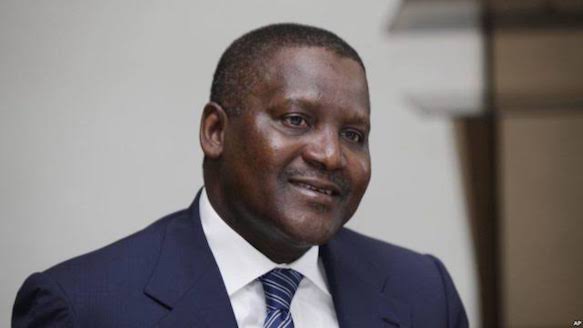
President of Dangote Industries Limited, Aliko Dangote, has unveiled plans to open ownership of the Dangote Petroleum Refinery to millions of ordinary Nigerians and Africans, describing the proposed initial public offering as an “IPO for the people” aimed at democratising wealth creation.
Dangote, who spoke in Lagos on Monday after signing the registration documents for the proposed public offer, said drivers, cooks, traders, servants, managers, salary earners and other ordinary investors would have the opportunity to acquire shares in the massive refinery.
The offer comprises 4.1 billion ordinary shares priced at N525 each and is expected to raise just over N2tn, with a minimum subscription of 10 shares. The refinery is valued at about $49bn, while the offer itself is valued at approximately $1.6bn.
The IPO is scheduled to open on September 14 and close on October 13.
Dangote said the primary objective was not to raise funds, stressing that the refinery already generates strong free cash flow and that the group had raised substantial capital through bonds and private placements.
Rather, he said, the offer was designed to spread ownership of what he expects to become Africa’s biggest company among millions of people.
“It’s about getting our own Africans generally to be part and parcel of this refinery,” Dangote said, adding that the company was targeting 10 million shareholders from Africa and other parts of the world.
He explained that the company could have offered a larger stake if raising money was its sole objective, but deliberately limited the offer to encourage wider participation.
Dangote said the initiative was also about creating a lasting legacy by allowing ordinary people to benefit from the growth of major African businesses.
He likened the potential opportunity to early investments in major global corporations, saying he wanted investors to build substantial wealth over time by owning shares rather than having to establish businesses themselves.
The billionaire businessman also disclosed strong interest from strategic investors, including the Abu Dhabi National Oil Company (ADNOC), as well as governments and other parties.
He declined to provide details, citing non-disclosure agreements, but confirmed that several investors had reached agreements with the company.
“We have agreements with other people; it’s not only ADNOC. Other people too. They are very, very interested. There are other governments too; they have invested and they are also investing more money,” he said.
According to Dangote, investor appetite for the refinery has already been demonstrated. He recalled that when the company sought $1bn from private investors, demand reached $3.7bn, forcing the company to accept $2.5bn and return approximately $1.2bn to investors.
He expressed confidence that the public offer could similarly attract overwhelming demand.
Dangote, however, dismissed suggestions that the IPO was being driven by the current geopolitical crisis in the Middle East or other temporary market disruptions.
He said the refinery’s financial projections were based on normal market conditions before the latest Middle Eastern crisis, arguing that a long-term investment could not be built around temporary geopolitical events.
According to him, the refinery is intended to operate for decades and potentially outlive its current owners and managers.
The businessman also reflected on the difficult journey to establish the refinery, recalling that the project encountered years of delays over land, licensing and location issues.
He said the company spent three years and eight months at Olokola before eventually moving to the Lekki Free Zone, where it spent more than another year and a half securing access to the land.
Dangote acknowledged the contributions of former Lagos governors Babatunde Fashola and Akinwunmi Ambode, as well as incumbent Governor Babajide Sanwo-Olu, to the project.
He also recalled resistance from members of the Lekki community during the company’s attempts to gain access to the site, describing the refinery’s eventual emergence as the result of years of perseverance and support from various stakeholders.
Reflecting on the milestone, Dangote expressed gratitude for being alive to witness the refinery reach the IPO stage.
He said the project represented more than a private industrial investment, describing it as part of a broader effort to strengthen Africa’s economic independence.
Dangote urged Nigerians and other Africans to take greater responsibility for developing the continent’s industrial capacity, arguing that economic strength would give African countries greater leverage in international negotiations.
He said the Dangote Group’s Vision 2030 was centred on “accelerating Africa’s industrialisation,” stressing that industrialisation could not succeed without energy security.
The group, he added, intends to extend its industrialisation drive beyond Nigeria, with expansion plans in countries including Ethiopia, Kenya, Tanzania and Namibia.
Dangote said the refinery, together with the group’s other investments such as its fertiliser business, was intended to create opportunities for African entrepreneurs and investors while keeping more of the continent’s raw-material processing within Africa.
Meanwhile, an independent check by our correspondent on Monday afternoon showed that the refinery had not yet been officially listed or commenced trading on the Nigerian Exchange, Bamboo or other investment platforms.
The public offer is expected to formally open to investors on September 14.
From Yagana Ali, Yola
The Adamawa State Government has renewed its commitment to improving the livelihoods of farmers by promoting safer, more sustainable agricultural practices and creating opportunities for local farmers to compete in both domestic and international markets.
The government made the commitment on Friday, September 4, 2026, during a capacity-building workshop on Good Agricultural Practices (GAP) and pesticide management organised by the Nigerian Export Promotion Council (NEPC), North-East Regional Office, Yola.
The training, held at the Government Lodge in Numan, Numan Local Government Area, brought together more than 60 smallholder farmers and other agricultural stakeholders from Numan and Demsa Local Government Areas.
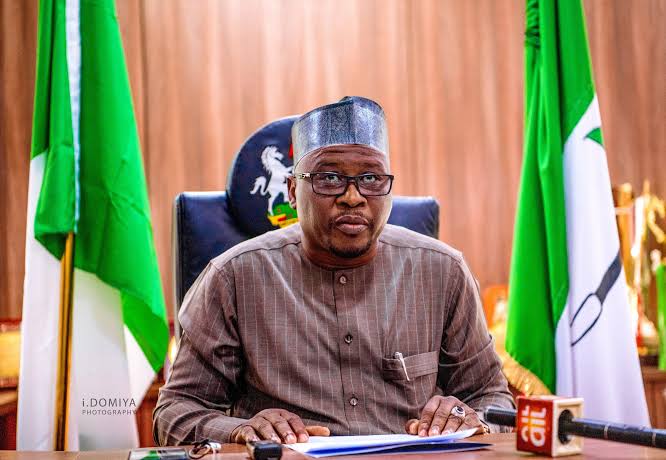
Representing the State Commissioner for Commerce, Trade and Industry, Hon. Joab Haggai Sahma, at the event, the Assistant Director in the Department of Commerce, Aliyu Yahaya Shehu, said the state government recognised farmers as critical drivers of economic growth and food security.
Shehu said the government remained committed to supporting farmers through the provision of agricultural inputs and other interventions designed to improve productivity, strengthen livelihoods and make agricultural products more competitive.
He noted that the state government, in collaboration with NEPC, had also facilitated the free registration of potential exporters, describing the initiative as an important step towards opening the door for more farmers and entrepreneurs to participate in the international trade market.
He urged farmers to take advantage of the opportunities available through government agencies and adopt modern and responsible farming practices that would enable them to produce quality commodities that meet the standards required in both local and international markets.
“Farmers must see agricultural production not only as a means of feeding their families but also as a viable business capable of connecting them to larger markets,” he said.
Speaking on behalf of the Executive Director of NEPC, Mrs Nonye Ayeni, the Council’s North-East Regional Coordinator, Dr. Ben Anani Egon, said the workshop was designed to strengthen the capacity of smallholder farmers on the safe, responsible and effective use of pesticides.
According to him, the training focused on critical areas including the proper handling, storage and application of pesticides, personal safety, environmental protection and compliance with relevant agricultural standards and regulatory requirements.
Egon explained that Nigerian agricultural commodities destined for international markets had continued to face rejection at border control points because of contaminants, particularly pesticide residues such as dichlorvos, exceeding the maximum permissible residue limits.
He said such rejections could undermine farmers’ incomes, damage Nigeria’s reputation in international markets and discourage potential buyers from sourcing agricultural products from the country.
He stressed that improving farmers’ knowledge of pesticide management was therefore essential to ensuring that agricultural commodities produced in Nigeria were safe, healthy and acceptable to consumers around the world.
The NEPC coordinator said the workshop was part of the Council’s pesticide management project under its risk management initiative, which seeks to tackle the rejection of Nigerian agricultural exports arising from excessive pesticide residues.
He assured farmers of NEPC’s continued partnership and support, noting that the Council would continue to work with relevant stakeholders to improve the quality, safety and marketability of agricultural products from Adamawa State.
One of the resource persons, Hajara Adamu, who delivered a presentation on Good Agricultural Practices, took participants through practical approaches to pesticide application and other safe farming techniques.
Adamu encouraged farmers to embrace environmentally friendly and sustainable methods capable of protecting their health, preserving the environment and maintaining the long-term productivity of their farms.
She also challenged participants to become ambassadors of safe agricultural practices by sharing the knowledge acquired with other farmers in their communities.
For the participants, the training provided more than just technical knowledge; it offered a clearer understanding of how improved farming practices could translate into better-quality produce, stronger incomes and greater access to lucrative markets.
Two participants, Clara Heman and Ark Audu, described the workshop as timely and impactful, saying the lessons had improved their understanding of safe pesticide use and modern agricultural practices.
They pledged to share the knowledge with other farmers in their respective communities to ensure that the benefits of the training extended beyond the participants.
The workshop concluded with the distribution of agricultural inputs, including knapsack sprayers, protective boots and other farming tools, to support participants in applying the lessons learned and boost agricultural productivity.
The initiative is expected to contribute to safer farming practices in Adamawa while strengthening the state’s capacity to produce quality agricultural commodities capable of meeting the growing demands of both domestic and international markets.




ONSA Begins First National Crisis Response Exercise Outside Abuja in Delta
ShareBy David Torough, Abuja The Office of the National Security Adviser (ONSA) has commenced the 2026 Rapid Response 3 (RR3)...
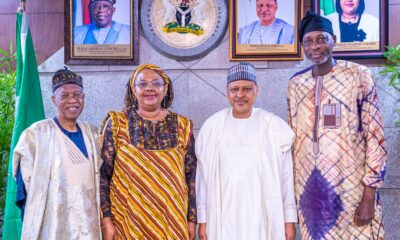

Information Minister Backs NIPSS Plan to Unlock Nigeria’s Orange Economy Potential
ShareBy David Torough, Abuja The Federal Government has pledged its support for the National Institute for Policy and Strategic Studies...


Akpodo Community Appreciates Lydia Memorial Hospital for Medical Outreach, Seeks Road Intervention
ShareBy David Torough, Abuja The Akpodo Community has paid a thank-you visit to the management and staff of Lydia Memorial...
NAFDAC Seeks Harsher Penalties for Counterfeiters
ShareThe National Agency for Food and Drug Administration and Control (NAFDAC) has renewed its call for harsher penalties for counterfeiters....
Nigeria’s Q2 2026 Data Narrative: A Triumph of Reforms or Just Recovery?
ShareBy Uddin Ifeanyi Against the backdrop provided by the incumbent government’s professed ambitions for the country, the 4.43 per cent...
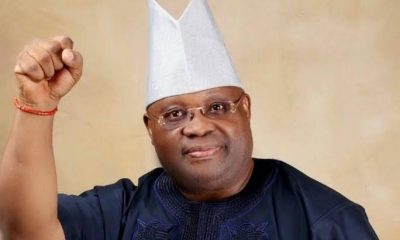

APC, PDP Challenge Adeleke’s August Win as Osun Tribunal Posts Petitions
ShareFrom Ayinde Akintade, Osogbo The All Progressives Congress has taken Osun state Governor Ademola Adeleke’s re-election to court as the...
GOC Fadairo Reaffirms Continuous Military Action against Separatist Threat
ShareFrom Sylvia Udegbunam, Enugu The General Officer Commanding (GOC) 82 Division, Nigerian Army, and Commander, Joint Task Force South East,...


Osun NSCDC Gets New Commandant
ShareFrom Ayinde Akintade, Osogbo The Commandant General of the Nigeria Security and Civil Defence Corps (NSCDC), Prof. Ahmed Abubakar Audi,...
How Nigeria is Closing the Net on Illicit Arms
ShareBy Sumaila Ogbaje Undoubtedly, the steady flow of illegal weapons is keeping Nigeria’s security crisis alive. From rural communities to...

ICPC’s Red Flag and Tinubu’s Response: Why Nigeria Must Stop Fighting Corruption Backwards
ShareBy Nafisat Bello There is something profoundly significant about an anti‑corruption agency raising a red flag — and the highest...