
BUSINESS
AfDB, PAPSS Promote Policy Alignment, Cheaper Payments across Africa

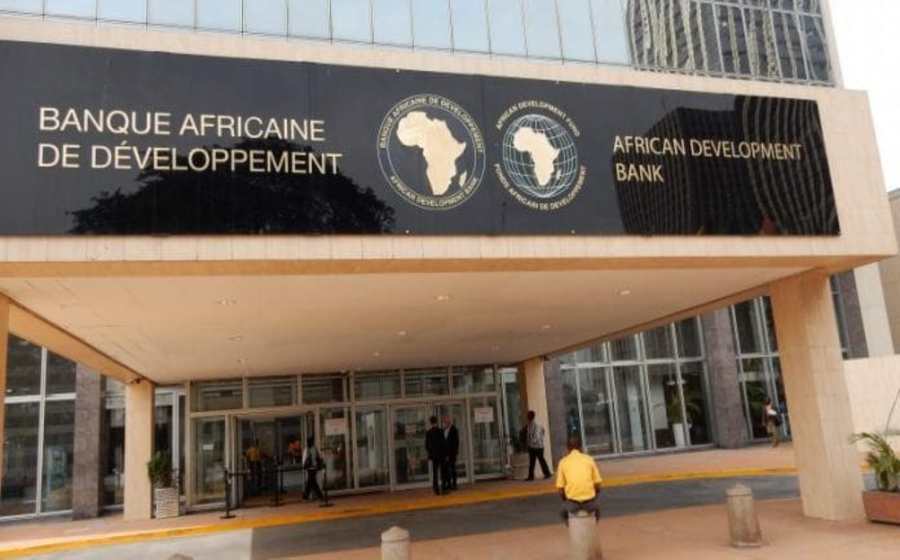
Director-General for Southern Africa, African Development Bank (AfDB), Dr. Kennedy Mbekeani, has called for stronger policy alignment and private capital mobilisation to unlock Africa’s trade potential under the African Continental Free Trade Area (AfCTA).
Mbekeani made the call while delivering a keynote address at the 2026 Africa Trade Conference in South Africa on Wednesday from Lagos.
The conference, organised by Access Bank, has the theme: “Turning Vision into Velocity: Building Africa’s Trade Ecosystem for Real-World Impact”.
According to him, Africa possesses the resources, institutions and capital needed to drive its development but must strengthen coordination and confidence in its own systems to accelerate economic growth and regional integration.
He noted that AfCTA provided a major opportunity to transform the continent into a single market capable of boosting production, consumption and trade among African countries.
“Africa has the resources, the financial institutions and the capital required for development. What we need is stronger coordination, improved policies and confidence in our own systems,” he said.
Mbekeani said the continent’s large population and vast natural resources placed it in a strong position to build one of the world’s biggest consumer markets if governments harmonised policies and created enabling environments for businesses.
According to him, Africa’s development challenge is not a lack of resources but the need to mobilise capital and channel it effectively into infrastructure and productive sectors.
“We must focus on mobilising private capital at a continental scale. The funds needed for Africa’s development already exist within the continent,” he said.
He urged African governments to deepen partnerships with the private sector in areas such as energy, transport, water and education to bridge the continent’s infrastructure deficit.
Mbekeani noted that successful public-private partnerships across several countries had shown that private investors could deliver critical infrastructure when supported by clear policies and effective regulation.
“We need governments to create enabling environments while the private sector participates actively in building the infrastructure that will support regional integration,” he said.
He also stressed the need for African institutions to shape the narrative about the continent’s investment climate, saying perceptions about risk in Africa were often exaggerated.
“Africa must begin to tell its own story. The perception of risk on the continent is sometimes higher than the reality,” Mbekeani said.
He added that stronger regional markets would reduce the continent’s exposure to global shocks and enable African countries to process more of their resources locally.
According to him, deeper economic integration will increase intra-African trade, strengthen supply chains and enhance the continent’s ability to withstand global disruptions.
Mbekeani said the AfCFTA represented a historic opportunity to build a truly integrated African market and urged governments, financial institutions and businesses to take concrete steps to turn the vision into reality.
The Chief Executive Officer of the Pan-African Payment and Settlement System (PAPSS), Mike Ogbalu, said high transaction costs and fragmented payment systems had long hindered trade within Africa.
Ogbalu noted that some of the world’s most expensive payment corridors existed in Africa, making cross-border transactions costly for businesses and individuals.
“It is ironic that the poorest people often pay the most to move money across borders. Some of the most expensive payment corridors in the world are in Africa,” he said.
He noted that PAPSS was created to address this challenge by enabling businesses and individuals to make cross-border payments in their local currencies across the continent.
Ogbalu explained that the platform allowed payments initiated in one African currency to be received in another within seconds, eliminating the need for third-party currencies and lengthy correspondent banking processes.
“A payment can originate in Nigeria in naira and arrive in Egypt in Egyptian pounds within seconds. That is the efficiency we are bringing to African trade,” he said.
According to him, the system guarantees that transactions are completed within 120 seconds, although most payments are currently processed in about 12 seconds.
He added that PAPSS had reduced the cost of cross-border payments by more than 98 per cent while ensuring transactions complied with global standards on anti-money laundering, sanctions screening and fraud management.
According to him, the platform currently operates in about 20 African countries with more than 170 participating commercial banks and fintech firms connected to the network.
“For many African entrepreneurs, their real market is not just their home country but the entire continent of over 1.4 billion people,” Ogbalu said.
He added that improving payment efficiency would help African businesses expand beyond national borders and unlock the full potential of intra-African trade under the AfCFTA.

The Federal Government announced on Sunday that electricity generation improved from 3,951 MW to 4,300 between March 28 and April 10.
This is contained in a statement issued by Bolaji Tunji, Special Adviser to the Minister of Power on Strategic Communications and Media Relations in Abuja.
The gradual rise in generation output within the period, Tunji said, was in tandem with the assurance given by the Minister of Power, Adebayo Adelabu, at the Power Sector Working Group, where he pledged that electricity supply would improve within two weeks.
He explained that this improvement closely aligns with the steady increase in gas supply to thermal power plants, which rose from approximately 605 million standard cubic feet (mmscfd) to over 704 mmscfd within the same timeframe.
Tunji further stated that mechanical availability remained stable and even improved, peaking at over 7,796 Megawatts (MW) in early April, while operational availability rose from about 4,208MW to a peak of over 4,694MW, indicating enhanced efficiency in converting available gas into electricity.
“Inspite of minor fluctuations recorded on some days, the overall trajectory points to a gradual recovery in the power sector, driven largely by improved gas supply and better coordination among critical stakeholders,” he said.
Tunji also said that the strong correlation between gas availability and generation output underscores the importance of sustained interventions in the gas-to-power value chain, given Nigeria’s heavy reliance on thermal power plants.
”To consolidate the gains recorded so far, the minister recently inaugurated a Gas-to-Power Monitoring Committee to ensure improved coordination, real-time monitoring, and sustained gas supply to generating companies.
“The committee is expected to address bottlenecks in gas delivery, enhance synergy between gas producers and power generation companies, and ultimately guarantee a more stable and reliable electricity supply across the country, “he said.
“The minister remains committed to ensuring that the modest gains recorded are not only sustained but significantly improved upon in the coming weeks,” he said.
Tunji assured Nigerians that ongoing reforms and targeted interventions in the sector would continue to yield measurable improvements in power generation and supply, in line with the administration’s broader objective of stabilising the nation’s electricity sector.
“We are not there yet, but we will continue to ensure measurable improvements, “he said.
Tunji also said that the minister urged the new management of the Nigeria Electricity Management Services Agency (NEMSA) to focus on improving its Internally Generated Revenue (IGR).
The minister spoke during the visit of the newly appointed Managing Director of the agency, Olusegun Adesayo and the chairman of the Board, Ikechi Nwosu to his office at the weekend.
Adelabu said that the agency should focus on improving IGR while reducing dependence on appropriation, especially in funding their operational cost.
He also urged the management to look into establishing more meter testing centres across the country in order to enhance and improve on their role.
While expressing confidence in the new management, he assured that the full board would be inaugurated soon.
“I have no doubt about your ability and I can also say that with your appointment by the president, you will do well. The President knows what he is doing by appointing you and any appointee of the president will have my full cooperation, “he said.
Decrying the dearth of manpower, especially meter installers, the minister again reiterated his call for collaboration between the National Power Training Institute of Nigeria (NAPTIN) and NEMSA to tackle the issue.
“We need to ensure more installers are trained in order to accelerate the government’s plan to bridge the meter gap in the country, “he said.
On meter testing stations, he said that there should be a plan towards having them in each of the geo-political zones.
He urged Adesayo to conduct a comprehensive diagnosis of the agency and list the challenges in order to know where to start from.
Earlier, the Managing Director may have informed the minister of his visit to the other agencies to get their support.
He also spoke on the required support from the ministry in order to ensure the successful discharge of the agency‘s responsibilities.

By Tony Obiechina, Abuja
The National Insurance Commission (NAICOM) reaffirmed a strong commitment to maintaining high labour standards and promoting the welfare of all staff in the country.
Disclosing this in a statement on Monday NAICOM said as a forward looking regulatory institution, the Commission recognises that its effectiveness depends largely on the professionalism, dedication, and wellbeing of its workforce.
Continuing, it said “Since the current leadership assumed office, NAICOM has continued to take deliberate steps to improve working conditions and enhance staff welfare.
These efforts include strengthening internal processes, providing a supportive and enabling work environment, and promoting a workplace culture built on fairness, productivity, mutual respect, and accountability.“Staff welfare remains a key priority of the Commission. In recent years, noticeable progress has been made in areas such as training and capacity development, career growth, workplace improvements, and performance based advancement. These initiatives reflect NAICOM’s commitment to building a skilled, motivated, and results driven workforce aligned with its strategic goals.
“NAICOM operates a transparent and merit based human resource system in full compliance with public service rules and applicable regulatory frameworks. Promotion exercises are conducted strictly in line with due process and are based on clear, objective, and verifiable criteria. All staff are treated equally, with no room for favouritism or bias.
“The Commission also places high importance on discipline, integrity, and positive working relationships across all levels. NAICOM remains committed to fostering a work environment guided by equity, transparency, and nondiscrimination in all engagements and decisions.
“Management remains open to constructive dialogue and engagement. Staff are encouraged to make use of established internal mechanisms for communication and dispute resolution, rather than actions that may disrupt operations or affect public confidence in the Commission.
NAICOM assures all stakeholders of its continued investment in staff welfare, professional development, and institutional excellence, in line with global best practices and its statutory responsibilities.
“The Commission remains committed to creating a harmonious and productive work environment while fulfilling its mandate to regulate, supervise, and strengthen Nigeria’s insurance industry, ” it added.
Meanwhile, NAICOM has alleged that there was an attempt on Monday by certain individuals to undermine the credibility of the current leadership through external actors.
“We are pleased to state that this effort was unsuccessful, as it was firmly rejected by disciplined and committed members of staff who declined to be associated with unfounded claims. The situation has since been effectively resolved, and normalcy has been fully restored.
“All operations remain uninterrupted, and NAICOM continues to uphold the highest standards of professionalism, fairness, dedication, and accountability in service to the Nigerian public”, the statement concluded.
Electricity Generation Improved to 4300MW from 3951MW, Says FG
The Federal Government announced on Sunday that electricity generation improved from 3,951 MW to 4,300 between March 28 and April 10.
This is contained in a statement issued by Bolaji Tunji, Special Adviser to the Minister of Power on Strategic Communications and Media Relations in Abuja.
The gradual rise in generation output within the period, Tunji said, was in tandem with the assurance given by the Minister of Power, Adebayo Adelabu, at the Power Sector Working Group, where he pledged that electricity supply would improve within two weeks.
He explained that this improvement closely aligns with the steady increase in gas supply to thermal power plants, which rose from approximately 605 million standard cubic feet (mmscfd) to over 704 mmscfd within the same timeframe.
Tunji further stated that mechanical availability remained stable and even improved, peaking at over 7,796 Megawatts (MW) in early April, while operational availability rose from about 4,208MW to a peak of over 4,694MW, indicating enhanced efficiency in converting available gas into electricity.
“Inspite of minor fluctuations recorded on some days, the overall trajectory points to a gradual recovery in the power sector, driven largely by improved gas supply and better coordination among critical stakeholders,” he said.
Tunji also said that the strong correlation between gas availability and generation output underscores the importance of sustained interventions in the gas-to-power value chain, given Nigeria’s heavy reliance on thermal power plants.
”To consolidate the gains recorded so far, the minister recently inaugurated a Gas-to-Power Monitoring Committee to ensure improved coordination, real-time monitoring, and sustained gas supply to generating companies.
“The committee is expected to address bottlenecks in gas delivery, enhance synergy between gas producers and power generation companies, and ultimately guarantee a more stable and reliable electricity supply across the country, “he said.
“The minister remains committed to ensuring that the modest gains recorded are not only sustained but significantly improved upon in the coming weeks,” he said.
Tunji assured Nigerians that ongoing reforms and targeted interventions in the sector would continue to yield measurable improvements in power generation and supply, in line with the administration’s broader objective of stabilising the nation’s electricity sector.
“We are not there yet, but we will continue to ensure measurable improvements, “he said.
Tunji also said that the minister urged the new management of the Nigeria Electricity Management Services Agency (NEMSA) to focus on improving its Internally Generated Revenue (IGR).
The minister spoke during the visit of the newly appointed Managing Director of the agency, Olusegun Adesayo and the chairman of the Board, Ikechi Nwosu to his office at the weekend.
Adelabu said that the agency should focus on improving IGR while reducing dependence on appropriation, especially in funding their operational cost.
He also urged the management to look into establishing more meter testing centres across the country in order to enhance and improve on their role.
While expressing confidence in the new management, he assured that the full board would be inaugurated soon.
“I have no doubt about your ability and I can also say that with your appointment by the president, you will do well. The President knows what he is doing by appointing you and any appointee of the president will have my full cooperation, “he said.
Decrying the dearth of manpower, especially meter installers, the minister again reiterated his call for collaboration between the National Power Training Institute of Nigeria (NAPTIN) and NEMSA to tackle the issue.
“We need to ensure more installers are trained in order to accelerate the government’s plan to bridge the meter gap in the country, “he said.
On meter testing stations, he said that there should be a plan towards having them in each of the geo-political zones.
He urged Adesayo to conduct a comprehensive diagnosis of the agency and list the challenges in order to know where to start from.
Earlier, the Managing Director may have informed the minister of his visit to the other agencies to get their support.
He also spoke on the required support from the ministry in order to ensure the successful discharge of the agency‘s responsibilities.
The nation’s aggregate Company Income Tax (CIT) for Q4 2025 is reported to be 1.49 trillion, the National Bureau of Statistics (NBS) said.
The figure is contained in the NBS Company Income Tax (CIT) Q4 2025 Report released in Abuja on Wednesday.
According to the report, the figure shows a decrease of 49.
81 per cent on a quarter-on-quarter basis from N2. 96 trillion recorded in Q3 2025.The report said domestic CIT received was N819.83 billion, while foreign CIT payment was N668.21 billion in Q4 2025.
It said on a quarter-on-quarter basis, activities of extraterritorial organisations and bodies recorded the highest growth rate with 75.15 per cent,
The report said this was followed by Education and real estate activities at 54.
20 per cent and 27.25 per cent respectively.“On the other hand, accommodation and food services activities recorded the lowest growth rate at -67.11 per cent, followed by activities of households as employers, undifferentiated goods and services producing activities of households for own use at -63.49 per cent .
“It said mining quarrying was recorded at -49.63 per cent.”
In terms of sectoral contributions, the report showed that the top three activities with the highest contribution in Q4 2025 were financial and insurance activities at 18.17 per cent, manufacturing at 17.30 per cent and mining and quarrying at 15.04 per cent.
It said on the other hand, the activities of households as employers, undifferentiated goods and 0.002 per cent.
“This was followed by water supply, sewage, waste management and remediation activities with 0.04 per cent.
The report, however, said, on a year-on-year basis, CIT collections in Q4 2025 increased by 13.38 per cent from Q4 2024.



Otu, Retired Naval Chief Bag UNICAL Honorary Degrees
ShareFrom Ene Asuquo, Calabar The Governor of Cross River State, Prince Bassey Otu, has been conferred with an honorary doctorate...

Children Registration Gives Legal Identity, Says Benjamins-Laniyi
ShareBy Laide Akinboade, Abuja The Federal Capital Territory (FCT), Mandate Secretary, of women Affairs secretariat, Dr. Adedayo Benjamins-Laniyi on Monday...
Otu, Retired Naval Chief Bag UNICAL Honorary Degrees
ShareFrom Ene Asuquo, Calabar The Governor of Cross River State, Prince Bassey Otu, has been conferred with an honorary doctorate...
Misuse of Antibiotics Driving Drug-resistant TB – Expert
ShareA Professor of Paediatrics, Nnamdi Onyire said the growing misuse of antibiotics in treating common cough is fuelling the emergence...
New FRSC Sector Commander Pledges to Strengthen Road Safety Operations in Delta
ShareThe new Sector Commander, Federal Road Safety Corps (FRSC), Delta Sector Command, said he would consolidate on existing achievements while...


Police Arrest Officers, Drivers, POS Operators for Abduction, Extortion in Edo
ShareFrom Ikhazuagbe Ojeikere, Benin Operatives of the Edo State Police Command said four of its officers and three others have...


NDLEA Arrest Five Suspects with Illicit Drugs worth N724.5m in Edo
ShareFrom Ikhazuagbe Ojeikere, Benin The Edo State Command of the National Drug Law Enforcement Agency (NDLEA) has intercepted 7,245kilograms of...
Fadahunsi Rolls Out Food Items, Others in Osun East
ShareFrom Ayinde Akintade, Osogbo In a massive effort to tackle hunger and hardship, Senator Francis Adenigba Fadahunsi, representing Osun East...


Road Projects: Kaduna Targets Improved Access to FUAS, ABU
ShareKaduna State Government has intensified road infrastructure development at the Federal University of Applied Sciences, Kachia, and Ahmadu Bello University...


UNIABUJA to Graduate 12,624 Students at 29th, 30th Convocation Ceremonies
ShareA total of 12,624 students are set to graduate as the University of Abuja holds its combined 29th and 30th...