
Metro
Akume Urges Code of Conduct Tribunal to Adopt Digital Technology for Faster Justice Delivery

By David Torough, Abuja
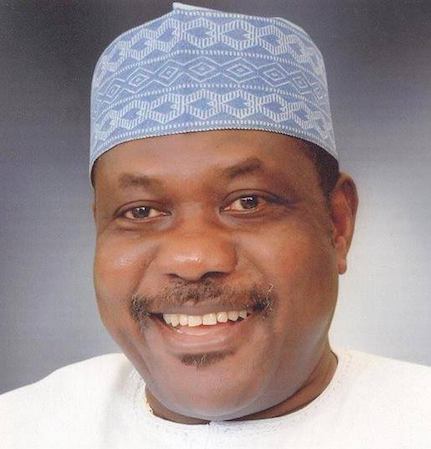
The Secretary to the Government of the Federation (SGF), Senator George Akume, has urged the Code of Conduct Tribunal (CCT) to fully embrace digital technology in the administration of justice to improve case management, records administration and overall operational efficiency.
Akume made the call on Tuesday in Abuja while receiving the Chairman of the Code of Conduct Tribunal, Dr.
Mainasara Umar Kogo, and members of the tribunal’s management team during a courtesy visit to his office.He said the adoption of digital tools aligns with the Federal Government’s ongoing drive to modernise public institutions through digital transformation, improved service delivery and stronger inter-agency coordination.
“The Tribunal should continue to embrace technology to improve case management, records administration and overall operational efficiency in line with the Federal Government’s digital transformation agenda,” the SGF said.
Akume commended the tribunal for its role in promoting integrity, accountability and ethical standards in Nigeria’s public service, describing its constitutional responsibility of adjudicating breaches of the Code of Conduct for public officers as a key component of the country’s anti-corruption framework.
He said the President Bola Tinubu administration remains committed to institutional reforms, public sector efficiency and the rule of law, stressing that strong institutions such as the CCT are essential for sustainable national development, economic growth and boosting investor confidence.
The SGF also reaffirmed the Federal Government’s commitment to strengthening institutions that promote transparency, accountability and responsible public service in line with the Renewed Hope Agenda.
He called for greater collaboration among government institutions to advance integrity and accountability, assuring the tribunal of the continued support of the Office of the Secretary to the Government of the Federation within its statutory mandate.
Akume further encouraged the CCT to deepen engagement with Ministries, Departments and Agencies (MDAs) to improve compliance with ethical standards and constitutional obligations through public enlightenment, training, awareness campaigns and effective enforcement.
Earlier, the Chairman of the Code of Conduct Tribunal, Dr. Mainasara Umar Kogo, said the visit was to brief the SGF on the tribunal’s achievements over the past year.
He said the tribunal had implemented far-reaching reforms aimed at strengthening its institutional capacity and improving the delivery of justice.
These included inspection visits to all its zonal offices to assess operational needs, improve performance and address challenges affecting service delivery.
Kogo also disclosed that the tribunal had strengthened collaboration with other anti-corruption agencies and civil society organisations to enhance coordination in the fight against corruption and improve the administration of justice.
He announced that the tribunal had cleared all inherited and pending cases, leaving it with no case backlog, and pledged to sustain ongoing reforms, deepen institutional partnerships and continue delivering impartial, timely and efficient justice to Nigerians.

From Sylvia Udegbunam, Enugu
MainPower Electricity Distribution Limited (MEDL) has restored power supply to parts of Enugu metropolis, which witnessed darkness.
Some parts of Enugu metropolis, under the Band A tariff regime, during the weekend witnessed three consecutive days of blackout.
The Head, Communications of MainPower, Emeka Ezeh, disclosed this in a statement he issued on Tuesday in Enugu.
According to him, MainPower wishes to inform its esteemed customers that power supply to the Gariki Injection Substation was successfully restored on Monday.
“This is following the successful resolution of a major fault involving the indoor 11kV breaker at the station.
“The fault, which occurred on Friday, July 17, affected electricity supply to customers served by the Army and Gariki 11kV feeders.
“Consequently, normal electricity supply has now been restored to all affected areas,” he said.
Ezeh appreciated residents and customers for their patience, understanding and cooperation throughout the outage.
He noted that the company remained committed to delivering safe, reliable, and improved electricity services to its customers and residents of the state.
It would be recalled that MainPower, which is a subsidiary of the Enugu Electricity Distribution Company (EEDC), is in-charge of electricity distribution in Enugu State.
By David Torough, Abuja
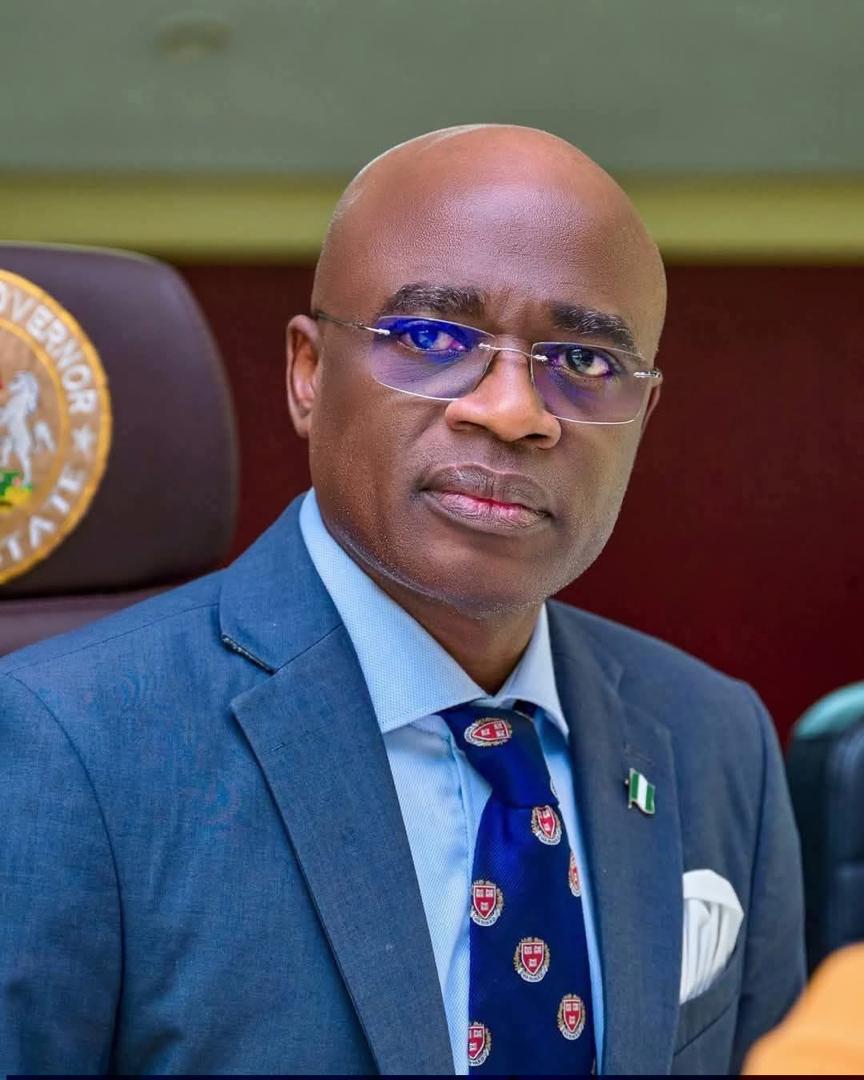
As the 2027 general elections draw nearer, the Secretary to the Government of the Federation (SGF), Senator George Akume, CON, has expressed optimism that Benue State is on course to reclaim its former prominence, assuring residents that renewed efforts are underway to restore the state’s lost glory.
This comes as political heavyweights from the All Progressives Congress (APC) in the state pledged loyalty to Akume’s leadership.
Speaking when he hosted political bigwigs including erstwhile loyalists to the Governor of Benue State, Rev.
Fr. Hyacinth Alia, Akume thanked them for their support and commitment, urging them to remain united and focused on the collective development of the state.The group, which cuts across the three senatorial districts of Zone A, Zone B and Zone C, was led by a former Executive Secretary of the Nigerian Shippers Council, Emmanuel Jime.
Akume, a former Benue State Governor, said the unity and cooperation among APC stakeholders remained critical to sustaining political stability and ensuring that the aspirations of the people were achieved.
The SGF who emphasised the importance of teamwork among party members, assured the delegation that his leadership would continue to prioritise the interests of Benue people while working towards restoring the state’s economic and political relevance.
He called for continued support for the administration of President Bola Tinubu, noting that the Renewed Hope Agenda was designed to bring sustainable development and improve the lives of Nigerians.
He commended the political experience, capacity and intellectual depth of the attendees, assuring them that they were not “internally displaced politicians” but respected stakeholders with valuable contributions to make to the political development of the state.
“I know that the President, in a most unprecedented manner, has pushed a lot of money to the states and the local governments. All the tiers of government have access to the Federation Account. If we can’t develop our state, it’s not a fault of Mr. President. He is doing what he is supposed to do for the country and for the states, and Benue is no exception”, he said.
Extending an olive branch to all leaders and stakeholders, Akume assured that he harboured no resentment towards any politician in the state, urging them to unite and work collectively towards securing victory for President Bola Tinubu in the forthcoming presidential election.
Reminiscing on his time as Governor of Benue State from 1999 to 2007, he said the state attracted unprecedented development, investments and infrastructure projects under his administration, which contributed significantly to the socio-economic transformation of the state.
He noted that his tenure laid the foundation for growth and progress, adding that his administration prioritised initiatives aimed at improving the living conditions of the people and positioning Benue for greater opportunities.
The highlight of the event was the unanimous endorsement of President Bola Tinubu’s bid for a second term in office, alongside a resounding vote of confidence in the leadership of Akume. The notion was moved by a former Deputy Speaker, Benue State House of Assembly, Dan Ali, seconded by former Attorney General of the state, Barr. Joe Abaagu.
Leader of the delegation, Emmanuel Jime, expressed concern over the deteriorating state of democracy in the state, alleging that democratic values and principles had been relegated.
He urged the SGF to use his position and influence to reposition the APC in the state by restoring the party’s democratic values, principles and ideals. He appealed to Akume to champion a return to internal democracy, inclusiveness and fairness, which he described as essential for strengthening the party and rebuilding confidence among its members.
He recounts an experience from the 2003 election when he ran for the House of Representatives election where the SGF was then Governor, highlighting Akume’s empathy and leadership.
“That, Your Excellency, was the lesson that I imbibed as one of your students. The lesson of humility, and the lesson of saying to even those who are downtrodden that you have a shoulder that they can lean on, and that, Your Excellency, was the reason why we became very closely associated with your politics. Today, we have in place a situation that has turned 360 degrees”, he said.
Other political leaders at the event include Douglas Pepe (SAN), Prof. Cephas Tushima, Peter Ashiekaa and Prof USAR.
The delegation also had Qs Beetseh, Joy Liga, Chief Nelson Alapa, Patrick Idoko, Hon David Igbosa, Austin Agbada, Dr. Msoo Igbo among others.
By Sumaila Ogbaje
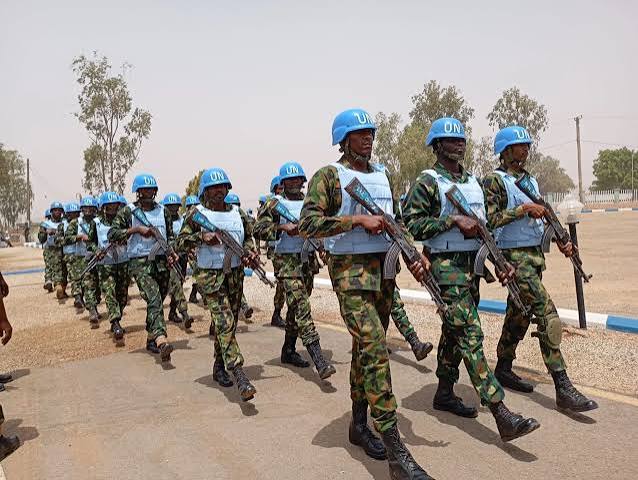
When officers, soldiers and defence stakeholders gathered in Port Harcourt for the Nigerian Army Day Celebration (NADCEL) 2026, the occasion represented far more than another military anniversary.
It provided an opportunity to reflect on 163 years of dedicated service and honour the sacrifices of fallen heroes.
It also highlighted the Nigerian Army’s operational achievements and efforts to reposition itself to confront a complex security environment.
Established in 1863 as the Glover Hausas, the Nigerian Army has evolved from a modest colonial force into one of Africa’s largest and most experienced land forces.
Its history mirrors Nigeria’s own evolution, spanning the civil war, peace support operations across Africa and the ongoing fight against terrorism, insurgency, banditry, kidnapping, oil theft and other emerging security threats.
Today, the Army operates across the country’s six geopolitical zones under various joint operations, confronting asymmetric threats that have continuously replaced conventional warfare.
In spite of these challenges, the Army says sustained offensive operations, improved intelligence and enhanced collaboration with sister services and other security agencies have continued to degrade criminal and terrorist networks while protecting lives and critical national assets.
The 163rd anniversary also underscored Nigeria’s growing role in regional security cooperation.
As part of NADCEL 2026, the Nigerian Army hosted the Third African Land Forces Forum, bringing together army chiefs and defence leaders from 17 African countries to deliberate on terrorism, insurgency and other transnational security threats confronting the continent.
The Chief of Army Staff (COAS), Lt.-Gen. Waidi Shaibu, said integrating the forum into NADCEL reflected the Nigerian Army’s commitment to strengthening military diplomacy, regional cooperation and collective security across Africa.
According to him, terrorism, insurgency, organised crime and other transnational threats have become increasingly complex, making collaboration among African armies imperative.
Shaibu said Nigeria’s experience in counter-terrorism and counter-insurgency operations had demonstrated the importance of adaptive strategies, effective air support, intensive training, intelligence-driven operations and regional cooperation.
He noted that the successes recorded by the Multinational Joint Task Force in degrading insurgent capabilities and reclaiming territories within the Lake Chad Basin further demonstrated the value of collective action.
The COAS expressed confidence that the forum would deepen interoperability, promote knowledge sharing and produce practical strategies capable of strengthening Africa’s collective security architecture.
For Shaibu, NADCEL 2026 also marked another milestone in the Nigerian Army’s transformation journey.
He said the nationwide activities reflected the institution’s commitment to professionalism, operational excellence and national cohesion while reinforcing its constitutional responsibility to protect the nation’s territorial integrity.
According to him, the theme of this year’s celebration, “Protecting the Nation and Serving the People: A Way Forward for the Nigerian Army,” captures the Army’s determination to balance operational effectiveness with improved service to Nigerians.
He paid tribute to fallen heroes whose sacrifices, he said, remain the foundation for building a safer and more secure nation, while reaffirming the Army’s commitment to personnel welfare and continuous enhancement of operational capabilities.
Speaking at the grand finale of NADCEL 2026, President Bola Tinubu, represented by Vice-President Kashim Shettima, said the Nigerian Army remains a strategic pillar of national security.
He noted that the Army’s professionalism and resilience have continued to preserve Nigeria’s unity while contributing to peace and stability across Africa.
The President said the changing security environment requires a modern, agile and highly motivated Army, assuring that his administration would continue to invest in personnel welfare, training, modern equipment and operational capabilities.
He also reaffirmed his administration’s commitment to improving the welfare of officers, soldiers and the families of fallen heroes, stressing that a well-motivated military remains indispensable to national peace, security and development.
Tinubu urged Nigerians to complement the efforts of the Armed Forces through patriotism, intelligence sharing and cooperation with security agencies, emphasising that national security is a shared responsibility.
Observers say the President’s commitment aligns with the Army’s “Soldier First” initiative introduced by Shaibu, which places personnel welfare at the centre of operational effectiveness through improved accommodation, healthcare, education, training and modern equipment.
Military analysts believe the initiative has boosted morale and reinforced the understanding that a motivated soldier is better equipped to accomplish demanding operational tasks.
Beyond combat operations, experts say the Army’s increasing emphasis on civil-military cooperation reflects the realities of contemporary warfare.
According to them, intelligence provided by local communities has become one of the most effective tools in combating terrorism, banditry and kidnapping.
Consequently, the Army has expanded medical outreaches, educational support, environmental sanitation campaigns and community development projects aimed at strengthening public confidence and fostering stronger civil-military relations.
Analysts argue that such engagements help bridge the gap between the military and civilians while reinforcing the Army’s constitutional responsibility to serve the people.
Notwithstanding these gains, the Army continues to confront significant challenges.
The changing character of warfare has seen terrorists and other criminal groups deploy drones, improvised explosive devices, encrypted communications and sophisticated propaganda to advance their activities.
Security experts say these developments demand sustained investment in emerging technologies, intelligence capabilities and specialised training.
They also advocate stronger collaboration among security agencies and regional partners to improve intelligence sharing and coordinated responses to transnational threats.
Beyond military operations, analysts maintain that addressing the root causes of insecurity remains critical to achieving lasting peace.
They identify poverty, unemployment, weak governance, limited educational opportunities and communal conflicts as conditions that continue to facilitate recruitment into criminal and extremist groups.
According to them, while military operations create the secure environment required for development, sustainable peace ultimately depends on good governance, economic opportunities and social inclusion.
Retired senior military officers also emphasise the importance of professionalism, accountability and strict adherence to the rules of engagement during internal security operations.
They argue that public confidence in the Armed Forces is strengthened when military operations are conducted with respect for human rights and the rule of law.
Nigeria’s contribution to regional and international peace support operations also remains one of the defining features of the Army’s history.
Over the decades, Nigerian troops have served under the mandates of the United Nations, the African Union and the Economic Community of West African States, earning recognition for professionalism while enhancing the country’s international standing and enriching the operational experience of its personnel.
As the Army marks 163 years of existence, defence experts say it must continue investing in modern equipment, digital technologies, intelligence capabilities and human capital to remain responsive to evolving security threats.
They also advocate stronger collaboration with research institutions, indigenous defence industries and international partners to promote innovation, self-reliance and technological advancement in defence production.
Equally important, they say, is sustained government support through adequate funding, timely procurement of equipment and continued investment in personnel welfare and leadership development.
For many Nigerians, NADCEL extends beyond colourful parades and ceremonial displays.
It is an opportunity to honour officers and soldiers who paid the supreme price in defence of the nation while recognising those who continue to serve under demanding and often dangerous conditions.
Families of fallen heroes and wounded personnel equally view the celebration as recognition of the enormous sacrifices made in preserving Nigeria’s unity, sovereignty and stability.
As the Nigerian Army marks 163 years of distinguished service, analysts say its ability to remain professional, adaptive and people-centred will determine its relevance in addressing Nigeria’s evolving security challenges.
They argue that President Tinubu’s message at NADCEL 2026 reinforces a shared national responsibility; while the government must continue to equip and support the military, citizens must equally contribute through patriotism, intelligence sharing and cooperation with security agencies.
They also believe the decision to host the African Land Forces Forum alongside NADCEL reflects Nigeria’s growing leadership role in promoting regional military cooperation against terrorism, insurgency and other transnational threats.
Ultimately, the Nigerian Army’s legacy is measured not only by its battlefield achievements but also by its enduring commitment to professionalism, constitutional responsibility and selfless service.
As new security threats continue to emerge, the Army’s sustained transformation, investment in personnel welfare, regional partnerships and commitment to serving the people will remain central to safeguarding Nigeria’s peace, unity and sustainable development. (NAN)


Akume Urges Code of Conduct Tribunal to Adopt Digital Technology for Faster Justice Delivery
ShareBy David Torough, Abuja The Secretary to the Government of the Federation (SGF), Senator George Akume, has urged the Code...

Idris Urges Bloggers, Content Creators to Uphold Ethics, Support Nation-building
ShareBy David Torough, Abuja The Minister of Information and National Orientation, Mohammed Idris, has called on bloggers, online content creators...
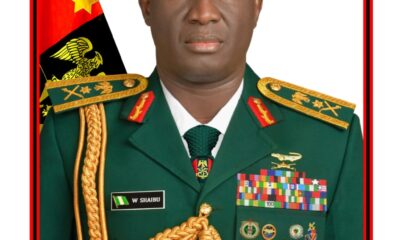

COAS Declares Open Army Inter-division Competition
ShareThe Chief of Army Staff (COAS), Lt.-Gen. Waidi Shaibu, yesterday declared open the Nigerian Army Inter-Division Combat Platoon Obstacle Crossing...


MainPower Restores Power Supply to Parts of Enugu in Darkness
ShareFrom Sylvia Udegbunam, Enugu MainPower Electricity Distribution Limited (MEDL) has restored power supply to parts of Enugu metropolis, which witnessed...

2027 Benue APC Crisis: Alia, Akume Separately Presents INEC Nomination Forms To State Assembly Loyalists
ShareFrom Attah Ede, Makurdi The crisis rocking the All Progressives Congress, (APC) in Benue State may not ends soon, as...


Was the World Cup 2026 a Success?
ShareBy Reuben Abati The straight-forward, honest and correct answer to the question raised above is: Yes. Spain won at the...
When healthcare stops being a promise
ShareBy Hassan Olayinka Every community has a hospital that tells a story. Some tell stories of neglect, where broken equipment...

FG Partners Dangote Cement, Boosts Affordable Housing Delivery
ShareBy Tambaya Julius, Abuja The Federal Government has reaffirmed its partnership with Dangote Cement Plc and other stakeholders in the...

Defence Minister Denies Resignation Rumours, Threatens Legal Action
ShareBy Elijah Oguche, Abuja Nigeria’s Minister of Defence, General Christopher Musa (Rtd), has dismissed reports alleging that he resigned from...

FG Inaugurates 10th Surveyors Council of Nigeria
ShareBy David Torough, Abuja The Secretary to the Government of the Federation (SGF), Sen. George Akume CON, has inaugurated the...