
BUSINESS
Alake Urges OAU to Develop World Class Mining Centre


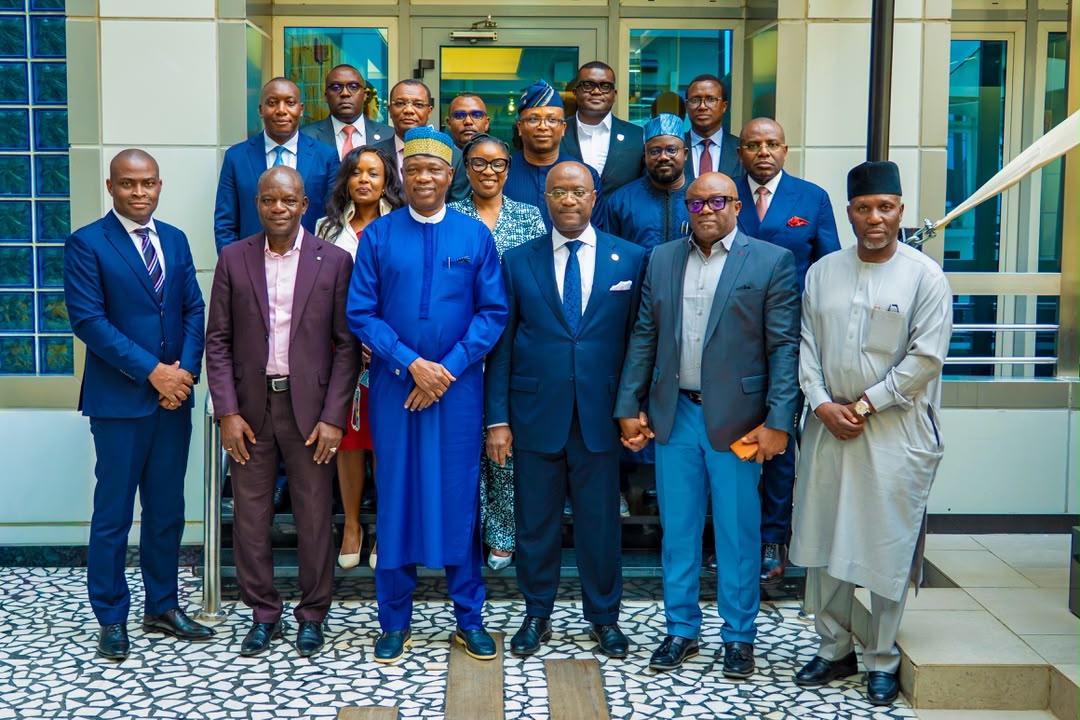
The Minister of Solid Minerals Development, Dele Alake, has charged the authorities of Obafemi Awolowo University (OAU) to leverage its mineral and intellectual resources to develop a world-class centre of mining excellence.
Alake made the call while addressing a high-powered delegation of the University’s Governing Council, led by Prof.
Ralph Akinfeleye at the ministry’s headquarters in Abuja.This is according to a statement by his Special Assistant on Media, Lara-Owoeye-Wise on Sunday in Abuja.
The minister said the centre should bridge academic knowledge with exploration, extraction and processing, while strengthening the university’s role in the mining value chain.
“The gap between intellectualism and application must be closed. Universities should not only generate knowledge, they should translate that knowledge into solutions, enterprises and economic value for society,” he said.
He said the commercial value of the minerals available to the institution was sufficient to reduce the share of government subvention in its total budgetary allocation.
He urged the university to explore private-sector partnerships to unlock the commercial potential of its mineral assets, noting that its technical expertise was a significant advantage in attracting investors.
“You have the resource endowment underground and you have the intellectual capacity. You can bring in investors through a joint venture and they can provide the capital and machinery,” he said.
The minister also said that the Federal Government had restructured the development of Nigeria’s bitumen resources by opening designated bitumen blocks to competitive bidding by qualified investors.
According to him, ownership of land does not automatically confer ownership of the mineral resources beneath it.
“Ownership of mineral resources is vested in the Federal Government under the Constitution and relevant mining laws.
“The University owns the land, but where there are mineral resources, their exploration and exploitation must still be undertaken in accordance with the law.
“We must find a win-win situation that protects legitimate interests while upholding the Federal Government’s regulatory responsibility,” he said.
Alake commended OAU for its longstanding contribution to the training of geologists and other professionals in Nigeria’s mining industry, urging the institution to deepen its role in mineral exploration, research, innovation and commercialisation.
He reaffirmed the ministry’s commitment to a transparent, predictable and investment-friendly regulatory environment that promotes responsible mining, value addition and sustainable economic benefits for Nigerians.(NAN)

By Tambaya Julius, Abuja
United Bank for Africa (UBA) Plc has secured a favourable judgment in its N156 billion debt recovery case against Stallion Group, with the Federal High Court in Lagos ruling in the bank’s favour on all issues and granting the reliefs it sought.
The judgment, delivered on Friday by Justice Daniel Osiagor at the court’s Ikoyi division, upheld the appointment of a Receiver/Manager, the validity of the mortgage security and the liability of the guarantors.
The court also affirmed the receiver’s authority to take possession of the mortgaged property and seek protective orders to safeguard the bank’s interests in recovering the outstanding debt.
In its findings, the court noted that the defendants did not dispute owing UBA but challenged the amount claimed. It held that the reconciliation of accounts between the parties did not extinguish the debt or invalidate the bank’s recovery rights.
The court also dismissed objections raised by the 12th defendant, who failed to establish any ownership or other proprietary interest in the mortgaged property. It consequently ruled that the defendant’s consent was not required for the creation of the mortgage.
In another key part of the judgment, the court restrained the defendants from diverting receivables due to them from government agencies, a measure aimed at protecting the bank’s recovery interests.
The court’s decision on the guarantors’ liability also reinforces UBA’s legal position in pursuing repayment of the outstanding obligations.
The ruling highlights the enforceability of valid mortgage arrangements and the authority of duly appointed receivers to take lawful steps to protect creditors’ interests.
It also reinforces the principle that a disagreement over the amount owed does not, on its own, extinguish an established debt or prevent a creditor from pursuing lawful recovery measures.
The judgment marks a significant development in UBA’s efforts to recover its exposure to Stallion Group and safeguard the interests of the bank and its stakeholders.
Marketers Reject FG’s Plan to Cap Petrol Price
Petroleum marketers have rejected government-imposed N1,350 price caps on petrol, insisting that market forces, competition and improved distribution efficiency should determine prices in Nigeria’s deregulated downstream sector.
The Major Energies Marketers Association of Nigeria said arbitrary price caps would not address the underlying challenges in the petroleum market, advocating transparent pricing mechanisms and measures to tackle supply bottlenecks and reduce operating costs.
According to a summary of MEMAN’s third-quarter press engagement held virtually on Thursday in partnership with S&P Global Energy, the association maintained that “government arbitrary price caps are not the solution to petroleum market challenges”.
It added, “Rather than distorting market prices, the focus should be on transparent, market-driven pricing, efficient distribution and measures that address supply bottlenecks and reduce operating costs.”
The position comes a week after the Minister of Finance and Coordinating Minister of the Economy, Taiwo Oyedele, announced that the Federal Government was negotiating a N1,350-per-litre ceiling on petrol’s ex-gantry or landing cost, under which refiners and importers would initially absorb costs above the ceiling and recover the shortfall later when market conditions improved.
Oyedele said the proposed arrangement, which would be reviewed monthly, was designed to moderate price fluctuations rather than reintroduce the petrol subsidy removed in May 2023.
The government’s proposal followed rising petrol prices linked to international oil market disruptions and renewed pressure on households and businesses. It also announced a 30-day petrol discount at Nigerian National Petroleum Company Limited filling stations, with priority for public transport operators, as part of measures to cushion the impact of higher fuel costs.
MEMAN also called for clearer bulk supply arrangements covering product access, pricing, delivery schedules and contractual obligations, as well as improved inventory visibility, storage capacity, transport coordination and contingency planning.
The association said a well-structured market should enable competition, improve supply security and support better outcomes for consumers without relying on government-imposed price controls or broad-based fuel subsidies.
On regulation, MEMAN commended the Nigerian Midstream and Downstream Petroleum Regulatory Authority for its progress in promoting product quality, digitalising licensing, publishing useful market data and advancing measures to foster fair competition.
It further advocated non-discriminatory access to petroleum products and efficient regulatory processes, stressing the need to uphold quality standards, ensure accurate measurement and deliver the quantities customers pay for.
The engagement also examined developments in global and West African refined petroleum markets, including the need for credible regional pricing benchmarks.
S&P Global Energy highlighted how geopolitical tensions, refining disruptions and changing global supply dynamics had contributed to price volatility, particularly in middle distillates such as diesel and aviation fuel.
The presentations identified the Free on Board West Africa and STS Lomé assessments as reference points for domestically supplied and imported refined products, respectively. Greater transparency, reliable market data and wider industry adoption were described as necessary to establish a credible West African reference market.
MEMAN maintained that a sustainable petroleum market required predictable pricing arrangements, efficient supply chains and fair competition, rather than government-imposed price controls.
It added that a properly structured market should promote competition, strengthen supply security and deliver better outcomes for consumers without relying on government-imposed price controls or broad-based fuel subsidies.
The debate over the N1,350-per-litre ceiling has highlighted the tension between efforts to protect consumers from rising fuel costs and the need to maintain a commercially viable petroleum supply chain.
While a price ceiling is intended to limit how much suppliers can charge at a specified point in the distribution chain, its effect depends on the level at which it is imposed, prevailing supply costs and whether market participants can recover their operating expenses.
MEMAN’s position suggests that controlling prices without addressing the underlying costs of sourcing, transporting, storing and distributing petroleum products could leave structural market problems unresolved.
The association instead called for clearer bulk supply arrangements, predictable pricing mechanisms and improved coordination between domestic refiners and importers.
The group also said Nigeria should prioritise output from domestic refineries while allowing imports to bridge supply gaps and address disruptions.
By Tambaya Julius, Abuja
The Nigeria Customs Service (NCS) and the Customs administrations of Benin and Cameroon are working with the African Export-Import Bank (Afreximbank) to modernise key border corridors and improve cross-border trade across the region.
The initiative is expected to strengthen customs operations, ease the movement of goods and support the African Continental Free Trade Area (AfCFTA).
In a statement issued in Abuja yesterday, NCS spokesperson, Abdullahi Maiwada, said the latest discussions were held at Afreximbank’s headquarters in Cairo, Egypt, on October 12.
He said the meeting followed a joint benchmarking visit to Beitbridge Border Post in Zimbabwe and technical assessments of the Mfum–Ekok and Sèmè–Kraké border corridors linking Nigeria with Cameroon and Benin.
The engagement, led by Comptroller-General of Customs Bashir Adeniyi, brought together representatives of the three Customs administrations, Afreximbank and technical partners to review the findings and identify priority areas for improvement.
According to Maiwada, the discussions focused on digital infrastructure, harmonised customs procedures, secure information exchange and capacity building to support a more coordinated approach to border management.
Participants also considered Afreximbank’s possible involvement in the next Customs Partnership for African Cooperation in Trade (C-PACT) and efforts to establish regional and continental transit-guarantee arrangements.
A key issue was the proposed Customs Declarations Exchange System (CDES), which is designed to facilitate secure information sharing among Nigeria’s B’Odogwu platform, Benin’s Customs Webb and Cameroon’s Customs Information System (CAMCIS).
Maiwada explained that the system would allow export information from one country to support the advance preparation of import-manifest information in the receiving country.
However, the receiving Customs administration would retain responsibility for validating the information, applying its national requirements, conducting risk assessments and authorising cargo clearance.
He said that while the system had undergone development and technical testing, further configuration, system integration, security checks and pilot acceptance were needed before deployment.
The assessments also revealed infrastructure and operational challenges at the two border corridors.
At Mfum–Ekok, the identified gaps included unreliable electricity, poor connectivity, inadequate information technology equipment, cybersecurity concerns, limited technical support, incomplete scanner commissioning and challenges with coordinated single-stop border processing.
At Sèmè–Kraké, the challenges included incomplete joint procedures, limited live data exchange, non-functional cargo scanners and weighing facilities, unreliable power supply, traffic congestion and inconsistent operating hours.
The assessment also found that responsibilities for maintaining shared infrastructure at the Nigeria–Benin border remained unresolved.
Maiwada said the findings highlighted the need to fix immediate operational problems while developing a properly assessed and cost long-term modernisation plan.
To advance the programme, Afreximbank proposed a two-stage process beginning with independent engineering assessments and investment-cost studies at both border posts.
This would be followed by the preparation of separate bankable project proposals for the Nigeria–Benin and Nigeria–Cameroon corridors.
The proposed process would include transaction advisory services, legal due diligence, financial modelling and the identification of suitable financing and implementation arrangements.
Afreximbank also indicated that its Project Preparation Facility could support the process, while technical partners, TMP and Bergmans Security Consultants and Supplies Limited, expressed willingness in principle to consider financing the preparatory work themselves.
Maiwada stressed that no final project cost, lending commitment, borrower designation, financing arrangement or implementation contract had been agreed upon.
He said participants nevertheless agreed on the need for direct inspections of the sites, the appointment of designated technical focal points and a clear implementation roadmap covering one, three and six months, supported by a dated action plan.
The NCS reaffirmed its commitment to working with the Customs administrations of Benin and Cameroon, Afreximbank and other partners to strengthen regional cooperation, modernise border operations and facilitate legitimate trade.
Maiwada said further engagements would focus on completing the necessary assessments, clarifying project-preparation arrangements and developing sustainable solutions for the two corridors.
He added that the initiative was expected to improve cargo visibility, streamline cross-border procedures and strengthen coordinated border management, paving the way for more efficient trade and deeper economic integration across Africa.
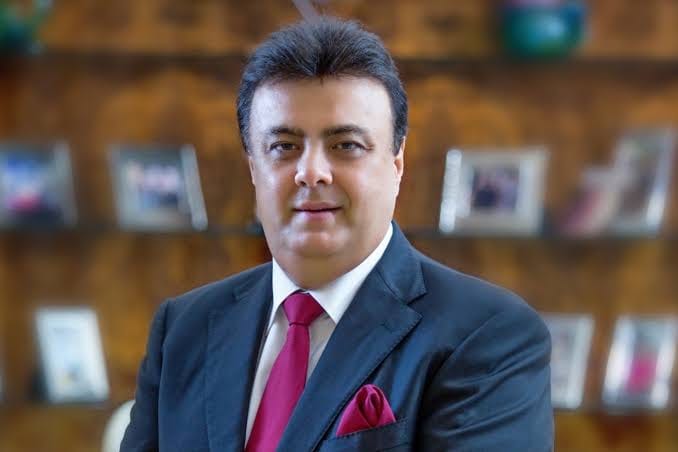
The Court on Friday ruled in the Bank’s favour on all issues and granted all its prayers.
United Bank for Africa (UBA) Plc has secured a significant legal victory in its debt recovery proceedings against Stallion Group, following a court judgment which upheld the Bank’s position on all issues submitted for determination.
In a sweeping decision, delivered by by Justice Daniel Osiagor of the Federal High Court sitting in Ikoyi, Lagos on Friday, the Court granted all the reliefs sought by UBA, affirming the validity of the appointment of a Receiver/Manager, the enforceability of the mortgage security and the liability of the guarantors.
The Court observed that the Defendants did not dispute the existence of their indebtedness to the Bank but challenged the amount claimed. It further held that the reconciliation of accounts between the parties did not extinguish or negate the underlying indebtedness.
In a major affirmation of UBA’s enforcement rights, the Court upheld the appointment of the Receiver/Manager and confirmed his entitlement to take possession of the mortgaged property and seek appropriate protective orders.
The Court also dismissed objections raised by the 12th Defendant, holding that it had failed to establish any proprietary rights over the mortgaged property. Consequently, its consent was not required for the creation of the mortgage, and its objections were rejected.
Significantly, the Court restrained the Defendants from diverting receivables due to them from government agencies, thereby reinforcing the Bank’s ability to protect its recovery interests.
The judgment also affirmed the liability of the guarantors, strengthening UBA’s legal position in pursuing recovery of the outstanding obligations.
The decision represents a comprehensive victory for UBA, with the Court resolving all issues in the Bank’s favour and granting all the reliefs sought.
The ruling is particularly significant for the enforcement of creditors’ rights in Nigeria, underscoring the legal validity of properly constituted security arrangements and the authority of duly appointed receivers to enforce creditors’ interests.
It also reinforces the principle that disputes over the precise amount of an outstanding debt do not, by themselves, invalidate the underlying indebtedness or prevent creditors from exercising their lawful recovery rights.
The judgment marks a major milestone in UBA’s efforts to recover its exposure to Stallion Group and safeguard the interests of the Bank and its stakeholders.



Former Delta Governor Uduaghan Dies at 70
ShareFrom Francis Sadhere, Delta Former Governor of Delta State, Dr. Emmanuel Eweta Uduaghan, has died. Uduaghan, who governed the state...


Customs Opens Review for Disqualified Recruits, Flags 397 Applicants
ShareBy Tambaya Julius, Abuja The Nigeria Customs Service (NCS) has opened a review process for applicants disqualified during its recent...

World Bank Tasks FG, States on Sustainable Cash Transfers
ShareBy Tambaya Julius, Abuja The World Bank has urged the Federal Government and state governments to establish a sustainable social...

NDLEA Nabs 85-year-old Woman, Seizes 407kg Cannabis
ShareThe National Drug Law Enforcement Agency (NDLEA) has arrested an 85-year-old grandmother and five other suspected drug traffickers during coordinated...

Economy would’ve Collapsed without Tinubu’s Reforms, Says Shettima
ShareVice President Kashim Shettima has said Nigeria’s economy would have collapsed had President Bola Tinubu not taken what he called...


House of Reps Seeks 90-Day Fuel Reserve for Nigeria by 2027
ShareFrom Rabiu Sanusi, Kano The House of Representatives has backed plans to increase Nigeria’s strategic petroleum reserve from 20 days...

56,000 Candidates Register for 2026 Private WASSCE
ShareThe West African Examinations Council (WAEC) said no fewer than 56,000 candidates registered for the 2026 West African Senior School...


JAMB Warns Varsities Against Issuing Admission Letters
ShareThe Joint Admissions and Matriculation Board (JAMB) has warned universities against issuing admission letters to candidates, insisting that only admissions...
Beyond Survival: Building A Healthier Nigeria For A Longer Life
ShareBy Yussuf Mubaraq Damilare What does it mean to live a long life if access to basic medical care remains...


Jigawa to Increase Corps Members Allowance – Namadi
ShareThe Jigawa government has announced plans to increase monthly allowance for the National Youth Service Scheme (NYSC) members posted to...