
Featured
Corruption, You are Hereby Discharged and Acquitted

By Kassim Afegbua
It gets to a point in a man’s life when his age affects his mental presence and ability to discriminate between good and bad.
I am just wondering so on account of so many diminishing outcomes of a Buhari presidency that has embarked on self-destruct, using its own hands to attract bile unto itself.
When President Buhari came on board as president of the Federal Republic, it was on the plank of anti-corruption, security and economy.The expectation was high, especially when he declared on May 29th, 2015 that he belongs to nobody and he was for everybody.
Nigerians were expecting the famed “no-nonsense” General, who would chase bandits and insurgents outside the shores of Nigeria. The first six months showed the signs of things to come.President Buhari waited for six solid months before he could assemble his feeble team. The spice was taken off the saddle.
So much had affected the psyche of the new administration that our economic wellbeing started showing signs of exhaustion and fatigue. The first economic recession easily came on board. The Buhari team had barely settled down. We all thought he was
carefully studying the situation to enable him select a team that would fit his three-pronged agenda, chief of which was the anti-corruption crusade.
After one year of Buhari’s presidency, our corruption index rose higher by the Transparency International report on corrupt countries. Buhari’s publicists hollered, wondering how a government presided over by their own “mai gaskiya” could be such ridiculed by foreign agency. Second year, the corruption index got deeper, suggesting that corruption was becoming more endemic under a government that was poised to fight the menace.
The visible signs were indicative that after all, the charge was merely an act of sloganeering, just to hoodwink the unsuspecting masses for election purposes. Under Buhari presidency, corruption has eaten deeper into the mainstream of our national consciousness. It has acquired a new status as the grand commander of the order of Nigeria.
Corruption now sits elegantly at Council of state meeting, at Federal Executives Council meeting, at Economic Council meetings and such other meetings of government appointees. When corruption is tried, and sentences are
pronounced, the presidency has the unfettered power to pardon the offenders, and make them to walk home free, and sin no more. When Adams Oshiomhole told a befuddled nation that anyone who defects to his party, the APC, his sins are forgiven, we thought it was another of those political gymnastics. But the reality today has confirmed the practice as APC’s article of faith.
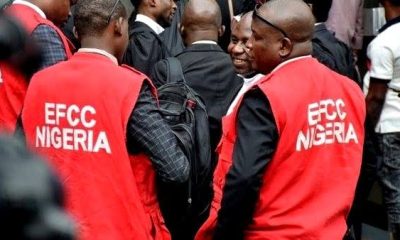
Penultimate week, the president told Nigerians that the new APC national chairman, Senator Abdullahi Adamu, who is standing trial for misappropriation N15b, has repented, ostensibly alerting the EFCC to handle Adamu’s trial with caution. Some of his Ministers and other appointees are persons that cannot pass any serious scrutiny, were the system positioned to do the right thing. A lot of them are standing trials for one offence or the other. Several others are EFCC candidates whose conducts in their previous engagements are subject of financial impropriety. But once the president has made his pronouncement, who can dare challenge him?
In a country of corrupt elements, it is often difficult to derive courage and morality to challenge the
system. It is a collegiate system that is whirling round the nation, enabled by those supposedly elected to heal the country of these ailments. Nigeria’s rating in the global index of corruption is abysmally disturbing and casts a slur on the so-called anti-corruption agenda of the Buhari-led Federal Government. When late Alameyeiseigha, the former Governor of Bayelsa State, was granted state pardon by the Goodluck Jonathan administration, Festus Keyamo and a couple of others, tore that administration to shreds, accusing it of indecent behaviour. Today, in a government they are actively engaged in, their silence and double standard posture has brought shame on their individual and collective personalities.
Now, the main plank of this discourse is the Dariye and Nyame’s state pardon. These two Nigerians were convicted by courts of competent jurisdictions, evidences were presented, arguments were proffered, before the courts delivered their respective judgments. The apex court gave the final verdict and sentence.
By just a stroke of executive corruption, the two convicts have been set free by President Buhari’s Council of state, a decision that obviously undercuts the President’s anti-corruption crusade. It is a killer punch that will undoubtedly slow down the crusade. Granting those two former state chief executives pardon, when several other Nigerians are rottening in jail for petty crimes and offences, is a counterproductive move that will forever haunt president Buhari and his legacy of cluelessness and double standard.
One had thought that the two convicted persons would be allowed to run the full course of their sentence to serve as deterrence to other corrupt-minded persons who may not have been caught, but the action of the presidency is a self-inflicted malady that will linger for a long time to come.
It further confirms the fears from some quarters that President Buhari is actually not fighting corruption holistically, it is just a smokescreen to rein in those who are not in the President’s good books. Corruption has grown in leaps and bounds under a government that is mouthing anti-corruption crusade. The only sector that presently works and alive to its responsibility is the Corruption Sector.
I saw corruption on the super highway, smiling at me and informing me of his new status. He wore a three piece suit, decked sartorially in Louis Vuiton shoes, walking majestically at the Aso Rock corridor. From there, he entered into the hallowed Chambers with flowing babariga, well starched and looking unstained and untainted. At the banking halls, corruption was at its elegant self, in well-tailored suit, plus a matching tie to compliment his purity. In parastatals, corruption was sitting elegantly on swiveling chairs, waiting for the business of the day. Approval upon approval, corruption was appending signatures on so many contract papers.
When I entered the 5-star hotels around the major cities in Nigeria, I saw corruption in well cultured and manicured rooms, spreading all his feet and arms around the bed, and waiting for the menu list. All the choice alcoholic drinks were salaaming themselves around corruption.
He siphoned all the exotic drinks and had a good rest at the hotels. When I tried to peep outside the window, I saw corruption working majestically into the inner confines of the Police Headquarters. Nobody could arrest him even when he breached protocols. From the top hierarchy to the lowest rank and file officers, corruption was parading around, copiously walking before their very eyes, breaching protocol, yet he could not be arrested.
When it got to the Army headquarters, Navy and Airforce, it received 21 gun salute, confirming its superiority and elegance. On sighting the pot-bellied officers both in the police and military, corruption was smiling as they all got smartly at alert, to welcome him. He commended their stomach size as a good representation of the corruption industry.
From traffic wardens to the police on the street collecting peanuts, to the big ogas in the offices, corruption dominates. He is being constantly celebrated through padding of budgets each appropriation year. Each time corruption commits offence, the president pardons him, citing age and health as the reason for such presidential pardon. From road safety, to VIO, from NNPC to all other subsidiaries, corruption is welcomed with majestic candour. You easily see corruption drinking oil on the High Sea, to reduce our production. You see him collaborating with bunkerers to undercut the system.
From the Nigeria Ports Authority, to NIMASA, from the Ministeries to the Agencies, corruption is friend to all. He doesn’t harbour enmity with anyone. He belongs to all, and belongs to nobody. Each time he enters the Villa, he gets state pardon. He walks out of the Villa with ascending relish. He smiles at everyone, pat them at the back, sing choruses amongst his faithful, and beat loud drums to herald his exit and entry. Whenever he visits the ministry of works, oh, what he gets by way of attention, is double attention. Unexecuted contracts paid for abound.
Corruption loves to wear roomy cap to hide the loot in this ministry. From one SUVs to another, corruption jumps down and enters another, to show his influence and affluence. Even bandits know how to welcome corruption. They collect ransom they never worked for.
They kidnap people and subject them to inhuman torture, wait to collect ransom, and smoke their heads away without regret. At the motor park, corruption loves the noise of the operators and vehicle owners trying to undercut the system.
In the mosques and churches, oh wow, corruption walks with run-way confidence, bouncing majestically. It is the reason why nobody can arrest corruption. It enjoys presidential pardon and patronage. All hail the Almighty corruption, President Buhari’s new fond miracle worker.
Afegbua is a former Commissioner for Information, Edo State.




By Tolu Aiyegbusi
As Artificial Intelligence (AI) continues to advance, creating highly realistic voices, faces, and even emotions, Nigerians are becoming vulnerable to scams, identity theft, and privacy violations.
Experts warn that the rapid adoption of AI technology has outpaced regulatory safeguards, leaving individuals vulnerable to digital manipulation.
At the same time, they stress that vigilance, improved digital literacy, and stronger laws can help citizens safeguard their privacy.
AI-generated deepfakes and synthetic media, once the realm of science fiction, have gradually become a powerful tool in the hands of cybercriminals.
According to global projections, deepfake files are expected to grow from approximately 500,000 in 2023 to nearly 8 million by 2025.
Fraud attempts using AI-generated content have surged more than 2,000 per cent over the last three years.
Detecting these digital replicas is extremely difficult, as humans correctly identify fake videos only 24 per cent of the time, according to studies.
Therefore, experts warn that without robust safeguards, AI could be weaponized to manipulate everything from personal finances to political narratives.
In Nigeria, where digital literacy is still developing, these threats are becoming more common.
“Identity hijacks,” in which someone’s likeness is used without their consent, are now becoming a growing concern in Nigeria.
For instance, in one notable case, Fatima Falana, a small business owner in Abuja, wired N50, 000 following a Zoom call she believed came from her former boss.
Unbeknownst to her, the call was an AI-generated deepfake that perfectly replicated her ex-boss’s voice and appearance.
Similarly, Ifeoma Jack, a Lagos-based entrepreneur, transferred N500, 000 after receiving a call from someone impersonating her brother.
“I was shaken,” she said. “I didn’t know what to do”.
These incidents reveal a global trend.
Indeed, in developed markets, surveys indicate that one in four people has received a deep fake voice call in the past year, while nearly a quarter are unsure if they can tell an AI-generated voice from a real one.
Senior citizens are more susceptible, often losing significant sums once deceived.
Moreover, in the United States, AI-related cybercrime cost an estimated $16.6 billion in 2024, marking a 33 per cent increase from 2023.
Across Africa, identity fraud has surged by 167 per cent, with Nigeria contributing a major share of these cases.
Overall, deepfakes now account for about 7 per cent of all fraud attempts, a dramatic rise from near-zero just a few years ago.
Experts say regulatory frameworks have struggled to keep pace with AI’s rapid evolution.
For example, while the EU AI Act, which came into effect in March 2026, mandates clear labeling of AI-generated content, many countries, including Nigeria, are still finalising laws to tackle these emerging threats.
In Nigeria, the National Digital Economy & E-Governance Bill, currently nearing enactment, will empower the National Information Technology Development Agency (NITDA) to shut down non-compliant platforms.
Additionally, it promotes “biometric sovereignty” by exploring blockchain-based proof of personhood protocols to ensure that digital interactions originate from real humans, not AI servers.
Until such measures are fully operational, the burden of privacy protection falls largely on individuals.
Cybersecurity experts emphasise that citizens must adopt practical measures to safeguard their identities.
In particular, families are now using ‘safe words’; or unique phrases spoken only in person to verify identities during phone calls.
Dr Aisha Mohammed, a cybersecurity expert at the University of Abuja, advised that “limit access to your personal data and be wary of suspicious calls, even from familiar voices.
“Use strong passwords, enable two-factor authentication, and keep security software updated.
“Your privacy is compromised when AI can recreate your voice, face, or identity without consent”.
Furthermore, she stressed that public education campaigns are crucial to ensuring citizens understand the evolving threats posed by AI-generated content.
Media experts warn that the impact of deepfakes extends beyond individual financial loss.
Dr James Olabode, a media studies professor at the University of Lagos, noted that the erosion of authenticity threatens public trust in information.
“If people can’t trust what they see or hear, what’s left?” he asked.
In addition, political deepfakes can fuel misinformation, inflame social tensions, and manipulate public opinion.
For instance, in 2022, a video purportedly showing a Nigerian politician making inflammatory remarks went viral, causing widespread outrage, only to be later identified as a deepfake.
Dr Samuel Adeyemi, AI researcher at the African University of Science and Technology, urged citizens to verify information before sharing it online.
“Use fact-checking tools and report any suspicious deepfake content to the authorities. Awareness and early reporting can reduce the impact of these attacks,” he said.
Legal experts stress that personal vigilance must be complemented by strong legislation.
Barrister Emeka Nwosu, a tech policy lawyer in Abuja, explained that digital “breadcrumbs”; from TikTok videos to LinkedIn photos, are being harvested by bots to create near-perfect AI replicas.
“Regulatory frameworks should mandate transparency in AI-generated content, impose penalties for malicious use, and ensure accountability from tech companies,” he said.
While AI offers efficiency and convenience, experts emphasise that citizens must cultivate a culture of digital caution.
Specifically, this includes limiting the sharing of personal information, educating families and employees about AI impersonation risks, and adopting verification measures like safe words or biometric confirmation.
Moreover, organisations handling sensitive data are urged to deploy AI-detection tools, continuously update cybersecurity protocols, and participate in public awareness campaigns.
The rise of AI-generated fakes also presents an opportunity to strengthen regulatory capacity.
Consequently, Nigeria’s government, in collaboration with cybersecurity and tech experts, is exploring national AI guidelines that will require companies to label synthetic media, implement user consent protocols, and report breaches promptly.
Experts believe that such initiatives, combined with public awareness, can reduce the frequency and impact of identity theft, online fraud, and reputational damage.
As AI continues to evolve, Nigerians are at a critical juncture.
By implementing proactive laws, fostering informed citizens, and adopting careful digital practices, the country can navigate this era without compromising privacy and security.
In the meantime, vigilance, skepticism, and strong digital literacy remain the first line of defense against the growing threat of AI-enabled fraud. (NAN)
Medical Misdiagnosis: A Silent Threat in Nigeria’s Healthcare System
By Victor Adeoti
Titiloye Aare’s near-fatal experience with a high blood pressure misdiagnosis highlights a critical flaw in Nigeria’s healthcare system, where medical errors put lives at risk and strain already limited resources.
For many patients in Nigeria, a visit to the hospital is expected to bring relief and healing.
However, growing cases of medical misdiagnosis are raising concerns among experts and patients alike, as wrong diagnoses expose individuals to dangerous treatments and life-threatening complications.
Aare recounted how a wrong diagnosis at a private hospital in February 2025 led to medication that caused her to lose consciousness and nearly cost her life.
She said she was in her shop in Osogbo when she suddenly felt dizzy and fainted while attending to a customer; she was rushed to a nearby private hospital, revived, and later diagnosed with high blood pressure.
Doctors immediately placed her on medication to lower her blood pressure.
However, in April of the same year, she experienced another dizzy spell and again lost consciousness.
She was rushed to a general hospital, where doctors discovered that the medication she had been taking had lowered her blood pressure below normal levels.
“When I asked the doctor why the medication caused me to faint, he explained that it had lowered my blood pressure below the normal range,” she said.
Doctors at the general hospital later informed her that she had been wrongly diagnosed at the first hospital.
Doctors later explained that her condition was vasovagal syncope, a medical condition caused by a sudden drop in heart rate and blood pressure, which reduces blood flow to the brain and leads to a brief loss of consciousness.
They warned that the continued use of medication prescribed to lower blood pressure could have severely reduced blood flow to her heart and brain, potentially resulting in death.
Aare’s experience reflects a growing concern about medical misdiagnosis in Nigeria.
While some patients survive to share their stories, others are not as fortunate.
Medical experts say accurate diagnosis is the foundation of effective healthcare.
When a condition is correctly identified, appropriate treatment can begin promptly, improving recovery and reducing complications.
Yet misdiagnosis—where a patient’s illness is wrongly identified or overlooked—remains a serious but often underreported problem in many parts of Nigeria.
In some cases, patients receive treatment for illnesses such as malaria or typhoid when the actual condition may be bacterial infections, viral diseases, or chronic conditions.
Misdiagnosis occurs when a healthcare professional incorrectly identifies a disease, delays its identification, or fails to detect it entirely.
This may result in wrong treatment or no treatment at all, often leading to prolonged illness, worsening conditions, unnecessary financial costs, and sometimes death.
A Consultant Paediatrician at Osun State University Teaching Hospital, Dr Funmi Adesokan, said many hospitals, particularly public ones, lacked the diagnostic equipment needed for accurate patient evaluation.
“This leads to delays in diagnosis or the inability to make a conclusive diagnosis. Public-private partnerships may help provide equipment, but improved government funding is essential,” she said.
Adesokan, however, cautioned that isolated mistakes should not define the entire healthcare system.
Similarly, a gynaecologist, Dr Nurudeen Iyanda, said many hospitals and clinics lacked modern diagnostic equipment required for accurate diagnosis.
“Many modern diagnostic tools, such as advanced laboratory equipment, imaging machines, and reliable testing facilities, are not available in many hospitals.
“Without proper equipment, healthcare providers often rely on symptoms alone, increasing the chances of error,” he said.
Dr Adeniyi Fasanu, Chairman of the Nigerian Medical Association (NMA) in Osun, said misdiagnosis is also fueled by a shortage of manpower.
“Many medical professionals have left the country due to poor remuneration and insecurity, leaving remaining doctors overworked and overstretched.
“The shortage has also created opportunities for unqualified individuals to operate medical facilities and treat unsuspecting patients.
“This is creating havoc in the health system,” he said.
Fasanu noted that the WHO recommends a doctor-to-patient ratio of 1:600, but in Nigeria one doctor may serve up to 2,500 patients.
He added that many government hospitals relied on obsolete equipment, making it difficult for doctors to practise effectively, and appealed to the government to prioritise the health sector and welfare of medical personnel.
On legal remedies, a lawyer, Mr Albert Akinwale, said victims of wrong diagnosis can seek redress in court under Nigerian law.
According to Akinwale, sections 303 and 343 of the Criminal Code provide that any act of negligence that endangers life or causes harm could attract criminal liability.
He said victims could also rely on the law of tort to claim medical negligence, breach of duty of care, and compensation for pain, suffering, and financial losses.
“Victims are protected under various provisions of Nigerian law, including the Criminal Code, Penal Code, and civil laws on negligence.
“Sections 15 and 16 of the Medical and Dental Practitioners Act provide for disciplinary procedures, including warnings, suspension, or striking off a doctor’s name from the medical register.
“The Medical and Dental Council of Nigeria (MDCN) also has the authority to discipline erring practitioners”, he said.
Akinwale urged patients who suspect misdiagnosis to seek a second medical opinion and explore legal or regulatory remedies where harm has occurred.
Public affairs analyst, Mr Olusegun Ayanda, said addressing misdiagnosis required coordinated efforts from government, healthcare institutions, and medical professionals.
Ayanda stressed the need for improved diagnostic infrastructure, investment in modern laboratories and equipment, continuous professional development programmes for healthcare workers, and recruitment of more professionals to reduce patient-to-doctor ratios.
Similarly, the Chief Medical Director of the Obafemi Awolowo University Teaching Hospital Complex (OAUTHC), Ile-Ife, called on the Federal Government to increase funding for the healthcare sector and improve the availability of modern medical equipment.
Okeniyi said the sector had long suffered from inadequate funding, resulting in limited resources for upgrading equipment, purchasing new medical supplies, and maintaining existing infrastructure.
According to him, the healthcare system requires adequate supplies, improved infrastructure, and a comprehensive overhaul of the remuneration structure for health personnel to align with global best practices.
The CMD noted that if indeed “health is wealth,” the country must invest more in the sector and implement mandatory continuous professional development programmes for healthcare workers to keep them updated with the latest medical knowledge and best practices.
Medical experts say misdiagnosis has consequences beyond individual patients. Families may spend significant sums on treatments that fail to address the actual illness.
Although misdiagnosis is a serious challenge, experts say it can be reduced through investment in medical infrastructure, improved training, stronger healthcare policies, and increased public awareness.
Obtaining an accurate diagnosis, as experts emphasise, is vital for effective treatment; it builds public confidence in Nigeria’s healthcare system and ensures citizens remain safe and healthy. (NAN)
By Ejiofo Agada
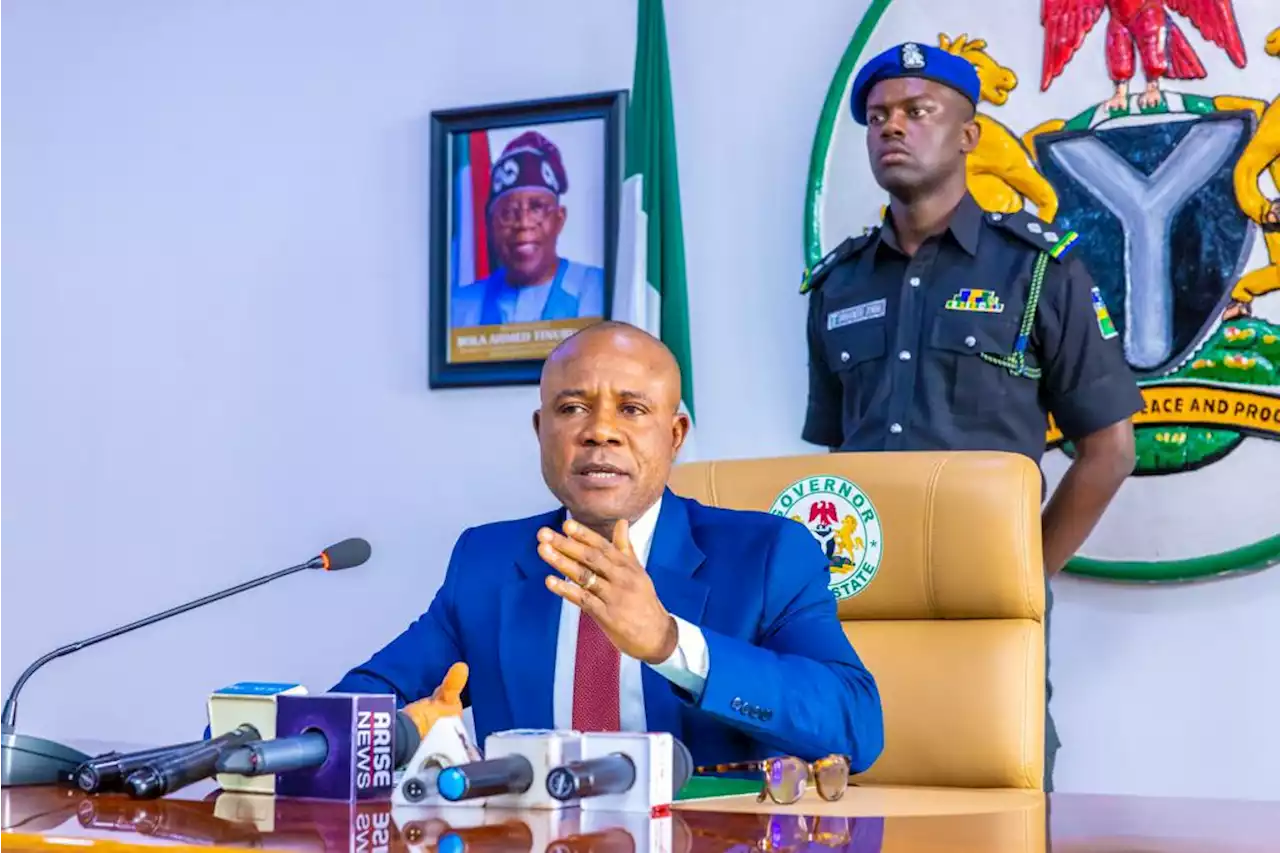
Enugu State has introduced one of the most comprehensive and forward-looking gaming regulatory frameworks in Nigeria with the enactment of its new Gaming and Lottery Commission Law. Far from a routine legislative update, the law establishes a practical, enforcement-driven system designed to address long-standing gaps in the regulation of gaming activities at subnational level.
As gaming continues to expand rapidly across Nigeria—spanning retail outlets, online platforms, and emerging digital formats—many regulatory frameworks have struggled to keep pace.
Enugu’s new law responds to this challenge by prioritizing visibility, compliance, and consumer protection, while creating room for innovation under clear regulatory oversight.One of the law’s most notable features is the introduction of a mandatory Gaming Approval Sign, which must be prominently displayed by all licensed operators. This requirement provides an immediate and visible way to distinguish licensed gaming outlets from illegal operations. For consumers, it offers a simple assurance of legitimacy. For regulators and law enforcement agencies, it simplifies identification and enforcement, reducing the ambiguity that has historically enabled illegal operators to thrive.
The law also establishes a structured Gaming Inspectorate with clearly defined statutory powers. Under this framework, designated monitoring and inspection officers are authorised to enter licensed premises, inspect gaming equipment, audit records, question suspected violators, and take enforcement action where necessary.
By granting legal immunity to inspectors acting in good faith, the law strengthens regulatory authority and ensures that enforcement is not undermined by intimidation or procedural loopholes.
Beyond compliance and enforcement, the new law places strong emphasis on social responsibility. It creates the Enugu State Gaming and Lottery Commission Charitable Trust Fund, funded primarily through unclaimed winnings and statutory good-cause contributions from licensed operators. The Trust Fund is dedicated to supporting education, health, psychological services, and other public-interest initiatives approved under the law.
This approach marks a shift in how gaming revenue is treated. Rather than relying on voluntary corporate social responsibility initiatives, the law embeds social impact directly into the regulatory framework, ensuring that gaming activities contribute measurably to community development and public welfare.
Crucially, the law is designed with the future of gaming in mind. It explicitly provides for the regulation of online and remote gaming, e-sports, virtual and augmented reality platforms, and blockchain-based gaming. By granting the Commission authority to license and regulate emerging technologies, the framework avoids the rigidity that has limited older gaming laws and positions Enugu to respond effectively to innovation without frequent legislative amendments.
The law also strengthens consumer protection through provisions on responsible gaming, data protection, underage gaming prevention, and transparent display of rules, odds, and winnings. These measures align Enugu’s framework with evolving international standards while reflecting local regulatory realities.
At a national level, the Enugu State Gaming Law enters the spotlight amid ongoing debates over the structure of gaming regulation in Nigeria, particularly the balance between federal oversight and state-level control. Enugu’s approach offers a practical model for decentralised regulation that is both robust and modern, combining visible compliance mechanisms, empowered enforcement, and structured social accountability.
In effect, the Enugu State Gaming and Lottery Commission Law goes beyond regulating gaming within the state. It establishes a benchmark for credible, transparent, and future-ready gaming regulation—one that other states, and potentially federal policymakers, may increasingly look to as Nigeria’s gaming sector continues to evolve.

TOP10 MAGAZINE NAMES DANU AS 2025 MAN OF THE YEAR
Nasiru Danu, OFR, Chairman of Casiva Limited and founder of NHD Foundation, has been named as
The Top10 Magazine’s Man of the Year 2025. He emerged from among many other distinguished personalities in a multi-stage rigorous selection and screening process.
In a letter conveying Alhaji Danu’s selection as the Man of the Year 2025, the Board of Editors of the Magazine said it was in recognition of his milestone accomplishments in the business world as well as his philanthropic gestures of touching lives in different ways. These, the givers of the award said, clearly stand him out not only as a father of compassion, but Nigeria’s philanthropic leader of the year 2025.
“We consider your successful journey in the business world and your record of service to humanity as a clear demonstration of your ranking as a great leader of excellence worthy of commendation, hence the decision of our management to accord you this special recognition as the Top10 Magazine’s Man of the Year 2025,” the letter said.
In his latest demonstration of philanthropy, Danu, the Sardaunan Dutse, in May 2025, extended his good deeds to the Jama’atu Izalatil Bid’ah Wa’iqamatis Sunnah (JIBWIS) Islamic Centre as he commissioned a N150 million project at the Centre in Abuja. The project is a furnished 11-room building that will serve as the Imam’s residence at the Islamic Centre in the Guzape area of Abuja. It was named in memory of his late father, Haladu Danu.
The Top10 Magazine is a monthly publication established in 2016 as a platform to celebrate excellence and people of excellence from all human endeavours.
The Top10 Man of the Year Award was also instituted the same year as an annual award by the magazine to recognize and honour one outstanding personality in a given year that has recorded landmark accomplishments in the Nigerian society.
This year’s recipient, Alhaji Danu, a man of untainted character and impeccable reputation, is renowned for his unwavering commitment to success. The Chairman and CEO of Casiva Limited consistently strikes gold in every venture he undertakes and has since solidified his status as a true titan of the oil and gas industry who navigates its complexities with the expertise derived from years of experience. Apart from his involvement in philanthropy and Casiva Limited, Alh. Danu is also involved in other organizations. This includes NHD Interbiz Projects Limited, a construction and civil engineering company, Chairman, Yenagoa Polo Club, Chairman, Nigerian Army Polo Resort, reflecting his diverse interests, member Board of Trustee Nigerian Army Polo, Chairman, NHD Farms Ltd, Chairman, Lubrik Construction Company.
Mr. Tony Iji, Publisher/Editor-In-Chief of The Top10 Magazine, said the award will be presented to Alhaji Danu at The Top10 Magazine’s Annual Excellence Awards night slated for December 7, 2025 which will be graced by crème de la crème of the society.
To mark this high-profile event, the magazine is putting together a special award edition to celebrate him and other awardees. The edition will chronicle in detail all his milestone accomplishments as an industry leader, philanthropist as well as his career and personal antecedents.



Trump Escalates Media Fight after Week of Setbacks
SharePresident Donald Trump has infused his ongoing feud with the White House press with a new level of acrimony. Journalists...
Nigeria; a Gen Z Will Soon Be President
ShareBy Prince Charles Dickson Two of my dogs fought with a bitterness I had never seen. The older one carried...

Wike, Performance and the Politics of Cross-Party Influence
ShareBy Raphael Atuu, Abuja Since assuming office as Minister of the Federal Capital Territory in August 2023, former Rivers State...
Niger 37 Tragedy: NSCDC Boss Must Go
ShareThe death of 37 detainees in the Nigeria Security and Civil Defence Corps (NSCDC) detention facility in Minna, Niger State,...

Shettima to Declare Editors’ Conference Open in Enugu Thursday
ShareVice President Kashim Shettima will on Thursday, September 24, 2026, declare open the 22nd All Nigeria Editors Conference (ANEC) of...

Police Raid FCT Crime Hotspots, Arrest 300 Suspects
ShareOperatives of the Federal Capital Territory Police Command have arrested approximately 300 persons, following a raid on identified crime flashpoints,...

Fidelity Bank Deepens Partnership with DAILY ASSET
ShareBy David Torough, Abuja Fidelity Bank Plc has reaffirmed its commitment to strengthening its partnership with DAILY ASSET Newspaper following...

DAILY ASSET Loses Deputy Editor-in-Chief, Danusa Ocholi
ShareBy David Torough, Abuja The Management of Asset Newspapers Limited, Publishers of DAILY ASSET, has announced the passage of the...

Fidelity Bank Deepens Partnership with DAILY ASSET
ShareBy David Torough, Abuja Fidelity Bank Plc has reaffirmed its commitment to strengthening its partnership with DAILY ASSET Newspaper following...


Niger 37: Bago Vows Full Probe as NSCDC Detains 24 Personnel
ShareFrom Dan Amasingha, Minna Niger State Governor, Umaru Bago, has vowed to uncover the circumstances surrounding the deaths of 37...