
FEATURES
ECOWAS @ 50: Celebrating Resilience, Unsung Heroic Achievements

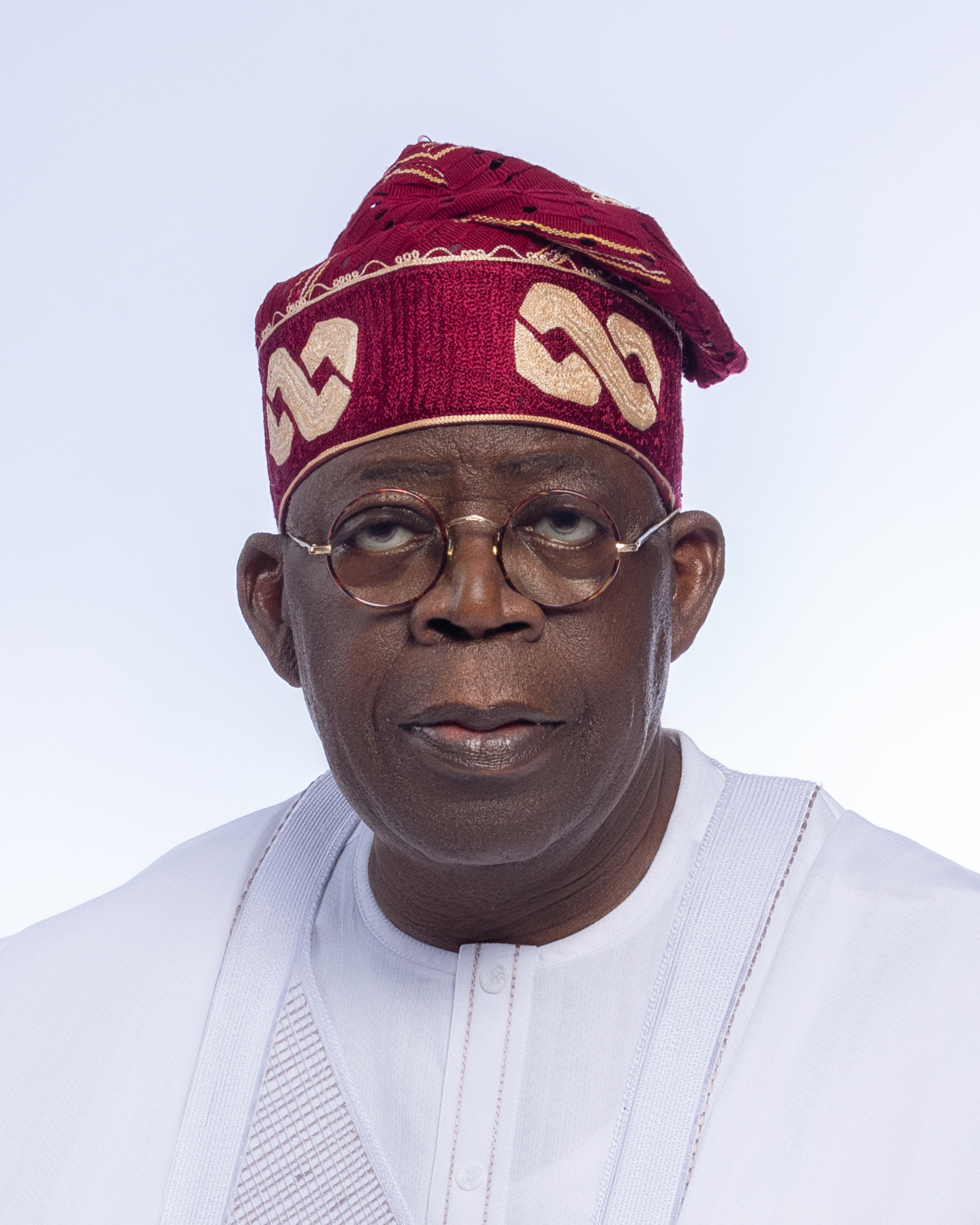
By Fortune Abang
The establishment of the Economic Community of West African State (ECOWAS) on May 28, 1975, under auspices of Treaty of Lagos, marked a new regional chapter and charter.By virtue of the Treaty of Lagos, ECOWAS, comprising 16 West African countries at inception, became Africa’s pioneer Regional Economic Community (REC).
For the benefit of hindsight, ECOWAS founding countries are Nigeria, Benin, Burkina Faso, Cabo Verde, Cote d’Ivoire, The Gambia, Ghana, Guinea, Guinea-Bissau, Liberia, Mali, Niger, Senegal, Sierra Leone, Mauritania and Togo. However, Mauritania formally withdrew from the bloc in 2000, bringing the number of countries to 15.The Treaty of Lagos aims at promoting economic co-operation and integration among the ECOWAS member states with focus on achieving collective self-sufficiency and improving the citizens’ standard of living.Nonetheless, amidst successes so far recorded, the community’s heroic achievements remain unsung 50 years after.Recently, at an event organised by ECOWAS and hosted by the Nigerian Institute of International Affairs (NIIA) to commemorate ECOWAS at 50, its founding fathers, regional and sub-regional leaders, as well as diplomats, underscored the need for continuous growth in strength, unity and purpose of the community.The stakeholders prayed for ECOWAS to march towards peace, prosperity and progress in the spirit of 1975 cooperation, solidarity and of hope that has never been forgotten.They recounted significant progress the community made in terms of implementation of policies and programmes, protocols and operations to stabilise entities such as Liberia, Sierra Leone and Guinea Bissau.More so, they identified other achievements to include trade liberalisation, introduction of policies to reduce trade barriers and promotion of intra-regional trade; thus increasing trade among member states and helping to promote economic growth and development.Regrettably, they say the community failed in achieving a common currency.Observers say the community still faces security challenges such as terrorism, kidnapping, various criminal activities and various activities of man’s inhumanity to man.According to stakeholders, the recent withdrawal by the Alliance of Sahel States (AES)– Mali, Burkina Faso and Niger– from the community poses great concern to ECOWAS as it marks 50 years of existence.Speaking during the ceremony, a former Head of State, retired Gen. Yakubu Gowon, said ECOWAS had evolved into a cornerstone of regional stability and a powerful emblem of African resilience and unity.According to him, the theme of ECOWAS at 50: “Stronger Together for a Brighter Future”, reflects the richness of African culture and tradition.He narrated the diverse views about the founding of ECOWAS on May 28, 1975 under his leadership then as Nigeria’s Head of State.“The view when we started was to promote good governance; there were military and other democratic governments, but the military ensured we did things democratically, militarily democratically.“Yes, with the help of all of us, there will be democratic and secured governments throughout the region; let us not forget the many challenges we have faced over the past 50 years.“There are political crises, coup d’etat, civil wars, economic crunch, pandemics, terrorism and pressure of globalisation, yet through it all, ECOWAS has endured.“It has adapted to changing circumstances, undertaken critical reforms and consistently renewed commitment to the founding ideas that bind us together.“However, today is not only a day to celebrate the past, but it is a moment to reflect upon the present and chart course for the future,” he said.President Bola Tinubu and Chairman of ECOWAS Heads of State and Government, in a keynote address, stressed the need for West African leaders to sustain the legacies of ECOWAS’s founding fathers.He urged the leaders to continue to look beyond artificial borders created by colonialists and embrace one another as a family.Tinubu said that the founding fathers foresaw a more united, harmonious, and purpose-driven regional bloc that would benefit many generations.“In 1975, our founding leaders envisioned a West Africa where borders unite rather than divide a region of free movement, thriving trade, and peaceful coexistence; that vision is still alive.“The regional bloc has lived up to the founders’ expectations in many respects, including peacekeeping, trade liberalisation, free movement of citizens and working together to tackle security issues and global pandemics.“ECOWAS is a beacon of African unity; in overcoming colonial legacies, we brought together Anglophone, Francophone, and Lusophone nations under one vision, an achievement of global significance,” he said.On his part, Mr Mahmoud Youssouf, Chairperson of African Union Commission (AUC), extolled ECOWAS for acting decisively as guardian of peace and builder of dialogue amidst regional challenges.“Fifty years ago, ECOWAS emerged from the bold imagination of visionary leaders who understood, long before many others, that Africa’s strength would be forged not in fragmentation, but in unity.“This vision is embodied in ECOWAS; amid political challenges, pandemics, economic disruptions and the shifting tides of globalisation, ECOWAS has remained steadfast.“Not without trials but never without resolve; in the face of adversity, ECOWAS has not stood idle; it has acted decisively as a guardian of peace and a builder of dialogue,” Youssouf said.In line with this, Pioneer President of ECOWAS Commission, Dr Mohamed Ibn Chambas, expressed confidence that ECOWAS under Tinubu’s leadership, would continue to reawaken the community’s ideals and principles.“Tinubu is very strong in his opposition to military interventions because having elected democratic governments over any other form of government, including military intervention, is the only accepted form of governance globally,” Chambas said.On his part, the Association of Retired Career Ambassadors of Nigeria (ARCAN) hailed ECOWAS for its resilience and notable achievements recorded over the past 50 years amidst numerous challengesAccording to ARCAN’s National President, Amb. Joe Keshi (OON), the 2021 African Integration Report ranked ECOWAS as the best performing among Africa’s eight RECs.“The key achievements include the 1979 Protocol on Free Movement that allows citizens visa-free travel, right to stay in other member states for up to 90 days, ECOWAS passport and Biometric Identification Card Scheme that facilitated regional mobility.“The ECOWAS Trade Liberalisation Scheme (ETLS) promotes duty-free trade within a regional market of approximately 446 million people, boosting economic integration and cooperation among member states.“Infrastructure successes such as the Lagos-Abidjan Highway, the West African Gas Pipeline and sustainable energy projects were also highlighted,” Keshi said.What’s more, Amb. Yusuf Tuggar, Minister of Foreign Affairs and Chair of ECOWAS Council of Ministers, reiterated the bloc would continue to lead as a model bloc among Africa’s regional economic communities.“ECOWAS stands today as a leading model among Africa’s regional economic communities with innovations such as the community levy which has enabled financial autonomy, ambitious programmes and infrastructure projects.“Other innovations are the ETLS, SIGMAT system for customs data integration, Lagos-Abidjan and Abidjan-Dakar transport corridors, West African Power Pool, and framework for the African-Atlantic Gas Pipeline, which embody ECOWAS’s mission of economic and infrastructural connectivity,” he said.Amb. Kalilou Traore, Ambassador of Côte d’Ivoire to Nigeria, said ECOWAS at 50 marked a big moment to celebrate what the community had done so far.“We have had success in many areas; also, we experienced some failures, we need to learn from all those things and project ourselves in the future to make ECOWAS a better place.“ECOWAS has been able to create a regional market. What we are trying to do now at continental level for ACFTA, we already have it in the ECOWAS region, which is a big achievement,” Traore said.The ambassador paid tribute to the founding fathers of ECOWAS led by Gowon of Nigeria and the late Eyadema of Togo.He praised their vision and commitment as standards that should be encouraged to sustain growth of the bloc.All in all, stakeholders agree that ECOWAS member states should continue to work closely in order to break the chains of underdevelopment and lay the foundation for a self-sustaining, prosperous region.They say synergy is required in fostering economic integration, strengthening political and diplomatic cooperation as well as promoting peace and security in the region.(NAN)Business News
Wasted Years In The Printing Profession: Can Clement Koko’s Bold Leadership Usher In A New Dawn?
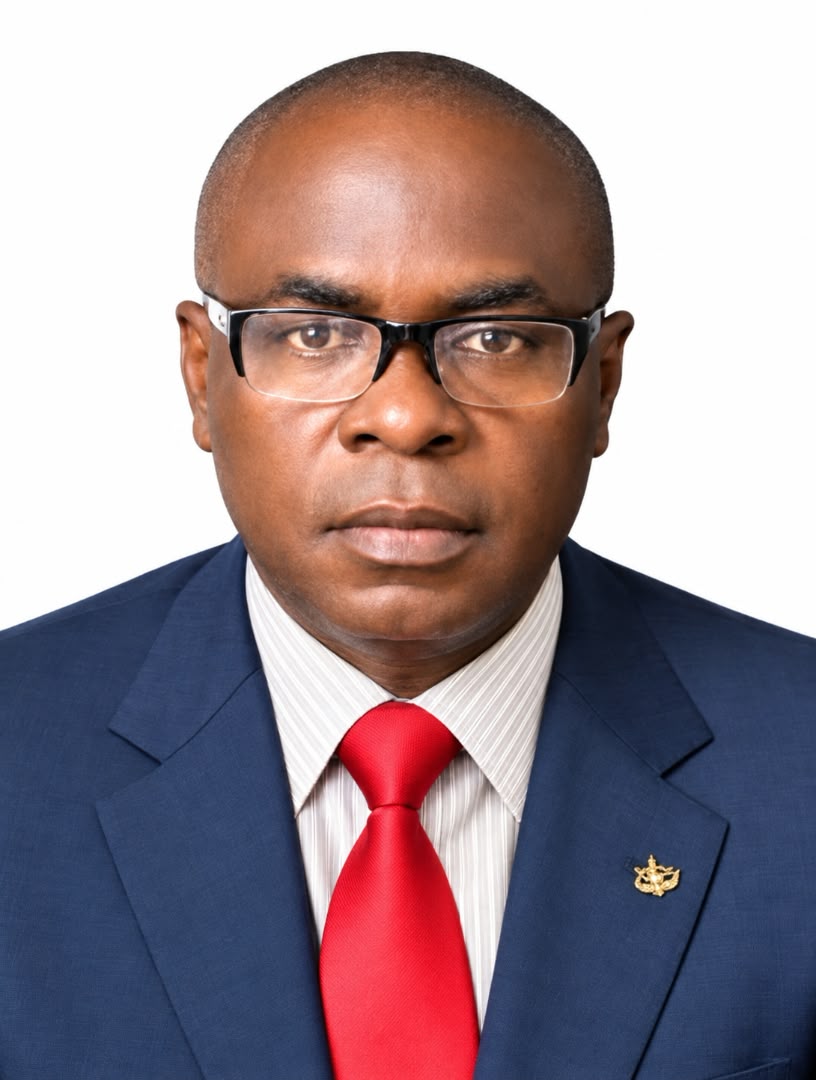
After Years of Leadership Crises and Missed Opportunities, the New CIPPON President, Clement koko Takes the Battle to Paper Manufacturers in Search of Solutions to the Industry’s Challenges
By Pius Ade Babaleye
There comes a time in the history of every profession when its members must pause, reflect, and ask themselves a fundamental question: How much progress have we made, and how many opportunities have we lost because of leadership failures, internal disagreements, and misplaced priorities?
*For Nigeria’s printing industry, that question has become increasingly important.
*For years, professional printers have battled the rising cost of paper and other printing materials, dwindling profit margins, difficult business conditions, and the struggle to sustain their businesses in an increasingly challenging economy. Yet, beyond these economic realities, the profession has also endured institutional disagreements, leadership crises, and divisions that have weakened its collective voice and distracted attention from the pressing needs of practitioners.
The painful question is whether the printing profession could have achieved much more if its leaders had devoted greater attention to the welfare of members, industrial development, and the pursuit of practical solutions rather than allowing personal interests and institutional rivalries to overshadow the collective mission.
*While the past cannot be rewritten, the future can still be rescued.*
Today, a new opportunity appears to be emerging following the bold initiative of the newly elected National President of the Chartered Institute of Professional Printers of Nigeria (CIPPON), Mr Clement Koko, who has demonstrated a willingness to move beyond rhetoric and confront one of the most pressing challenges facing printers: the high cost and accessibility of printing materials.
His recent engagement with paper manufacturers in Ogun State may well become a defining moment in the renewed quest to reposition Nigeria’s printing industry for growth, stability, and prosperity.
*THE YEARS WE LOST: WHEN LEADERSHIP CRISES OVERSHADOWED PROFESSIONAL PROGRESS*
No profession can achieve its full potential when the energy that should be devoted to development is continually consumed by internal struggles.
Nigeria’s printing industry has not been immune to this unfortunate reality. Over the years, disagreements surrounding leadership, institutional relationships, and the direction of the profession have contributed to an atmosphere in which collective advancement has too often struggled to receive the attention it deserves.
While professional disagreements are not unusual in any organised sector, the real concern arises when such disagreements become prolonged, distract from the welfare of practitioners, or prevent institutions from working together to address shared challenges.
The consequences are felt most severely by ordinary printers, particularly small and medium-sized business owners who must contend daily with the high cost of materials, overhead expenses, staff salaries, equipment maintenance, and customers who expect affordable services despite rising production costs.
For these practitioners, professional leadership must mean more than titles, positions, ceremonies, and public pronouncements.
It must translate into tangible benefits.
It must mean advocacy for better business conditions, stronger relationships with manufacturers, improved access to raw materials, professional development, and policies that support the survival and expansion of printing businesses.
The printing profession has lost valuable time to crises and disagreements. The priority now must be to recover that lost ground through purposeful leadership, genuine unity, and measurable achievements.
The challenge before the present leadership is therefore not merely to manage an institution but to rebuild confidence in the capacity of professional associations to deliver meaningful results.
CLEMENT KOKO: A PRESIDENT TAKING THE BATTLE TO THE MANUFACTURERS
In what deserves commendation as a practical and forward-looking initiative, the new National President of CIPPON, Mr Clement Koko, has taken a step towards confronting the high cost of printing materials through direct engagement with paper manufacturers.
Rather than allowing the concerns of printers to remain confined to meetings, complaints, and conversations within professional circles, the CIPPON president led a national delegation of printing stakeholders on a working visit to two paper-manufacturing companies in Ogun State.
The companies visited were Everest Paper Manufacturing Company in Ibefun and Nixin Paper Mills in Sagamu.
The mission was straightforward but significant: to open a channel of communication between professional printers and paper manufacturers, explore areas of mutual cooperation, and seek practical ways of improving access to essential printing materials.
At both facilities, the delegation was welcomed by the respective management teams and conducted around the production facilities to gain firsthand insight into their manufacturing operations.
The factory tours were followed by roundtable discussions with company executives, during which the participants explored opportunities for cooperation and ways of establishing a more productive relationship between manufacturers and professional printers.
This approach deserves recognition because it takes the conversation directly to the source of a critical industry challenge.
A leader who identifies a problem and mobilises stakeholders to seek solutions has already taken an important step towards delivering results.
Although the ultimate success of this initiative will depend on its practical outcomes, Mr Koko’s decision to pursue direct engagement represents a promising beginning.
It is a reminder that professional leadership must be measured not simply by what leaders say but also by the problems they are prepared to confront.
*WHY PRINTERS DESERVE THIS KIND OF LEADERSHIP*
The high cost of printing materials has become a serious concern for practitioners across Nigeria.
Paper remains one of the essential inputs in printing, publishing, packaging, advertising, education, branding, and numerous other commercial activities. When its price rises sharply, the impact spreads throughout the entire value chain.
Printers face the difficult task of adjusting their charges without losing customers. Publishers struggle to control production costs. Small printing businesses find it increasingly difficult to compete, while consumers ultimately bear some of the additional costs.
The situation calls for sustained engagement among manufacturers, distributors, professional associations, and other relevant stakeholders.
It is important, however, to recognise that paper prices can be influenced by several factors, including production costs, imported inputs, foreign exchange, transportation, energy, distribution expenses, and market conditions.
Consequently, no single factory visit can automatically resolve every pricing challenge confronting the industry.
Nevertheless, direct engagement creates an opportunity to understand these factors better, explore more efficient supply arrangements, and determine whether professional printers can benefit from more competitive purchasing options.
*That is precisely why the initiative deserves encouragement.*
If sustained through constructive negotiations and clear follow-up arrangements, the engagement could open the door to improved supply relationships, bulk-purchasing opportunities, greater price transparency, and more predictable access to paper.
These are the kinds of practical interventions that can make a meaningful difference in the daily lives of printing professionals.
*AN ENCOMIUM TO MR CLEMENT KOKO: LEADERSHIP MUST BE ABOUT SERVICE, NOT SELF-INTEREST*
Special commendation goes to Mr Clement Koko, the newly elected National President of CIPPON, for demonstrating an encouraging willingness to confront an issue that directly affects the economic survival of professional printers.
His initiative sends an important message to the printing community: the challenges of the profession cannot be overcome by sitting back and waiting for circumstances to improve.
They require engagement, consultation, courage, strategic thinking, and a determination to explore solutions, even when the problems are complicated.
The significance of his action lies not in the factory visit alone but in the leadership philosophy it represents.
It reflects an understanding that the office of a professional leader is a platform for service, responsibility, advocacy, and problem-solving.
At a time when many printers are anxious about the future of their businesses, initiatives that seek to address the cost of production deserve to be encouraged, strengthened, and sustained.
Mr Koko deserves commendation for taking this step early in his tenure and for bringing relevant stakeholders together around an issue of common concern.
His approach also presents an opportunity to rebuild confidence in professional leadership by demonstrating that the needs of practitioners can be placed at the centre of institutional priorities.
The printing industry does not need leaders who are satisfied with occupying positions; it needs leaders who are determined to make those positions count.
It needs leaders who can listen to the complaints of ordinary members, understand the realities of the marketplace, engage powerful stakeholders, and pursue outcomes that improve the working conditions of practitioners.
It needs leaders who appreciate that the strength of a professional institution is ultimately reflected in the progress of the people it represents.
*Mr Koko has taken a commendable first step in that direction.*
The expectation now is that this initiative will be followed by sustained negotiations, clear communication, and practical arrangements capable of producing measurable benefits.
If these engagements eventually translate into better purchasing opportunities and more competitive material costs, the entire printing community will have reason to celebrate.
For now, the industry has every reason to encourage this promising initiative while holding its leadership to the standards of accountability and performance that professional service demands.
*ASSPPON AND CIPPON: THE TIME FOR GENUINE COLLABORATION IS NOW*
Another encouraging aspect of this development is the participation of the Association of Professional Printers of Nigeria (ASPPON) alongside CIPPON.
The challenges confronting printers do not recognise institutional boundaries. Whether a practitioner belongs to one association or another, the impact of high material costs, difficult market conditions, and economic uncertainty remains largely the same.
This reality makes cooperation between professional institutions not only desirable but necessary.
ASPPON and CIPPON have important roles to play in advancing the interests of professional printers. Where their efforts complement one another, the profession stands to benefit.
The participation of Malam Abubakar Indagi, National Secretary-General of ASSPPON, alongside Pius Ade Babaleye PAB, Coordinator of ASSPPON Ikeja Division, and other members of the national delegation demonstrates the importance of collective engagement.
*The industry needs more of this spirit of cooperation.*
The time has come to move beyond unnecessary divisions and concentrate on the issues that matter most to practitioners.
How can printers obtain paper at more competitive prices?*
*How can small businesses survive the rising cost of production?*
*How can local manufacturers and professional printers develop mutually beneficial relationships?*
*How can professional institutions create more opportunities for their members?*
These are the questions that deserve the attention, energy, and intellectual resources of the profession’s leadership.
When professional associations unite around the economic welfare of their members, the entire industry becomes stronger.
The present engagement should therefore be seen as an opportunity to deepen cooperation between ASSPPON and CIPPON and establish a more consistent framework for addressing challenges affecting the profession.
*FROM FACTORY VISITS TO TANGIBLE BENEFITS: THE REAL TEST AHEAD*
While commendation is appropriate, the printing industry must also recognise that a promising initiative is only the beginning of a longer process.
The real measure of success will be what happens after the delegation returns from the factories.
*Will the discussions lead to concrete supply arrangements?*
*Can manufacturers and professional associations develop commercially sustainable purchasing options for printers?*
*Will members receive regular updates on the progress of negotiations?*
*Can the initiative be extended to benefit practitioners beyond the major commercial centres?*
*These questions should guide the next phase of the engagement.*
*To turn the initiative into a lasting achievement, the following steps deserve serious consideration:*
1. *Establish a sustained manufacturers’ engagement programme.*
ASSPPON and CIPPON should maintain regular dialogue with paper manufacturers and explore opportunities for long-term cooperation.
2. *Explore direct and bulk-purchasing arrangements.*
Where commercially feasible, professional associations could investigate collective purchasing models that may help members reduce procurement costs.
3. *Promote transparency throughout the supply chain.*
Constructive discussions with manufacturers and distributors could help practitioners better understand price variations and identify opportunities to improve purchasing efficiency.
4. *Develop a structured partnership framework.*
Future agreements should define the responsibilities of participating parties, the proposed benefits, and realistic performance targets.
5. *Keep members informed.*
Regular updates will help printers understand the progress made, the challenges encountered, and the opportunities that emerge from the engagement.
6. *Measure success through practical outcomes.*
The impact of the initiative should be assessed through improvements in supply access, purchasing conditions, business opportunities, and other measurable benefits to practitioners.
These measures would help ensure that the visit becomes more than a memorable event. They could transform it into the foundation of a sustainable industry-development programme.
*A NEW DAWN MUST NOT BE ANOTHER MISSED OPPORTUNITY*
The history of the printing profession should teach its leaders an important lesson: opportunities for progress must not be allowed to disappear beneath the weight of internal disagreements, personal ambitions, or institutional rivalries.
The industry has already spent valuable time confronting challenges that required unity, strategic thinking, and collective action.
*The future must be different.*
The new leadership of CIPPON has an opportunity to demonstrate that professional institutions can regain the confidence of their members by concentrating on practical problems and delivering measurable results.
*Mr Clement Koko’s engagement with paper manufacturers provides an encouraging starting point.*
It is now important for the leadership of both CIPPON and ASSPPON to build on this development, sustain the conversations, and pursue arrangements that can genuinely improve the operating conditions of professional printers.
The industry also needs a renewed commitment to professionalism, accountability, innovation, skills development, and the promotion of local production.
Printing remains an important part of Nigeria’s economic and social infrastructure. From books and educational materials to newspapers, packaging, commercial documents, advertising, and corporate branding, the industry continues to support activities that touch almost every aspect of national life.
Allowing the profession to remain weakened by avoidable divisions and persistent operational challenges would represent a missed opportunity for practitioners and the wider economy.
*This is why the present moment matters.*
It offers an opportunity to recover lost ground, restore confidence, and redirect professional leadership towards the welfare of members and the sustainable development of the industry.
*MY MESSAGE TO THE NEW CIPPON PRESIDENT*
As the Coordinator of ASSPPON Ikeja Division, I commend Mr Clement Koko for taking this bold initiative and encourage him to remain focused on the issues that directly affect the welfare of professional printers.
*The expectations are high, but so is the opportunity to make a meaningful difference.*
The printing community needs leadership that listens, consults, negotiates, and delivers. It needs institutions that work together despite their differences. Above all, it needs a professional environment in which the survival and growth of printing businesses receive the attention they deserve.
*Mr Koko has taken a step worthy of recognition.*
May he build on this foundation with consistency, transparency, and a determination to turn promising discussions into practical achievements.
May the collaboration between CIPPON and ASSPPON grow stronger, and may the printing industry finally begin to recover the valuable years lost to unnecessary crises and missed opportunities.
The ultimate victory will not be measured by the number of factory visits undertaken, meetings held, or statements issued. It will be measured by the positive difference professional leadership makes in the lives and businesses of ordinary printers.
The time has come to replace leadership crises with leadership achievements, self-interest with service, division with unity, and endless complaints with practical solutions.
*THE INDUSTRY MUST MOVE FORWARD*
The visit to Everest Paper Manufacturing Company in Ibefun and Nixin Paper Mills in Sagamu represents an encouraging development in the continuing search for solutions to the high cost of printing materials in Nigeria.
It reflects the value of engagement, the importance of collaboration, and the need for professional leaders to confront challenges directly.
*To Mr Clement Koko, the new National President of CIPPON, goes a well-deserved commendation for taking this initiative.*
To the national leadership of ASSPPON and every member of the delegation goes recognition for participating in an effort aimed at advancing the collective interests of the printing profession.
The years lost to institutional disagreements cannot be recovered in the literal sense, but the lessons they have taught must guide the decisions of today.
The future of the profession must be built on purposeful leadership, professional unity, sustainable partnerships, and results that practitioners can see and feel.
The printing industry has waited long enough for meaningful progress. The journey towards recovery must begin with bold ideas, continue with determined action, and culminate in tangible benefits for printers across Nigeria.
This is the opportunity before the new CIPPON leadership. This is the responsibility of ASSPPON and other industry stakeholders. And this is the moment for the printing profession to move forward together.
Kudos to Mr Clement Koko for taking the initiative!
Pius Ade Babaleye
ASSPPON Ikeja Division Coordinator

By Aderonke Ojediran
As Nigeria marks its 66th Independence anniversary, the debate over leadership, public trust and accountability remains central to the country’s democratic experience.
For citizens, the question is not simply whether political leaders make mistakes.
It is also about how they respond when they do, how they explain their decisions and whether they remain accountable to the people they serve.This debate has recently been brought into sharper focus by comments from Lagos Deputy Governor, Dr Obafemi Hamzat, who is also the All Progressives Congress (APC) governorship candidate for the 2027 election.
From housing and the cost of accommodation to Lagos’ notorious traffic, some of Hamzat’s public comments have generated criticism and discussion, raising a broader question.
Must a leader always say the right thing, make the right decision and satisfy every public expectation to be considered worthy of leadership?
The question goes beyond one politician or one election.
Obviously, it touches on the difficult balance between citizens’ expectations and the realities of governing a population of millions, with competing needs, interests and circumstances.
Mr Emmanuel Okara, a sports analyst, believes leaders are human, but accountability remains non-negotiable.
The challenge, therefore, is to distinguish between an honest mistake, poor judgment, a legitimate change of position and a failure to act in the public interest.
According to Mr Dipo Ishola, a retiree, politicians should be held accountable for actions taken while in office because they are custodians of public trust and resources.
His position reflects a basic principle of democratic governance: public office is not merely a position of authority. It is a responsibility exercised on behalf of citizens.
Political leaders make decisions that affect the cost of living, employment, education, healthcare, housing, transportation and the general welfare of the population.
Their words and actions therefore attract greater scrutiny.
As Ishola noted, words spoken by private citizens can carry greater significance when expressed by people entrusted with public responsibility.
Mr Taiwo Olapade, a political analyst and Lagos resident, similarly said politicians were often held to higher standards because of the responsibilities entrusted to them and the public resources under their control.
He said government policies should ultimately improve citizens’ lives, although their effects might not be distributed equally.
According to him, leaders should be prepared to make difficult decisions when necessary, but should also explain the reasons for those decisions and their expected long-term benefits.
He added that governments should regularly review policies to ensure that they remained relevant to citizens’ needs.
Nigeria’s long-running debate over fuel subsidy removal provides one example.
In January 2012, the administration of former President Goodluck Jonathan announced the removal of the petrol subsidy, triggering nationwide protests and opposition from labour unions, civil society groups and political actors.
Tinubu, then a prominent opposition politician and former Lagos governor, was among those who criticised the policy and supported opposition to the removal.
On May 29, 2023, however, Tinubu, in his inaugural address as president, announced that the petrol subsidy was gone.
His administration subsequently defended the reform as necessary to address fiscal pressures and pursue longer-term economic changes.
The two episodes occurred under different administrations and in different economic circumstances.
They nevertheless provide a useful illustration of a recurring question in politics: Can a position opposed under one administration become justifiable under another?
Mr Lanre Adewole, a member of the Obafemi Hamzat Advisory Council, believes politicians can legitimately change their positions when they gain a better understanding of an issue or are presented with compelling evidence.
Adewole said historical perspectives and precedents should guide governments when explaining policies whose immediate effects might be difficult for citizens to bear.
He also stressed the importance of palliative measures to cushion the effects of economic reforms, including subsidy removal.
“The legitimacy of a decision depends not only on the intentions behind it but also on the evidence supporting it, its implementation and its consequences.
He nonetheless noted that describing a decision as necessary or beneficial in the long term “does not, by itself, make it a sound policy.”
According to Adewole, unpopular decisions can be justified where government has credible evidence that they are likely to address a difficult problem and produce broader benefits.
The important distinction, he said, was between a policy that was unpopular because it tackled a difficult problem and one that was unpopular because it was poorly designed, inadequately explained or unfairly implemented.
The Lagos conversation where housing costs and traffic congestion are part of the daily experience of many residents, comments by political office holders about these issues can quickly become matters of public debate.
Hamzat’s advice to young workers struggling with high rents to consider living with parents or relatives, sharing accommodation or choosing housing they can afford has attracted criticism as well as discussion about the realities of housing in Lagos.
The deputy governor was reported to have also advised residents not to spend more than 40 per cent of their income on rent.
Some may view the advice as practical in a city where accommodation is expensive. Others may argue that personal financial discipline does not address the structural problem of housing affordability.
Both perspectives point to a wider question: what policies can make decent housing more accessible to workers whose incomes have not kept pace with rents?
The issue goes beyond where an individual chooses to live. It involves housing supply, land costs, wages, transportation, urban planning and the broader cost of living.
A similar debate followed Hamzat’s description of Lagos traffic as a “lifestyle” during an appearance at Podfest Naija.
He was speaking in the context of Lagos’ creative industry and how commuters consume podcasts and other content while travelling.
Following criticism of the comment, Hamzat said the remark had been taken out of context and explained that he was discussing how traffic had become part of the daily experience of many Lagos residents.
For commuters, however, traffic is more than a cultural experience.
It can mean late arrival at work, reduced family time, additional transport costs, fatigue and lost productivity.
That is why the broader discussion should also consider practical solutions, including public transportation, road infrastructure, traffic management and urban planning.
Public comments should be assessed in context, but context should not prevent citizens from asking whether leaders adequately understand the problems they are addressing.
A politician’s choice of words may reveal a weakness in communication without necessarily providing a complete picture of the person’s approach to governance.
Conversely, a well-expressed statement does not automatically demonstrate effective leadership.
The more substantive question is whether a leader can translate an understanding of citizens’ problems into workable policies and measurable improvements.
Okara, the sports analyst, argued that leaders in government and business should be willing to make difficult or unpopular decisions where the long-term benefits justified them.
He said such leaders must communicate with the people and explain the expected benefits of their decisions.
He further argued that human beings were capable of changing as they learn and gain new experiences and that individuals should not be judged solely by the baggage of past controversies.
For Toyin Onigbanjo, founder of August Secrets, governance remained a collective responsibility.
That perspective recognises the role of citizens, public institutions, civil society, businesses and other stakeholders in promoting effective governance.
According to her, citizens often look to leaders for solutions to problems that have accumulated over many years.
The expectation can sometimes approach a demand for perfection, as though political office should eliminate ordinary human weaknesses such as uncertainty, error or changing judgment.
But political leaders are not religious figures, because they exercise public authority within institutions and should therefore be assessed against the responsibilities attached to public office.
Political leadership should not depend on unquestioning admiration or personal loyalty.
A leader should be able to make a mistake without every action being dismissed. At the same time, a leader should be expected to acknowledge errors and accept responsibility for their consequences.
The humanity of a leader may help explain a mistake. It does not automatically excuse it.
Beyond one comment
As Nigeria marks 66 years of independence, the question of leadership remains closely connected to the expectations citizens have of the state and those who govern it.
The anniversary offers an opportunity to reflect not only on Nigeria’s political journey but also on the responsibilities that accompany public office and citizenship.
In his 2026 Independence Day address, President Bola Tinubu described the anniversary as an opportunity to reflect on Nigeria’s journey and the difficult choices made in recent years.
He also said the government’s focus should now be on turning economic reforms into broadly shared prosperity.
For citizens, expectations remain straightforward: public institutions should be responsive, public resources should be responsibly managed and government decisions should ultimately improve people’s lives.
In return, public officials are expected to demonstrate integrity, transparency and a willingness to account for their actions.
The challenge is to ensure that criticism of leaders is based on evidence rather than personal dislike, while also ensuring that appeals for understanding do not become a shield against legitimate scrutiny.
The same standard should apply regardless of party affiliation, political popularity or past controversy.
With the 2027 governorship election approaching, discussions about political leadership in Lagos are likely to intensify.
Hamzat has already unveiled a development agenda focused on areas including job creation, infrastructure, education, healthcare and security.
The debate surrounding his public comments therefore provides an opportunity to consider how voters assess candidates whose statements may attract both support and criticism.
One comment, taken in isolation, may not adequately establish a candidate’s overall approach to governance.
Equally, a public statement should not be dismissed simply because it comes from a politician whom someone supports.
A fuller assessment requires attention to a candidate’s public record, policy proposals, understanding of the state’s challenges, approach to accountability and explanation of how proposed solutions would be implemented.
Citizens may also ask whether a candidate has demonstrated the ability to listen to criticism, respond to public concerns and adjust policies when evidence shows that changes are necessary.
These questions are particularly relevant in Lagos, where housing affordability, transportation, waste management, flooding, employment and access to public services affect residents in different ways.
The task is not to demand that a candidate be perfect. No leader can reasonably satisfy every citizen or avoid every error.
The more practical question is whether the person seeking public office is willing to listen, learn, explain decisions, correct mistakes and remain accountable to the people.
Democracy does not require citizens to regard politicians as saints. Neither does it require them to accept every explanation offered by those in power.
It requires citizens to distinguish between personality and performance, promises and results, a genuine change of position and an unexplained contradiction.
It also requires political leaders to recognise that public office comes with obligations that go beyond personal intentions or the popularity of their statements.
A difficult decision should be supported by evidence and clearly explained.
A policy that causes hardship should come with a credible explanation of its purpose, expected benefits and consequences.
A mistake should remain open to scrutiny, while a change of position should be explained.
Ultimately, the question is not whether a leader can avoid every error or satisfy every citizen. No leader can reasonably guarantee either.
The more important question is whether the leader is willing to listen, learn, explain decisions, correct mistakes and remain accountable to the people.
As Nigerians reflect on 66 years of independence and Lagos residents prepare to make political choices in 2027, the challenge is to look beyond isolated comments without ignoring them, test claims against evidence and assess candidates by their records, proposals and willingness to answer for their actions.
The ballot box is not a search for a saint. It is a decision about who should be entrusted with public power and who will be held accountable for how that power is used.(NAN)
By Tony Obiechina
At the Nigeria Sovereign Investment Authority NSIA), the mandate to deploy patient capital is anchored in a clear objective: to invest in sectors capable of delivering both long-term commercial returns and measurable national impact.
Few sectors embody this dual imperative more clearly than healthcare.NSIA’s entry into healthcare was therefore guided by a straightforward but ambitious proposition: that high-quality healthcare services—many of which were previously inaccessible in Nigeria or available primarily through overseas treatment—could be made more accessible and affordable within the country.
This ambition led to the establishment of NSIA Advanced Medical Services Limited (“MedServe”), the Authority’s wholly owned healthcare subsidiary, with a strategic focus on advancing oncology, diagnostics and, subsequently, other specialised medical services across Nigeria.
Building on this foundation, Aminu Umar-Sadiq, Managing Director & Chief Executive Officer at NSIA has placed healthcare investment within a broader institutional framework—one that goes beyond the development of individual facilities to building sustainable healthcare capacity, strengthening local expertise, and creating platforms capable of delivering measurable outcomes over the long term.
Through MedServe, NSIA has translated this strategic vision into operational healthcare infrastructure with national significance.
The MedServe–LUTH Cancer Centre (MLCC) in Lagos, commissioned in May 2019, became the first oncology centre in Nigeria to offer 3D Conformal Radiotherapy and today houses the largest concentration of radiotherapy equipment in West Africa.
The centre’s strategic value became particularly evident during the COVID-19 pandemic, when international travel restrictions significantly constrained access to overseas medical treatment. At a critical moment for patients requiring specialised care, MLCC provided continuity of advanced cancer treatment within Nigeria, demonstrating the importance of resilient domestic healthcare capacity.
This investment has been complemented by the MedServe Kano Diagnostic Centre (MKDC) and the MedServe Umuahia Diagnostic Centre (MUDC), which introduced advanced radiology and pathology services to regions where such capabilities had previously been limited or unavailable.
The results are both substantial and measurable. Since inception, MLCC has delivered more than 25,000 radiotherapy sessions and 10,000 chemotherapy treatments to approximately 15,000 unique patients. The centre has also recorded instances of reversed medical tourism, with Nigerians being referred from overseas providers on account of the quality and cost-effectiveness of services available locally.
Treatment costs remain significantly below comparable international services, in many cases at less than half the cost of treatment abroad. It is estimated that these interventions have prevented more than US$200 million in foreign exchange outflows that would otherwise have been associated with overseas treatment and related expenses.
Across Kano and Umuahia, more than 410,000 patients had received pathology and radio diagnostic services by December 2025, supporting earlier detection, contributing to improved clinical decision-making and patient outcomes.
These figures represent more than service volumes. They demonstrate healthcare capacity built locally, specialised skills retained within the country, and tangible value delivered to Nigerians.
Building a Sustainable Oncology Ecosystem
Sustainable healthcare transformation requires more than physical infrastructure. It depends on an ecosystem in which infrastructure is supported by human capital development, clinical research, knowledge transfer and integration with leading international institutions.
Recognising that oncology remains an emerging specialty in Nigeria, NSIA, through MedServe, adopted a holistic approach centred on three priorities: developing a pipeline of skilled oncology professionals; strengthening clinical research and trial capacity tailored to African populations; and establishing partnerships with leading global medical institutions.
As part of this effort, MedServe instituted an annual Oncology Summit to bring together clinicians, researchers, regulators and academics, creating a platform for knowledge exchange, professional development and collaboration.
MedServe has also established partnerships with globally respected institutions, including Memorial Sloan Kettering Cancer Center, the University of Maryland Medical Center and Bio Ventures for Global Health. These collaborations are helping expand access to clinical trials and innovative approaches in oncology, radiology and pathology.
To date, MedServe has participated in two global cancer trials focused on prostate and breast cancer—an important step towards strengthening Nigeria’s role in international clinical research and ensuring that evidence generated through global healthcare innovation is increasingly relevant to African populations.
This ecosystem-led approach reflects the broader investment philosophy championed under Aminu Umar-Sadiq’s leadership: that sustainable impact is achieved not simply by deploying capital into assets, but by creating the institutional, technical and human-capital foundations required for those assets to deliver value over generations.
Expanding National Access: The Next Phase
Building on the outcomes achieved to date, MedServe has embarked on a structured expansion of its healthcare footprint across 13 states.
The expansion is designed to balance established urban centres—including Lagos, the Federal Capital Territory and Kaduna—with other participating states such as Oyo, Sokoto, Delta and Yobe. The objective is to bring specialised diagnostic and treatment capabilities closer to more Nigerians while creating a more geographically diversified healthcare network.
The next phase comprises the development of 13 new diagnostic centres, three additional oncology centres and three cardiac catheterisation laboratories, introducing cardiology as a new service line within the MedServe platform.
Scale, however, must be accompanied by operational resilience. To this end, MedServe has established long-term partnerships with global equipment manufacturers Siemens and GE. These partnerships cover equipment supply, maintenance, training and bulk procurement efficiencies, supporting high service uptime, consistent quality and the long-term sustainability of the expanding network.
The financing structure supporting this expansion is equally significant. In line with NSIA’s mandate to mobilise capital and catalyse foreign investment, MedServe secured up to US$24.3 million in blended financing from the International Finance Corporation (IFC) and the International Development Association (IDA).
The financing represents an innovative approach to healthcare investment, helping to lower the cost of capital while supporting affordability and demonstrating growing multilateral confidence in Nigeria’s healthcare sector.
With the commissioning of new centres scheduled to commence from mid-2026, NSIA, through MedServe, remains focused on expanding equitable access to high-quality healthcare services across Nigeria.
The country’s healthcare narrative must continue to evolve. It should no longer be defined predominantly by outbound medical tourism, but increasingly by domestic resilience, expanding capacity and measurable national capability.
The ambition is not simply to build more healthcare facilities. It is to demonstrate that world-class, dignified and accessible healthcare can be developed, operated and sustained in Nigeria.
The journey remains ongoing, but the direction is clear. Through disciplined capital deployment, strategic partnerships, long-term institutional commitment and strong execution, NSIA will continue to support the development of healthcare infrastructure capable of serving both the current and future generations of Nigerians.
For NSIA, the measure of success ultimately extends beyond the infrastructure delivered. It lies in the capacity created, the patients served, the expertise retained, the investment attracted and the extent to which Nigeria’s healthcare system becomes stronger, more resilient and increasingly capable of meeting the needs of its people at home.



UN, EU Seek Trust, Technology to Strengthen Africa’s Counter-Terrorism Fight
ShareUN Deputy Secretary-General Amina Mohammed, has called for stronger intelligence sharing, public trust and responsible use of emerging technologies to...


University of Agriculture, Orerokpe Bill, Passes Third Reading in Senate
ShareThe University of Agriculture, Orerokpe Bill, sponsored by Senator Ede Dafinone, representing Delta Central Senatorial District, has passed through its...


Ishowo Urges Kwara to Convert KWASUED to Medical Varsity
ShareA Kwara based Public Affairs Analyst, Comrade Ishowo Olanrewaju, weekend called on the Kwara State government to urgently convert the...

NESG Chairman Urges Shift from Economic Reforms
ShareChairman, Nigerian Economic Summit Group (NESG), Olaniyi Yusuf has urged the Federal Government to translate economic reforms into tangible results,...


Yakubu Receives Fellowship Of Nigerian Institute Of Town Planners
ShareBy Raphael Atuu, Abuja TPL Chief Amb Hon. Stephen Shekwonce Yakubu, the District Head (Hakimi of Garki Shekwope), had his...


Much Ado About the PBAT Door-to-Door Movement
ShareBy Catherine Agbo In the unfolding drama of Nigerian political discourse, few things excite the commentary circuit quite like a...


WAHO, ECOWAS Countries Move to Tackle Health Worker Shortages, Brain Drain
ShareBy David Torough, Abuja The West African Health Organization (WAHO) has called for stronger regional collaboration and practical policy interventions...

Afreximbank’s Net Income Rises 24 Per Cent to $813.5 Million in Nine Months
ShareThe African Export-Import Bank (Afreximbank) and its subsidiaries have reported a 24 per cent increase in net income for the...

Wike-Led FCTA Committed to Quality Healthcare, Stronger Medical Institutions – Mahmoud
ShareBy Laide Akinboade, Abuja The Minister of State, Federal Capital Territory (FCT), Dr. Mariya Mahmoud, has reaffirmed the commitment of...


Enugu Police Arrest 28 Year Old Suspect for Robbing POS Operator
ShareFrom Sylvia Udegbunam, Enugu The Enugu State Police Command has arrested a 28-year-old male suspect, Michael Ayisa, for allegedly robbing...