
NEWS
ECOWAS President Urges Member States to Expedite Action on Africa Gas Project


Dr Omar Touray, President of the ECOWAS Commission, has called on Member States to collaborate and expedite action toward ensuring that the African-Atlantic gas project(AAGP) becomes a reality.
Touray made the plea at a joint meeting of the Economic Community of West African States’ (ECOWAS) Ministers of Hydrocarbons and Energy, with Morocco and Mauritania participating, on Friday in Abuja.
The energy ministers’ meeting was to deliberate on AAGP’s institutional agreements to facilitate regional access to natural gas and expansion across global markets
It is a 6,800km gas pipeline network within the ECOWAS subregion, 5,100 kilometres on offshore from Nigeria to Morocco, passing through the coastal countries to Mauritania, Burkina Faso, Mali, and Niger.
The president , who was represented by the Mr Sediko Douka, ECOWAS Commissioner for Infrastructure, Energy, and Digitalisation, said the project had already reached a critical stage of its implementation.
He said the main objective of the meeting was to provide an update on the overall progress of the project, and present to them the latest versions of the community texts.
“We have reached a critical phase in the development of this project, and it is essential for all parties to urgently collaborative and ensure that it becomes a reality.
“This project is of vital importance for our region, as increased access to natural gas will not only boost our electricity production/generation capacity, but will also drive economic, industrial, and agricultural growth across the region.
“As a transitional energy source, abundant natural gas usage in the region will support our countries in contributing to global climate change efforts, advancing clean and sustainable mobility, and promoting the use of clean cooking solutions,” he said.
Touray also urged member states to boost renewable energy, saying it was essential to develop strategies, initiatives, action plans, and regulatory frameworks to increase its share in the subregion’s energy mix.
“Currently, the use of renewable energy in our region is marginal, apart from hydroelectric sources, which themselves are underutilised, that is, only at 20 per cent.
“For us, the main challenges facing the ECOWAS region are the shortage of energy production capacity and the need to cover energy demand, as well as access issues.
“This Forum therefore provides an opportunity to take measures to strengthen our regional structures in the energy sector, each of which is experiencing its challenges,” the president said.
Also speaking, Nigeria’s Minister of State for Petroleum Resources (Gas), Mr Ekperikpe Expo, said that the proposed African-Atlantic Gas Pipeline (AAGP) when operational will bolster Africa’s energy security and unlock new markets.
According to him, linking Nigeria’s natural gas reserves to North Africa and Europe would expand opportunities for economic growth, job creation, industrialisation, and benefiting communities across the linkage countries.
He described the AAGP as a crucial step toward achieving the vision of an integrated hydrocarbon and energy infrastructure within Africa and a reflection of ECOWAS’ strategic vision for a connected and economically vibrant pipeline network.
“The draft agreement is therefore an affirmation of our commitment to enhance trade within ECOWAS and other African countries, facilitating natural gas access across the region, and expansion in global gas markets,” he said.
Report says that AAGP is the outcome of the merging of West African Gas Pipeline Extension Project (WAGPEP) and Nigeria-Morocco Gas Pipeline Project (NMGP) into a single gas power plant project.
The merger was approved by ECOWAS Heads of State and Government at their 63rd Ordinary Session of the on July 9, 2023. (NAN)
Fresh data from the Nigerian Midstream and Downstream Petroleum Regulatory Authority has shown that the Dangote Petroleum Refinery & Petrochemicals exported an estimated 1.66 billion litres of refined petroleum products in April 2026.
This came amid mounting tensions in the Middle East and fears of possible disruption to global fuel supply routes following the growing conflict involving the United States and Iran.
An analysis of the NMDPRA’s April 2026 fact sheet showed that the country exported about 513 million litres of Premium Motor Spirit, popularly called petrol; 534 million litres of Automotive Gas Oil, also known as diesel; and 615 million litres of aviation fuel within the month under review.
The Dangote refinery is the only major functional refinery in Nigeria that currently produces enough refined petroleum products for both local consumption and export.
This is the first month the refinery has exported such a high volume of petroleum products, especially jet fuel and diesel, indicating the significance of the 650,000-barrel-per-day plant in Lekki, Lagos State.
The combined export volume translates to approximately 55.4 million litres daily. The development comes as the international oil market faces fresh uncertainty over the security of the Strait of Hormuz, a critical global oil shipping route, following the failure of the United States and Iran to agree on a peace deal.
Industry experts said the rising geopolitical uncertainty had significantly boosted demand for refined petroleum products from alternative suppliers such as Nigeria, especially as Europe, Africa, and parts of Asia scramble for more secure fuel sources.
The NMDPRA document showed that local refineries operated at an average capacity utilisation of 99.12 per cent in April, with the Dangote refinery accounting for the overwhelming share of production.
The regulator stated that the refinery achieved 100 per cent capacity utilisation “for most of the days in April.” The report also indicated that domestic refineries received 18.37 million barrels of crude oil in April, up from 13.11 million barrels recorded in March.
Findings further showed that the refinery maintained strong export momentum despite increased domestic supply obligations. According to the fact sheet, average daily petrol production stood at 53.6 million litres, while 40.7 million litres were supplied locally and 17.1 million litres were exported daily. Similarly, diesel production averaged 23.6 million litres daily, with exports accounting for 17.8 million litres per day, more than double the domestic supply volume of 8 million litres daily. For aviation fuel, exports stood at 20.5 million litres daily, compared to the domestic supply of 2.6 million litres per day.
The strong aviation fuel export performance comes weeks after reports emerged that domestic airline operators threatened to shut down over the rising cost of the fuel.
There are reports that Nigeria has become a net petrol exporter for the first time in decades due to rising output from the Dangote refinery. The refinery had earlier exported about 434 million litres of petrol in March after domestic production exceeded local consumption levels.
The latest figures underscore Nigeria’s gradual transition from a major importer of refined petroleum products to an export hub within Africa. It was observed that jet fuel exports may rise further if instability in the Middle East continues to disrupt traditional supply chains serving Europe and other regions.
The Middle East accounts for a substantial share of global aviation fuel exports, with the Strait of Hormuz serving as a strategic transit corridor for crude oil and refined petroleum products. The prolonged disruption in the region has tightened global fuel supply and pushed up prices internationally.
The NMDPRA report also revealed that Nigerians consumed an average of 51.1 million litres of petrol daily in April, slightly above the 50 million litres benchmark estimated by the regulator. Diesel consumption stood at 17.3 million litres daily, while aviation fuel consumption averaged 2.5 million litres per day.
Despite increased local refining activity, petrol prices remained elevated across the country. The regulator attributed prevailing prices partly to international crude oil costs, which averaged $120.55 per barrel during the month, while gasoline costs stood at $1,074.97 per metric tonne.
The refinery, with a nameplate capacity of 650,000 barrels per day, is expected to play a central role in Nigeria’s energy security and foreign exchange earnings as global fuel trade patterns shift amid geopolitical tensions.
As the Nigerian refinery exports petrol, the NMDPRA has continued to issue licences for the importation of petrol.
From Jude Dangwam, Jos
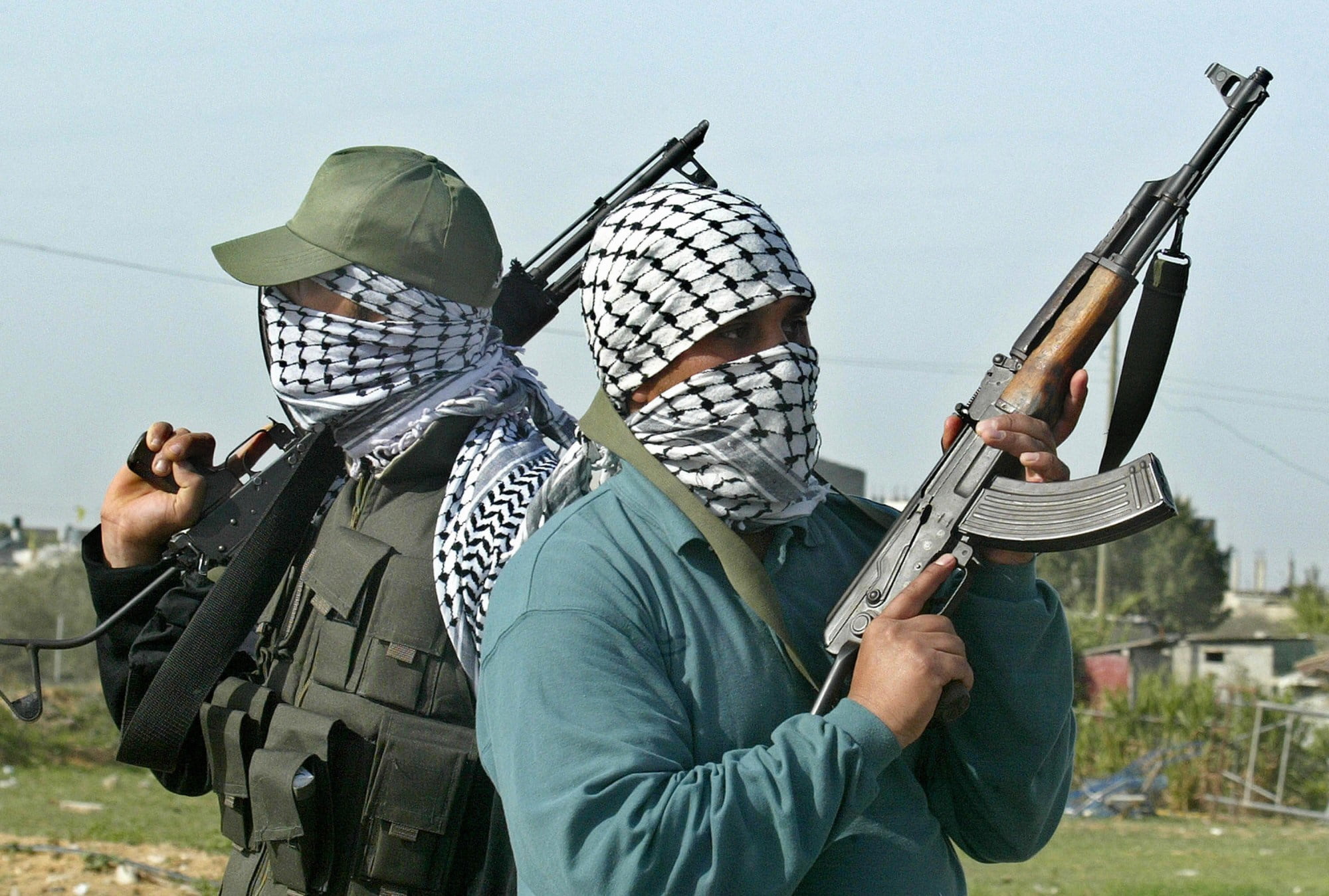
Gunmen have killed a young couple, Iliya Gyang, 30, and his pregnant wife, Grace, 25, in a fresh attack at Angwan Ishaku community in Barkin Ladi Local Government Area of Plateau State.
The incident, which occurred on Wednesday evening, also left two other persons injured, while the attackers reportedly fled the scene immediately after the assault.
A resident of the community, Kacholom Ayuba, confirmed the incident to journalists, saying it occurred at about 5:30 p.
m.The Berom Youth Moulders Association (BYM) also confirmed the attack in a statement issued by its National Publicity Secretary, Rwang Tengwong, describing it as gruesome and inhumane.
According to the statement, the assailants, who arrived on a motorcycle, opened fire on the victims and other residents before escaping through a route leading toward settlements in Fass along the Rakung-Sho road.
It explained that Gyang was killed while working on his farm close to his residence, while his wife was shot and died instantly at the scene.
The husband, who sustained serious gunshot injuries, was later confirmed dead after being rushed to a hospital.
The association further disclosed that the deceased couple left behind one-year-old twin boys, now orphaned by the attack.
The group noted that the incident occurred barely two days after Governor Caleb Mutfwang visited Barkin Ladi Local Government Area and held a town hall meeting with stakeholders on the security situation in the area.
It also said the attack came a day after a State Security Council meeting where the government announced new measures aimed at addressing persistent killings and destruction of farmlands across Plateau communities.
BYM said the latest attack showed that perpetrators of violence were still bent on destabilising peace efforts in the state despite ongoing interventions by government and security agencies.
Describing the killings as “barbaric, wicked, and inhumane,” the association called for intensified security operations in affected communities.
It urged the military and other security agencies to carry out coordinated raids in identified flashpoints to flush out criminal elements.
The group also appealed to the Plateau State Government to provide support for the orphaned twins left behind by the deceased couple.
BYM extended its condolences to the bereaved families and prayed for strength to bear the loss.
By Tony Obiechina, Abuja
The Federal Government has officially approved the long-awaited 40 per cent peculiar allowance for federal civil servants following intense pressure and threats of industrial action by the organised labour.
The approval, it was gathered, came after a marathon meeting on Tuesday personally presided over by the Head of the Civil Service of the Federation, Esther Walson-Jack, at the Conference Hall of her office in Abuja.
At the meeting, the National Salaries, Incomes and Wages Commission (NSIWC), it was learned, formally released the circular for the implementation of the allowance, bringing to an end nearly two years of agitation by workers over the delayed adjustment linked to the new N70,000 minimum wage structure.
Walson-Jack stressed the importance of strengthening communication and trust between government management teams and labour unions to avoid unnecessary industrial disputes.
She noted that while labour unions have the constitutional right to make demands, government agencies must also create room for dialogue and constructive engagement in order to sustain industrial harmony.
The meeting also provided an opportunity for the leadership of the Joint National Public Service Negotiating Council (JNPSNC), (Trade Union side) led by its National Chairman, Benjamin Uyanto, and the Executive Chairman of the National Salaries, Incomes and Wages Commission, Eyo Nta, to present their positions before the Head of Service intervened to broker an agreement acceptable to all parties.
Both Uyanto and Nta commended the Head of Service for her timely intervention, describing it as crucial in resolving the lingering dispute.
Following the deliberations, an implementable circular table for the 40 per cent peculiar allowance was officially presented to the leadership of the JNPSNC.
The National Secretary of the JNPSNC (Trade Union side), Olowoyo Gbenga, who confirmed the development in an interview on Wednesday, described the outcome as a major victory for Nigerian workers and a positive step toward improving workers’ welfare amid the current economic hardship.
According to him, implementation of the allowance will take effect from May 1, 2026, after workers had waited since July 2024 for the adjustment to reflect the new minimum wage template.
He further urged state governments to adopt the circular to enable workers at the state and local government levels to benefit from the relief package.
Olowoyo lamented the worsening economic realities facing workers and their dependents, stating that many families were struggling under severe financial pressure.
He also revealed that the JNPSNC had earlier fixed May 21 for a nationwide industrial showdown over the matter, accusing the National Salaries, Incomes and Wages Commission of initially resisting responsibility.
However, he said the intervention of the Office of the Head of the Civil Service of the Federation eventually saved the situation and restored confidence among workers.
“With this development, workers may likely sheath their swords and allow industrial peace to reign in the workplace,” he said.



Dangote Exports 1.66bn Litres Fuel During US-Iran War
ShareFresh data from the Nigerian Midstream and Downstream Petroleum Regulatory Authority has shown that the Dangote Petroleum Refinery & Petrochemicals...


Gunmen Defy Security Measures, Strike in Plateau Again
ShareFrom Jude Dangwam, Jos Gunmen have killed a young couple, Iliya Gyang, 30, and his pregnant wife, Grace, 25, in...

FG Averts Showdown, Approves Workers’ 40 Per Cent Allowance
ShareBy Tony Obiechina, Abuja The Federal Government has officially approved the long-awaited 40 per cent peculiar allowance for federal civil...
Abducted Nasarawa Varsity Students Regain Freedom
ShareStudents of the Faculty of Engineering, Nasarawa State University, Gudi Campus, who were abducted by gunmen have been released. The Nasarawa State Police Command disclosed this on Tuesday,...
Four NBA Stars Open to D’Tigers Call-up
ShareNigeria’s ambition to assemble a formidable basketball squad ahead of the 2028 Summer Olympics has received a major boost after four National Basketball Association...


Uganda’s President Sworn in for Seventh Term
ShareUganda’s President Yoweri Museveni, 81, has been sworn in for a record seventh consecutive term following his landslide victory in disputed elections...


Nollywood Star Alex Ekubo Dies at 40
SharePopular Nollywood actor, Alex Ekubo, is dead. He was 40. His death was confirmed on Tuesday by his colleagues, Funke Akindele, Bolanle Ninalowo, and Godwin Nnadiekwe, who...


NYSC Closes Camp for 1,953 Corps Members in Bayelsa
ShareFrom Mike Tayese, Yenagoa A total of 1,953 Corps Members have closed camping for the National Youth Service Corps (NYSC) for the 2026 Batch ‘A’...

Shippers’ Council Saves N348.8m in Q1
ShareThe Nigerian Shippers’ Council (NSC) said its first-quarter dispute interventions saved maritime stakeholders more than N348.8 million across Nigeria’s port...

Insecurity: Army, States Join Forces to End Bloodshed
ShareBy David Torough, Abuja Plateau State Governor, Caleb Mutfwang and the Chief of Army Staff, Lt.-Gen. Waidi Shaibu, yesterday renewed...