
NEWS
How Rural Infrastructure is Transforming Lives Across the FCT


By Jumai Ahmadu
While much attention has been given to the remarkable transformation taking place within the city centre of Abuja, perhaps one of the most impactful achievements of the current Federal Capital Territory Administration under the leadership of the Minister, Barr.
Ezenwo Nyesom Wike, is the unprecedented expansion of infrastructure into rural communities and area councils.For decades, many farming communities across Abaji, Kwali, Kuje, Bwari, Gwagwalada, and the Abuja Municipal Area Council (AMAC) struggled with poor road networks that limited access to markets, healthcare facilities, schools, and other economic opportunities. During the rainy season, some communities were virtually cut off, forcing farmers to watch their produce perish before reaching buyers.
Today, that narrative has changed and keeps improving.
The construction and rehabilitation of strategic roads across the area councils have opened up new economic corridors, connecting isolated communities to urban markets, and improving the livelihoods of thousands of residents, particularly farmers, who form the backbone of rural economies.
Among the projects making significant impacts are the Airport–Kuje Road, the Kuje–Gwagwalada Dual Carriageway, rural access roads in Kwali and Abaji, and the newly commissioned access road linking communities around the second runway corridor of the Nnamdi Azikiwe International Airport.
For many indigenous communities, these projects represent more than infrastructure; they symbolize inclusion, recognition, and economic empowerment.
Speaking on the impact of the newly completed road network, Mr. Istafanus Ishaya, an indigenous farmer from Pai Community in Kwali Area Council, noted: “For years, transporting our yam, maize, and cassava to markets in Gwagwalada and Abuja was a nightmare. Vehicles avoided our roads, and middlemen took advantage of us.
“Today, transport costs have reduced, buyers come directly to our farms, and we earn better income from our produce.”
Similarly, Mallam Ibrahim Mangalu from Kwaita Community in Abaji Area Council explained that improved road access has significantly reduced post-harvest losses.
“Before now, a substantial portion of our farm produce was lost because it could not reach the market on time. With the new roads, we can move our produce quickly, and our earnings have improved considerably.”
In Kuje Area Council, Mrs. Grace John, a groundnut farmer from Chukuku Community, described the development as life-changing.
“Our children now get to school more easily, healthcare services are more accessible, and traders come directly to our community to purchase farm produce. The road has brought development closer to us.”
Another beneficiary of the ongoing infrastructure revolution, Mr. Jude Onaria, a native of Kuje Area Council, described the completion of the Kuje–Gwagwalada Dual Carriageway as the fulfilment of a long-awaited dream.
“As someone born and raised in Kuje, seeing the construction and completion of the Kuje–Gwagwalada Road is truly a dream come true.
“This is a project that residents have heard about and waited for since the early 2000s. For many years, successive administrations talked about it, but little progress was made.
“Today, we can see and use the road. Beyond easing transportation, it has improved business activities, reduced travel time, and given residents renewed confidence that development is reaching our communities.”
His remarks reflect the sentiments of many long-time residents who view the project not merely as a road but as the fulfilment of decades of expectation and a symbol of government’s commitment to inclusive development.
For communities around Tungan Madaki, where residents had long endured the consequences of surrendering ancestral lands for the construction of the airport’s second runway, the newly commissioned access road has restored hope and connectivity.
Chief Musa Yangoji, an elder from the community, observed: “For many years, our people felt forgotten despite the sacrifices made for national development. This road has reconnected us to the rest of Abuja and opened opportunities for businesses and farmers alike.”
These testimonies reflect the experiences of many indigenous groups across the FCT, including the Gbagyi, Bassa, Gade, Gana-Gana, Koro, Egbira, and Hausa communities who have historically occupied the territory and whose livelihoods depend largely on agriculture and local commerce.
Beyond improving transportation, the road projects have stimulated economic activities, increased land values, attracted private investments, and enhanced access to social services.
Farmers can now transport produce faster and at lower costs, while traders and investors can reach communities that were previously inaccessible.
The multiplier effect of these projects is already becoming evident. Increased mobility is encouraging agricultural expansion, reducing transportation bottlenecks, creating new business opportunities, and fostering stronger economic integration between rural communities and urban markets.
As roads improve, so too do prospects for education, healthcare delivery, tourism, and overall social development.
As Abuja marks fifty years of its creation, the extension of infrastructure to rural communities stands as one of the most enduring legacies of the current Administration.
For many a resident, the transformation or rural communities speaks to the vision of President Bola Tinubu being realised through Minister Wike that all Nigerians matter and that the Renewed Hope Agenda is not just sloganeering, but a practical demonstration of good governance.
Across the six area councils, a new reality is emerging—one where roads are not merely connecting places but connecting people to opportunities, prosperity, and a renewed sense of belonging.
For many rural residents, the value of these projects is measured not by kilometres of asphalt laid but by improved livelihoods, increased incomes, easier access to markets, and the hope of a better future for their children.
As the FCT continues its journey of growth and development, the story of rural infrastructure remains one of the clearest examples of how government investment can directly improve the lives of ordinary citizens.
By bringing development closer to the people and unlocking the economic potential of rural communities, the Administration is laying the foundation for a more inclusive, prosperous, and connected Federal Capital Territory.
Dr. Jumai Ahmadu is Director, Reform Coordination and Service Improvement Department (RC&SID) of the FCTA.
jumaiabuahmadu@yahoo.com
By Elijah Oguche, Abuja
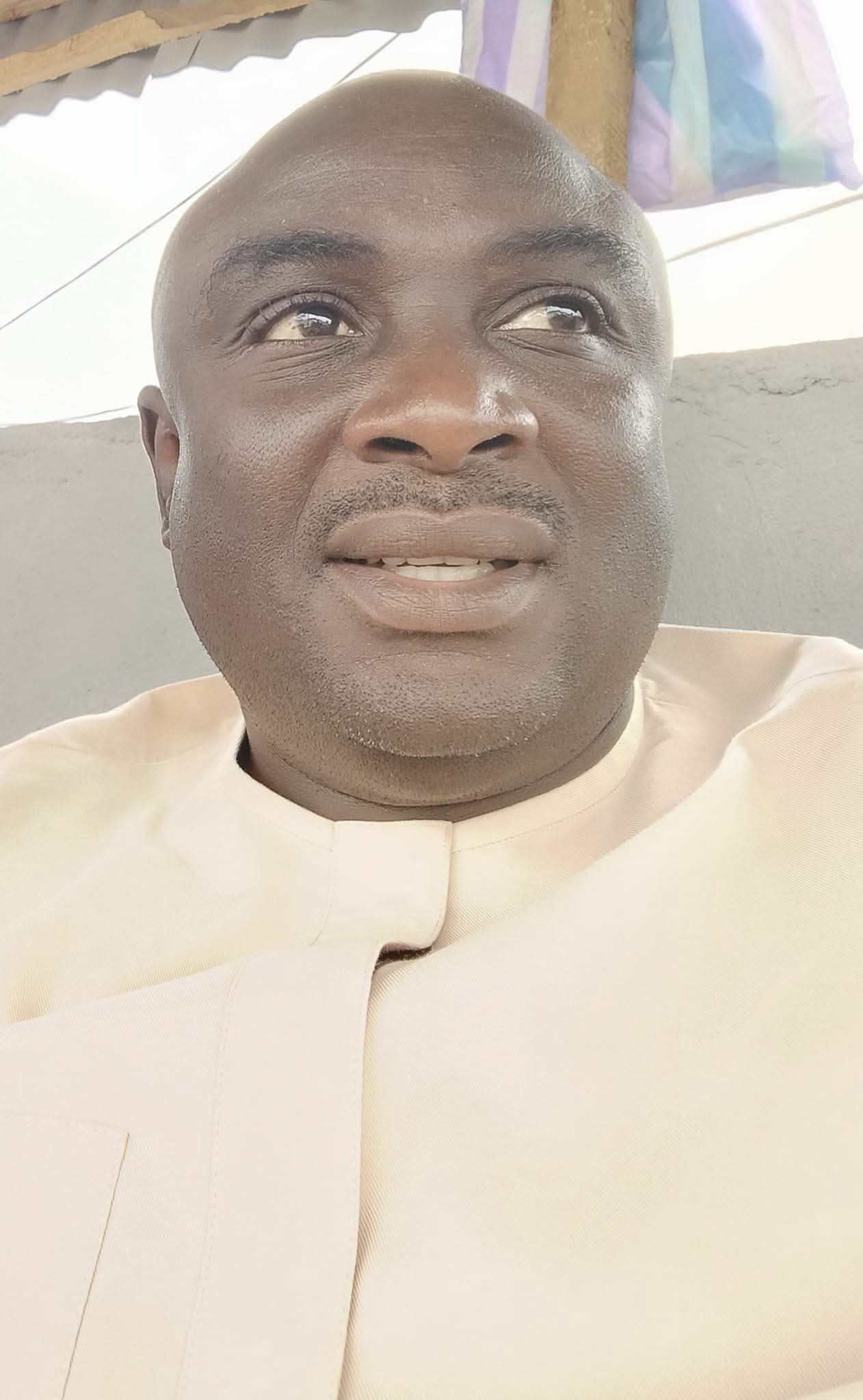
Twelve concerned chapels of the Nigeria Union of Journalists (NUJ), Benue State Council, have again taken issue with comments allegedly made by the Chief Press Secretary (CPS) to Governor Hyacinth Alia, Mr.
Tersoo Kula, distancing himself from the local media.The position was contained in a communiqué issued at the end of a meeting of the concerned chapels held in Makurdi on Monday, June 22, 2026.
The chapels said they were disappointed by a statement credited to the CPS in which he reportedly declared that he had no dealings with the local media.
According to them, such a position does not reflect Governor Hyacinth Alia’s appreciation of the role of indigenous media organisations in the development of Benue State.
The journalists noted that Governor Alia has maintained a cordial relationship with media practitioners in the state and acknowledged the contributions of local media to governance and development.
They commended the governor for his administration’s performance and urged him to sustain the current pace of development across the state.
While expressing reservations over the CPS’ alleged remarks, the chapels praised the working relationship between the media and key government communication aides, including the Technical Adviser on Media, Publicity and Strategic Communications, Chief Solomon Iorpev, as well as Principal Special Assistants Donald Kumun (Print), Bridget Tivkyaa (Media Publicity and Strategic Communications), and Isaac Uzaan (Media and Content Creation).
They called for the continued strengthening of the cordial rapport.
The meeting also aligned itself with the resolution of the NUJ Congress held on June 15, 2026, which cleared the Chairman of the NUJ Benue State Council, Comrade Bemdoo Ugber, of allegations of financial impropriety after considering his explanations on the matter.
The concerned chapels challenged the Correspondents’ Chapel to subject its position on the current NUJ leadership to what they described as a referendum to test the acceptance and effectiveness of its campaign for the dismantling of the state council leadership.
They further called on the NUJ to immediately publish the report of its membership screening exercise aimed at identifying unqualified individuals within the union, in line with the NUJ constitution.
The chapels insisted that the Benue State Council should not be intimidated into abandoning its responsibility of ensuring that only qualified practitioners operate within the profession in accordance with established ethical and professional standards.
The communiqué was signed by the Chairman of the Drafting Committee, Comrade Mhii Sam-Selumun; Secretary, Comrade Paku Charles; and member, Comrade Ogaga Moses
Guinea has banned the export of unrefined gold in an effort to promote domestic processing of the precious metal.
The policy – effective immediately – comes after Guinea’s President Mamadi Doumbouya met industrial and artisanal gold producers and buyers, and aims to boost the economy and create more jobs.
“Guinea will now require its gold to be processed within its own borders.
Raw gold will no longer leave Guinea,” he said, adding that other countries have been reaping the economic benefits of processing and trading their raw materials.Guinea is Africa’s sixth largest gold producer, according to the World Gold Council.
Other African nations have taken similar steps to increase domestic processing and value addition in the mining sector in recent years.
In Tanzania and Uganda, the export of unprocessed minerals and metals such as gold and copper is already banned, while Ghana is set to ban raw gold exports by 2030.
Africa’s top lithium producer, Zimbabwe, has banned concentrate exports of the metal used to make batteries from 2027.
Gold is one of Guinea’s main exports, shipping more than 22 tonnes of the metal in the first quarter of this year, according to the authorities.
A new refinery is near completion in the capital, Conakry, where the country’s gold will be sent before processing and export. It has a reported capacity of 250 tonnes a year so should be able to handle the country’s current production.
Foreign companies operating in the country have been warned that they risk losing their licenses and having their mining contracts terminated if they violate the directive.
Guinea is also the world’s largest producer of bauxite, used to make aluminium.
From Aliyu Askira, Kano
A 30-year old boutique and provision owner Ismail Makaye was feared dead in his girlfriend’s apartment named Fati Cele in Tishama Quarters, Hotoro Kano.
Fati Cele, 28, from Borno State came to Kano over 10 years ago and rented an apartment in Hotoro Quarters.
It was said her boyfriend, Ismail Makaye moved in to stay with her in the apartment.Neighbors claimed they heard Fati Cele recently shouting for help in the morning that her apartment was on fire.
But when they rushed into the apartment, they saw her boyfriend Ismail Makaye half burnt by fire, though he was still alive but heavily bleeding.
Accordingly, the neighbors quickly reported the incident to Dorayi Police Command which swiftly moved in and arrested Fati and others at the scene and took them to their station.
Some of the neighbors told Daily Asset that Ismail and his girlfriend Fati Cele were no longer on good terms and were separated for some time but later Ismail returned back to Fati’s apartment.
When Daily Asset correspondent visited the Dorayi Police Station, officers who volunteered information on the condition of anonymity because they were a bit authorised to talk to the press admitted Fati Cele was being held and investigation was ongoing.
Fati Cele is a popular Tiktoker at a Gala Night Club in Sabon Gari Quarters and has 32,500 followers on Tiktok from which she is making a lot of money and investing in other businesses.



How Rural Infrastructure is Transforming Lives Across the FCT
ShareBy Jumai Ahmadu While much attention has been given to the remarkable transformation taking place within the city centre of...


Again, Benue Journalists Tackle Alia’s CPS over Comments
ShareBy Elijah Oguche, Abuja Twelve concerned chapels of the Nigeria Union of Journalists (NUJ), Benue State Council, have again taken...
Fresh Lassa Fever Outbreak Kills Medical Doctor in Benue
ShareFrom Attah Ede, Makurdi Fresh Lassa Fever outbreak has claimed the life of a senior medical doctor working with APIN Foundation in Konshisha local government...


Ighalo Credits Houseman for Launching His 19-Year Football Career
ShareFormer Super Eagles striker, Odion Ighalo, has credited Argentine football scout, Marcelo Houseman, with playing a key role in launching his professional football career. Ighalo said that Houseman...
Guinea Bans Exports of Raw Gold to Boost Local Refining
ShareGuinea has banned the export of unrefined gold in an effort to promote domestic processing of the precious metal. The policy – effective immediately – comes after Guinea’s President Mamadi...
Kano Businessman Burnt to Death in Girlfriend’s Apartment
ShareFrom Aliyu Askira, Kano A 30-year old boutique and provision owner Ismail Makaye was feared dead in his girlfriend’s apartment named...


Katsina Extends Automatic Jobs to First-class Graduates
ShareKatsina State Gov, Dikko Radda has extended the offer of automatic employment to indigenes of the state who graduate with first-class degrees from higher institutions across the country. Radda...


Manufacturing Sector Records Sharp Decline in Tax Remittances
ShareBy Tony Obiechina, Abuja Manufacturers’ Company Income Tax (CIT) payments fell by 68.25 per cent year-on-year to N74.48 billion in...
Court Remands Sowore in Kuje Prison, El-Rufai Battles DSS Charges
ShareBy David Torough, Abuja The Federal High Court in Abuja on Monday witnessed significant developments in two separate cases involving...

Presidency Fiercesly Tackles Peter Obi over Tinubu Resignation Call
ShareBy David Torough, Abuja A war of words erupted on Monday between the Presidency and former Anambra State Governor Peter...